




Fast Shipping
Carrier information

20k products
Payment methods

24/7 Support
Unlimited help desk

2-day Delivery
Track or off orders
Tooling Matched to Substrate — We specify the oscillating knife, creasing wheel or V-groove tool head only after testing your actual corrugated flute or foam density, preventing ragged edges and crushed cores on the packaging line.
Technical Specifications
| Parameter | Value |
|---|---|
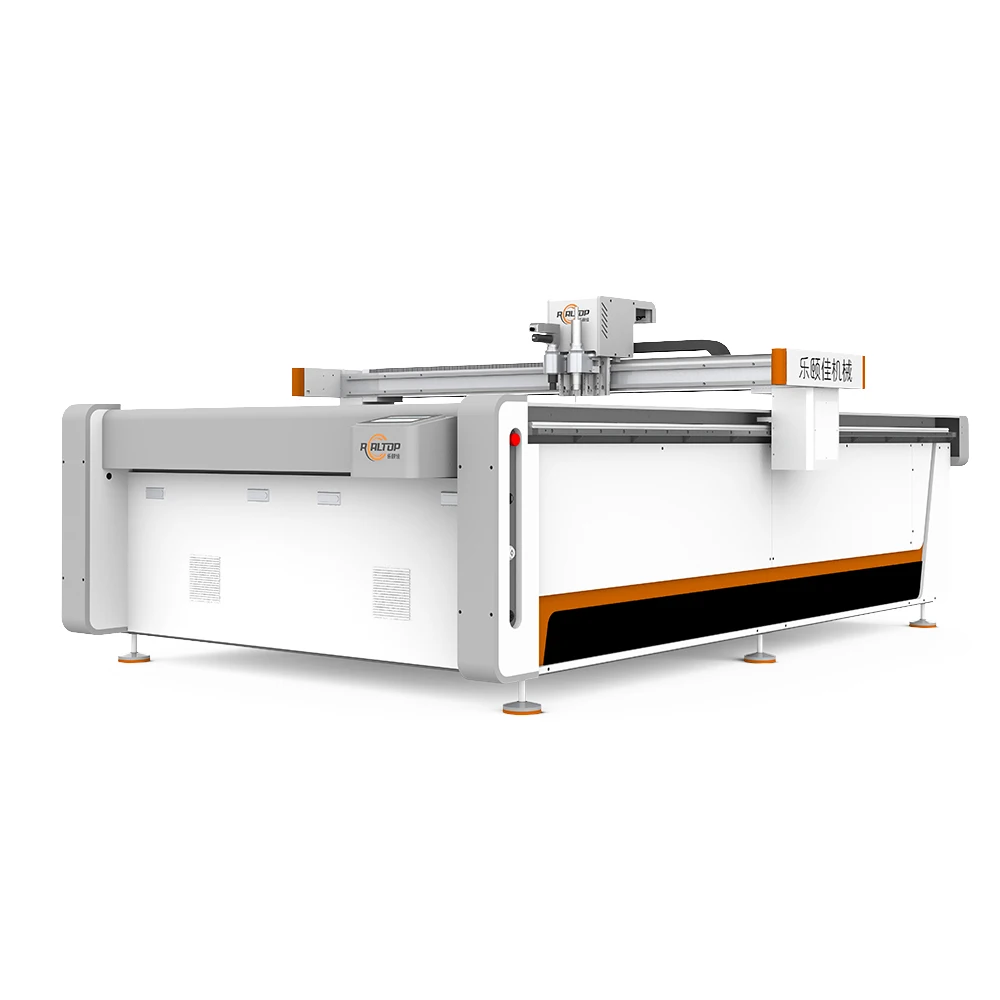
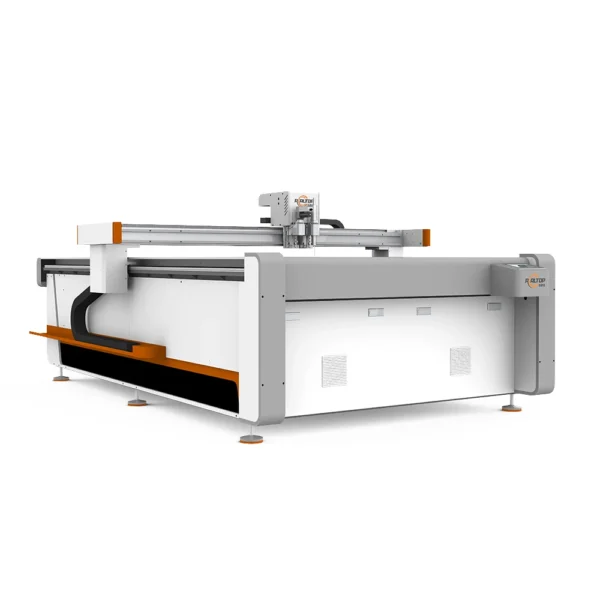
| Product Type | CNC Oscillating Knife Cutting Machine |
| Working Area | 1600×2500 mm |
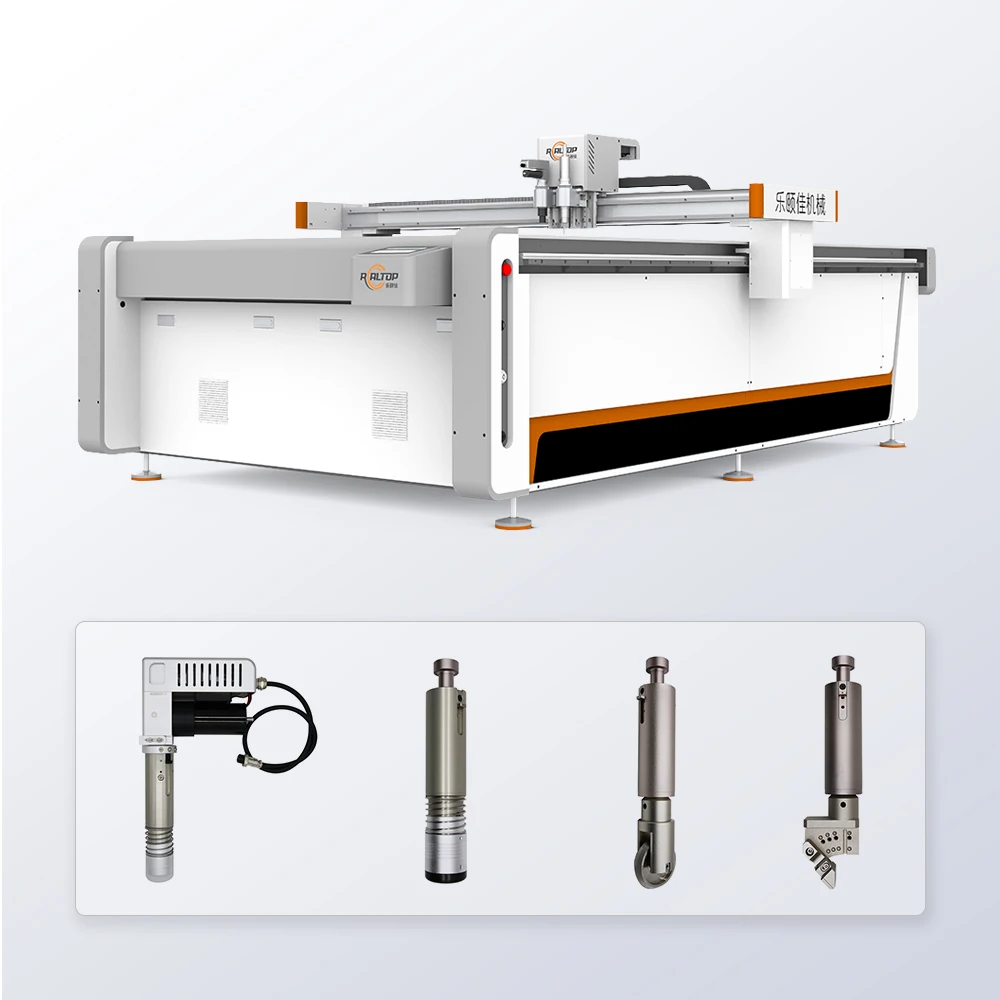
| Tool Head Options | Oscillating knife, Driven rotary knife, Creasing wheel, Kiss cutting tool, Pneumatic knife, Milling tool, V-groove knife |
| Cutting Speed | 0-1500 mm/s |
| Cutting Thickness | ≤ 40 mm (basis not stated in source — confirm material type and density) |
| Cutting Accuracy | ±0.1 mm |
| Vacuum Pump Power | 9 kW |
| Vacuum Table Type | Aluminum bellows vacuum table |
| Voltage Options | 110V, 220V, 380V |
| Servo Drive Options | Panasonic, Delta, Dorna |
| Control System | PLC control panel with intuitive interface |
| Supported File Formats | PLT, DXF, AI, PDF |
| Language Options | English, Russian, Italian, Chinese (special languages customizable) |
| Packaging Design Software | Dedicated packaging box structure design software included |
| Safety Device | Infrared sensor device and emergency stop device |
| Machine Dimensions | 3300×2100×1350 mm |
| Standards | CE |
Application Suitability
| Application | Material or Output |
|---|---|
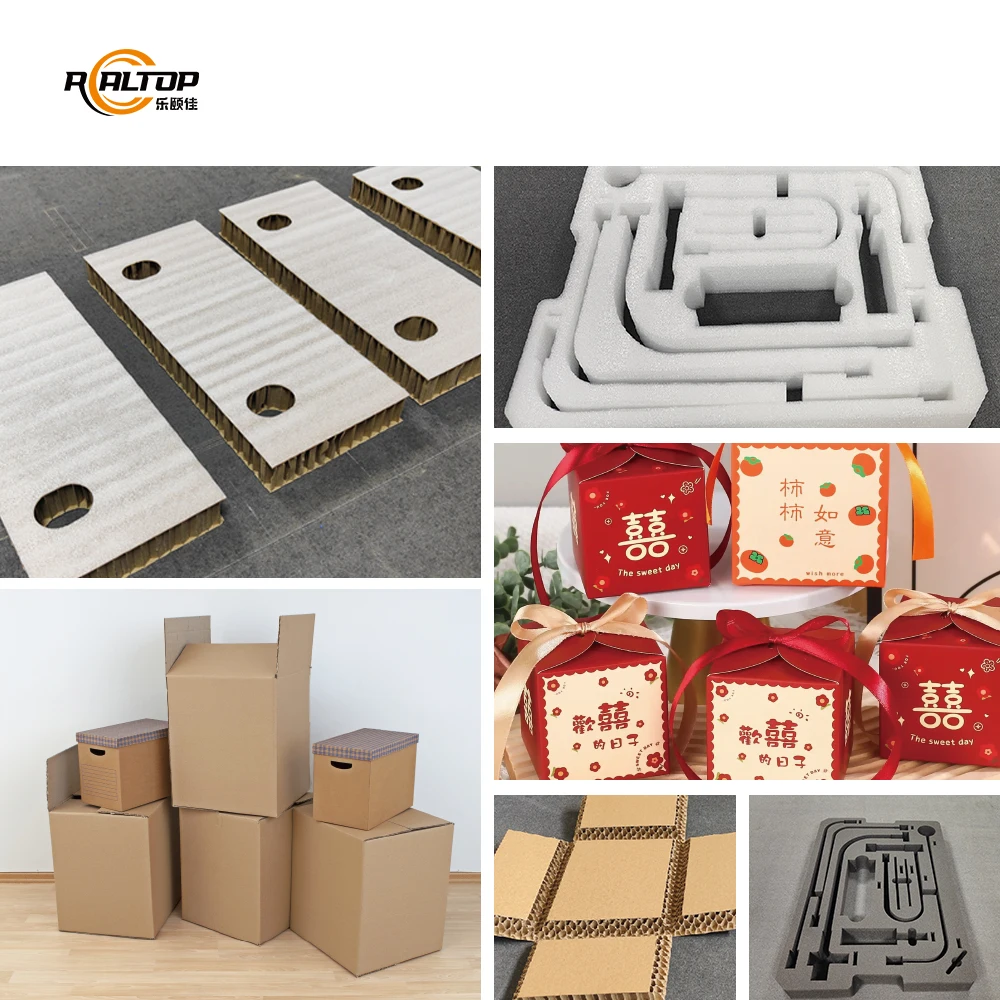
| Carton sample making and short-run prototyping | Greyboard, cardstock, art paper, specialty paper replacing die-cut moulds |
| Corrugated carton converting | E-flute, B-flute, BC-flute corrugated cardboard |
| Protective packaging insert fabrication | EVA foam, EPE foam, PU foam |
| Gasket and non-metallic component cutting | Rubber mats, thin plastic sheets, PVC, PET |
| Textile and leather packaging lining | Velvet/fleece fabric, non-woven fabric, leather, synthetic leather |
| Composite and adhesive-backed material processing | Composite materials, adhesive-backed laminates |
Why the Wrong Tool Head Destroys Corrugated Edge Quality on a CNC Oscillating Knife Cutting Machine
Specifying the cutting head by material family alone guarantees ragged edges and premature blade wear.
I spent years on the assembly floor in Shandong before moving into application engineering, and the most common failure I see in packaging shops is a machine bought on working area size without matching the tool head to the actual substrate. A standard oscillating knife that slices cleanly through single-face E-flute will crush the flutes and leave a fuzzy, torn edge on five-layer BC-flute board. The operator slows the feed rate to compensate, throughput drops, and blade changes become a constant interruption. The cutting method must follow the material, not the other way around [NEED_CITE: oscillating knife tooling selection for corrugated flute profiles].
Seven Tool Heads for Seven Different Substrate Behaviors
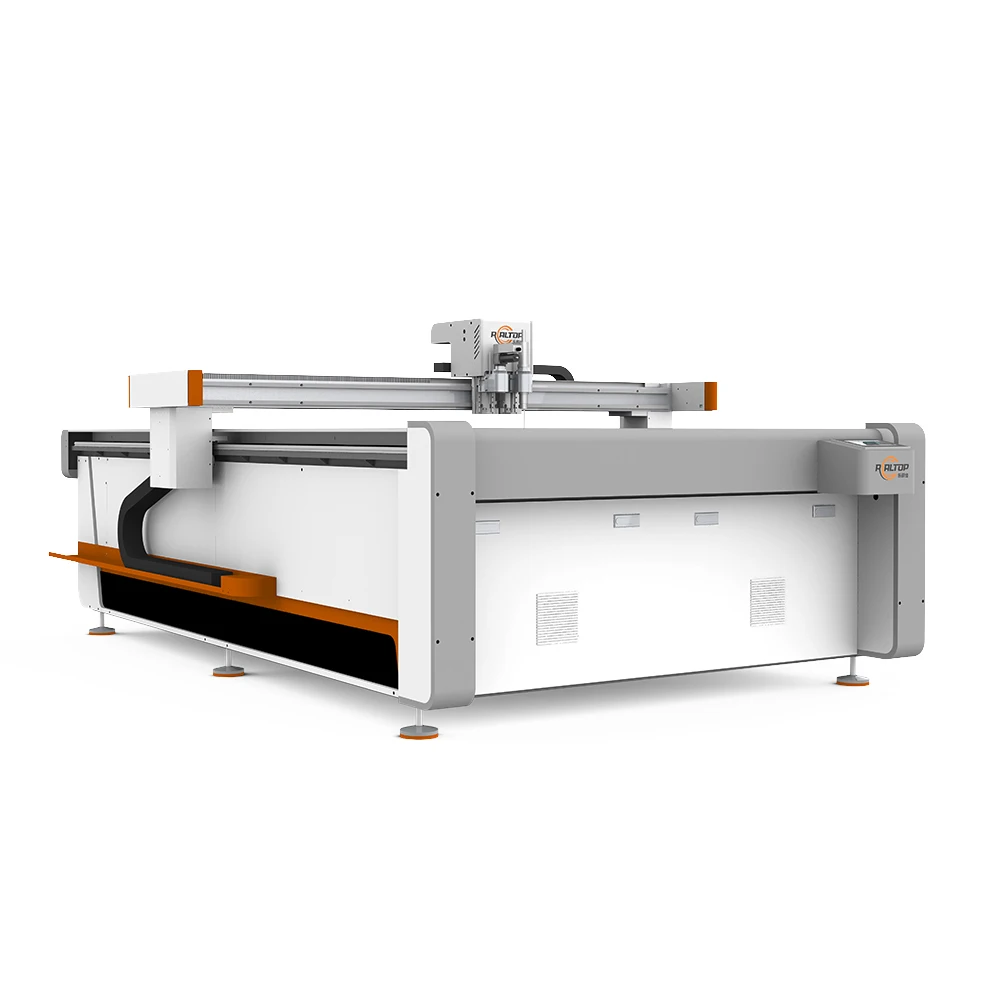
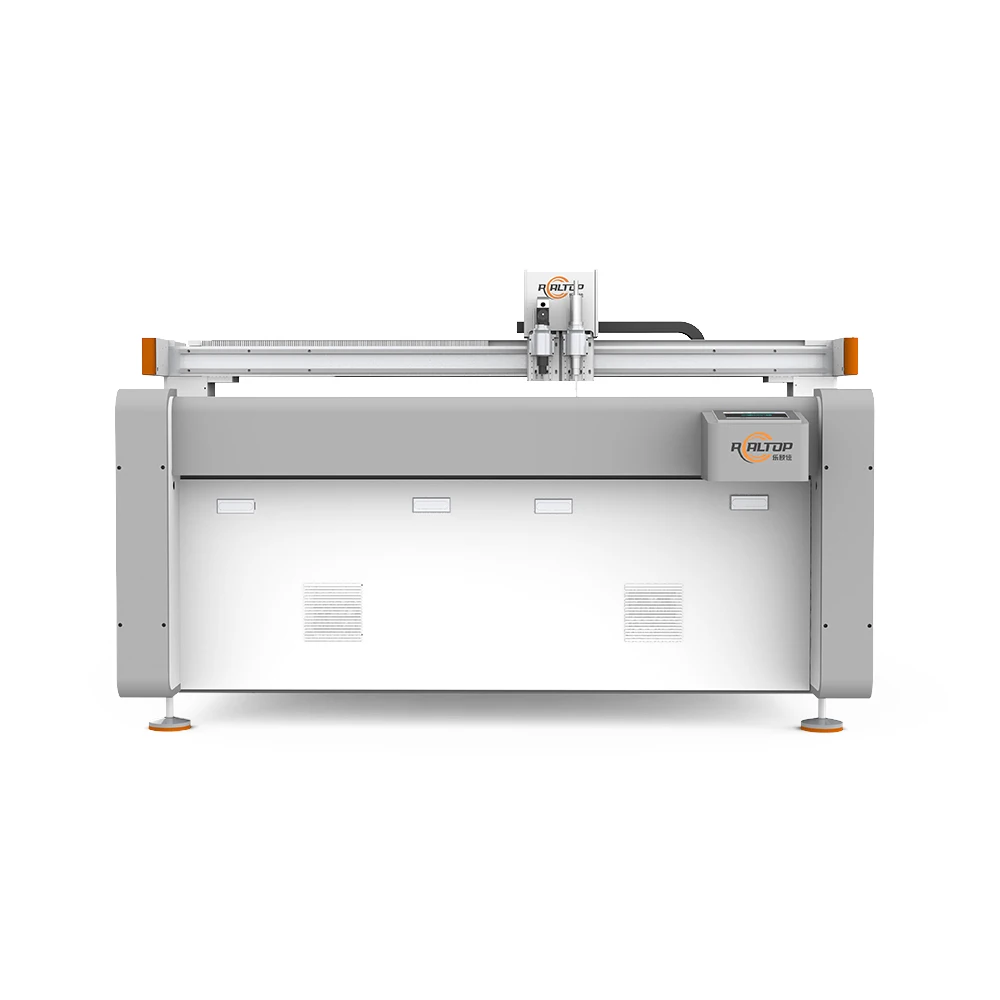
The cutting head carousel on this CNC oscillating knife cutting machine holds up to seven interchangeable tools, each addressing a distinct packaging material behavior. An oscillating knife handles standard corrugated and foam by vibrating at high frequency to slice through fibrous or cellular structures without dragging. A creasing wheel compresses fold lines into greyboard and cardstock without cutting through the face paper. A V-groove knife removes a precise channel from thick foam or laminated board so panels fold at exact angles. Selecting the correct tool for each layer of the job eliminates the torn edges and crushed cores that force operators to re-run blanks.
Vacuum Hold-Down Zoning Across the Full Bed
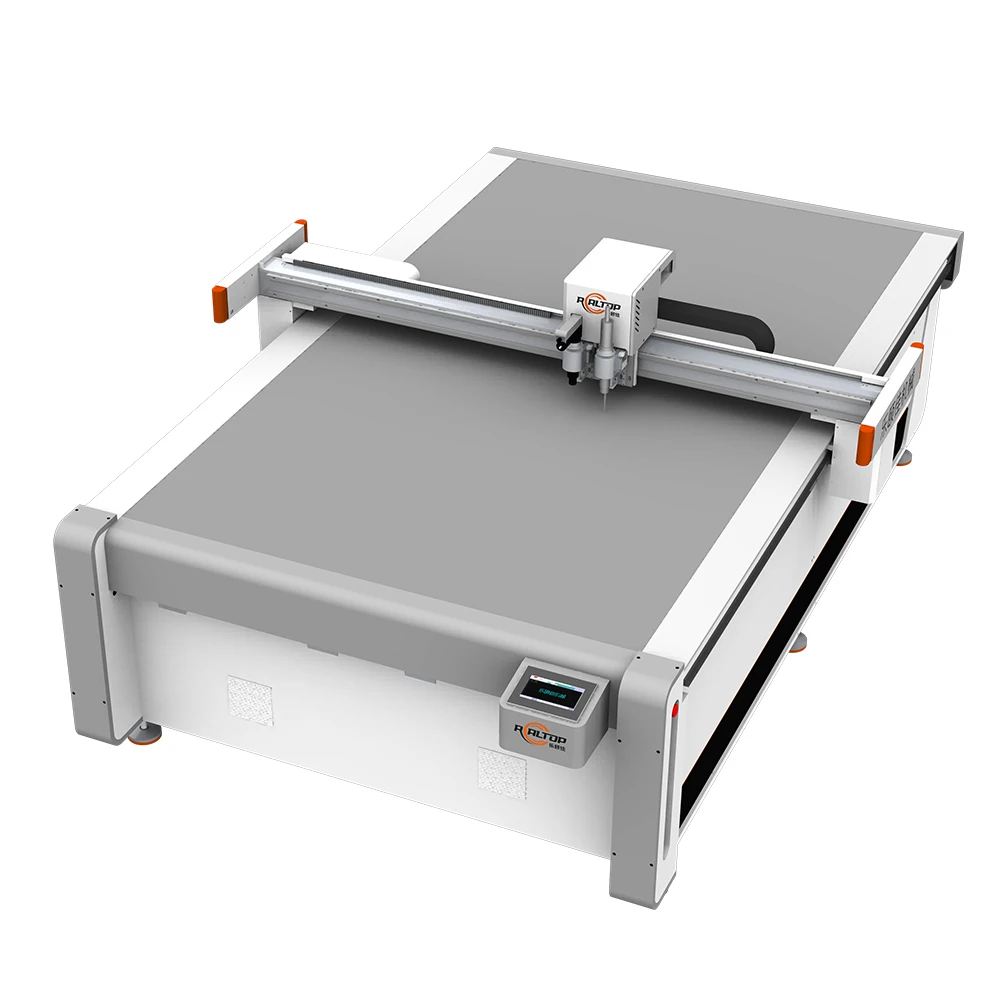
Holding corrugated sheets flat is where most digital cutting tables fail on small carton blanks. The aluminum bellows vacuum table on this unit pairs with a 9 kW pump to generate hold-down force across the entire 1600×2500 mm surface. For large sheets, the full bed pulls the material flat against the plenum. When the nesting software arranges dozens of small die-line shapes across the bed, zoned vacuum sections keep the offcut strips and small parts from lifting into the tool head as the knife exits a contour. Without adequate zoning, a small flap or glue tab lifts mid-cut, and the entire sheet is scrapped [NEED_CITE: vacuum table zoning requirements for nested packaging blanks].
How Servo Resolution and PLC Logic Translate to ±0.1 mm on the Table
The stated cutting accuracy of ±0.1 mm depends on three elements working together: the servo drive system, the PLC motion controller, and the mechanical rigidity of the gantry. Servo options include Panasonic, Delta, and Dorna, each providing the pulse resolution needed for tight corner registration on complex carton dielines. The PLC control panel manages acceleration curves so the knife does not overshoot at direction changes, which is where most registration errors appear on crease-and-cut jobs. On BC-flute corrugated board, even a slight overshoot at a fold intersection tears the liner. Maintaining ±0.1 mm across the full 2500 mm stroke length requires the drive, controller, and frame to stay in sync at the 1500 mm/s upper speed range.
The Hidden Cost of Skipping the Sample Cut
I once configured a vibrating knife cutter for a packaging client based on a sample they mailed that turned out to be three-ply E-flute. When the machine arrived, their actual daily run was five-ply BC-flute with a significantly higher crush resistance. The standard oscillating knife blade chipped within the first hour, and the edge quality was unacceptable for their customer’s print finish. We resolved it by switching to a pneumatic knife head with a stiffer blade holder and adjusting the oscillation frequency, but the downtime cost them a full production shift. That failure could have been caught with a sample cutting report on their actual stock before the machine left the factory [NEED_CITE: material density impact on oscillating knife blade life].
Why Packaging Buyers Source the Cutting Method Here
Our design team covers both knife and digital cutting technologies under one roof, so the configuration is driven by your substrate, not by what one machine type happens to do. Every tool head and vacuum zone combination is specified against the material type, flute profile, and daily blank volume you confirm during the inquiry. The dedicated packaging box structure design software ships with the machine and imports PLT, DXF, AI, and PDF files directly, so your existing dieline workflow carries over without format conversion. Voltage is confirmed against your facility supply — 110V, 220V, or 380V — and the control language is set before dispatch. We cut samples on your own corrugated or foam stock and send the cutting report before you commit to the order.
Documentation & Verification
- Machine specification sheet listing every tool head and servo option selected for your order
- Electrical schematic confirming voltage, phase, and frequency matched to your facility
- Tool head and vacuum table configuration list tied to your tested material and thickness
- Sample cutting report produced on your corrugated or foam stock before order confirmation
- Software licence key and file format compatibility note for PLT, DXF, AI, PDF integration
- Factory test record documenting cutting accuracy and cycle path on your dieline file
Installation, Commissioning & Support
- Floor space planning based on the 3300×2100×1350 mm machine footprint plus material staging clearance
- Dedicated electrical circuit sized for the 9 kW vacuum pump plus servo and control load
- Machine arrives assembled; gantry and tool head carousel require on-site alignment and calibration
- First-run commissioning includes cutting your production dieline files to verify ±0.1 mm registration
- Operator training covers tool head changeover, vacuum zoning adjustment, and PLC parameter tuning
- Spare parts list includes oscillating blades, creasing wheels, and vacuum table seals for your configuration
What to Include in Your Inquiry
Send us the exact corrugated flute type or foam density you run daily, the maximum sheet size and thickness, and your target blank volume per shift. Confirm your facility voltage and frequency, the control panel language your operators need, and whether your existing design files are in PLT, DXF, AI, or PDF format. We will return a tool head configuration, a sample cutting report on your material, and a machine specification built around your actual production conditions.
Frequently Asked Questions
Q: How do I match the tool head to my corrugated flute profile?
A: E-flute and B-flute typically run on the standard oscillating knife with a fine-edge blade. BC-flute and heavier double-wall grades need a pneumatic knife or a stiffer oscillating blade holder to prevent flute crush. We test your actual board and specify the tool head, oscillation frequency, and blade type in the configuration list before building the machine.
Q: What material and density does the ≤40 mm cutting thickness refer to?
A: The 40 mm figure is a maximum mechanical stroke limit, not a universal capacity across all materials. Cutting 40 mm of low-density EPE foam is routine, while 40 mm of high-density EVA or compressed gasket rubber may exceed blade capability. We confirm achievable thickness on your specific material during the sample cutting stage.
Q: Is the vacuum table hold-down sufficient for small carton blank parts?
A: The aluminum bellows table with the 9 kW pump provides zoned vacuum sections across the 1600×2500 mm bed. Small glue tabs, flap inserts, and nested partition pieces stay held by active zones while surrounding waste is cleared. We configure the zoning map to match your typical nesting layout during commissioning.
Q: Will the software import my existing dieline files without conversion?
A: The dedicated packaging design software included with the machine reads PLT, DXF, AI, and PDF natively. We verify file compatibility during the inquiry stage by importing a sample dieline from your current workflow and running a test cut, so there are no format surprises at installation.
Q: How are voltage and control language confirmed before shipment?
A: We collect your facility voltage, phase, and frequency along with your preferred operator language during the specification confirmation step. The electrical schematic and PLC language setting are documented in the pre-shipment paperwork and verified during the factory test before the machine is crated.


商品评价
Clear filtersThere are no reviews yet.