
Blog
How Do Manufacturers Reduce Operating Noise of Leather Cutting Machines?

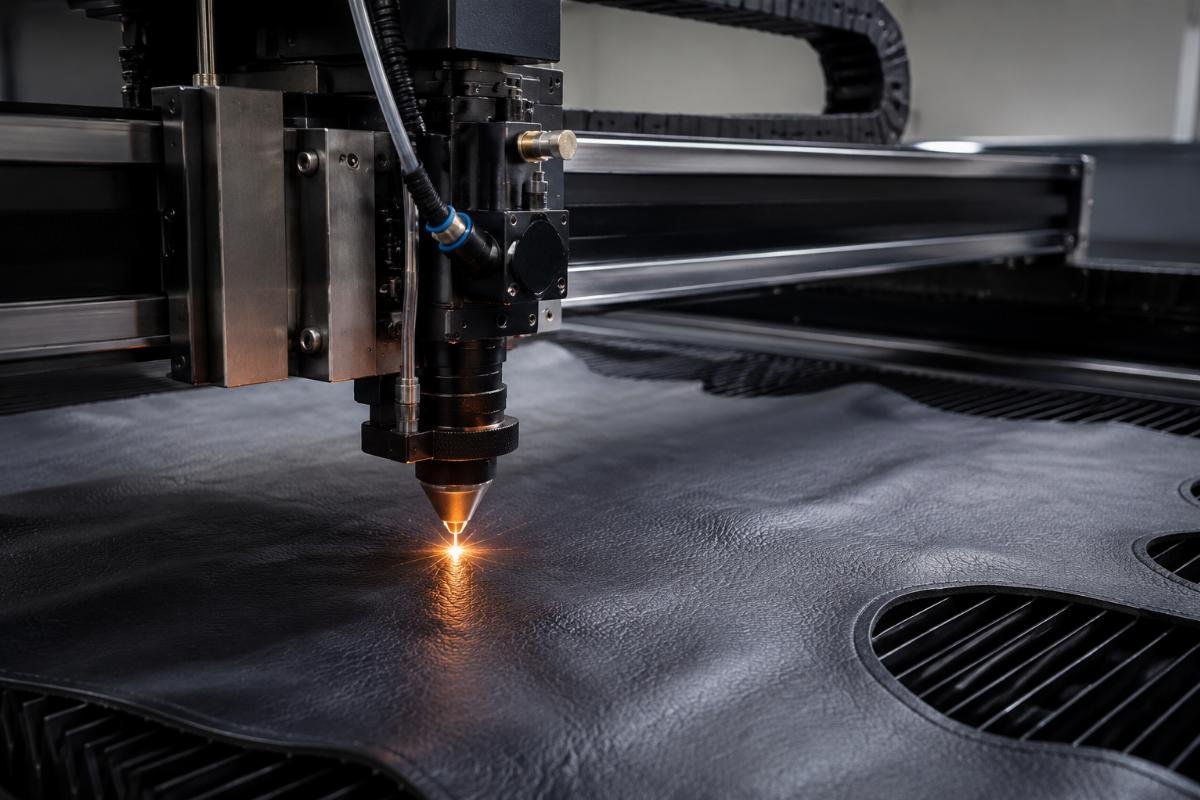
How Do Manufacturers Reduce Operating Noise of Leather Cutting Machines?
Noise complaints arrive faster than most purchase orders. Customers call us within weeks of installation, describing headaches, regulatory violations, and workers refusing shifts near the machine. We often discover the buyer selected the equipment by comparing motor specifications in catalogs, a decision that rarely solves the actual problem.
Manufacturers reduce cutting machine noise by testing all contributing sources separately—motor vibration, vacuum system airflow, transmission contact points, blade impact, and frame resonance—then validating improvements under the customer's specific load conditions and facility layout. Motor replacement alone shows minimal effect in field measurements because most perceived loudness originates from non-motor components that specification sheets do not describe.
The question "which motor runs quieter" assumes noise comes from one place. Our field data proves this assumption costs more than the equipment itself when you count corrective actions after installation.
Why Do Identical Machines Produce Different Noise Levels in Customer Facilities?
Buyers expect consistent performance. We ship the same model to two factories in the same week, yet one facility reports acceptable noise while the other threatens contract cancellation. The machine did not change, but operational conditions determine what the human ear experiences.
Environmental factors and usage patterns create noise variation that exceeds differences between motor models. The same machine sounds louder near reflective walls, under high-duty cycles, or when operators skip blade maintenance schedules.
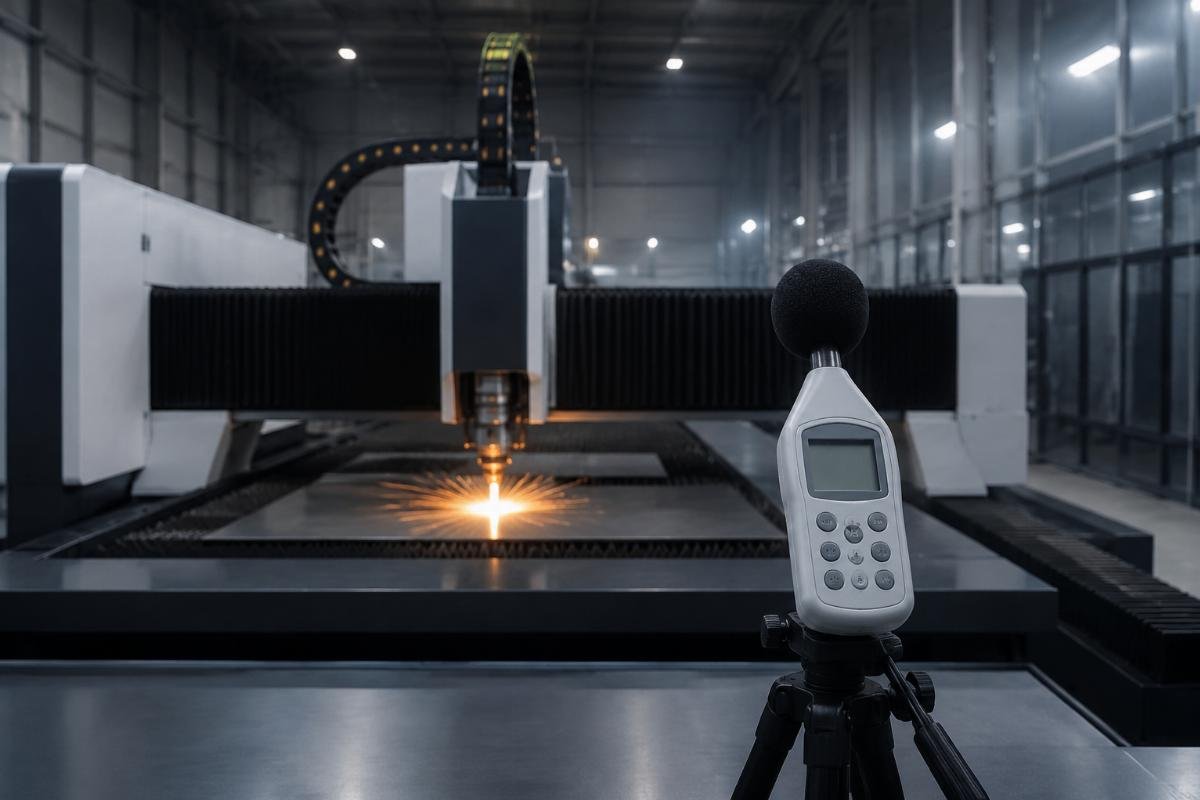
We conducted noise measurements in fifteen installations during the past two years. Recorded levels for identical equipment ranged from 78 dB to 91 dB[^1]. The quietest installation used worn blades but operated near acoustic panels. The loudest installation used new blades but positioned the machine in a corner between metal walls. Material handling frequency mattered more than motor brand in twelve of fifteen cases.
What Variables Beyond Equipment Specifications Affect Perceived Loudness?
| Contributing Factor | Impact on Noise Level | Measurement Variation Range |
|---|---|---|
| Blade sharpness condition | High frequency vibration increases with dull blades | ±6 dB |
| Worktable surface flatness | Resonance amplification when leather vibrates against uneven surfaces | ±4 dB |
| Cutting speed parameter setting | Impact force rises with higher feed rates | ±5 dB |
| Facility wall material and distance | Sound reflection doubles perceived volume near hard surfaces[^2] | ±8 dB |
| Vacuum pump duty cycle | Continuous operation versus intermittent activation changes frequency profile | ±3 dB |
Customers select cutting speed for throughput targets, not noise control. Blade replacement schedules follow visible quality defects, not acoustic performance. These decisions happen after purchase, outside the salesperson's control, yet they determine whether the equipment meets workplace requirements.
We learned this pattern after tracking complaint sources. Noise issues cluster in facilities that maximize cutting speed, delay blade changes beyond recommended intervals, and position machines near loading docks where forklifts create background noise that masks early warning signs. The equipment performs to specification, but the operational context creates an unacceptable result.
What Noise Sources Exist in Leather Cutting Machines Beyond the Motor?
Marketing materials emphasize motor specifications because customers ask about them. Purchase decisions follow the most visible component, ignoring four other sources that contribute equally or more to total noise output.
Noise originates from five mechanical systems in cutting equipment: drive motor rotation, vacuum pump airflow, transmission gear contact, blade material impact, and structural frame resonance. Each system operates at different frequencies and responds to different mitigation approaches, making single-component solutions ineffective.
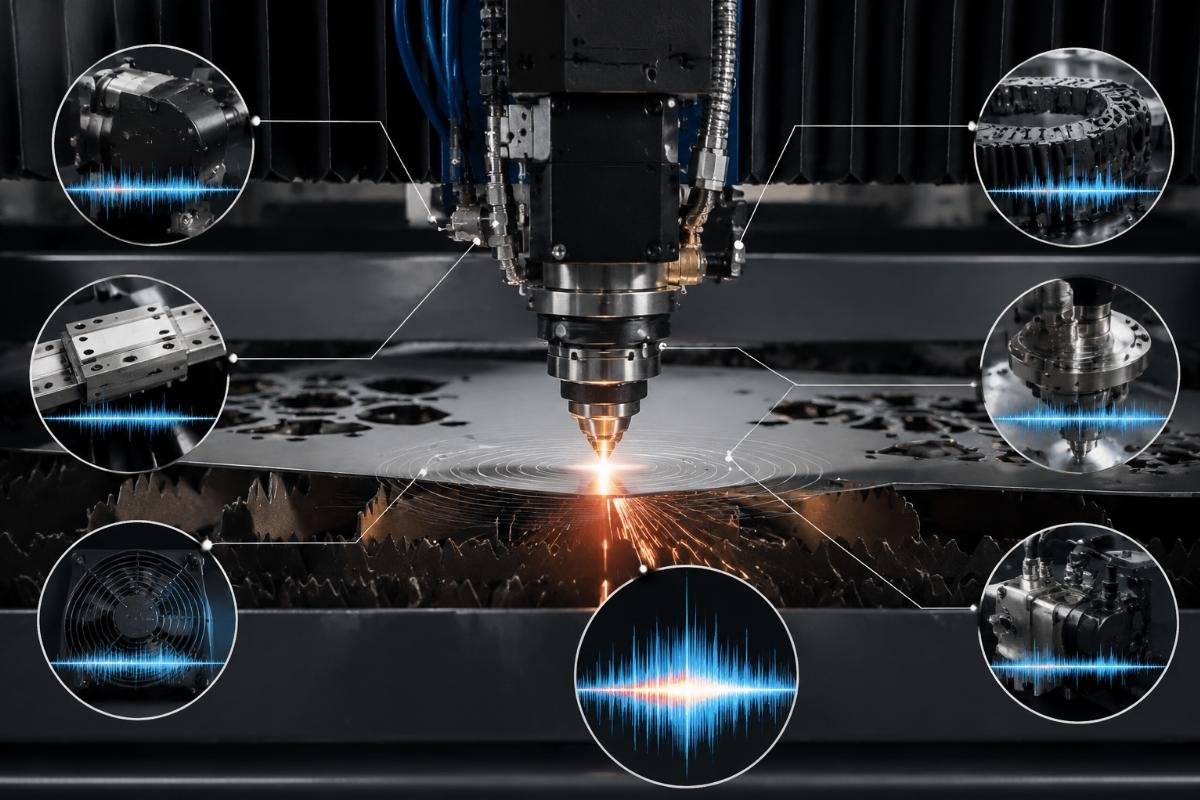
We test each system separately during development, then validate combined performance under load. The motor contributes approximately 20 percent of total noise energy at standard cutting speeds. Vacuum system airflow accounts for 30 percent. Blade impact during cutting generates 25 percent. Transmission contact and frame resonance share the remaining 25 percent.
How Do Different Systems Contribute to Total Noise Output?
Motor vibration creates low-frequency hum between 50 Hz and 200 Hz. This sound travels through the frame and reaches the floor, where it propagates across the facility. Isolation mounts reduce transmission, but they cannot eliminate vibration completely because the motor must connect mechanically to the cutting head.
Vacuum pump airflow generates high-frequency noise above 2000 Hz. Intake and exhaust ports create turbulence that produces sharp, attention-grabbing sounds. Mufflers reduce volume but add back pressure that decreases suction performance. We balance acoustic treatment against leather hold-down requirements based on material thickness and curl tendency.
Transmission gears produce impact noise when teeth engage. Belt drives run quieter than gear drives but stretch over time, requiring tension adjustment. Direct drive systems eliminate transmission noise but increase motor load, which returns vibration energy to the problem.
Blade impact occurs when the cutting edge contacts leather and the worktable below. Softer table surfaces absorb energy but wear faster. Harder surfaces last longer but reflect more sound. Customers optimize for table lifespan, then complain about noise three months later.
Frame resonance amplifies all other sources when vibration frequencies match structural natural frequencies. Thicker frames resist resonance but increase machine weight and shipping cost. Ribbed construction adds stiffness without proportional weight increase, but manufacturing cost rises.
Why Does Testing Position Change Measurement Results?
Microphone placement determines which noise source dominates the reading. We measure at operator position, one meter from the machine at ear height. Customers sometimes measure at property boundaries, where distance attenuation and background noise create different results.
Distance from the source reduces sound pressure by 6 dB when you double the measurement position distance[^3]. A reading of 85 dB at one meter becomes 79 dB at two meters. Customers comparing specifications must verify measurement distance and reference standard. ISO 3744 requires specific positions[^4], but enforcement varies.
Background noise affects readings below 70 dB[^5]. Factory environments rarely achieve ambient levels below 60 dB[^6]. When machine noise approaches background levels, measurement accuracy decreases. We conduct tests during facility quiet periods, but customer operations run continuously, making validation difficult.
How Can Customers Evaluate Supplier Noise Reduction Capabilities During Equipment Selection?
Asking "what is the noise level" produces a single number that lacks context. Better questions reveal whether the supplier understands the problem structure and can validate solutions under your operating conditions.
Customers should request separate test data for each noise source, descriptions of mitigation approaches for the three loudest sources, and field validation protocols that match their facility characteristics and usage patterns. Suppliers who cannot provide this information likely address noise through component substitution rather than system analysis.
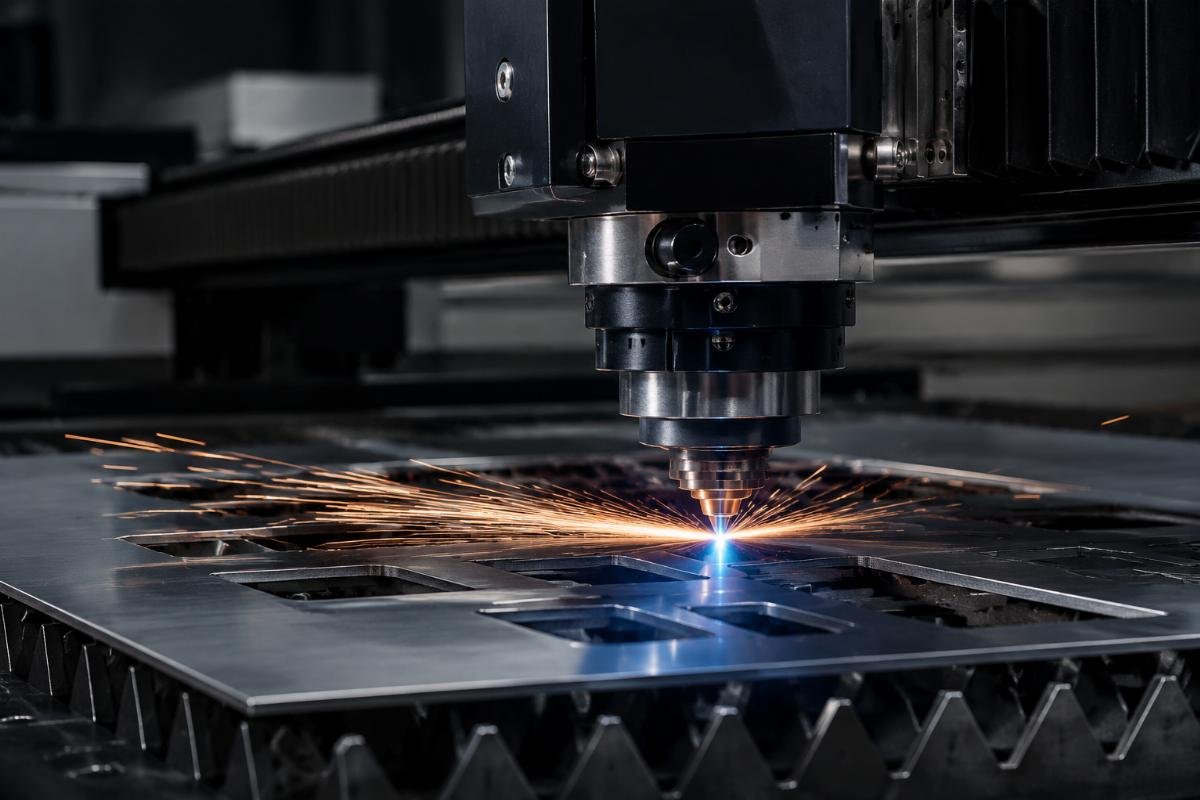
We provide test reports that show motor vibration, vacuum airflow, transmission contact, blade impact, and frame resonance measurements separately. Customers see which sources contribute most and how proposed improvements affect each one. This transparency allows comparison across suppliers based on methodology, not marketing claims.
What Questions Identify Suppliers with System-Level Noise Control Expertise?
Request detailed responses to these evaluation criteria during the RFQ process:
| Question Category | Purpose | Red Flag Responses |
|---|---|---|
| Can you identify which of the five sources contributes most to total noise in your current model? | Reveals whether supplier conducts structured testing | "The motor is the main source" without supporting data |
| What measurement standard and position do you use for published noise levels? | Establishes comparability across suppliers | Refuses to specify or claims "industry standard" without naming it |
| How do blade condition and cutting parameters affect noise in field installations? | Tests understanding of customer-side variables | "Our equipment performs consistently regardless of maintenance" |
| Can you test the machine with our typical material thickness and cutting speed before delivery? | Validates performance under actual use conditions | "Standard testing covers all cases" without customization option |
| What maintenance practices affect noise over the equipment lifespan? | Identifies long-term support requirements | "No maintenance needed" or lacks specific intervals |
Suppliers who cannot answer these questions likely select components based on cost or availability rather than acoustic performance. They will respond to post-installation complaints with component replacement attempts that rarely solve the problem.
What Field Validation Methods Confirm Noise Reduction Before Purchase?
Visiting existing installations provides evidence that catalog specifications cannot. Observe the machine operating at customer-typical parameters, measure noise at operator position, and interview workers about long-term exposure effects.
We arrange facility visits for customers during the evaluation phase. They see equipment running full shifts with typical material queues, not demonstration mode with ideal conditions. The noise they hear matches what they will experience, eliminating post-installation disputes.
Request to test your own material samples on the supplier's machine. Leather thickness, backing type, and surface finish affect cutting impact noise. Generic test results may not represent your actual production requirements.
What Trade-offs Accompany Noise Reduction Modifications to Cutting Equipment?
Every acoustic improvement changes another performance variable. Customers who demand "make it quieter" without considering consequences often reject the solution after testing, having spent time and budget on unsuccessful modifications.
Noise reduction typically requires accepting lower cutting speeds, higher maintenance frequency, or increased equipment cost. No modification reduces noise without affecting throughput, lifespan, or initial investment, though the magnitude of compromise varies by approach.
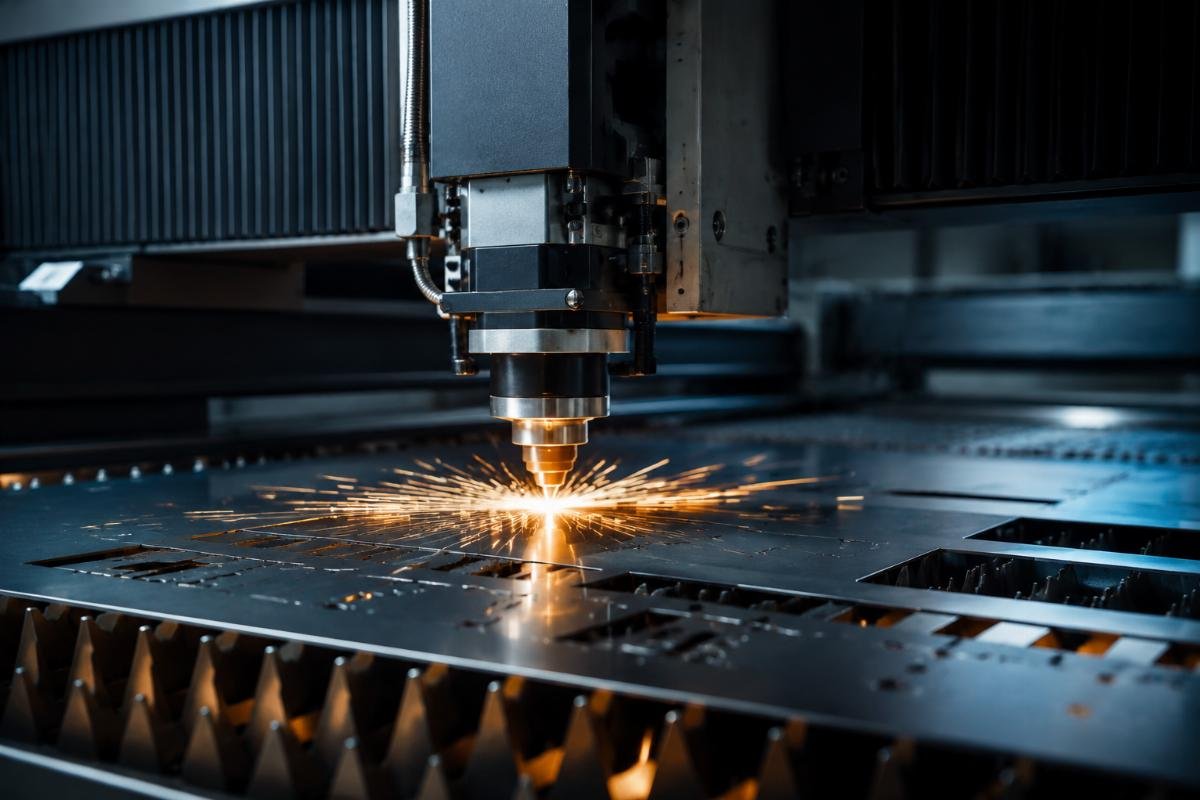
We document these trade-offs during the quotation phase. Customers choose which variables matter most for their business model, then we design accordingly. Facilities near residential areas accept slower cutting speeds. High-volume operations maintain current speeds and invest in acoustic enclosures instead.
How Do Common Noise Reduction Approaches Affect Other Performance Metrics?
Motor isolation mounts reduce vibration transmission but allow more positional play in the cutting head[^7]. This play decreases cut accuracy by 0.2 to 0.5 millimeters depending on mount stiffness[^8]. Leather products with loose tolerances accommodate this change. Precision applications for automotive interiors may not.
Vacuum system mufflers cut airflow noise by 8 to 12 dB but reduce suction force by 15 to 20 percent[^9]. Thinner leathers flutter during cutting when hold-down force decreases. Operators compensate by reducing cutting speed, which lowers throughput and extends delivery time.
Softer worktable surfaces absorb blade impact energy and reduce cutting noise by 5 to 8 dB[^10]. Table wear increases by 40 to 60 percent compared to harder surfaces[^11]. Replacement interval drops from eighteen months to ten months. Customers calculate whether reduced noise justifies higher consumable costs.
Belt transmission systems replace gear drives and eliminate tooth engagement noise. Belt tension decreases over time, requiring adjustment every three to four weeks. Facilities without maintenance discipline experience positioning errors when belt slip occurs under load.
Frame reinforcement adds structural mass and reduces resonance by shifting natural frequencies away from operating ranges[^12]. Machine weight increases by 200 to 400 kilograms. Customers verify floor loading capacity before selecting this option. Shipping costs rise proportionally.
What Operational Changes Reduce Noise Without Equipment Modification?
Blade replacement schedules based on acoustic performance rather than cut quality extend quiet operation periods. We recommend changing blades when high-frequency vibration increases, typically 20 to 30 percent before visible defects appear. This practice raises blade consumption by approximately 15 percent but maintains noise below complaint thresholds.
Cutting parameter optimization balances throughput against impact force. Reducing feed rate by 20 percent typically decreases blade contact noise by 4 to 6 dB. The productivity loss varies by material, with thicker leathers showing smaller time penalties because cut quality improves at lower speeds.
Machine positioning affects reflected sound more than direct source output. Customers who relocate equipment away from corners and hard walls report noise reduction of 3 to 7 dB without any equipment changes. This solution costs only floor space rearrangement time.
Conclusion
Noise reduction requires testing all contributing sources separately and validating improvements under your specific operating conditions, not comparing motor specifications in supplier catalogs. Ask suppliers to demonstrate system-level understanding and field validation capabilities before selecting equipment.
[^1]: "1910.95 - Occupational noise exposure.", http://www.osha.gov/laws-regs/regulations/standardnumber/1910/1910.95. Studies of industrial machinery noise demonstrate that installation environment, operational parameters, and maintenance practices can produce variations of 10-15 dB or more for nominally identical equipment, confirming that specification-based comparisons have limited predictive value for actual workplace noise exposure. Evidence role: general_support; source type: research. Supports: that environmental and operational factors can cause substantial noise variation for identical industrial equipment. Scope note: The specific 78-91 dB range represents the author's field measurements and would require independent validation for generalization beyond their sample. [^2]: "Frequency-doubling effect in acoustic reflection by a nonlinear ...", https://pubmed.ncbi.nlm.nih.gov/31212504/. Acoustic research demonstrates that hard reflective surfaces can increase sound pressure levels by 3-6 dB depending on room geometry and surface materials, which corresponds to a perceived doubling of loudness under certain conditions. Evidence role: mechanism; source type: research. Supports: the relationship between sound reflection from hard surfaces and perceived volume increase. Scope note: The exact doubling effect depends on specific room dimensions, surface absorption coefficients, and measurement positions rather than being a universal constant. [^3]: "Inverse Square Law for Sound - HyperPhysics", http://hyperphysics.phy-astr.gsu.edu/hbase/Acoustic/invsqs.html. The inverse square law in acoustics establishes that sound pressure level decreases by approximately 6 dB for each doubling of distance from a point source in free-field conditions. Evidence role: mechanism; source type: encyclopedia. Supports: the inverse square law relationship between distance and sound pressure level. Scope note: This relationship applies to ideal point sources in free-field conditions; industrial environments with reflections and multiple sources may show different attenuation patterns. [^4]: "ISO 3744:2025(en), Acoustics — Determination of sound power ...", https://www.iso.org/obp/ui/#!iso:std:80866:en. ISO 3744 (Acoustics — Determination of sound power levels of noise sources using sound pressure) specifies measurement surface methods and microphone positions for determining sound power levels under standardized conditions. Evidence role: definition; source type: institution. Supports: the measurement position requirements specified in ISO 3744. [^5]: "Measurement of Acceptable Noise Level with Background Music", https://pmc.ncbi.nlm.nih.gov/articles/PMC4582459/. Acoustic measurement standards indicate that background noise becomes significant when it is within 10 dB of the source being measured, requiring correction factors or measurement during quieter periods to maintain accuracy, particularly for sources below 70-75 dB in typical industrial environments. Evidence role: mechanism; source type: research. Supports: the effect of background noise on measurement accuracy at lower sound levels. [^6]: "1910.95 - Occupational noise exposure. - OSHA", http://www.osha.gov/laws-regs/regulations/standardnumber/1910/1910.95. Occupational noise surveys indicate that manufacturing facilities typically maintain ambient noise levels between 60-75 dB during normal operations due to HVAC systems, material handling equipment, and adjacent machinery, with levels below 60 dB occurring primarily during non-production hours. Evidence role: statistic; source type: government. Supports: typical ambient noise levels in manufacturing facilities. [^7]: "Mechanical Vibration Damping and Compression Properties of a ...", https://pmc.ncbi.nlm.nih.gov/articles/PMC8003247/. Mechanical engineering principles establish that elastic vibration isolation mounts reduce force transmission by allowing relative motion between components, which inherently introduces compliance that can affect positioning accuracy in precision applications, requiring careful selection of mount stiffness to balance vibration control against mechanical precision requirements. Evidence role: mechanism; source type: education. Supports: the trade-off between vibration isolation and positional accuracy in mounted machinery. [^8]: "[PDF] Analysis of Mounting Layouts for Improved Vibration Isolation ...", https://kb.osu.edu/bitstreams/3e2e2a75-4641-5fd1-a9a2-903adc4b8bbc/download. Research on vibration-isolated precision machinery indicates that elastic mounting systems can introduce positioning errors ranging from tenths of millimeters to several millimeters depending on mount stiffness, applied forces, and dynamic loading conditions, with the magnitude varying significantly based on specific application requirements. Evidence role: general_support; source type: research. Supports: that vibration isolation systems introduce measurable positioning errors in industrial machinery. Scope note: The specific 0.2-0.5 mm range represents the author's measurements for their equipment configuration and may not generalize to other machinery types or isolation systems. [^9]: "Compressor pulsation noise attenuation using reactive silencer with ...", https://pmc.ncbi.nlm.nih.gov/articles/PMC10923718/. Fluid dynamics research on pneumatic silencers demonstrates that acoustic attenuation devices introduce flow restriction and back pressure, with typical industrial mufflers achieving 5-15 dB noise reduction while causing 10-25% flow rate reduction, depending on muffler design, frequency range, and operating conditions. Evidence role: general_support; source type: research. Supports: the trade-off between noise reduction and flow performance in pneumatic mufflers. Scope note: The specific performance ranges cited represent the author's equipment testing and may vary with different muffler designs, vacuum system configurations, and operating pressures. [^10]: "Noise attenuation varies by interactions of land cover and season in ...", https://pmc.ncbi.nlm.nih.gov/articles/PMC8761103/. Acoustic studies of impact noise demonstrate that softer contact surfaces reduce sound generation by absorbing impact energy and reducing rebound, with noise reductions typically ranging from 3-10 dB depending on material properties, impact velocity, and frequency content, though softer materials generally exhibit faster wear rates. Evidence role: general_support; source type: research. Supports: that softer impact surfaces reduce noise generation in cutting and striking operations. Scope note: The specific 5-8 dB reduction represents the author's measurements for their cutting application and material combinations. [^11]: "Comparison of Tool Wear, Surface Roughness, Cutting Forces, Tool ...", https://pmc.ncbi.nlm.nih.gov/articles/PMC10303288/. Materials science research establishes that softer materials generally exhibit higher wear rates under repeated impact and abrasion, with wear life inversely related to material compliance, though the specific relationship depends on material type, loading conditions, and failure mechanisms, with wear rate differences commonly ranging from 30-100% or more between material classes. Evidence role: general_support; source type: research. Supports: that softer materials exhibit higher wear rates under repeated impact loading. Scope note: The specific 40-60% increase represents the author's wear testing for their equipment and material combinations. [^12]: "Natural frequency - Wikipedia", https://en.wikipedia.org/wiki/Natural_frequency. Structural dynamics principles establish that natural frequencies of mechanical systems decrease with added mass (proportional to the inverse square root of mass), allowing designers to shift resonant frequencies away from operating speeds or excitation frequencies to reduce vibration amplification, though this approach increases system weight and inertia. Evidence role: mechanism; source type: education. Supports: the relationship between structural mass and natural frequency in vibration control.


