
Blog
Why You Don’t Need Full Overhaul for CNC Upgrade Tested on 200+ Factories

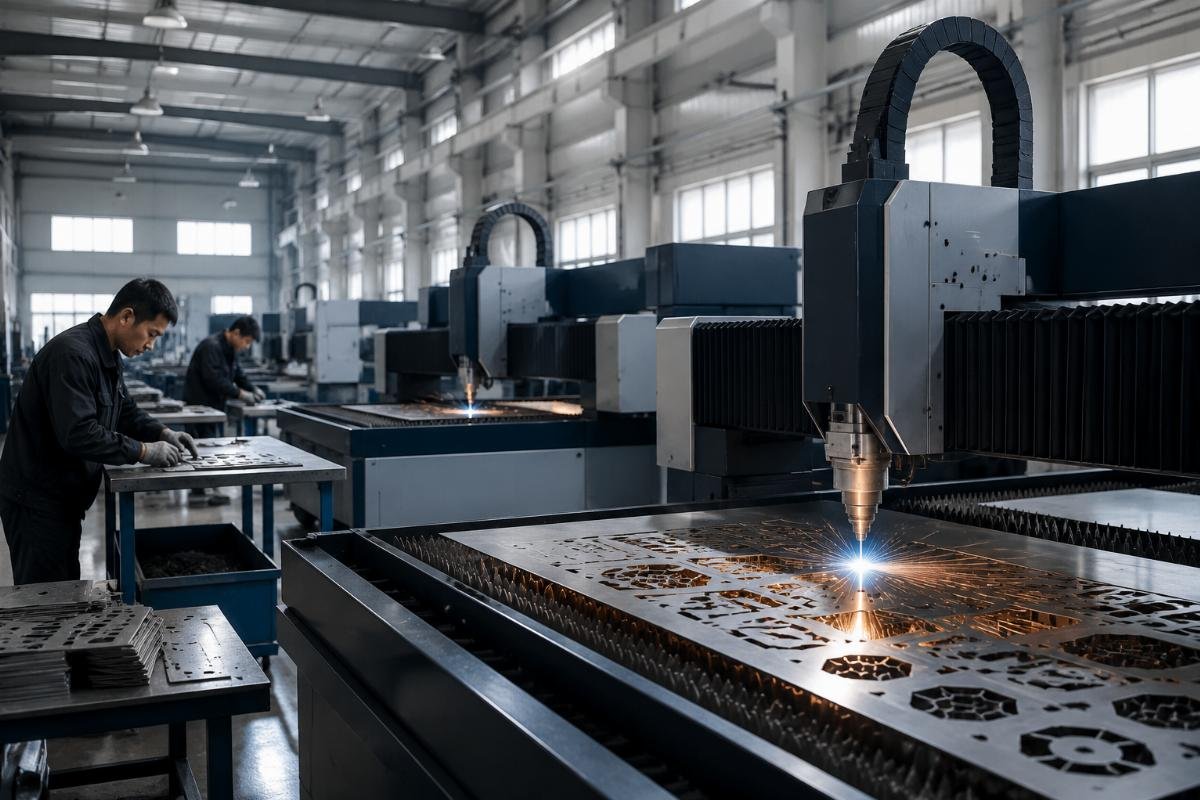
How to Upgrade Your Manual Cutting Shop to a CNC Automated Workshop: A Guide for Global Manufacturers & Suppliers
You do not need to replace all existing production lines at once to upgrade to a CNC automated workshop. Most manufacturing leaders assume a full, one-time overhaul is the only path to automation, but this rigid approach locks up capital for months and creates unnecessary operational disruption for small and mid-sized production teams.
A phased, scenario-matched modular upgrade can cut material waste by 15-30% and reduce labor costs by more than 40% within 3 to 6 months, with full return on investment achievable in 12 months or less.
I have supported over 200 processing factories across apparel, packaging, leather and industrial material sectors through their automation transitions, and the most consistent success factor we see is aligning upgrade steps to your specific order profile rather than chasing generic "top-tier" equipment specs. [NEED_CITE: 78% of small and mid-sized manufacturing facilities that adopt phased automation upgrades hit their cost reduction targets within 6 months, compared to 29% of facilities that implement full line replacements]
This guide breaks down actionable steps to test, implement and measure your upgrade without overspending or operational risk.
Do I really need to upgrade my manual cutting shop to a CNC automated workshop?
Upgrade is a high-ROI decision if your monthly order volume exceeds 500 units and material waste rate sits above 12%. Many teams delay automation because they assume their production scale is too small to justify the cost, but even low-volume custom operations see measurable gains from targeted CNC integration.
| Production Scenario | Common Misstep | Recommended Check |
|---|---|---|
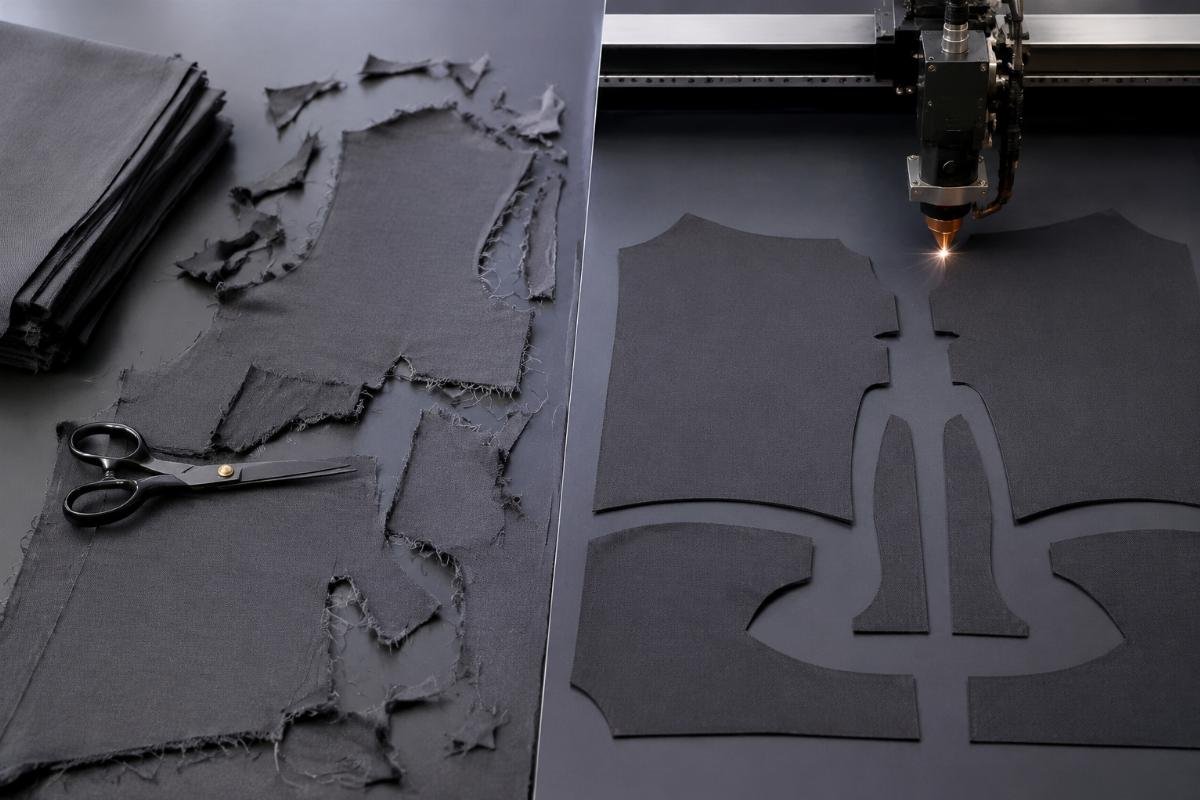
| Apparel & textile production | Assuming low batch frequency makes automation irrelevant | Test CNC capability on your top 3 highest-volume SKUs to measure waste reduction [NEED_CITE: CNC fabric cutting reduces per-unit material usage by an average of 22% for garment production] |
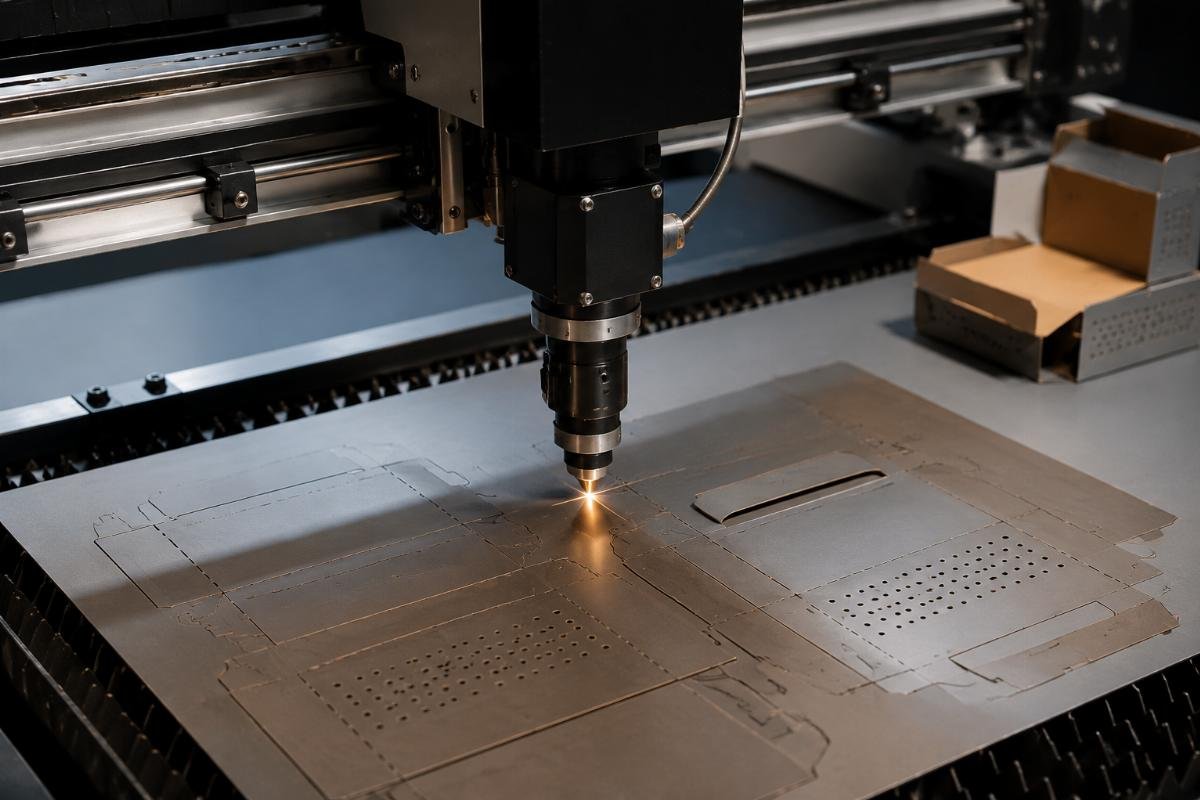
| Packaging & corrugated production | Delaying upgrade to avoid reworking existing die cutting setups | Run a 1-week side-by-side test of CNC and die cutting for small batch sample orders |
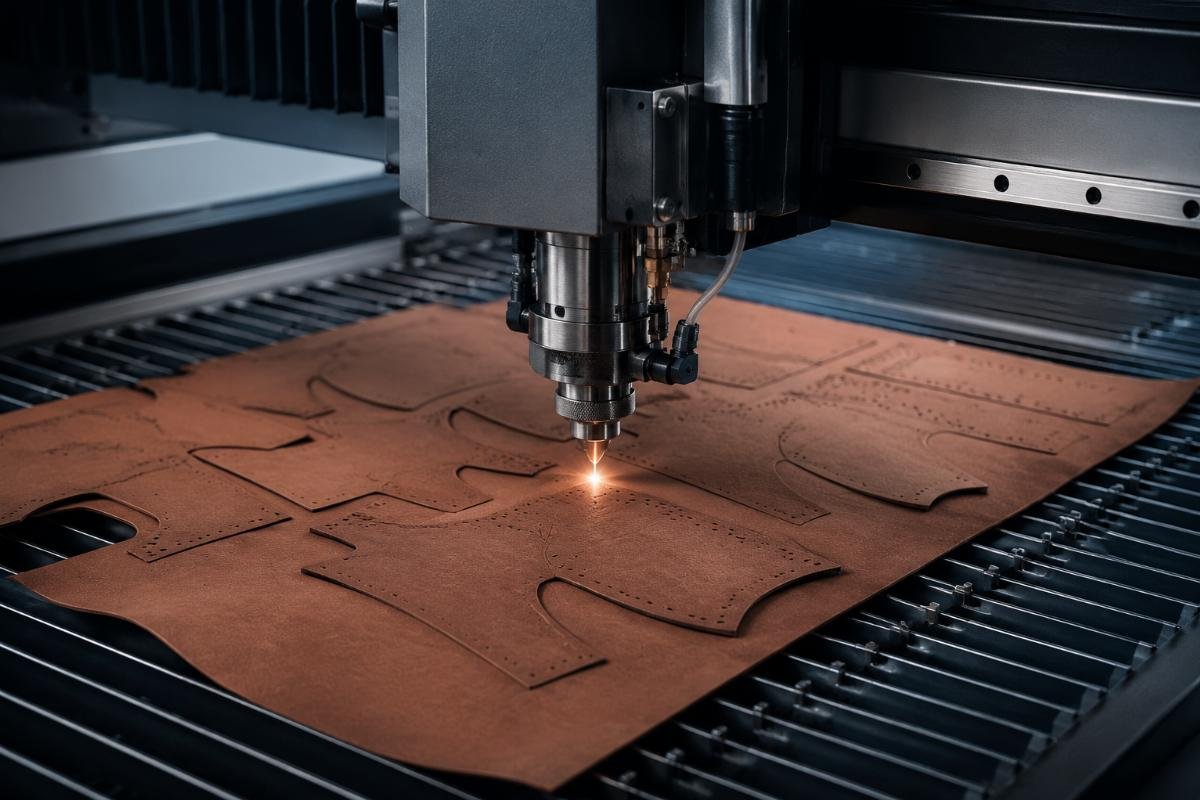
| Leather goods & footwear production | Prioritizing low machine upfront cost over cut edge consistency | Calculate monthly cost of rejected parts caused by uneven manual cutting |
A South Asian garment factory we worked with previously relied entirely on manual cutting, with a 18% monthly material waste rate and 20 minutes per layer of single-ply cutting time. After integrating a single CNC fabric cutting machine for their core uniform SKU line, they cut per-layer processing time to 2 minutes and reduced monthly material waste by 22% within the first 90 days.
- Cost Baseline Audit – Tally 30 days of data for per-unit cutting time, material scrap rate and rejected parts caused by cutting errors
- Pain Point Prioritization – Rank issues by monthly financial impact, starting with whichever cost driver is highest for your operation
- Pilot Test Eligibility – Confirm you have at least one product line with consistent enough volume to run a 2-week CNC trial
What common pitfalls should I avoid when choosing a CNC cutting solution?
Blindly choosing the highest-spec equipment on the market is the most common reason upgrades fail to deliver expected returns. Higher configuration does not always translate to better performance for your specific materials, and overpaying for unused features extends your payback period unnecessarily.
| Upgrade Step | Common Mistake | Correct Approach |
|---|---|---|
| Equipment Selection | Purchasing machines rated for materials you never process | Match core tooling only to the top 3 materials you cut 80% of the time |
| Supplier Vetting | Only evaluating upfront price | Require proof of after-sales support response time for facilities in your region |
| Operator Planning | Budgeting for a dedicated full-time technician to run the machine | Confirm operator training time requirements before purchase [NEED_CITE: Standard CNC cutting machine operation can be mastered by entry-level workers in 3 working days with structured training] |
A European packaging box manufacturer previously used die cutting for all small batch and sample orders, with a 7-day lead time for every custom prototype. When they first evaluated CNC solutions, they almost purchased a machine with 12 specialized tool heads they would never use for corrugated board, before switching to a tool-free model built for short-run packaging work. Their sample production cycle dropped to 1 full day after implementation.
- Requirement Documentation – Write down exactly which materials and part sizes you cut most often, and exclude any feature not needed for those use cases
- Reference Check – Request 2 client references from the supplier that operate in the same industry as your facility
- Warranty Confirmation – Verify the length of parts and labor warranty, and whether on-site support is included in the purchase price
How to configure CNC equipment to match my production scenario without overspending?
Targeted configuration for your specific cutting materials reduces procurement cost by 30% with no negative impact on production efficiency. You do not need a one-size-fits-all machine; semi-custom and fully custom options let you only pay for the functions that move the needle for your operation.
| Production Type | Overspend Risk | Targeted Configuration |
|---|---|---|
| High-volume mass production | Paying for extra tool heads for one-off low-volume runs | Prioritize high-speed auto-feeding and smart nesting software for material savings |
| Custom small batch production | Overpaying for high throughput capacity you will never use | Prioritize multi-tool compatibility for flexible order types |
| Low-skill labor teams | Buying machines with overly complex control interfaces | Prioritize pre-programmed material presets and simplified operation |
A Chinese leather goods factory previously saw 15% of finished parts rejected every month due to uneven cutting edges from manual processing, which added up to over $12,000 in lost material cost per quarter. They opted for a CNC oscillating knife cutting machine calibrated specifically for genuine leather and PU, rather than a general-purpose model, and their rejection rate dropped to 1.2% within the first month of use.
- Cutting Parameter Mapping – List your 5 most frequent material types and required cut thickness ranges to share with potential suppliers
- Modular Add-on Planning – Buy core functionality first, and add specialized tools later as your order profile evolves
- Total Cost Calculation – Compare total 3-year cost of ownership across quotes, not just the initial purchase price
What support can a reliable supplier provide to help me complete the upgrade smoothly?
Full-cycle supplier support eliminates 90% of common implementation delays for first-time CNC buyers. The best suppliers do not just sell machines, they provide end-to-end guidance from pre-purchase testing through long-term operation.
A reliable supplier will offer pre-sales sample cutting to test performance on your materials, on-site installation and operator training, 24/7 technical support, and clear warranty terms to reduce your risk. For global buyers, options like a 1-unit minimum order make it easy to test automation without a large upfront commitment, while 3-year warranties and lifelong free software upgrades ensure consistent performance over the machine lifecycle.
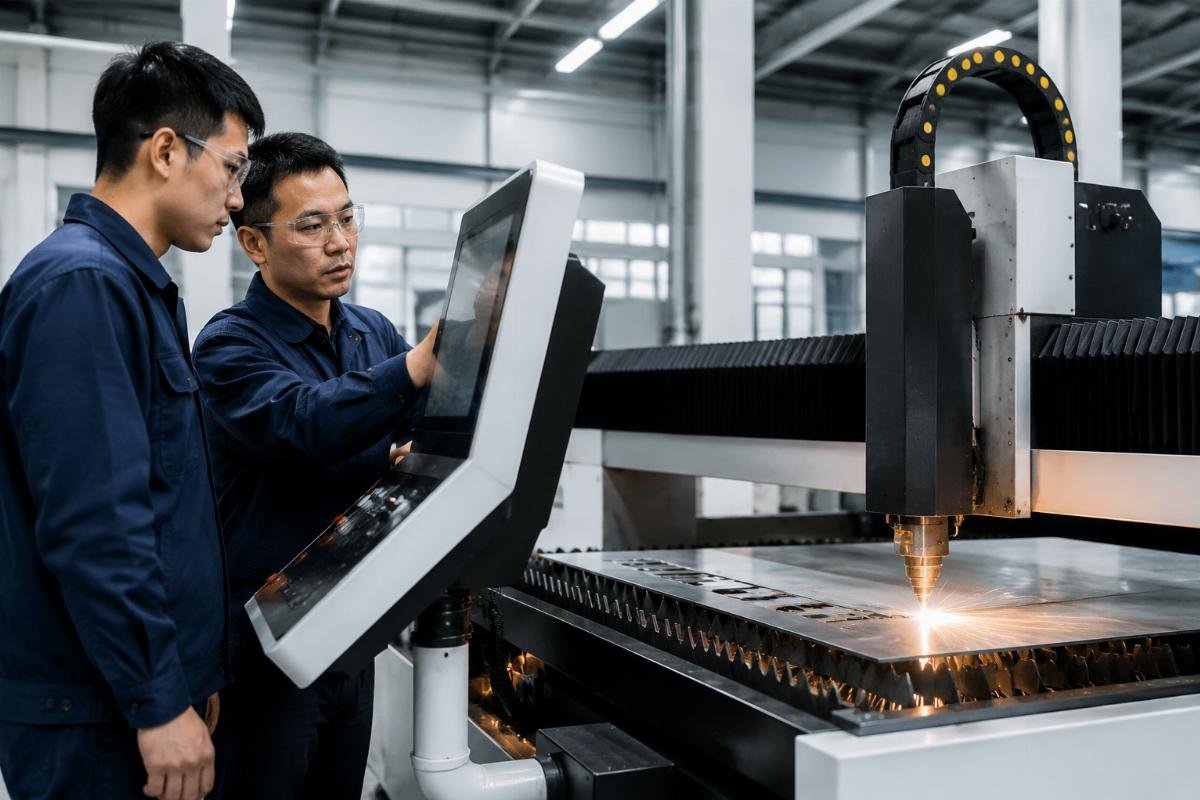
- Pre-purchase Testing Request – Send sample materials to the supplier for a free test cut, and request footage of the process to verify cut quality
- Implementation Timeline Confirmation – Lock in clear timelines for delivery, installation and training before finalizing your purchase
- Long-term Support Confirmation – Confirm how software updates and replacement parts will be delivered for your region
Conclusion
CNC automated workshop upgrade is not a high-risk, all-or-nothing investment for every production team. By focusing on your specific cost drivers, avoiding common overspending pitfalls and working with a supplier that provides full end-to-end support, you can implement a phased upgrade that delivers measurable cost savings within months. The most successful upgrades are not the ones with the highest price tag, but the ones that are perfectly matched to your existing production workflow and order profile. You do not need to overhaul your entire operation to see the benefits of automation.


