




Fast Shipping
Carrier information

20k products
Payment methods

24/7 Support
Unlimited help desk

2-day Delivery
Track or off orders
Custom Knife Configuration — Tool heads matched to your specific fabric thickness and production volume, preventing ragged edges on multi-layer canvas and crushed foam on composites.
Technical Specifications
| Parameter | Value |
|---|---|
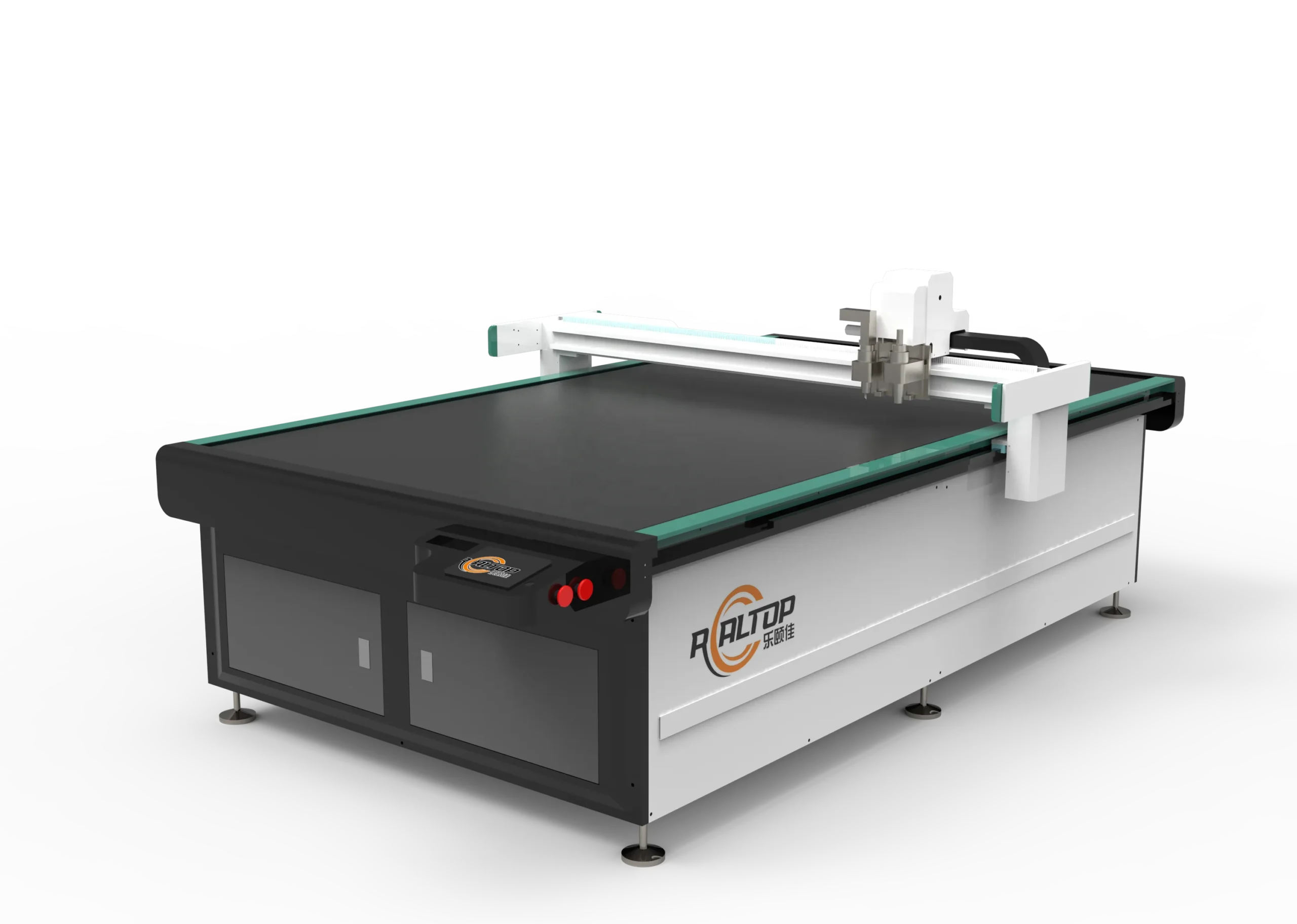
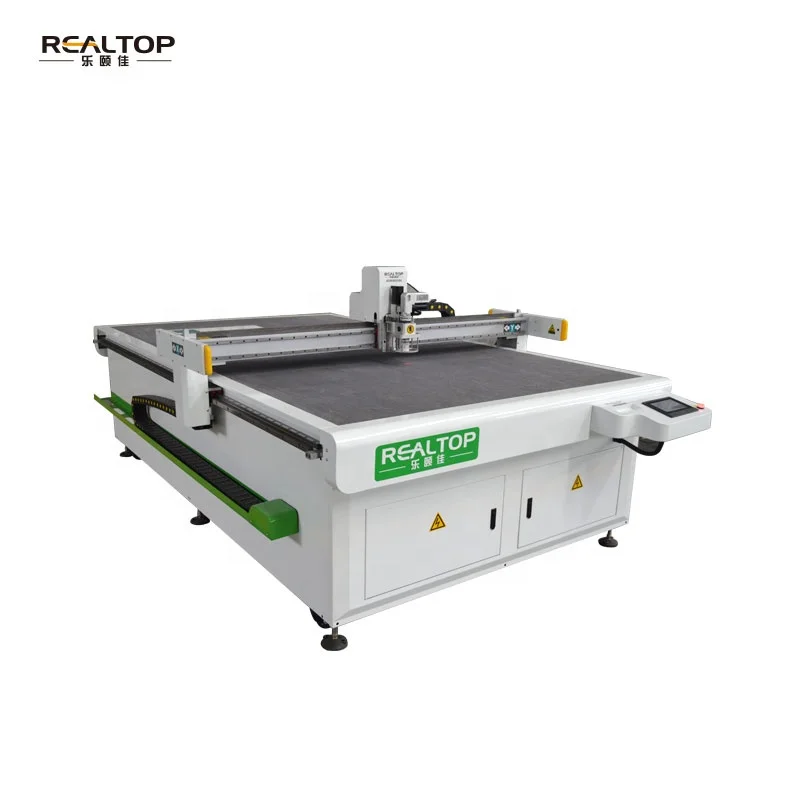
| Model | RT-D2516/RT-S2516 |
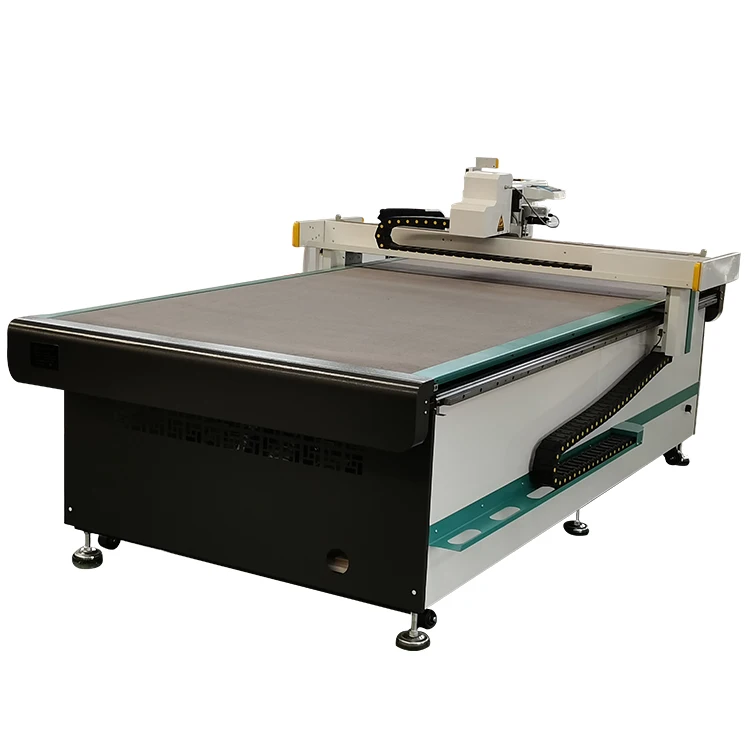
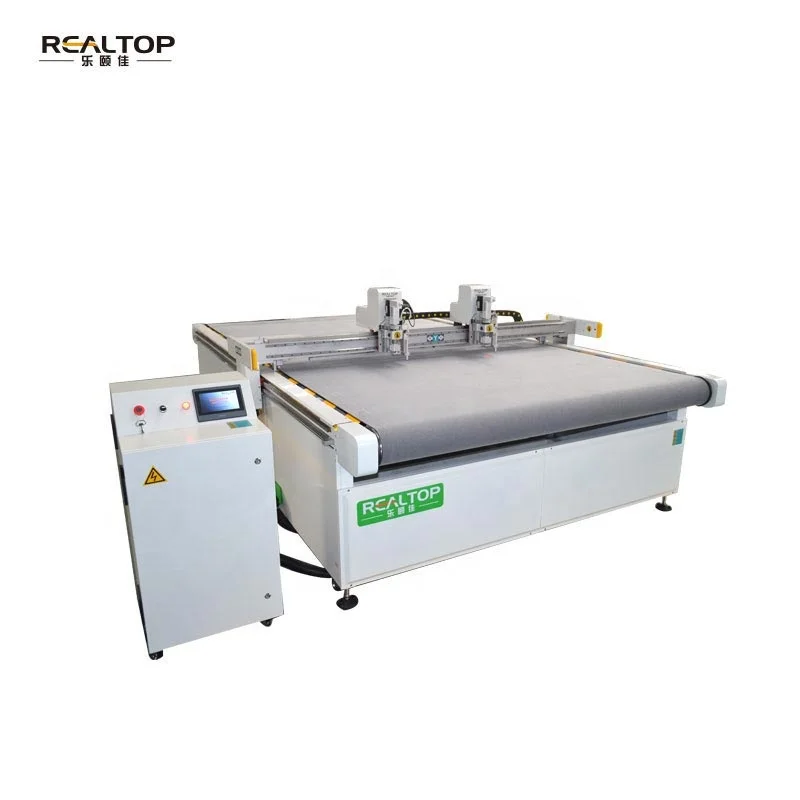
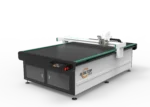
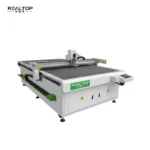
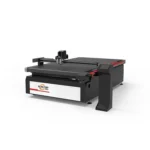
| Product Type | CNC Digital Cutting Machine |
| Working Area | 1600×2500mm |
| Machine Size (Overall Dimensions) | 3450×2300×1250mm |
| Rated Power | 9kW |
| Fixed Model | Flat working table |
| Multifunctional Head | Swiss imported knife with vibration full cutting, vibration half cutting and cursor location function |
| Safety Device | Infrared sensors |
| Translational Velocity | 800-1200mm/s |
| Cutting Speed | 200-800mm/s (according to different cutting materials) |
| Repeated Accuracy | ≤0.1mm |
| Transmission System | Digital servo motor, linear guide, synchronous belt, ball screw |
| Instruction System | HP-GL compatible format |
| Voltage | 380V±10% |
| Other Configuration | Japanese Yaskawa servo motor, Germany imported conveyor belt, vacuum table, auto feeding, Taiwan Hiwin rail, 7.5kW vacuum pump |
| Warranty | Twelve months for whole machine, 3 months for consumables (source value — verify against manufacturer catalog) |
Application Suitability
| Application | Material or Output |
|---|---|
| Footwear and canvas shoe upper cutting | Multi-layer canvas, denim, leather, synthetic textiles |
| Garment and leather goods pattern cutting | Natural leather, PU, PVC, flexible woven fabrics |
| Composite and flexible material fabrication | Sponge composite leather, silicon, rubber, soft glass |
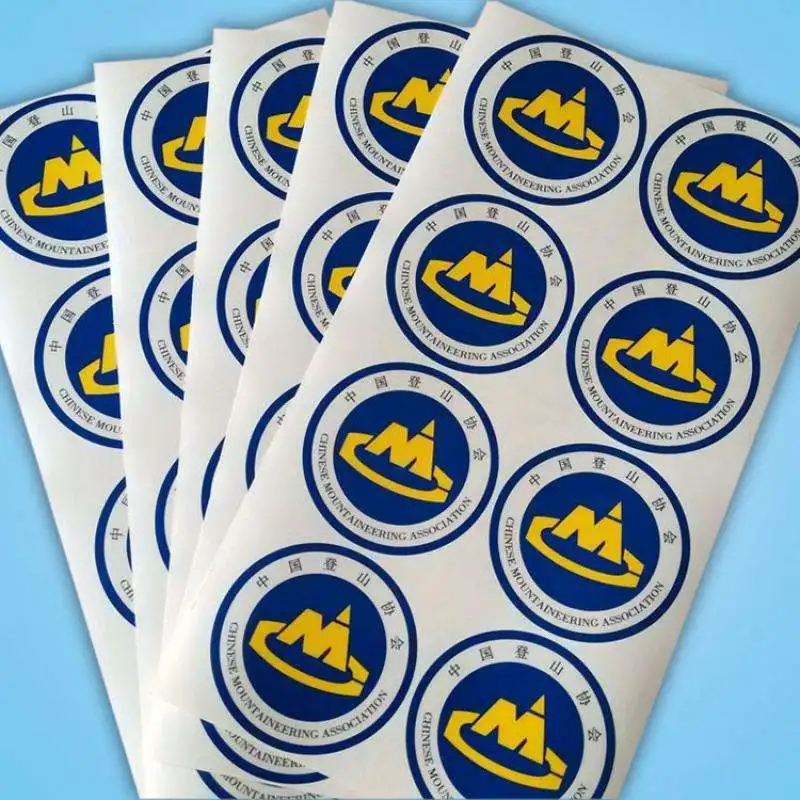
| Packaging sample making | Cardboard box, grey board, stickers, gifts box making |
Why the Tool Head Matters More Than the Bed Size
The wrong oscillating knife on a multi-layer canvas stack produces frayed edges that fail quality control, while a properly matched head cuts clean through the entire lay.
When I was doing assembly in a Jinan factory before moving to technical sales, I once set up a vibrating knife unit for a canvas shoe manufacturer. The sample cuts on a single layer looked perfect, so we shipped it. Then they started production with twelve layers of canvas at full speed, and the edges came out ragged. Their line stopped for two days while I adjusted parameters remotely. Since then, I have always insisted on testing with the actual production material, not just the sample swatch. Buyers often specify a CNC oscillating knife cutting table based on working area alone, only to discover the head cannot handle their material thickness or density [NEED_CITE: importance of material-specific tool head selection in CNC cutting].
Knife Configuration Dictates Edge Quality
The RT-D2516/RT-S2516 uses a Swiss imported knife system that supports vibration full cutting and half cutting. Full cutting drives the blade through the entire material stack, which is essential for canvas shoe uppers where multiple plies must be separated cleanly. Half cutting scores the surface without penetrating the backing, useful for kiss-cutting stickers or creasing cardboard for packaging samples. The cursor location function adds positional reference for repeat jobs. This multifunctional approach means the same CNC oscillating knife cutting table handles both heavy canvas stacks and delicate sticker sheets without a head swap.
Vacuum Hold-Down and Material Behavior
Flexible materials like sponge composite leather and thin PVC film tend to lift at the edges during high-speed knife travel. The 7.5kW vacuum pump on this unit pulls air through the table surface to pin the material flat. The Germany imported conveyor belt works with the auto feeding system to advance roll stock across the cutting zone. For small sticker parts or narrow garment pattern pieces, vacuum zoning becomes critical — if the table only has a single zone, air leaks around the edges of a small piece and the vacuum grip weakens [NEED_CITE: vacuum table zoning principles for small-part CNC cutting].
Reading the Specs Against Your Production Needs
The repeated accuracy of ≤0.1mm depends on the combination of Japanese Yaskawa servo motors, Taiwan Hiwin linear rails, and ball screw transmission. In practice, this tolerance matters most when cutting interlocking pattern pieces for garment or footwear production, where a 0.3mm drift across a long cut line means the sewn panels will not align. The translational velocity of 800-1200mm/s refers to non-cutting travel moves between cut paths, while the cutting speed of 200-800mm/s varies by material — dense leather requires the lower end of that range, while thin fabric allows faster cutting. The HP-GL compatible instruction system accepts standard vector file formats from pattern design software, which avoids the need to rebuild files in a proprietary nesting program.
The Cost of Skipping a Material Test
A buyer who specifies working area and skips the material test often discovers problems only after the machine arrives. Ragged edges on canvas mean re-cutting entire lays, wasting material and time. Crushed foam on gasket material means the seal will not seat properly in the final assembly. A vacuum table that cannot hold small sticker parts means those pieces shift mid-cut and get scrapped. These issues trace back to a configuration that was not matched to the actual production material and volume [NEED_CITE: common CNC cutting defects from mismatched tooling].
Why Source This Configuration Here
In-house design covers both the knife head selection and the table build, so the configuration is specified as a system rather than assembled from generic components. The tool head and table setup is matched to your material type and daily volume before the order is confirmed. Sample cutting runs on your actual production material — not a generic swatch — so you see real edge quality before commitment. Software file format compatibility is verified against your existing pattern design workflow. Voltage and control language are confirmed to match your facility before the machine ships.
Documentation & Verification
- Machine specification sheet listing RT-D2516/RT-S2516 working area and overall dimensions
- Electrical schematic confirming 380V±10% supply and 9kW rated power draw
- Tool head configuration list matching Swiss knife to your canvas or leather material
- Sample cutting report on your multi-layer fabric stack with edge quality photos
- Software licence and HP-GL file format compatibility confirmation note
Installation, Commissioning & Support
- Floor space of at least 4000×3000mm required for the 3450×2300×1250mm machine frame plus operator access
- Dedicated 380V±10% circuit with capacity for the 9kW rated power and 7.5kW vacuum pump combined draw
- Machine arrives on a flat bed; assembly covers conveyor belt mounting and vacuum table leveling on site
- First-run commissioning includes calibration of Yaskawa servo motors and Hiwin rail alignment verification
- Operator training covers vibration full and half cutting parameter setting for your specific material stack
- Spare parts list includes Swiss knife blades and conveyor belt sections with consumable replacement intervals
What We Need to Configure Your Machine
To recommend the right knife head and vacuum table setup, share the material type and number of layers you cut in production, your daily volume, and the maximum sheet or roll width you feed. Confirm your local voltage and frequency, and tell us which pattern design software you currently use so we can verify file format compatibility before building the machine.
Frequently Asked Questions
Q: How do I know which tool head setting to use for multi-layer canvas?
A: The vibration full cutting mode drives the Swiss knife through the entire lay, while half cutting scores only the top surface. For canvas shoe uppers stacked ten or more plies deep, full cutting at reduced speed produces clean edges. We run a sample test on your exact canvas weight and layer count before confirming the head configuration, so the parameters are set for your production conditions, not a generic benchmark.
Q: Will the vacuum table hold small sticker parts without shifting?
A: The 7.5kW vacuum pump provides strong hold-down across the flat working table, but small parts like sticker contours can lift if air escapes around the edges. Vacuum zoning divides the table into sections so only the active area pulls air, maintaining grip on small pieces. We confirm the zoning layout based on your smallest typical part size before the table is built.
Q: Can this machine track printed contours on pre-printed cardboard?
A: CCD camera contour recognition is available as a configuration option for printed material tracking. The system reads registration marks on pre-printed cardboard or sticker sheets and adjusts the cut path to match any stretch or distortion from the printing process. We test recognition speed against your print quality and production feed rate to confirm reliable tracking before shipment.
Q: Does the software accept my existing pattern files?
A: The instruction system accepts HP-GL compatible format, which covers most pattern design and CAD software used in footwear and garment production. We verify your specific file export format against the machine controller before the order is placed, and provide a compatibility note in the documentation so your nesting workflow transfers without rebuilding files.
Q: What happens if the sample cut does not match production results?
A: Sample cutting uses your actual production material at the layer count and speed you will run in your workshop. If the edge quality or cutting speed does not meet your standard during the sample test, we adjust the knife type, vibration frequency, or vacuum setting and re-test before the machine enters production. The sample cutting report documents the final agreed parameters.


商品评价
Clear filtersThere are no reviews yet.