


Fast Shipping
Carrier information

20k products
Payment methods

24/7 Support
Unlimited help desk

2-day Delivery
Track or off orders
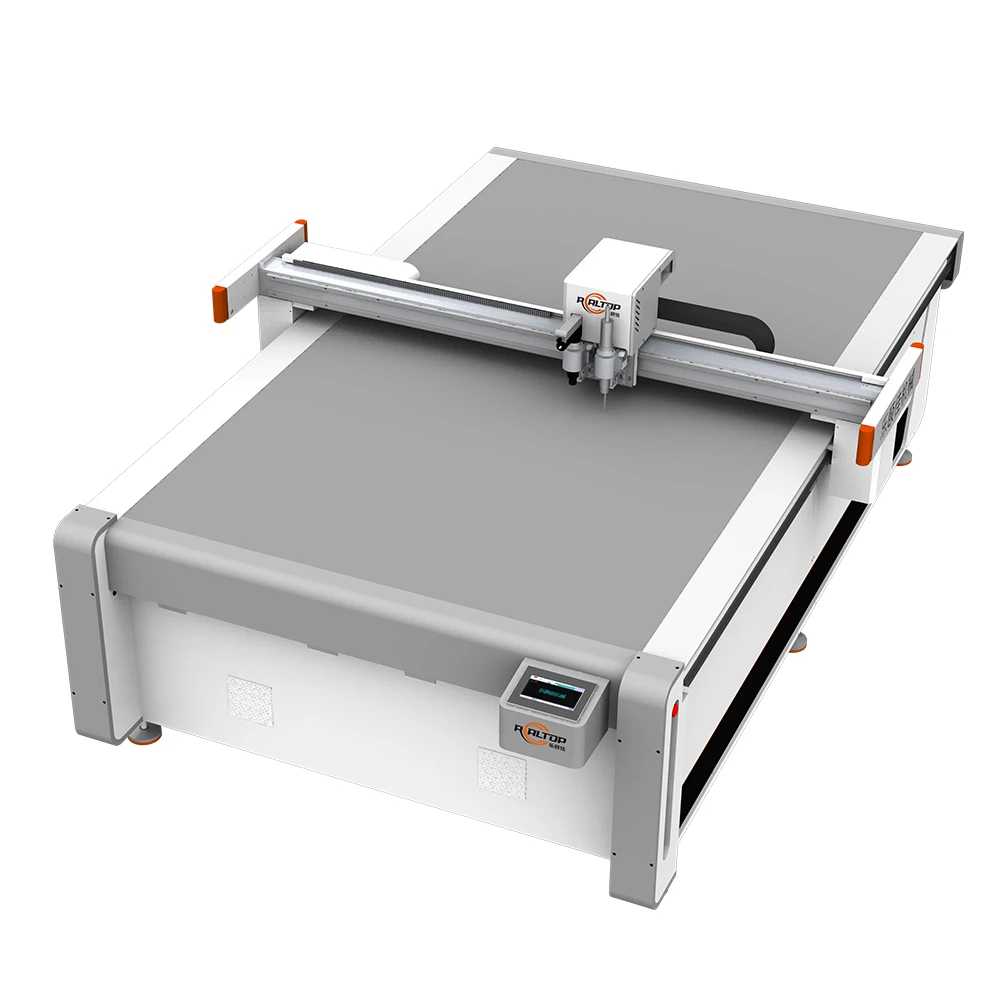
In-house tool head and vacuum design — configured per packaging flute profile and board density rather than sold as a one-size-fits-all flatbed.
Technical Specifications
| Parameter | Value |
|---|---|
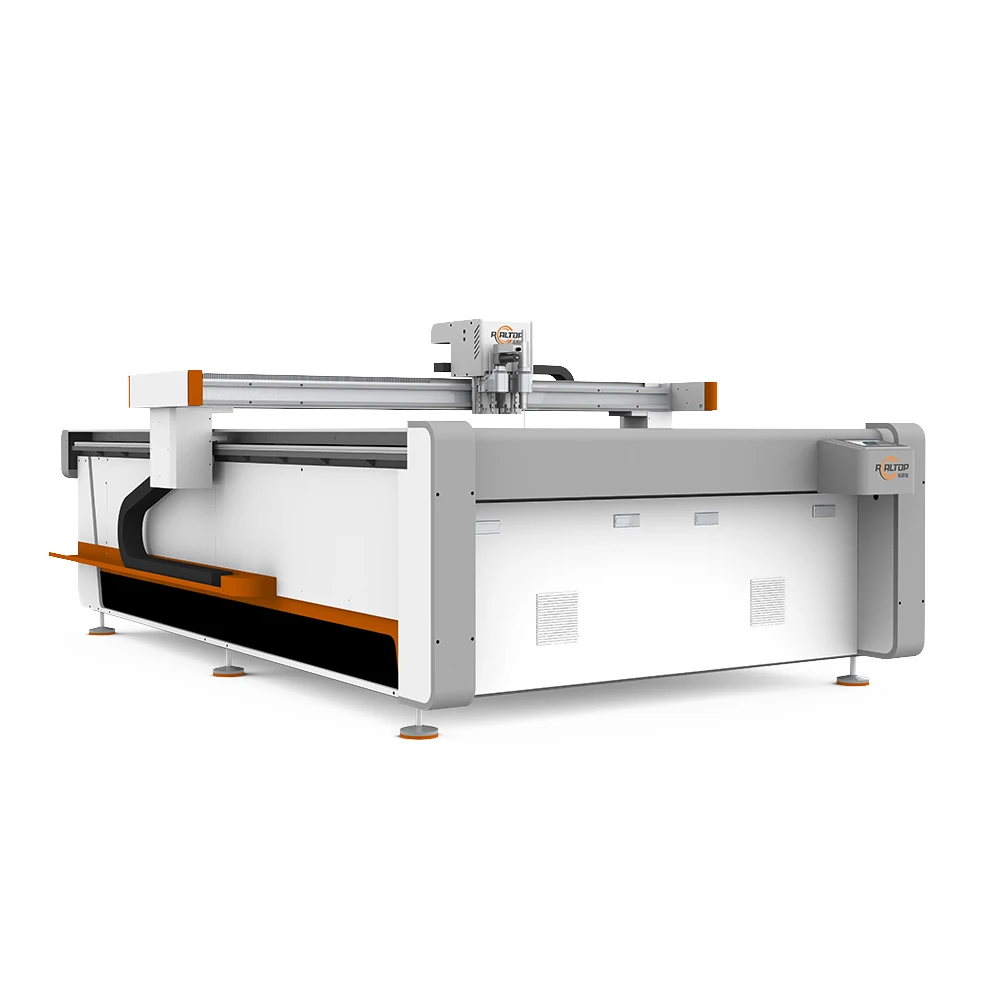
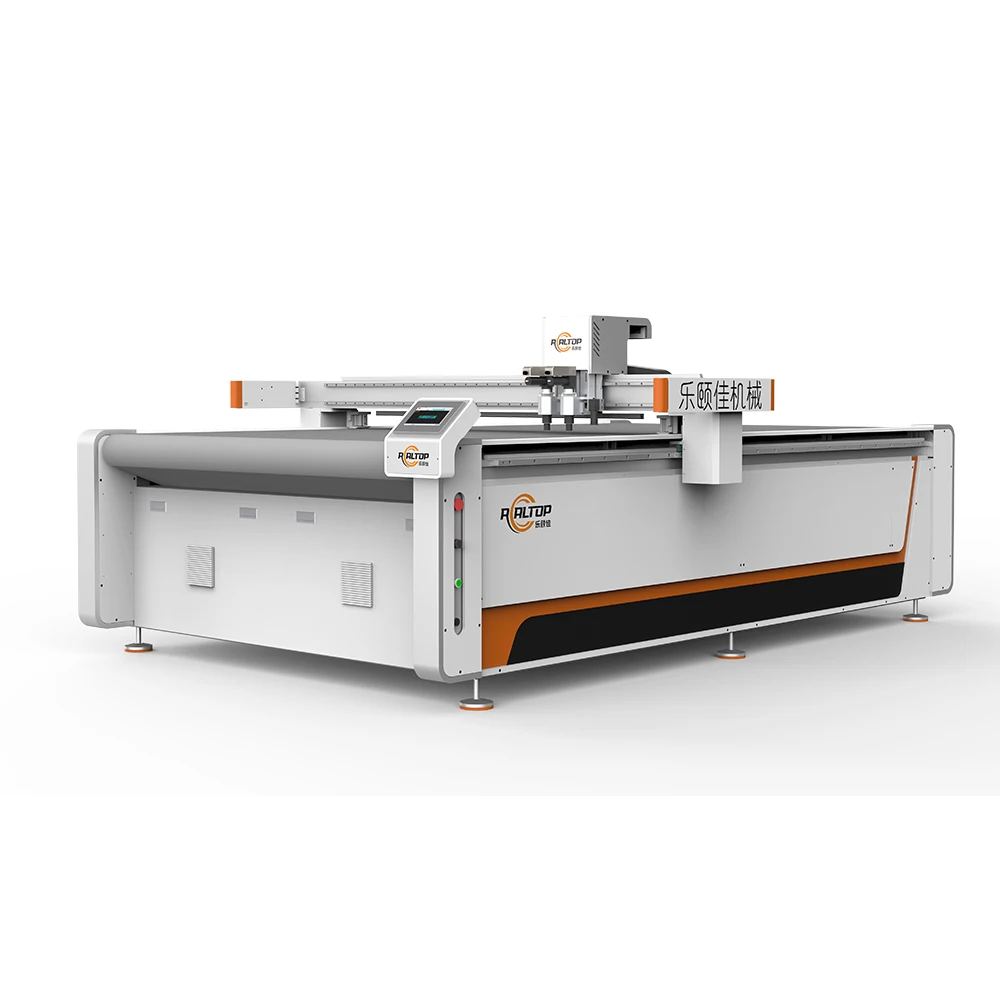
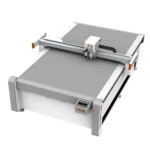
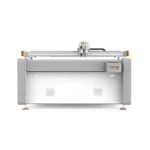
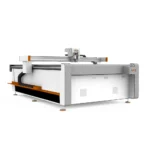
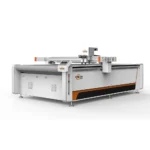
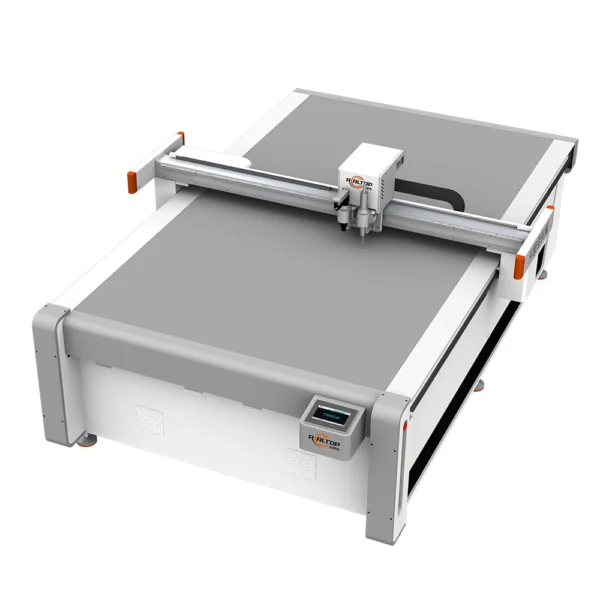
| Product Type | CNC Flat Bed Oscillating Knife Cutting Machine |
| Working Area | 1600×2500 mm |
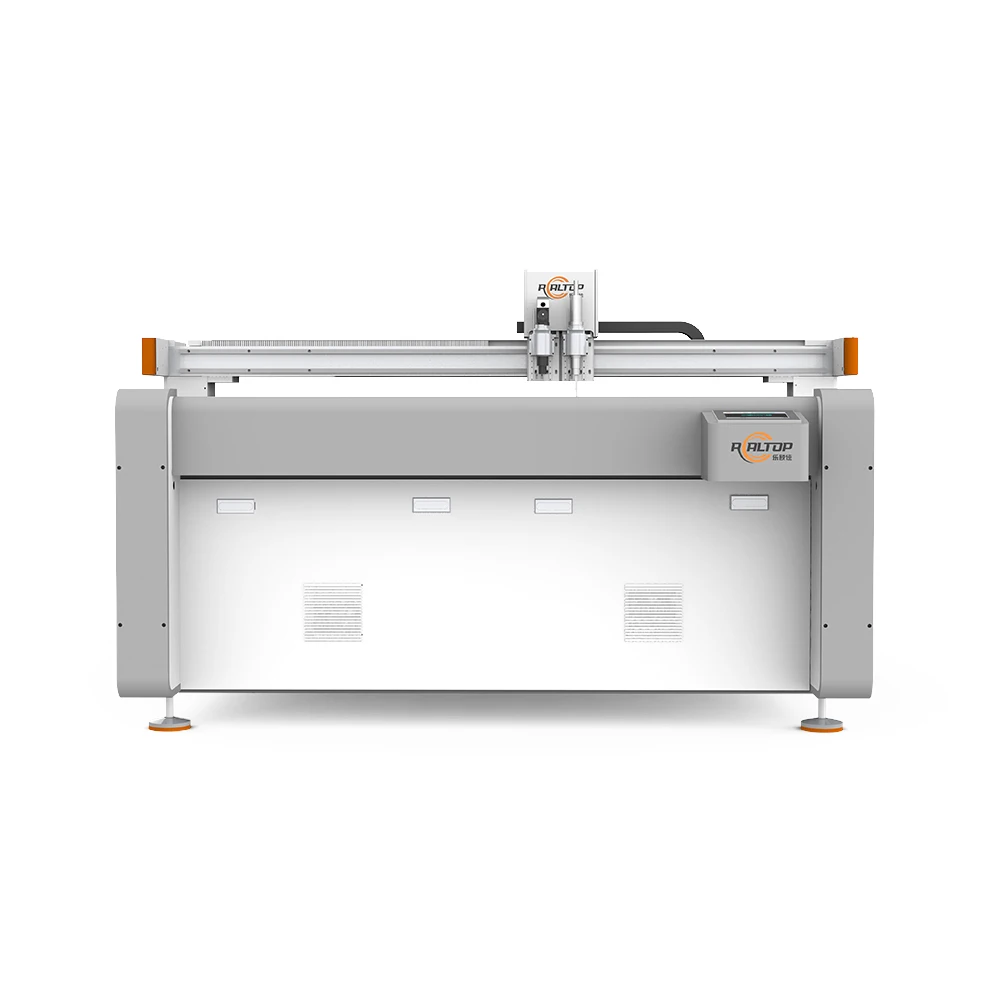
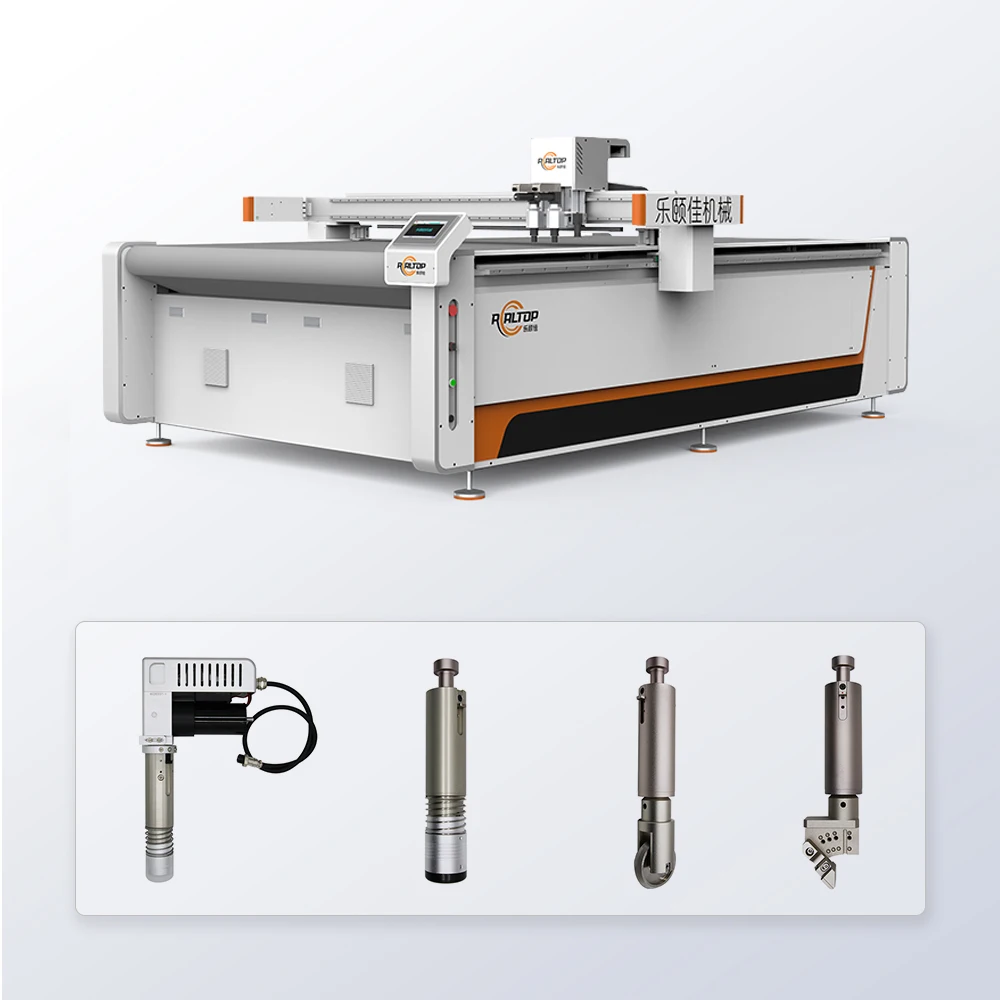
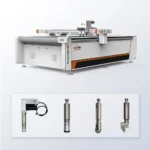
| Tool Head Options | Oscillating knife, Driven rotary knife, Creasing wheel, Kiss cutting tool, Pneumatic knife, Milling tool, V groove knife |
| Cutting Speed | 0–1500 mm/s |
| Cutting Thickness | ≤ 40 mm (basis not stated in source — confirm material type and flute profile) |
| Cutting Accuracy | ±0.1 mm |
| Vacuum Pump | 9 kW |
| Vacuum Table | Aluminum bellows vacuum table with full-surface adsorption |
| Voltage Options | 110V / 220V / 380V (frequency to be confirmed: 50/60 Hz) |
| Control System | PLC control panel with optional display languages |
| Servo Motor Options | Panasonic, Delta, Dorna |
| File Format Compatibility | PLT, DXF, AI, PDF |
| Software | Dedicated packaging box structure design software included |
| Language Options | English, Russian, Italian, Chinese (special languages customizable) |
| Safety Device | Infrared sensor device and emergency stop device |
| Machine Size (L×W×H) | 3300×2100×1350 mm |
| Assembly State | Fully assembled, factory tested before shipment |
| Certification | CE |
Application Suitability
| Application | Material or Output |
|---|---|
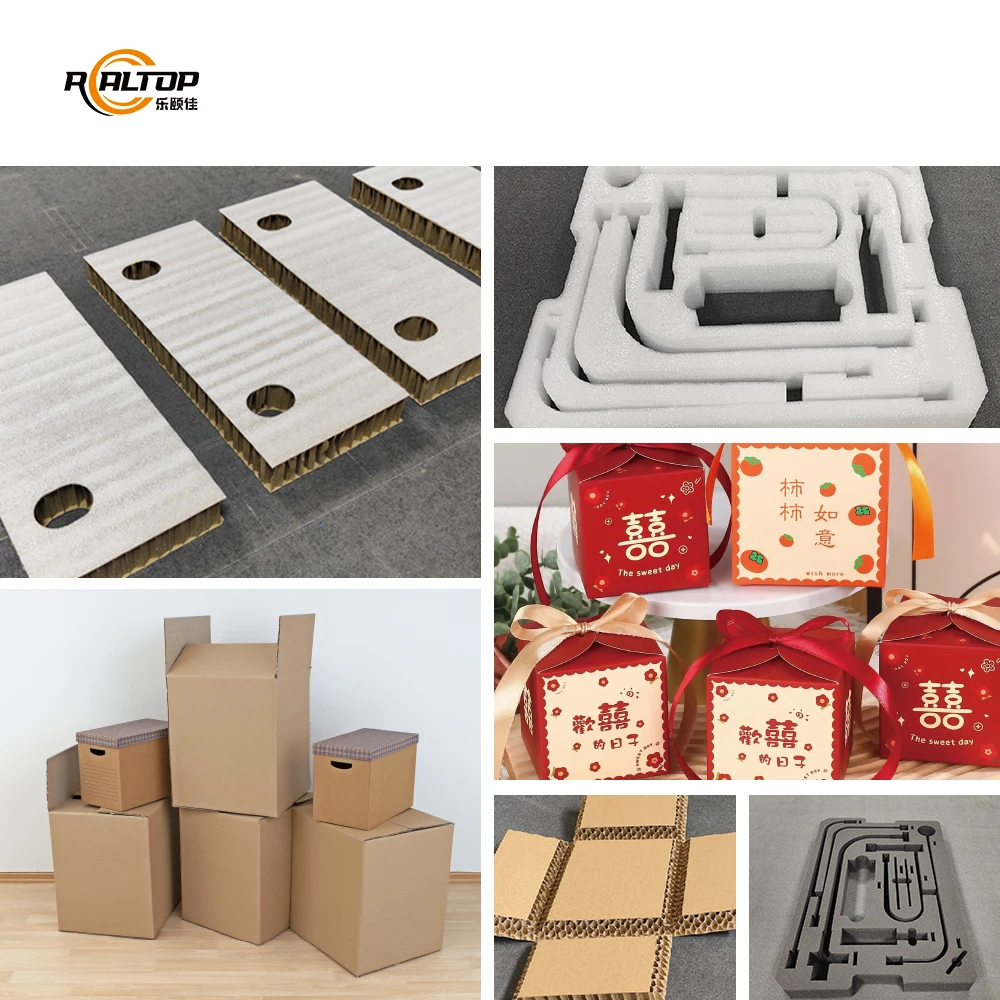
| Corrugated cardboard sample making and short-run production | E-flute, B-flute, BC-flute corrugated board |
| Greyboard, cardstock and art paper processing | Greyboard, cardstock, art paper, specialty paper for carton and display structures |
| Foam packaging insert fabrication | EVA, EPE, PU foam for protective inserts in electronics and automotive aftermarket |
| Thin plastic sheet cutting for packaging prototypes | PVC, PET sheets for blister and clamshell prototypes |
| Protective packaging material cutting | Rubber mats, velvet, fleece, non-woven fabric |
| Luxury packaging insert cutting | Leather and synthetic leather |
| Multi-layer packaging component processing | Composite and adhesive-backed materials |
What "Cutting Thickness ≤ 40 mm" Actually Depends On
The stated thickness limit is a machine stroke figure, not a guarantee that every 40 mm material will cut cleanly at production speed.
Many buyers specify a CNC oscillating knife cutting machine specifications sheet based on working area and maximum thickness alone, then discover their specific board grade requires a different oscillation frequency, blade angle or vacuum zoning setup. A double-wall BC-flute corrugated board behaves completely differently under the knife than a 40 mm EVA foam block, even though both sit within the same thickness envelope. The wrong tool head on a dense flute profile produces crushed edges and forces the operator to slow the feed rate to a crawl [NEED_CITE: cutting force versus flute density on corrugated substrates]. I once saw a packaging line stalled for weeks because the machine arrived with a standard oscillating knife, but the customer was running high-density greyboard that needed a pneumatic knife to punch through without delaminating the top liner.
Matching the Knife to the Flute Profile
Corrugated board comes in a range of flute sizes — E, B, C, and the double-wall combinations like BC — and each one demands a specific cutting approach. The oscillating knife handles most single-flute profiles cleanly, but when you move to double-wall or triple-wall board, the driven rotary knife or pneumatic knife often produces a noticeably better edge. The seven interchangeable tool heads on this CNC oscillating knife cutting table let the operator switch between scoring a crease line and cutting a full contour without moving the sheet to a second machine. The creasing wheel and V-groove knife handle fold lines and bevel cuts respectively, so a complete carton prototype can be finished in a single setup.
Vacuum Hold-Down and the Small-Part Problem
Packaging sample cutting frequently involves small die-cut shapes — corner inserts, locking tabs, ventilation windows — that tend to lift off the table when the vacuum is zoned in large sections only. The aluminum bellows vacuum table on this system provides full-surface adsorption across the 1600×2500 mm bed, which means a 50×50 mm tab stays flat even at higher cutting speeds. The 9 kW vacuum pump generates sufficient negative pressure to hold porous corrugated board without crushing the flute structure, a balance that is easy to get wrong if the pump is oversized for the table zoning [NEED_CITE: vacuum hold-down requirements for porous corrugated substrates]. When the material is thin film or adhesive-backed laminate, the full-surface suction prevents the trailing edge from curling up into the knife path.
Reading the Specs That Matter for Packaging Work
The ±0.1 mm cutting accuracy figure matters most when you are cutting interlocking carton closures or foam inserts that must seat tightly around a product. A deviation of a few tenths of a millimeter across a 1600 mm sheet can throw off a box locking tab enough to require manual adjustment on the folding machine. The PLC control panel with configurable display languages means an operator in an export market does not need to decode translated menus during a tool changeover. Servo motor options from Panasonic, Delta and Dorna allow the buyer to align with brand preferences already established in the maintenance department. The dedicated packaging box structure design software accepts PLT, DXF, AI and PDF files, which covers the common output formats from packaging CAD systems like ArtiosCAD and EngView.
The Cost of Skipping a Material Test
When a buyer commits to a tool head configuration without sending actual production material for a sample run, the risk falls entirely on the first week of operation. A knife that cuts cleanly through a supplier’s test board may rag the edge on the buyer’s specific recycled-content corrugated stock, because recycled fibers are shorter and more brittle than virgin kraft. I have walked into workshops where the operator had slowed the cutting speed to less than half of the machine’s capability just to keep the edge acceptable, because the oscillation frequency was set for a completely different material class [NEED_CITE: oscillation frequency and edge quality on recycled corrugated board]. That lost throughput is never visible on the quotation, but it shows up every day on the production board.
Why Buyers Source This Equipment From Our Workshop
In-house design of both knife tooling and vacuum systems means we configure the machine around the buyer’s material, not around a catalogue default. Every tool head and table combination is documented in a configuration list matched to the buyer’s specific board grade, flute type and daily volume before the order is confirmed. Sample cutting runs on the buyer’s actual corrugated board or foam stock are standard procedure, with an edge quality and hold-down performance report provided before commitment. Voltage and frequency are confirmed against the target market’s electrical standards, and the control language is set before the machine leaves the assembly bay. The factory test record ships with the machine, showing the parameters used during the acceptance run on the agreed material.
Documentation & Verification
- Factory test record on buyer’s specific corrugated flute profile and board grade before dispatch
- Tool head and vacuum table configuration list matched to quoted material types
- Electrical schematic with confirmed voltage and frequency for destination market
- Software licence and file format compatibility note for buyer’s existing CAD workflow
- Sample cutting report documenting edge quality on buyer-submitted material
- CE declaration covering the machine category and applicable directives
Installation, Commissioning & Support
- 3300×2100 mm footprint requires clear floor space with level concrete and anchor points for the 1350 mm frame height
- Dedicated circuit sized for 9 kW vacuum pump plus servo and PLC loads at confirmed voltage and frequency
- Machine ships fully assembled; positioning and leveling completed on arrival before power connection
- First-run parameter setting covers oscillation frequency, vacuum zoning and servo tuning for buyer’s material
- Operator training on tool head changeover, PLC menu navigation and file import from PLT, DXF, AI and PDF sources
- Spare parts list identifies blades, creasing wheels and vacuum seals with recommended reorder intervals
What We Need to Quote the Right Configuration
To recommend the correct tool head, vacuum setup and motor specification, we ask buyers to share the material types and board grades they will run most often, along with the flute profiles and typical sheet dimensions. Confirming the workshop voltage and frequency avoids rewiring after arrival, and telling us your existing CAD software ensures the file import workflow is tested before shipment. If you can send a sample pack of your actual corrugated stock or foam insert material, we will run a cutting test and return the results before any commitment is made.
Frequently Asked Questions
Q: How do I choose the right tool head for my corrugated flute type?
A: Single-flute E and B profiles generally cut well with the standard oscillating knife, while double-wall BC-flute and high-density greyboard often require the driven rotary or pneumatic knife to avoid crushing. We run a sample cut on your actual board before confirming the tool head configuration, so the selection is based on your material rather than a general chart.
Q: How is voltage and frequency confirmed before shipment?
A: We request the destination workshop’s voltage and frequency — for example 220V/60Hz or 380V/50Hz — during the specification confirmation stage. The electrical schematic and motor wiring are then set accordingly, and the PLC control panel is configured for the local voltage before the machine leaves the factory.
Q: Will the software work with my existing packaging CAD files?
A: The dedicated packaging design software imports PLT, DXF, AI and PDF formats, which covers output from most industry CAD packages. We confirm file format compatibility during the pre-order stage and can test a sample file from your existing workflow to verify that layers, crease lines and cut paths translate correctly.
Q: Is the vacuum table adequate for small die-cut parts at production speed?
A: The aluminum bellows table provides full-surface adsorption across the entire 1600×2500 mm bed, rather than large zoned sections. This keeps small tabs, locking features and insert shapes flat even at higher cutting speeds, and the 9 kW pump is balanced to hold porous corrugated board without collapsing the flute structure.
Q: What does the sample cutting process involve?
A: You send a pack of your actual production material — corrugated board, foam, laminate or composite — and we run it on the configured machine. The returned report documents edge quality, hold-down performance and the specific tool head, oscillation frequency and cutting speed used, giving you a verified baseline before you commit to the order.


商品评价
Clear filtersThere are no reviews yet.