





Fast Shipping
Carrier information

20k products
Payment methods

24/7 Support
Unlimited help desk

2-day Delivery
Track or off orders
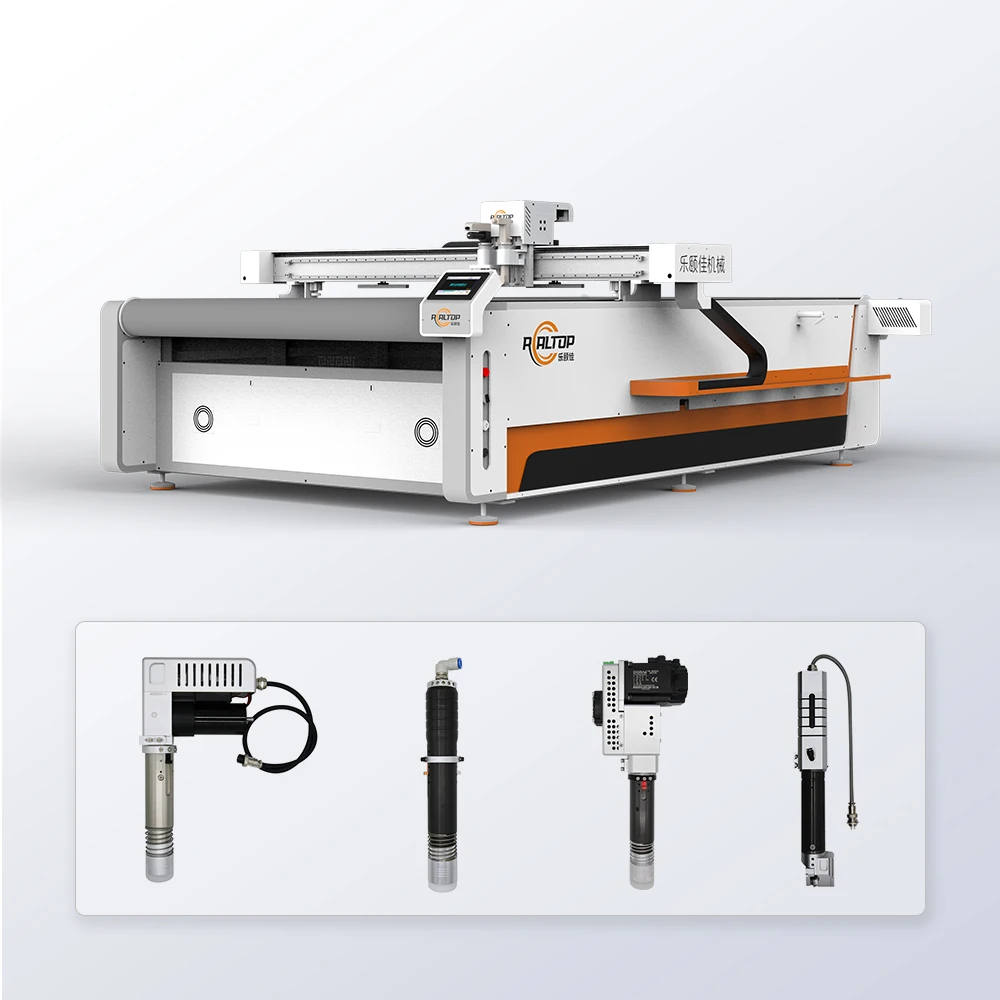
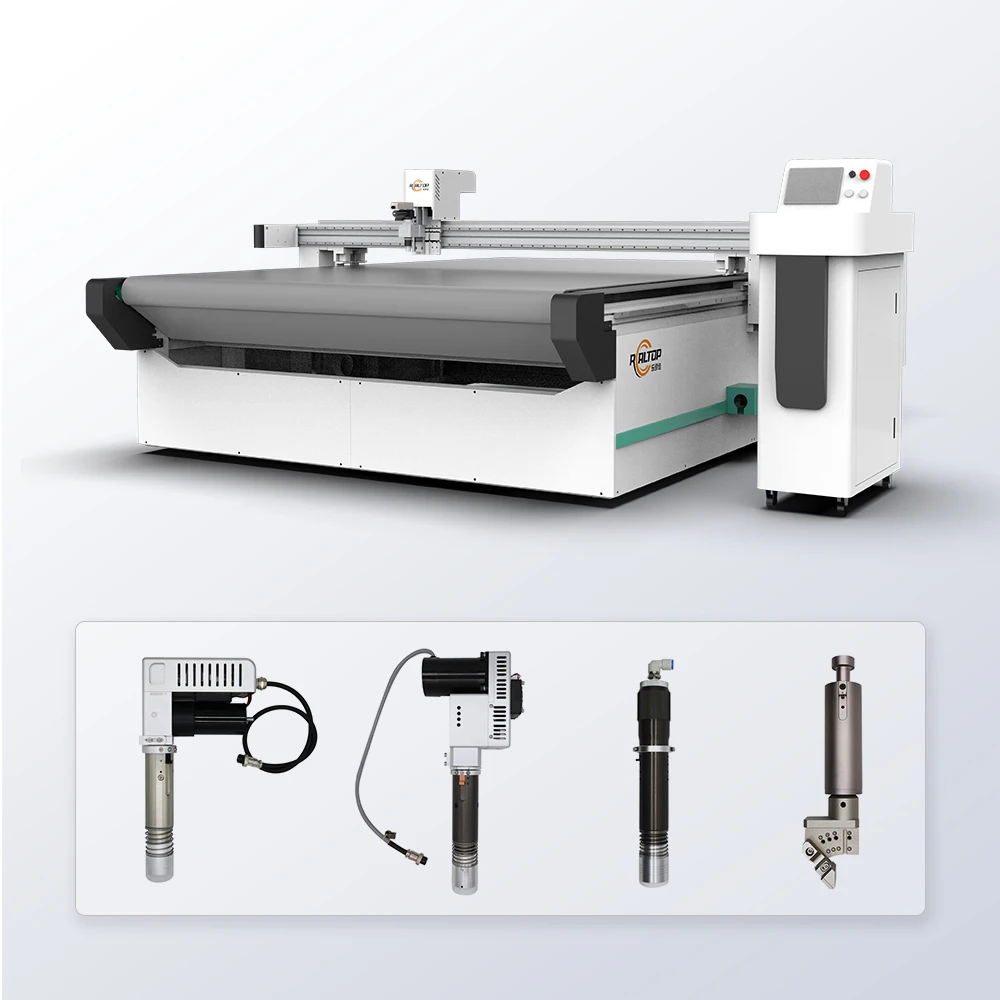
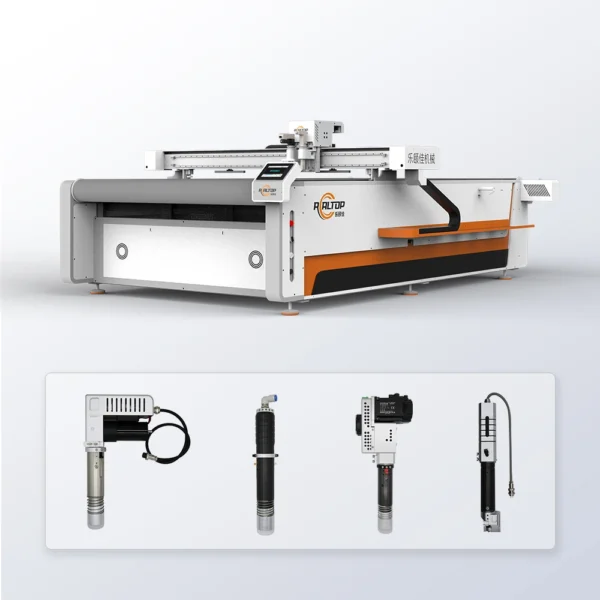
Matched Tool Heads — every oscillating knife, driven rotary knife and creasing wheel is specified against your fabric ply count, thickness and edge quality requirement before the order is confirmed.
Technical Specifications
| Parameter | Value |
|---|---|
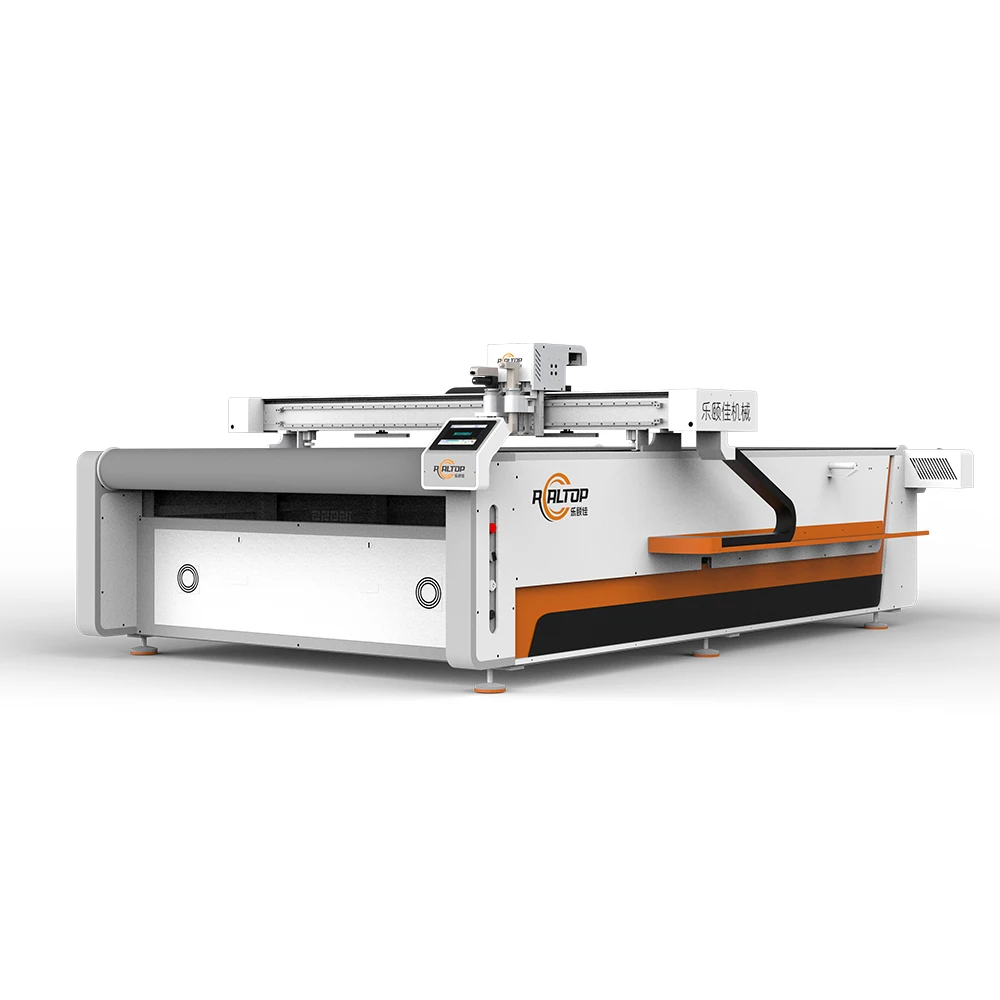
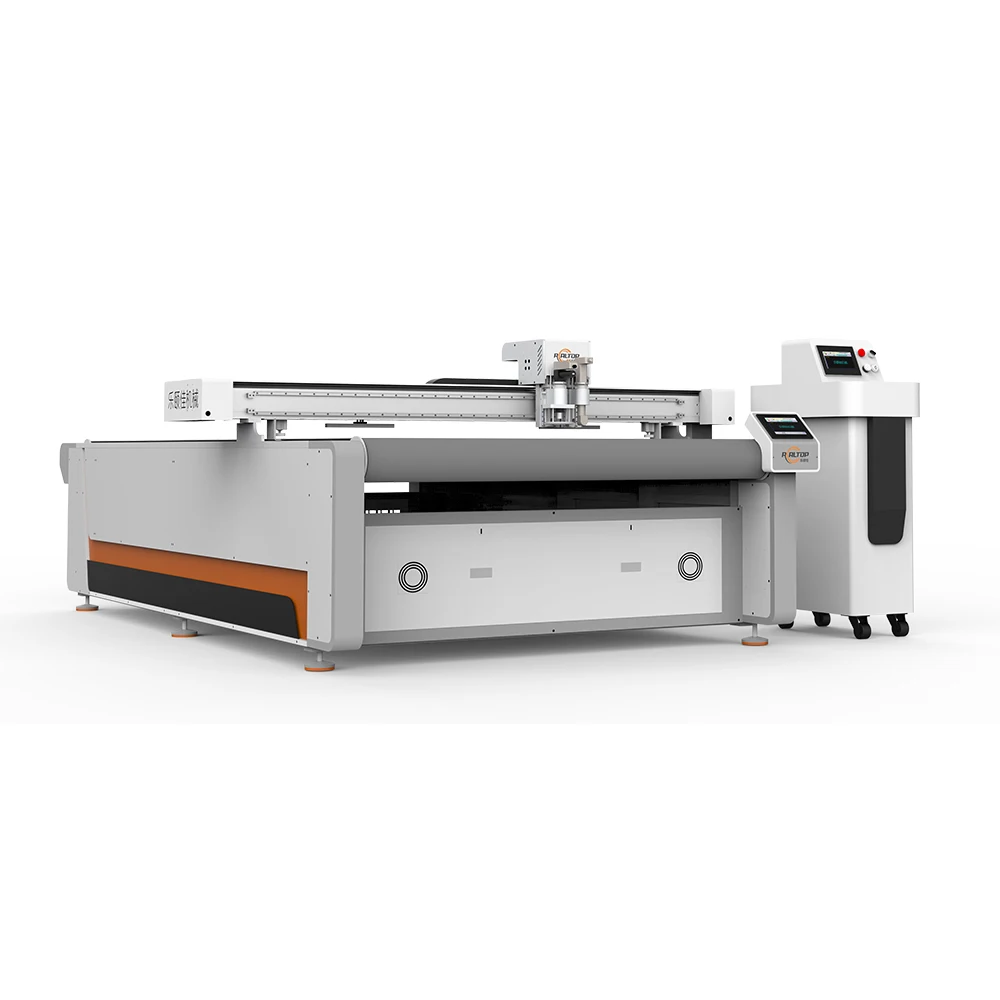
| Product Type | CNC Oscillating Knife Cutting Machine |
| Working Area | 2500×2200 mm |
| Cutting Speed | 0–1500 mm/s |
| Cutting Thickness | ≤ 30 mm (basis not stated in source — confirm material type and density) |
| Cutting Accuracy | ±0.1 mm |
| Repeat Positioning Accuracy | ±0.1 mm |
| Tool Head Options | Oscillating knife, Driven rotary knife, Creasing wheel, Kiss cutting tool, Pneumatic knife, Milling tool, V groove knife |
| Vacuum Pump | 9 kW |
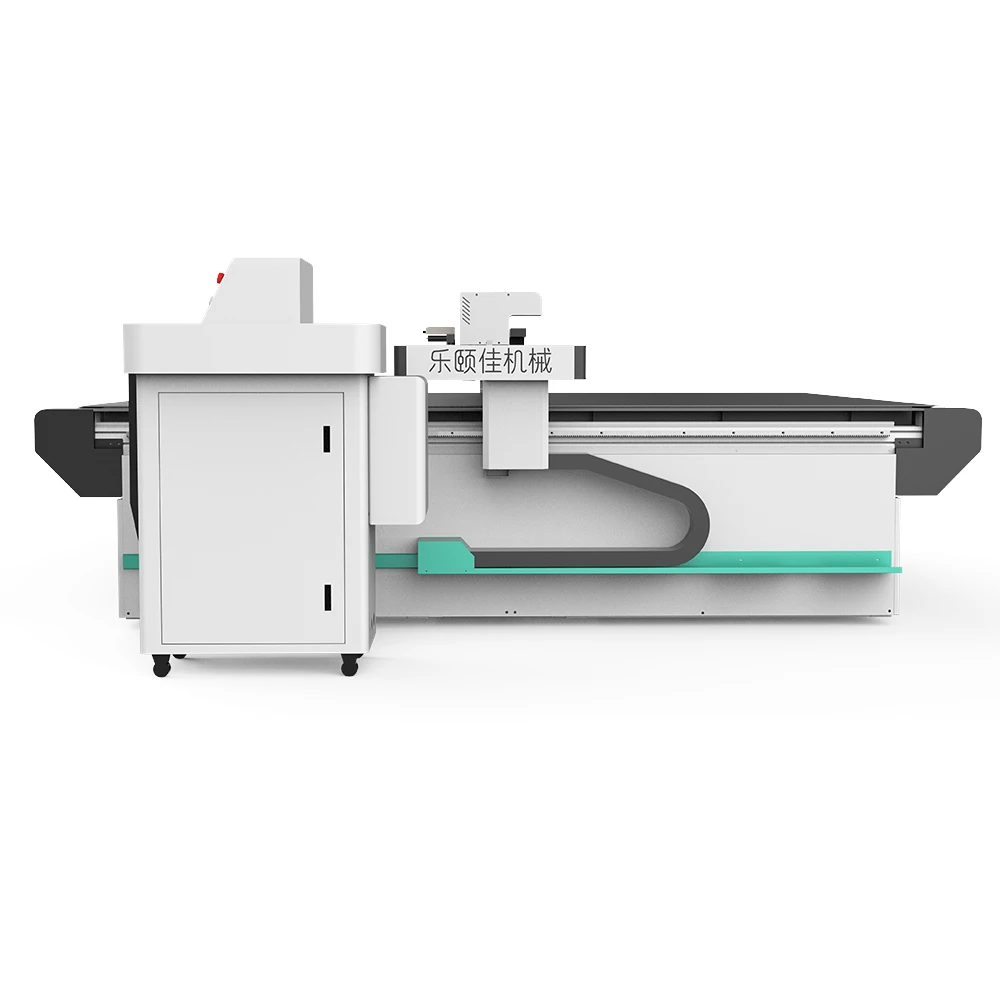
| Vacuum Table | Aluminum bellows vacuum table with full-surface adsorption |
| Control System | PLC control panel with intuitive interface |
| Servo Drive Options | Panasonic, Delta, Dorna (source value — verify against manufacturer catalog) |
| Software Compatibility | DXF, PLT, AI, PDF |
| Nesting Software | Included for material yield optimization |
| Voltage Options | 110V, 220V, 380V |
| Safety Device | Infrared sensor and emergency stop |
| Overall Dimensions | 3300×2700×1350 mm |
| Software Language | English, Russian, Italian, Chinese; custom languages available |
Application Suitability
| Application | Material or Output |
|---|---|
| Garment and footwear production | Multi-layer woven fabric, denim, lining, leather with nesting for yield |
| Automotive floor mat manufacturing | Car floor mats, rubber mats, PVC mats with ±0.1 mm contour accuracy |
| Carpet and yoga mat processing | Rubber mats, non-slip mats, yoga mats with complex wave-edge patterns |
| Home textile cutting | Curtain, upholstery and bedding fabric in single or stacked plies |
| Carton and packaging sample making | Corrugated board and card stock with creasing and kiss cutting tool heads |
What "Cutting Thickness ≤ 30 mm" Leaves Out About Fabric
The number only matters when tied to your fabric density, ply count and the tool head chosen for it.
I once answered a midnight call from a garment workshop cutting stacked fleece. The machine was rated for 30 mm, but the material was high-loft polyester batting that compressed under the vacuum then sprang back during the stroke, leaving ragged edges on every piece. The CNC oscillating knife cutting machine specifications on the nameplate had never been checked against the actual lay height and material resilience [NEED_CITE:]. That is why I now pull the buyer’s nesting layout and measure ply compression before confirming a tool head.
Tool Head Selection Is the Real Decision
An oscillating knife works well on woven fabric and technical textiles where the blade must slice through fibers cleanly without fraying. A driven rotary knife suits continuous long cuts on thin single-ply material where speed matters more than edge finish. The kiss cutting tool is the right pick when you need to score through one layer of a laminate without damaging the backing. Choosing the wrong head is the most common reason fabric buyers see crushed edges or incomplete cuts on their production floor.
Vacuum Zoning for Small Pattern Pieces
A full-surface aluminum bellows table holds fabric flat, but small garment panels and intricate applique shapes can still lift at the edges if the vacuum zone is larger than the piece. When a nesting layout mixes large body panels with small collar or cuff pieces, the table must be segmented so that suction concentrates under each cluster of parts. I check the buyer’s average piece size against the zoning map before we ship, not after the first lift ruins a batch [NEED_CITE:].
Reading the Specifications That Matter
A cutting speed of 0–1500 mm/s tells you the gantry can move fast, but real throughput depends on how often the head must lift and reposition between nested pieces. The ±0.1 mm cutting accuracy and repeat positioning accuracy ensure that contour-critical work like printed stripes or plaid alignment stays within tolerance across a full lay. The 9 kW vacuum pump supplies the suction needed for multi-layer stacks, though its effectiveness still depends on table zoning matching the piece layout. Software that imports DXF, PLT, AI and PDF files removes the step of converting patterns into a proprietary format, which is where most nesting errors originate.
The Cost of Skipping the Configuration Check
A machine specified on working area alone often shows up with a vacuum pump that cannot hold the buyer’s smallest pattern pieces at production speed. I have seen fabricators receive a unit with an oscillating knife head when their material actually needed a pneumatic knife for dense rubber gasket stock, resulting in blade deflection and oversize cuts [NEED_CITE:]. Voltage mismatches are another silent problem — a 380V machine shipped to a 220V-only workshop sits idle until a transformer is sourced locally. These are all preventable when the configuration conversation happens before the proforma invoice.
Why Procurement Starts Here
The design team covers both knife and laser cutting technologies, so the cutting method is matched to the material rather than forced into one method. Each tool head and table configuration is specified per material type and production volume, not pulled from a standard list. CCD camera positioning is available for printed contour work where registration marks guide the cut path. Software compatibility in DXF, PLT, AI and PDF is confirmed before the order so the buyer’s existing nesting workflow carries over. Sample cutting on the buyer’s own fabric, leather or mat material is completed before commitment, with a report documenting edge quality and dimensional accuracy.
Documentation & Verification
- Machine specification sheet matched to your fabric type and ply count
- Electrical schematic with confirmed voltage for your local grid
- Tool head and vacuum table configuration list per your nesting layout
- Sample cutting report on your material with edge and dimension results
- Software licence and file format compatibility note before shipment
- Spare parts list with blade and creasing wheel reorder codes
Installation, Commissioning & Support
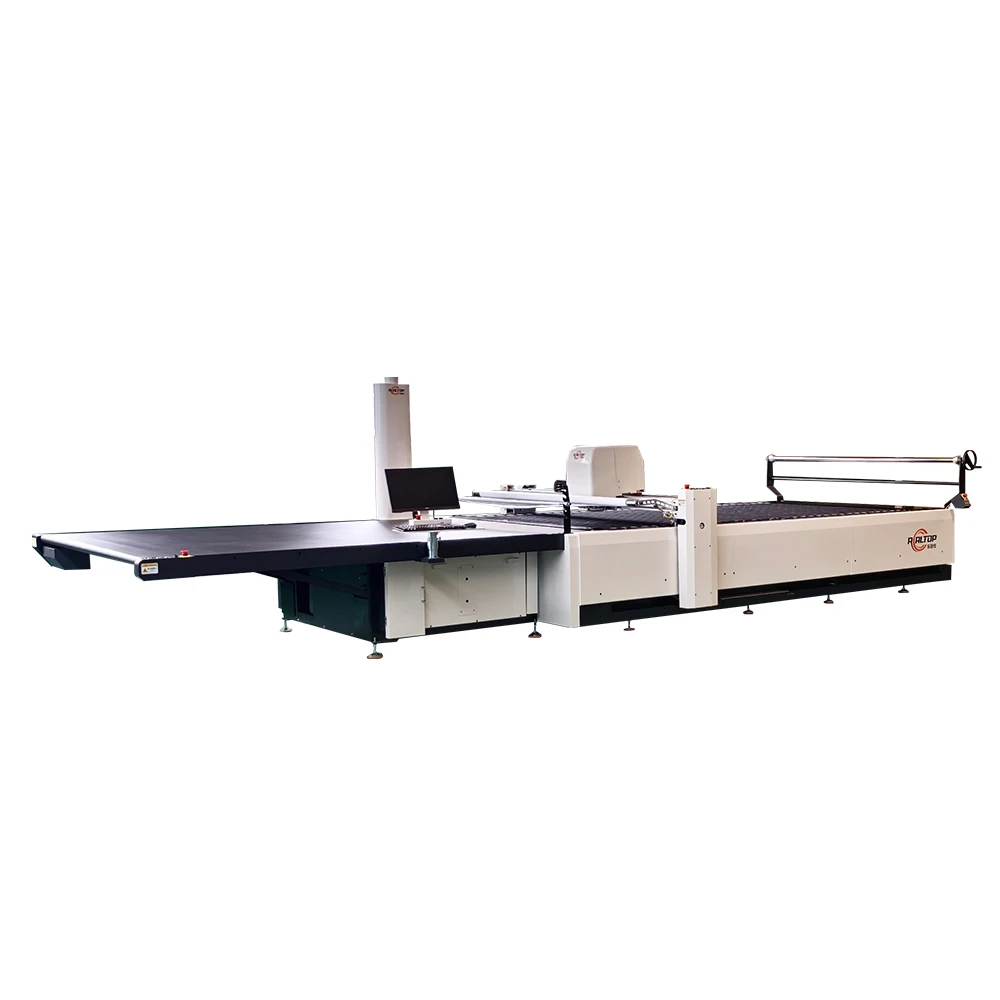
- Floor space of 3300×2700 mm plus clearance for material feed and offload
- Dedicated circuit matching confirmed voltage option (110V, 220V or 380V)
- Machine arrives fully assembled with vacuum pump and PLC panel connected
- First-run calibration of cutting accuracy to ±0.1 mm on buyer’s fabric
- Operator training on tool head changeover and nesting software workflow
- Blade and consumable spare parts kit matched to selected tool head
Before You Send the Inquiry
Send the fabric type, thickness per ply, number of layers in a typical lay, and the average piece size from your nesting layout. Confirm your local voltage and frequency so the electrical system is built for your grid. If you work with printed material, note whether contour recognition from registration marks is required. Including these details upfront lets the configuration be locked before production starts.
Frequently Asked Questions
Q: How do I choose the right tool head for my fabric or mat material?
A: The tool head depends on material density, ply count and edge quality requirement. Oscillating knives suit woven and technical textiles, driven rotary knives handle thin single-ply long cuts, and kiss cutting tools score laminates without damaging the backing. A sample cut on your actual material confirms the selection before the order is finalized.
Q: What cutting thickness is achievable, and does material density affect it?
A: The machine lists a maximum cutting thickness of 30 mm, but this varies with material density and ply count. High-loft batting compresses differently than dense rubber mat stock under the same vacuum pressure. Always confirm the achievable thickness through a sample cutting test on your specific material before committing.
Q: Does the vacuum table hold small fabric parts securely during cutting?
A: The aluminum bellows vacuum table provides full-surface adsorption, but small pattern pieces may lift if the vacuum zone is larger than the piece. The table zoning should be matched to your average piece size and nesting layout so suction concentrates under each cluster of parts during high-speed operation.
Q: What voltage and control language options are confirmed before shipment?
A: Voltage is configurable at 110V, 220V or 380V to match your local grid. The PLC control panel supports English, Russian, Italian and Chinese, with custom languages available on request. Both voltage and language are confirmed during the specification review before production begins.
Q: Can I send my material for a sample cutting test before ordering?
A: Yes. You can send your fabric, mat or composite material for a sample cutting test. The test produces a report documenting edge quality, dimensional accuracy and cutting speed achieved on your specific material, giving you a clear picture of how the machine will perform in your production environment.


商品评价
Clear filtersThere are no reviews yet.