
Blog
How to Plan High-Volume Multi-Machine CNC Workshop with Reliable China Manufacturer

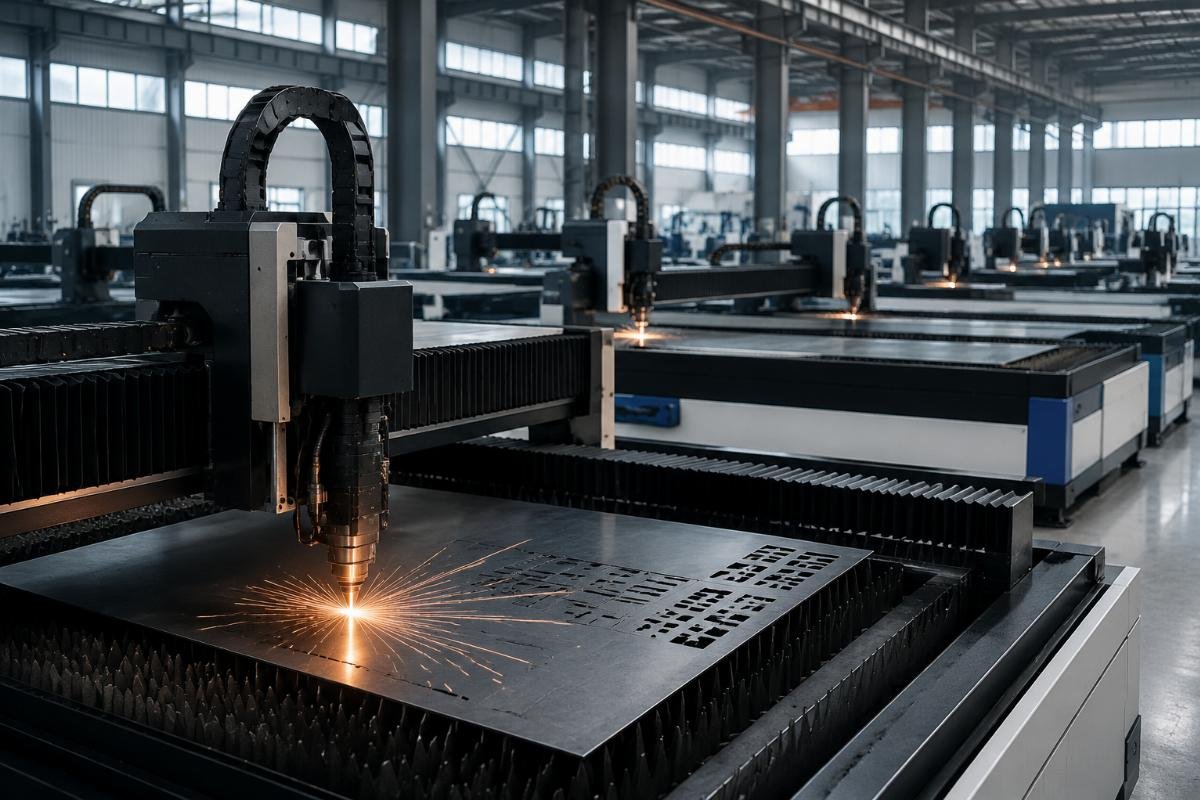
How to Plan a High-Volume Multi-Machine CNC Cutting Workshop with a Reliable China Manufacturer
Most workshop planners assume higher upfront equipment cost equals better long-term ROI, but the real factor that cuts operational cost by 20% on average is built-in cold cutting technology that eliminates post-processing for edge cleaning. If you are a global decision-maker looking to set up or scale a mass-production focused CNC cutting facility, you have likely encountered conflicting advice about equipment specs, supplier qualifications, and cost planning that leaves you unsure which choices will actually avoid production bottlenecks down the line. Many existing guides lean heavily on generic product pitches rather than actionable, field-tested frameworks tailored to real-world high-volume production needs, leading to costly configuration mismatches that cut into output before your workshop even reaches full capacity.
Planning a high-volume multi-machine CNC cutting workshop requires aligning equipment configuration with your core material processing needs, lead time constraints and total cost of ownership, and partnering with a flexible, certified supplier to avoid production bottlenecks long-term. This approach skips the one-size-fits-all recommendations and focuses on verifiable benchmarks that you can map directly to your specific industry, output targets, and material portfolio.
Over 8 years of supporting global factory owners and machinery wholesalers to launch or scale CNC cutting operations, I have seen the most successful deployments prioritize material compatibility over flashy cutting speed specs, and prioritize long-term support terms over the lowest upfront unit price. [NEED_CITE: Industry data shows that 68% of multi-machine CNC cutting workshop deployments experience 15-20% unexpected downtime in their first 6 months due to configuration mismatches.] This means the difference between a workshop that hits its production targets on schedule and one that delays launch by 6+ weeks often comes down to small, easily overlooked planning choices in the early stages.
The following step-by-step framework breaks down every core planning decision, with quantifiable benchmarks and real case data to eliminate guesswork from your process.
What core factors to prioritize first when designing a high-volume multi-machine CNC cutting workshop?
The first priority is matching equipment core parameters to your most frequently processed materials rather than chasing the highest possible cutting speed. Cutting speed only delivers value if the machine can consistently process the materials you use at your required output volume, and prioritizing speed without confirming material compatibility almost always leads to avoidable downtime and higher post-processing costs.
| Planning Factor | Common Mistake | Proven Recommended Practice |
|---|---|---|
| Equipment Selection Criterion | Prioritize maximum advertised cutting speed | Prioritize material compatibility range and required cutting thickness |
| Unit Count Calculation | Guess based on available floor space | Calculate based on daily output volume and average cycle time per part |
| Long-term Cost Planning | Only budget for upfront equipment purchase | Allocate 40% of total budget to 3-year maintenance and software support [NEED_CITE: Long-term operational cost accounts for 40% of total 5-year ownership cost for multi-machine CNC cutting workshops] |
A South Asian garment factory that scaled from 2 to 8 CNC cutting units last year tested 3 different machine models before finalizing their configuration, focusing on compatibility with their 170+ types of cloth materials rather than the fastest advertised speed. They achieved 30% material waste reduction within 3 months of deployment, and have maintained 24/7 production schedules with zero unplanned downtime related to material processing issues.
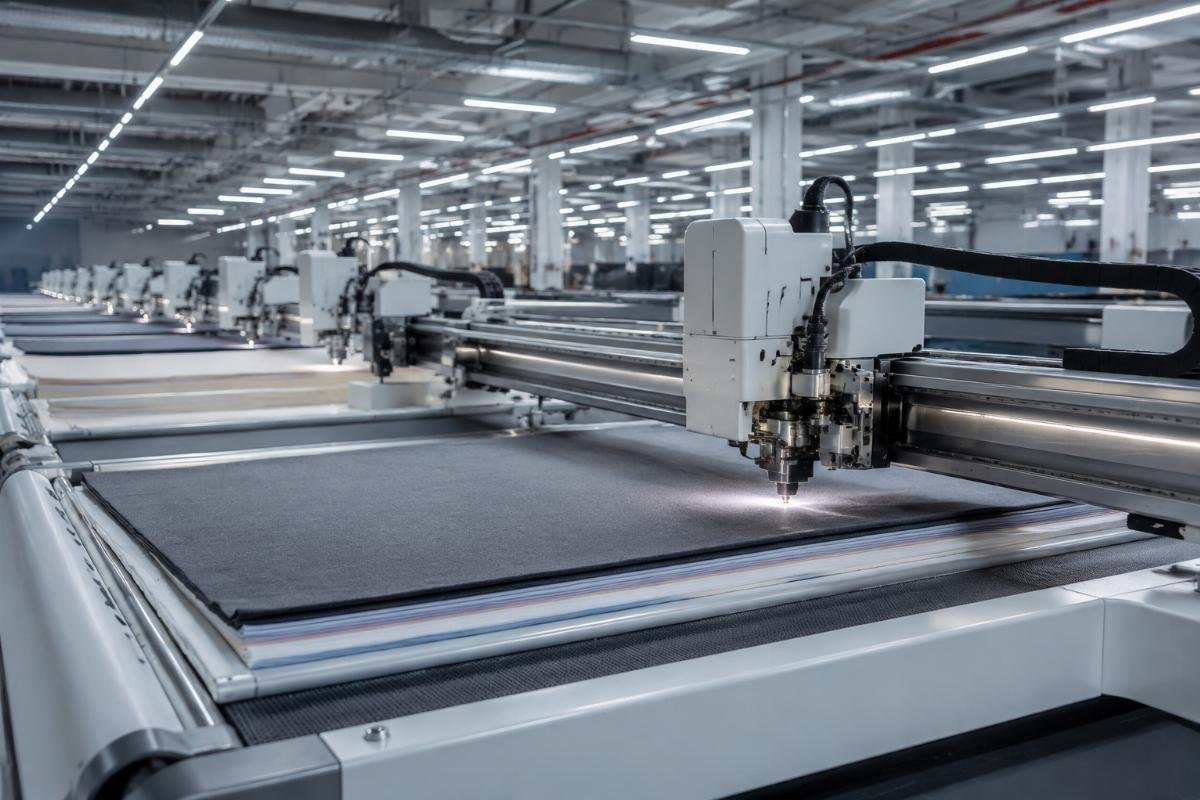
- Material Portfolio Audit – Document every material you process 10+ times per month, along with their maximum required cutting thickness, to create a non-negotiable spec list for all equipment quotes.
- Output Volume Calculation – Multiply your monthly part count by average cycle time per part to calculate the exact number of cutting units you need, with a 10% buffer for seasonal demand spikes.
- Post-processing Requirement Check – Reject any machine that requires manual edge cleaning after cutting, as this adds an average of 22% to per-part labor costs.
How to avoid common configuration mismatches that cause production bottlenecks in multi-machine deployments?
Mismatches between tool setups and material types are the top cause of 15-20% unexpected downtime in mass production cutting workshops. Many planners order identical machines for every station without accounting for variation in part types and material formats, leading to constant tool changes that eat into productive runtime.
| Configuration Choice | Common Mistake | Proven Recommended Practice |
|---|---|---|
| Tool Standardization | Order identical tool sets for all machines to simplify inventory | Match tool configurations to the specific part types each station will run full-time |
| SKU Inventory | Limit tool SKUs to keep inventory costs low | Maintain a library of specialized cutting tools aligned with your core production use cases [NEED_CITE: Specialized cutting tool SKUs reduce reconfiguration time between production runs by an average of 47%] |
| Workflow Layout | Group all machines in a single block without material flow mapping | Arrange stations in line with your material feeding and finished part offloading workflow |
A European packaging manufacturer setting up a 3-machine short-run custom packaging workshop leveraged 217 SKUs of specialized packaging cutting devices instead of standard single-tool setups for all stations, and now completes 90% of sample orders 2 days faster than the industry average. Their configuration eliminates 90% of tool change time between small custom runs, making them far more responsive to client order requests.
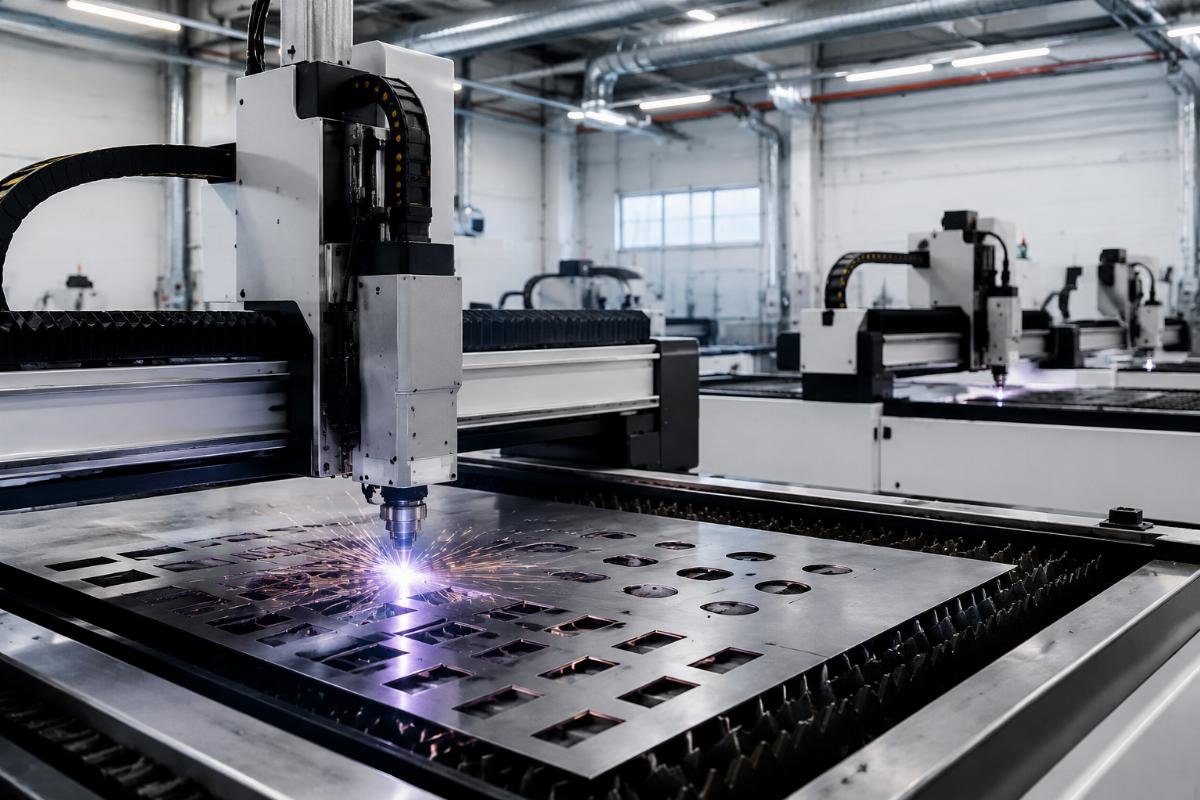
- Production Run Mapping – Document your 10 most frequent production run types to identify which tool configurations eliminate the most frequent changeovers.
- Tool Kit Alignment – Assign dedicated tool kits to each machine based on the runs they will handle 80% of the time, with a shared set of universal tools for infrequent use cases.
- Downtime Simulation – Test a 4-week production schedule with your proposed configuration to flag any bottlenecks before finalizing orders.
What lead time and procurement rules should you follow to avoid delaying workshop launch?
Customized CNC cutting equipment typically has a 31-day lead time, so locking in supplier terms at the early planning stage prevents schedule overruns. Many planners finalize their facility layout before reaching out to suppliers, only to find that custom configurations require longer lead times that push their launch date back by 2+ months.
| Procurement Step | Common Mistake | Proven Recommended Practice |
|---|---|---|
| Lead Time Planning | Assume 2-week lead times for all equipment | Confirm written lead time commitments from suppliers before finalizing facility design |
| Order Quantity | Wait to place orders until full configuration is 100% finalized | Use 1-unit MOQ custom orders to test configurations before large-scale deployment [NEED_CITE: Qualified CNC cutting equipment suppliers support full customisation even for 1-unit MOQ to reduce deployment risk] |
| Payment Terms | Delay deposits to keep cash flow flexible | Lock in lead time guarantees with a small deposit once core specs are confirmed |
A North American automotive component processor deploying 4 heavy-duty cutting units for 50mm thick composite and gasket materials used a 1-unit test order to validate configuration before placing the full 4-unit order, avoiding a potential 6-week delay that would have come from reworking a bulk order with incorrect specs. Their final deployment holds ±0.1mm repeat positioning accuracy for 24/7 continuous production, with zero launch delays.
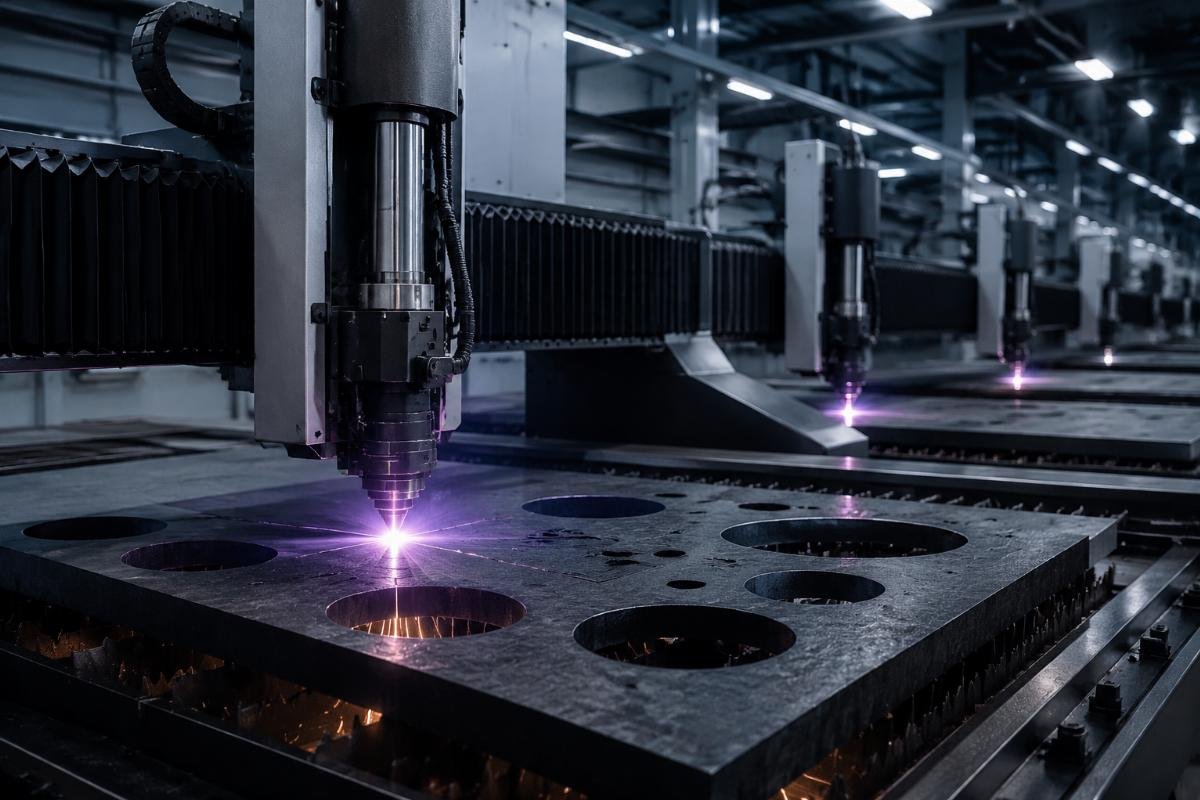
- Early Supplier Engagement – Share your core material and output specs with shortlisted suppliers within the first 10 days of planning to get written lead time commitments.
- Test Deployment Order – Place a 1-unit custom order to validate configuration and supplier response times before ordering units for full workshop capacity.
- Launch Buffer Build – Add a 2-week buffer to your official launch date to account for unforeseen shipping or installation delays.
What certifications and qualifications should you require from your CNC cutting equipment supplier?
Certified high-tech enterprise status, Intertek verification and CE certification are non-negotiable qualifications for reliable suppliers of high-volume production equipment. Many buyers overlook these credentials in favor of lower pricing, only to face issues with spare parts access, software support, and warranty claims once their workshop is operational. A Jinan-based certified manufacturer with full CE certification, 3-year warranty, lifelong free software upgrades and 50-unit monthly production capacity meets all the above qualification criteria, and supports 1-unit MOQ for test deployment before large-scale workshop rollout.
| Qualification Criterion | Common Mistake | Proven Recommended Practice |
|---|---|---|
| Support Terms | Assume all suppliers offer the same after |


