


Fast Shipping
Carrier information

20k products
Payment methods

24/7 Support
Unlimited help desk

2-day Delivery
Track or off orders
Cutting Method Matched to Material — Oscillating knife, creasing wheel and V-groove tools specified per corrugated flute type and board density rather than forcing a single tool path across mismatched packaging substrates.
Technical Specifications
| Parameter | Value |
|---|---|
| Model | 1625 |
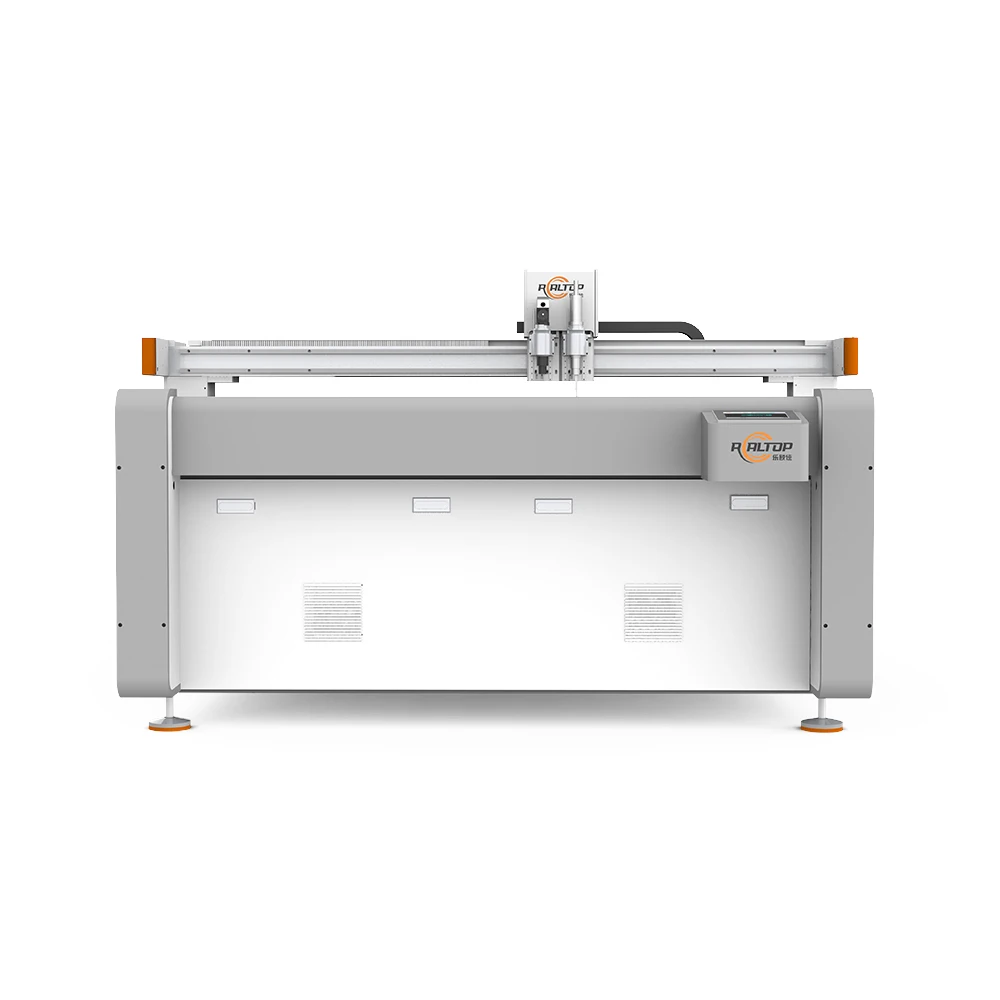
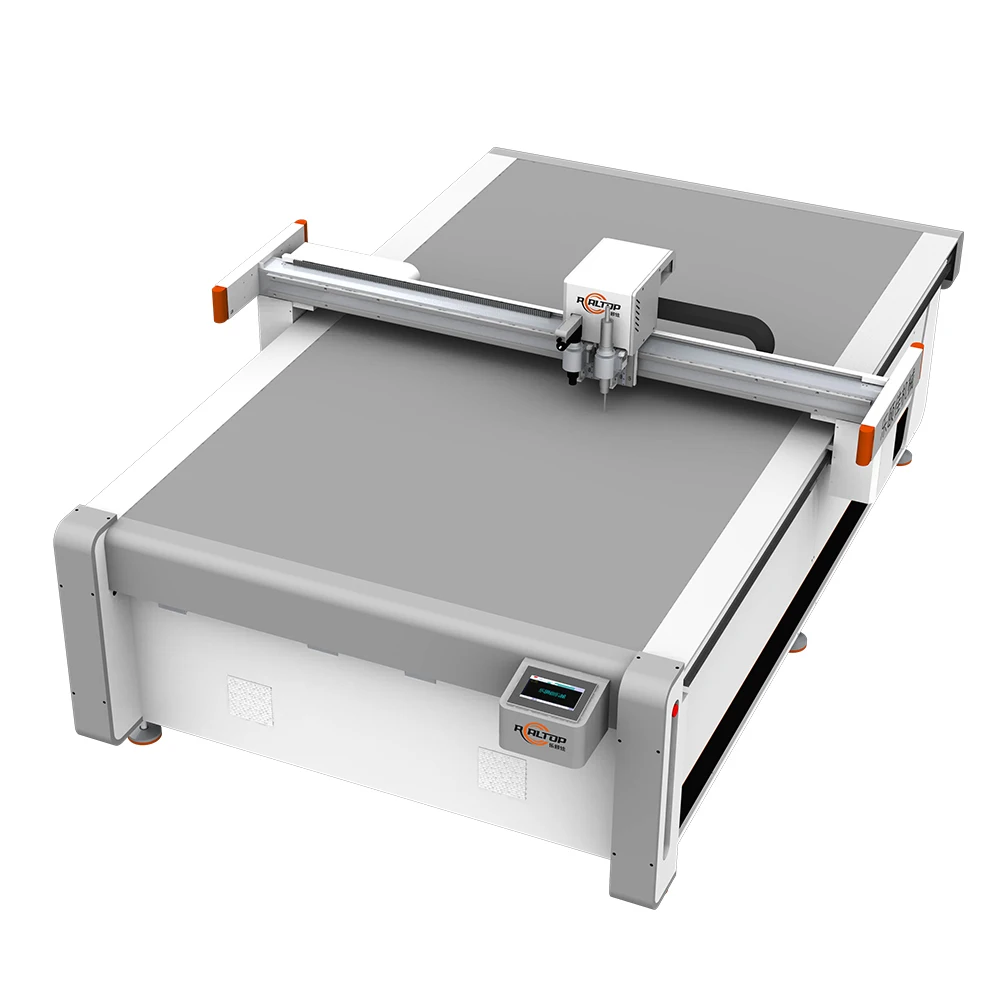
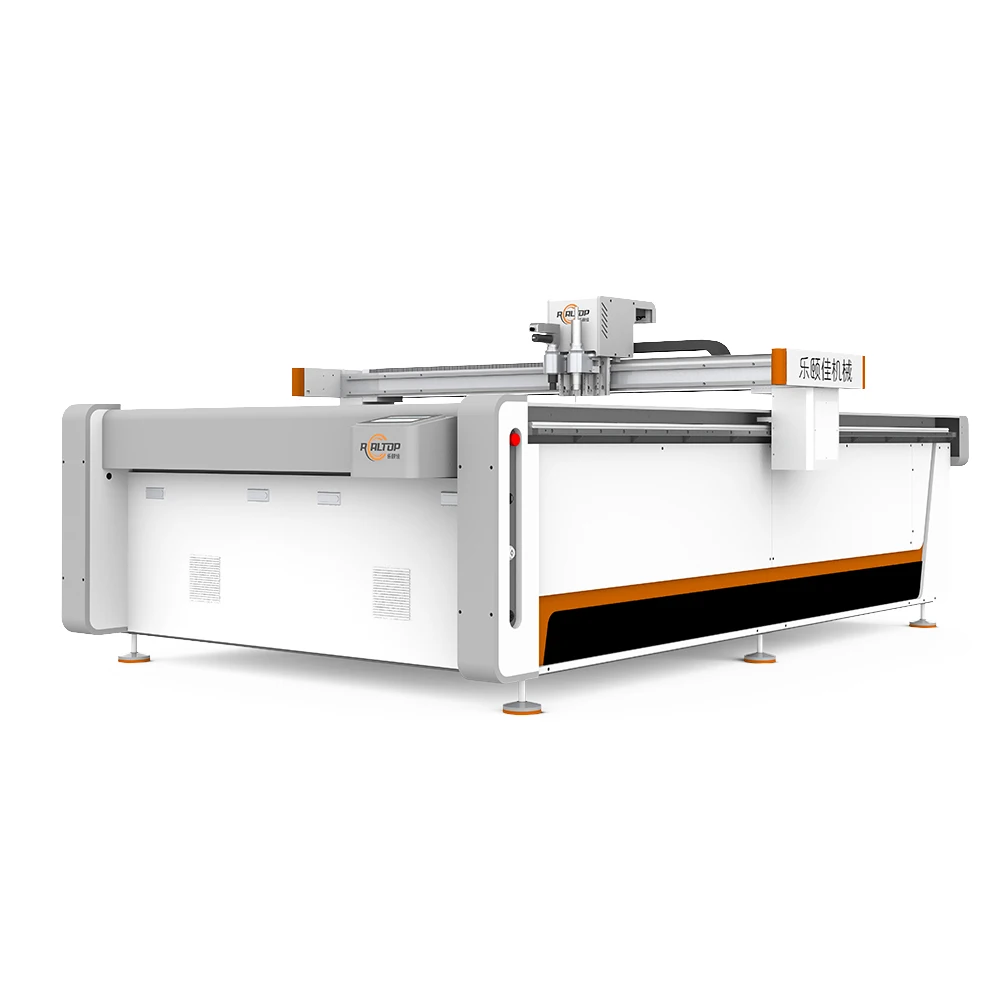
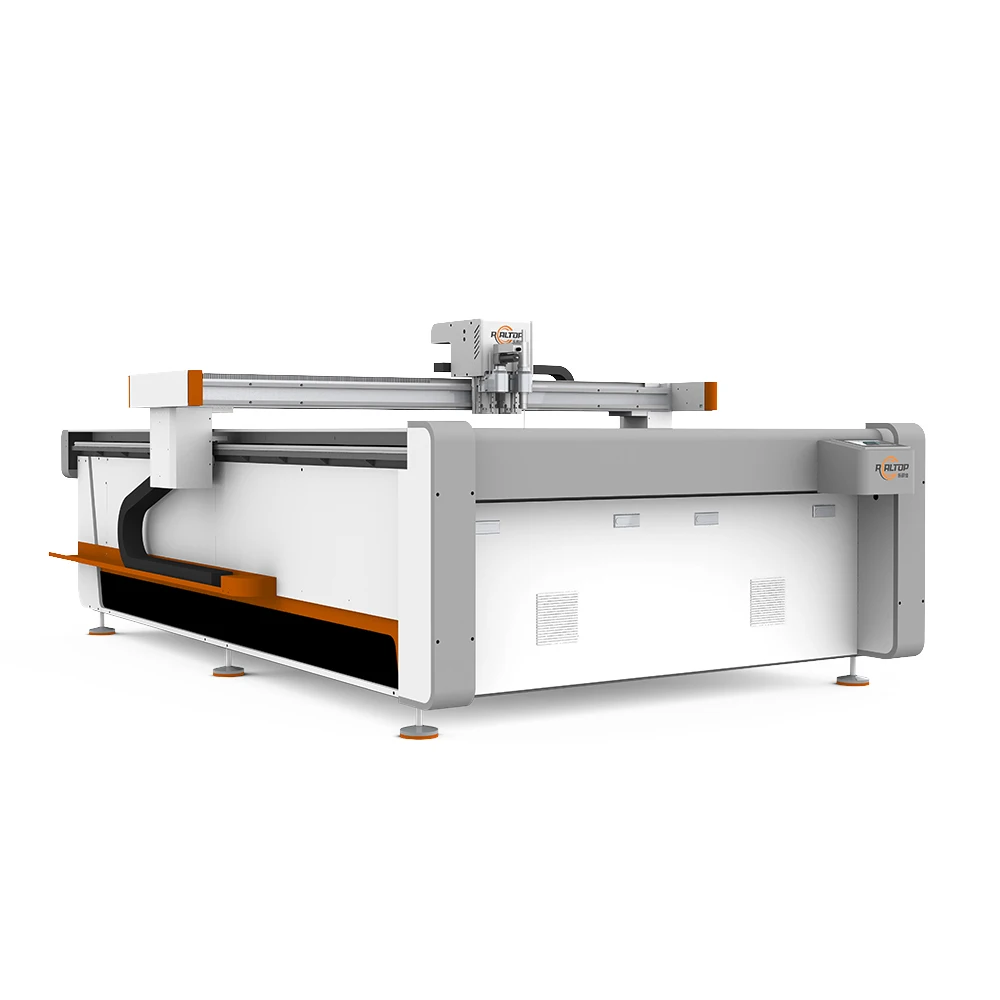
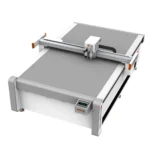
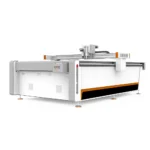
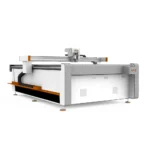
| Product Type | CNC Oscillating Knife Cutting Machine for Packaging |
| Working Area | 1600×2500 mm |
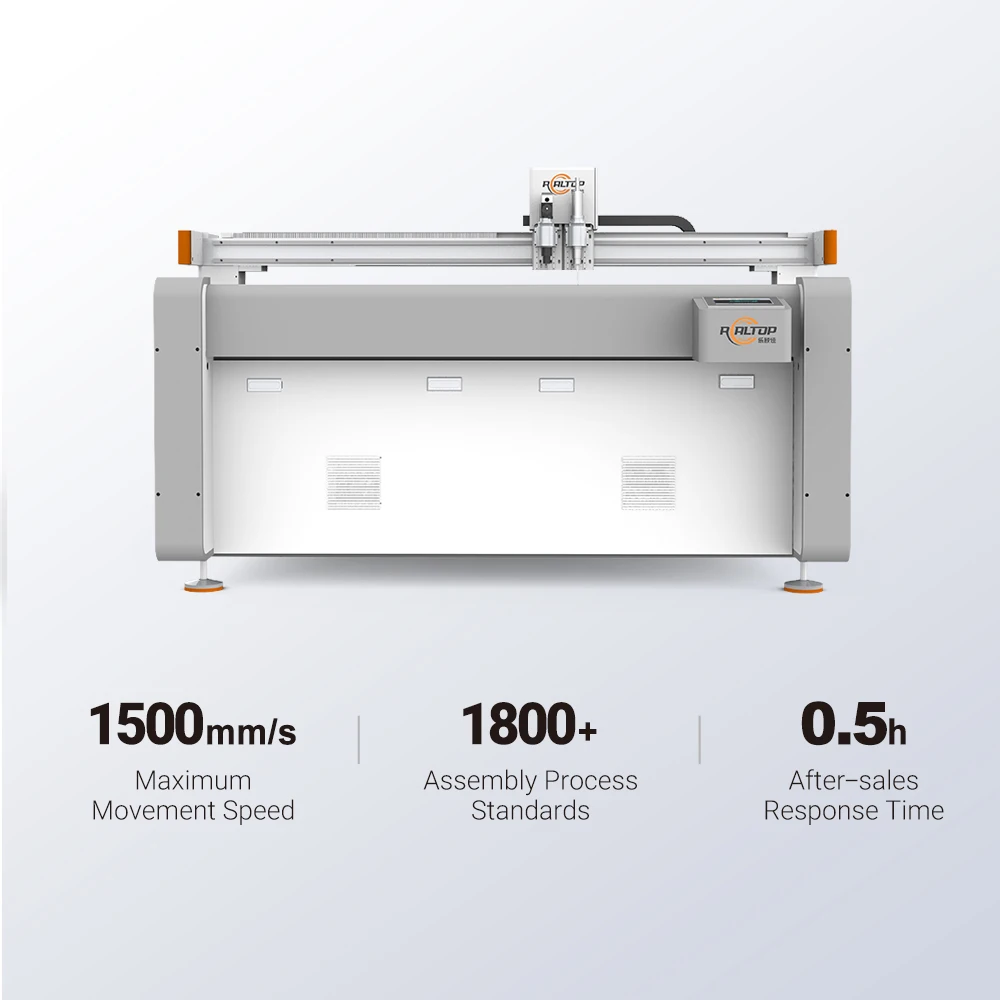
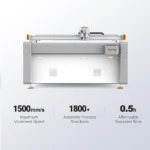
| Cutting Speed | 0–1500 mm/s |
| Cutting Thickness | ≤ 40 mm |
| Cutting Accuracy | ±0.1 mm |
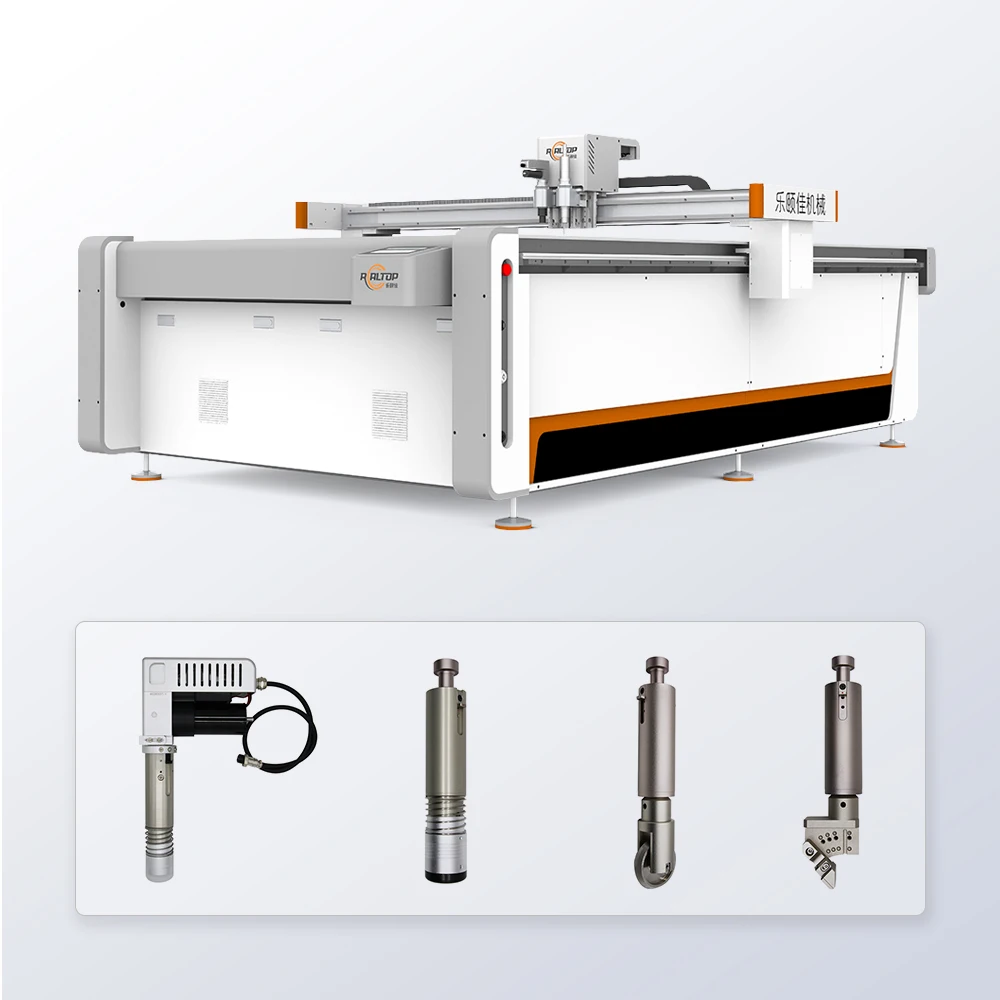
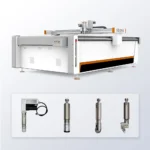
| Tool Heads Available | Oscillating knife, Driven rotary knife, Creasing wheel, Kiss cutting tool, Pneumatic knife, Milling tool, V groove knife, CCD camera |
| Vacuum Table | Aluminum bellows vacuum table with zoning |
| Vacuum Pump Power | 9 kW |
| Control System | PLC control panel |
| Servo Drive Options | Panasonic, Delta, Dorna |
| Voltage Options | 110V, 220V, 380V (frequency 50Hz / 60Hz to be confirmed) |
| Supported File Formats | PLT, DXF, AI, PDF |
| Software | Dedicated packaging box structure design software, multi-language support (English, Russian, Italian, Chinese; custom languages available) |
| Safety Devices | Infrared sensor, Emergency stop |
| Machine Dimensions (L×W×H) | 3300×2100×1350 mm |
| Certification | CE |
Application Suitability
| Application | Material or Output |
|---|---|
| Carton and packaging sample making | Corrugated cardboard (E-flute, B-flute, BC-flute), greyboard, cardstock, art paper, specialty paper |
| Protective insert and cushioning fabrication | EVA foam, EPE foam, PU foam, rubber mats |
| Retail and shipper box prototyping | Coroplast, thin plastic sheets (PVC, PET), synthetic leather, composite and adhesive-backed materials |
| Textile and non-woven packaging components | Velvet/fleece fabric, non-woven fabric, leather |
Why "Cutting Thickness ≤ 40 mm" Is Not the Whole Story for Corrugated Board
A thickness figure alone does not tell you whether the machine will produce a clean crease-and-cut on double-wall BC-flute without crushing the flute structure.
Many buyers specify a CNC oscillating knife cutting table based on working area and maximum cutting depth, only to discover that the edge quality on their actual corrugated stock falls short. The density of the board, the flute profile and the moisture content all change how the knife interacts with the material. A 40 mm capacity means very different things when cutting single-wall E-flute art paper versus dense, multi-layer greyboard used for rigid box prototypes. The tool head selection, oscillation frequency and vacuum hold-down pressure must be matched to the specific substrate before the first sample is cut [NEED_CITE: material density and moisture effects on knife cutting performance].
Tool Head Matrix for Corrugated and Board Substrates
Choosing the correct tool head is the single most consequential decision when configuring a flatbed knife cutter for packaging work. The oscillating knife handles standard cutting through single-wall and double-wall corrugated, while the creasing wheel scores fold lines without fracturing the outer liner. For V-groove channels on thick greyboard — common in rigid luxury box construction — the V-groove knife removes a precise channel so the board folds cleanly at ninety degrees. The kiss cutting tool scores adhesive-backed labels and gaskets without cutting through the backing paper. Each head mounts to the same carriage, so a single prototype run can include cut, crease and groove operations without manual tool changes.
Vacuum Zoning and Small Blank Hold-Down
Packaging sample runs frequently involve small carton blanks nested across the bed, and these are exactly the parts most likely to lift during high-speed cutting. The aluminum bellows vacuum table on this 1625 platform divides the working area into independently controlled zones. Operators activate only the zones beneath the active nesting layout, concentrating suction on the blanks being cut rather than bleeding vacuum across the entire 1600×2500 mm surface. This zoning approach keeps lightweight cardstock and thin specialty papers flat without requiring additional masking or mechanical clamps [NEED_CITE: vacuum zoning effects on small-part hold-down in digital cutting].
Reading the Specs: What Matters for Daily Sample Output
The ±0.1 mm cutting accuracy across the full bed ensures that box-fit tolerances hold when a prototype carton must slot together without gaps — critical for structural packaging that will be evaluated by the buyer’s client. The 0–1500 mm/s cutting speed range gives operators room to slow down on intricate perforation paths and accelerate on long straight cuts, rather than running a fixed speed that either sacrifices edge quality or wastes time. The 9 kW vacuum pump generates sufficient suction for dense corrugated sheets, though buyers running very porous or warped stock should confirm hold-down performance during sample testing. The PLC control panel manages tool path execution and vacuum zone switching, while the choice between Panasonic, Delta or Dorna servo drives affects long-term positioning repeatability and parts availability in the buyer’s local market.
The Cost of Skipping a Sample Cut Before Commitment
Buyers who commit to a configuration without testing their own material on the machine frequently encounter problems after installation. A creasing wheel set to the wrong pressure on B-flute corrugated will either fail to score deep enough for a clean fold or crush the flute entirely, leaving a visible dent on the outer liner. A vacuum table without adequate zoning will let small insert blanks drift during cutting, producing dimensional errors that compound through the folding and gluing stages. These issues are invisible in a showroom demonstration running on the seller’s pre-selected material [NEED_CITE: substrate variability in digital cutting sample verification].
Why Buyers Source This Platform for Packaging Work
In-house design and production cover both knife cutting and vacuum table engineering, so tool head selection and table zoning are configured together rather than sourced from separate suppliers. Every machine ships with a sample cutting report run on the buyer’s own corrugated or greyboard stock, documenting edge quality and crease integrity before the crate is sealed. Voltage, plug type and control language are confirmed against the destination market before production begins, eliminating the arrival-day surprise of a 380V unit in a 220V workshop. The dedicated packaging structure design software imports PLT, DXF, AI and PDF files directly, so buyers do not have to rebuild existing carton templates from scratch. A complete tool head and table configuration list is issued with the quotation, tying every option to the buyer’s stated material matrix.
Documentation & Verification
- Machine specification sheet listing confirmed tool heads and vacuum zone layout
- Electrical schematic with voltage and frequency locked to destination market
- Sample cutting report on buyer’s own corrugated or greyboard stock
- Software licence and file format compatibility note for PLT, DXF, AI, PDF workflows
- Factory test record covering full-bed accuracy and vacuum hold-down verification
- CE declaration with supporting test documentation where applicable
Installation, Commissioning & Support
- Confirm workshop door clearance exceeds 2100 mm width and 1350 mm height for the 1625 frame
- Provide a dedicated circuit matching confirmed voltage (110V / 220V / 380V) and frequency
- Level the aluminum bellows vacuum table on-site to maintain ±0.1 mm cutting accuracy
- Commission each tool head on buyer’s material and log oscillation and pressure settings
- Train operators on vacuum zone switching for different nesting layouts and blank sizes
- Supply spare oscillating knife blades, creasing wheels and vacuum seals with the initial shipment
What to Share When Requesting a Configuration Quote
Send samples or specifications of the corrugated flute types, greyboard weights and foam densities you cut most often, along with typical sheet dimensions and daily sample volume. Include your workshop’s available floor space, ceiling height and door dimensions so we can confirm the 3300×2100×1350 mm frame will fit your facility. Specify your local voltage and frequency standard, preferred control panel language and any existing nesting software or file formats your design team already uses.
Frequently Asked Questions
Q: How do I verify that the ≤ 40 mm cutting thickness applies to my specific corrugated board?
A: The thickness figure represents a mechanical limit, not a guarantee of edge quality on every substrate. Board density, flute profile and moisture content all affect cutting performance. We run a sample cut on your actual corrugated or greyboard stock and document edge quality, crease depth and dimensional accuracy in a report before you commit to the order.
Q: Which tool head should I choose for crease-and-cut on double-wall corrugated?
A: Double-wall board typically requires the oscillating knife for through-cutting and the creasing wheel for fold lines, with pressure and wheel diameter matched to the combined flute height. We test both operations on your specific BC-flute or EB-flute stock during sample preparation and record the settings for your production reference.
Q: How do I confirm the CCD camera tracks printed marks at actual cutting speed?
A: Static registration tests do not reveal tracking lag that appears at production speeds. We run printed carton samples through the CCD camera at the cutting speed you plan to use daily and document contour recognition accuracy in the sample report, so you see real-world performance before the machine ships.
Q: How many vacuum zones does the table have, and will small carton blanks stay flat?
A: The aluminum bellows table divides into independently controlled zones. We configure the zone layout based on your typical nesting patterns and blank sizes, then test hold-down performance on your lightest cardstock during sample cutting to confirm no lifting occurs without additional masking.
Q: Can I import my existing DXF and AI packaging templates directly?
A: The dedicated packaging design software reads PLT, DXF, AI and PDF files. Before the order is finalized, we confirm file format compatibility against your existing template library and nesting workflow, and provide a written compatibility note so your design team knows exactly which import paths are supported.


商品评价
Clear filtersThere are no reviews yet.