






Fast Shipping
Carrier information

20k products
Payment methods

24/7 Support
Unlimited help desk

2-day Delivery
Track or off orders
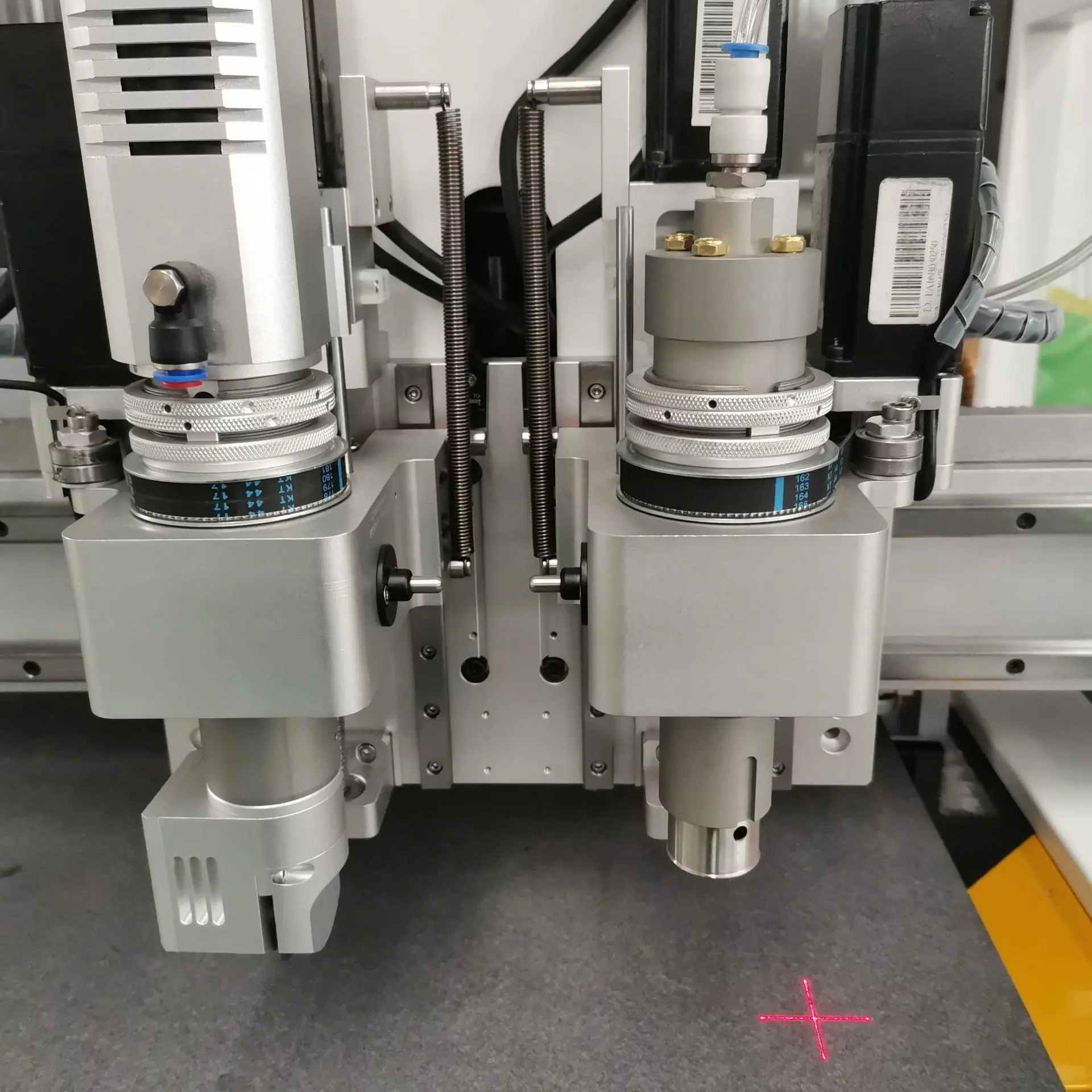
Tool Head Mapping — Each oscillating knife, drag knife and creasing wheel is matched to the buyer’s specific paper stock and thickness before the machine ships.
Technical Specifications
| Parameter | Value |
|---|---|
| Model | 1070PAS4 A1 |
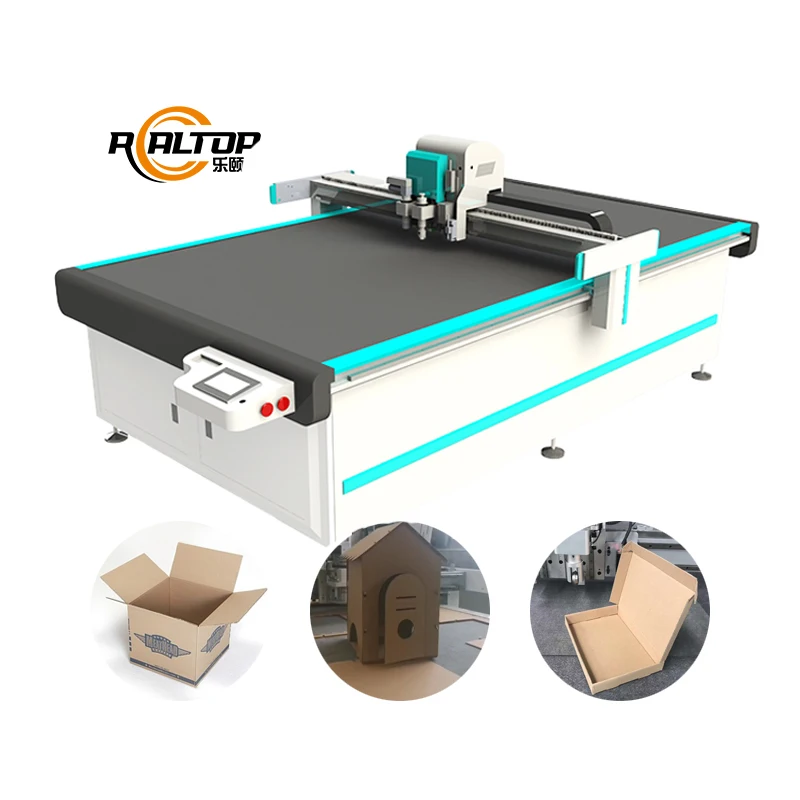
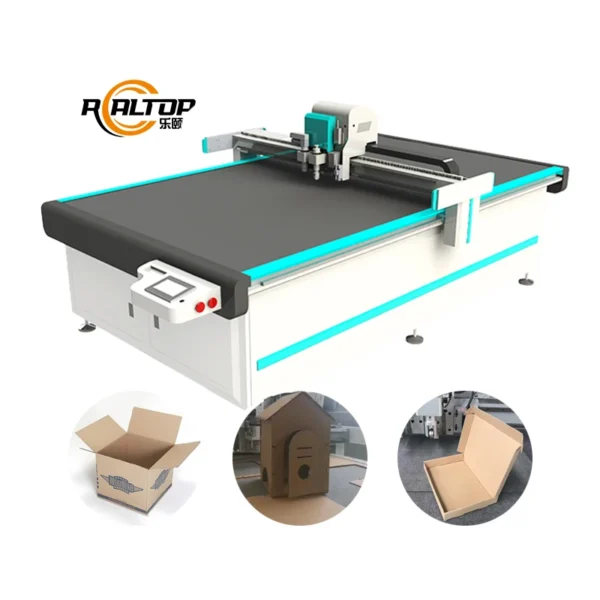
| Product Type | CNC Cutting Plotter |
| Max Working Area | 400mm x 600mm |
| Tools Group | Cutting Tool; Kiss-cutting Tool; Creasing Tool; CCD Camera; High Speed Oscillating Knife (Pro only) |
| Max Cutting Speed | 1500mm/s (according to the material) |
| Cutting Thickness (RTT4060) | <2mm |
| Cutting Thickness (RTT4060 Pro) | <5mm |
| Positioning Accuracy | 0.05mm |
| Profile Format | DXF, OLT, PDF, AI |
| Transmission Method | Ethernet port |
| Rated Power | 2.5kW |
| Standards | CE declaration where applicable |
Application Suitability
| Application | Material or Output |
|---|---|
| Packaging sample making | Cardboard, corrugated board, grey board up to 5mm |
| Carton prototyping | Folding carton stock with crease-and-cut sequences |
| Graphic contour cutting | Printed vinyl and board tracked via CCD camera |
| Small-format paper goods | Art paper, kraft, coated stock for kiss-cut and full-cut |
| Leather goods prototyping | Split and bonded leather for wallet, belt and strap blanks |
Why Vacuum Table Zoning Matters More Than Working Area on a CNC Cutting Plotter
A machine with the wrong vacuum zones will lift small carton samples straight off the table.
When you evaluate CNC oscillating knife cutting table specifications, the working area often gets the most attention. Yet for packaging sample makers cutting short-run box structures, the zone layout determines whether a 40mm flap stays flat or flies into the knife path. I have seen this exact failure on a packaging line in Mexico — the vacuum pump was powerful, but the zones were sized for full-sheet nesting, not the small die-line segments the customer actually ran. [NEED_CITE: vacuum table zoning practices for small-format digital cutting]
Matching Knife Type to Board Weight and Flute Profile
The 1070PAS4 A1 ships with a standard cutting tool and kiss-cutting tool, and the Pro variant adds a high speed oscillating knife. That distinction is not cosmetic. A drag knife handles single-face corrugated and solid bleached sulphate cleanly under 2mm, but when you move into double-wall micro-flute or foam-backed board, the oscillating action prevents the material from compressing ahead of the blade edge. Choosing the correct CNC oscillating knife cutting table specifications starts with the thickest board in your sample rotation, not the average.
CCD Camera Positioning for Printed Packaging Artwork
When the sample you cut must align with pre-printed graphics, the CCD camera reads registration marks and adjusts the cut path in real time. This matters for folding carton prototypes where a misaligned crease ruins the fold geometry. The camera on this plotter tracks marks at production speed, but the file you send must include the mark positions in a compatible layer. Confirming that your DXF or AI template carries the correct mark scheme is part of the pre-order check. [NEED_CITE: CCD contour recognition standards in digital flatbed cutting]
Reading the Specs That Actually Affect Edge Quality
Positioning accuracy of 0.05mm means the knife returns to the same coordinate within half a hair’s width across repeated passes — critical when a creasing wheel and a cutting tool must meet at the exact corner of a carton flap. The Ethernet transmission method moves large nesting files from your workstation without the data drop-outs that USB transfers sometimes introduce in busy sample rooms. Rated power at 2.5kW covers the vacuum pump, servo drives and knife head simultaneously, so the machine does not stall when all zones pull at once. Cutting thickness limits — under 2mm on the standard model, under 5mm on the Pro — tell you which board grades belong on each.
The Cost of Skipping the Sample Cut
Ordering a CNC flatbed cutting table on working area alone is how packaging labs end up with ragged edges on their heaviest board. If the oscillating knife stroke is too short for a 4mm corrugated sample, the blade drags rather than slices, crushing the flute instead of shearing it. That damage is not visible until the box is folded — by which point the entire sample batch is compromised. [NEED_CITE: material compression and edge damage in oscillating knife cutting]
Why Source This Plotter From the Builder
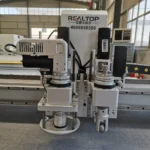
In-house design covers knife and creasing tool integration on the same gantry, so the 1070PAS4 A1 switches between cutting and scoring without manual head swaps. Tool head configuration is confirmed against your board list before production, not guessed from a catalog table. CCD camera settings are calibrated to your mark format, and software file compatibility — DXF, OLT, PDF, AI — is verified on your actual templates. Voltage and control language are set to your market before the machine leaves the factory. Sample cutting runs on your own material produce a report you review before the order is locked.
Documentation & Verification
- Factory test record on your board thickness and flute profile before dispatch
- Tool head and vacuum table configuration list matched to your carton stock
- Software licence with confirmed DXF, AI, PDF and OLT file compatibility
- Electrical schematic and voltage confirmation for your local grid
- CE declaration documentation where applicable to your import market
- Sample cutting report produced on your material before shipment
Installation, Commissioning & Support
- 2.5kW rated power requires a dedicated circuit matching your local voltage and frequency
- 400mm x 600mm table footprint fits standard sample-room benches without floor anchoring
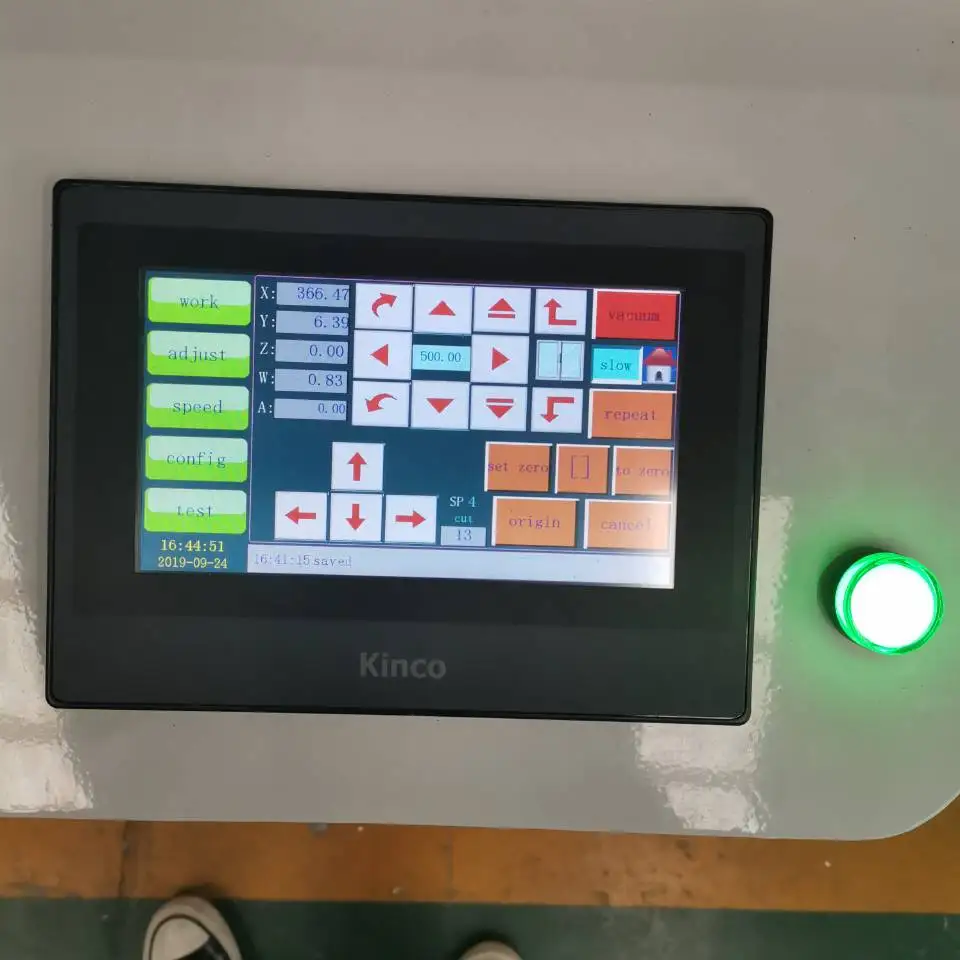
- Ethernet port connects to your existing LAN for file transfer from design workstations
- First-run calibration sets knife depth, creasing pressure and CCD mark recognition on your stock
- Operator training covers tool changes between cutting, kiss-cutting and creasing heads
- Spare blade and creasing wheel kit included for initial production runs
Before You Request a Quote
Send the board grades and flute profiles you sample most often, along with the thickest stock in your rotation. Confirm your local voltage, frequency and plug type so the electrical package matches from day one. If your design workflow runs on a specific nesting software, share a sample file so we verify format compatibility before the machine is built.
Frequently Asked Questions
Q: How do I choose between the standard and Pro model for my packaging samples?
A: The standard 1070PAS4 A1 handles board under 2mm, covering most folding carton and art paper stocks. The Pro variant extends to under 5mm with the high speed oscillating knife, which suits micro-flute corrugated and foam-backed board. Match the choice to your thickest routine sample, not the occasional outlier.
Q: Will the software accept my existing carton design files?
A: The plotter reads DXF, OLT, PDF and AI profiles. Before the order is confirmed, we run your actual file through the software to check layer recognition, crease-and-cut sequencing and CCD mark placement. Any translation issues are resolved before the machine ships.
Q: Can I see a sample cut on my own material before committing?
A: Yes. Send a representative sheet of your board stock along with a die-line file. We run the sample on the configured machine and return a cutting report showing edge quality, crease depth and dimensional accuracy for your review.
Q: What voltage and control language options are available?
A: The electrical package is configured to your local grid voltage, frequency and plug type before production. The control interface language is set to match your operator team. Both are confirmed in writing before the build starts.


商品评价
Clear filtersThere are no reviews yet.