






Fast Shipping
Carrier information

20k products
Payment methods

24/7 Support
Unlimited help desk

2-day Delivery
Track or off orders
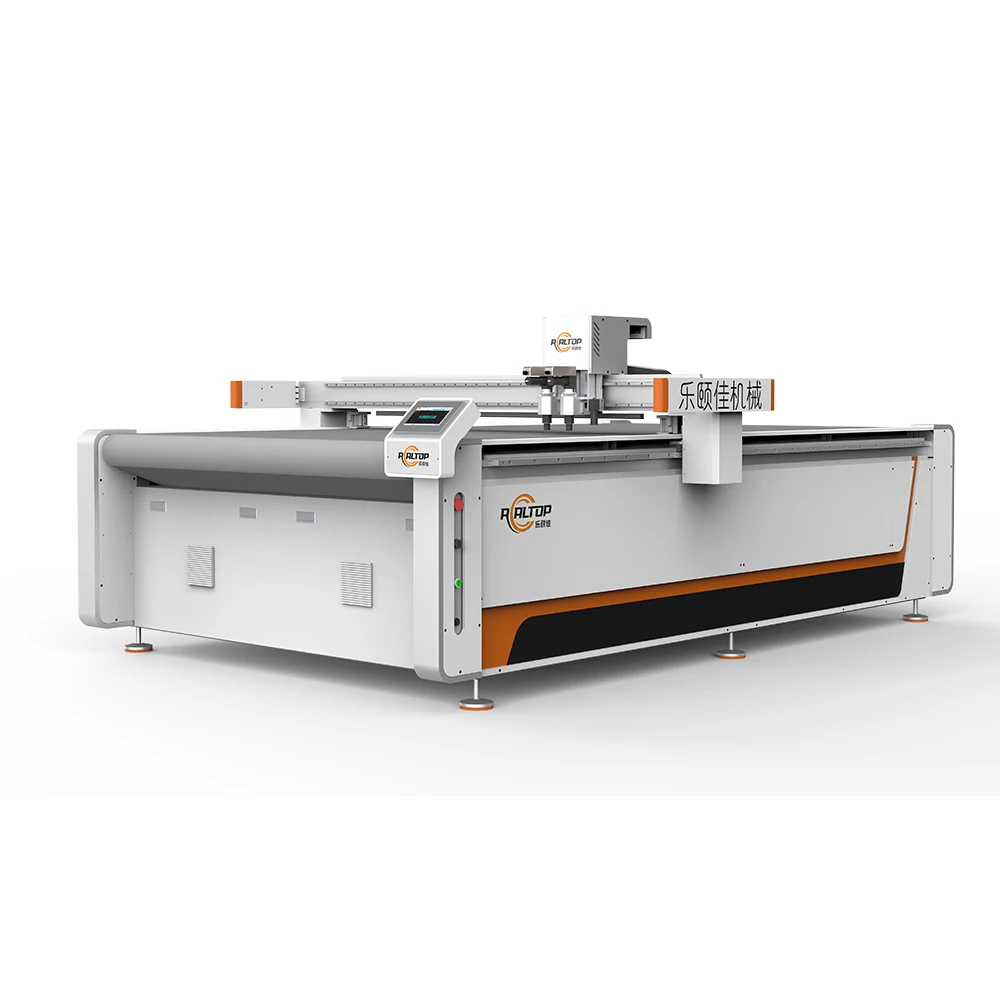
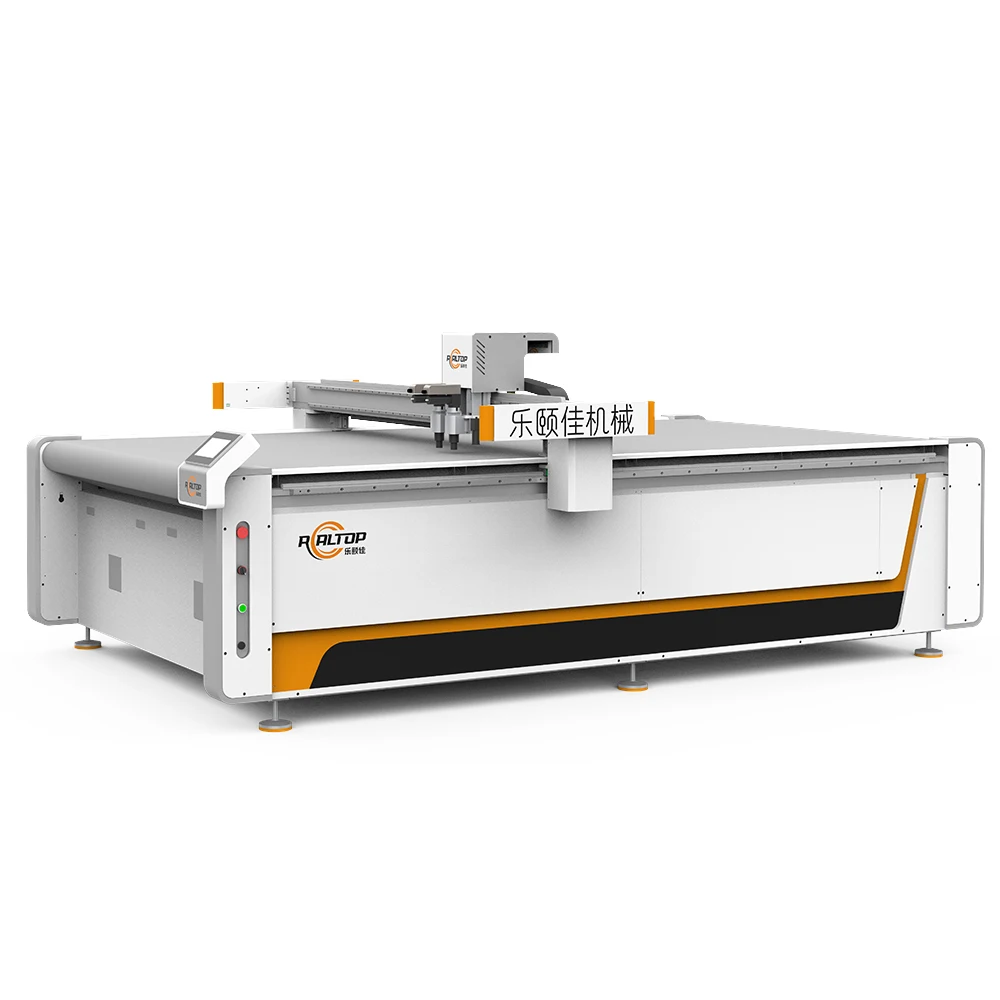
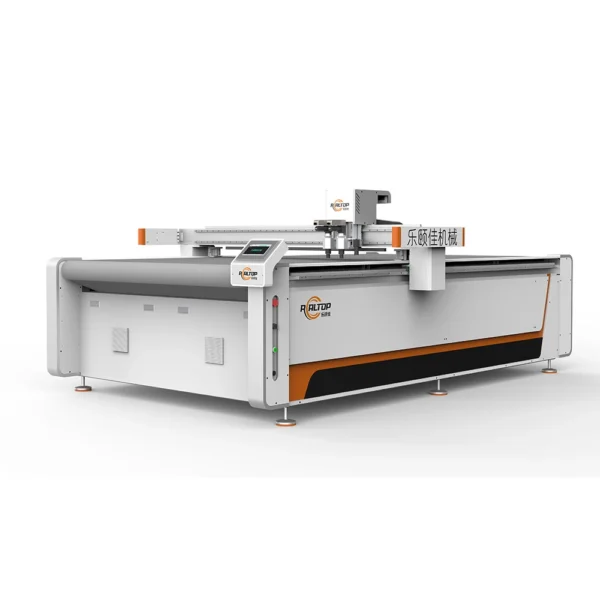
In-house knife and laser engineering — We design oscillating knife heads, vacuum tables, and control systems under one roof, so the 1625 cutting table ships configured for your exact corrugated flute and foam density.
Technical Specifications
| Parameter | Value |
|---|---|
| Product Type | CNC Oscillating Knife Cutting Machine for Packaging |
| Working Area | 1600 × 2500 mm |
| Cutting Speed | 0 – 1500 mm/s |
| Cutting Thickness | Up to 40 mm (basis to be confirmed) |
| Cutting Accuracy | ±0.1 mm |
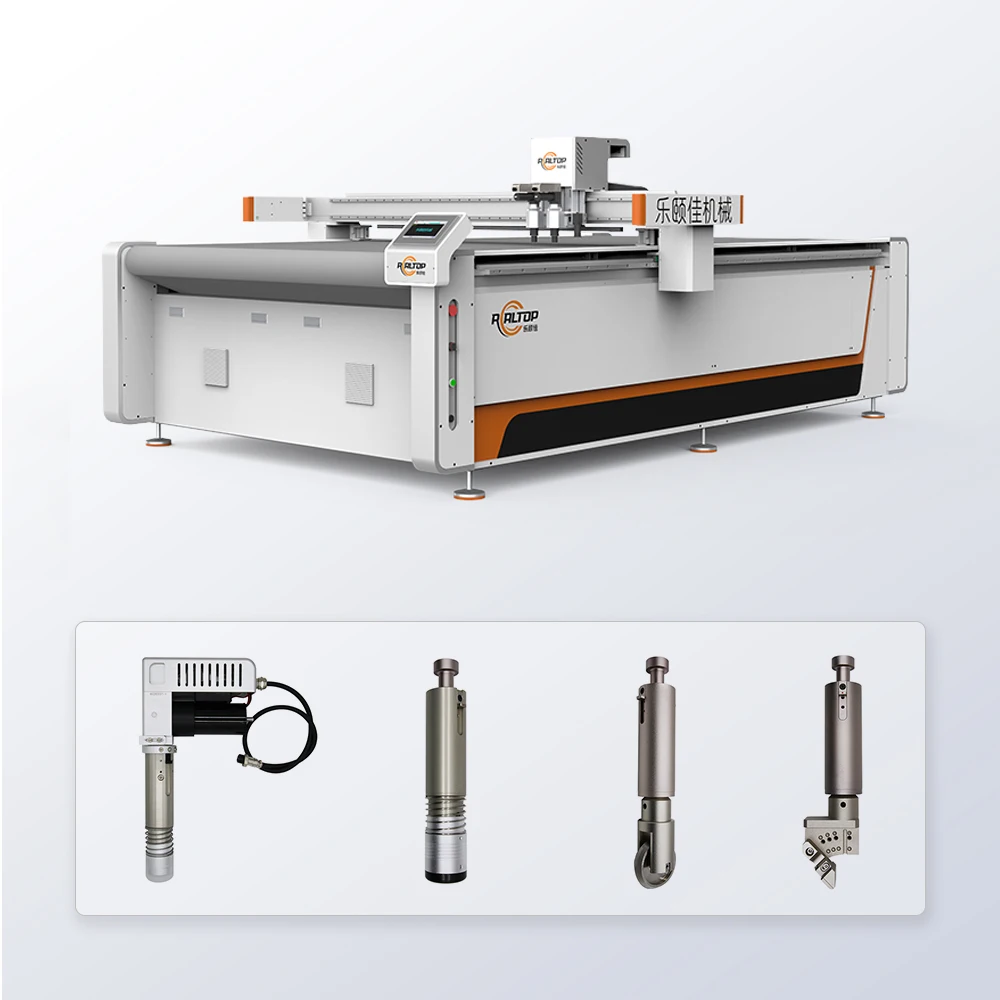
| Tool Head Options | Oscillating knife, Driven rotary knife, Creasing wheel, Kiss cutting tool, Pneumatic knife, Milling tool, V groove knife |
| Vacuum Table | Aluminum bellows vacuum table with zoning |
| Vacuum Pump Power | 9 kW |
| Servo Motor Options | Panasonic, Delta, Dorna |
| Control System | PLC control panel |
| Supported Formats | PLT, DXF, AI, PDF |
| Voltage Options | 110V / 220V / 380V |
| Software Language | English, Russian, Italian, Chinese (custom options available) |
| Dedicated Software | Packaging box structure design software included |
| Safety Features | Infrared sensor device, emergency stop |
| Machine Dimensions (L×W×H) | 3300 × 2100 × 1350 mm |
| Assembly State | Fully assembled |
| Certification | CE (source value — verify against manufacturer catalog) |
Application Suitability
| Application | Material or Output |
|---|---|
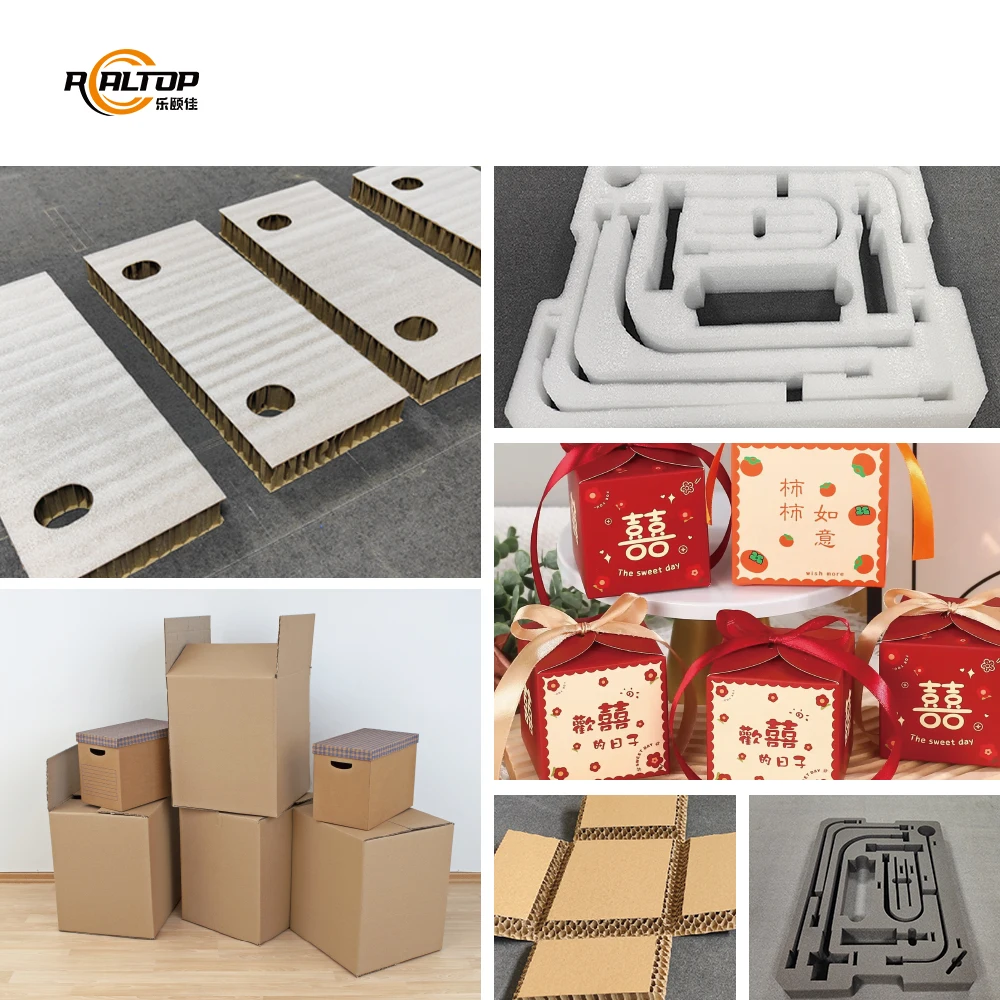
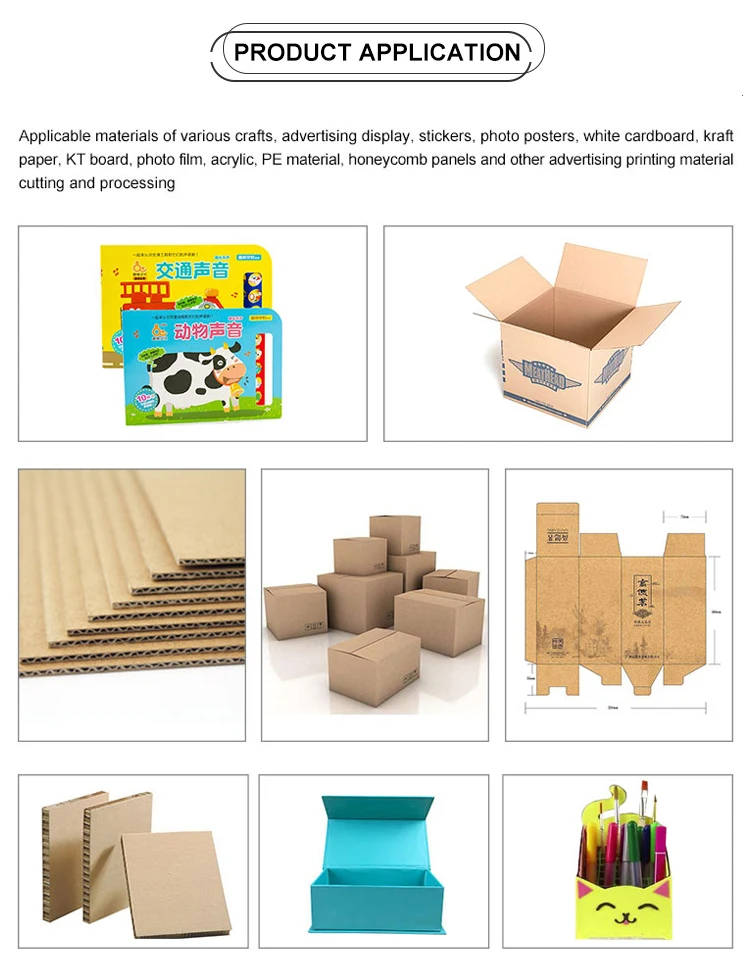
| Corrugated box sample making | E-flute, B-flute, BC-flute corrugated cardboard |
| Folding carton prototyping | Greyboard, cardstock, art paper, specialty paper |
| Protective packaging inserts | EVA foam, EPE foam, PU foam |
| Short-run die-free packaging | PVC, PET thin plastic sheets |
| Interior and gasket blanking | Leather, synthetic leather, rubber mats |
| Textile and composite cutting | Velvet, fleece, non-woven fabric, adhesive-backed composites |
Why the Tool Head Question Must Come Before the Working Area
A machine specified on bed size alone will still produce crushed flutes if the wrong head is installed.
Early in my career on the assembly floor in Jinan, I watched a packaging sample maker receive a machine perfectly sized for his sheets but equipped with a generic drag knife. When he ran BC-flute corrugated board, the knife dragged through the top liner and collapsed the flute structure. The creasing wheel was never specified, so fold lines had to be scored by hand. That delay cost him a short-run contract. Matching the oscillating knife, creasing wheel, or V-groove knife to your actual board grade is the first specification we lock down, not an afterthought [NEED_CITE: tool head selection by corrugated flute grade].
Tool Head Matching by Flute and Density
The cutting head determines edge quality more than any other variable on a CNC knife table. An oscillating knife handles single-ply cardstock and thin corrugated cleanly, while a driven rotary knife suits continuous cutting through thicker foam inserts. For packaging sample makers running multiple board grades on the same shift, specifying a creasing wheel alongside the oscillating knife allows cutting and scoring in one pass, eliminating the second operation entirely.
Vacuum Zoning for Small Die-Line Shapes
A 9 kW pump delivers strong hold-down across the full aluminum bellows table, but vacuum zoning matters more than raw suction when cutting small carton flaps or narrow gasket profiles. The table divides into independent zones so that only the area under the cutting head is sealed. Without this, thin cardstock lifts at the edges and the knife catches the material, producing ragged contours that fail dimensional checks.
Decoding the Cutting Speed and Accuracy Figures
The 0–1500 mm/s speed range on this CNC oscillating knife cutting machine reflects the servo travel rate, not the effective cutting rate through board. Actual throughput depends on flute count, ply thickness, and corner complexity in the die-line file. The ±0.1 mm accuracy figure becomes meaningful when running printed packaging samples where the CCD-contour function must align cuts to registration marks — a tolerance window tight enough for most folding carton and label applications but worth verifying against your specific register requirements.
What Happens When Configuration Is Skipped
I have seen packaging producers accept a machine quoted on working area and price alone, only to discover during commissioning that the vacuum table had no zoning and small parts lifted off the bed at speed. In another case, a buyer’s DXF files contained nested curves that the default software could not import without manual redraw, adding hours to every new sample order. These are not machine defects — they are specification gaps that surface only when real production starts [NEED_CITE: file format compatibility issues in CNC cutting software].
Why Sourcing This Table From REALTOP
In-house engineering covers both knife tooling and table design, meaning the oscillating head, creasing wheel, and vacuum zoning are developed as a matched system rather than assembled from unrelated third-party components. Sample cutting runs on your actual corrugated board or foam before order confirmation let you inspect edge quality, crease depth, and dimensional accuracy on a test report. Software compatibility is validated against your existing PLT, DXF, AI, or PDF workflow before the machine enters production. Voltage, plug type, and control panel language are confirmed in writing — 110V, 220V, or 380V — so the machine arrives ready to power on. The dedicated packaging box structure design software ships with a full licence, removing the need to source separate CAD tools for die-line creation.
Documentation & Verification
- Factory test record showing cut quality on your specific corrugated flute before dispatch
- Electrical schematic with confirmed voltage, plug type, and circuit requirements for your facility
- Tool head and vacuum table configuration list documenting every installed head and zone layout
- Software licence and file format compatibility note covering your PLT, DXF, AI, and PDF workflow
- Packing photographs documenting assembly state and protective crating before container loading
Installation, Commissioning & Support
- Requires a level concrete floor to support the 3300 × 2100 mm footprint and dynamic cutting loads
- Dedicated circuit matching confirmed voltage (110V/220V/380V) with proper grounding for the PLC panel
- Machine ships fully assembled; only vacuum pump connection and power hookup required on arrival
- First-run parameter tuning covers oscillation frequency and knife depth for your board grade
- Operator training addresses tool head changeover and vacuum zone selection for different sheet sizes
- Spare parts list includes oscillating knife blades, creasing wheels, and vacuum table seal strips
What to Prepare Before Requesting a Quote
Send the exact corrugated flute type, board thickness, and maximum sheet size you plan to run, along with your daily sample volume and whether you need CCD contour recognition for printed graphics. Confirm your facility voltage and preferred control language so the configuration can be finalized before production starts.
Frequently Asked Questions
Q: How do I choose the right tool head for my corrugated flute type?
A: E-flute and thin cardstock typically run well with an oscillating knife alone, while B-flute and BC-flute benefit from adding a creasing wheel for fold lines in a single pass. V-groove knives handle heavy-duty corrugated for specialty inserts. We run a sample cut on your actual board before finalizing the tool head list.
Q: Can the machine cut my existing packaging design files without conversion?
A: The control software imports PLT, DXF, AI, and PDF formats directly. Before order confirmation, we test your actual design files on the machine to verify import accuracy and nesting compatibility. If your workflow uses a specific CAD system, send a sample file so we can confirm seamless integration.
Q: How is vacuum table zoning configured for small packaging parts?
A: The aluminum bellows table is divided into independent zones activated only beneath the cutting head. This prevents small carton flaps and narrow profiles from lifting during high-speed passes. The zone layout is documented in your configuration list before production begins.
Q: What voltage and control language options are available for my market?
A: The machine is configurable for 110V, 220V, or 380V with region-specific plug types. Control panel and software language options include English, Russian, Italian, and Chinese, with custom languages available. All electrical specifications are confirmed in writing before the machine enters assembly.
Q: Can I send my material for a sample cut before committing?
A: Yes. Send your actual corrugated board, foam, or composite sheets and we run a test cut. You receive a sample cutting report covering edge quality, crease definition, and dimensional accuracy so you can evaluate results before placing a purchase order.


商品评价
Clear filtersThere are no reviews yet.