



Fast Shipping
Carrier information

20k products
Payment methods

24/7 Support
Unlimited help desk

2-day Delivery
Track or off orders
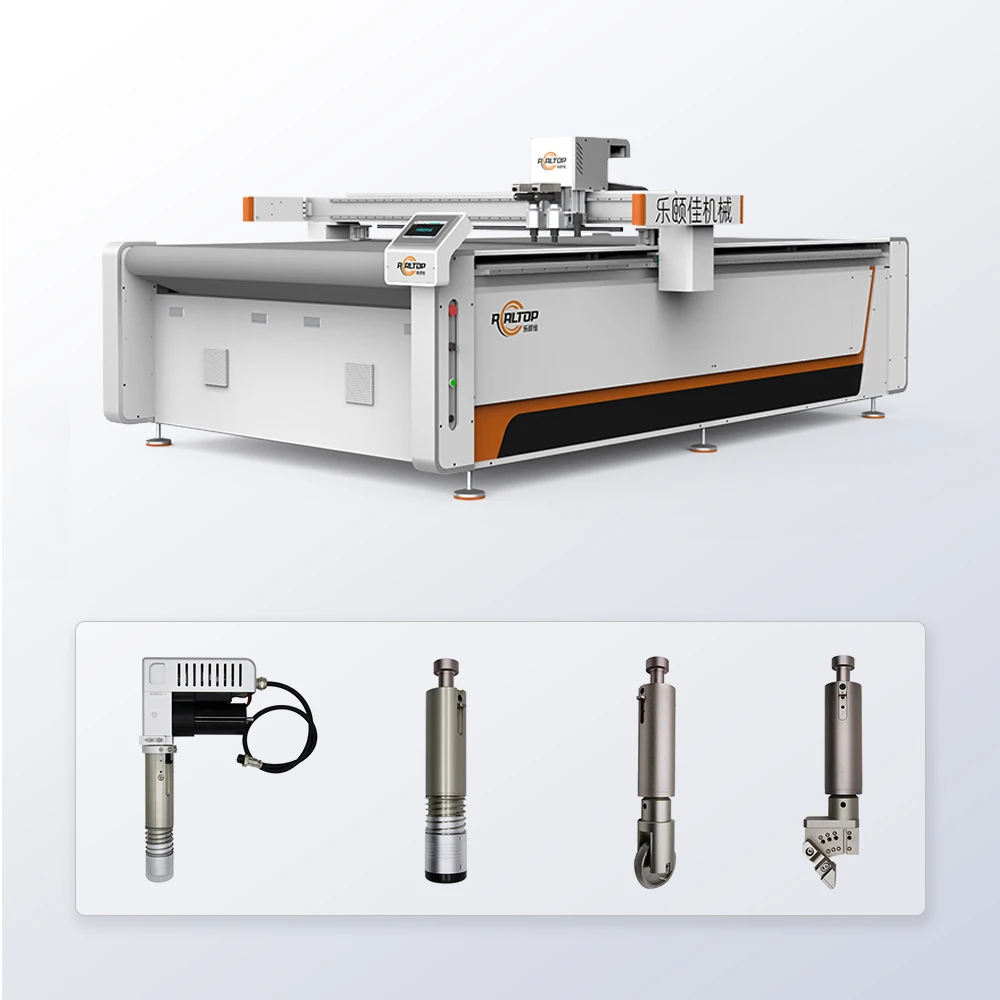
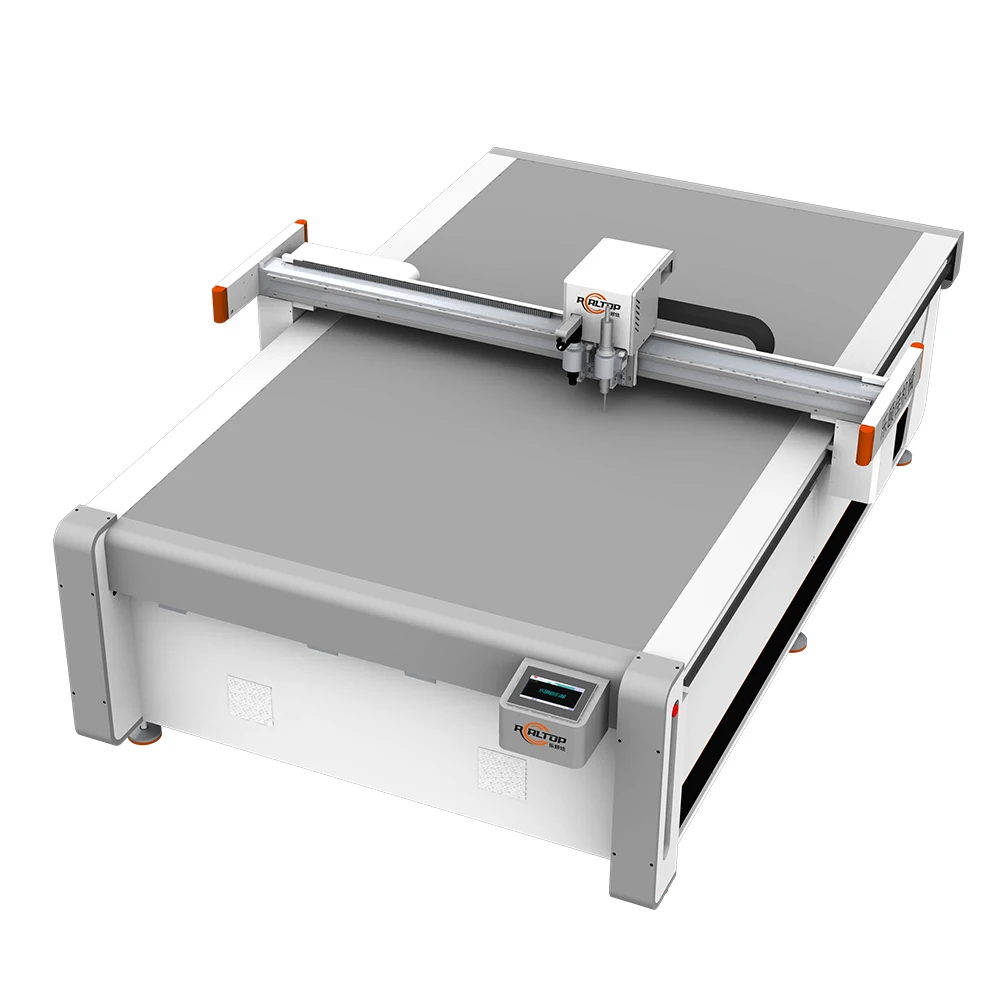
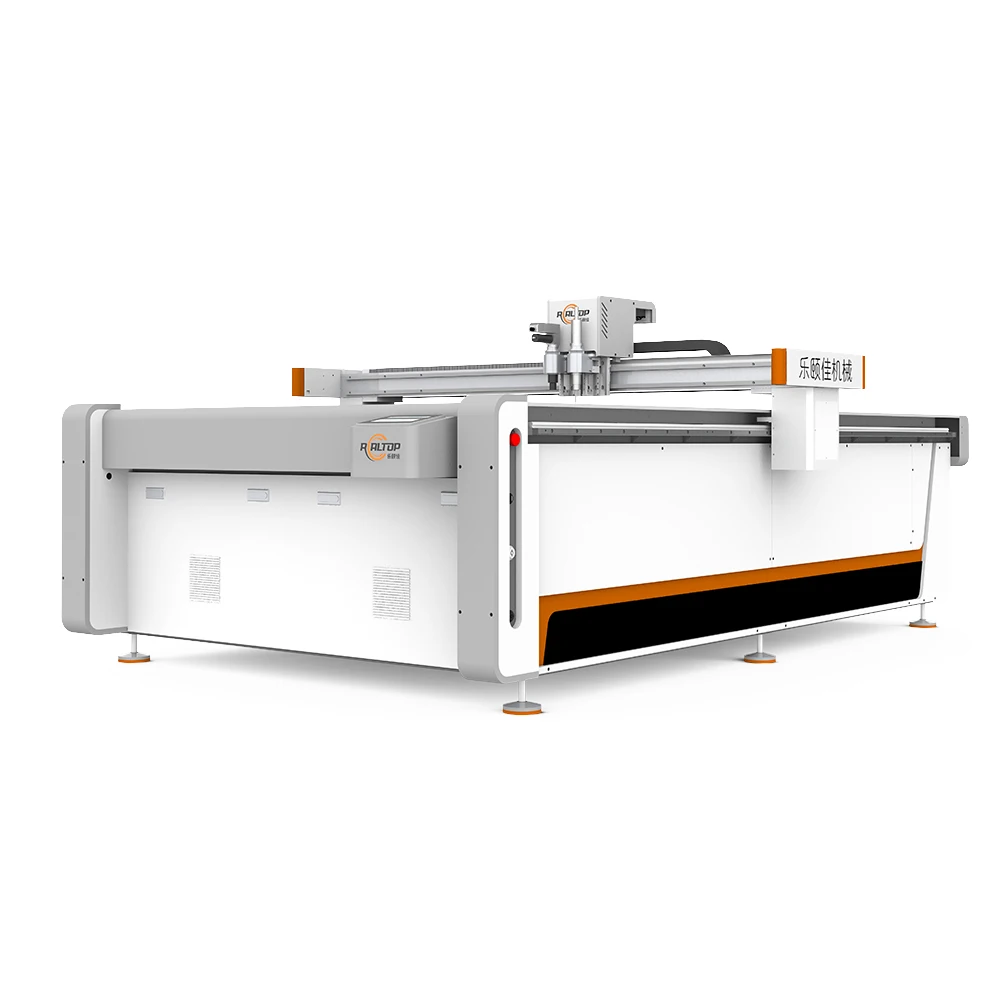
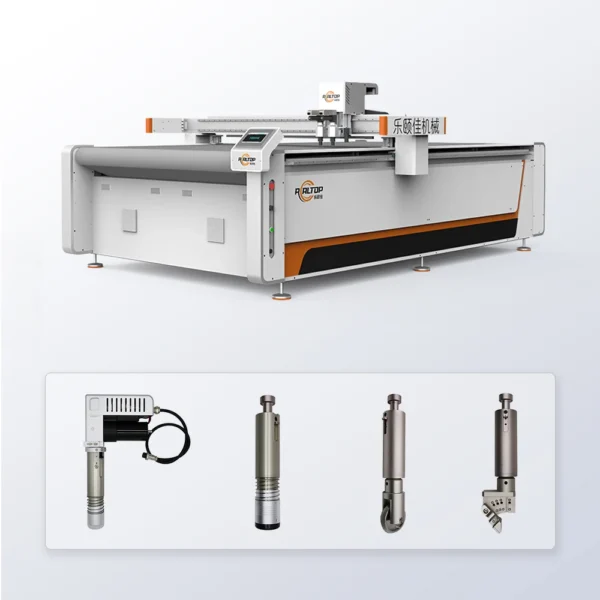
Tool Head Matched to Board Grade — Oscillating knife, creasing wheel and pneumatic tool options selected per flute type, foam density and part geometry before the order is finalized, not after the machine arrives.
Technical Specifications
| Parameter | Value |
|---|---|
| Product Type | CNC Oscillating Knife Cutting Machine |
| Model | 1625 |
| Working Area | 1600×2500 mm |
| Tool Head Options | Oscillating knife, Driven rotary knife, Creasing wheel, Kiss cutting tool, Pneumatic knife, Milling tool, V-groove knife, CCD camera |
| Applicable Materials | Corrugated cardboard (E-flute, B-flute, BC-flute), Greyboard, Cardstock, Art paper, Specialty paper, EVA/EPE/PU foam, Rubber mats, Velvet/fleece fabric, Non-woven fabric, Thin plastic sheets, PET, Synthetic leather, Composite materials, Adhesive-backed materials |
| Cutting Speed | 0–1500 mm/s |
| Cutting Thickness | ≤ 40 mm (basis not stated in source — confirm material type and density) |
| Cutting Accuracy | ±0.1 mm |
| Vacuum Pump | 9 kW |
| Vacuum Table | Aluminum bellows vacuum table with high flatness and seal |
| Voltage Options | 110V, 220V, 380V (frequency not specified in source) |
| Control System | PLC control panel with intuitive interface |
| Servo Drive Options | Panasonic, Delta, Dorna |
| Profile Formats Supported | PLT, DXF, AI, PDF |
| Safety Devices | Infrared sensor device, Emergency stop device |
| Machine Size | 3300×2100×1350 mm |
| Machine Frame | Heavy-duty frame with precision-ground surface |
| Software Language Options | English, Russian, Italian, Chinese (custom languages available) |
| Packaging Design Software | Dedicated packaging box structure design software included |
| Standards | CE |
Application Suitability
| Application | Material or Output |
|---|---|
| Packaging sample making and prototyping | Corrugated cardboard (E-flute, B-flute, BC-flute), greyboard, cardstock |
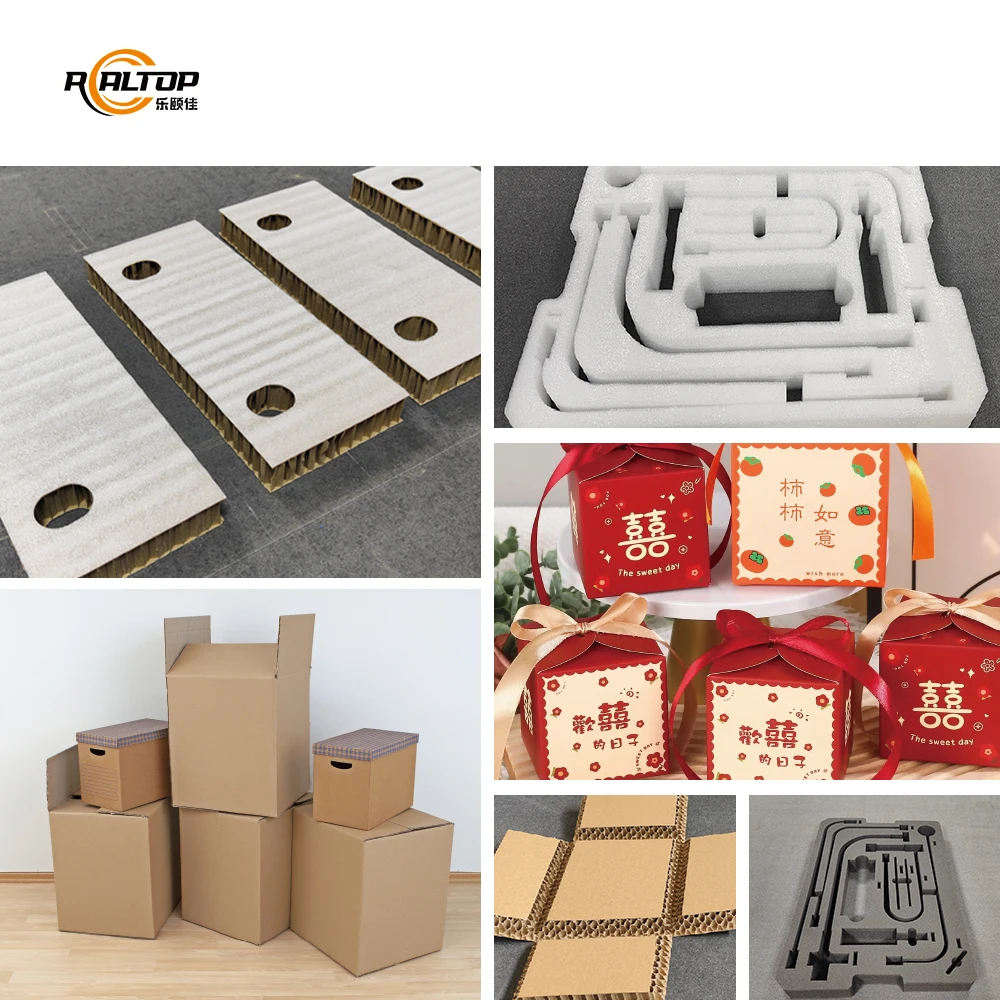
| Short-run corrugated box production | Single-face, double-wall and BC-flute boards up to 40 mm |
| Foam insert and protective lining fabrication | EVA, EPE and PU foam sheets for product packaging inlays |
| Gasket and rubber mat cutting for packaging seals | Rubber mats and adhesive-backed composite sheets |
| Fabric and leather component cutting for premium packaging inserts | Velvet, fleece, non-woven fabric and synthetic leather |
Why Board Flute and Foam Density Decide the Tool Head
The cutting method must follow the material, not the other way around. A CNC oscillating knife cutting machine for packaging configured on working area alone will underperform the moment it meets a board grade or foam density outside its specification. I once watched a customer receive a machine set up for standard E-flute corrugated, only to discover their daily runs included dense greyboard and EVA foam inserts. The oscillating knife crushed the foam and left ragged edges on the greyboard. Production slowed to a crawl while they sourced replacement tooling.
This happens because tool head selection is often treated as a catalogue checkbox rather than a material-driven decision. Oscillating knives handle corrugated flutes well but require different amplitude and frequency settings for dense board. Creasing wheels must match the fold line depth to the board thickness. Pneumatic knives suit thick foam but produce poor results on thin cardstock. [NEED_CITE: tool head selection criteria for packaging material types] When the configuration conversation skips material testing and jumps straight to sheet size, the buyer inherits a machine that cannot deliver on the products they actually run.
Knife, Wheel and Camera in One Tool Head
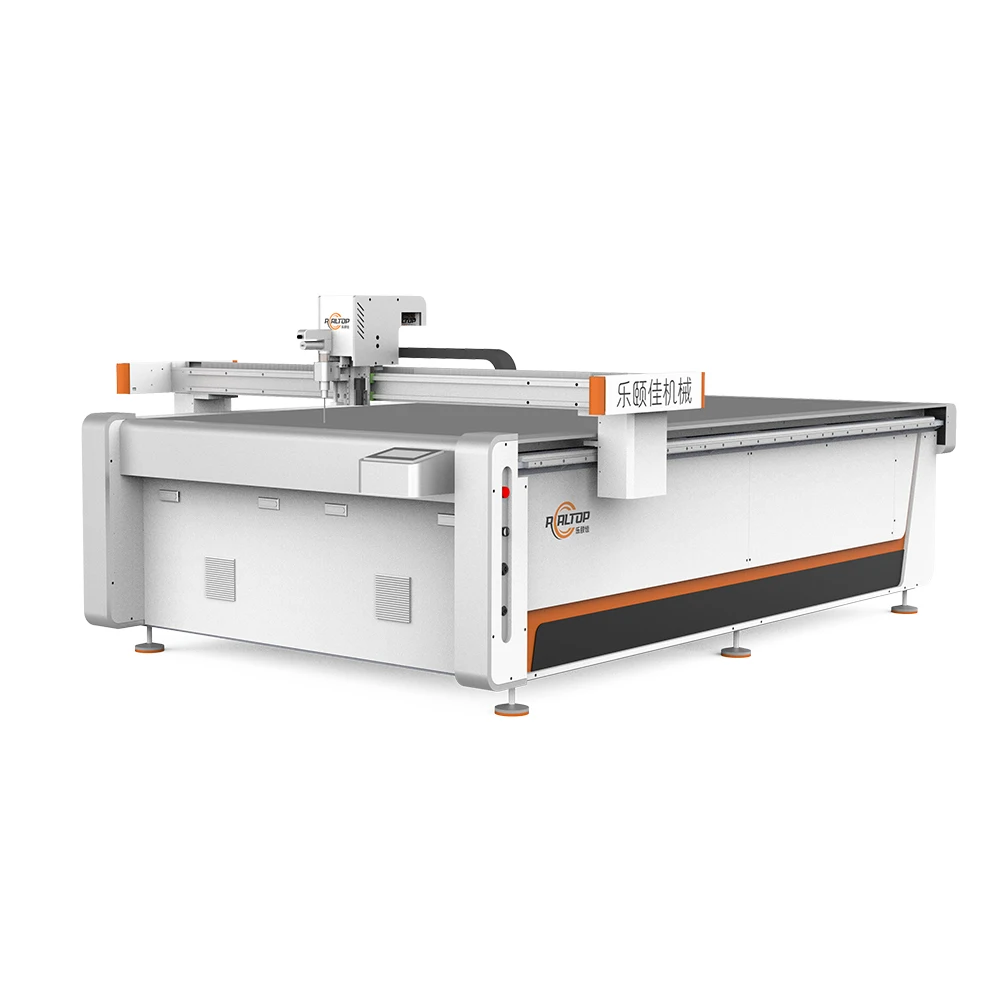
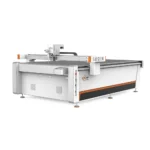
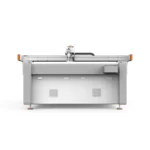
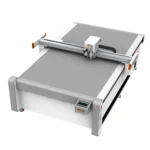
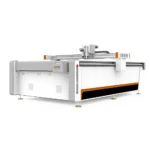
The 1625 platform carries an oscillating knife, creasing wheel, kiss cutting tool, V-groove knife, pneumatic knife, driven rotary knife and CCD camera within a single tool head carriage. This means a packaging sample maker can cut a corrugated box outline, crease the fold lines and read printed registration marks in one uninterrupted cycle. The CCD camera tracks printed contours on pre-printed carton and label stock, aligning the cut path to the graphic rather than relying on sheet-edge registration alone.
Switching between an oscillating knife for B-flute corrugated and a pneumatic knife for PU foam inserts does not require a separate machine or a manual tool change that interrupts production flow. The CNC oscillating knife cutting machine for packaging is configured with the specific tool combination each buyer’s material demands, verified on sample stock before the order is confirmed.
Vacuum Zoning That Holds Small Parts Down
Packaging production generates small offcuts, narrow gasket strips and foam inserts that a standard full-area vacuum table struggles to hold flat. The aluminum bellows vacuum table on this model provides high flatness across the 1600×2500 mm working area with a seal designed to maintain suction even when cutting small parts near the table edge. The 9 kW vacuum pump supplies sufficient draw to prevent material lift during high-speed oscillating cuts.
Material lift at production speed is one of the most common causes of edge distortion and dimensional inaccuracy in packaging sample making. [NEED_CITE: vacuum table zoning requirements for small part retention] When the vacuum zone cannot be adjusted to match the part footprint, the sheet lifts ahead of the knife, producing bevelled edges and misaligned crease lines. The flatness and seal quality of the table surface directly determine whether small foam inlays and narrow carton strips stay registered throughout the cut cycle.
Reading the Specifications Behind the Numbers
Cutting accuracy of ±0.1 mm matters most when packaging inserts must fit precisely into assembled cartons. A foam inlay cut 0.3 mm oversize will not seat correctly in a premium gift box, while an undersized insert shifts during transit. The heavy-duty frame with a precision-ground surface provides the mechanical stability required to maintain this tolerance across the full working area, preventing deflection that accumulates over long cutting paths.
The 0–1500 mm/s cutting speed range is available across the full tool set, but usable speed depends entirely on the material being processed. Thin cardstock and art paper can be cut near the upper limit, while dense greyboard and BC-flute corrugated require slower passes to maintain edge quality. The PLC control panel allows operators to store material-specific speed profiles, so switching between a greyboard prototype and an EVA foam insert does not require recalibrating from scratch each time.
Supported file formats — PLT, DXF, AI and PDF — cover the standard workflows in packaging design. The dedicated packaging box structure design software integrates with these formats, allowing sample makers to move from structural design to cut file without exporting through intermediate programs. [NEED_CITE: common file format compatibility in packaging CAD workflows]
The Hidden Cost of Skipping the Sample Cut
When a machine is specified without testing the buyer’s actual material, the first week of production becomes an unplanned commissioning exercise. Wrong knife amplitude on corrugated board produces crushed flutes at the cut edge, weakening the box structure. An undersized vacuum zone allows foam inserts to shift mid-cut, scrapping entire sheets. A creasing wheel set for the wrong board thickness cracks the liner instead of scoring a clean fold. [NEED_CITE: packaging quality defects caused by incorrect cutting configuration]
These issues are not visible in a factory test run on standard stock. They appear only when the machine meets the specific board grade, flute profile and foam density the buyer runs daily. Resolving them after shipment means sourcing replacement tooling, adjusting vacuum zoning and rewriting speed profiles remotely — all while production deadlines slip.
Why Source This Configuration Here
In-house design and production cover both knife cutting technologies, so the tool head is matched to the packaging material rather than forced into a single-method solution. The 1625 is configured per material and production volume, with tool head selection, vacuum table zoning and software settings verified on the buyer’s own stock before commitment.
Sample cutting on the buyer’s specific corrugated flute, greyboard grade or foam density generates a test report that confirms edge quality, dimensional accuracy and cycle time before the order is placed. Voltage, frequency, plug type and control language are confirmed in writing before shipment, eliminating the arrival-day surprises that delay installation. Software licence and file format compatibility are documented to ensure the buyer’s existing packaging design workflow transfers without interruption.
Documentation & Verification
- Machine specification sheet listing confirmed tool heads, vacuum zoning and servo drive selection
- Electrical schematic with voltage, frequency and plug type confirmed for destination market
- Sample cutting report on buyer’s own board grade, flute type and foam density
- Tool head and table configuration list specifying included knife, wheel and camera options
- Software licence and file format compatibility note covering PLT, DXF, AI and PDF workflows
- Factory test record documenting cutting accuracy and speed on confirmed material before dispatch
Installation, Commissioning & Support
- Foundation must support 3300×2100×1350 mm machine footprint with level tolerance for precision-ground frame
- Dedicated electrical circuit matching confirmed voltage option (110V, 220V or 380V) with correct frequency
- Machine ships assembled with vacuum table and tool head carriage pre-mounted, requiring power and air connection on arrival
- First-run commissioning includes PLC parameter setup for buyer’s confirmed material profiles and cutting speeds
- Operator training covers tool head selection logic, CCD camera calibration and vacuum zone adjustment
- Spare parts list includes oscillating knife blades, creasing wheels and vacuum seals matched to configuration
What We Need to Configure Your Machine
Send us the material types you cut most frequently — board grade, flute profile, foam density and thickness — along with typical sheet dimensions and the part sizes you produce daily. Confirm your local voltage and frequency, preferred control language and the file formats your design team currently uses. If you can ship sample material to our workshop, we will run a cutting test and return a report with edge quality photographs, dimensional measurements and confirmed tool head configuration before you commit to an order.
Frequently Asked Questions
Q: How is cutting thickness verified for my specific corrugated flute or foam density?
A: We request a sample of your actual material — board grade, flute type and foam density with measured thickness — and run cutting tests at multiple speeds. The resulting report documents edge quality, dimensional accuracy and the tool head configuration that produced acceptable results, so the specification is based on your material, not a generic catalogue value.
Q: Which tool heads are included, and why does the selection vary by material?
A: Each 1625 is configured with the specific combination of oscillating knife, creasing wheel, pneumatic knife, V-groove knife and CCD camera your materials require. An oscillating knife suits corrugated flutes, a pneumatic knife handles thick foam, and a creasing wheel scores fold lines. We specify which tools are included based on your sample test results.
Q: Can the CCD camera track printed marks at production speed on my board stock?
A: The CCD camera contour recognition system reads printed registration marks on pre-printed carton and label stock during the cutting cycle. We verify tracking performance on your specific printed material during sample testing, confirming that mark contrast, size and placement allow reliable recognition at the cutting speed your production requires.
Q: What voltage, plug and control language will be confirmed before shipment?
A: Voltage (110V, 220V or 380V), frequency, plug type and PLC control language are confirmed in writing before production begins. The electrical schematic and specification sheet document these values so the machine connects directly to your workshop supply on arrival without adapters or rewiring.
Q: Can I send my material for sample cutting and receive a test report before ordering?
A: Yes. Ship your board, foam or fabric samples to our workshop and we run cutting tests across the tool head options. You receive a report with edge quality photographs, measured dimensions, confirmed cutting speed and the recommended tool configuration, allowing you to evaluate results before placing an order.


商品评价
Clear filtersThere are no reviews yet.