






Fast Shipping
Carrier information

20k products
Payment methods

24/7 Support
Unlimited help desk

2-day Delivery
Track or off orders
Tool head and table configuration specified per material and production volume — we match oscillating knife, driven rotary knife, creasing wheel, and vacuum zoning to your board flute type and ply count before the order is finalized, not after delivery.
Technical Specifications
| Parameter | Value |
|---|---|
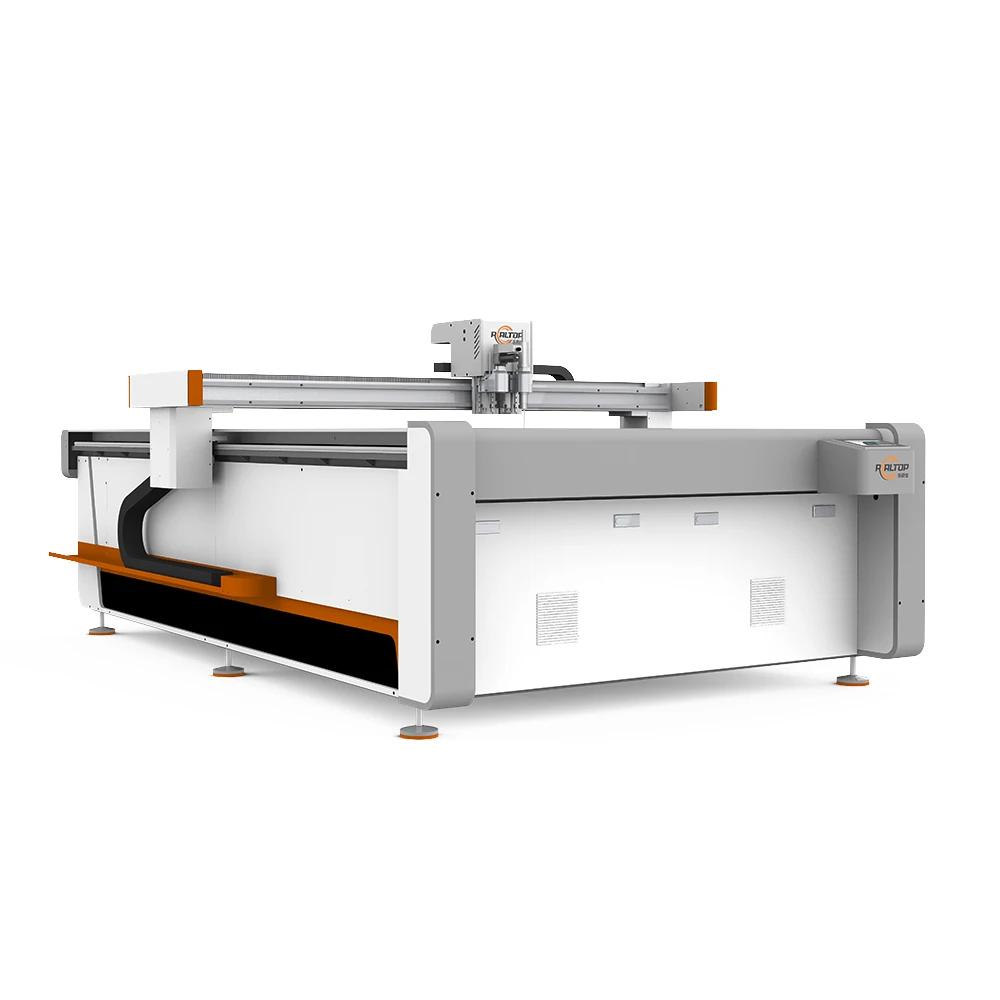
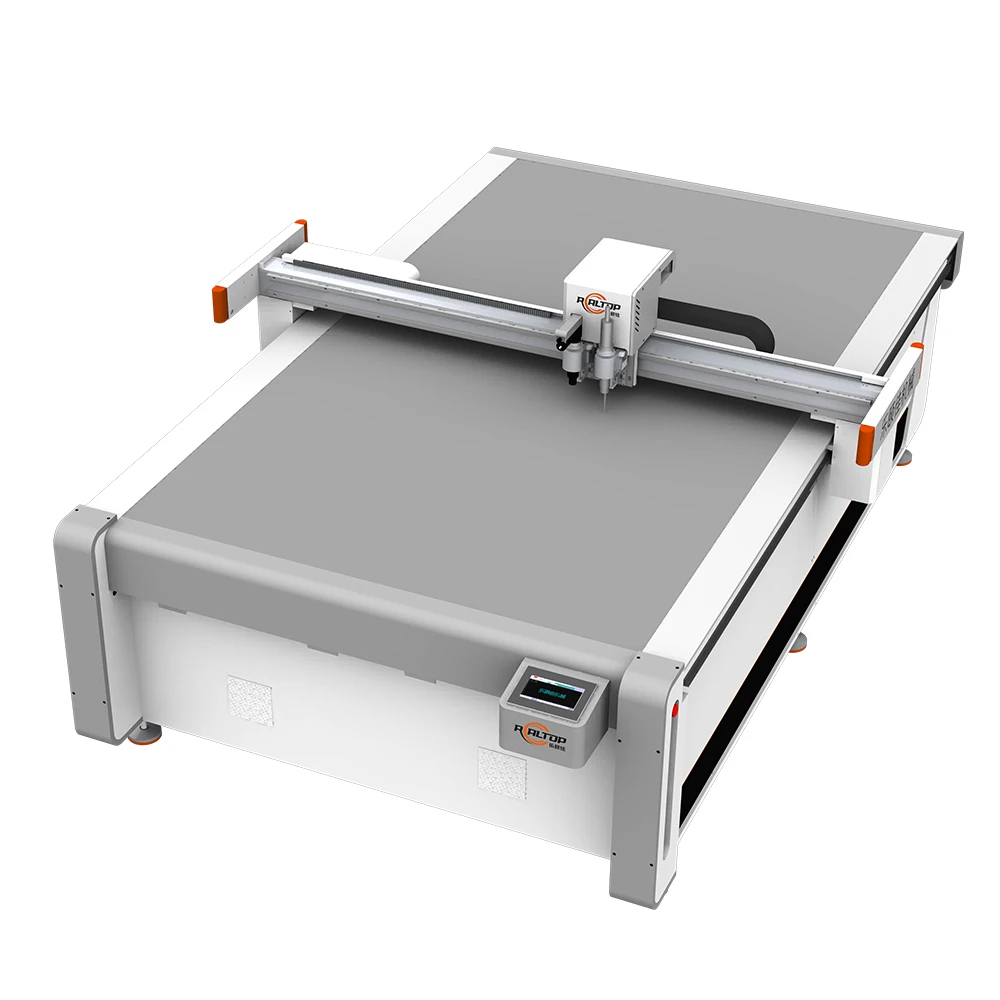
| Product Type | CNC Oscillating Knife Cutting Machine for Packaging |
| Working Area | 1600×2500 mm |
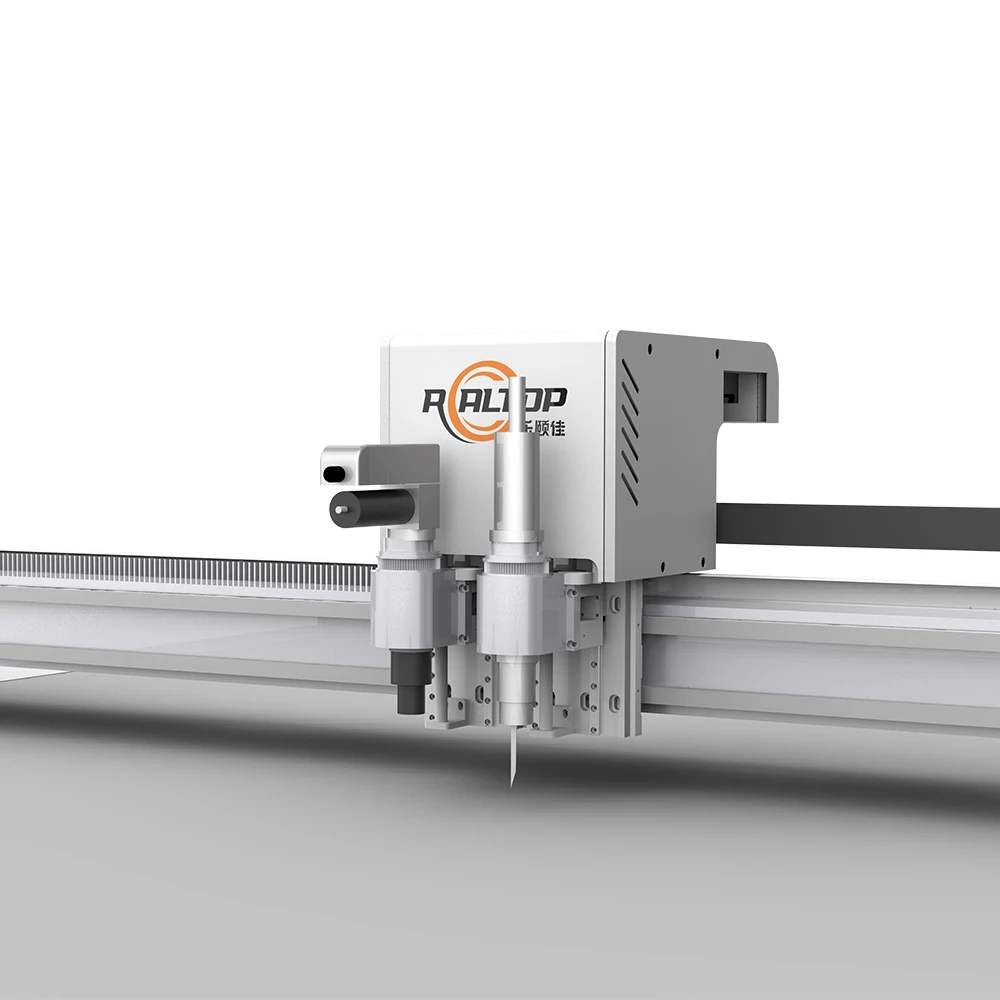
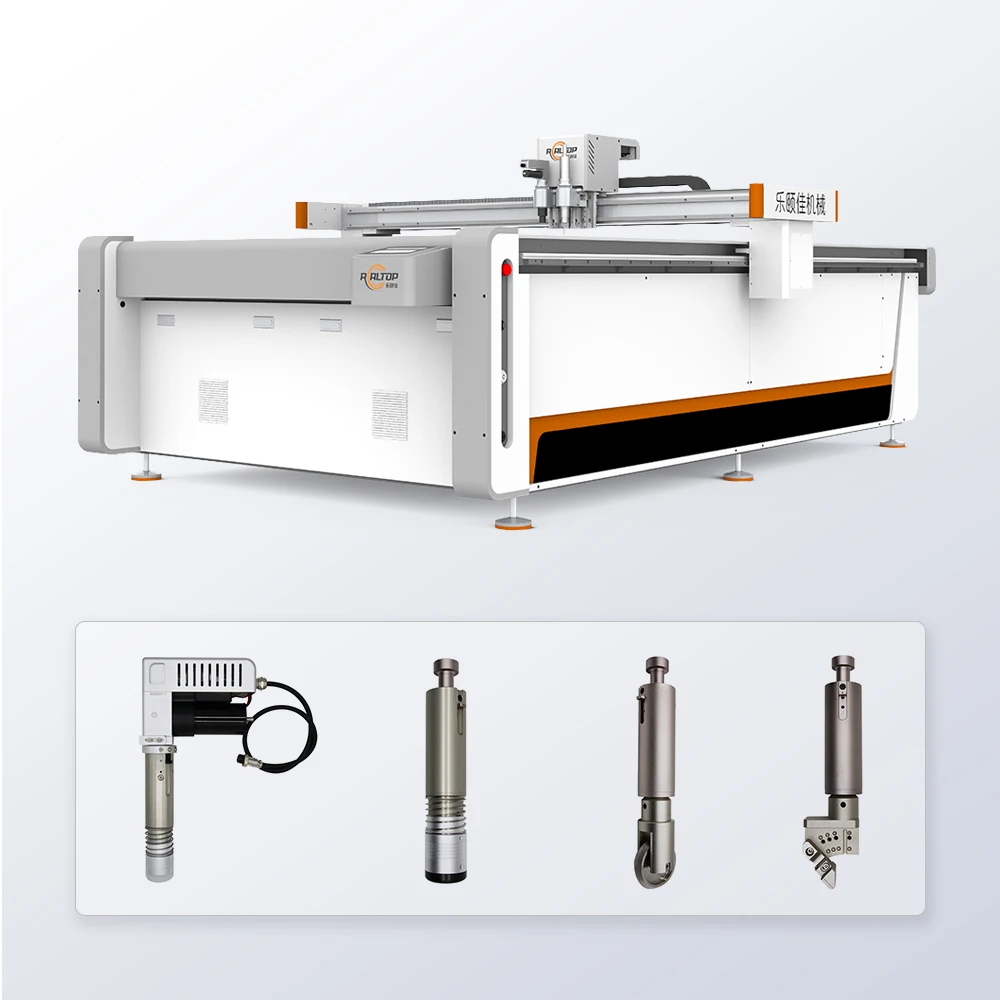
| Tool Head Options | Oscillating knife, Driven rotary knife, Creasing wheel, Kiss cutting tool, Pneumatic knife, Milling tool, V groove knife |
| Applicable Materials | Fabric, Cardboard, Carton, Mats, PVC, EVA, Leather, Acrylic, Foam, PTFE, Rubber |
| Cutting Speed | 0-1500 mm/s |
| Cutting Thickness | ≤ 40 mm (basis not stated in source) |
| Cutting Accuracy | ±0.1 mm |
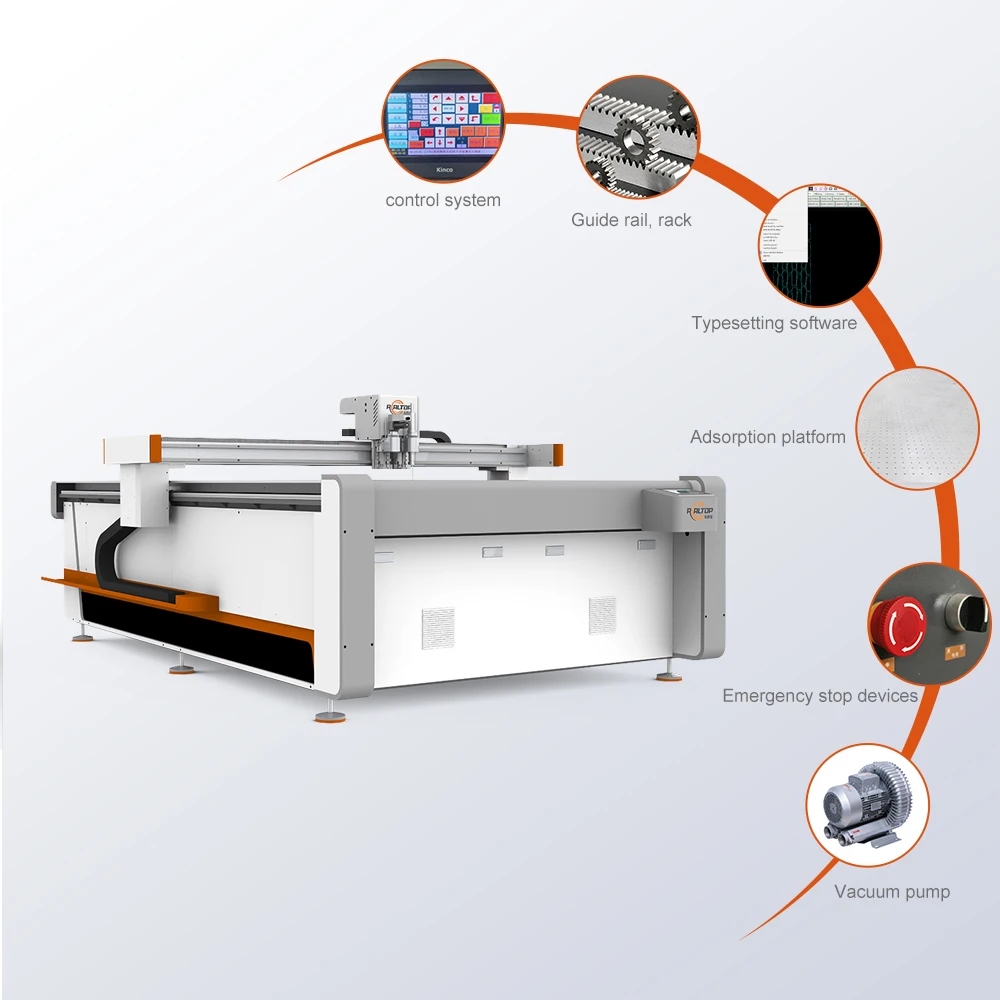
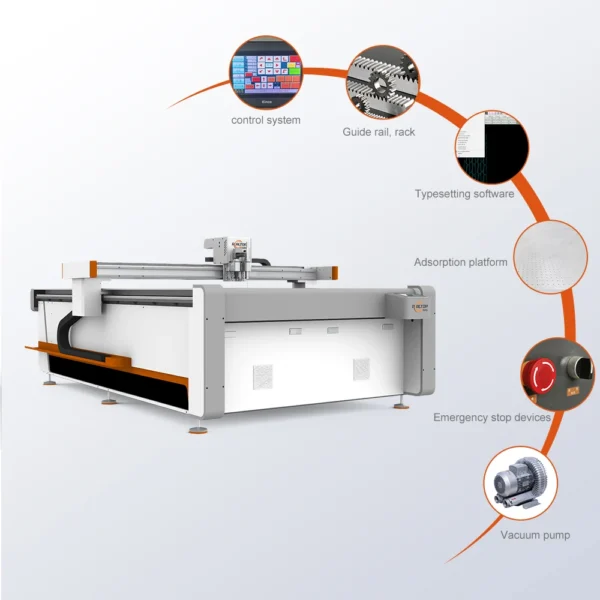
| Vacuum Pump Power | 9 kW |
| Vacuum Table Type | Aluminum bellows vacuum table |
| Machine Frame | Heavy-duty frame with precision-ground surface |
| Control System | PLC control panel |
| Servo Drive Options | Panasonic, Delta, Dorna |
| Voltage | 110V, 220V, 380V (configurable) |
| Supported File Formats | PLT, DXF, AI, PDF |
| Dedicated Software | Packaging box structure design software |
| Safety Device | Infrared sensor and emergency stop |
| Language Options | English, Russian, Italian, Chinese (special languages customizable) |
| Machine Dimensions | 3300×2100×1350 mm |
| Standards | CE |
Application Suitability
| Application | Material or Output |
|---|---|
| Packaging sample making and structural prototyping | E-flute, B-flute, BC-flute corrugated board, greyboard, cardstock, art paper, specialty paper |
| Short-run die-cut replacement for folding cartons | Corrugated cardboard, single and double wall, adhesive-backed sheets |
| Protective packaging insert fabrication | EVA, EPE, PU foam cut to match carton interiors |
| Non-metal packaging component cutting | Thin PVC and PET sheets, rubber mats, velvet, fleece, non-woven fabric |
| Leather and synthetic leather packaging elements | Genuine leather, synthetic leather, composite materials |
Why the Board Flute Question Must Come Before the Working Area
A machine specified only by bed size leaves you discovering material incompatibility after delivery.
I spent years on assembly floors seeing CNC oscillating knife cutting machines arrive at carton shops only for the operator to find that five-layer BC-flute corrugated crushed under the default oscillating knife pressure, producing ragged edges across every crease line. The working area was correct; the tool head assignment was not. A cutting thickness claim of up to forty millimeters means little unless someone has verified it against your exact flute type, ply count, and board moisture content. When a buyer specifies a flatbed cutter on dimensions alone and the material thickness turns out to be beyond what the standard tool configuration handles, the entire sample-making workflow stalls [NEED_CITE: material thickness verification before CNC cutting machine commitment]. The fix is never a firmware update — it is a mechanical reconfiguration that should have happened at the quotation stage.
Multi-Tool Gantry Assignments for Board and Foam
The 1625 platform carries up to seven tool head options on a single gantry, which matters because packaging sample making is never a single-cut process. A structural carton prototype requires a full cut through the board, a creasing pass that compresses without severing the fibers, and often a kiss cut on adhesive-backed layers. Each of these demands a different tool: the oscillating knife handles through-cuts on corrugated, the creasing wheel scores fold lines on cardstock and greyboard, and the V groove knife produces clean channels on foam inserts. Rather than forcing one blade to perform every operation, the CNC oscillating knife cutting machine specifications here assign a dedicated tool to each cut type based on your material stack.
Vacuum Zoning and Small-Part Stability on Corrugated
Corrugated board has a natural tendency to lift at the edges during oscillating knife passes, especially when the vacuum pull is distributed across the full table area regardless of where the material actually sits. The aluminum bellows vacuum table on this unit provides high flatness and full-surface suction, but the real difference emerges when the table zoning is configured to match your typical sheet size and part geometry. Small carton components — tuck flaps, dust flaps, locking tabs — require concentrated vacuum directly beneath the cutting path, not generalized suction across a 1600×2500 mm bed. Without this, parts shift mid-cut and the ±0.1 mm accuracy specification becomes irrelevant on the finished piece [NEED_CITE: vacuum table zoning requirements for small part CNC cutting].
Reading the Specs That Actually Affect Your Cutting Output
Cutting speed rated at 0-1500 mm/s tells you the travel range of the gantry, but the effective speed on your board depends on the material density and the number of tool changes per sheet. A single crease-and-cut pass on E-flute runs considerably faster than a multi-tool sequence on BC-flute where the machine must swap between oscillating knife, creasing wheel, and kiss cutting tool across the same sheet. The 9 kW vacuum pump power rating indicates sufficient suction capacity for corrugated materials, though actual hold-down performance depends on table zoning configuration and the porosity of your specific board stock. The PLC control panel paired with servo drive options from Panasonic, Delta, or Dorna determines how precisely the gantry follows complex carton structure paths, particularly on tight-radius corners where servo response lag translates into visible deviation on the cut edge. Supported file formats — PLT, DXF, AI, PDF — cover standard packaging design exports, but confirming that your existing nesting workflow imports cleanly is a separate verification step that should happen before the order [NEED_CITE: CNC cutting software file format compatibility in packaging workflows].
What Happens When Tool Head Assignment Is Skipped
When a packaging sample maker receives a CNC oscillating knife cutting machine with a generic tool configuration rather than one matched to their board stock, the consequences surface within the first production day. The oscillating knife tears through five-layer corrugated instead of shearing it cleanly, leaving compressed fibers along every cut edge that must be trimmed by hand. The creasing wheel, set to a pressure calibrated for single-wall B-flute, barely registers on double-wall BC-flute, producing fold lines that crack rather than bend. On foam insert jobs, insufficient vacuum zoning allows small EVA pieces to drift during the kiss cut pass, destroying registration accuracy across the entire sheet. These are not machine defects — they are specification gaps that compound into daily production losses [NEED_CITE: consequences of incorrect tool head selection on CNC cutting quality].
Why Source This Platform Here
In-house design and production covering knife cutting technology means the tool head and table configuration is engineered for your material rather than adapted from a generic flatbed catalog. The CNC oscillating knife cutting machine specifications are confirmed per buyer job: sample cutting on your own board stock, with your flute type and ply count, generates a cutting report before you commit to the order. Software compatibility is verified against your existing packaging design files and nesting workflow at the quotation stage, not discovered during installation. Voltage, plug type, and control panel language — whether English, Russian, Italian, or a custom language — are documented and confirmed before the machine leaves the factory. The heavy-duty frame with precision-ground surface provides the mechanical foundation that maintains ±0.1 mm accuracy across the full 1600×2500 mm working area over extended production runs.
Documentation & Verification
- Sample cutting report on your corrugated flute type and ply count before order confirmation
- Tool head and table configuration list assigning each tool to your specific cut operations
- Electrical schematic with voltage and plug type confirmed for your facility supply
- Software licence and file format compatibility note for your existing packaging design workflow
- Factory test record documenting cutting accuracy across your material range before dispatch
Installation, Commissioning & Support
- Floor space planning for 3300×2100×1350 mm machine footprint plus material staging clearance
- Dedicated electrical circuit matching confirmed 110V, 220V, or 380V supply with correct frequency
- Vacuum pump 9 kW power requirement verified against site electrical capacity before delivery
- PLC control panel language set to operator preference during commissioning and initial run
- First-article cutting test on your board stock to validate tool head assignments and vacuum zoning
- Spare parts list covering oscillating knife blades, creasing wheels, and vacuum table seals
What We Need to Configure Your Machine
Send us your board samples — the actual flute types, ply counts, and thicknesses you run daily — along with your typical sheet sizes and the CAD file formats your design team exports. Tell us your facility voltage and frequency, the control panel language your operators need, and whether your current nesting software must integrate directly with the cutting table. With this information we produce a sample cutting report and a tool configuration list that shows exactly which head handles each operation on your materials.
Frequently Asked Questions
Q: How is cutting thickness verified for my specific corrugated board?
A: We cut samples on your actual board stock — documenting flute type, ply count, and measured thickness — before any order is finalized. The sample cutting report records which tool head was used, the pressure settings applied, and the edge quality achieved. This ensures the ≤40 mm cutting thickness specification reflects your material rather than a generic laboratory test on an unspecified substrate.
Q: Which tool head handles creasing versus full cut on my carton stock?
A: Each tool head is assigned based on your specific cut requirements. The oscillating knife handles through-cuts on corrugated, the creasing wheel scores fold lines without severing board fibers, and the kiss cutting tool processes adhesive-backed layers. The tool head and table configuration list provided with your quotation documents which tool performs each operation on your board type.
Q: How is the vacuum table configured to hold small carton parts during cutting?
A: The aluminum bellows vacuum table zoning is configured to match your typical part geometry and sheet layout. Small components like tuck flaps and locking tabs requ*ath rather than generalized vacuum across the full 1600×2500 mm bed. We specify the zoning layout based on your sample files before production.
Q: Does the software import my existing packaging design files?
A: The system supports PLT, DXF, AI, and PDF formats, and includes dedicated packaging box structure design software. Before the order, we verify that your current design files and nesting workflow import correctly and produce accurate cut paths. A file format compatibility note is included in your documentation package to confirm the integration.
Q: What voltage and control language are confirmed before shipment?
A: Your facility voltage — 110V, 220V, or 380V — and plug type are confirmed and documented in the electrical schematic before production begins. The PLC control panel language is set to your operator preference from available options including English, Russian, Italian, Chinese, or a custom language specified at the quotation stage.


商品评价
Clear filtersThere are no reviews yet.