

Fast Shipping
Carrier information

20k products
Payment methods

24/7 Support
Unlimited help desk

2-day Delivery
Track or off orders
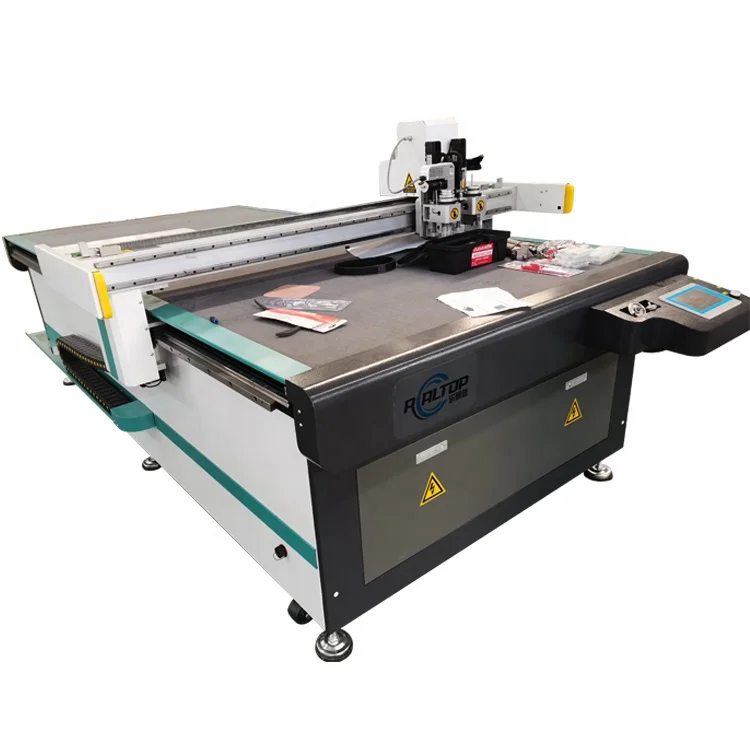
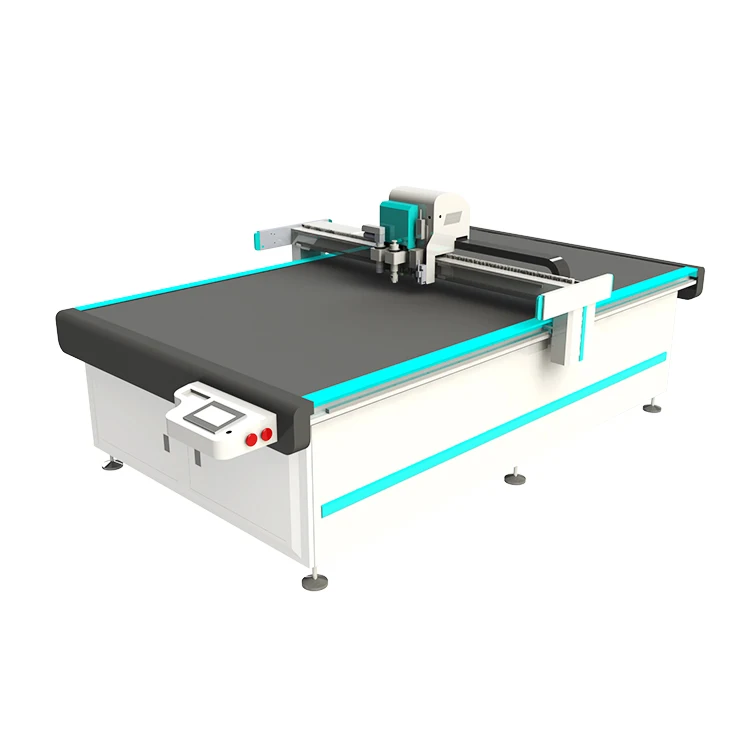
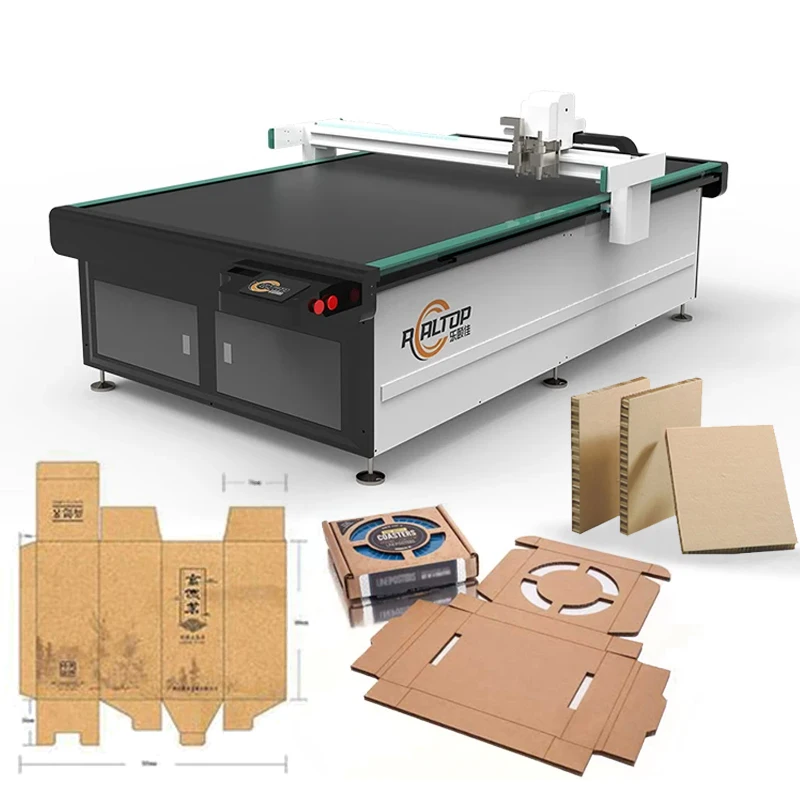
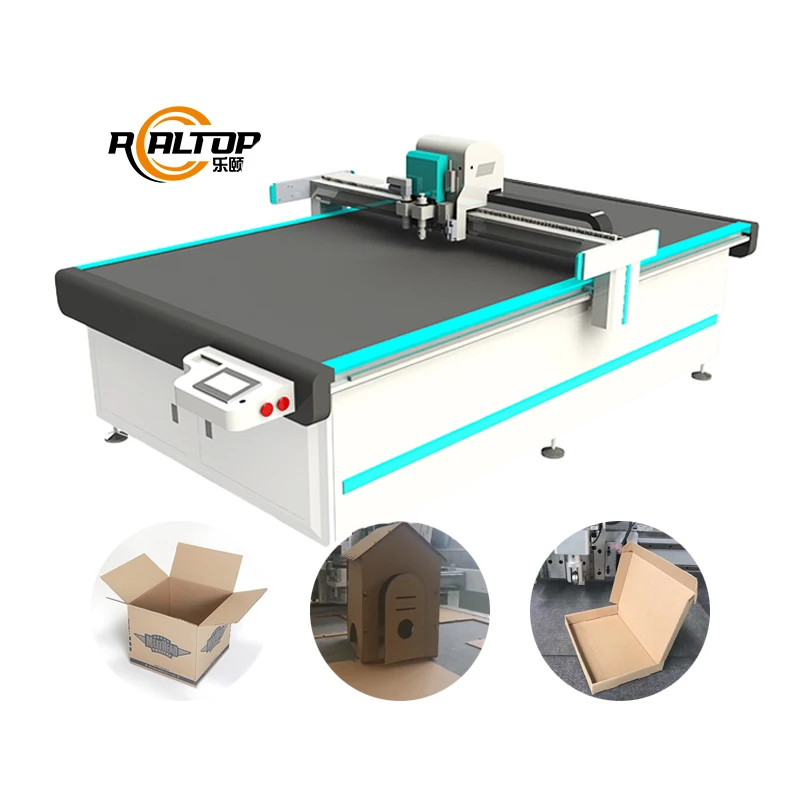
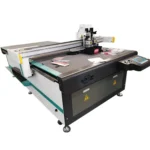
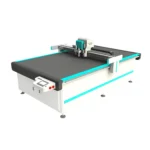
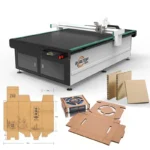
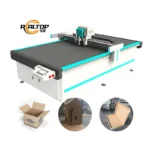
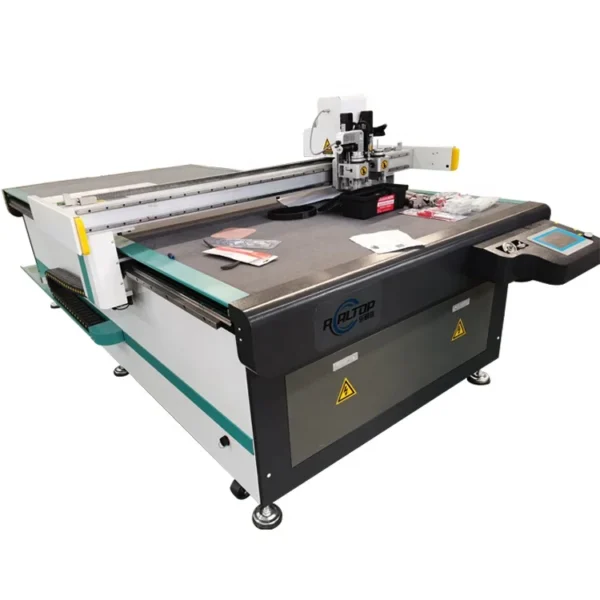
Swiss Knife Precision on Demand — the RT-D2516 and RT-S2516 pair an imported oscillating knife head with an aluminum honeycomb vacuum bed, letting packaging converters cut, crease, and kiss-cut without tooling delays.
Technical Specifications
| Parameter | Value |
|---|---|
| Model | RT-D2516 / RT-S2516 |
| Product Type | CNC Oscillating Knife Flatbed Cutting Machine |
| Working Area | 1600 × 2500 mm |
| Machine Dimensions (L×W×H) | 3450 × 2300 × 1250 mm |
| Rated Power | 9 kW |
| Voltage | 380V ±10% |
| Frequency | 50/60 Hz (basis to be confirmed for target market) |
| Control System | CNC with HP-GL compatible format |
| Transmission System | Servo motor, linear guide, synchronous belt, ball screw (Taiwan Hiwin rail) |
| Servo Motor Brand | Delta (Taiwan) |
| Multifunctional Tool Head | Swiss imported knife with vibration full cutting, vibration half cutting, and cursor location function |
| Translational Velocity | 800–2000 mm/s |
| Cutting Speed | 200–800 mm/s (according to different cutting materials) |
| Cutting Thickness | ≤100 mm (varies with material, basis to be confirmed) |
| Repeated Accuracy | ≤0.1 mm |
| Working Table | Aluminum alloy honeycomb structure vacuum adsorption platform |
| Vacuum Pump | 7.5 kW |
| Safety Device | Infrared sensors and emergency stop |
| Conveyor Belt | Germany imported (basis to be confirmed for width and type) |
| Auto Feeding | Included (basis to be confirmed for roll or sheet format) |
| Software | Professional carton nesting and cutting design software (language customizable, supports multiple file formats) |
| Language Options | English, Russian, Italian, Chinese (other languages customizable) |
| Standards | CE (availability to be confirmed) |
Application Suitability
| Application | Material or Output |
|---|---|
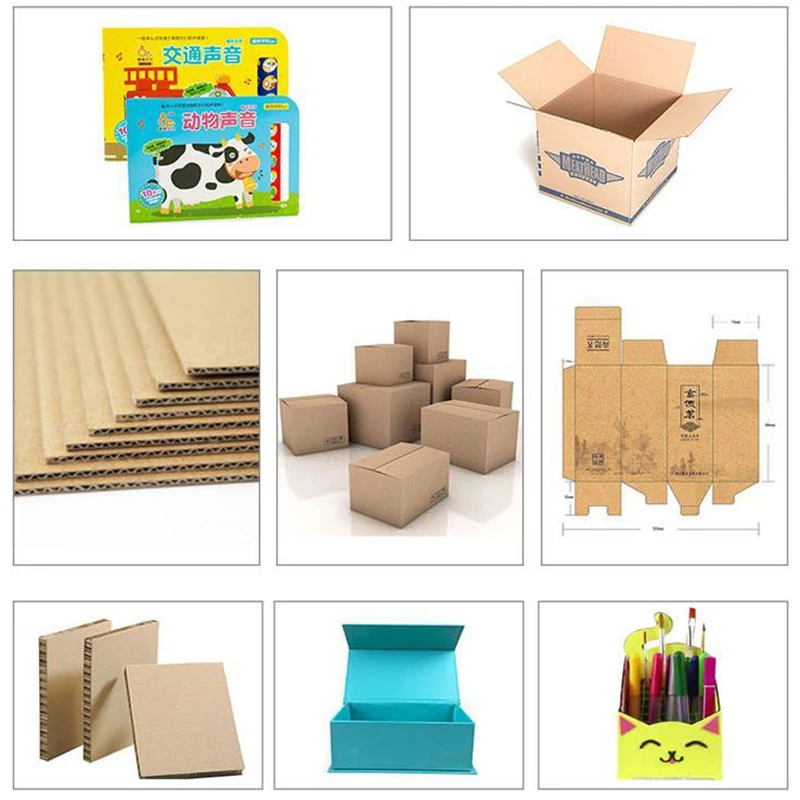
| Carton and packaging sample making | Corrugated board, folding carton stock, greyboard |
| Sticker and label contour cutting | Vinyl, PVC, self-adhesive films, synthetic paper |
| Corrugated box prototyping | Single, double, and triple-wall corrugated sheets |
| Flexible material conversion | Leather, silicone, rubber, sponge composite, soft glass |
| Signage and tag production | Foam board, acrylic sheets, business card stock |
Why Working Area Alone Fails the Material Test
Specifying a knife table by bed size without matching the tool head to your actual stock is the fastest way to crush flutes and burn hours on rework.
I have seen packaging shops invest in a generously sized flatbed, only to discover that their triple-wall corrugated sheets need an oscillating amplitude the standard drag knife simply cannot deliver. The result is ragged crease lines, crushed edges, and a production rhythm that stalls at every sheet change. Choosing the right CNC Oscillating Knife Cutting Table specifications means looking past the footprint and into the knife stroke, vacuum zoning, and software nesting logic. [NEED_CITE:]
Oscillating Knife Versus Drag Knife on Corrugated Stock
The Swiss-imported oscillating head on the RT-D2516 and RT-S2516 vibrates at high frequency to slice through dense flutes without dragging the liner. A drag knife, by contrast, relies on material softness and tends to tear the top sheet on double-wall board. Full-cut and half-cut modes let the operator switch between through-cutting a gasket profile and kiss-cutting a sticker contour without a tool change.
Vacuum Zoning and Small-Part Hold-Down
The 7.5 kW vacuum pump pulls air through an aluminum honeycomb plenum, but suction only matters where the zones match the part. If the table is valved as a single zone, small sticker shapes lift at translational speeds approaching 2000 mm/s, forcing the operator to tape edges by hand. Proper zoning isolates suction to the active cutting area, keeping thin vinyl flat without masking the entire bed. [NEED_CITE:]
Reading the Drive and Accuracy Specs
A ≤0.1 mm repeated accuracy across a 1600 × 2500 mm travel depends on the Delta servo motors and Taiwan Hiwin linear guides working in tandem. Ball screws handle the Z-axis depth control while synchronous belts manage X-Y traverse. When the drive components are mismatched, registration drifts on long nested runs and printed contour cuts miss the mark by the third or fourth sheet.
The Cost of Skipping the Sample Cut
Ordering a flatbed on brochure specs alone often surfaces problems only after the machine is bolted to the floor. A buyer running 3 mm silicone gaskets may find the standard oscillating frequency leaves micro-tears on tight radii, while a sticker converter discovers the default nesting software cannot import their existing PLT files. Each mismatch costs weeks of commissioning time. [NEED_CITE:]
Why Source This Configuration Here
In-house design covers both knife and laser cutting, so the method is chosen to fit the material rather than forced into one technology. Tool head and table configuration are specified per material stack, not left as a generic package. CCD camera positioning is available for printed contour work where registration marks drive the cut path. Software compatibility is confirmed before the order ships, preventing file-format stalls on the shop floor. Voltage, plug type, and control language are locked in during the specification review.
Documentation & Verification
- Machine specification sheet listing RT-D2516 and RT-S2516 working area, power, and tool head options
- Electrical schematic confirming 380V ±10% wiring and servo motor circuit layout
- Sample cutting report on buyer’s corrugated grade, showing edge and crease quality
- Factory test record documenting repeated accuracy across the full 1600 × 2500 mm travel
- Software licence and file format compatibility note for DXF, PLT, and HP-GL imports
Installation, Commissioning & Support
- Floor must support 3450 × 2300 mm footprint plus clearance for the 7.5 kW vacuum pump exhaust
- Dedicated 380V ±10% circuit with 9 kW capacity and verified frequency before energizing Delta servos
- Machine ships fully assembled; confirm door and forklift access for 1250 mm height clearance
- First-power commissioning includes vacuum zoning calibration across the honeycomb bed surface
- Operator training covers oscillating knife amplitude tuning for corrugated and flexible material stacks
- Spare parts list focuses on Swiss knife blades, vacuum seals, and Hiwin rail lubrication intervals
What to Include in Your Inquiry
Send a sample of your most demanding material — corrugated grade, thickness, flute type, or flexible stock — along with the daily sheet volume you need to process. Confirm your local voltage and frequency, the CAD file formats currently in use, and whether printed contour recognition is part of the workflow. A test cut on your actual stock is the baseline for every configuration decision.
Frequently Asked Questions
Q: How is cutting thickness verified for my specific cardboard grade?
A: A sample cutting report is produced on your exact corrugated or folding carton stock before the order is finalized. The report documents edge quality, crease depth, and cycle time, so the oscillating knife frequency and vacuum pressure are tuned to your material rather than a generic test sheet.
Q: Which tool head fits my mix of sticker and corrugated work?
A: The Swiss oscillating knife handles through-cutting on corrugated board up to the rated thickness, while a drag knife or creasing wheel may be added for kiss-cutting vinyl and scoring fold lines. The configuration list specifies which head runs each material in your workflow.
Q: Is the vacuum table zoned for small sticker contours?
A: Zoning layout is confirmed during the specification review. Isolated zones prevent thin vinyl and self-adhesive parts from lifting at high traverse speeds, and the valve arrangement is matched to your typical nest layout rather than a default full-bed pull.
Q: Will the included nesting software accept my current CAD files?
A: File format compatibility — including DXF, PLT, and HP-GL — is documented in a written note before shipment. The software language is set to your preference, and a test import of your actual production files is part of the factory acceptance routine.
Q: What voltage and control language will the machine ship with?
A: The baseline is 380V ±10%, 50/60 Hz, but the exact voltage, plug type, and frequency for your market are locked in at order. The control interface language — English, Russian, Italian, Chinese, or another option — is configured before the RT-D2516 or RT-S2516 leaves the factory.


商品评价
Clear filtersThere are no reviews yet.