






Fast Shipping
Carrier information

20k products
Payment methods

24/7 Support
Unlimited help desk

2-day Delivery
Track or off orders
Knife and table configuration matched to actual board grade and flute profile — each tool head and vacuum zone is specified after sample cutting on the buyer’s own corrugated or grey board stock, not assumed from a generic working area.
Technical Specifications
| Parameter | Value |
|---|---|
| Model | RT-D2516/RT-S2516 |
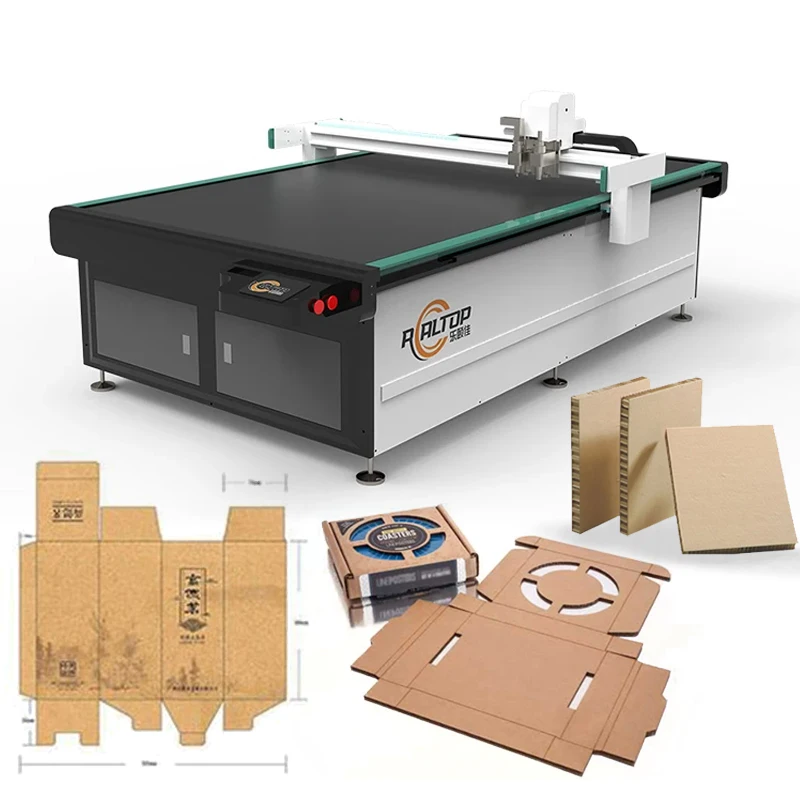
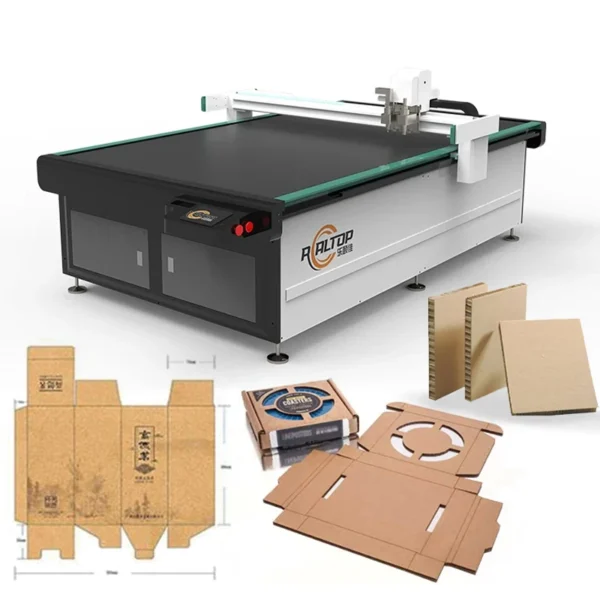
| Product Type | CNC Oscillating Knife Cutting Machine for Packaging |
| Working Area | 1600×2500 mm |
| Machine Size | 3450×2300×1250 mm |
| Rated Power | 9 kW |
| Voltage | 380V±10% (frequency to be confirmed for target market) |
| Transmission System | Delta servo motor, Taiwan Hiwin linear guide, synchronous belt, ball screw |
| Translational Velocity | 800–2000 mm/s |
| Cutting Speed | 200–800 mm/s (basis to be confirmed depending on board grade and flute type) |
| Cutting Thickness | ≤100 mm (varies with material density and structure) |
| Repeatability | ≤0.1 mm |
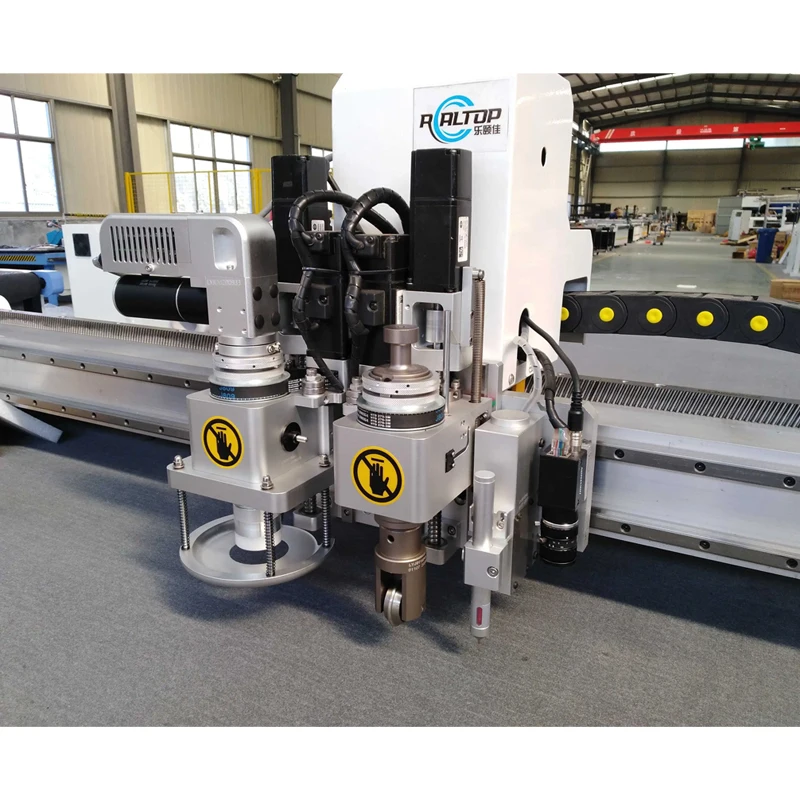
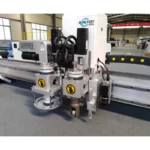
| Tool Head Type | Swiss imported knife with vibration full cutting, vibration half cutting, and cursor location function |
| Worktable | Aluminum alloy honeycomb structure vacuum adsorption platform |
| Vacuum Pump | 7.5 kW |
| Safety Device | Infrared sensors, emergency stop |
| Instruction System | HP-GL compatible format |
| Software | Professional carton nesting software included, multi-format file import |
| Language Options | English, Russian, Italian, Chinese, and custom languages available |
| Assembly State | Fully assembled |
Application Suitability
| Application | Material or Output |
|---|---|
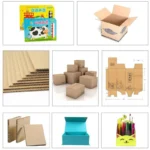
| Carton and packaging sample making | Corrugated board (E, B, C flute), grey board, cardboard |
| Printed contour cutting | Stickers, labels, tags with registered print marks |
| Display and POP packaging | Foam board, composite sheets, soft PVC |
| Paper box and gift box production | Cardstock, art board, laminated sheets |
| Flexible material processing | Leather, sponge composite leather, silicone, rubber, soft glass |
Why Board Grade Matters More Than Working Area on a CNC Knife Cutting Machine for Packaging
A cutting table specified only by its bed size will fail the moment it meets a dense grey board or a double-wall corrugated that the tool head was never configured to handle.
I remember a carton sample shop in Jinan that bought a machine based purely on the 1600×2500 footprint. The standard oscillating knife they received was set up for single-wall B-flute. When the operator loaded 2mm grey board for a luxury box run, the knife chattered through the crease lines and left ragged edges on every sample. Three days of production scrapped before anyone checked the tool head configuration. [NEED_CITE: tool head selection by material density and flute profile]
The lesson is consistent across packaging workshops: the CNC knife cutting machine for packaging must be matched to the actual board grades, flute profiles, and thickness range that the shop processes daily, not just the maximum sheet dimension.
Oscillating Knife, Drag Knife, and Creasing — Matching the Tool Head to the Flute
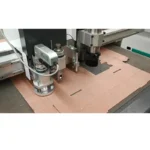
An oscillating knife cuts corrugated board cleanly by vibrating at high frequency through the flute structure, preventing the crushing that a static drag knife would cause on thicker profiles. For thin cardstock and sticker materials, a drag knife provides a faster, cleaner contour without the vibration artifact. A creasing wheel compresses fold lines into grey board and cardboard without cutting through, which is essential for box blank forming. The RT-D2516/RT-S2516 supports all three tool types on the same head carriage, so switching between a corrugated prototype and a card insert does not require a separate machine.
Vacuum Zoning for Small Blanks and Short Runs
Packaging sample work often involves cutting multiple small carton blanks from a single sheet. A full-sheet vacuum pull distributes suction across the entire table, which means small parts near the edges can lift during high-speed passes. The aluminum honeycomb platform on this oscillating knife carton cutting machine allows zoned vacuum activation, concentrating hold-down force only where the material is present. [NEED_CITE: vacuum table zoning principles for flatbed digital cutters] This is critical when cutting lightweight sticker sheets or narrow gasket profiles where edge lift ruins the registration of the entire nest.
Reading the Specs Beyond the Brochure Numbers
The Delta servo motors paired with Hiwin linear guides give the machine a repeatability of ≤0.1 mm across the full 1600×2500 mm travel, which matters when crease lines must register against printed graphics over a long production run. The stated cutting speed of 200–800 mm/s depends heavily on whether the machine is processing single-wall E-flute at 1.5 mm or 5-layer corrugated approaching the 100 mm thickness ceiling. The 7.5 kW vacuum pump is sized for the honeycomb table area; undersized pumps on tables this size lose suction at the far corners. Software compatibility with HP-GL and the included carton nesting package means most existing packaging CAD workflows import without a middleware conversion step, though file format confirmation should happen before the order is placed.
What Happens When the Wrong Configuration Ships
When a packaging producer receives a machine with a single tool head set for one flute type, the options are limited: either force the knife through materials it was not set up for, producing crushed flutes and delaminated edges, or halt production and wait for the correct tooling to arrive. Vacuum zones that are not configured for the shop’s typical sheet layout result in small blanks drifting during the cut, which shows up as misaligned creases on assembled samples. [NEED_CITE: common causes of misregistration on flatbed cutting tables] These problems surface in the first week of operation, but the root cause is always in the specification conversation that happened before the order.
Why Source This Oscillating Knife Carton Cutting Machine Here
The design and production of both knife and laser cutting systems happen under one roof in Jinan, so the cutting method is matched to the material rather than forced into a single technology. Tool head and table configuration are specified per the buyer’s material stack after a sample cutting test on actual board stock. Software compatibility with the buyer’s existing file formats is confirmed before the order enters production. Voltage, frequency, plug type, and control language are verified against the destination market’s electrical standards. [NEED_CITE: electrical standards and plug types by export region] Every machine undergoes a factory test run with documented results before packing.
Documentation & Verification
- Machine specification sheet listing confirmed tool heads and vacuum zone layout
- Electrical schematic with voltage, frequency, and plug type for the target market
- Sample cutting report on the buyer’s own corrugated or grey board stock
- Software licence with confirmed file format compatibility notes
- Factory test record documenting repeatability and cut quality before dispatch
- Spare parts list with oscillating knife blades, creasing wheels, and vacuum seals
Installation, Commissioning & Support
- The 3450×2300 mm footprint requires a level concrete floor with clearance for material feed on at least two sides
- A dedicated 380V±10% circuit with appropriate breaker rating is required for the combined 9 kW machine and 7.5 kW vacuum pump load
- Machine ships fully assembled; positioning and leveling on-site typically takes one session
- First power-on includes servo calibration, vacuum zone mapping, and tool offset verification
- Operator training covers nesting software import, tool head changeover, and HP-GL file setup
- Routine maintenance schedule covers Hiwin rail lubrication, belt tension check, and vacuum filter cleaning
Starting the Specification Conversation
Share the specific board grades, flute profiles, and thickness range your shop runs most often, along with the typical sheet size and daily blank volume. Let us know the local voltage, frequency, and plug standard so the electrical package is confirmed before build. If your existing CAD or nesting workflow uses a specific file format, send a sample file so software compatibility is verified against your actual production data.
Frequently Asked Questions
Q: How is the 200–800 mm/s cutting speed figure determined for packaging board?
A: That speed range depends on the board grade, flute profile, and thickness being processed. Single-wall E-flute corrugated cuts at the higher end, while dense grey board or multi-layer corrugated requires slower passes to maintain edge quality. We confirm achievable speed by running a sample cut on the buyer’s actual material before the order.
Q: Which tool head should I use for corrugated board versus grey board?
A: Corrugated board is typically cut with an oscillating knife to slice cleanly through the flute structure without crushing. Grey board crease lines are formed with a creasing wheel that compresses rather than cuts. Thin card and stickers use a drag knife. The correct tool head combination is confirmed during the sample cutting test on your material.
Q: How does vacuum table zoning hold small carton blanks flat?
A: The aluminum honeycomb platform is divided into zones that can be activated independently. When cutting small blanks from a partial sheet, only the occupied zones pull vacuum, concentrating suction where the material sits. This prevents edge lift that occurs when a full-table vacuum spreads suction too thin across empty table area.
Q: Can the control interface and software be set to my local language?
A: The system supports English, Russian, Italian, Chinese, and custom language configurations. The specific language requirement should be confirmed before production so the control interface, software menus, and operation manual are all prepared in the operator’s language prior to shipment.
Q: Can I send my own packaging board for a test cut before ordering?
A: Yes. Send your actual corrugated board, grey board, or composite material samples to the factory. We run cutting tests using the tool head and vacuum configuration recommended for your material, then provide a sample cutting report documenting edge quality, crease registration, and achievable speed for your review before commitment.


商品评价
Clear filtersThere are no reviews yet.