

Fast Shipping
Carrier information

20k products
Payment methods

24/7 Support
Unlimited help desk

2-day Delivery
Track or off orders
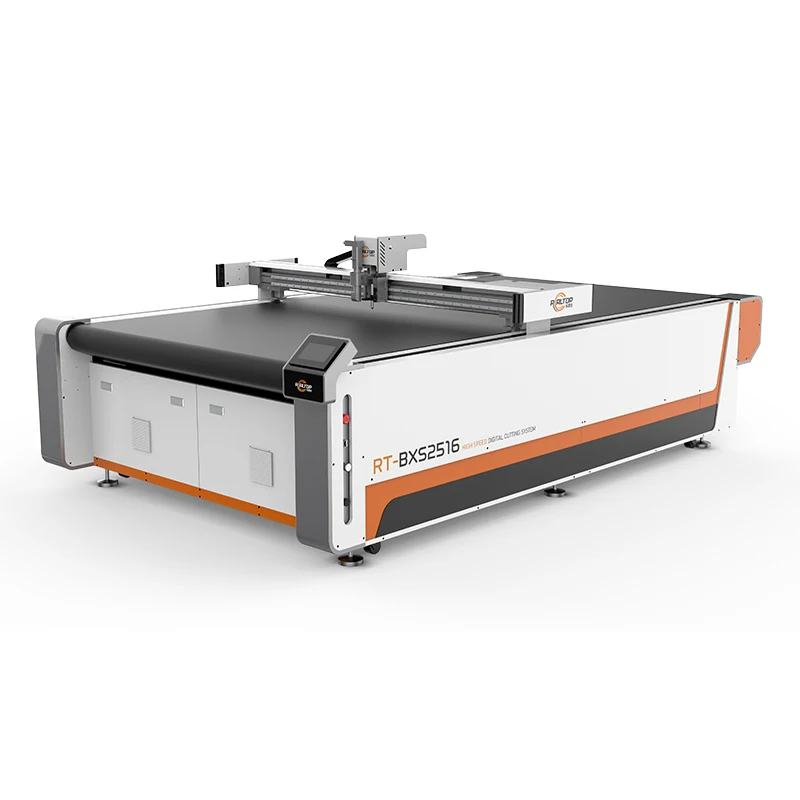
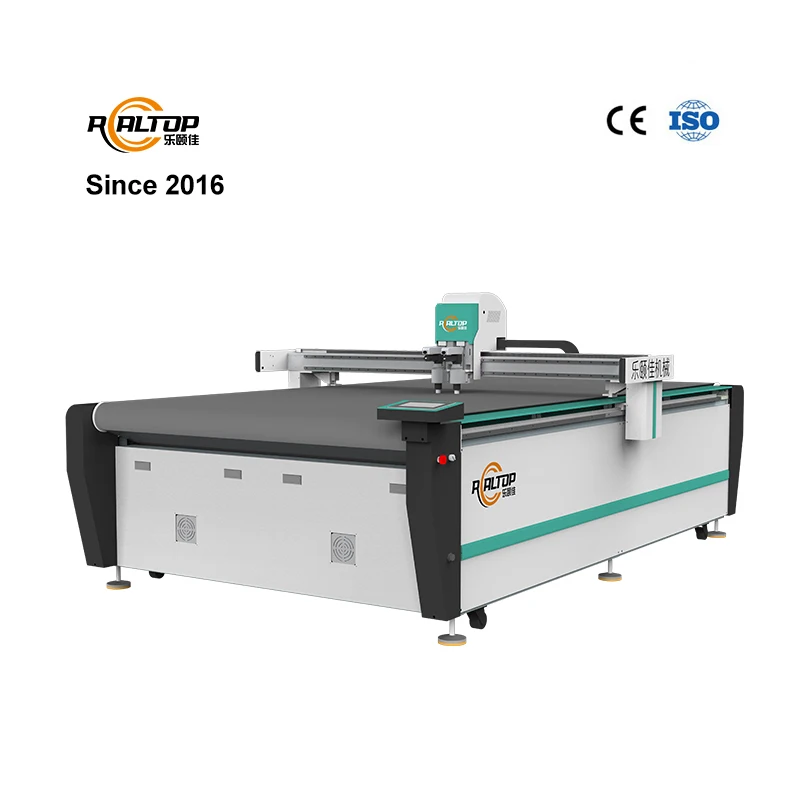
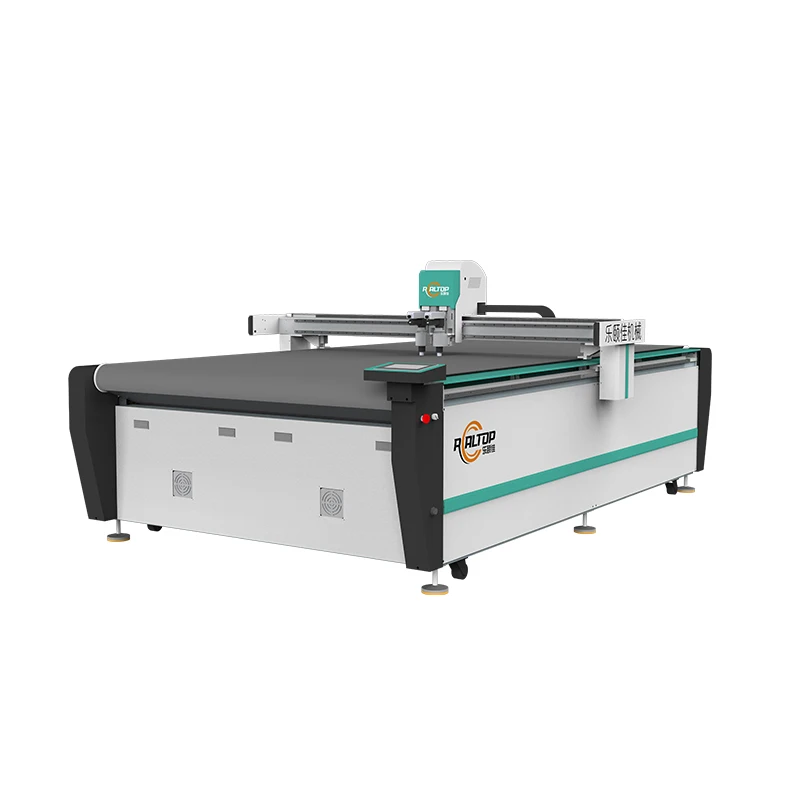
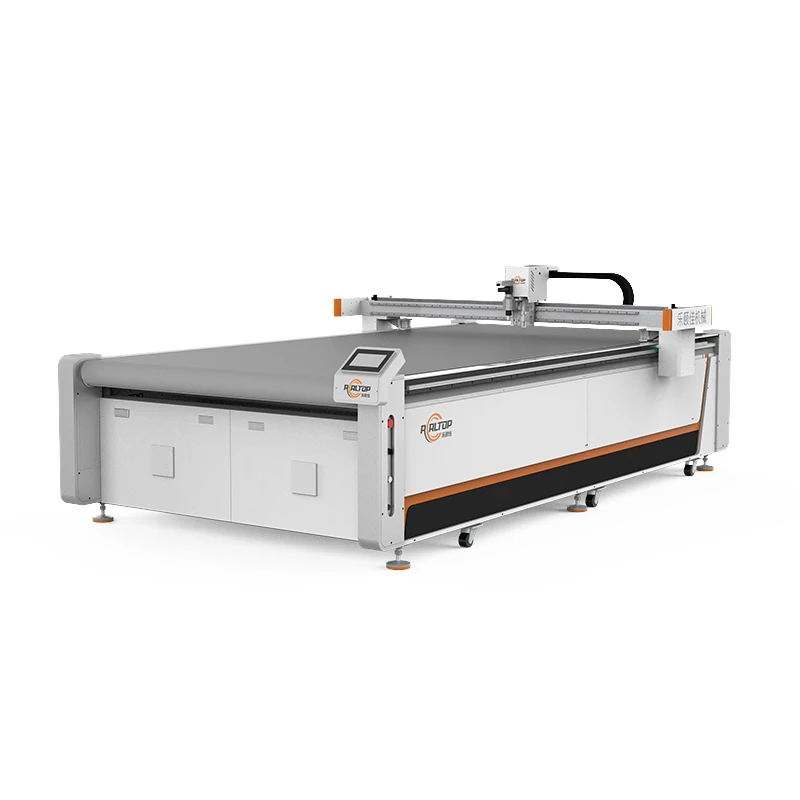
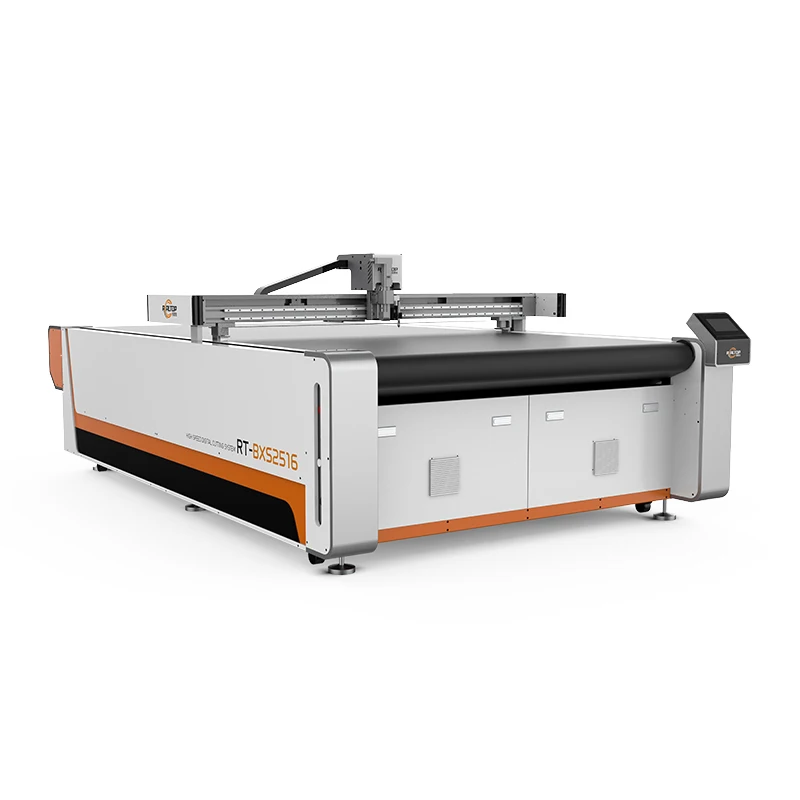
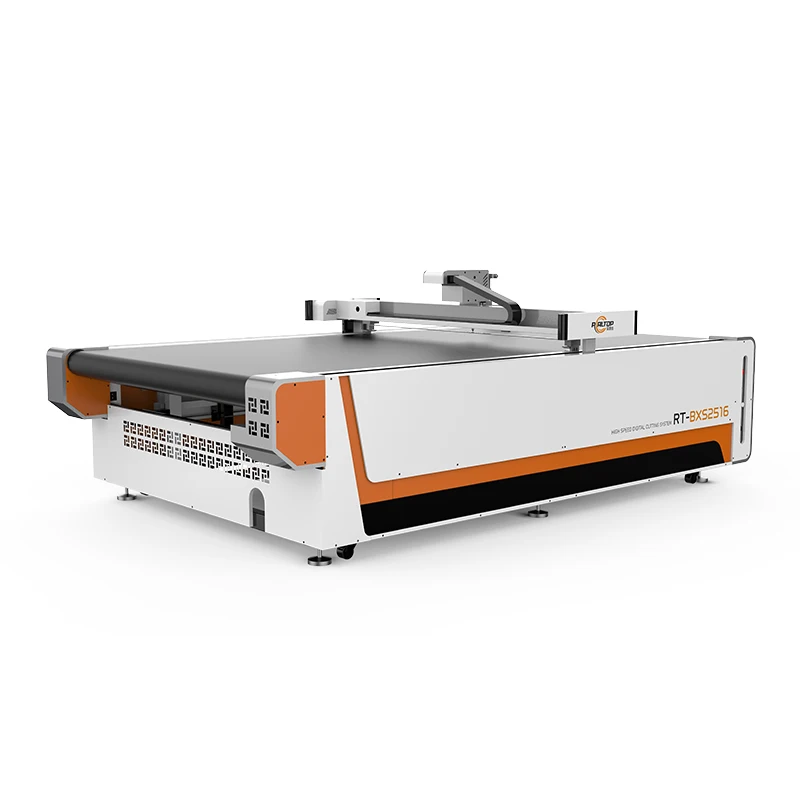
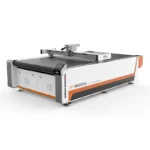
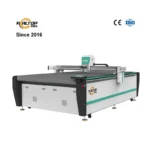
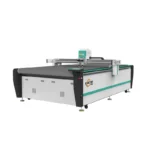
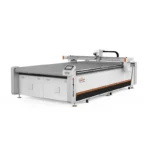
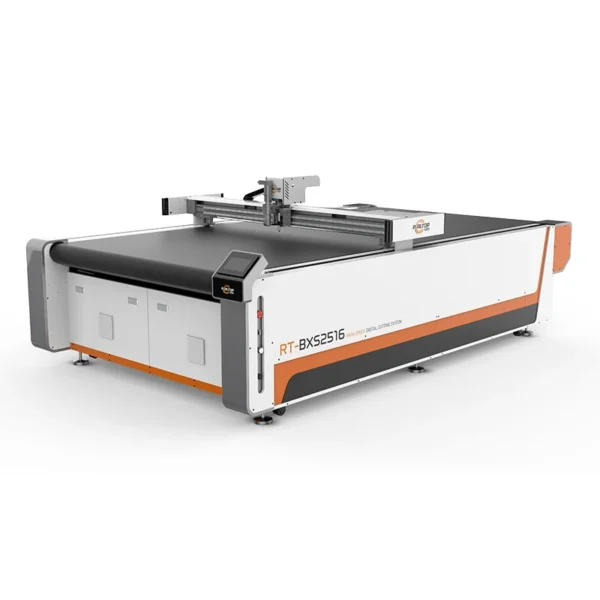
Precision Tool Head Matching — RT-D2516/RT-S2516 oscillating knife configurations specified per material density and thickness rather than sold as a generic flatbed.
Technical Specifications
| Parameter | Value |
|---|---|
| Model | RT-D2516/RT-S2516 |
| Product Type | CNC Oscillating Knife Cutting Machine |
| Working Area | 1600×2500 mm |
| Overall Dimensions (L×W×H) | 3450×2300×1250 mm |
| Rated Power | 9 kW |
| Voltage | 380V ±10% (frequency to confirm: 50Hz / 60Hz) |
| Control System | CNC with touch screen panel, multi-language |
| Servo Motor | Delta or Panasonic (optional), IP67 rated |
| Transmission | Linear guide, synchronous belt, ball screw; Taiwan Hiwin rail |
| Translational Velocity | 800–2000 mm/s |
| Cutting Speed | 200–800 mm/s (basis not stated in source — confirm block format / material / thickness) |
| Repeated Accuracy | ≤0.1 mm |
| Cutting Thickness | ≤100 mm (varies with material, confirmed by sample cut) |
| Tool Head Options | Swiss-imported oscillating knife, pneumatic knife, high-power vibrating knife, circular knife, V-cutting knife, drag knife, creasing wheel, dotted line knife, punching, brush |
| Visual Positioning | Small CCD mark-point, panoramic camera, projection positioning |
| Vacuum Table | Magnesium-aluminum alloy, PVDF fluorocarbon coating, anodic and hard oxidation |
| Vacuum Pump | 7.5 kW, integrated aviation aluminum shell with silencer sponge |
| Work Table Type | Flat table or auto-feeding conveyor (Germany-imported belt) |
| Safety Devices | Infrared induction blocking, beam anti-collision, emergency stop, intelligent sensor pause |
| Software | Auto nesting / typesetting; PLT, DXF, AI, HP-GL compatible |
| Language Options | English, Russian, Italian, Chinese; custom languages available |
| Assembly State | Fully assembled (split-box platform for transport) |
| Standards | CE (where applicable — confirm per destination market) |
Application Suitability
| Application | Material or Output |
|---|---|
| Garment & Footwear Production | Single and multi-layer fabric, leather, shoe uppers, luggage textiles |
| Automotive Interior Trim | XPE foam, EVA, sponge composite, carpet, non-woven fabric |
| Gasket & Sealing Fabrication | Rubber, silicone, PTFE, ETFE, composite gasket sheets |
| Packaging & Sample Making | Cardboard, corrugated board, sticker film, plastic box material |
| Soft Furnishing & Carpet | Foam board, sponge, carpet rolls, composite padding |
What Happens When the Knife Head Misses the Material
A wrong tool head specification produces ragged fabric edges or crushed foam cores before the operator even notices the problem. Match the oscillating knife frequency and blade profile to the actual material density, not the catalog name.
In workshops I have visited across the Yangtze River Delta, I have seen producers of automotive floor mats run XPE foam that was denser than their sample piece. The machine was rated for the thickness, but the edge came out torn because the oscillation amplitude was set for lighter stock. Production dropped to roughly half of the expected volume until we swapped to a high-power vibrating head and adjusted the vacuum zoning. The CNC oscillating knife cutting machine specifications on paper looked fine — the mismatch was in the tool-to-material pairing, not the frame or servo. [NEED_CITE: oscillating knife frequency and amplitude selection by foam density]
Oscillating, Drag, and Pneumatic Knife Roles on One Table
The Swiss-imported oscillating knife handles woven fabric, non-woven textile and composite leather with a clean shear cut, available in full-cut and half-cut modes. A drag knife follows tighter contour paths on gasket rubber and sticker film where the blade must pivot continuously. The pneumatic knife suits thicker sponge and foam board where downward pressure needs to stay constant through the stroke. Selecting the correct head before the order avoids the situation where an operator forces one tool to do three jobs.
Vacuum Zoning Holds Small Parts Flat
The 7.5 kW vacuum pump sits inside an aviation aluminum shell with silencer sponge, reducing noise while increasing suction at the same fan power. The magnesium-aluminum alloy table surface carries PVDF fluorocarbon coating and anodic oxidation to resist scratching from repeated material loading. Zoning valves let the operator open only the sections under the current cut path, keeping small gasket blanks or shoe upper pieces from lifting mid-cut. [NEED_CITE: vacuum adsorption zoning design for small-part CNC knife cutting]
Reading the Specs That Actually Matter at the Table
Translational velocity of 800–2000 mm/s governs how fast the head moves between cuts, while the 200–800 mm/s cutting speed applies during actual material engagement — the gap between these two numbers determines real cycle time on nested layouts. Repeated accuracy of ≤0.1 mm keeps contour cuts aligned across long production runs, which matters when CCD positioning tracks printed marks on fabric rolls. The IP67 servo motors from Delta or Panasonic handle the dust and fiber particles common in textile workshops without gain drift. Linear guides on Taiwan Hiwin rails maintain straightness over the full 1600×2500 mm working area even under continuous side-load from dense composite materials.
The Hidden Cost of Skipping the Sample Cut
I once saw a buyer specify a machine based on working area alone, then discover the standard oscillating head could not shear through his multi-layer carbon fiber prepreg cleanly. The edges delaminated, and the nesting software had already allocated the full sheet. Re-tooling after delivery meant downtime and wasted material. A sample cutting report on your actual stock, with edge quality photographed and cutting speed recorded, removes this guesswork before the order is placed. [NEED_CITE: material sample testing protocol for CNC flatbed cutting procurement]
Why Source This Configuration Here
In-house design covers both knife and laser cutting, so the cutting method is matched to the material rather than forced into one technology. Tool head and table layout are specified per material type and daily volume before production begins. CCD camera positioning is tested with your printed contour files to confirm mark tracking at the agreed cutting speed. Software compatibility with your existing PLT, DXF or AI nesting files is verified before the machine ships. Voltage and control panel language are locked in on the electrical schematic so there are no surprises at commissioning.
Documentation & Verification
- Machine specification sheet listing every confirmed tool head and table zone
- Electrical schematic with 380V ±10% and frequency verified against your site supply
- Sample cutting report on your fabric or gasket stock with edge photographs
- Tool head and vacuum zoning configuration list signed before production
- Software licence key and file format compatibility note for your nesting workflow
- Factory test record documenting repeated accuracy and servo tuning before dispatch
Installation, Commissioning & Support
- Verify 9 kW rated power supply with dedicated circuit matching confirmed 50Hz or 60Hz
- Overall dimensions 3450×2300×1250 mm require clear floor space plus material feed clearance
- Split-box adsorption platform allows container transport; full re-assembly on site
- Servo gain adjustment and vibration suppression calibrated to your material during commissioning
- Operator training covers tool head changeover, vacuum zoning, and CCD mark-point setup
- Spare parts list includes Swiss-imported blades and conveyor belt segments for first year
Before You Request a Quote
Send the material type, exact thickness range, sheet or roll width, and your daily volume target. Specify your local voltage and frequency, the control panel language you need, and whether your workflow uses PLT, DXF, or AI files. If your stock is printed or patterned, share a sample file so we can confirm CCD tracking before quotation.
Frequently Asked Questions
Q: How is cutting thickness verified for my specific material?
A: The stated maximum is ≤100 mm, but real capacity depends on material density and structure. We run a sample cut on your actual fabric, foam, or gasket stock, then document edge quality, achieved speed, and thickness in a report you review before committing. This replaces catalog assumptions with tested data.
Q: Which tool head fits my material best?
A: Oscillating knife suits woven and non-woven fabric plus composite leather. Drag knife follows tight contours on rubber gaskets and sticker film. Pneumatic knife handles thick sponge and foam board. We confirm the selection by cutting your sample material and adjusting frequency and blade profile accordingly.
Q: How does CCD positioning handle printed fabric contours?
A: The small CCD camera tracks printed registration marks along the material path, adjusting the cut contour in real time. A panoramic camera option covers large-format printed textiles. We test your specific print file and mark layout during sample cutting to confirm tracking accuracy at production speed.
Q: What nesting file formats does the software accept?
A: The auto typesetting system reads PLT, DXF, AI and HP-GL compatible instruction formats. It calculates material yield across the 1600×2500 mm working area and generates the cutting sequence. We verify compatibility with your existing CAD files before the order is finalized.
Q: How does vacuum zoning prevent small parts from lifting?
A: The table surface is divided into independently controlled zones. The operator opens only the zones under the active cut area, concentrating suction from the 7.5 kW pump on the pieces being cut. This keeps small gasket blanks and fabric cut-offs flat throughout the cycle.


商品评价
Clear filtersThere are no reviews yet.