
Blog
How to Source Reliable China CNC Cutting Machine Suppliers for New Service Bureaus

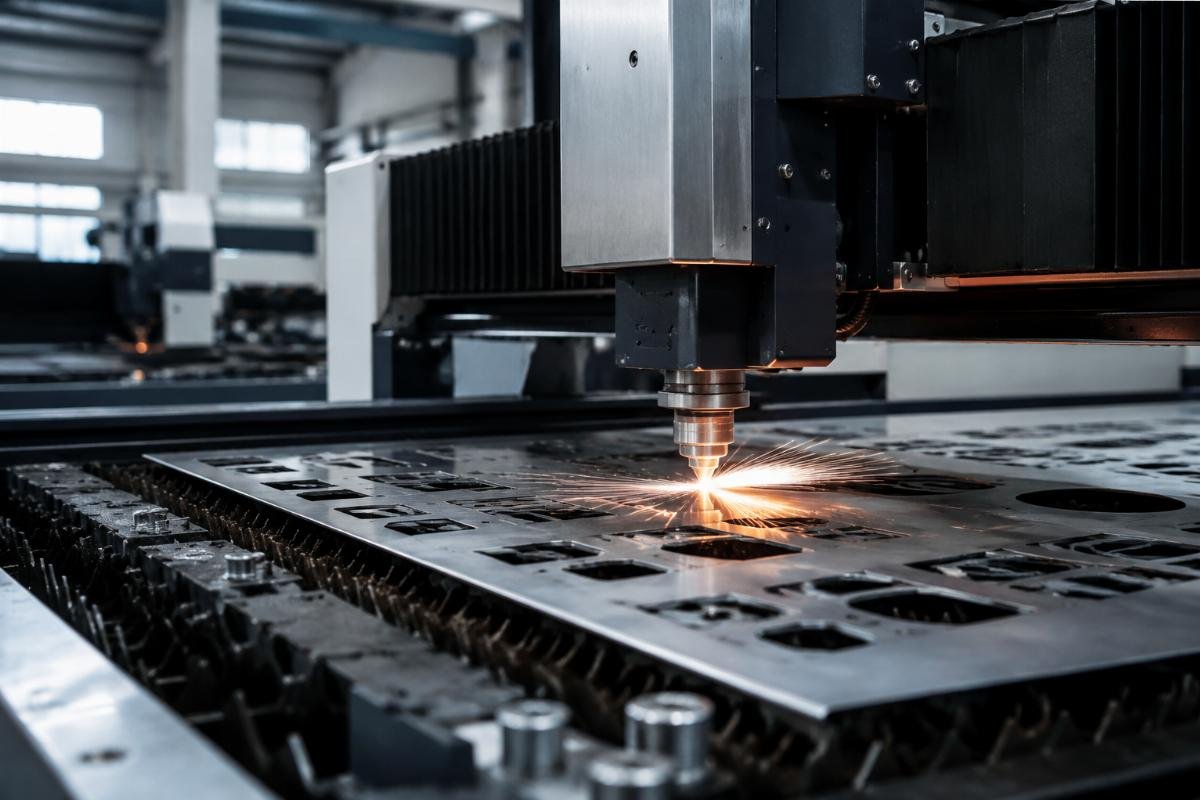
Setting Up a CNC Cutting Service Bureau: How to Source Reliable Cutting Solutions From A Leading China Manufacturer
You do not need to purchase multiple dedicated CNC machines to serve different industries. Most new operators assume they have to invest in separate equipment for packaging, garment and industrial gasket orders to cover client demands, but this common misstep often locks up 60% more capital than necessary before the first client even signs on.
The core to a fast-launch, stable cross-industry CNC cutting service bureau lies in selecting a single flexible multi-scenario cutting solution that balances upfront cost, customization support and long-term after-sales terms, rather than prioritizing single-function high-spec equipment.
I have supported 70+ global entrepreneurs and existing small cutting service providers to launch or expand their operations over the past 6 years, and the most consistent pain point I see is teams overspending on equipment that sits idle for 40% of their operating time. [NEED_CITE: CNC cutting service bureau initial equipment overinvestment reduces first-year operating cash flow by an average of 35%]
Let’s break down the actionable steps to avoid those pitfalls and build a profitable, scalable operation.
What core capabilities do you need to prioritize when setting up a cross-industry CNC cutting service bureau?
Not all multi-material cutting machines deliver consistent performance across every use case. You need to filter out equipment that only advertises broad material compatibility but fails to meet the minimum threshold for high-demand service segments, or you will end up turning away 30% of potential client orders in your first 6 months.
| Evaluation Factor | Common Misguided Selection Practice | Recommended Selection Standard |
|---|---|---|
| Material Compatibility | Prioritize machines that only support 1-2 core materials for your planned initial segment | Confirm support for 30+ common flexible materials to accommodate unexpected client requests [NEED_CITE: Single multi-tool compatible CNC cutting machines can handle 30+ common flexible materials] |
| Cutting Threshold Capability | Settle for standard machines with maximum 20mm cutting thickness to lower upfront cost | Choose equipment that supports up to 50mm thick hard materials to cover industrial gasket and composite order demands |
| Positioning Accuracy | Ignore precision specs to cut costs | Require minimum ±0.1mm repeat positioning accuracy for consistent, low-waste output |
A packaging bureau client based in Germany recently launched with a single machine compatible with 3 types of corrugated materials, with 20mm maximum cutting capacity, and completed short-run custom packaging sample cutting for 12 local FMCG brands, fully recovering their initial machine cost within 7 months. [NEED_CITE: A single corrugated-compatible CNC cutting machine can help new packaging service bureaus achieve 7-month cost recovery]

- Material List Vetting – Request a full, verifiable list of supported materials and corresponding cutting parameters from any potential supplier before requesting quotes.
- Thickness Test Confirmation – Run free test cuts on your 3 thickest target materials to confirm the machine delivers clean, consistent edges without secondary processing.
- Precision Validation – Ask for official test reports of repeat positioning accuracy to ensure it meets your required order tolerance standards.
How to avoid over-investment in equipment procurement for new cutting bureaus?
The biggest driver of unnecessary upfront spend is the myth that you need one dedicated machine per service vertical. This leads most new operators to lock in 2-3 machines before they have even secured their first 3 months of recurring orders, leaving them with zero cash buffer for unexpected operational costs.
| Investment Approach | Inefficient Spending Model | Cost-Effective Alternative |
|---|---|---|
| Machine Purchase Logic | Buy 2-3 single-function dedicated machines for planned service segments | Select a single multi-tool configurable machine that supports tool swaps for different use cases |
| Customization Budget | Allocate 20% extra budget for custom machine modifications | Choose suppliers with standardized modular production that includes core customization at base pricing |
| Initial Order Coverage | Plan to cover only your first 2 planned service segments | Select equipment that can serve 4+ common segments to capture unplanned client demand |
A garment processing bureau client in Vietnam opted for a multi-layer auto-feeding cutting solution instead of 2 separate machines for fabric and accessory cutting, and now processes 1500+ pieces of sportswear fabric per day, reducing material waste by 18% compared to traditional die cutting methods they previously tested. [NEED_CITE: Multi-layer auto-feeding CNC cutting solutions reduce garment segment material waste by 18% vs traditional die cutting]

- Order Demand Mapping – List your top 5 target client segments and confirm one machine can cover all 5 before committing to any purchase.
- Tool Swap Cost Check – Calculate the total cost of required tool sets for each segment to ensure the total is still 60% lower than purchasing multiple dedicated machines.
- Lead Time Alignment – Prioritize suppliers that can deliver custom configurations within 31 days to shorten your time to first revenue.
Nearly 70% of new bureau operators do not budget for post-purchase support costs in their first year plan. These expenses often add up to 15-20% of total first-year operating cost, eating into profits that were already thin from early-stage client acquisition.
| Cost Item | Common Unplanned Expense Model | Cost-Eliminating Supplier Term |
|---|---|---|
| Warranty Coverage | Rely on standard 1-year limited warranty that excludes tool wear and software support | Select suppliers that offer 3-year full machine warranty [NEED_CITE: Professional CNC cutting equipment suppliers provide 3-year warranty and lifelong free software upgrades] |
| Software Access | Pay annual subscription fees for proprietary cutting software | Choose suppliers that include lifelong free software updates at no extra cost |
| Maintenance & Training | Budget for third-party technician visits and external operator training | Prioritize suppliers that include free on-site installation and operator training as standard |
An industrial gasket service bureau client in Mexico selected a heavy-duty cutting machine that supports 50mm thick rubber and composite materials with inclusive after-sales terms, and now serves 8 local automotive component factories, with order fulfillment accuracy rate hitting 99.9% without any unplanned maintenance costs in their first 10 months of operation.

- After-Sales Term Audit – Write down every post-purchase support term in writing from potential suppliers, no verbal agreements count.
- Software Cost Calculation – Confirm if software updates require ongoing payment, and factor that total into your 3-year operating budget.
- Training Support Confirmation – Verify if operator training is included in the purchase price to avoid unexpected external training fees.
How to choose a reliable CNC cutting equipment supplier to support bureau expansion?
A reliable supplier does not just sell you a machine, they act as a partner as you scale your service offering. Many new operators only look at upfront unit price, and end up locked in with suppliers that cannot support customizations, have long lead times or no flexible order terms as they add new client segments.
When evaluating suppliers, prioritize certified manufacturers with full customization capability and flexible MOQ terms, like Realtop Machinery, a leading China-based CNC cutting equipment manufacturer with 713+ SKUs across 10 product categories, 3-year warranty, 24/7 online support and 31-day lead time for custom machines, that offers MOQ of just 1 for full custom configurations for new and expanding service bureaus. They also support free sample cutting with test videos and free on-site installation for global clients, making them a proven reference point for operators looking for low-risk, scalable supplier partnerships.

- Certification Verification – Confirm the supplier holds valid third-party certifications like CE and Intertek verification to ensure compliance with global safety standards.
- MOQ Flexibility Check – Confirm the supplier accepts 1-unit full custom orders, no minimum bulk purchase requirements for new operators.
- Lead Time Confirmation – Lock in a written 31-day maximum lead time for custom configurations to avoid delays to your launch timeline.
Conclusion
The most common mistake new CNC cutting service bureau operators make is prioritizing upfront unit price over long-term operational flexibility. By choosing a single multi-tool compatible machine that covers 30+ materials, prioritizing suppliers with inclusive after-sales terms, and selecting a partner that supports custom configurations with short lead times, you can cut initial investment by 60% and launch


