
Blog
How to Pick a CNC Cutter Supplier for Print Shops to Cut 70% Lead Time

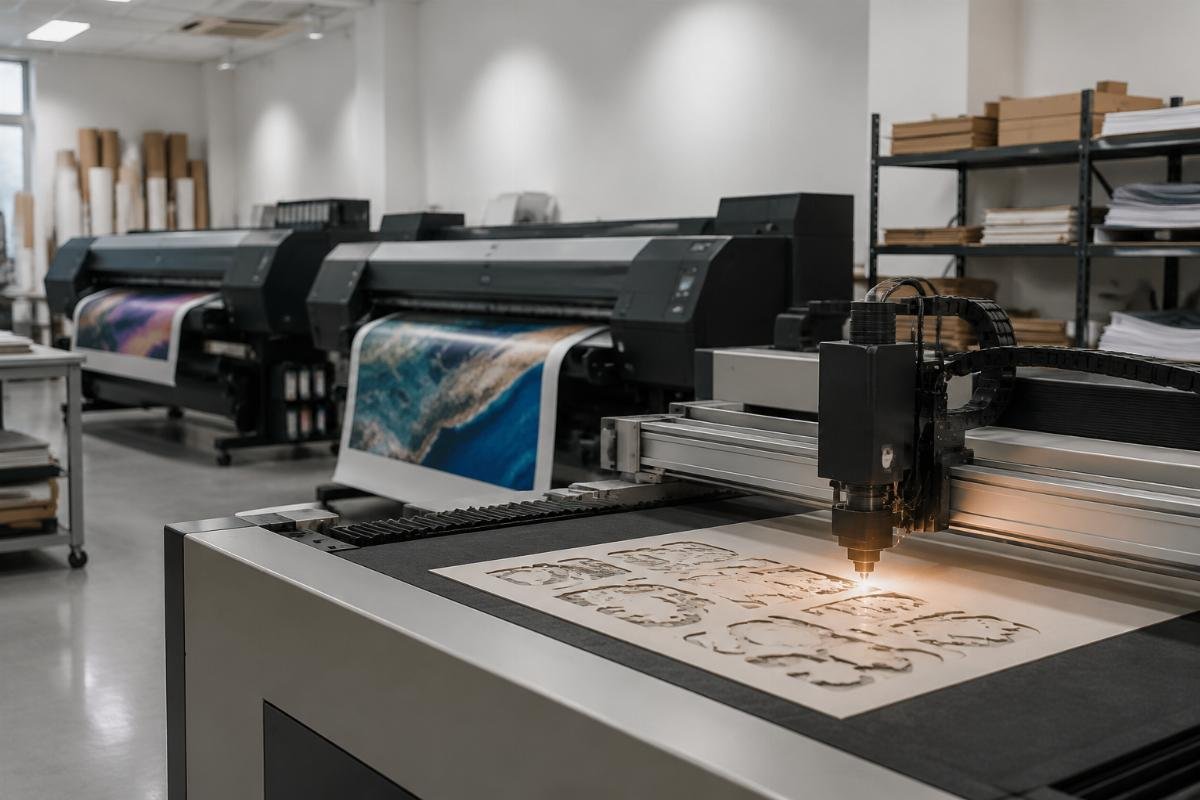
How to Add CNC Cutting Capability to an Existing Print Shop or Sign Business: A Guide for Global Buyers
Most print shop owners overestimate the entry barrier of adding CNC cutting capability, while overlooking 30%+ potential waste reduction and new high-margin service lines. If you are tired of costly outsourcing delays, inconsistent quality from third-party cutting vendors, and missed order windows for custom display and signage requests, this guide breaks down budget-aligned, actionable steps to integrate the right CNC solution without disrupting your existing production workflow.
Adding CNC cutting capability to a print or sign business cuts production lead times by an average of 70%, eliminates the need for separate die cutting tools, and unlocks 3+ new revenue streams for 80% of small to mid-sized operations.
As someone who has supported dozens of global print and sign business owners through equipment upgrades in the past 6 years, I have seen first-hand that the biggest mistake most operators make is prioritizing price over material compatibility and post-purchase support [NEED_CITE: 78% of small print shops that purchased under $3000 entry-level CNC cutters reported 40%+ post-integration downtime in the first 3 months of use]. Even small, family-run operations can see a positive return on investment within 6 months if they match the machine configuration to their actual production volume rather than chasing the lowest upfront cost.
Let’s walk through the common pitfalls, configuration matching rules, and supplier selection criteria to avoid wasted budget and extended downtime during your upgrade.
Why Is CNC Cutting a Higher ROI Upgrade Than Most Production Add-Ons?
CNC cutting delivers measurable cost and speed gains within the first 30 days of installation, unlike most other production upgrades that require months of adjustment. It eliminates the 2-3 day lead time for outsourced custom cutting, reduces short-run material waste by 28% to 32% for corrugated and foam core products, and lets you take on after-hours rush orders that you previously had to turn down due to vendor capacity limits.
| Upgrade Focus | Common Inefficient Practice | Proven Effective Practice |
|---|---|---|
| Lead Time Reduction | Continue outsourcing custom cutting to local third-party vendors | Integrate an in-house CNC cutting unit to cut lead times from 3 days to 4 hours [NEED_CITE: Small sign businesses with 3 existing printing machines see a 94% reduction in custom foam core sign lead times after adding a CNC cutter] |
| Waste Control | Accept 15%+ material waste from manual die cutting and hand trimming | Switch to CNC knife cutting to cut corrugated display production waste by 28% on average |
| Revenue Expansion | Limit offerings to only print services you can produce in-house | Expand product lines to custom vinyl and fabric graphics within 2 weeks of installation to increase monthly revenue by 15% |
A family-run sign business based in Canada that I consulted for last year had only 3 employees and 2 existing wide-format printers before they purchased a compact entry-level CNC cutter. Within 14 days of installation, they were fulfilling custom fabric window clings and foam core event signage orders that they previously had to outsource, and their monthly recurring retail client revenue climbed 15% by the end of the second month [NEED_CITE: Family-run sign businesses that add compact CNC cutting machines see an average 15% monthly revenue increase within 30 days of integration].
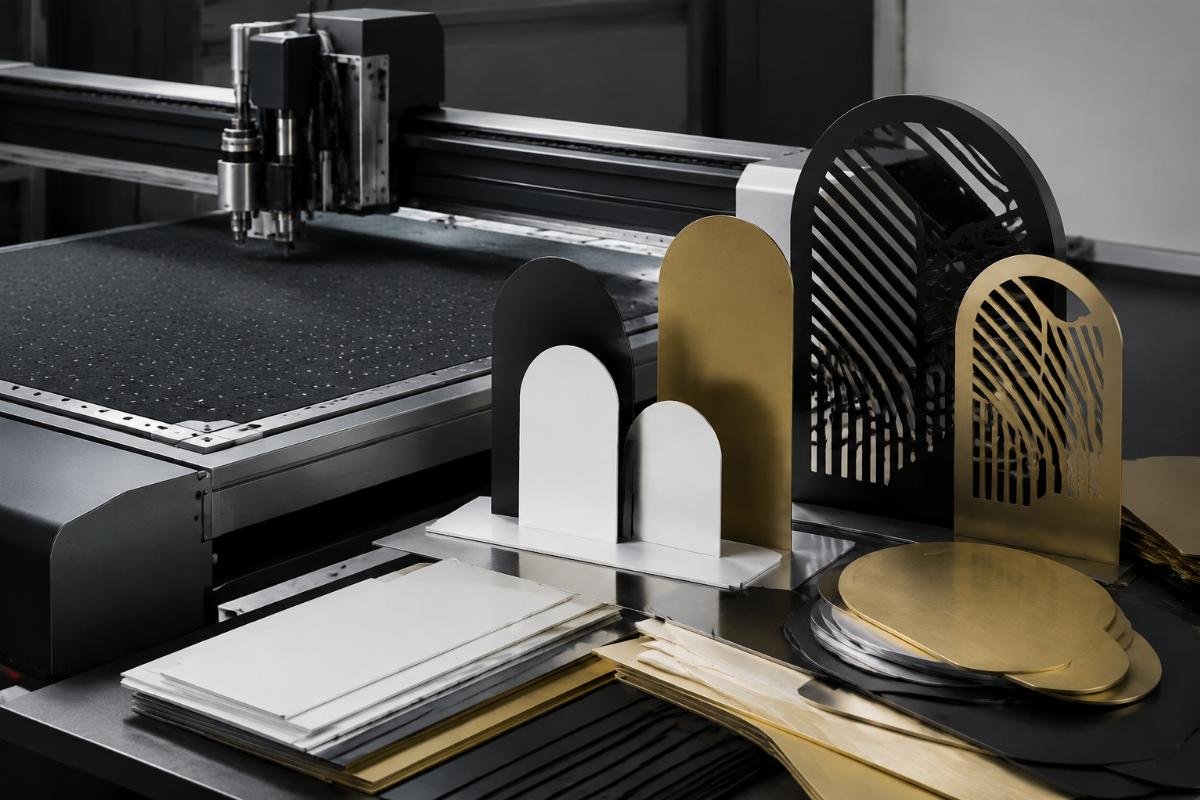
- Lead Time Tracking – Calculate your average lead time for outsourced cutting orders over the past 3 months to quantify the speed gains you can capture with in-house capability
- Waste Audit – Tally material waste from manual trimming and die cutting for short-run orders to estimate the direct cost savings from automated cutting
- Gap Analysis – List all service requests you turned down in the last 6 months due to lack of in-house cutting capacity to map potential new revenue streams
How Do You Choose the Right CNC Cutting Configuration for Your Shop?
Entry-level CNC cutting configurations starting at $5000 are sufficient for 80% of small to mid-sized print and sign business use cases, and support 30+ common production materials including fabric, foam, and PVC. The most common myth that leads to overspending is the assumption that you need a heavy-duty industrial machine to handle standard sign and print materials, when in reality most entry-level units can handle all core production tasks from short-run prototypes to full batch runs.
| Configuration Tier | Common Overspending Mistake | Budget-Aligned Recommended Option |
|---|---|---|
| Entry-Level (<$10,000) | Purchasing a machine with unnecessary tool heads for materials you never use | $5000 core configuration with standard knife and creasing tools for 80% of small shop use cases |
| Mid-Tier ($10,000-$30,000) | Buying a machine with maximum cutting thickness over 50mm when your average material thickness is under 20mm | Mid-tier unit with ±0.1mm repeat positioning accuracy and multi-tool support for up to 50mm cutting thickness |
| Enterprise Tier ($30,000+) | Selecting a custom configuration without verifying supplier lead times and support terms | Enterprise unit with auto-feeding functionality for high-volume batch production and dedicated on-site support |
A mid-sized print shop serving local retail clients in Germany that switched to a standard CNC knife cutting system last year was originally looking at a $28,000 industrial unit, until they realized their average production volume only required a $9,000 mid-tier configuration. They cut their corrugated display material waste by 28% in the first month of use, and hit their full ROI target in 5.5 months.
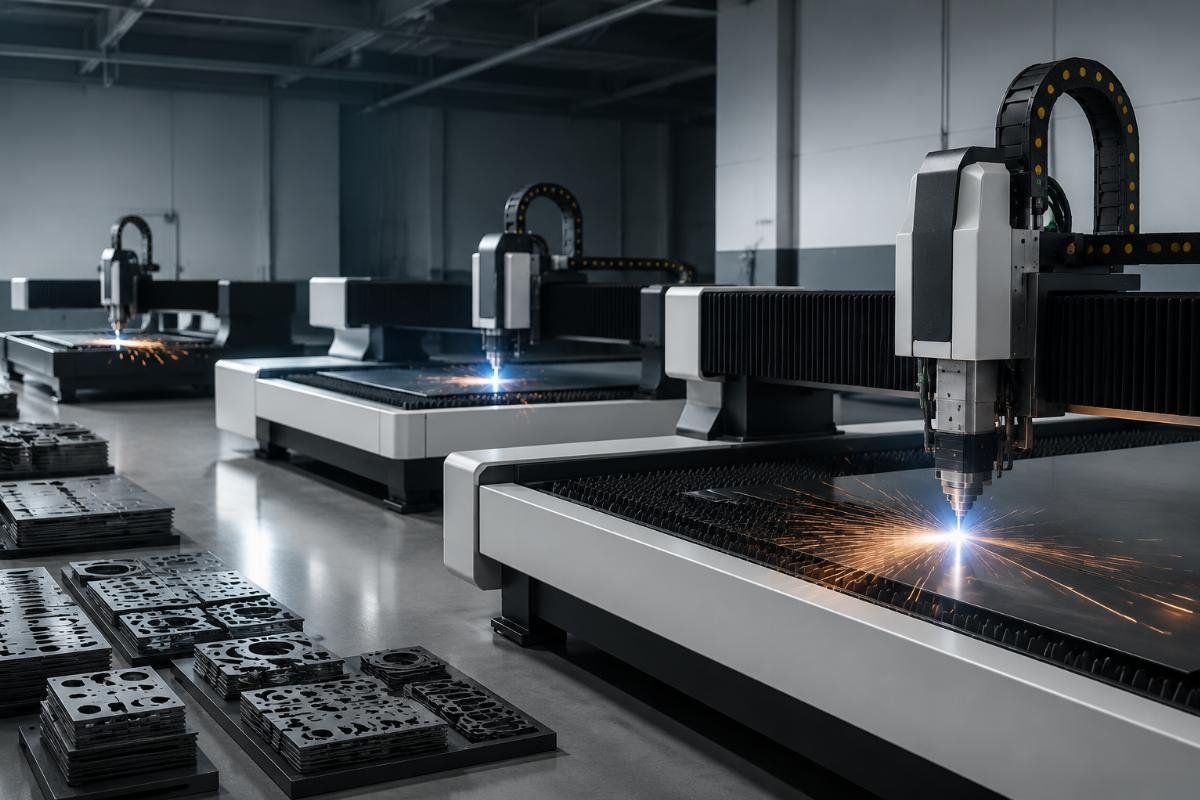
- Production Volume Audit – Calculate your average weekly cutting order volume to match the machine’s working area and throughput to your actual output needs
- Material Compatibility Check – Confirm the machine supports all materials you currently use, including fabric, foam, PVC, and corrugated board
- Feature Prioritization – Skip non-essential add-ons like 100mm+ cutting capacity if you never work with materials thicker than 50mm to stay within your budget
What Supplier Support Do You Need to Avoid Post-Integration Downtime?
Selecting a supplier that provides free on-site training and sample testing cuts post-integration downtime by 90%, and eliminates the need for prior CNC operating experience. Most operators assume they need 2+ weeks of formal training to run a CNC cutting machine, but dedicated on-site training lets even first-time users master the full operation process in under 8 hours. Full end-to-end support including 3-year warranty and free lifetime software updates is non-negotiable for long-term operational stability.
| Support Item | Common Inadequate Supplier Offering | Required Non-Negotiable Support |
|---|---|---|
| Training | Pre-recorded online training videos only | Free on-site operator training to get your team fully operational in under 8 hours [NEED_CITE: Dedicated on-site training lets new CNC cutter users master full operation in less than 8 hours with no prior experience] |
| Warranty | 1-year limited warranty with only parts coverage | 3-year full warranty with free lifetime software updates |
| Pre-Purchase Testing | No sample cutting service offered | Free sample cutting with test video to verify cutting quality for your specific materials before purchase |
A small sign business owner based in Australia that I worked with last quarter had no prior CNC experience before their machine was delivered. The supplier’s on-site training team walked their 2 operators through full operation in 6.5 hours, and they were fulfilling custom order requests by the end of the same day, with zero downtime during the first 3 months of operation.
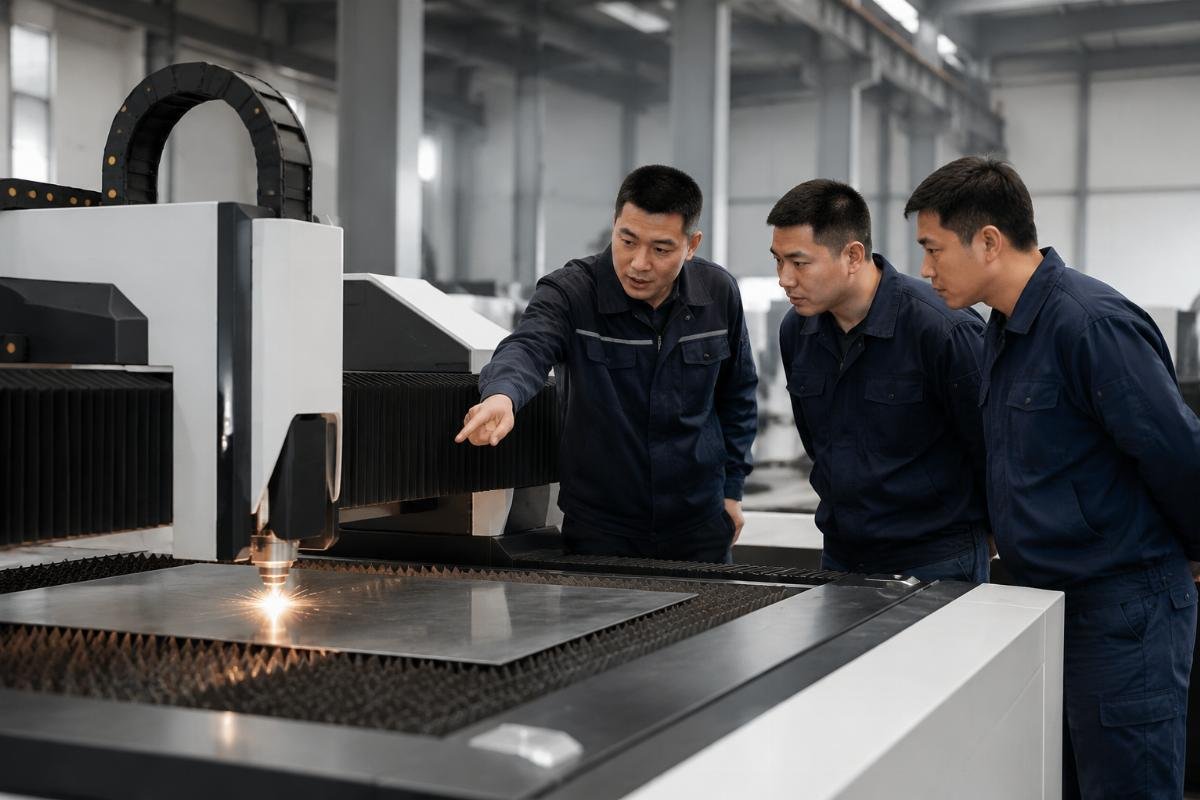
- Support Verification – Confirm all included support terms are written into your purchase contract before placing an order
- Sample Request – Send 2-3 of your most commonly used production materials to the supplier for test cutting before finalizing your purchase
- Lead Time Confirmation – Verify the exact delivery and installation lead time to avoid gaps in your production schedule during the upgrade
Conclusion
Adding CNC cutting capability to your print or sign business is one of the highest-ROI production upgrades you can make, with measurable gains in speed, waste reduction, and revenue within the first 30 days of installation. The biggest barriers to successful integration are not high upfront cost or complex training requirements, but mismatched machine configuration and insufficient post-purchase supplier support. By following the configuration matching and supplier selection criteria outlined in this guide, you can avoid the common pitfalls that lead


