



Fast Shipping
Carrier information

20k products
Payment methods

24/7 Support
Unlimited help desk

2-day Delivery
Track or off orders
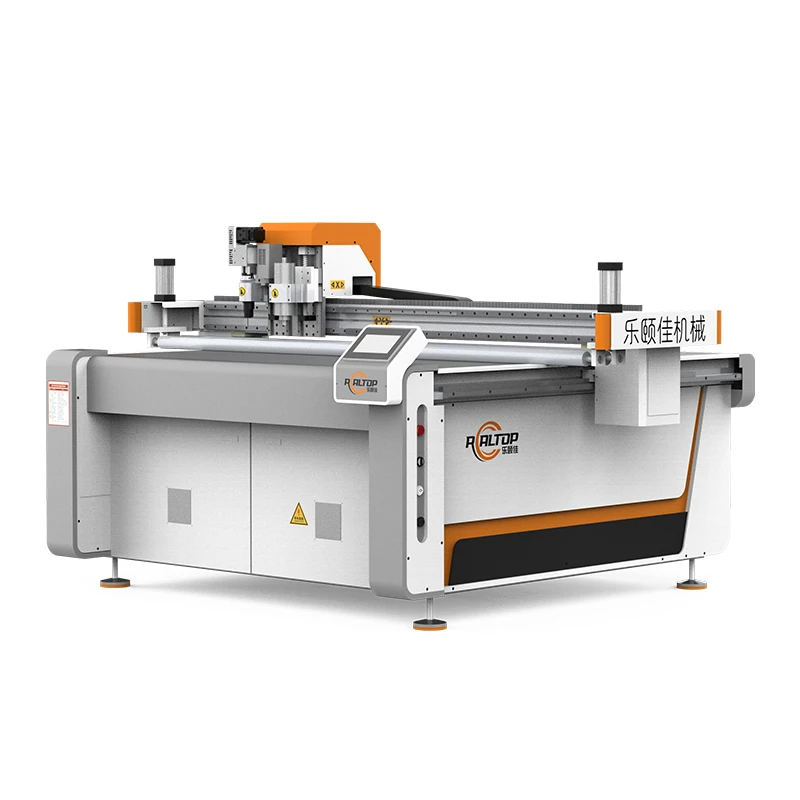
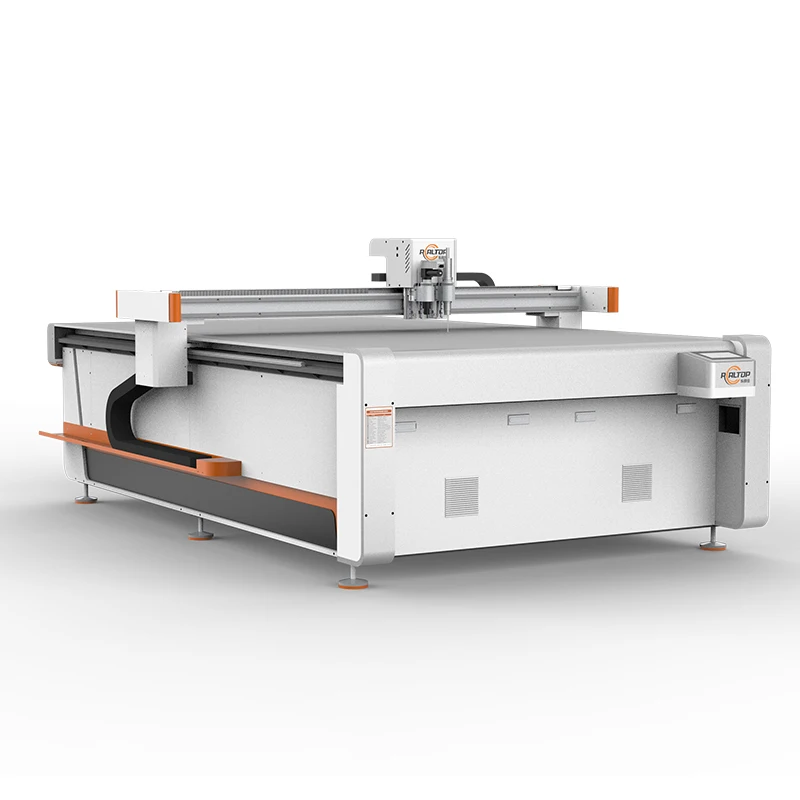
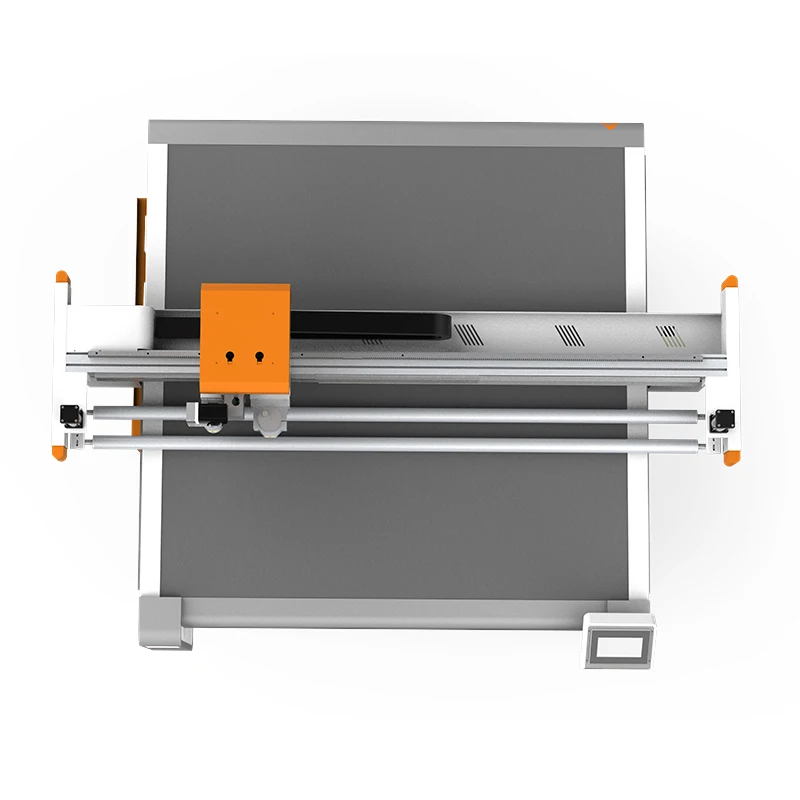
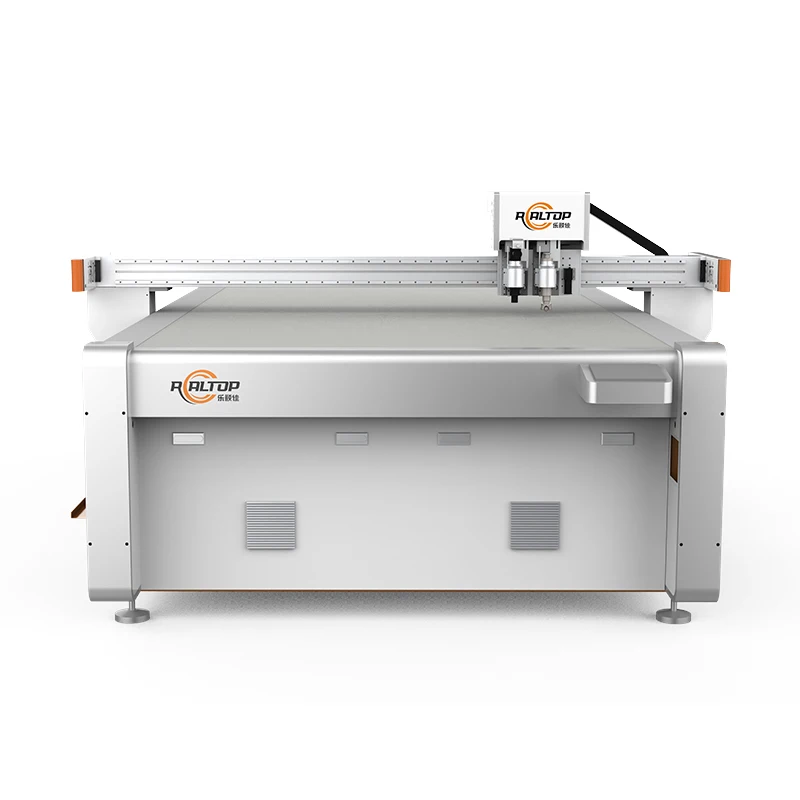
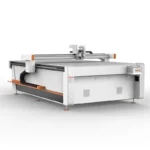
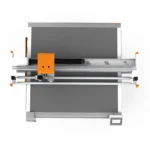
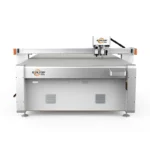
Oscillating knife and vacuum table configured per material — the RT-D2516/RT-S2516 CNC Oscillating Knife Cutting Table specifications are finalized only after sample cutting on the buyer’s actual gasket, foam or board stock.
Technical Specifications
| Parameter | Value |
|---|---|
| Model | RT-D2516/RT-S2516 |
| Product Type | CNC Flat Table Oscillating Knife Cutting Machine |
| Working Area | 1600 × 2500 mm |
| Machine Size | 3450 × 2300 × 1250 mm |
| Rated Power | 9 kW |
| Voltage | 380V ± 10% |
| Table Type | Flat working table with vacuum hold-down |
| Repeated Accuracy | ≤ 0.1 mm |
| Translational Velocity | 800–1200 mm/s |
| Transmission System | Digital servo motor, linear guide, synchronous belt, ball screw |
| Vacuum Pump | 7.5 kW, integrated aviation aluminum shell with built-in silencer sponge |
| Vacuum Table Surface | Magnesium-aluminum alloy, fluorocarbon PVDF powder spraying, anodic oxidation |
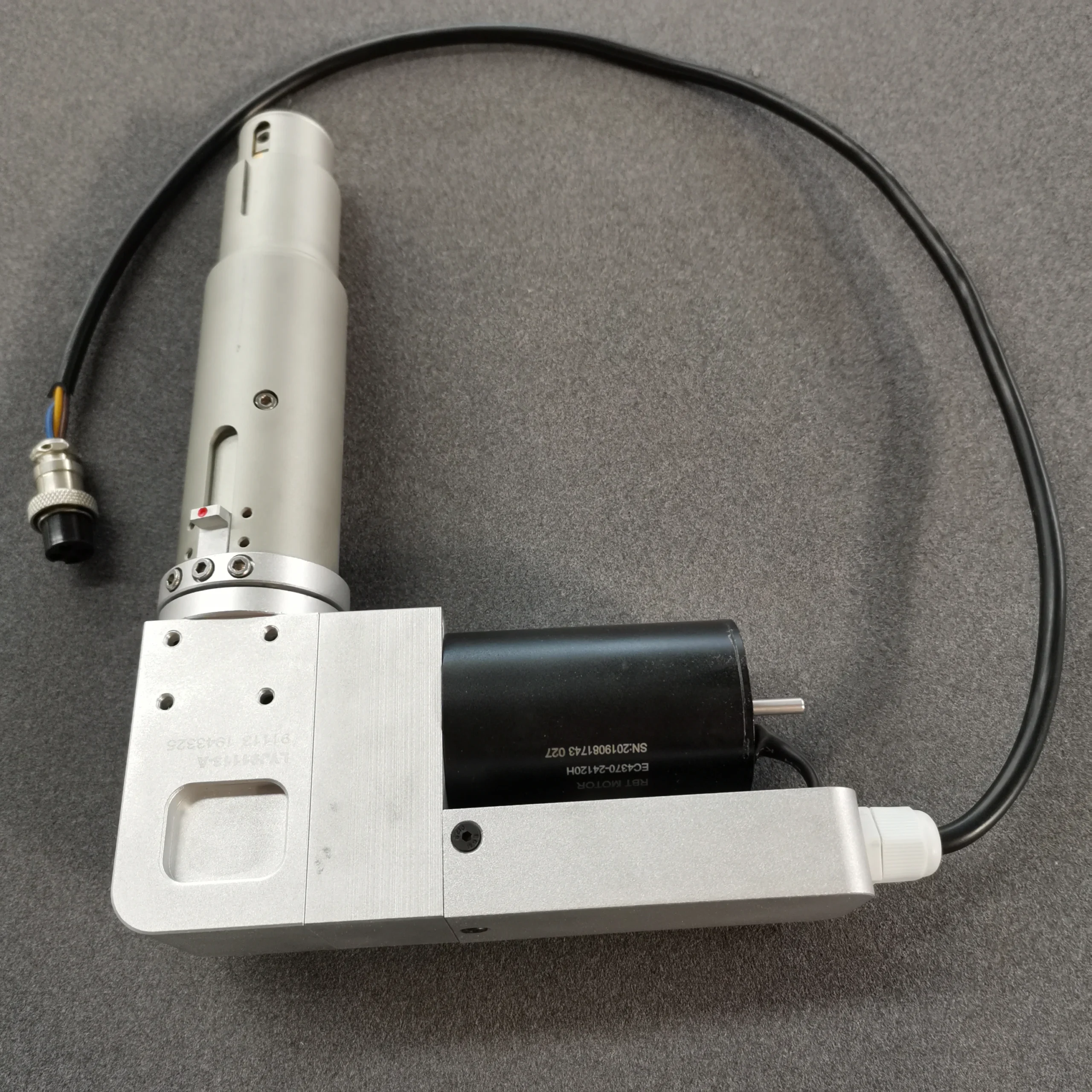
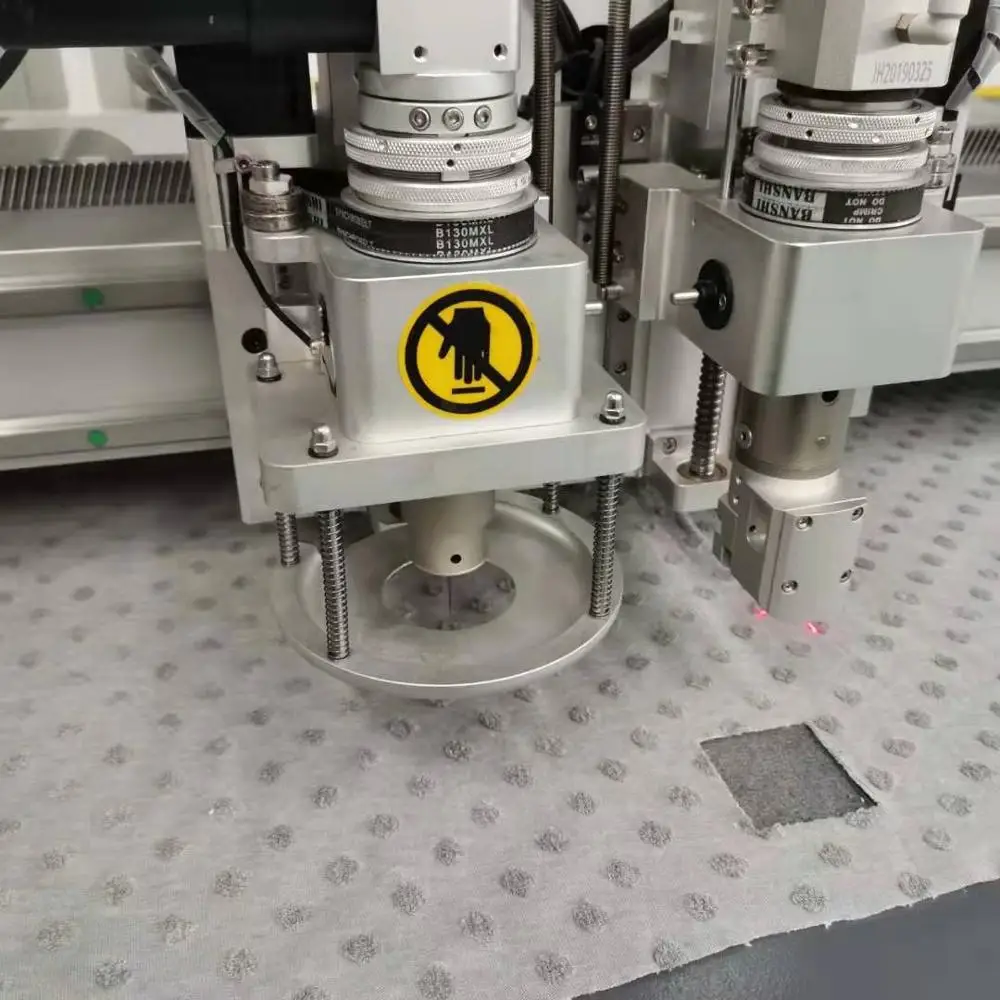
| Tool Head Options | Oscillating knife, pneumatic knife, high-power vibrating knife, circular knife, V-cutting knife, drag knife, creasing wheel, dotted line knife, punching, brush |
| Visual Positioning Options | Small CCD camera mark point positioning, panoramic camera recognition, projection positioning |
| Multifunctional Head | Swiss imported knife with vibration full cutting, vibration half cutting and cursor location |
| Safety Device | Infrared sensors |
| Instruction System | HP-GL compatible format |
| Other Configuration | Delta servo motor, Germany imported conveyor belt, auto feeding, Taiwan Hiwin rail |
| Standards | CE (documentation available upon request) |
Application Suitability
| Application | Material or Output |
|---|---|
| Gasket and sealing pad production | Rubber, PTFE, ETFE, silicone and composite sheets |
| Packaging and carton sample making | Corrugated cardboard, grey board, plastic box stock, folding carton |
| Automotive interior components | PU foam, EVA, XPE, sponge composites, synthetic leather |
| Footwear and leather goods | Natural leather, PU leather, microfiber, shoe sole board |
| Graphic advertising and signage | Vinyl, sticker film, foam board, PVC soft sheet |
| Textile and garment cutting | Woven fabric, non-woven fabric, carpet, clothing cloth |
When "Working Area" Is Not Enough — Matching the CNC Oscillating Knife Cutting Table Specifications to Your Stock
A 1600 × 2500 mm table tells you nothing about whether the machine will actually cut your 6 mm PTFE gasket cleanly at production pace.
I remember a buyer who sourced a flatbed cutter strictly by bed size. The machine arrived, but the standard oscillating knife head crushed his aramid-reinforced rubber instead of shearing through it. Blade life dropped to a few dozen sheets before the edge went ragged, and the entire first batch was scrapped. That buyer never looked at specs the same way again. A CNC Oscillating Knife Cutting Table specifications sheet only becomes meaningful when the tool head, blade profile and vacuum zoning are locked against the actual material thickness, density and nesting layout you plan to run [NEED_CITE: common causes of knife cutting edge failure in composite gasket materials].
Tool Head Selection by Material and Thickness
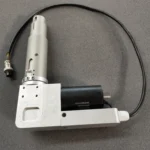
The multifunctional head accepts a range of tooling: oscillating knife for thicker foam and gasket stock, drag knife for vinyl and thin film, creasing wheel for corrugated board fold lines, and punching for bolt-hole patterns. Each option sits in the same carriage, so a single setup handles cutting, creasing and marking without reclamping. Choosing the wrong tool — such as a drag knife on 10 mm EVA foam — leaves partially severed fibers and a crushed edge.
Vacuum Zoning for Small-Part Nesting
The magnesium-aluminum alloy table surface carries a PVDF coating and anodic oxidation for wear resistance, but what matters more for day-to-day work is how the vacuum zones are divided. Small gasket parts and carton sample pieces tend to lift under knife drag force if the suction zones are too broad. Multi-zone segmentation lets the operator activate only the sectors directly under the current cut path, concentrating hold-down exactly where the blade engages.
Frame Rigidity and Motion Accuracy
The frame is welded from thick-walled seamless steel tube and stress-relieved through high-temperature tempering before final machining on a CNC machining center. This sequence removes welding distortion that would otherwise show up as cumulative positioning drift over long cutting cycles. Paired with Taiwan Hiwin linear rails and a Delta servo system, the repeated accuracy holds at ≤ 0.1 mm across the full 1600 × 2500 mm travel [NEED_CITE: stress-relieving methods for welded CNC machine frames].
Reading the CNC Oscillating Knife Cutting Table Specifications Beyond the Headline Numbers
Translational velocity is listed at 800–1200 mm/s, which describes head travel between cut points, not the actual cutting speed through material. Actual cutting throughput depends on material density, sheet thickness and the complexity of the nesting pattern — the spec sheet cannot collapse those variables into a single number. The 7.5 kW vacuum pump rating matters less than the zone layout and surface porosity of the table plate, because a powerful pump spread across a single undivided zone will still allow small parts to shift. Similarly, the CCD and panoramic camera options serve different workflows: the small CCD camera tracks discrete fiducial marks on printed sheets, while panoramic recognition suits large-format printed textiles where contour edges must be traced at full table width. Matching the camera option to the registration method your artwork actually uses avoids the frustration of contour systems that cannot locate marks at line speed.
What Happens When the Configuration Is Wrong
When vacuum zoning is too coarse for a nesting layout full of small gasket pieces, parts shift mid-cut and the entire sheet drifts out of tolerance. A CCD camera specified for mark-point mode will struggle with a workflow that relies on continuous printed contours, forcing the operator to slow the feed rate far below the quoted translation speed. And if the control language and voltage are not confirmed before the crate leaves the factory, commissioning stretches from a single afternoon into several days of rewiring and firmware swaps [NEED_CITE: industrial machine voltage and frequency compatibility across export markets].
Why the Configuration Process Matters Here
The in-house design team covers both knife tooling and table engineering under one roof, so the tool head, vacuum zone map and camera option are specified together rather than sourced separately. Every quotation is accompanied by a sample cutting report produced on the buyer’s own material, showing edge quality, achieved cutting depth and cycle time before the order is placed. Tool head and table configuration lists document the exact knife type, blade profile and vacuum zone layout being shipped. Electrical schematics confirm voltage, plug type and control language in writing. Software compatibility notes cover HP-GL import and the nesting workflow used in the buyer’s shop, preventing file-format surprises at installation.
Documentation & Verification
- Sample cutting report on buyer’s gasket or board stock before order confirmation
- Tool head and vacuum zone configuration list matching the quoted specification
- Electrical schematic with voltage, plug type and control language confirmed in writing
- Software licence and HP-GL file format compatibility note for buyer’s nesting workflow
- Factory test record documenting repeated accuracy across the full 1600 × 2500 mm travel
- Packing photographs of the crated unit before dispatch
Installation, Commissioning & Support
- 3450 × 2300 mm footprint requires a level concrete floor with clearance for auto-feeding conveyor
- 9 kW rated power plus 7.5 kW vacuum pump demands a dedicated 380V three-phase circuit
- Machine ships with table and gantry assembled; final alignment verified on site after positioning
- First-run parameter tuning includes vacuum zone mapping to the buyer’s nesting layout
- Operator training covers tool head changeover between oscillating knife, drag knife and creasing wheel
- Spare parts list covers blades, vacuum seals and CCD camera replacement lenses
Before You Request a Quote
To configure the RT-D2516/RT-S2516 correctly, we need to know the exact material type, thickness range and maximum sheet size you plan to run daily. Tell us your local voltage and frequency standard, preferred control language, and whether your workflow relies on printed fiducial marks or continuous contour edges. If you can ship a roll or stack of your production material to our facility, we will run a live sample cut and return the finished pieces with a full test report before any commitment is made.
Frequently Asked Questions
Q: How is cutting thickness verified, and on which material?
A: Cutting thickness is verified through a live sample cut on the buyer’s own stock, not a generic test piece. We run the material you send, document the blade type, oscillation frequency and achieved edge quality, and include the results in the sample cutting report before the order is finalized.
Q: Which tool head is right for my gasket or foam material?
A: The choice depends on material density and thickness. Oscillating knife suits thicker rubber and foam, drag knife handles thin film and vinyl, and pneumatic knife works on dense composites. We specify the tool head after the sample cut confirms clean edges without crushing or fraying.
Q: Can the CCD camera track printed marks at production speed?
A: That depends on mark size, contrast and the recognition mode specified. Small CCD mark-point positioning works with discrete fiducial dots, while panoramic recognition traces continuous contours. We confirm the camera option matches your artwork registration method during the configuration stage.
Q: Is the vacuum table zoned for small-part nesting layouts?
A: Multi-zone segmentation is available and configured to match your typical nesting pattern. We review your most common cut files before finalizing the zone layout, ensuring small gasket and packaging parts remain flat under knife drag force throughout the cycle.
Q: What voltage, plug and language are confirmed before shipment?
A: Electrical schematics are issued with the quotation, listing the exact voltage, frequency, plug type and control interface language. The buyer signs off on this document before production begins, so the machine arrives ready to connect without transformer upgrades or firmware changes.


商品评价
Clear filtersThere are no reviews yet.