







Fast Shipping
Carrier information

20k products
Payment methods

24/7 Support
Unlimited help desk

2-day Delivery
Track or off orders
Precision tool head and vacuum configuration — matched to your specific flute profile and board weight after sample cutting on the buyer’s own material, eliminating edge crush and lift failures before the machine ships.
Technical Specifications
| Parameter | Value |
|---|---|
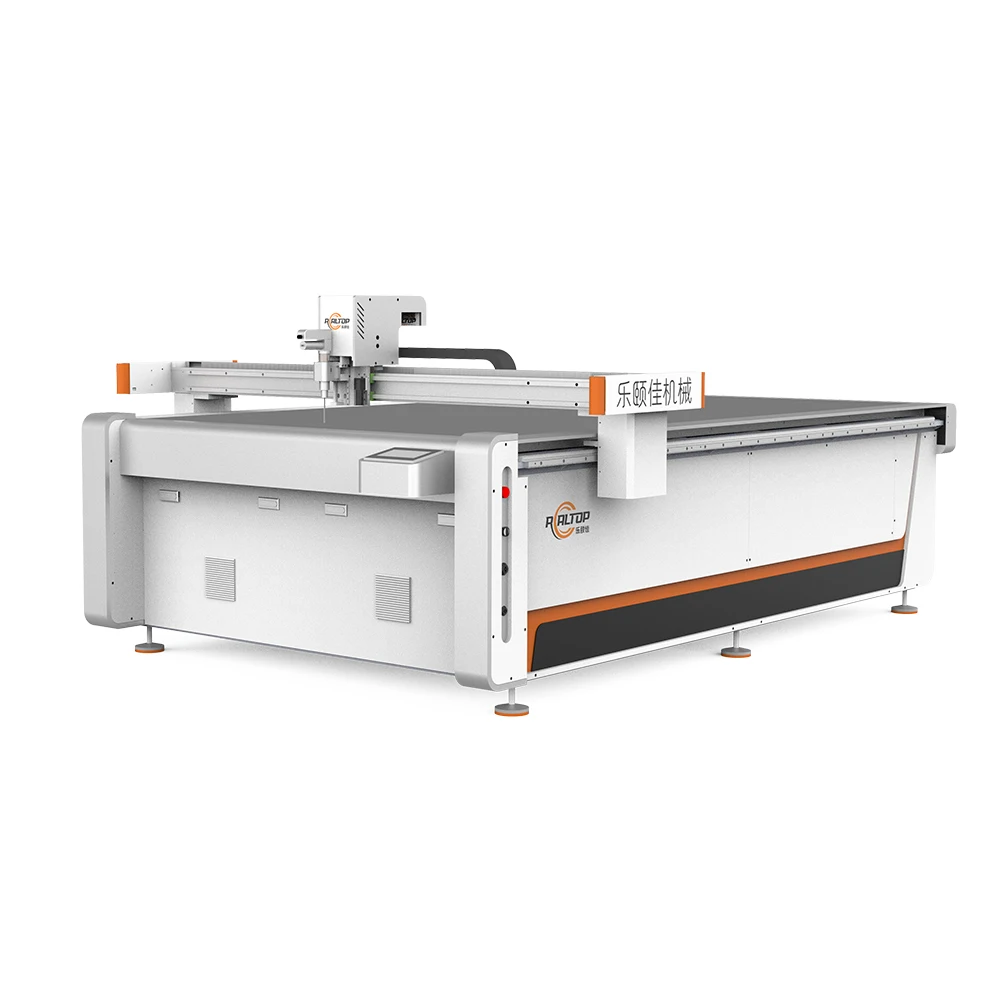
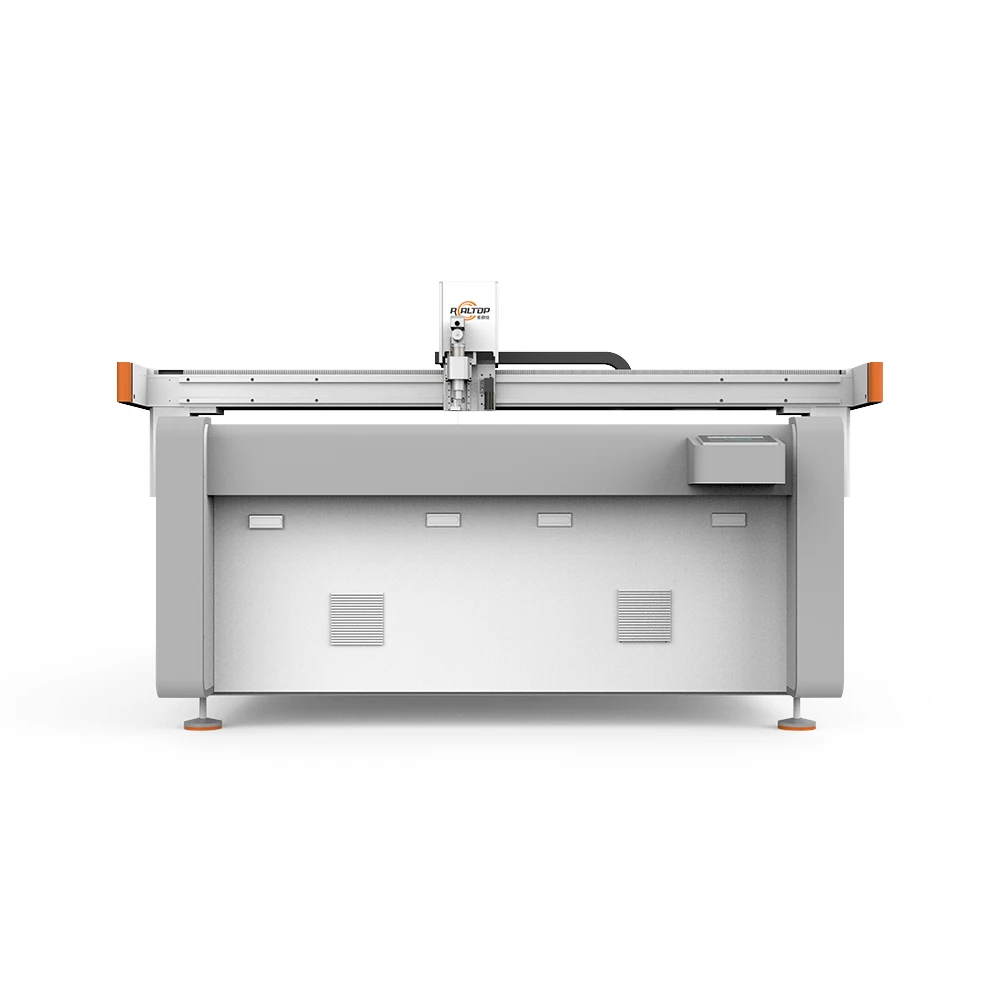
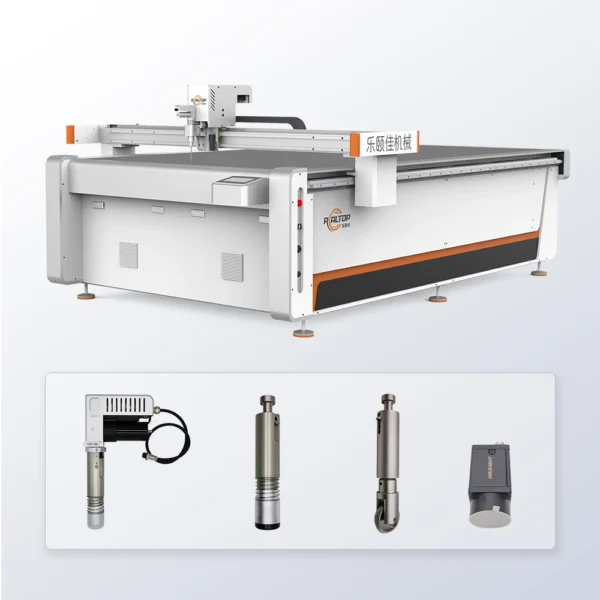
| Product Type | CNC Oscillating Knife Cutting Table |
| Model | 1625 |
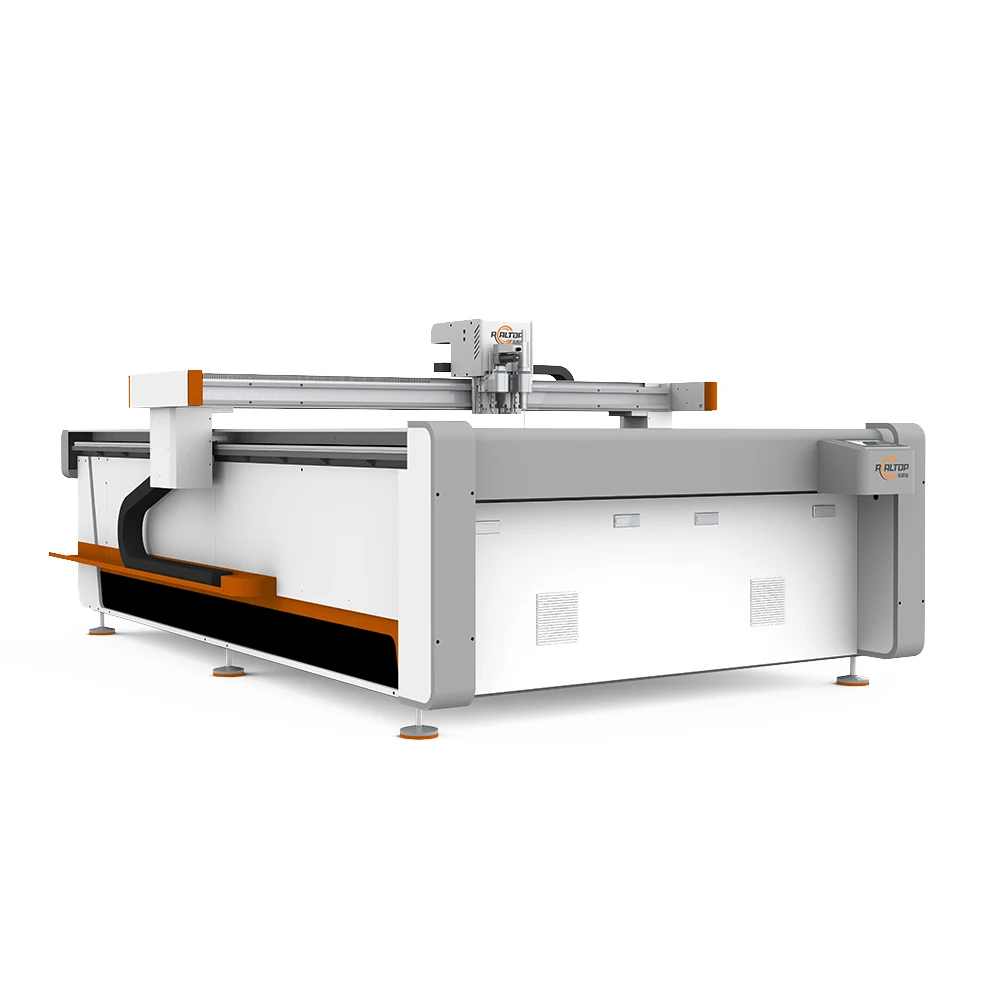
| Working Area | 1600×2500 mm |
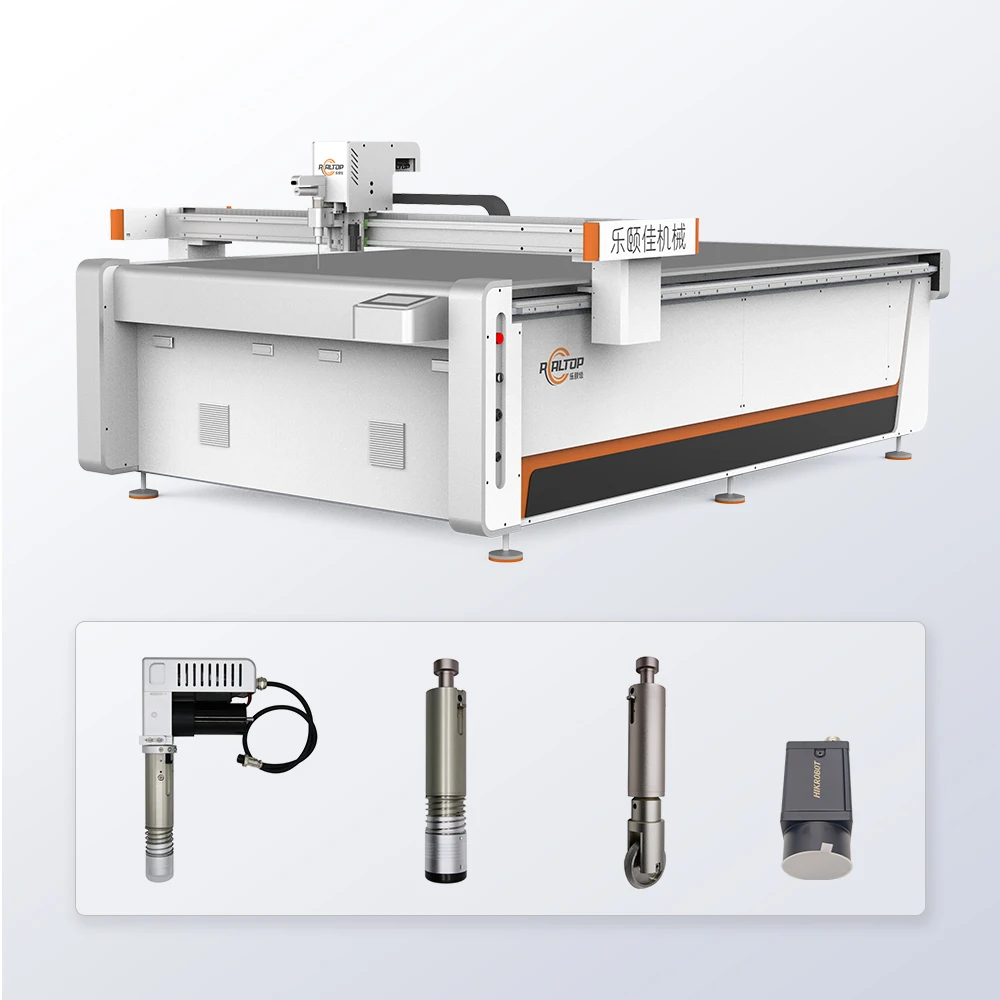
| Tool Head Options | Oscillating knife, Driven rotary knife, Creasing wheel, Kiss cutting tool, Pneumatic knife, Milling tool, V groove knife |
| Cutting Speed | 0-1500 mm/s |
| Cutting Thickness | ≤ 40mm (basis not stated in source — confirm block format / material / thickness) |
| Positioning Accuracy | ±0.1 mm |
| Vacuum Pump Power | 9 kW |
| Vacuum Table | Aluminum bellows vacuum table |
| Drive System | Servo motors (Panasonic, Delta, Dorna options) |
| Control System | PLC control panel with optional display languages |
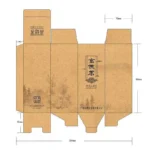
| Software & File Formats | PLT, DXF, AI, PDF; dedicated packaging box structure design software included |
| Voltage Options | 110V, 220V, 380V (frequency not specified in source) |
| Language Options | English, Russian, Italian, Chinese (special languages customizable) |
| Safety Device | Infrared sensor device and emergency stop device |
| Machine Size | 3300×2100×1350 mm |
| Assembly State | Fully assembled |
| Standards | CE |
Application Suitability
| Application | Material or Output |
|---|---|
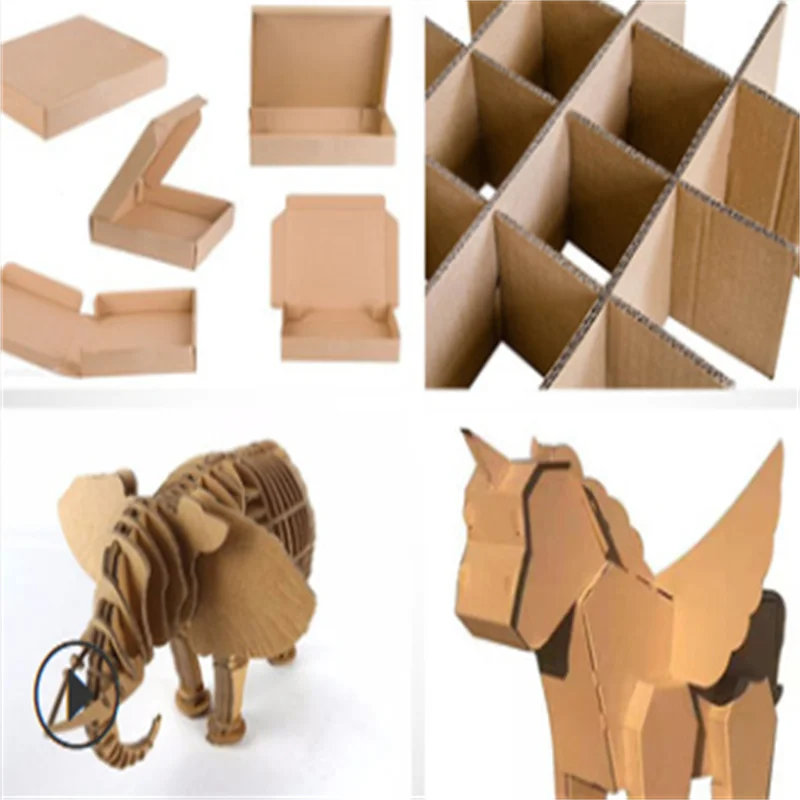
| Packaging sample making | Corrugated cardboard (E-flute, B-flute, BC-flute), greyboard, cardstock, art paper |
| Short-run packaging production | Specialty paper, PVC, PET, thin plastic sheets without die molds |
| Protective insert cutting | EVA foam, EPE foam, PU foam for packaging liners |
| Textile and leather prototyping | Velvet, fleece fabric, non-woven fabric, leather, synthetic leather |
| Composite and gasket cutting | Rubber mats, adhesive-backed materials, composite sheets |
Why Specifying Only the Working Area Ruins the First Production Run
A cutting table sized for 1600×2500 mm sheets means nothing if the oscillating knife cannot penetrate your five-layer BE flute at production speed.
I learned this the hard way in a Shandong factory last year. We configured a CNC oscillating knife cutting table for a carton plant based on their three-layer E-flute samples. When they ran five-layer BE-flute board in actual production, the blade could not cut through cleanly. Edges came out crushed with visible burrs, and an entire batch was scrapped before we traced the mismatch back to tool head and vacuum settings.
Most buyers start their inquiry with table size and assume everything else follows. But corrugated flute type, board density, and the number of layers determine whether an oscillating knife or a pneumatic knife is the correct tool. Vacuum zoning decides whether small nested parts stay flat or lift mid-cut [NEED_CITE: vacuum hold-down requirements for corrugated board by flute type]. Voltage and control language are often left until the machine is crated, which is exactly when misunderstandings become expensive to fix.
Tool Head Selection Determines Edge Quality on Every Flute Profile
The 1625 supports seven interchangeable tool heads, and choosing among them is not optional — each produces a different edge finish depending on material structure. Oscillating knives handle single and double-wall corrugated cleanly when stroke frequency matches board density. Creasing wheels score fold lines on greyboard and cardstock without splitting the surface fibers. Kiss cutting tools slice through adhesive-backed labels and vinyl without damaging the release liner underneath.
For packaging producers running mixed flute types on short-run jobs, the ability to swap tool heads between orders avoids the compromise of forcing one blade type through materials it was never designed for. The driven rotary knife option suits continuous cuts on fabric and non-woven rolls, while the V groove knife produces chamfered edges on foam inserts [NEED_CITE: tool head selection criteria for digital flatbed cutting].
Vacuum Table Zoning Prevents Small Part Lift at Production Speed
The aluminum bellows vacuum table on this CNC oscillating knife cutting table delivers high surface flatness, which matters when corrugated sheets have natural warp from storage. A 9 kW vacuum pump provides suction across the working area, but the real issue is zoning — small packaging inserts and nested die-cut shapes require segmented vacuum regions so that suction concentrates where material remains, not where it has already been cut away.
Without proper zoning, lightweight cardstock and thin E-flute pieces lift at the edges as the knife exits a cut path, producing misaligned creases and incomplete perforations. This problem typically surfaces only after the first nesting run, when the operator notices that parts near the sheet center cut cleanly while perimeter pieces show drag marks [NEED_CITE: vacuum zoning strategies for nested digital cutting].
Reading the Specs That Actually Matter for Packaging Output
Cutting speed rated at 0-1500 mm/s tells you the servo drive capability, but actual throughput depends on how many direction changes the tool path requires — a simple rectangle cuts faster than a complex box structure with internal perforations and registration marks. The ±0.1 mm positioning accuracy from Panasonic, Delta, or Dorna servo options ensures that crease lines land precisely on scored fold positions, which is critical when box structures must assemble without gaps.
The dedicated packaging box structure design software accepts PLT, DXF, AI, and PDF files, so existing design workflows carry over without format conversion. This matters for sample makers who receive client artwork in mixed formats daily. The PLC control panel supports multiple display languages, reducing operator errors when the machine runs in facilities with non-Chinese-speaking staff. Voltage options at 110V, 220V, and 380V cover most export markets, though the frequency specification needs confirmation before electrical components are sourced.
The Hidden Cost of Wrong Configuration Choices
When a buyer selects a drag knife for corrugated board that actually needs an oscillating action, the blade drags through flute walls instead of slicing them, producing ragged edges that fail quality inspection. A vacuum table without adequate zoning for the buyer’s typical nesting layout causes small gasket or foam insert pieces to shift, resulting in dimensional errors that only appear during assembly downstream. Software that cannot import the buyer’s existing DXF or AI files forces a manual redraw of every box structure, adding hours to sample turnaround [NEED_CITE: common configuration mismatches in digital cutting equipment procurement].
Why Source This CNC Oscillating Knife Cutting Table From Here
In-house design and production covers both knife and laser cutting technologies, so you select the cutting method that fits your material rather than forcing one technology across every job. Tool head and table configurations are specified per material type and production volume, confirmed through sample cutting on your own corrugated board or foam before commitment.
CCD camera positioning is available for printed contour work where registration marks must be tracked at production speed. Software compatibility is verified against your existing file formats during the quotation stage, not after delivery. Voltage, control language, and plug type are confirmed for your target market before the machine enters assembly, and sample cutting reports on your actual material ship with the documentation package.
Documentation & Verification
- Machine specification sheet listing confirmed tool heads and vacuum table zoning layout
- Electrical schematic with voltage and frequency matched to your facility supply
- Sample cutting report on your corrugated flute type and board weight before dispatch
- Tool head and table configuration list tied to your material thickness range
- Software licence and file format compatibility note for PLT, DXF, AI, PDF workflows
- Factory test record showing positioning accuracy across the full working area
Installation, Commissioning & Support
- Fully assembled delivery at 3300×2100×1350 mm requires adequate workshop doorway and floor leveling
- Dedicated electrical circuit matching confirmed voltage option (110V, 220V, or 380V) before energizing
- Vacuum pump commissioning at 9 kW with zoning tested on your smallest nested part geometry
- Servo drive calibration verified to ±0.1 mm across the 1600×2500 mm working area
- Operator training on tool head changeover and creasing wheel depth adjustment
- Spare parts list covering oscillating knife blades, vacuum seals, and drive belts
What to Include in Your Inquiry
Send us the specific corrugated flute types, board weights, and maximum sheet dimensions you run daily, along with your target output volume. Confirm your facility voltage and frequency, the control language your operators need, and whether your existing design software exports in PLT, DXF, AI, or PDF. If you want sample cutting on your own material before ordering, ship a representative sheet and we will return a cutting report with the recommended tool head and vacuum configuration.
Frequently Asked Questions
Q: How do I verify the cutting thickness capacity for my specific flute type?
A: Send a sample of your actual corrugated board — including the flute profile and number of layers — so we run test cuts and confirm which tool head penetrates cleanly at production speed. The ≤40 mm rating is a general reference; real capacity depends on board density and flute structure.
Q: Which tool head works best for corrugated cardboard versus foam inserts?
A: Oscillating knives handle corrugated flutes by slicing through wall structures without crushing them. For EVA, EPE, or PU foam packaging inserts, a pneumatic knife or oscillating knife at adjusted stroke frequency produces clean edges. We confirm the selection during sample cutting.
Q: How does vacuum table zoning affect small packaging part cutting?
A: The aluminum bellows table supports segmented vacuum regions. When cutting small nested inserts, zoning concentrates suction under remaining material instead of open cut paths, preventing lightweight pieces from lifting and shifting during knife travel.
Q: Is the included software compatible with my existing box structure files?
A: The dedicated packaging design software imports PLT, DXF, AI, and PDF formats directly. We verify compatibility with your specific file exports during the quotation stage and document the results before you commit to an order.
Q: Are voltage and control language confirmed before shipment?
A: Yes. We confirm your facility voltage from the 110V, 220V, or 380V options, along with plug type and control panel language, before the machine enters final assembly. This is documented in the electrical schematic shipped with the machine.


商品评价
Clear filtersThere are no reviews yet.