


Fast Shipping
Carrier information

20k products
Payment methods

24/7 Support
Unlimited help desk

2-day Delivery
Track or off orders
Material-Matched Tooling — Tool heads and vacuum zones are specified against your actual corrugated grade and flute profile, not assumed from a generic sheet weight.
Technical Specifications
| Parameter | Value |
|---|---|
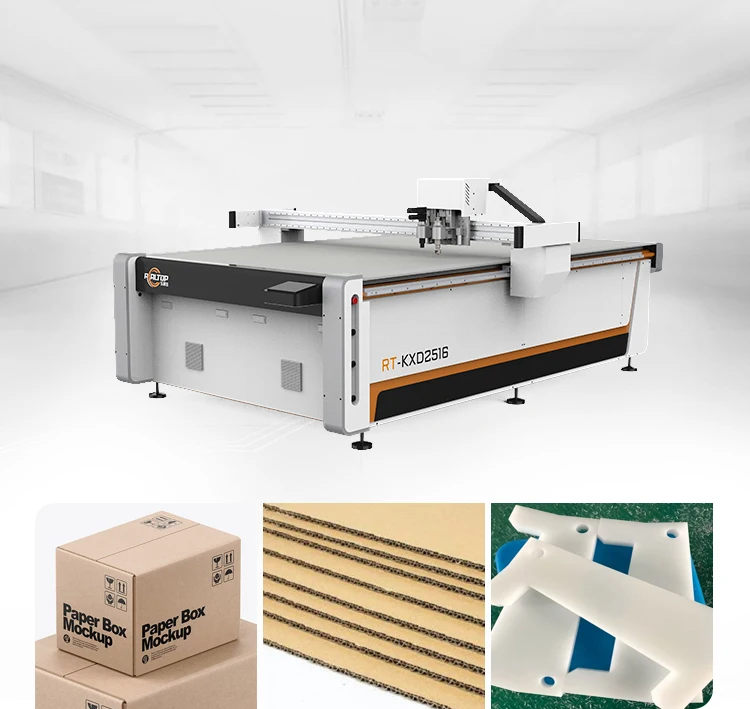
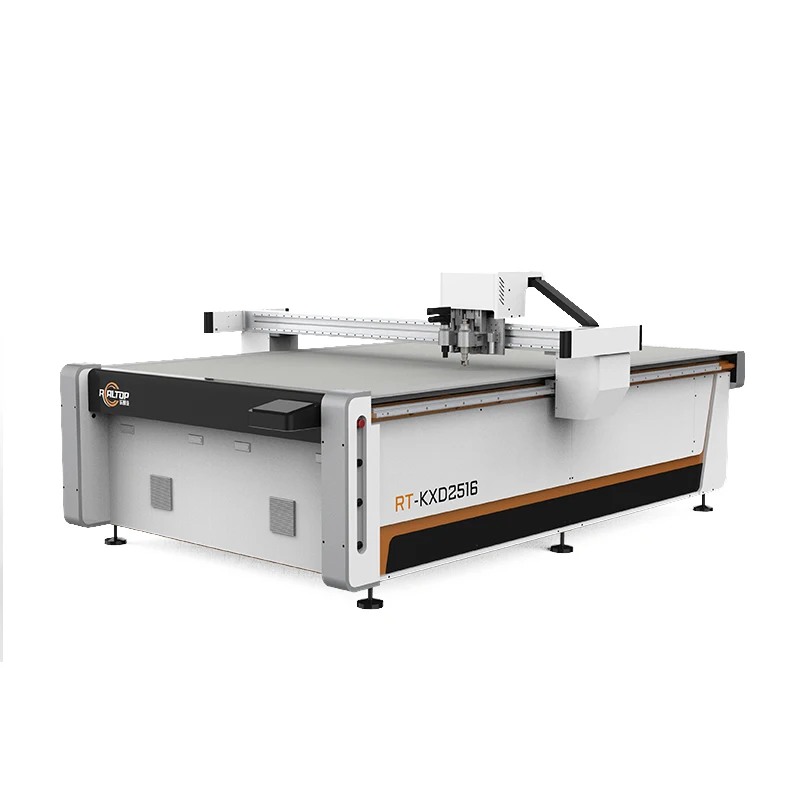
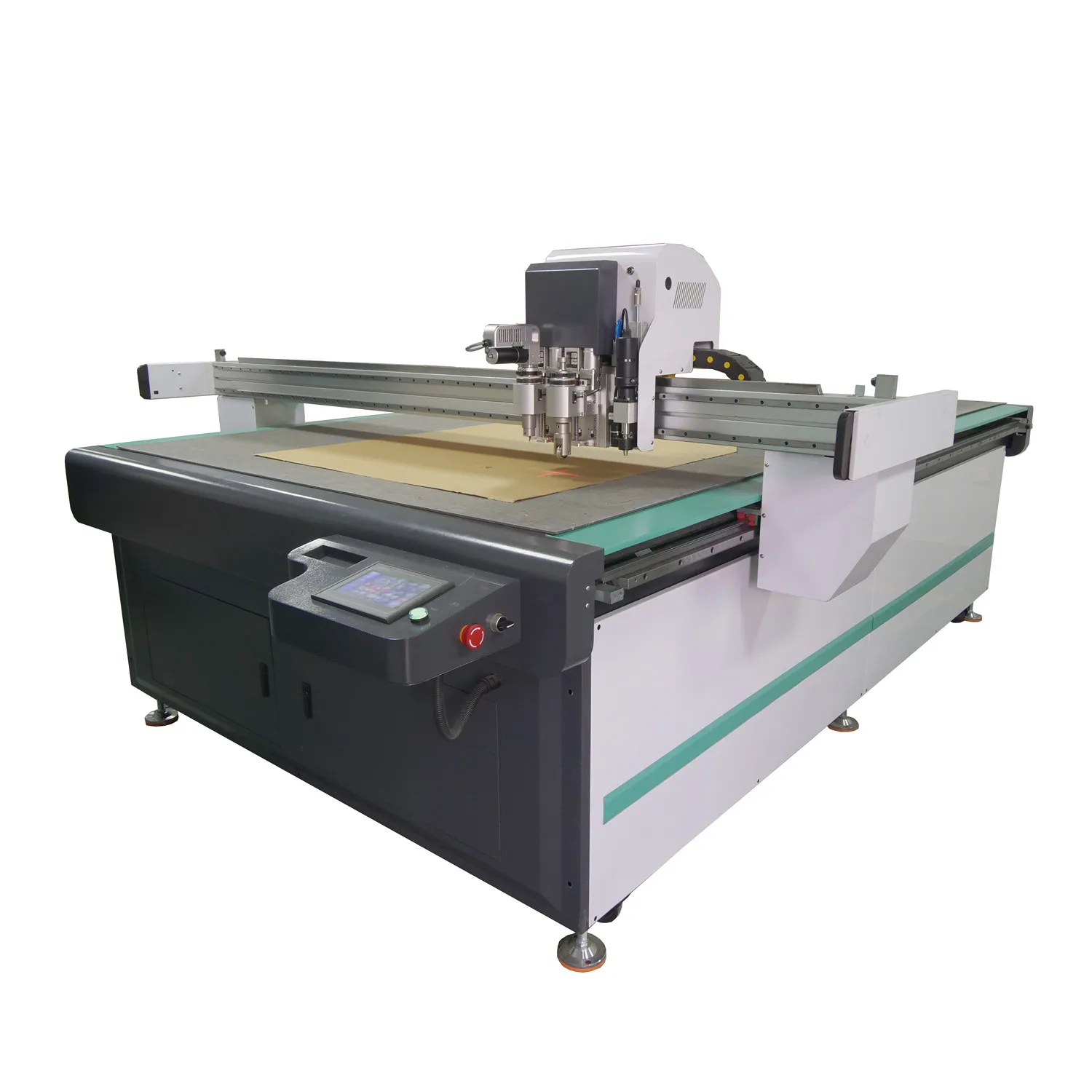
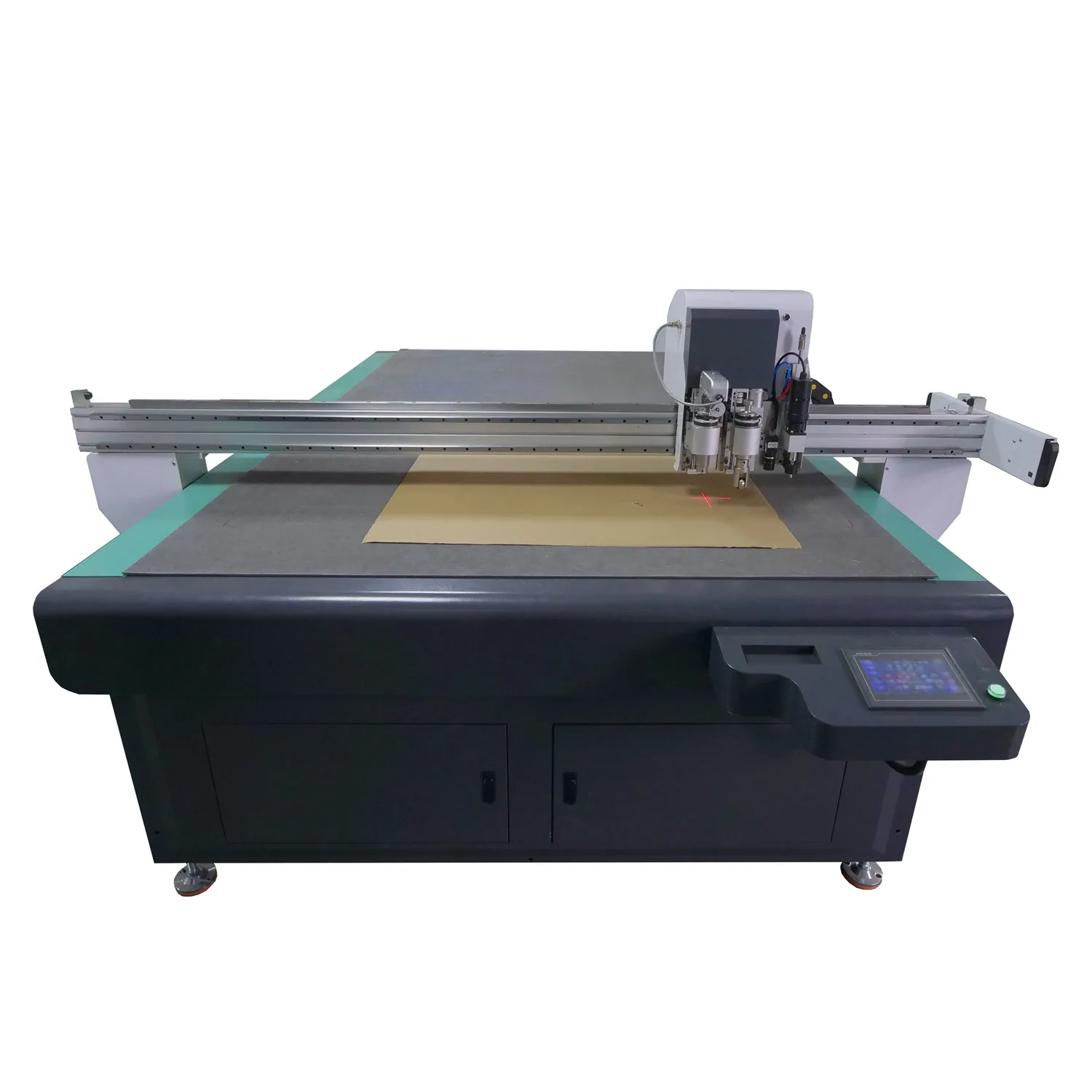
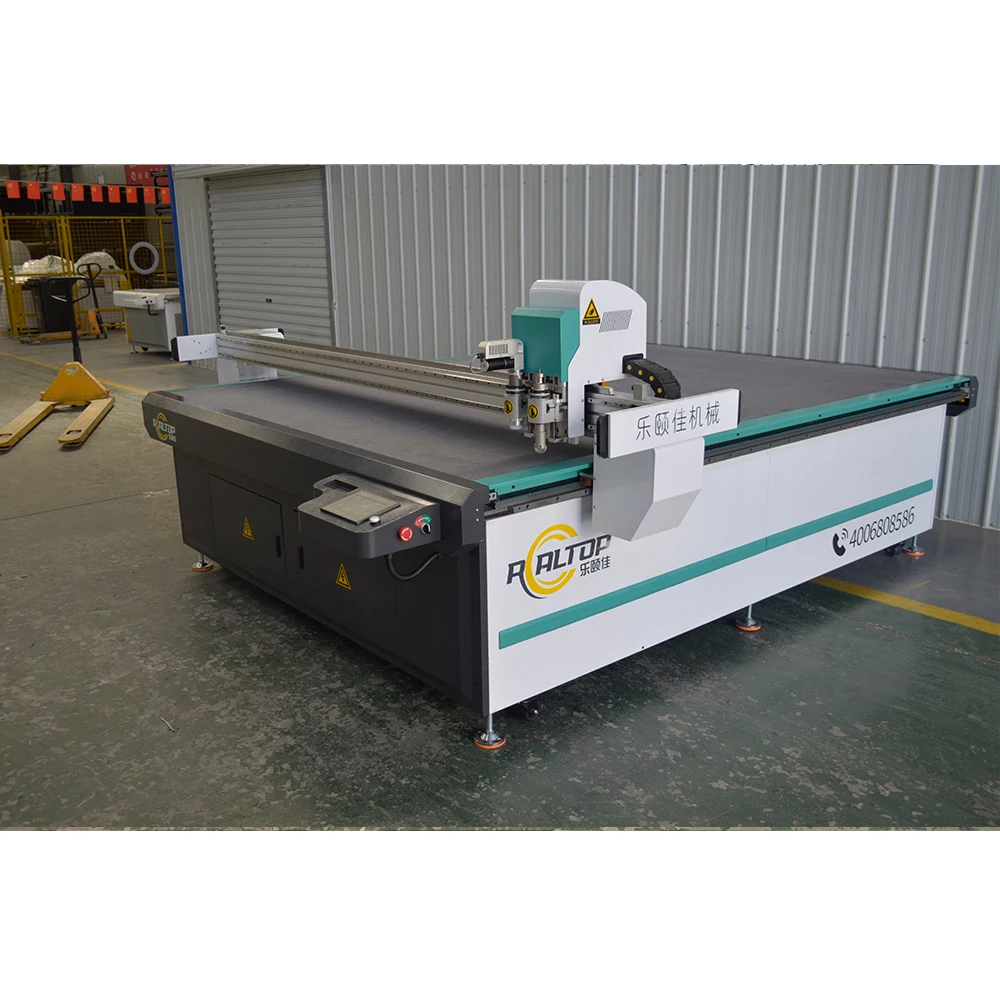
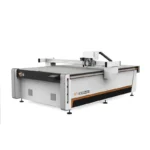
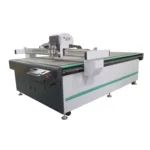
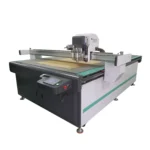
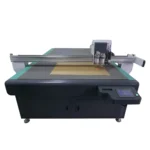
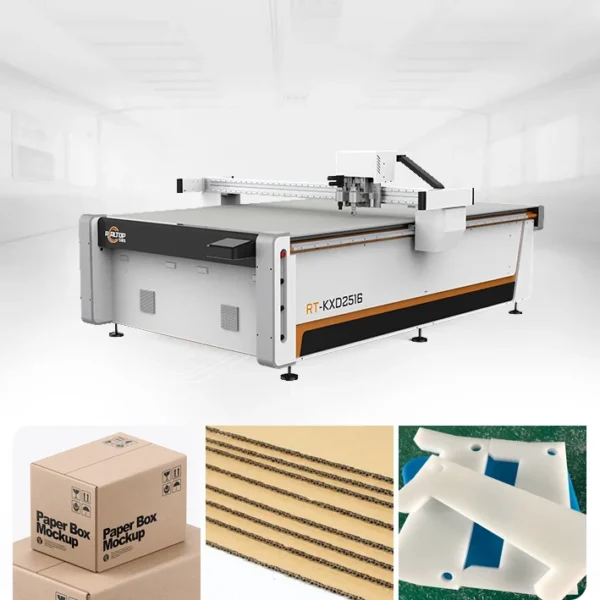
| Model | RT-D2516/RT-S2516 |
| Working Area | 1600×2500 mm |
| Machine Size | 3450×2300×1250 mm |
| Rated Power | 9 kW |
| Voltage | 380V±10% (configurable per market) |
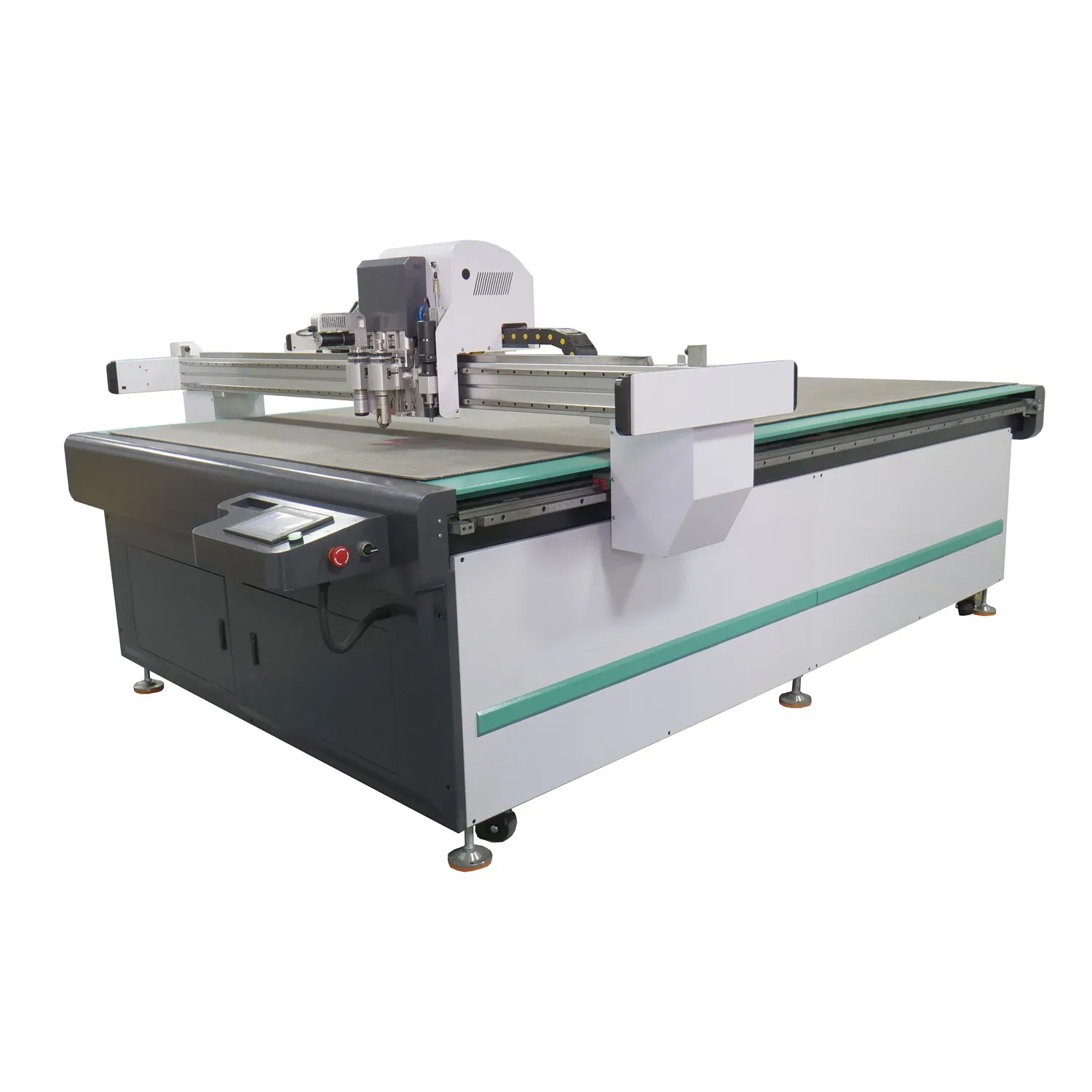
| Table Type | Flatbed aluminum air box or auto-feeding conveyor |
| Transmission | Digital servo motor, Taiwan Hiwin linear guide, synchronous belt, imported ball screw |
| Repeated Accuracy | ≤0.1 mm |
| Translational Velocity | 800–2000 mm/s |
| Cutting Thickness | Up to 100 mm (varies with material density and flute structure) |
| Vacuum Pump | 7.5 kW |
| Tool Head Options | Oscillating knife, pneumatic knife, drag knife, creasing wheel, V-cutting knife, circular knife, punching, dotted line knife |
| CCD Positioning | Small CCD mark point, panoramic camera recognition, or projection positioning |
| Instruction Format | HP-GL compatible; supports PLT, DXF, AI files |
| Control Panel | Touch screen with multi-language interface (English, Russian, Italian, Chinese, customizable) |
| Servo Motor Origin | China-made or Japan Panasonic (buyer selectable) |
| Safety | Infrared sensor barriers |
Application Suitability
| Application | Material or Output |
|---|---|
| Carton and packaging sample making | Single-wall, double-wall, and honeycomb corrugated cardboard; folding carton stock |
| Short-run box production | Printed corrugated sheets requiring CCD contour trimming |
| Gasket and sealing pad fabrication | Rubber, PTFE, ETFE, silicone, and compressed fiber sheets |
| Graphic display and POP cutting | Foam board, PVC sheet, PP hollow board, sticker and film laminates |
| Leather and footwear prototyping | Natural leather, PU synthetic, sponge composite materials |
| Automotive interior trimming | Non-woven fabric, carpet, PU foam, XPE, EVA padding |
Why the Wrong Tool Head Ruins More Than Just the Edge
The right CNC oscillating knife cutting machine specifications depend entirely on the material you actually run, not the material you hope to run.
Buyers often specify a machine based on working area alone, then discover the chosen tool head crushes foam instead of slicing it, or leaves ragged fibers on woven fabric. A creasing wheel that works on 300 GSM carton board will tear through 600 GSM greyboard. When the flute profile changes from B-flute to E-flute, the same oscillating frequency produces chatter marks along the cut line. I have seen packaging shops in Jakarta run moisture-proof corrugated board with standard blade angles and watch the edges delaminate in real time [NEED_CITE: oscillating frequency and blade angle selection for corrugated media]. The result is scrap, rework, and missed shipment windows.
Matching Tool Head to Board Grade and Flute Profile
Corrugated cardboard is not one material. It is a composite structure where the liner, the medium, and the adhesive each respond differently to blade geometry and oscillation frequency. An oscillating knife with a high-frequency, short-stroke setting slices cleanly through single-wall B-flute without crushing the arches. Switch to double-wall BC-flute at the same setting and the blade deflects mid-cut, producing a beveled edge that will not fold square. For folding carton stock under 1 mm, a drag knife with a sharp acute angle produces a cleaner score-free cut than any vibrating blade. The creasing wheel must match the flute depth and the fold direction — a wheel set too shallow cracks the liner, set too deep and it cuts through.
Vacuum Zoning and the Small-Part Lift Problem
Vacuum holding force is not uniform across the table surface. When cutting large carton blanks, the suction area covers most of the sheet and the material stays flat. Cut those same blanks into small inserts or partition dividers and the remaining vacuum zone under each piece may be too small to counteract the blade drag. The aluminum air box platform on this system is available in integrated or split-box zoning, so the operator can isolate suction to the active cutting region. For nested layouts with many small parts, split zoning prevents the tail end of the sheet from lifting as surrounding material is removed [NEED_CITE: vacuum table zoning requirements for nested small-part cutting]. A 7.5 kW pump provides sufficient negative pressure, but only if the zone valves are configured for your typical nest layout.
What the Specs Actually Mean on the Shop Floor
The ≤0.1 mm repeated accuracy figure comes from the combination of a digital servo motor, Taiwan Hiwin linear rail, and imported ball screw drive. In practice, this matters most when cutting interlocking carton joints — a tab-and-slot fit that is off by 0.3 mm will not assemble without force, and forced assembly cracks the crease. The 800–2000 mm/s translational velocity range is not a constant cutting speed; it is the head travel speed between cuts and during straight runs. Actual cutting speed through 5 mm double-wall corrugated is lower and depends on blade type and oscillation frequency. The HP-GL compatible instruction system accepting PLT, DXF, and AI files means most packaging CAD outputs import without intermediate conversion. The touch-screen control panel supports multiple languages, which matters when the machine ships to a factory floor where the operators do not read English or Chinese. Voltage at 380V±10% is standard for three-phase industrial supply, but must be confirmed against local distribution before the transformer is wound.
The Hidden Cost of Skipping the Sample Cut
A machine configured on paper will cut paper. The question is whether it will cut your paper. Moisture-resistant corrugated board uses a different sizing chemistry than standard kraft liner, and that chemistry changes how the blade wears and how the vacuum grips the surface. Coated folding carton reflects CCD light differently than uncoated stock, which can cause mark recognition to fail at production speed. Honeycomb cardboard has a non-uniform internal structure that demands a different downstroke pressure than solid fiber board of the same caliper. When these differences are discovered after installation instead of before, the cost shows up as unplanned downtime, emergency blade orders, and production schedules that slip [NEED_CITE: material variability impact on digital cutting setup time].
Why Procurement Teams Source This Equipment Here
The tool head range — oscillating knife, drag knife, creasing wheel, V-cutting knife, pneumatic knife, punching, and circular knife — means the cutting method is chosen for the material, not forced from a single-tool machine. CCD camera options span small mark-point positioning, panoramic recognition, and projection positioning, so the contour recognition system matches the print registration method your shop already uses. The vacuum table comes in integrated or split aluminum air box configurations, configured to the nest layout you actually run. Software file format compatibility for PLT, DXF, and AI is confirmed before the order is placed, not after the machine arrives. The servo motor is available in China-made or Japan Panasonic origin, letting buyers balance cost against serviceability in their local market.
Documentation & Verification
- Machine specification sheet listing configured tool heads, vacuum zone layout, and voltage
- Electrical schematic with confirmed voltage and frequency for destination country
- Sample cutting report produced on your submitted corrugated or gasket material
- Tool head and table configuration list matched to your material and volume
- Software licence and file format compatibility note confirming PLT, DXF, AI support
- Factory test record with dimensional accuracy measurement before crating
Installation, Commissioning & Support
- Foundation must support 3450×2300 mm footprint and 9 kW total connected load
- Dedicated 380V three-phase circuit with confirmed ±10% tolerance at the panel
- Machine ships fully assembled; requires leveling and vacuum hose connection on site
- First-run parameter tuning for your specific board grade and flute profile during commissioning
- Operator training on tool head changeover, CCD calibration, and zone valve settings
- Spare blade, creasing wheel, and vacuum cup list included with initial shipment
What We Need to Configure Your Machine
Send the material type, flute profile or caliper, maximum sheet size, and the fold or cut geometry you run most often. Tell us the local voltage, frequency, and the language your operators read. If you use an existing CAD or nesting software, share a sample file so we confirm import compatibility before quoting. We cut samples on your actual material and send the pieces to you before any commitment.
Frequently Asked Questions
Q: How do I choose between an oscillating knife and a drag knife for my carton stock?
A: Oscillating knives suit thicker, multi-layer materials like double-wall corrugated and foam board where the vibrating stroke clears chips from the kerf. Drag knives work better on thin, dense stock like folding carton and sticker film where a static blade produces a cleaner shear. The correct choice depends on your specific material caliper and edge requirement, which we verify by cutting samples on your submitted stock.
Q: Can the CCD camera track printed marks on glossy coated corrugated?
A: Glossy and coated surfaces reflect ambient light differently, which can confuse standard CCD sensors at high travel speeds. The panoramic camera recognition option reads a wider field and handles reflective substrates more reliably than single-point mark reading. We test your actual printed sheet during the sample phase to confirm recognition stability before locking the configuration.
Q: Will the vacuum table hold small nested parts without lifting?
A: Small parts lose suction when surrounding material is cut away, leaving insufficient vacuum area beneath each piece. The split-box aluminum air platform isolates suction zones so only the active cutting region draws vacuum, maintaining hold-down force on remaining parts. Zone layout is configured based on the nest patterns you submit before build.
Q: Does the software import my existing DXF and AI packaging files directly?
A: The control system accepts PLT, DXF, and AI formats and includes automatic typesetting software. File layer structure, line weight conventions, and tool path assignment rules vary between CAD platforms, so we run your sample files through the import process during the pre-order phase and document compatibility in a written note before production begins.
Q: How are voltage and control language confirmed before shipment?
A: We record the destination country’s voltage and frequency standard, confirm it with your facility electrician, and note the required control panel language on the order specification sheet. The electrical schematic and voltage confirmation document are sent for your sign-off before the transformer and control board are installed.


商品评价
Clear filtersThere are no reviews yet.