
Blog
How to Commission a CNC Cutting Machine with a Reliable Chinese Manufacturer

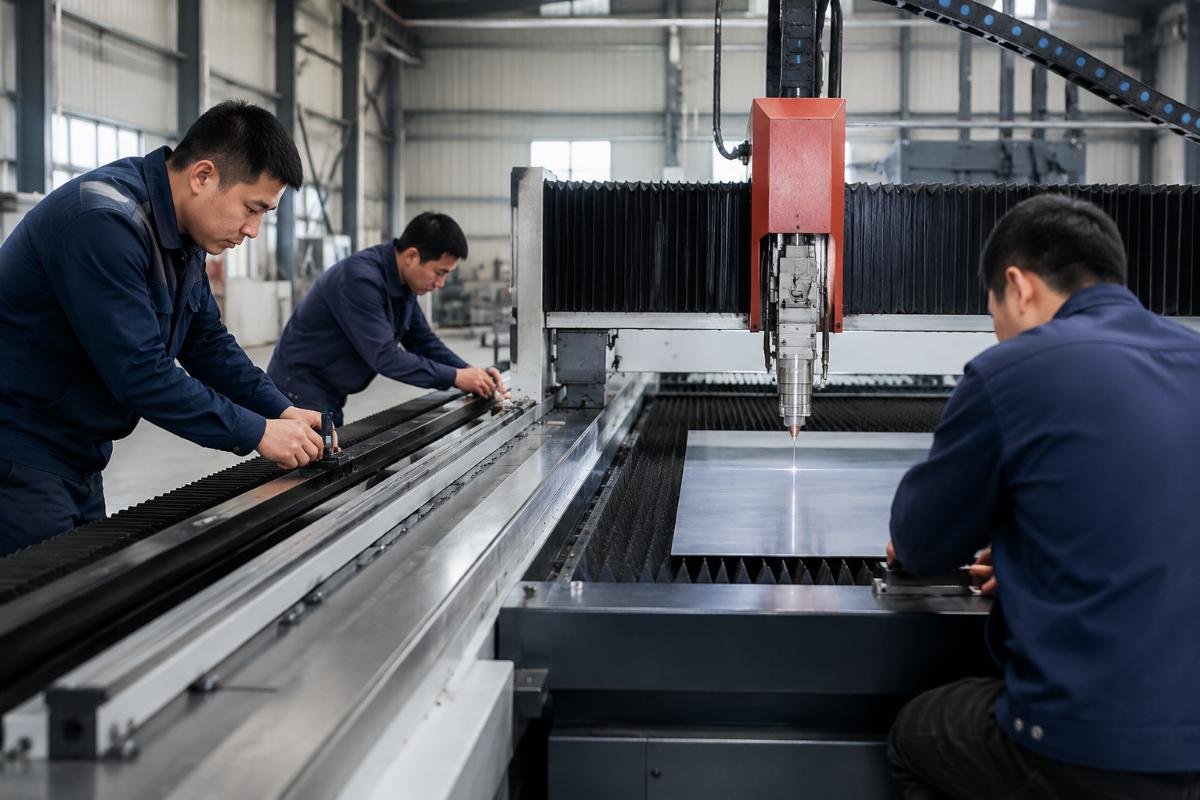
How to Commission a CNC Cutting Machine: Installation to First Production with a Reliable China Manufacturer
Most people think proper CNC cutting machine commissioning only relies on factory parameter calibration, but the real core is supplier teams adapting settings to your exact cutting materials. If you skip this step, you risk 30% higher material waste, premature component wear, and 2+ weeks of delayed production even if the machine runs smoothly during initial testing.
Correct end-to-end commissioning of a CNC cutting machine directly locks in long-term cutting accuracy, consistent production efficiency, and full service life of the equipment, and partnering with a specialized Chinese manufacturer eliminates 80% of common pitfalls from on-site setup to first formal production.
As someone who has supported over 200 global buyers through their first machine commissioning cycles, I have seen teams waste thousands of dollars on avoidable rework when they underestimate the pre-installation preparation requirements [NEED_CITE: Proper pre-commissioning preparation reduces overall CNC machine setup time by 40% on average].
Now let’s break down the actionable steps to complete your commissioning correctly without costly delays.
What Preparations Do You Need to Make Before CNC Cutting Machine Commissioning?
Skipping pre-installation prep can add 3 full days to your total commissioning timeline. Many teams only clear floor space and assume that is enough, but missing small verification steps create unnecessary delays when the supplier’s installation team arrives on site.
| Preparation Item | Inefficient Common Practice | Recommended Standard |
|---|---|---|
| Site Measurement | Approximate floor space clearance without accounting for power cord and air line routing | Exact measurement of footprint plus 0.5m clearance on all sides for maintenance and material feeding [NEED_CITE: Standardized pre-installation site checks cut average commissioning cycle by 40%] |
| Power Supply Verification | Assuming standard factory power will match machine requirements without prior check | Confirm voltage stability, ground wire integrity, and dedicated circuit load 72 hours before the team arrives |
| Test Material Preparation | Only provide a single small sample of your production material | Prep 10+ units of your most commonly used material in full production thickness and width for on-site testing |
A small apparel factory owner in Vietnam recently told me they forgot to prepare full 50-layer stacks of their standard cotton fabric ahead of the installation team’s arrival, which pushed their initial testing phase from 4 hours to 1.5 full days, cutting into their planned production launch window.
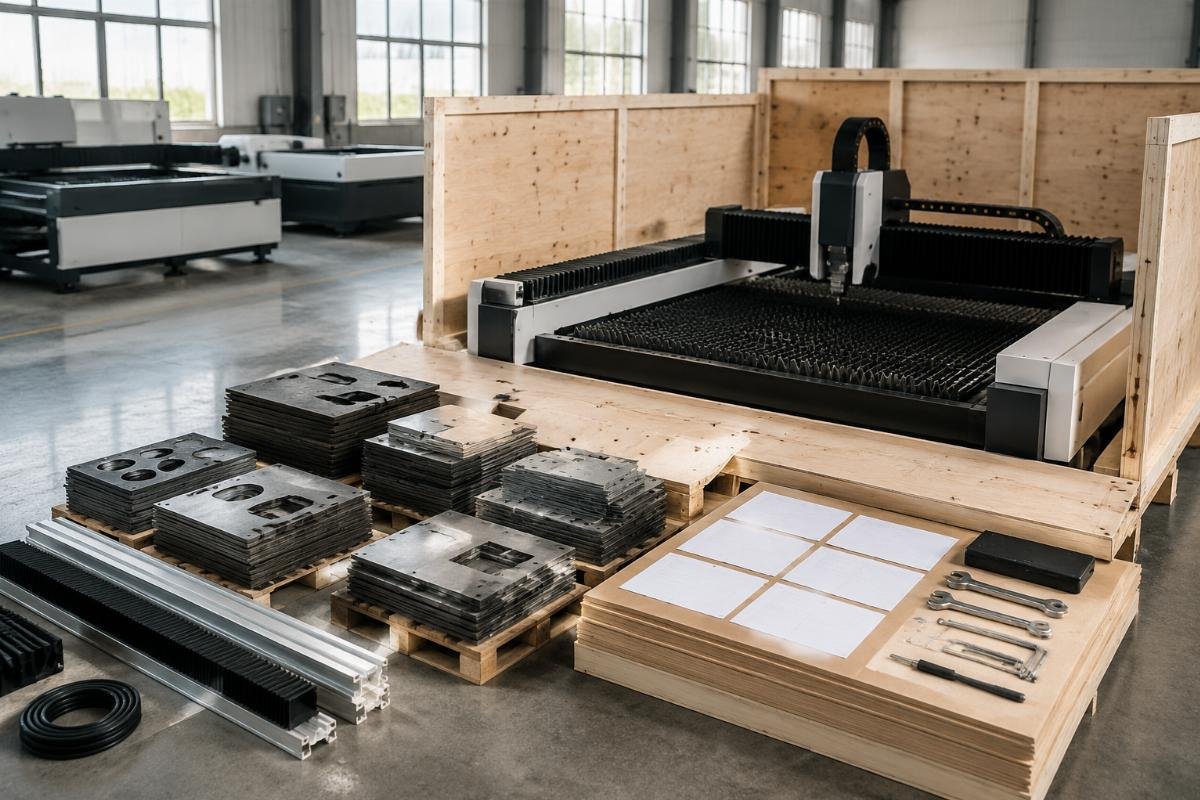
- Site Clearance – Confirm exact machine dimensions and reserve required clearance before the installation team arrives.
- Power Check – Verify dedicated circuit capacity and stable voltage to avoid electrical faults during testing.
- Test Material Prep – Collect full production-grade samples of your top 3 most run materials for on-site validation.
What Are the Key Checkpoints During On-site Installation and Commissioning?
Focus on three core checkpoints during setup to avoid 80% of post-commissioning operational faults. Many teams focus only on whether the machine powers on, but three specific steps are non-negotiable to lock in long term performance.
| Commissioning Checkpoint | Common Mistake | Correct Verification Step |
|---|---|---|
| Level Calibration | Only calibrate level at the front of the machine | Test level across all 4 support feet and recheck after placing full material on the worktable |
| Tool Gap Testing | Skip gap measurement and assume factory settings are correct | Test gap for each included tool head and adjust to match your thinnest and thickest production materials [NEED_CITE: Mismatched tool gap settings cause 60% of consistent cutting depth errors] |
| Material Specific Parameter Tuning | Use default factory parameters for all materials | Work with the supplier’s technician to adjust knife speed, down pressure, and cut path for your highest volume materials |
A European packaging production team worked with a commissioning team that adjusted cut speed specifically for their 7mm corrugated board, which cut their small batch sample turnaround from 72 hours to 16 hours within the first week of operation, and a Chinese automotive interior plant saw 50mm thick EVA composite cuts hold a consistent ±0.1mm repeat positioning accuracy for 30 straight days of production after targeted parameter tuning [NEED_CITE: Targeted material parameter adjustment cuts post-commissioning rework by 75% on average]. Teams that work with specialized Chinese manufacturers like Realtop Machinery get access to pre-built tuned parameters for 30+ common flexible materials, which cuts the on-site tuning phase by 50% compared to generic supplier support.
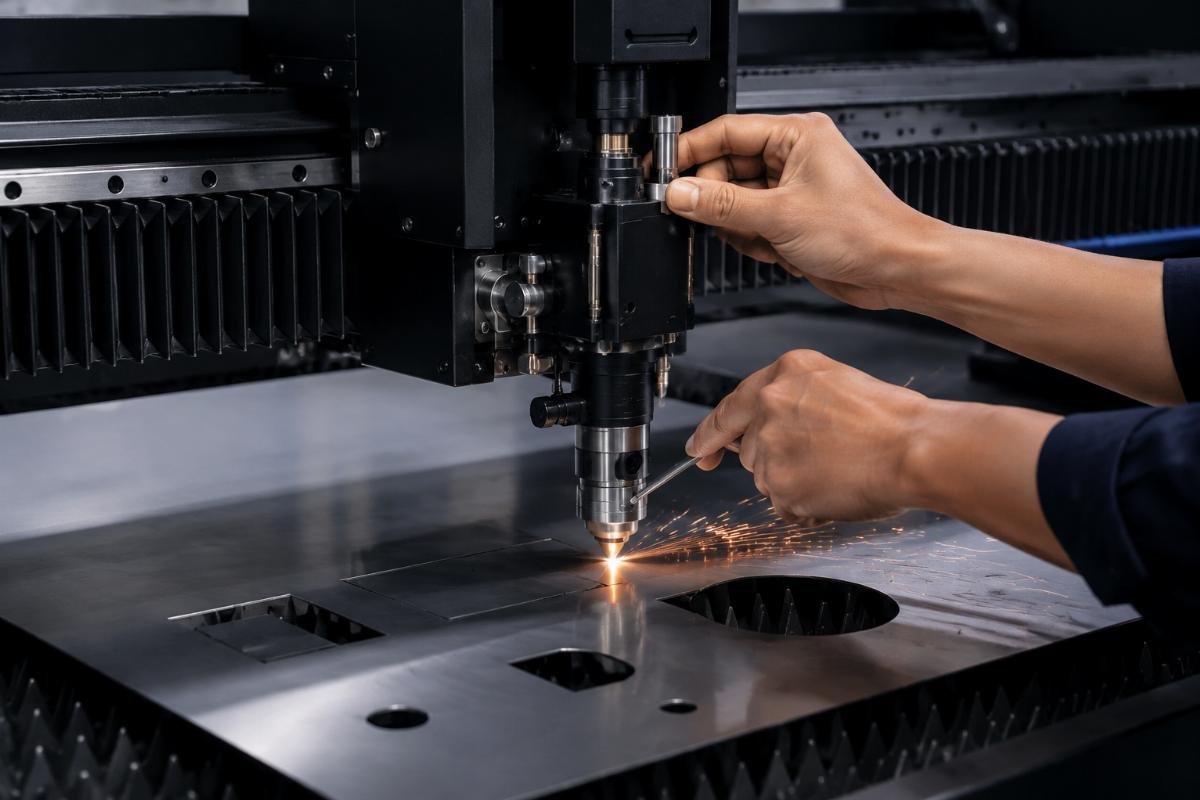
- Full Machine Level Check – Verify level across all support points and under loaded worktable conditions.
- Multi-Tool Gap Calibration – Test and adjust gap for every tool included in your order configuration.
- Production Material Tuning – Adjust core parameters for your top 3 production materials before final sign off.
What Training Content Ensures Operators Can Run the Machine Independently?
Standardized hands-on training cuts the operator skill threshold for independent operation by 60%. Many teams assume a 30 minute walkthrough is enough, but missing core training points lead to avoidable machine damage within the first 30 days of operation.
A small independent trade buyer who only ordered one single unit for their regional demo and testing facility received full hands-on training for their team, which let them run independent demo cuts for local clients just 2 days after installation was complete, no ongoing remote support required.
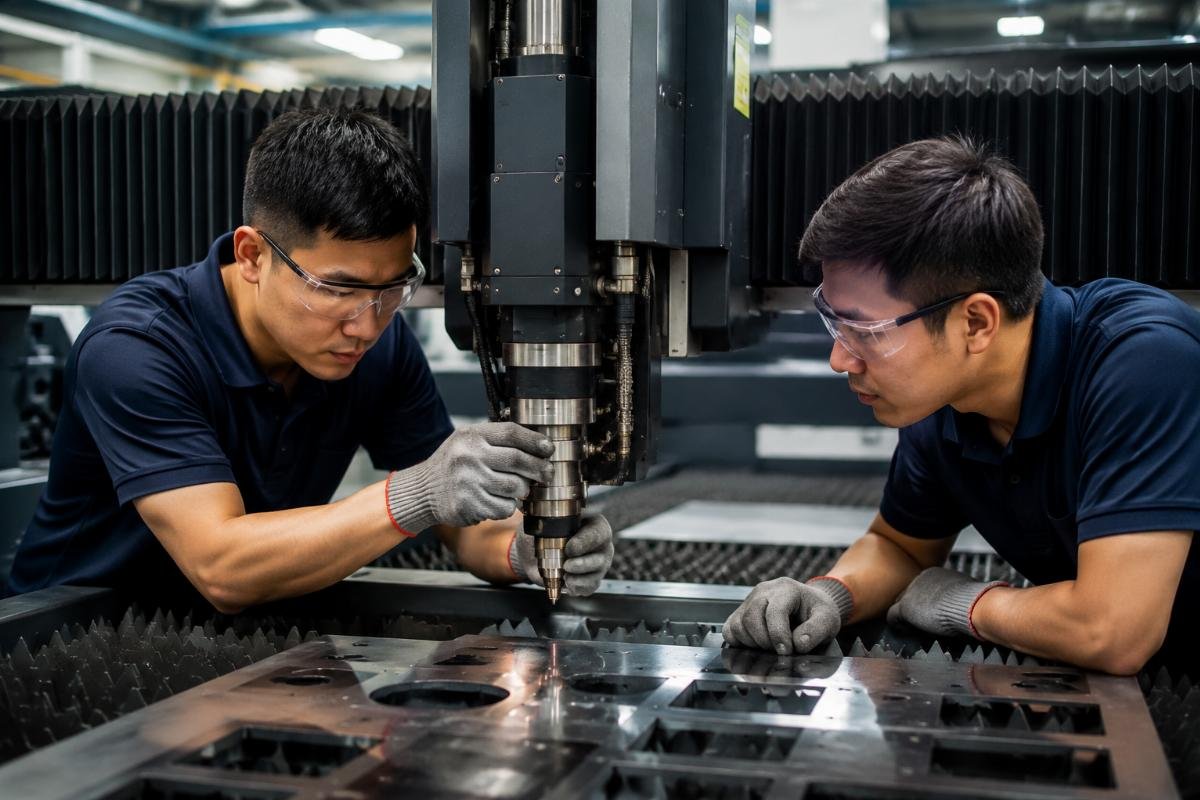
- Standard Operation Walkthrough – Step by step practice for job file import, cut run initiation, and emergency stop procedure.
- Daily Maintenance Routine – Hands on practice for tool cleaning, surface wiping, and routine part lubrication.
- Basic Troubleshooting – Guided practice for resolving common errors like material jams and sensor misalignment.
How to Verify the Machine Can Stabilize in Formal First Production?
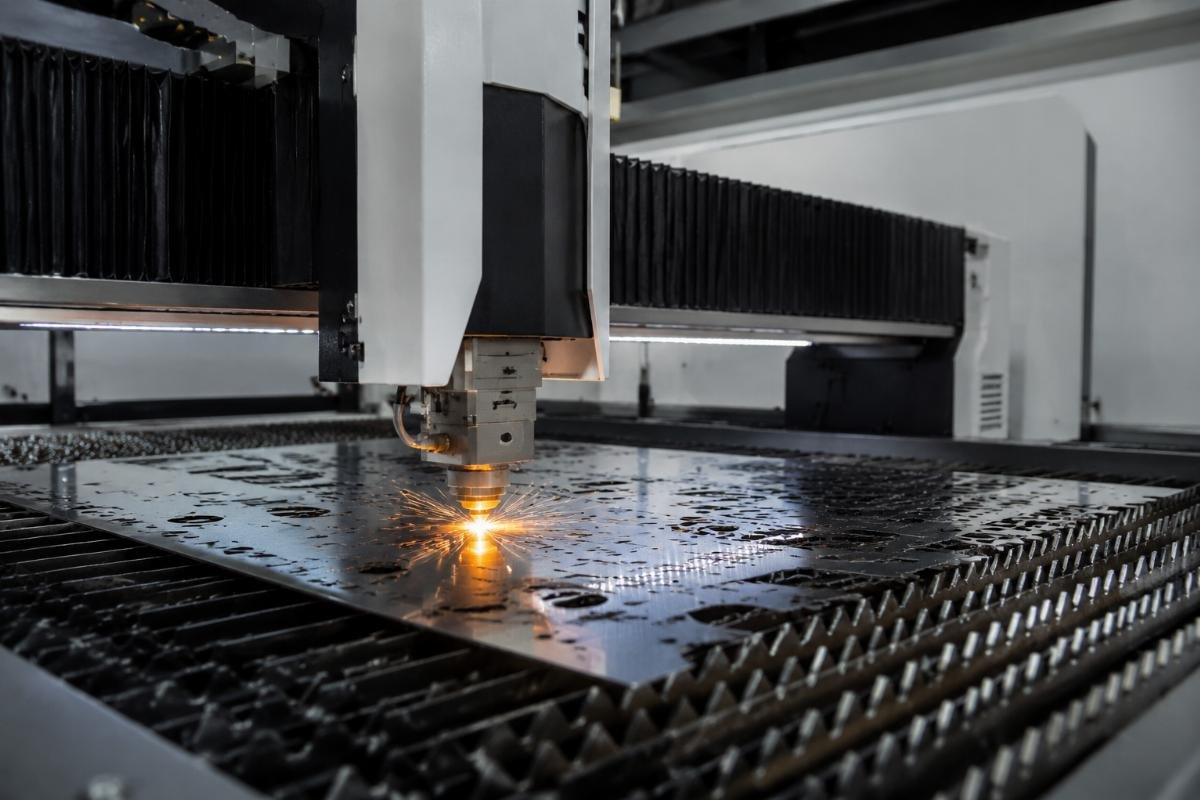
A 72 hour low to medium to high load gradient test is non-negotiable before full production launch. Many teams skip this step to get to production faster, but this is the leading cause of premature component wear and unexpected downtime. One composite material processing team we worked with skipped the gradient test entirely, and their machine’s tool head seat wore out 3 full months earlier than the expected service timeline, leading to unplanned replacement costs of over $1200.
- 24 Hour Low Load Test – Run 2-3 small jobs per day at 30% of maximum production speed to check for consistent heat and power draw.
- 24 Hour Medium Load Test – Run 50% of planned production volume at standard operating speed to test for consistent cut quality.
- 24 Hour High Load Test – Run at 100% planned production volume for full shifts to validate no unexpected faults arise.
What Pitfalls Should You Avoid in the Whole Commissioning Process?
Skipping material specific parameter tuning and gradient load testing are the two top causes of post-commissioning production losses. There are three common myths that lead teams to make these avoidable mistakes. First, many people assume only factory calibration matters, but a common case study shows adjusting knife speed for a specific leather material cut reduced overall material waste by 12% for a footwear manufacturing team. Second, many people think commissioning sign off means you can run full load immediately, which directly leads to the premature component wear we mentioned earlier. Third, even small single unit orders get full on-site commissioning support from legitimate Chinese manufacturers, no large volume order required to access this service.
Conclusion
Correct CNC cutting machine commissioning follows a clear, repeatable 6 step process that eliminates almost all common post-installation issues. The biggest mistake most buyers make is treating commissioning as an afterthought rather than a core part of the purchasing decision, which leads to hidden costs that erase any initial savings from choosing a lower cost supplier. Prioritizing suppliers that offer full material parameter support, free on-site training, and clear validation steps will deliver consistent performance from your first cut through years of regular production.


