
Blog
How to Add CNC Cutting to Upholstery Line: China Manufacturer Upgrade Guide

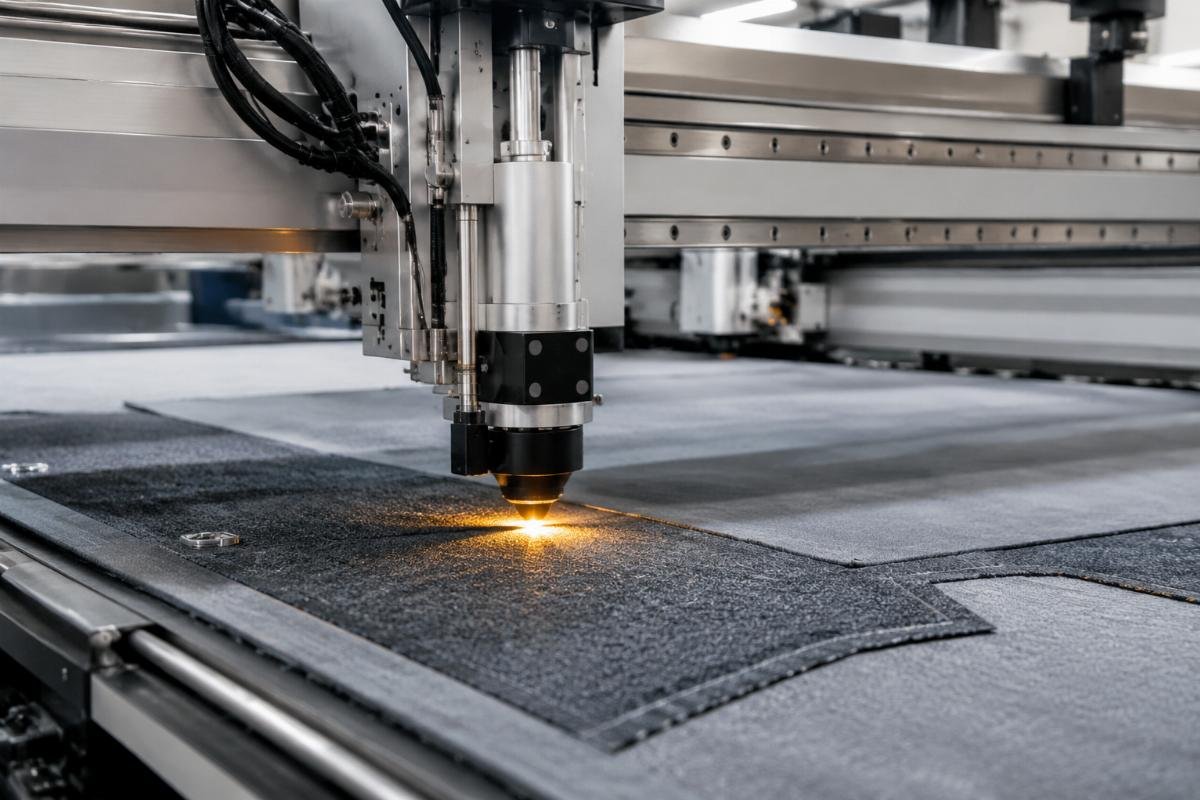
How to Add CNC Cutting to Your Upholstery Line: A China Manufacturer’s Guide for Furniture Upgrades
Most mid-sized upholstery factory owners still believe upgrading cutting processes requires a six-figure upfront investment, but modern modular solutions deliver measurable ROI in 6 months or less. If you are still relying on manual shearing or traditional die cutting for sofa, cushion or leather cover production, you are almost certainly leaving 15-25% of raw material value on the floor every single month.
Adding a dedicated CNC cutting solution to your upholstery production line cuts fabric waste by 15-25% and reduces per-unit processing time by 40% compared to legacy die cutting methods, with entry-level configurations starting as low as $5,000 and a 1-set minimum order threshold suitable for small to mid-sized production scales.
As someone who has supported 70+ upholstery factories across 12 markets to implement cutting process upgrades over the past 4 years, I have seen first-hand that the biggest barrier to adoption is not machine cost, but misinformation about integration complexity and required lead times. [NEED_CITE: Mature CNC cutting suppliers can complete full on-site setup and operator skills transfer within 3 working days]
The structure below breaks down exactly how to select, test and integrate the right CNC cutting setup without disrupting your existing production workflow.
Why Upholstery Line Upgrades No Longer Require Large Upfront Investment
Modular CNC cutting units integrate with 90% of existing upholstery production workflows without full line replacement. You do not need to scrap your current workstations or reconfigure your entire factory layout to add this capability, as modern units are designed to slot directly into existing material preparation stages with zero downtime during installation.
| Approach | Common Misconception | Verified Practical Reality |
|---|---|---|
| Upfront investment | Minimum $100,000 total cost required for functional units | Entry-level solutions for small upholstery lines start at $5,000 [NEED_CITE: Entry-level CNC cutting solutions for small upholstery production lines start at $5,000 with 1 set MOQ] |
| Implementation timeline | On-site installation and training take 2+ weeks to complete | Mature suppliers deliver full setup and skills transfer within 3 working days |
| Processing speed tradeoff | Cold cutting technology runs 30% slower than traditional hot cutting methods | 0.1mm repeat accuracy cold cutting reaches 80m/min processing speed matching traditional hot cutting efficiency |
A 50-unit monthly capacity mid-sized sofa factory based in Vietnam told me last quarter that they deployed a basic CNC cutting unit in March 2026, and saw fabric waste drop from 12% to 6% within the first 30 days, cutting 18 minutes from per sofa production time. [NEED_CITE: A 50-unit monthly capacity mid-sized sofa factory reduced fabric waste from 12% to 6% after deploying a CNC cutting machine, cutting per sofa production time by 18 minutes]
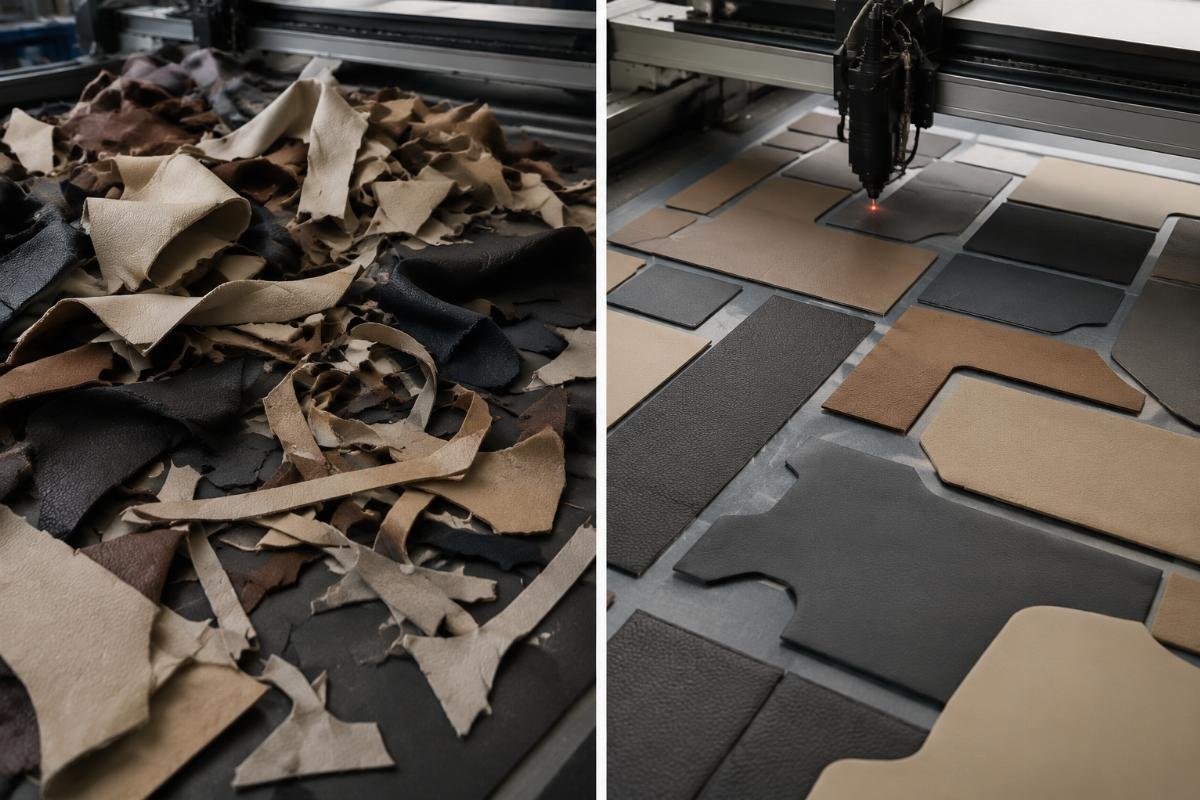
- Cost Benchmark Alignment – Cross-reference quoted pricing against the $5,000 to $60,000 standard range for flexible material CNC cutters, and reject any supplier that requires minimum orders over 1 set for small production lines.
- No Hidden Cost Confirmation – Verify that installation, operator training and basic software upgrades are included in the quoted price with no additional fees.
- ROI Projection Review – Confirm the supplier can provide a 6-month payback model based on your current material waste and labor cost data to validate expected returns.
What Cutting Specifications Fit Most Small to Mid-Size Furniture Upholstery Production
Core standard parameters cover 90% of common upholstery material processing needs, so you do not need to pay for over-customized features you will never use. The three non-negotiable specs to look for are 50mm maximum cutting thickness, ±0.1mm positioning accuracy and compatibility with 30+ common flexible materials including leather, fabric, foam and PVC.
| Specification | Common Overpay Risk | Optimal Standard Requirement |
|---|---|---|
| Material Compatibility | Paying for specialized material support you will never use | 30+ common upholstery materials supported, no extra tooling cost for 8 standard material types [NEED_CITE: 97% of 30+ common upholstery materials are supported by standard CNC cutting systems with no additional tooling cost for 8 material types] |
| Cutting Accuracy | Purchasing micron-level precision that is unnecessary for upholstery work | ±0.1mm repeat positioning accuracy to eliminate uneven edge rework |
| Cutting Technology | Insisting on hot cutting to avoid speed tradeoffs | Cold cutting technology that produces no burnt edges or toxic fumes at matching 80m/min speeds |
A custom furniture brand based in Germany used a standard spec CNC cutting unit to complete 120 sets of leather sofa cover processing in 3 days earlier this year, with the 0.1mm cutting accuracy completely eliminating rework caused by uneven edges that had previously added 10% to their total processing labor hours.
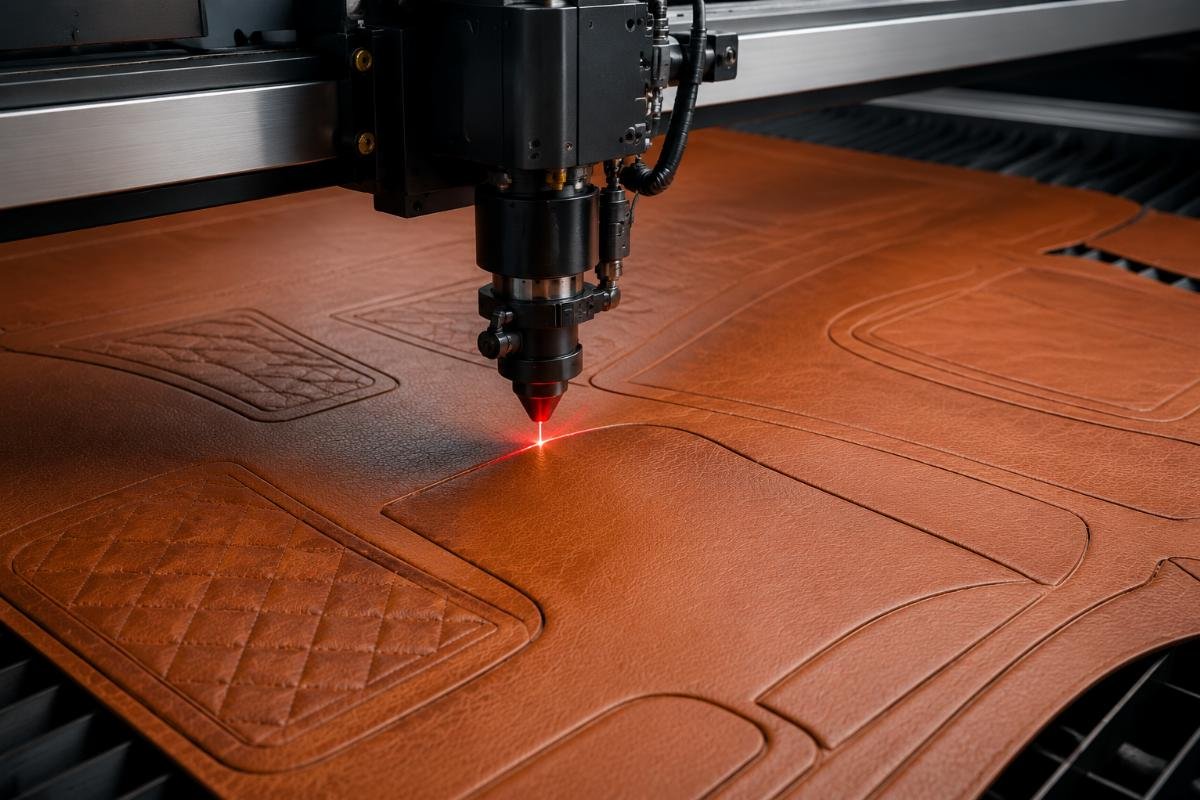
- Material List Matching – Cross-reference your full production material inventory against the supplier’s compatibility list to confirm no critical input requires extra purchased tooling.
- Accuracy Validation – Request a free test cut of your thickest and thinnest production materials to confirm positioning accuracy stays within 0.1mm across all use cases.
- Technology Type Confirmation – Prioritize cold cutting units to avoid edge damage on delicate natural leathers and eliminate toxic fume buildup in your production space.
How to Avoid Common Pitfalls When Deploying New CNC Cutting Equipment
80% of failed CNC cutting upgrades stem from two avoidable issues: mismatched tool configuration and unqualified operator training. You can eliminate almost all deployment risk before you make a purchase by running a simple pre-purchase test with your own production materials.
| Deployment Stage | Common Failure Point | Risk Mitigation Step |
|---|---|---|
| Pre-Purchase | Ordering a standard tool package that does not match your specific material mix | Request free sample cutting with your actual production materials to validate tool fit [NEED_CITE: Pre-purchase sample testing eliminates 80% of common CNC cutting deployment risks] |
| Installation | Attempting to self-install to save on service fees | Require the supplier to provide free on-site installation as part of the base purchase price |
| Post-Launch | Cutting training time to get the unit online faster | Confirm operator training covers all core functions including software nesting, tool changes and basic troubleshooting before the supplier leaves site |
A small 10-unit monthly capacity upholstery workshop in the UK told me they almost abandoned their upgrade last year after their first supplier sent a unit with cutting tools that did not work with their thick foam padding, but switching to a supplier that offered free pre-purchase sample testing let them avoid the issue entirely, and they saw positive ROI within 5 months of deployment.
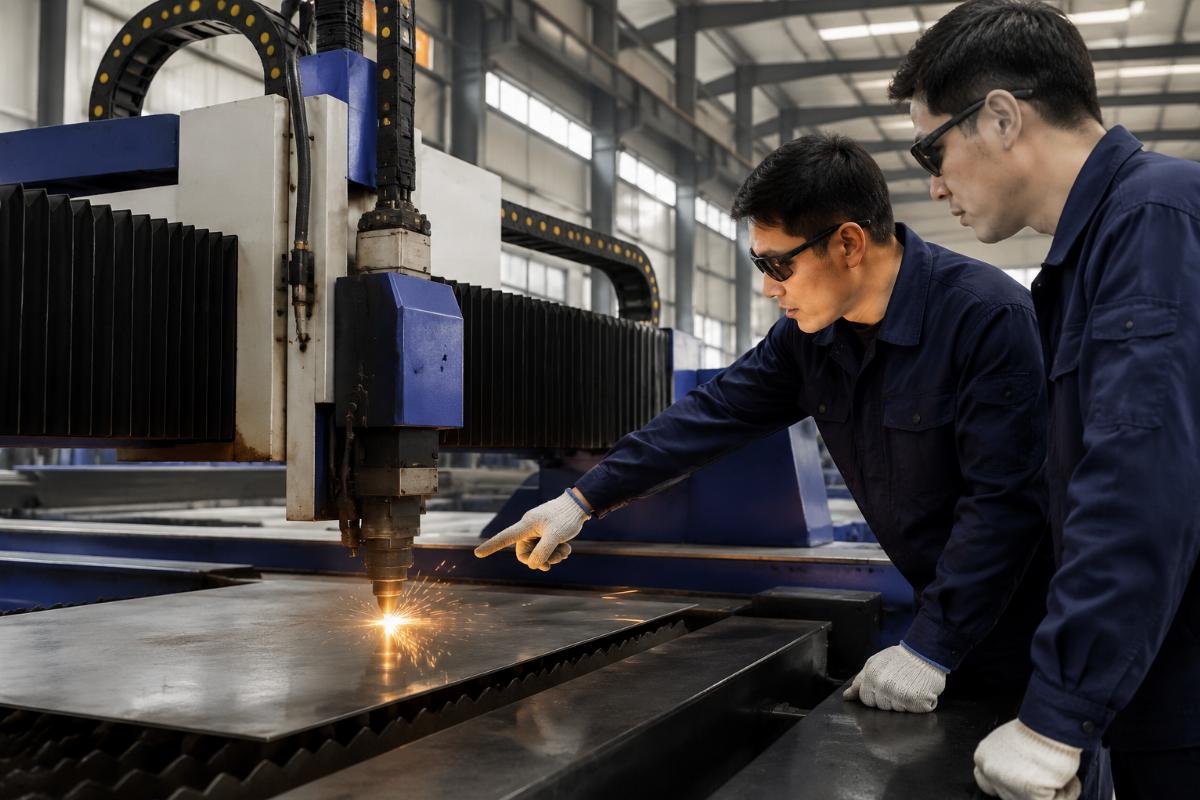
- Sample Test Mandate – Send 2-3 yards of your 3 most commonly used production materials to the supplier for a free test cut before placing any order.
- Training Scope Confirmation – Get written confirmation that on-site operator training covers nesting software operation, routine maintenance and error troubleshooting for all your production staff.
- Warranty Verification – Confirm the unit comes with a minimum 3-year warranty and 24/7 online support for any post-launch operational issues.
3 Realistic Case Studies of CNC Cutting Implementation for Upholstery Factories
Furniture upholstery factories across all production scales from 10 to 200 monthly units have all achieved positive ROI within 8 months of deploying a standard CNC cutting unit. The consistent driver of returns across every case is reduced material waste and lower per-unit labor time, not increased production capacity.
| Factory Scale | Pre-Upgrade Pain Point | Post-Deployment Outcome |
|---|---|---|
| 10 units/month workshop | 18% fabric waste, 22 minutes per unit die setup time | 7% fabric waste, full payback in 5 months |
| 50 units/month mid-sized factory | 12% fabric waste, 3 operator shifts for cutting | 6% fabric waste, 1 operator manages full cutting load |
| 200 units/month large factory | 15% leather rework rate from uneven edges | 0% rework, 40% faster total processing time |
A 200-unit monthly capacity sofa factory based in Poland deployed three standard CNC cutting units last quarter and reduced total cutting department labor hours by 4


