
Blog
Whether factory supports installment payment for knife cutting equipment?

Whether factory supports installment payment for knife cutting equipment?
Many buyers hesitate before purchasing CNC knife cutting equipment because they worry about cash flow pressure. They want installment options but fear rejection or hidden conditions from the factory.
Most factories do support installment payment for knife cutting equipment, but approval depends on customer type, order size, business verification, and cooperation history. The real question is not whether installment exists but whether your business profile meets the factory's credit evaluation criteria.
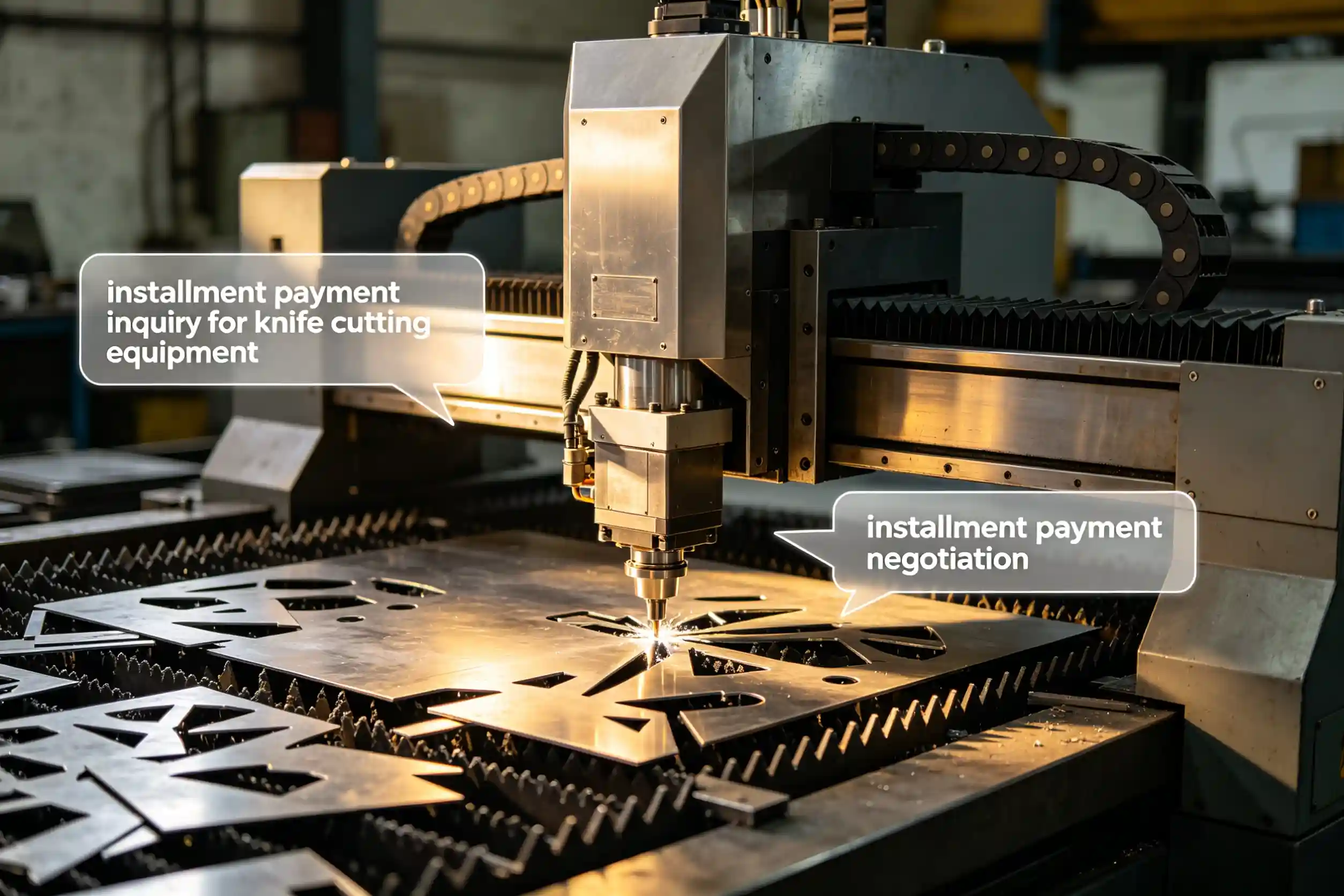
When customers ask me whether we offer installment payment, I hear the same underlying concern: they want the equipment but cannot commit full payment upfront without testing performance first. Let me explain what actually happens during installment approval and how you can prepare properly.
Why do buyers ask about installment payment in the first place?
I notice three main reasons behind installment inquiries. First, customers worry about cash flow strain from a single large payment, especially when they are expanding production capacity or replacing old equipment. Second, they feel uncertain about long-term equipment performance and prefer spreading financial risk across monthly payments. Third, they assume factories impose strict conditions or reject installment requests outright, so they hesitate to ask directly.
Buyers often delay purchase decisions because they treat installment as a special favor rather than a standard credit evaluation process that requires proper business documentation.
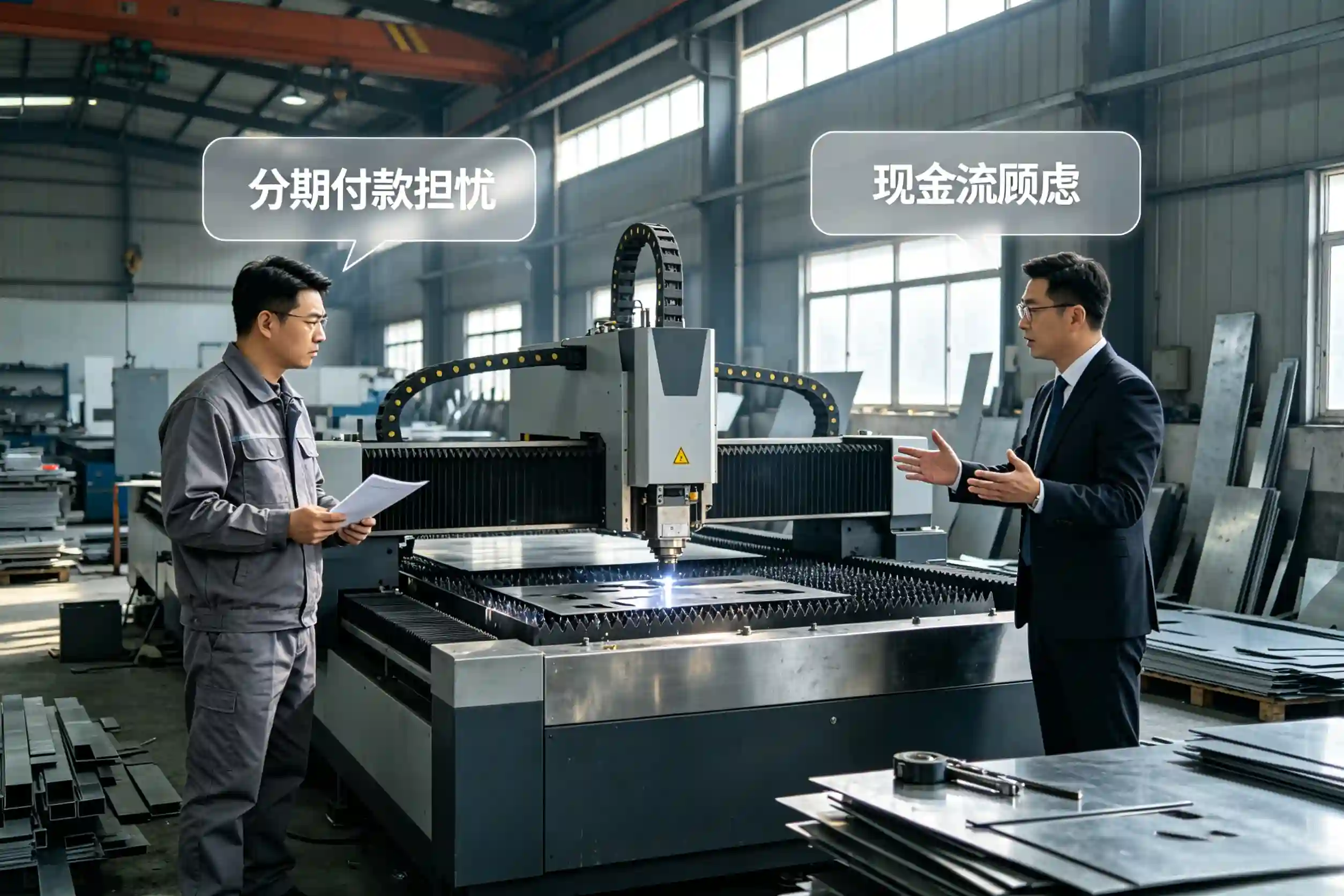
What drives customer cash flow concerns?
Small and medium-sized manufacturers typically operate with limited working capital reserves. When they need a CNC knife cutting machine that costs $20,000 to $50,000, paying the full amount immediately drains resources needed for raw materials, labor, and operational expenses. This creates a timing problem: they need the equipment to increase revenue, but buying it reduces short-term liquidity.
Many customers also hesitate because they cannot predict equipment ROI accurately before installation. They worry that if the machine underperforms or requires unexpected maintenance, they will have committed significant capital without proportional returns. Installment payment reduces this risk perception by spreading cost across a longer period aligned with revenue generation.
Why do customers assume factories will reject them?
Most buyers have no experience requesting installment payment from industrial equipment suppliers. They assume factories operate like consumer retail stores with published financing programs, so when they do not see advertised installment options on websites, they conclude it is unavailable. Others worry that asking about installment signals financial weakness, which might harm negotiation leverage or lead to rejection before the factory evaluates their business credentials properly.
This misunderstanding prevents buyers from approaching installment discussions correctly. They either avoid asking altogether or frame the request as a price discount negotiation rather than a credit approval process requiring documentation and verification.
| Customer Concern | Underlying Fear | Actual Factory Response |
|---|---|---|
| Cash flow pressure | One-time payment drains working capital | Installment available if business verification passes |
| Equipment performance uncertainty | Cannot test ROI before full payment | Payment schedule can align with installation and training |
| Factory rejection assumption | No advertised financing means unavailable | Installment evaluated case-by-case, not published as fixed policy |
How do factories evaluate installment payment requests?
Factories do not approve or reject installment payment based on fixed rules. Instead, they assess customer credit risk through multiple factors. I see four primary evaluation criteria in actual negotiations: customer business type, order size and equipment value, business verification documentation, and prior cooperation history.
The factory wants to confirm that your business can generate stable revenue to cover installment payments without defaulting, which requires evidence of operational capacity and financial stability rather than subjective promises.
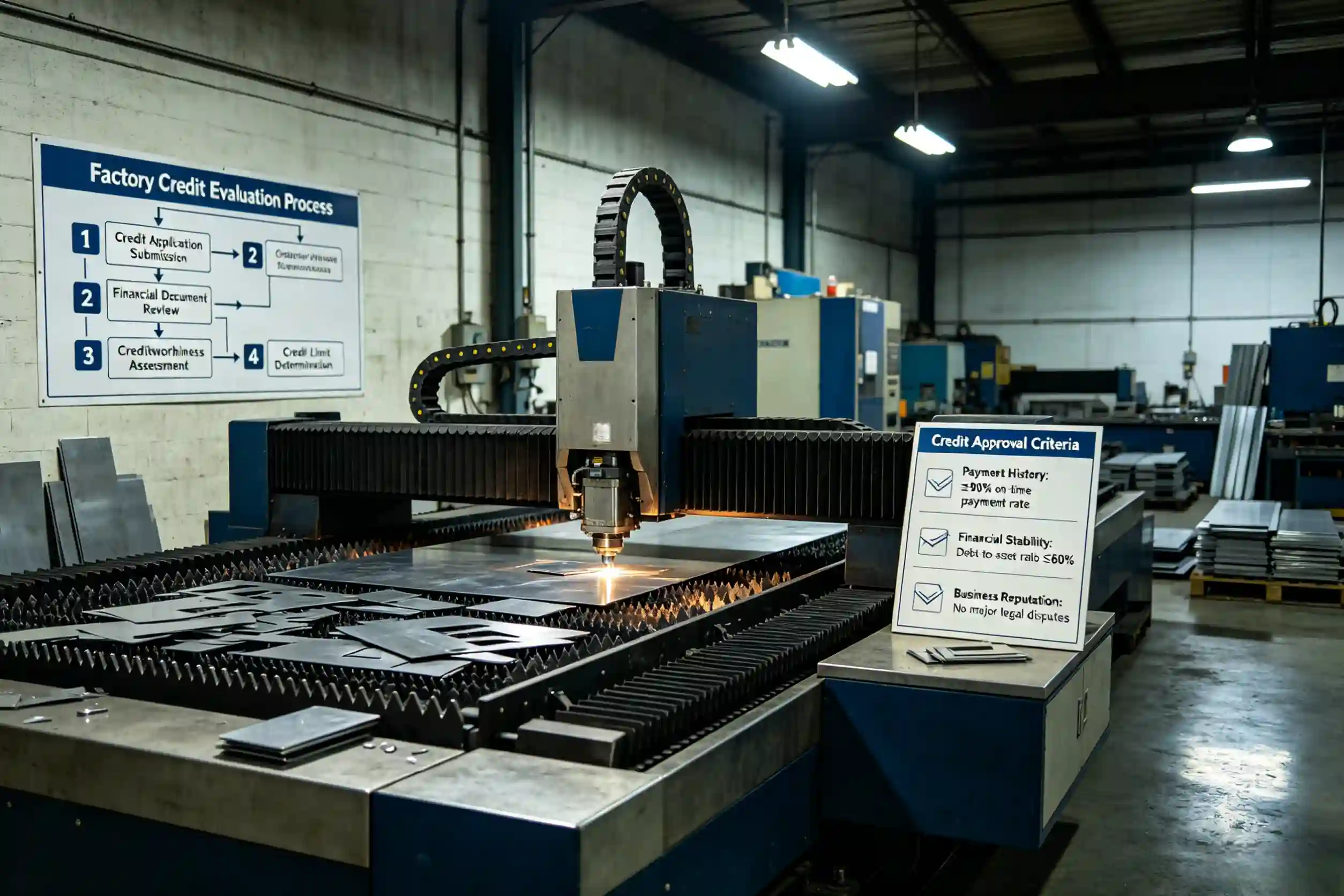
Does customer type affect approval chances?
Yes, customer business structure influences approval significantly. Registered companies with legal business licenses, tax records, and verifiable operational history receive faster approval than individual buyers or newly established entities. Factories assess risk differently for established manufacturers, distributors, wholesalers, and first-time startup buyers.
For example, an automotive interior supplier with five years of operating history and existing client contracts presents lower credit risk than a new advertising production enterprise with no verifiable revenue records. The factory does not reject startups outright, but approval requires additional documentation like business plans, customer orders, or third-party guarantees to offset higher risk.
Why does order size matter for installment approval?
Larger orders justify the administrative effort and credit risk assessment required for installment arrangements. If a customer orders a single basic knife cutting machine worth $15,000, the factory may prefer full payment or limit installment to a simple two-payment schedule. However, if the order includes multiple machines or a complete production line exceeding $100,000, installment becomes more negotiable because the customer's investment scale demonstrates serious business commitment.
Order size also affects payment terms flexibility. Small orders might allow three-month installment periods with minimal documentation, while large orders can extend to six or twelve months with detailed business verification and milestone-based payment schedules tied to equipment delivery, installation, and performance testing.
What documentation do factories actually review?
Factories need evidence that your business operates legitimately and generates revenue. Common documentation includes business registration certificates, tax filing records from recent years, bank account statements showing transaction volume, existing client contracts or purchase orders, and factory photos or operational videos proving production capacity. Without this evidence, the factory cannot assess credit risk accurately, regardless of how confidently you describe your business.
Some customers provide only a business license and expect immediate approval. This does not work because a license confirms legal registration but reveals nothing about revenue stability, operational scale, or payment reliability. Factories want to see proof that your business actively processes materials, serves customers, and maintains consistent cash flow across multiple months.
| Evaluation Factor | What Factory Looks For | Common Customer Mistake |
|---|---|---|
| Customer type | Registered company with operational history | Assuming individual buyers receive same terms as established businesses |
| Order size | Total equipment value and quantity | Expecting full installment flexibility on small single-machine orders |
| Business verification | Tax records, bank statements, client contracts | Providing only business license without revenue proof |
| Cooperation history | Previous orders, payment punctuality | Treating first-time inquiry same as repeat customer request |
What happens if your business cannot meet credit criteria?
If your business documentation does not satisfy the factory's credit evaluation, you face three alternatives: arrange third-party financing, provide additional guarantees, or restructure the payment schedule to reduce factory risk. Each option has different requirements and trade-offs depending on your business situation.
Rejection does not mean installment is impossible—it means the factory needs stronger assurance that payments will continue on schedule, which you can provide through external financing partners or adjusted terms.
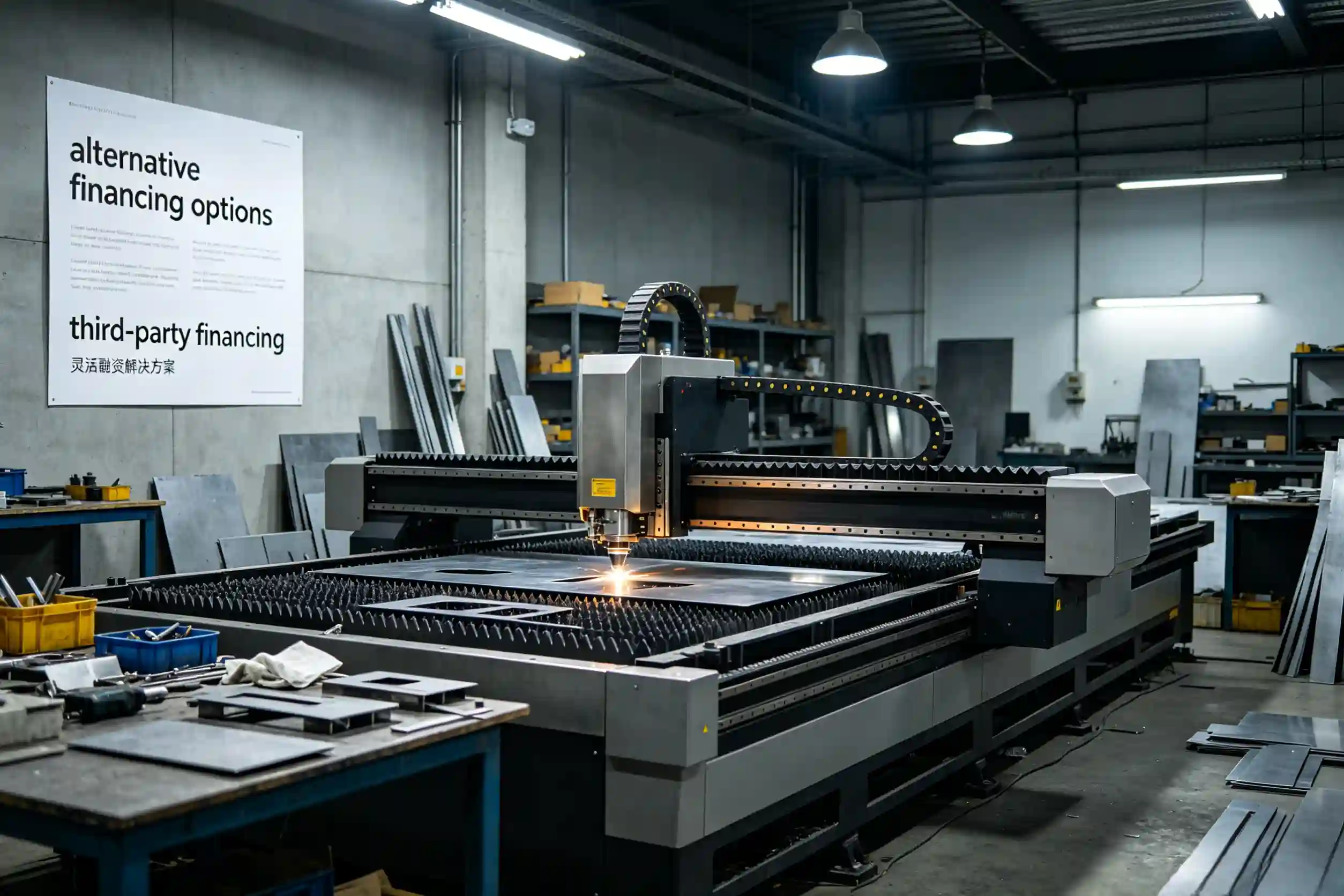
Can third-party financing replace factory installment?
Yes, many buyers use equipment leasing companies or bank loans when factory installment approval fails. Third-party financing separates the credit evaluation from the equipment supplier, allowing the finance company to assess your business independently. The factory receives full payment upfront from the finance provider, and you repay the finance company according to their terms.
This approach works well if your business has assets to collateralize or if you qualify for government-backed small business loans. However, third-party financing typically includes interest charges and administrative fees that factory-direct installment might waive. You need to compare the total cost difference and evaluate whether external financing terms suit your cash flow better than negotiating further with the factory.
What additional guarantees can help approval?
If your business operates legitimately but lacks sufficient documentation history, you can strengthen your installment request through third-party guarantees. This includes personal guarantor agreements from business owners or partners, collateral assets like property or existing equipment, or advance partial payment that reduces the factory's exposure to default risk.
For example, if the factory requires $40,000 for a complete knife cutting system, paying $15,000 upfront and requesting installment for the remaining $25,000 demonstrates financial commitment while reducing the factory's outstanding credit exposure. Some customers also offer post-dated checks or bank payment guarantees that ensure installment payments release automatically on scheduled dates.
How can payment schedule restructuring work?
Instead of requesting equal monthly installments over a fixed period, you can propose milestone-based payments tied to equipment delivery and performance verification. For instance, the first payment occurs upon order confirmation, the second after equipment arrives and passes initial testing, and the final payment after successful production trial runs. This structure reassures the factory that you commit to payment progression while allowing you to validate equipment performance before completing full payment.
Milestone payments reduce the factory's risk because they receive incremental payments as they deliver value at each stage. Buyers benefit because they do not pay the full amount before confirming that the equipment operates correctly and meets production requirements. This approach works better than generic monthly installment requests because it aligns payment with tangible project progress rather than arbitrary calendar dates.
| Alternative Approach | How It Works | Best For |
|---|---|---|
| Third-party financing | Equipment leasing company or bank loan pays factory in full, buyer repays financier | Buyers who qualify for loans but not factory credit approval |
| Additional guarantees | Personal guarantor, collateral assets, or larger advance payment | Buyers with legitimate business but insufficient documentation history |
| Milestone-based payment | Payments tied to delivery, installation, and performance testing stages | Buyers who want to validate equipment before full payment commitment |
How should you approach installment payment negotiation correctly?
The biggest mistake buyers make is treating installment as a price discount request rather than a credit evaluation process. When you ask, "Can I pay in installments?" without providing business documentation, the factory cannot assess your request properly. Instead, approach the negotiation by preparing verification evidence upfront and explaining your business situation transparently.
Start by confirming your order size, explaining your business type and operational scale, and offering to provide documentation that demonstrates revenue stability and payment reliability before discussing installment terms.
What information should you prepare before asking?
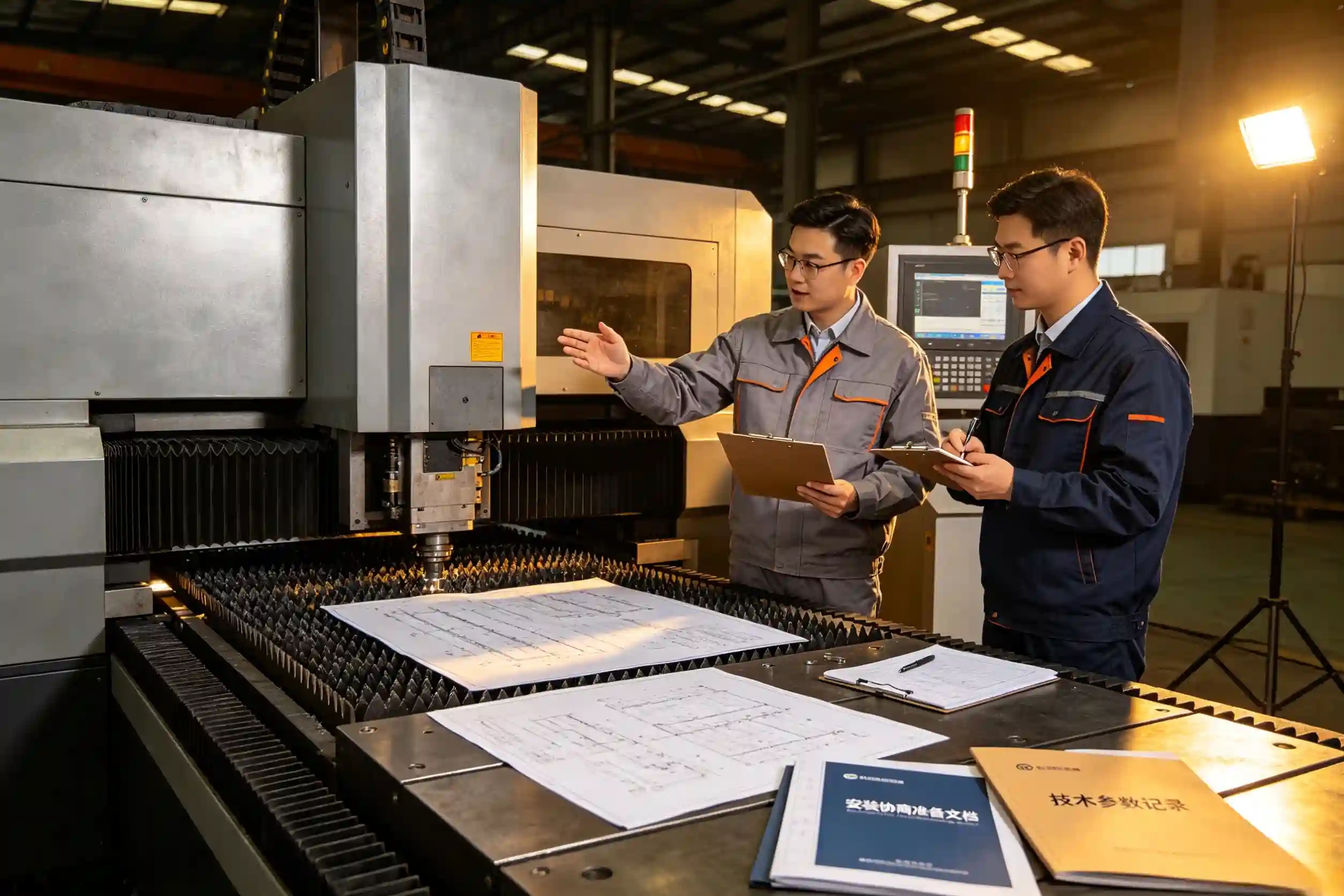
Before contacting the factory, gather your business registration certificate, recent tax filing records, bank statements covering at least six months, photos or videos of your current production facility, and examples of client orders or contracts that show ongoing business activity. Organize these documents digitally so you can share them quickly when the factory requests verification during the approval process.
Also clarify your preferred installment structure: how many months you want to spread payments, whether you can make a larger advance payment, and what equipment delivery or performance milestones you want tied to payment stages. The more specific your proposal, the easier it becomes for the factory to evaluate feasibility and adjust terms to match your situation.
How do you frame the request professionally?
Instead of asking, "Do you offer installment payment?" as a yes/no question, explain your business context first. For example, "We operate a packaging production factory with 15 employees and need to upgrade our knife cutting capacity. We are interested in your automatic cutting system, and we want to discuss installment payment over six months to align with our project budget cycle. What documentation do you need to evaluate this request?"
This approach demonstrates that you understand installment requires approval rather than assuming it is automatically available. It also signals that you are prepared to provide verification evidence and negotiate terms seriously rather than hoping for a quick concession without justification.
What should you avoid during negotiation?
Do not treat installment as leverage to demand price discounts. Factories view installment requests as credit risk assessments, not bargaining tactics. If you ask for both installment payment and a lower price simultaneously, the factory may interpret this as financial instability rather than strategic negotiation, which increases rejection likelihood.
Also avoid exaggerating your business scale or fabricating documentation to appear more creditworthy. Factories verify information through multiple channels, and dishonest representations damage trust permanently, even if the equipment transaction proceeds. If your business genuinely cannot meet standard credit criteria, acknowledge this directly and propose alternative guarantees or third-party financing instead of concealing weaknesses.
| Do This | Not This |
|---|---|
| Prepare business documentation before inquiry | Ask about installment as first question without context |
| Explain your business type and operational scale | Assume factory knows your situation without explanation |
| Propose specific installment structure | Request generic monthly payments without reasoning |
| Offer to provide verification evidence proactively | Wait for factory to demand documentation reactively |
| Separate installment request from price negotiation | Use installment as leverage for discount demands |
Does cooperation history improve installment approval chances?
Yes, repeat customers with proven payment reliability receive installment approval much faster than first-time buyers. If you have purchased equipment from the same factory previously and completed all payments on schedule, the factory already has evidence of your creditworthiness. This eliminates most verification steps and allows more flexible payment terms for subsequent orders.
Building long-term supplier relationships through punctual payment and clear communication establishes trust that reduces credit risk assessment effort, making installment payment negotiation smoother for future equipment purchases.
How does prior order performance affect future terms?
Factories track customer payment behavior across all transactions. If your first order involved full advance payment and you communicated professionally throughout the process, the factory notes this positive experience. When you return for a second order and request installment, they reference your history and approve faster because they know you fulfill commitments reliably.
Conversely, if your previous order involved payment delays, frequent complaints, or disputes over equipment specifications, the factory becomes more cautious about extending credit on new orders. Even if you eventually completed payment, the difficulty of the transaction increases perceived risk, making installment approval less likely or more restrictive.
Can you request installment on the first order?
Yes, many first-time buyers successfully negotiate installment payment, but the approval process takes longer and requires more documentation than repeat customers face. Factories need to verify your business thoroughly because they have no prior interaction history to assess payment reliability. This means you must provide comprehensive evidence of operational stability and financial capacity upfront.
Some factories also limit first-order installment terms compared to repeat customer options. For example, they might approve a three-month installment period for new buyers but offer six or twelve months to established customers. As you build cooperation history through multiple transactions, installment flexibility increases naturally without requiring extensive negotiation each time.
What if you cannot establish prior relationship?
If you are purchasing CNC knife cutting equipment for the first time and have no prior relationship with any factory, focus on demonstrating business legitimacy and operational scale through detailed documentation. Provide references from other suppliers you work with, show contracts with your own customers that confirm ongoing business activity, and offer to arrange a factory visit so the equipment supplier can see your production facility directly.
Third-party verification helps when you lack cooperation history. For example, if you are a registered member of an industry association or hold quality certifications for your products, these credentials reassure factories that your business operates professionally even though you have not worked together before.
| Cooperation Status | Installment Approval Process | Documentation Requirements |
|---|---|---|
| First-time buyer | Full credit evaluation required | Comprehensive business verification, operational evidence, client contracts |
| Repeat customer with good payment history | Expedited approval, reference prior transactions | Minimal additional documentation, confirmed through existing records |
| Repeat customer with payment issues | More cautious evaluation, stricter terms | Additional guarantees or advance payment increase required |
Conclusion
Factory installment payment for knife cutting equipment is available, but approval depends on credit evaluation rather than fixed policies. Prepare business documentation, explain your operational scale clearly, and separate installment requests from price negotiation to improve approval chances.


