
Blog
How Do You Build a Distributor Referral Program That Knife Cutting Machine Dealers Actually Use?

How Do You Build a Distributor Referral Program That Knife Cutting Machine Dealers Actually Use?
Most manufacturers launch distributor referral programs expecting extra sales leads. Instead we see zero claims filed. The problem is not the reward percentage. It is the trust gap. Distributors do not believe manufacturers will actually pay them.
A working distributor referral incentive program for knife cutting machines must reduce the trust cost before optimizing the reward structure. When we simplified claim verification and made payout tracking transparent, our distributor participation rate jumped from near zero to regular monthly submissions—without changing the commission percentage.
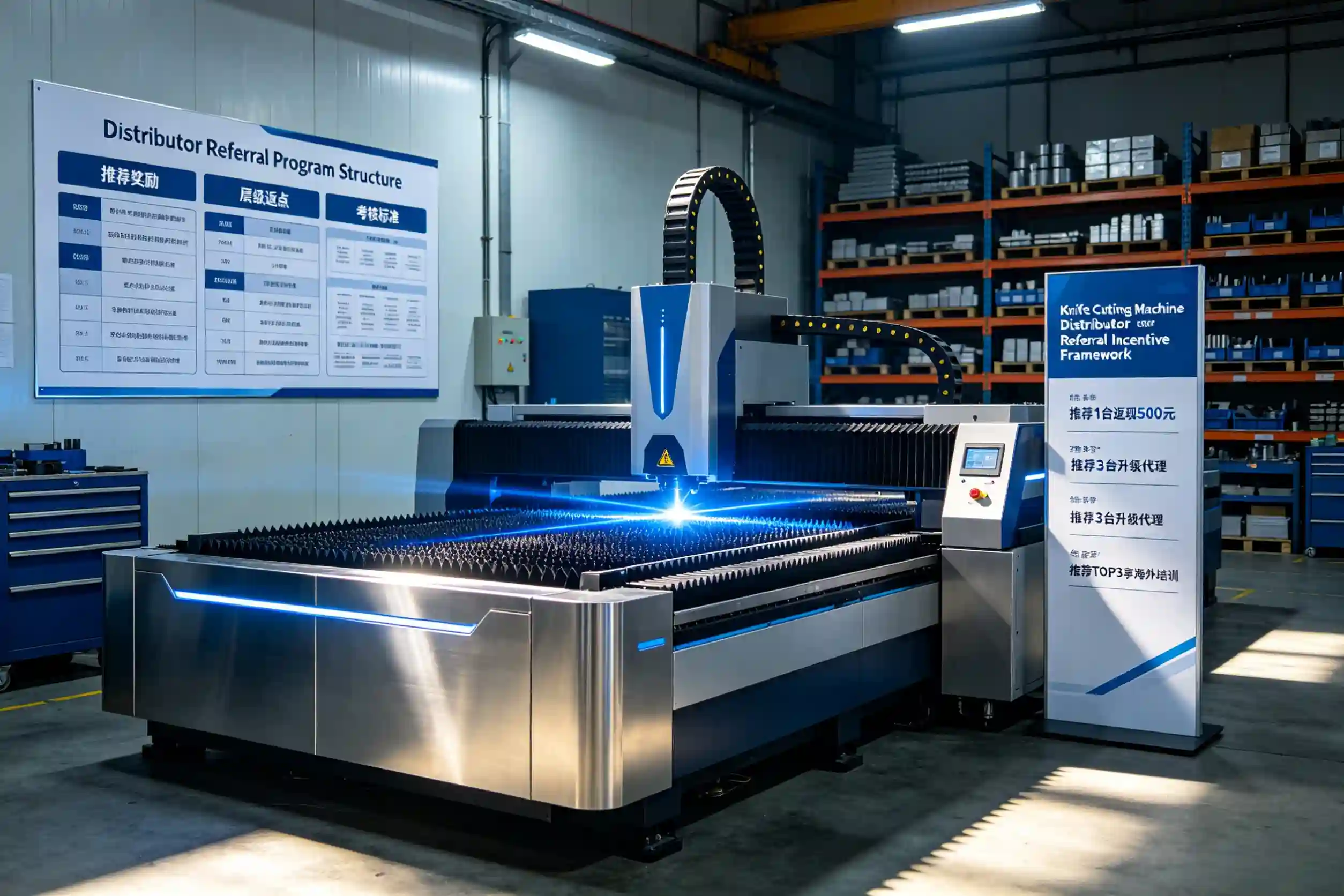
When I launched our first referral program at Realtop three years ago, I expected distributors would immediately start submitting leads. We offered a clear percentage for confirmed customer introductions. The form was online. The payout schedule was written. But after six months we received exactly three claims. Two were disputed because another distributor claimed the same customer. The third was delayed for four months while we verified the referral source. The program looked perfect on paper but failed in reality. I needed to understand why rational business owners ignored what seemed like easy money.
Why Do Distributors Ignore Referral Programs That Offer Real Money?
The first barrier is not reward size. It is belief in payout. Many distributors have submitted claims to manufacturers before and waited months for payment, or received nothing because the manufacturer disputed attribution. This creates a default skepticism.
Distributors calculate expected value by multiplying the reward amount by their estimated probability of actually receiving it. If they think payout probability is 30% based on past experience, even a generous reward loses appeal. They would rather spend time on direct sales where payment is certain.
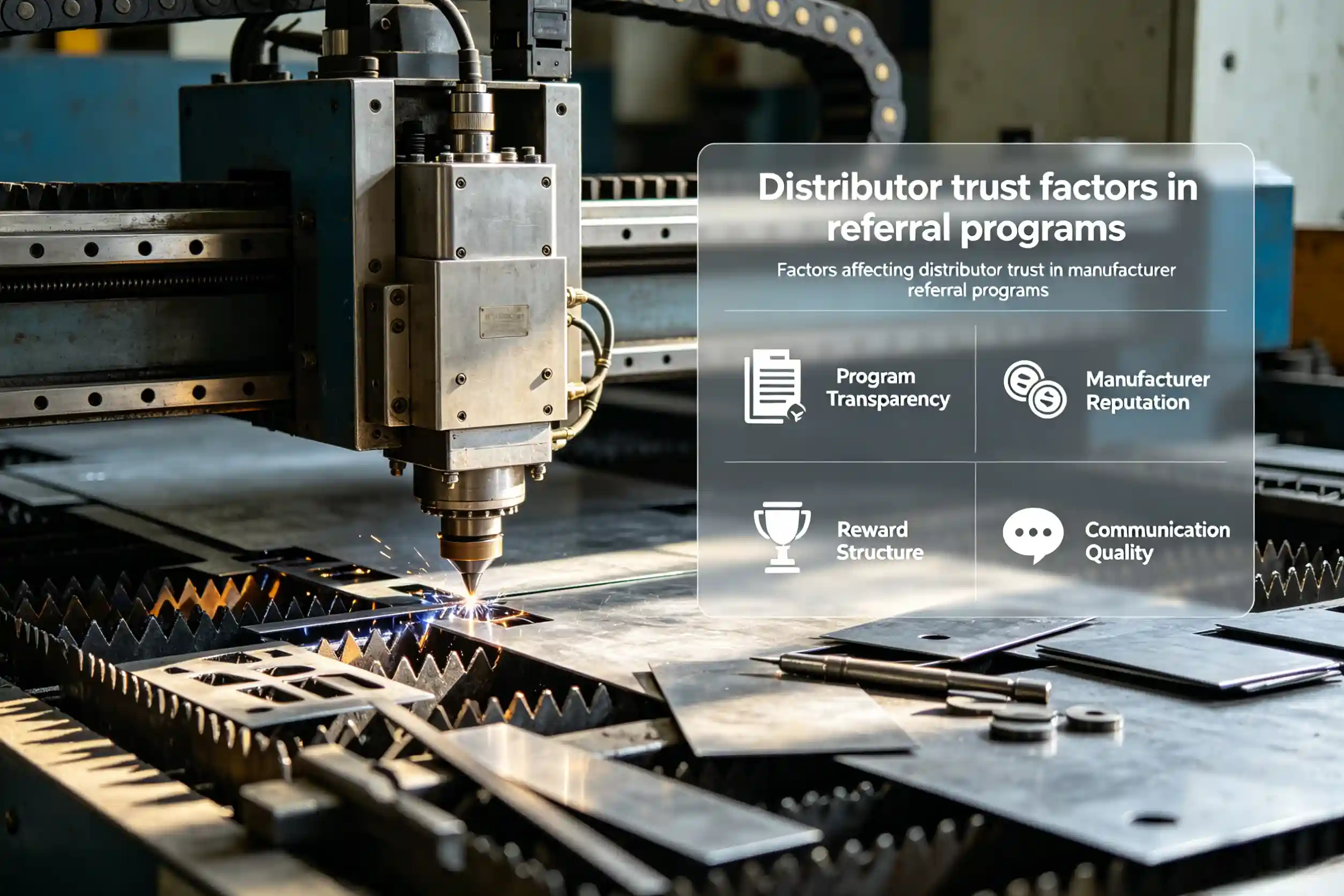
When I interviewed our non-participating distributors in Europe and Southeast Asia, every conversation revealed the same pattern. They did not doubt the program existed. They doubted we would honor it when claim time came. One distributor in Germany told me he had submitted referral claims to three different machinery manufacturers over the past five years. He received payment from one. The other two disputed his documentation. The third never responded at all. After that experience he stopped documenting referrals entirely.
This was not a unique story. Another distributor in Vietnam explained that the effort required to document a referral—saving emails, recording meeting dates, getting customer acknowledgment—took more time than the expected payout justified. He estimated his chance of receiving payment at maybe 40% based on past interactions with manufacturers. When he multiplied the stated reward by 40%, then divided by the hours spent on documentation, the hourly rate fell below what he earned just calling his existing customer list. Rational decision. Bad outcome for both of us.
What Creates the Trust Gap Between Manufacturers and Distributors?
The trust problem has three structural causes. First is historical experience. Many manufacturers have delayed referral payments during cash flow problems, or reduced amounts during disputes, or simply ignored claims when convenient. Distributors remember this. Second is information asymmetry. The manufacturer knows whether they will honor the program. The distributor can only guess based on past behavior and contract language. Third is enforcement cost. If a manufacturer refuses to pay, the distributor's only recourse is damaging the business relationship or pursuing legal action that costs more than the referral reward. Manufacturers know this. Distributors know manufacturers know this. So the program starts with built-in mistrust.
At Realtop I saw this dynamic clearly after our first disputed claim. Two distributors both claimed they had referred the same automotive interior manufacturer in Mexico. Both had documentation. Both had legitimate contact with the customer. The customer confirmed they had spoken with both. Our sales team had closed the deal but could not definitively trace which introduction led to the purchase. I had to make a ruling. Whatever I decided, one distributor would feel cheated. I split the reward. Both distributors felt cheated. Neither submitted another referral claim for over a year. The program structure itself had created the conflict.
| Trust Barrier | Distributor Perspective | Manufacturer Perspective | Result on Participation |
|---|---|---|---|
| Payment history | "They delayed my last commission for 8 months" | "We had to verify the paperwork was complete" | Low expected payout probability |
| Claim verification | "I can't prove I introduced them first" | "Multiple distributors claim the same customer" | Documentation effort feels wasted |
| Dispute resolution | "If they refuse to pay, I have no recourse" | "We need protection against false claims" | Rational decision to skip program |
| Payout timing | "I need cash flow certainty" | "We pay after customer payment clears" | Reward feels too distant and uncertain |
How Do You Redesign Verification Rules to Reduce Distributor Friction?
The core problem in our program was attribution conflict. When multiple distributors could legitimately claim contact with the same customer, verification became impossible. Any ruling created resentment.
The solution was to change the trigger for payout from "who influenced the sale" to "who registered the lead first in our system." This made attribution objective and verifiable. Distributors gained certainty. Disputes disappeared. Claim submissions increased immediately.
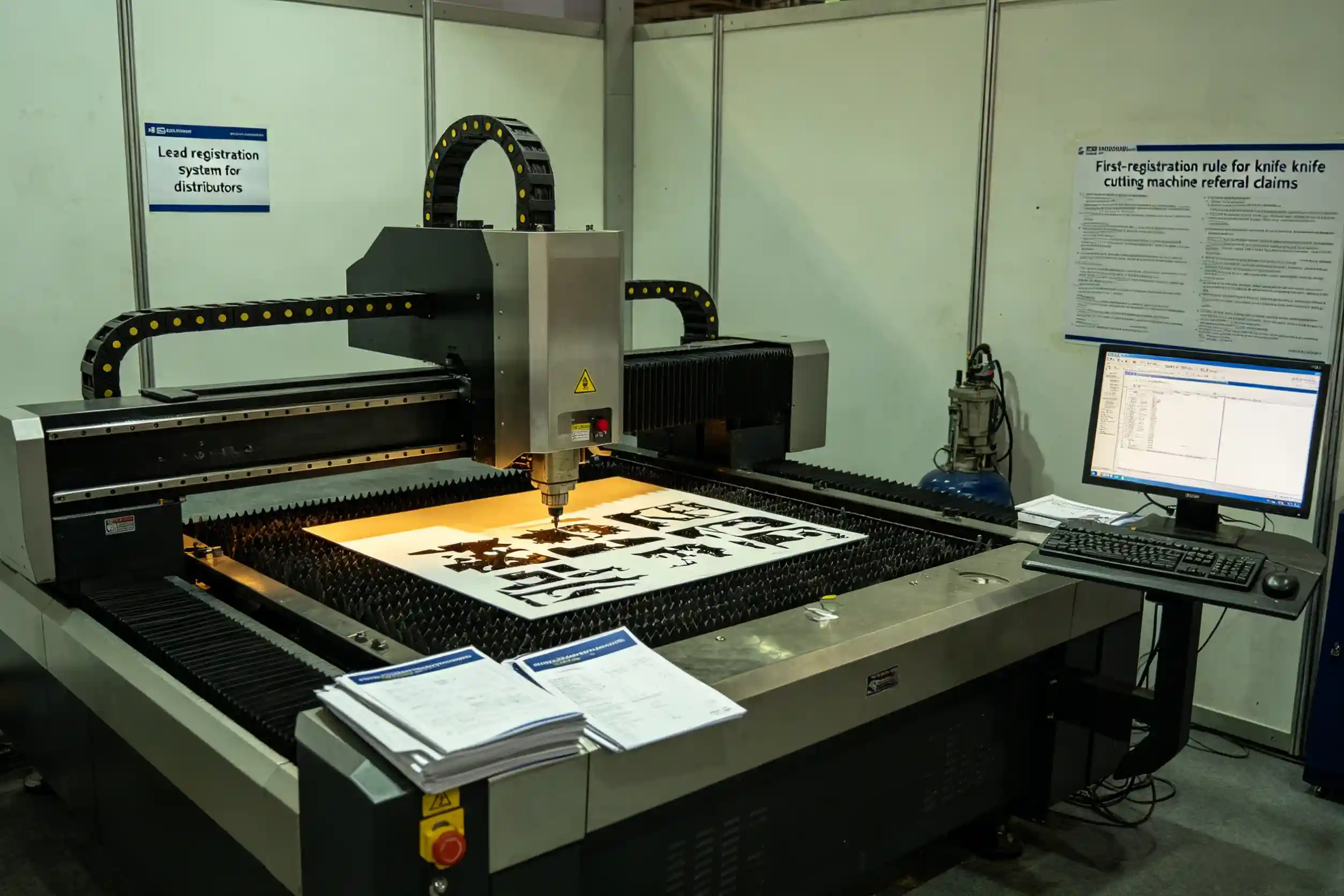
We implemented a simple web form where distributors could register a potential customer by submitting company name, contact person, and industry sector. The timestamp became the proof. If that customer later purchased within 12 months, whoever registered first received the referral reward automatically. No debate. No documentation burden beyond the initial 2-minute form submission. No post-sale attribution arguments.
This change had two effects I did not fully predict. First, distributors started registering leads much earlier in their sales conversations. Before the change, they would only document a referral if they thought it was serious. The documentation effort was not worth it otherwise. After the change, they registered every potential customer mention because the cost was minimal. This gave us visibility into their pipeline we never had before. Second, it eliminated the feeling of risk. Distributors knew that once they hit submit, their claim was locked in. If the customer bought, payment was certain. This transformed the psychological equation.
What Happens When You Make Payout Tracking Completely Transparent?
The second major change was showing distributors exactly where their claims stood in the payment process. Before, they would submit documentation and then wait. They had no idea if we received it, if we were reviewing it, if approval was coming, or if we had lost the paperwork entirely. This uncertainty reinforced their skepticism.
We built a simple online dashboard where distributors could log in and see the status of every registered lead. The stages were: registered, customer contacted by Realtop sales, negotiation in progress, deal closed, payment approved, payment sent. Each status change triggered an automatic email. The distributor could see movement. If a lead sat in one stage too long, they could contact me directly with the reference number. This visibility changed the relationship dynamic from "I hope they remember my claim" to "I can track my claim like a package shipment."
The psychological impact was larger than I expected. Distributors told me the dashboard made the program feel real. Before, the referral reward was theoretical money they might receive someday if everything went right. After, it became a trackable asset moving through a defined process. One distributor in Brazil said it was the first time a manufacturer had treated his referral claims like legitimate business transactions rather than favors he was requesting. The transparency built trust faster than any contract clause could.
Should You Pay Referral Rewards Before or After Customer Payment?
This timing question created significant tension in our program. From Realtop's perspective, we wanted to pay referral rewards only after the customer paid us. This protected us from paying out on deals that later failed or customers who never remitted payment. From the distributor perspective, this timing created unacceptable uncertainty. They had no control over when the customer paid. Some of our customers operated on 90-day payment terms. Some stretched that to 120 days. The distributor had completed their referral action months earlier but now had to wait for factors completely outside their control.
We tested both approaches with different distributor segments. For high-trust distributors with long relationships, we continued paying after customer payment. For newer distributors or those in regions where we were building relationships, we paid immediately after deal closure, taking the customer payment risk ourselves. The participation difference was dramatic. Distributors who received immediate payout submitted 3-4 times as many leads as those waiting for customer payment. The risk cost to us was minimal—our customer payment rate was over 95%—but the trust signal to distributors was significant.
After reviewing the data I changed our standard policy to pay within 30 days of deal closure regardless of customer payment status. This put the timing risk on us, where it belonged. We were better positioned to absorb customer payment delays than distributors. The cost of occasionally paying out on a deal where the customer later defaulted was far smaller than the cost of suppressed distributor participation across the entire program. This is not universal advice. It depends on your customer payment reliability and your cash position. But for us, moving the timing risk to the party better able to handle it unlocked participation.
What Reward Structure Actually Motivates Industrial Equipment Distributors?
The reward percentage matters, but less than most manufacturers think. I have seen programs offer 10% of deal value and get high participation, and programs offer 15% and get almost none. The difference was not the percentage. It was the trust factors and friction costs discussed above.
For knife cutting machine distributors, we found a tiered structure based on deal size worked better than a flat percentage. Small deals under $50,000 received a higher percentage reward because they required less sales effort from our team. Large deals over $200,000 received a lower percentage but a capped maximum payment that gave distributors payout certainty.

The tiering served two purposes. First, it acknowledged that not all referrals create equal value for us. A distributor who refers a small packaging company buying one entry-level cutting machine is creating less revenue than one who refers a large automotive supplier buying multiple high-end systems. But the small referral still has value, and we wanted to encourage it. Second, the tiering prevented extreme payouts on very large deals. One distributor referred a customer who ultimately purchased over $800,000 in equipment and accessories. If we had paid a flat 8% referral reward, that would have been $64,000. This seemed disproportionate for an introduction, especially since our sales team spent six months negotiating and customizing the solution. We capped the maximum referral reward at $25,000 instead. The distributor understood. He was happy. The payout was still significant but not absurd relative to effort.
How Do You Handle Referrals That Require Significant Post-Introduction Sales Work?
This was the hardest question in our program design. Some distributor referrals were simple introductions. The distributor would say "You should talk to Company X about your cutting machines," make the introduction, and step away. Our sales team would handle everything after. Other referrals involved the distributor staying involved throughout the sales process, attending meetings, providing local market knowledge, and sometimes even translating technical discussions. These were closer to joint sales efforts than pure referrals.
We debated creating separate reward tiers for introduction-only referrals versus assisted sales. The problem was defining the boundary. How much involvement crossed from referral to assisted sale? Who would judge? Every distributor would claim maximum involvement to earn the higher reward. We would be back to the attribution disputes we had just solved.
Instead we kept a single referral reward structure but added a separate co-sales commission for distributors who stayed actively involved with our sales team's consent. This required our sales manager to explicitly invite the distributor into the co-sales process. If the distributor was invited and participated, they received both the referral reward and a co-sales commission. If they just made the introduction and stepped away, they received the referral reward only. This gave our sales team control over distributor involvement while still rewarding genuine contribution. It also prevented distributors from inserting themselves into deals where their presence added no value or even created friction.
The key was that the co-sales decision happened early in the process with clear communication. Our sales manager would tell the distributor within one week of the introduction whether they wanted distributor involvement going forward. If yes, the distributor knew additional compensation was possible. If no, the distributor knew their referral reward was locked in and they could focus elsewhere. This clarity prevented later disappointment.
What Program Rules Prevent Abuse Without Adding Distributor Burden?
Every incentive program creates opportunities for gaming. Distributors might register customers they had no real relationship with, hoping we would close the sale and they would collect the reward. They might register customers who were already in our pipeline. They might register competitors' existing customers. We needed safeguards without creating a verification burden that killed participation.
The primary safeguard was requiring the distributor to have introduced themselves to the customer before registering the lead. We verified this by asking the customer during our first contact whether they had heard of Realtop before. If they said yes and mentioned the distributor by name, the referral was confirmed. If they had never heard of us, we knew the distributor had not actually made an introduction.
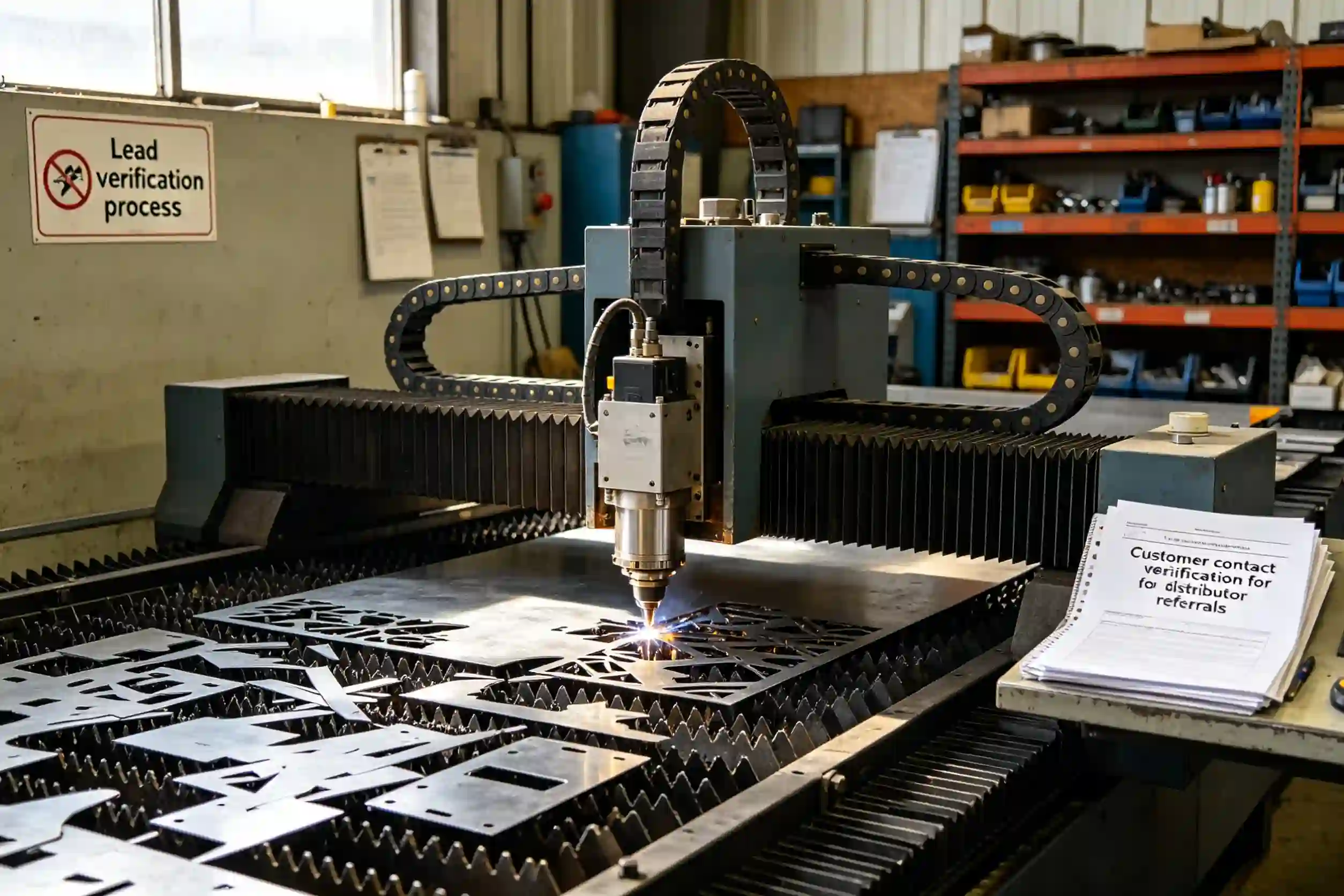
This verification happened during our normal sales qualification process. It added no extra steps. Our sales team would naturally ask "How did you hear about us?" during the first conversation. The customer's answer told us whether the distributor's registration was legitimate. If the customer had no awareness of us despite the distributor's registration, we would contact the distributor and inform them the lead was invalid. This happened rarely. Most distributors understood that false registrations would be caught immediately and damage their reputation with us.
The second safeguard was a time limit. The registered lead had to result in a purchase within 12 months or the registration expired. This prevented distributors from registering every company in their market and hoping some would eventually buy. The 12-month window was long enough to cover our typical sales cycles, which ranged from 2-8 months for knife cutting machine systems, but short enough to require recent contact. If a distributor registered a lead in January and we closed that customer in March of the following year—15 months later—the referral reward did not apply. The distributor would need to re-register with updated contact to qualify.
Do Exclusive Territory Distributors Need Different Referral Rules?
This created tension in our program. We had some distributors with exclusive territory rights. They were the only authorized Realtop dealer in their region. Other distributors had no exclusivity. Anyone could sell anywhere. The exclusive distributors argued that any customer in their territory should automatically generate a referral reward if sold by Realtop directly, even if they did not make an introduction. Their logic was that the customer was "their" territory, and our direct sale was taking revenue they would have earned.
I understood their perspective but disagreed with the conclusion. Exclusive territory rights mean the distributor has first opportunity to sell in that region. They do not mean the distributor owns every potential customer. If a customer contacts Realtop directly, or we reach them through marketing, or they are referred by someone else, the exclusive distributor has no legitimate claim to a referral reward. They did not create the opportunity.
We kept the referral program rules identical for exclusive and non-exclusive distributors. To earn the reward, you must register the lead first. Territory exclusivity gave distributors other benefits—protected pricing, local marketing support, priority inventory—but did not create automatic referral rewards for customers they never introduced. Some exclusive distributors disliked this. Most accepted it once we explained the logic. The ones who pushed hardest were typically the ones doing the least proactive selling. They wanted to collect rewards on opportunities they did not create. We refused.
The compromise was increased communication. When we received a direct inquiry from a customer in an exclusive territory, we would notify the distributor immediately and give them 48 hours to claim they had prior contact with that customer. If they could document contact, we would route the lead to them for handling rather than our direct sales team. This protected their territory rights while not rewarding them for introductions they did not make. Most distributors found this fair.
How Do You Launch the Program Without Creating False Expectations?
The launch communication was critical. Distributors needed to understand exactly what actions would trigger rewards, what verification would occur, and what timing to expect. Vague promises would create disappointment later.
We ran three regional webinars where I walked through the program rules step by step, showed the registration system live, and answered questions in real time. We recorded the sessions for distributors who could not attend. We followed up with a written guide that included examples of qualifying and non-qualifying scenarios.
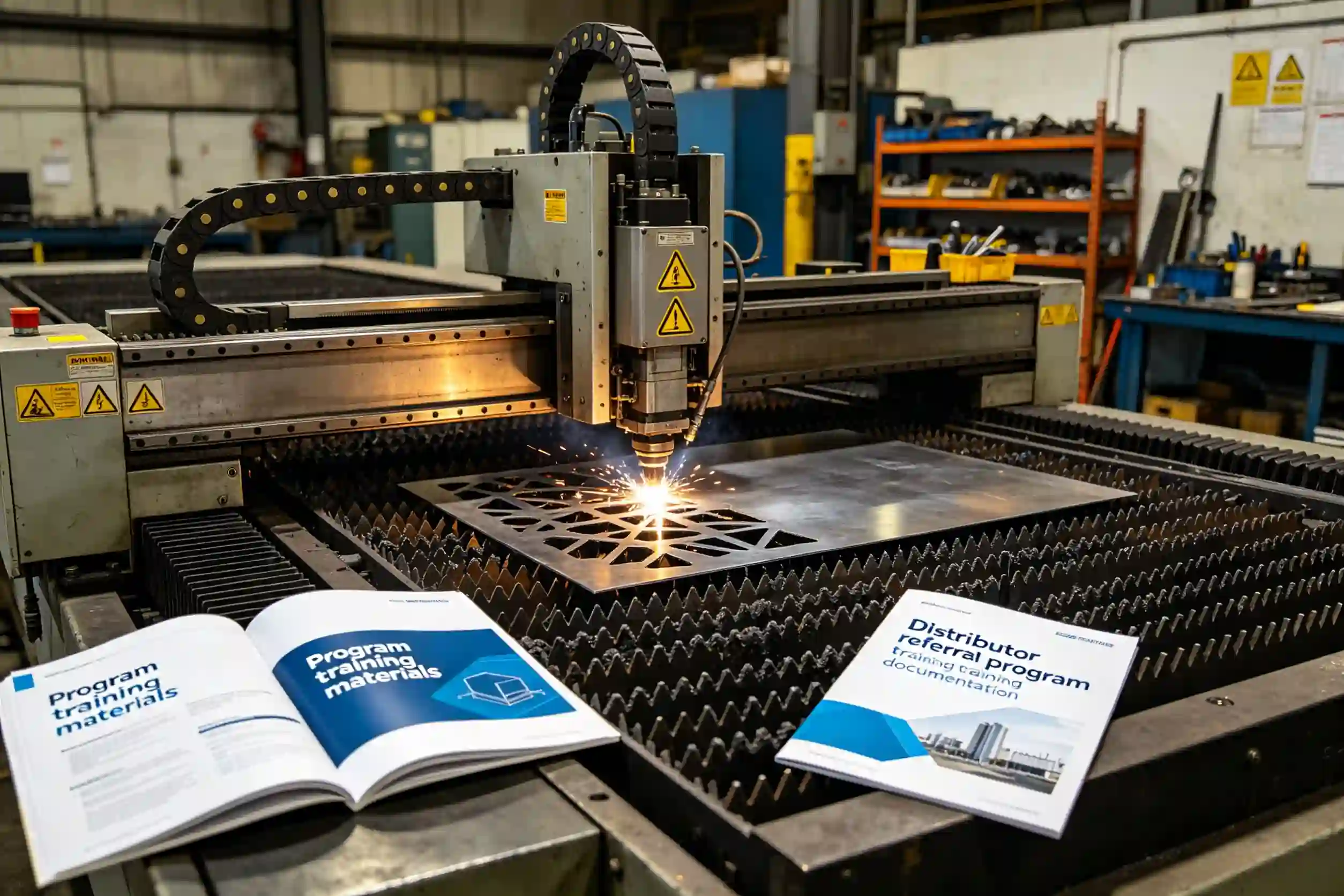
The examples were crucial. I wrote out five realistic scenarios:
Scenario 1: Distributor meets potential customer at trade show, exchanges contact information, mentions Realtop knife cutting machines, registers lead that day. Customer contacts Realtop two months later. Deal closes. Result: Full referral reward paid.
Scenario 2: Distributor hears that Company X might be looking for cutting equipment, registers lead without making contact. Realtop sales team contacts customer. Customer has never heard of the distributor. Result: Lead invalid, no reward.
Scenario 3: Distributor introduces customer to Realtop, registers lead. Second distributor also claims they introduced same customer and registers lead three days later. Result: First distributor receives reward based on registration timestamp.
Scenario 4: Distributor registers lead. Customer purchases 14


