
Blog
Should You Lease or Buy Knife Cutting Equipment for Your Factory?

Should You Lease or Buy Knife Cutting Equipment for Your Factory?
When small manufacturers call us about knife cutting machines, most don't actually want to talk about leasing. They want to know if they can start production without draining their bank account. The question isn't whether leasing saves money. It's whether you can afford to bet your working capital on equipment before you know if your production line will work.
Leasing knife cutting equipment makes sense when you can't afford to lock capital into unproven production capacity, or when you need flexibility to upgrade before the machine becomes obsolete. The right choice depends on your cash position, demand certainty, and how fast your product line might change—not on which option costs less over five years.
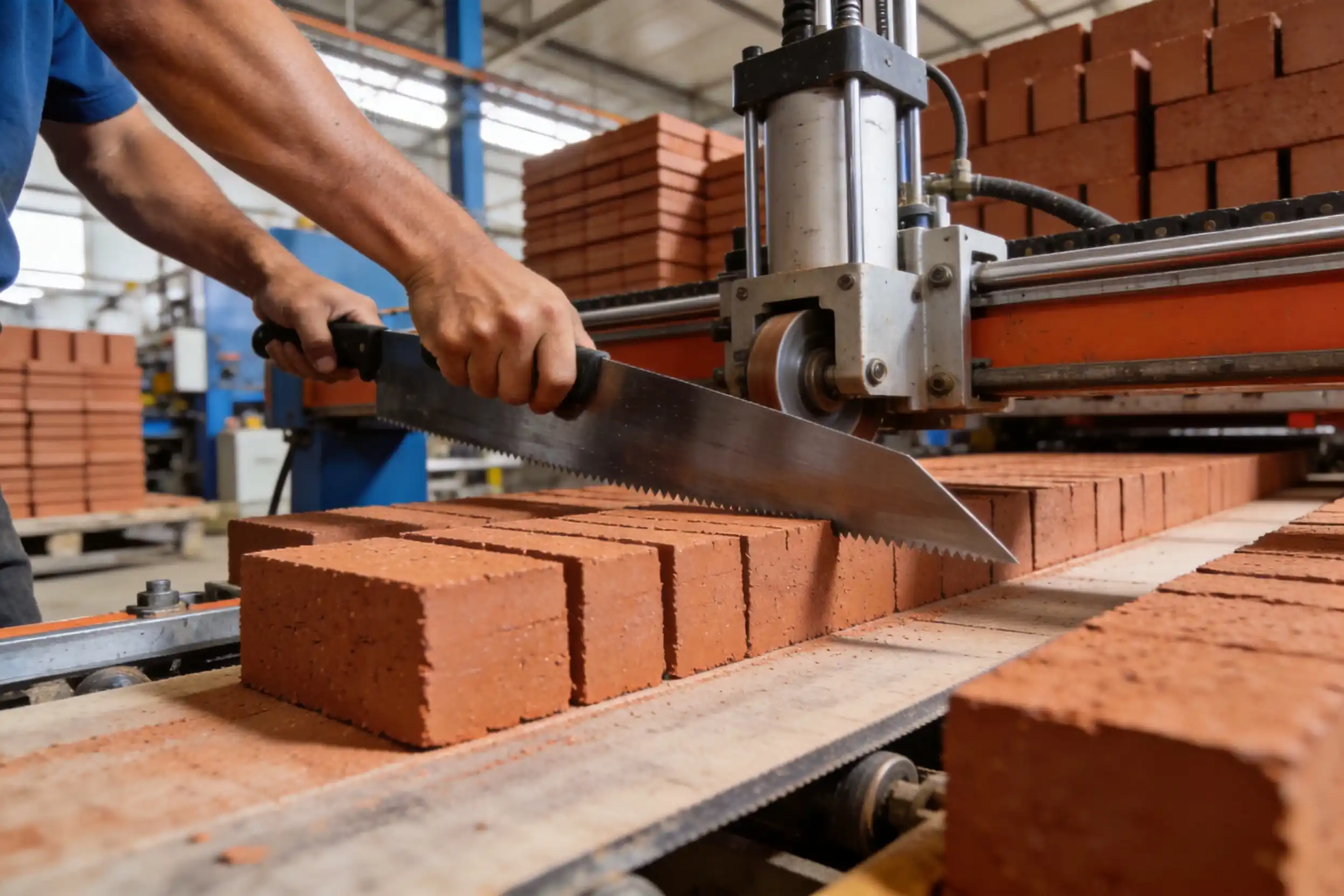
I handle leasing inquiries every week. The conversations follow a pattern. Someone calls and asks if we offer monthly payments. I say yes. Then they ask if leasing costs more than buying. And that's where the conversation goes wrong. Because they're asking the wrong question.
What Do Small Manufacturers Actually Need When They Ask About Leasing?
Most people who contact us about leasing aren't comparing interest rates. They're looking at their checking account balance and wondering how to start production next month without going broke.
A packaging startup called last year. They had confirmed orders from two clients. They needed a CNC knife cutter to fulfill those orders. But buying the machine outright would consume 60% of their remaining capital. They asked if leasing was cheaper. I told them it wasn't about cheaper. It was about whether they could afford to operate for six months if those two clients didn't reorder.
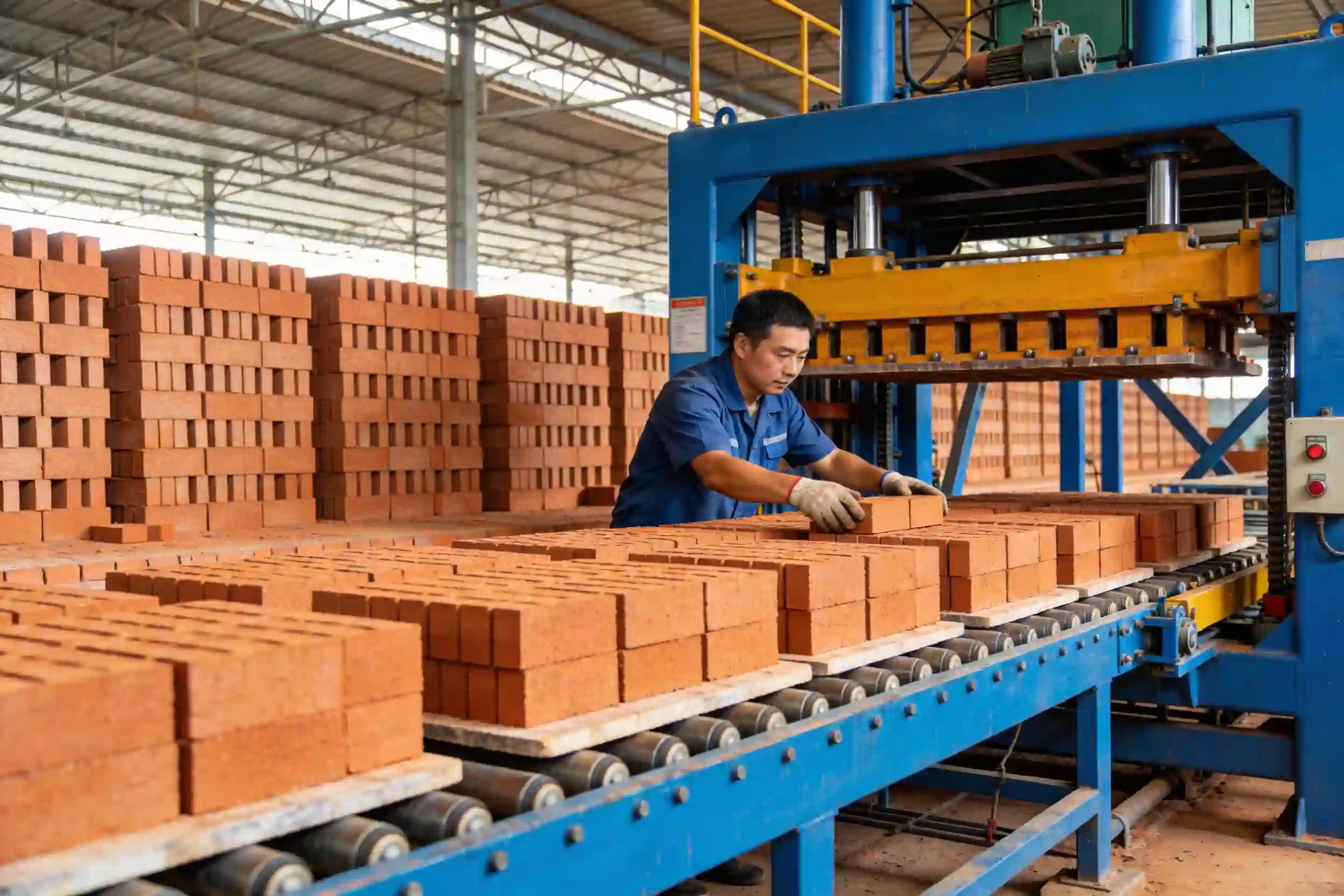
What they actually needed was a way to convert a large upfront cost into predictable monthly expenses. That way, they could keep cash available for raw materials, labor, and the inevitable problems that come up when you start a new line. Leasing doesn't make the equipment cheaper. It makes the cash outflow timing match your revenue timing.
Why Cash Flow Timing Matters More Than Total Cost
When you buy equipment, you pay everything upfront. Your cash leaves immediately. Revenue from that equipment comes in slowly over months or years. That gap kills businesses[^1].
Leasing spreads payments across the same timeline as your revenue. You're not trying to save money. You're trying to avoid running out of money before sales ramp up.
| Payment Structure | Cash Outflow Timing | Working Capital Impact | Risk If Demand Drops |
|---|---|---|---|
| Full Purchase | All upfront | Depletes reserves immediately | High sunk cost, capital locked in |
| Finance Lease | Monthly over 3-5 years | Preserves capital for operations | Committed to payments, but own asset eventually |
| Operating Lease | Monthly short-term | Maximum flexibility | Can return equipment, minimal sunk cost |
A furniture manufacturer told me they bought cutting equipment two years ago. Six months later, demand dropped. The machine sat idle. They couldn't sell it without taking a huge loss. They couldn't get their capital back. They were stuck. If they had leased, they could have returned it and stopped payments. The total cost would have been higher if things went well. But things didn't go well. And the flexibility would have saved them.
How Do You Know If Your Production Line Will Actually Work?
The second pattern I see: people testing new products treat equipment purchases like proven investments. They're not. When you don't know if customers will buy what you're planning to make, equipment becomes a gamble.
A printing company contacted us about cutting machines for a new product line. Custom car interior trim pieces. They had no confirmed orders. Just market research and optimism. They asked whether to buy or lease. I asked how confident they were that this line would still exist in two years.
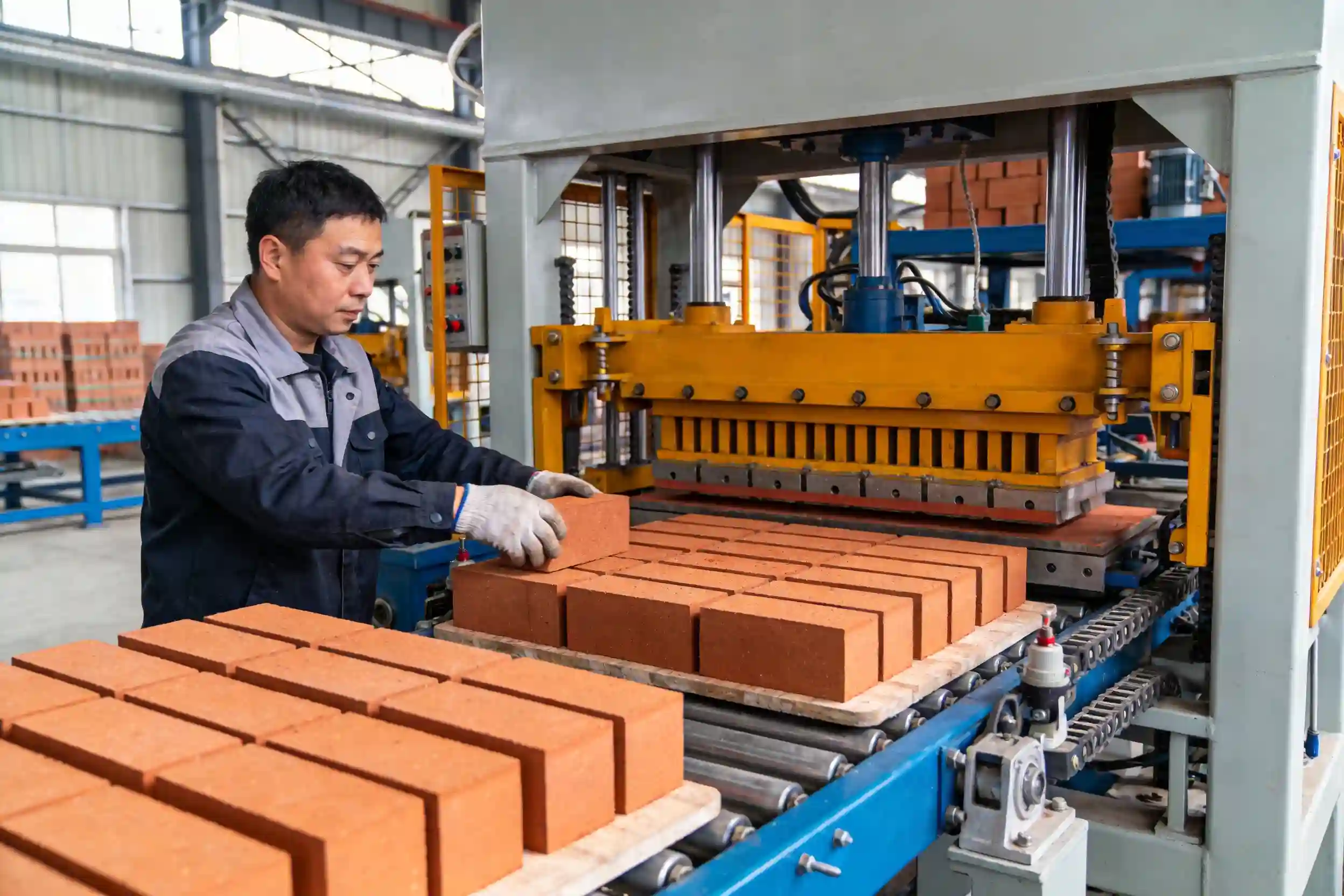
They didn't have an answer. So I reframed it. If the market doesn't respond and you need to shut down this line in 18 months, what happens to the equipment? If you bought it, you own a specialized machine you can't use. If you leased it with an operating lease, you return it and stop paying. The cost of being wrong is completely different.
Operating Lease vs Finance Lease: Which Risk Are You Managing?
People confuse these terms. They think all leases are the same. They're not. The type of lease changes what risk you're protecting against.
A finance lease is basically a loan with ownership transfer at the end. You pay monthly, but you're building equity in the equipment. At the end of the term, the machine is yours. This makes sense when you're confident the equipment will be useful for its full lifespan and you want to own it eventually.
An operating lease is closer to renting[^2]. You pay monthly for the right to use the equipment. At the end, you give it back or renew. You never own it. This makes sense when you expect to upgrade before the equipment wears out, or when you're testing demand and might exit the market.
| Lease Type | Ownership Transfer | Best For | Risk Mitigated |
|---|---|---|---|
| Finance Lease | Yes, at end of term | Proven production lines with stable demand | Cash flow strain from upfront purchase |
| Operating Lease | No, equipment returned | Testing new products or expecting tech upgrades | Obsolescence and market uncertainty |
| Outright Purchase | Immediate | Established businesses with capital reserves | None, assumes demand certainty |
A leather goods factory chose finance leasing for their main cutting line. They've been making the same products for five years. Demand is stable. They want to own the machine eventually. The monthly payments fit their budget better than a lump sum. This made sense for them.
Another client makes gaskets for industrial equipment. Technology in cutting precision improves every two years[^3]. They don't want to own a machine that becomes outdated. They use operating leases and upgrade regularly. Different business, different risk profile, different decision.
What Questions Should You Actually Ask Before Choosing?
When someone calls about leasing, I don't immediately quote terms. I ask them questions first. Because most people haven't thought through what they're really trying to solve.
First question: How much capital do you have available, and how much do you need to keep for operating expenses? If buying the equipment would drop you below three months of operating reserves[^4], leasing probably makes more sense. Not because it's cheaper. Because running out of cash kills businesses faster than any other problem[^5].
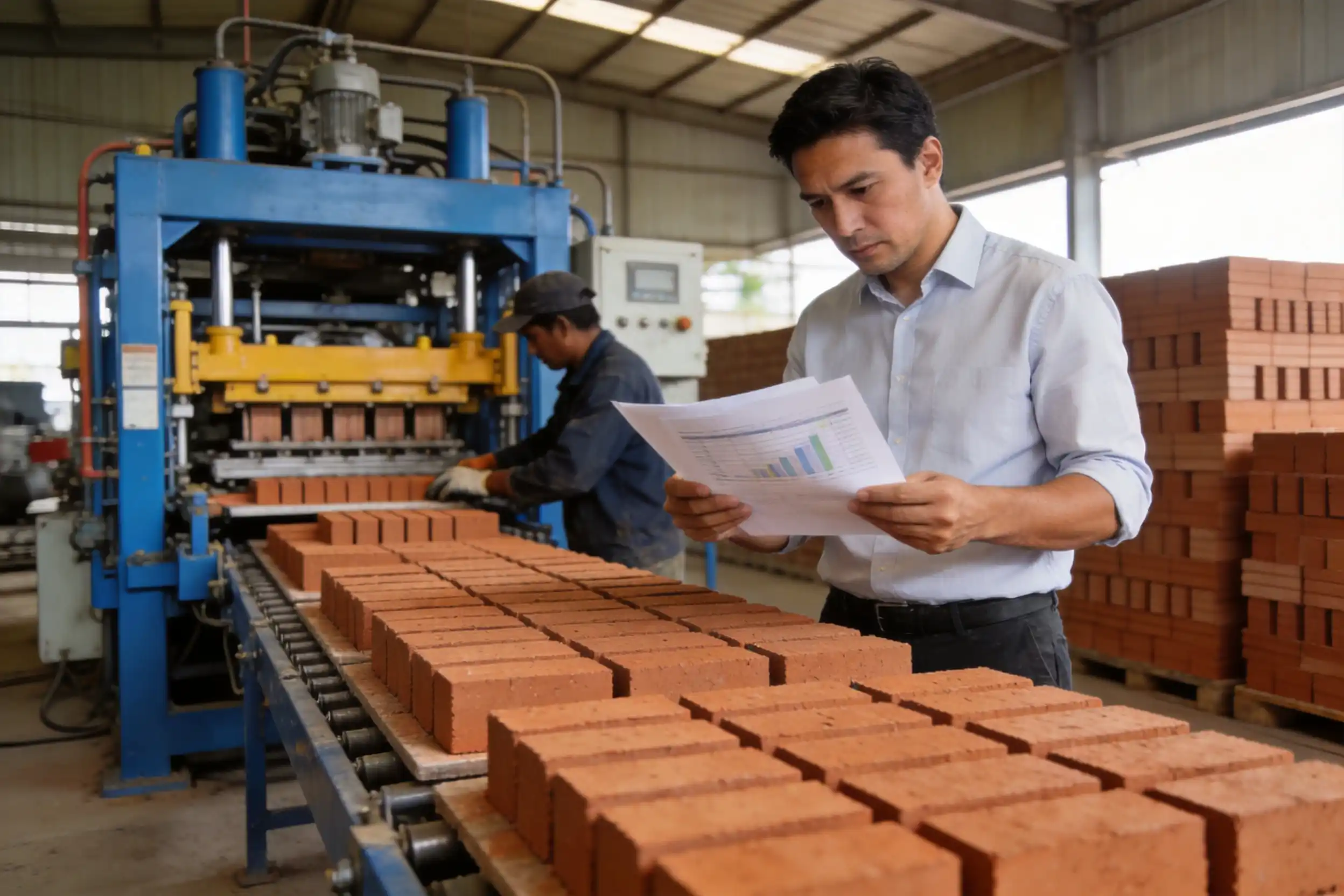
Second question: How certain are you about production volume over the next two years? If you're scaling an existing product line with confirmed orders, buying or finance leasing makes sense. If you're testing market response to a new product, operating leasing reduces your risk of being stuck with expensive equipment nobody needs.
The Real Decision Framework
Here's what I tell people. Don't ask whether leasing is more expensive. Ask these three things instead:
Can you afford to lock this capital in equipment right now? Not theoretically. Actually. Would writing the check leave you uncomfortably low on cash? If yes, leasing makes the timing problem manageable.
What happens if your volume assumptions are wrong? If demand is lower than expected, or if your product design changes, what do you do with the equipment? Owning means you're stuck. Leasing means you have options.
Do you expect this technology to become outdated soon? CNC knife cutting technology improves steadily[^6]. Software updates. Cutting speed increases. Precision gets better. If you buy today's machine, will it still be competitive in three years? Or will you wish you could upgrade? Operating leases let you upgrade. Ownership doesn't.
| Your Situation | Capital Position | Demand Certainty | Technology Risk | Recommended Approach |
|---|---|---|---|---|
| Testing new product line | Limited reserves | Unproven | Not critical | Operating lease - minimize sunk cost |
| Scaling existing production | Sufficient capital | High confidence | Stable technology | Purchase or finance lease - build equity |
| Seasonal business | Variable cash flow | Moderate | Moderate | Operating lease - match payments to revenue |
| Rapid tech evolution sector | Any level | Any level | High obsolescence risk | Operating lease - maintain upgrade flexibility |
A client runs a small advertising materials shop. Seasonal orders, mostly in summer. Cash flow is lumpy. They asked about buying a fabric cutter. I asked what happens in winter when revenue drops. They said they'd struggle with fixed payments. So why create that problem? Operating lease with seasonal payment structures matched their revenue pattern. Higher total cost over time, but they didn't go broke in January.
How Do You Evaluate the Actual Terms Manufacturers Offer?
Leasing terms vary a lot between providers[^7]. Some manufacturers offer in-house leasing. Others partner with third-party finance companies[^8]. The structure matters because it changes who you're dealing with when problems come up.
When you lease directly from the manufacturer, the equipment provider and the financing source are the same[^9]. This usually means faster approvals and more flexibility if you need service or modifications. But it might also mean fewer competitive options on rates.
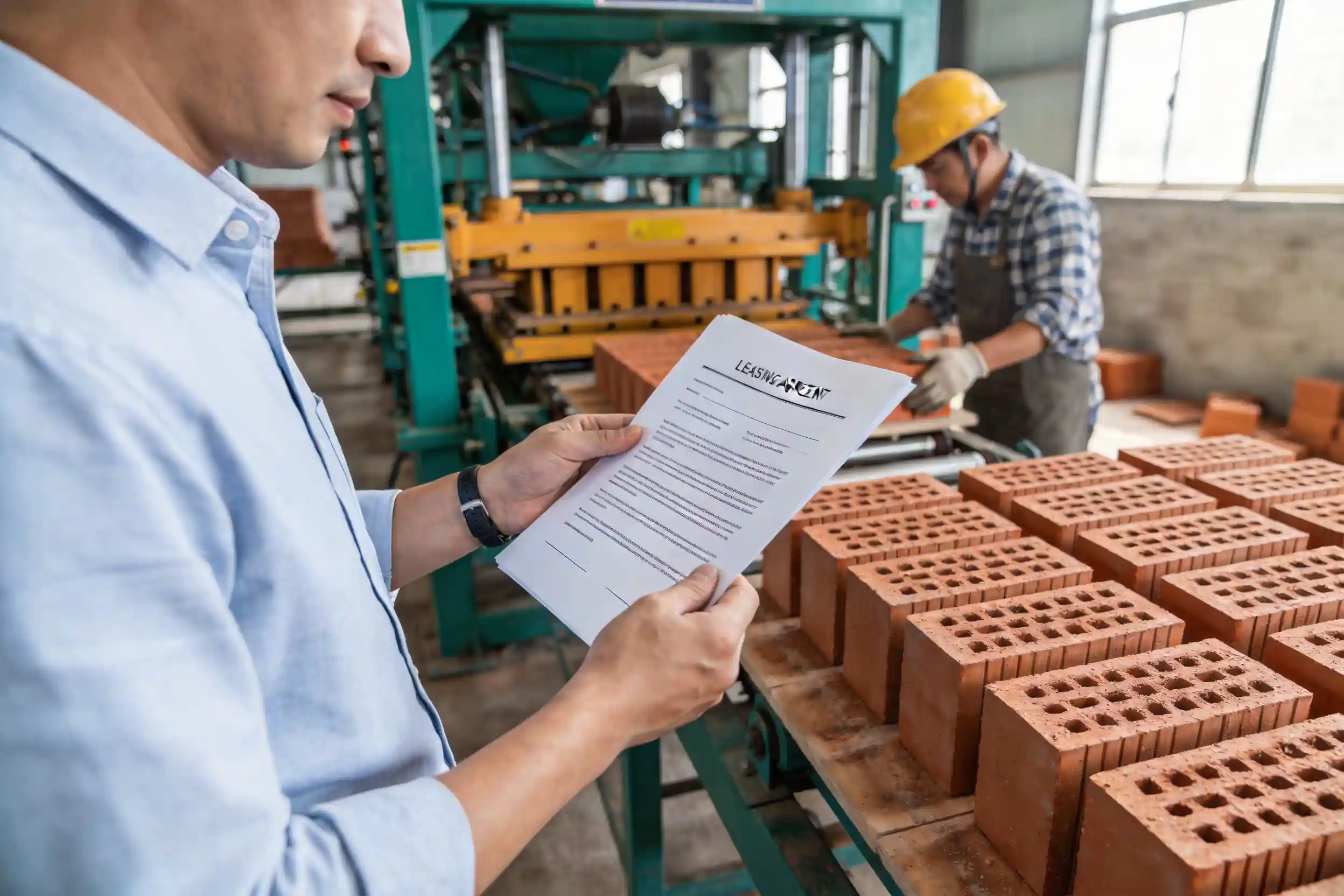
Third-party leasing separates the equipment from the financing[^10]. You buy from the manufacturer, but a leasing company owns the equipment and rents it to you. This can get you better rates if you shop around. But service issues and contract changes involve multiple parties, which adds complexity.
What Terms Should You Actually Negotiate?
Most people focus on monthly payment amounts. That matters, but it's not the only thing. Here's what else changes your real cost and risk:
Early termination terms. If your business situation changes, can you exit the lease? At what cost? Some leases penalize early termination heavily. Others give you reasonable buyout options. If there's any chance your production needs will change, this clause matters more than the monthly rate.
Maintenance and service responsibilities. Who handles repairs? Who pays for parts? Some leases include full maintenance. Others make you responsible. If you don't have technical staff, getting stuck with a broken machine and no support is expensive.
End-of-lease options. What happens when the term ends? Can you buy the equipment? At what price? Can you extend the lease? On what terms? Finance leases usually have clear ownership transfer paths. Operating leases might offer purchase options, but the pricing can vary wildly.
| Lease Term Element | What to Ask | Why It Matters |
|---|---|---|
| Monthly Payment | Does this fit our cash flow year-round? | Determines affordability during slow periods |
| Lease Duration | How long before we own it or return it? | Matches commitment to business certainty |
| Early Exit Penalty | What does it cost to get out if demand drops? | Protects against market failure |
| Maintenance Inclusion | Who fixes it when it breaks? | Prevents unexpected downtime costs |
| End-of-Term Purchase Price | Can we afford to buy it later if we want? | Affects total cost of ownership |
A packaging manufacturer signed a lease without reading the maintenance terms. The equipment broke down. The lease said they were responsible for repairs. They hadn't budgeted for that. Service call plus parts cost them nearly three months of lease payments. If they'd negotiated maintenance inclusion, or at least known about the clause, they could have planned for it.
What Do Different Business Types Actually Need?
I've noticed patterns in what works for different kinds of businesses. Not rules. Just patterns from conversations with people who made these decisions.
Startups testing market response usually need operating leases. They don't know if the product will succeed. They need to preserve capital for pivots. They can't afford to own equipment that becomes useless if the business model changes. Lower monthly payments matter less than exit flexibility.
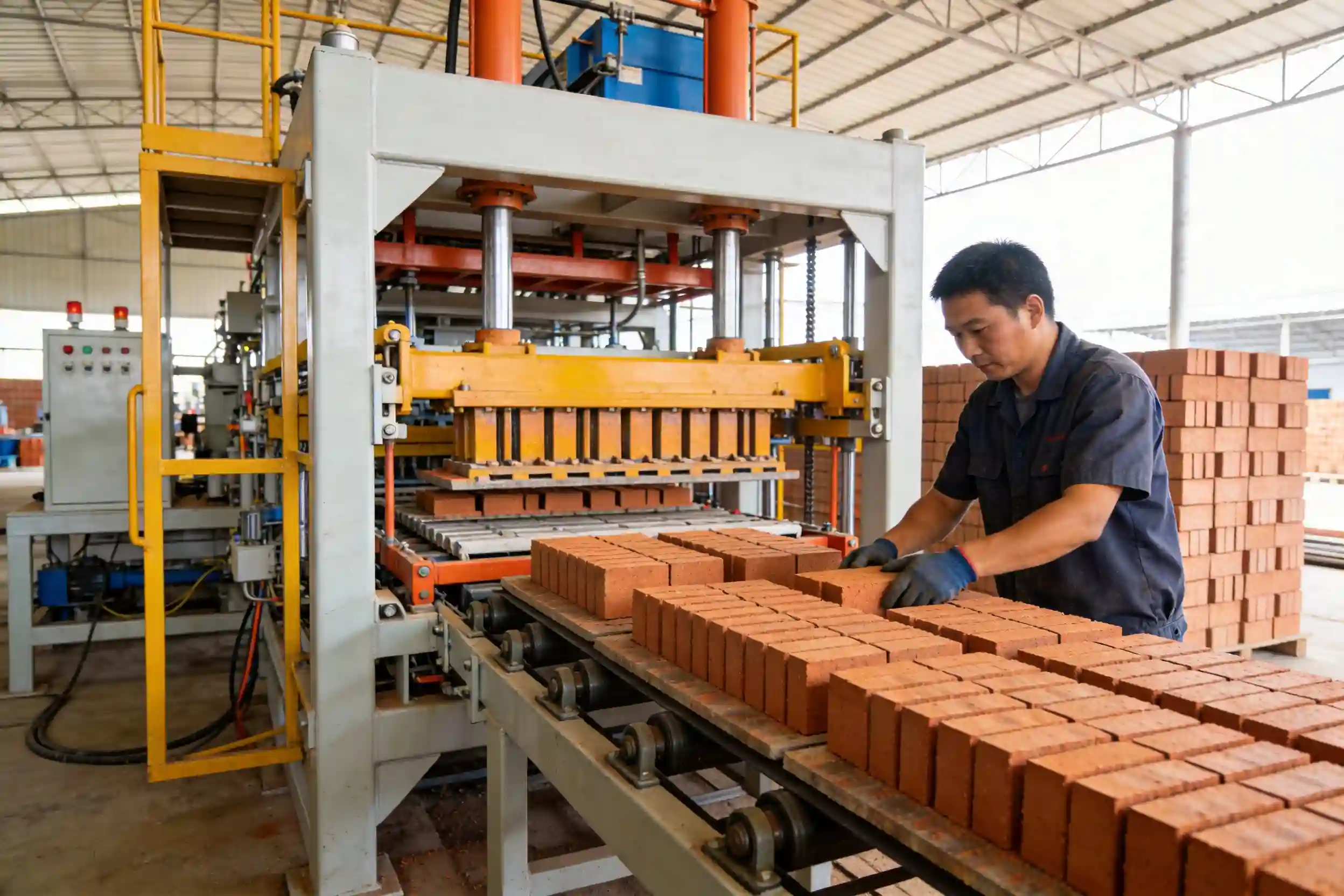
Established manufacturers scaling existing lines usually do better with finance leases or purchases. They have revenue history. They know demand patterns. They want to build asset value. Ownership makes sense when uncertainty is low.
Seasonal Businesses Need Payment Matching
Seasonal businesses need payment structures that match their revenue cycles[^11]. Standard monthly leases don't work well if you make 70% of your revenue in four months. You need terms that let you pay more during high season and less during slow months. Some manufacturers offer this. Most don't. You have to ask.
A tent and awning manufacturer contacted us. Summer orders were huge. Winter was dead. Equal monthly payments would strain them half the year. We structured an operating lease with higher summer payments and reduced winter payments. Total annual cost was the same, but cash flow timing matched their business reality.
| Business Type | Primary Concern | Best Fit | Key Negotiation Point |
|---|---|---|---|
| Market-Testing Startup | Avoiding sunk cost | Operating lease | Early termination terms |
| Scaling Manufacturer | Building asset value | Finance lease or purchase | Competitive interest rates |
| Seasonal Business | Cash flow matching | Operating lease with variable payments | Payment timing flexibility |
| Tech-Dependent Industry | Obsolescence risk | Short-term operating lease | Upgrade path clarity |
Companies in industries where cutting technology changes fast should think hard about ownership. If better equipment comes out every two years, owning a five-year-old machine means you're competing with outdated tools. Operating leases let you stay current without writing off old equipment.
Conclusion
Leasing knife cutting equipment isn't about finding the cheapest option. It's about matching your payment structure to your cash position, demand certainty, and business risk. Ask what happens if your assumptions are wrong, then choose the acquisition method that doesn't destroy your business if you're wrong.
[^1]: "Analyzing the Efficiency of Working Capital Management - PMC", https://pmc.ncbi.nlm.nih.gov/articles/PMC9307712/. Research on small business failure indicates that cash flow problems, including timing mismatches between capital expenditures and revenue generation, are among the leading causes of business closures, though the specific contribution of equipment investment timing varies by industry and business maturity stage. Evidence role: statistic; source type: research. Supports: the relationship between cash flow timing mismatches and business failure rates. Scope note: Studies typically examine cash flow problems broadly rather than isolating equipment purchase timing as a specific factor. [^2]: "Lease Classification | Cornell University Division of Financial Services", https://finance.cornell.edu/accounting/topics/lease-classification. Accounting standards define an operating lease as a lease that does not transfer substantially all the risks and rewards of ownership, with the lessor retaining ownership and the lessee obtaining only the right to use the asset for a specified period, functionally similar to a rental arrangement though with specific accounting treatment and contractual obligations that may differ from short-term rentals. Evidence role: definition; source type: government. Supports: the accounting and legal definition of operating leases. [^3]: "The History and Evolution of Manufacturing", https://interpro.wisc.edu/the-history-and-evolution-of-manufacturing/. Manufacturing equipment industry analyses suggest that significant technological improvements in CNC cutting systems, including precision enhancements, typically occur on cycles of 2-4 years as new control systems, servo motors, and software capabilities are introduced, though the practical impact of these improvements on production quality varies by application and may not justify equipment replacement on any fixed schedule. Evidence role: general_support; source type: research. Supports: the typical cycle of significant technological improvements in precision cutting equipment. Scope note: The two-year figure represents an approximate industry observation rather than a precise or universal upgrade cycle, and the relevance of improvements depends on specific production requirements. [^4]: "An essential guide to building an emergency fund", https://www.consumerfinance.gov/an-essential-guide-to-building-an-emergency-fund/. Financial advisors and small business administration guidance commonly recommend maintaining operating reserves of three to six months of expenses, though the appropriate level depends on business volatility, access to credit, and industry-specific cash flow patterns. Evidence role: expert_consensus; source type: education. Supports: recommended operating reserve levels for small businesses. Scope note: The three-month figure represents a general guideline rather than a universal requirement, and optimal reserve levels vary significantly by business circumstances. [^5]: "[PDF] Small Business Failure Rates: Choice of Definition and the Size Effect", https://digitalcommons.pepperdine.edu/cgi/viewcontent.cgi?article=1195&context=jef. Studies of small business failures consistently identify inadequate cash flow and working capital shortages among the top causes of business closures, with cash insolvency often precipitating rapid failure once reserves are exhausted, though the relative speed compared to other failure modes depends on the availability of credit and the severity of the cash shortage. Evidence role: statistic; source type: research. Supports: the relative importance and timeline of cash flow problems in business failures. Scope note: Research typically examines multiple interrelated failure factors rather than isolating cash depletion as a single independent cause with a measurable timeline. [^6]: "[PDF] Improving Obsolescence Management by Enhancing Supplier", https://repository.rit.edu/cgi/viewcontent.cgi?article=13353&context=theses. Industry analyses of manufacturing equipment indicate that CNC cutting technologies have experienced incremental improvements in control software, cutting speed, and precision over the past decade, with significant advances typically occurring on 2-4 year cycles as new control systems and servo technologies are introduced. Evidence role: general_support; source type: research. Supports: the pace of technological improvement in CNC cutting equipment. Scope note: The rate of meaningful technological advancement varies by specific application and may not justify equipment replacement on any fixed schedule. [^7]: "[PDF] Equipment leasing: Analysis of industry practices emphasizing ...", https://commons.emich.edu/cgi/viewcontent.cgi?article=1062&context=honors. Equipment leasing market analyses indicate substantial variation in lease terms, rates, and conditions across providers, influenced by factors including provider type (captive manufacturer financing vs. independent lessors), creditworthiness assessment methods, equipment type, and competitive positioning, with effective rates and total costs potentially varying by 20-40% or more for similar equipment and credit profiles. Evidence role: general_support; source type: research. Supports: the degree of variation in equipment leasing terms across providers. Scope note: Specific variation ranges depend on equipment type, lease structure, and market conditions at the time of the transaction. [^8]: "Independent vs Captive Leasing: Definitions & Differences", https://equipmentleases.com/leasing-blog/independent-vs-captive-equipment-leasing-companies/. Equipment manufacturing industry analyses identify two primary financing models: captive finance subsidiaries owned by manufacturers that provide direct financing, and partnerships with independent third-party lessors or banks, with larger manufacturers more likely to maintain captive finance operations while smaller manufacturers typically rely on third-party relationships due to capital and regulatory requirements. Evidence role: general_support; source type: research. Supports: the different financing models used by equipment manufacturers. [^9]: "[PDF] Lease Financing, Comptroller's Handbook", https://www.occ.treas.gov/publications-and-resources/publications/comptrollers-handbook/files/lease-financing/pub-ch-lease-financing.pdf. In manufacturer-direct financing arrangements, typically structured through a captive finance subsidiary or division, the equipment provider and financing source operate under common ownership, allowing integrated credit decisions, equipment service, and contract modifications, though the financing entity may still be a legally separate subsidiary for regulatory and accounting purposes. Evidence role: mechanism; source type: education. Supports: how manufacturer-direct financing structures combine equipment provision and financing. [^10]: "[PDF] Equipment leasing: Analysis of industry practices emphasizing ...", https://commons.emich.edu/cgi/viewcontent.cgi?article=1062&context=honors. In third-party leasing arrangements, an independent leasing company or financial institution purchases equipment from the manufacturer and leases it to the end user, creating a three-party relationship where equipment service and warranty remain with the manufacturer while financing terms and lease administration are handled by the lessor, potentially complicating issue resolution but allowing competitive financing options. Evidence role: mechanism; source type: education. Supports: how third-party leasing structures separate equipment provision from financing. [^11]: "Seasonal Business Cash Flow Management Strategies [2026]", https://www.paperstack.ai/post/seasonal-business-cash-flow-management-strategies. Business finance literature on seasonal enterprises emphasizes the importance of aligning fixed payment obligations with revenue cycles to avoid cash flow strain during low-revenue periods, with strategies including seasonal credit lines, revenue-based payment structures, and maintaining larger cash reserves, though the availability of such flexible payment terms varies significantly by lender and creditworthiness. Evidence role: expert_consensus; source type: education. Supports: the importance of matching payment obligations to revenue timing for seasonal businesses.


