

Fast Shipping
Carrier information

20k products
Payment methods

24/7 Support
Unlimited help desk

2-day Delivery
Track or off orders
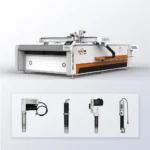
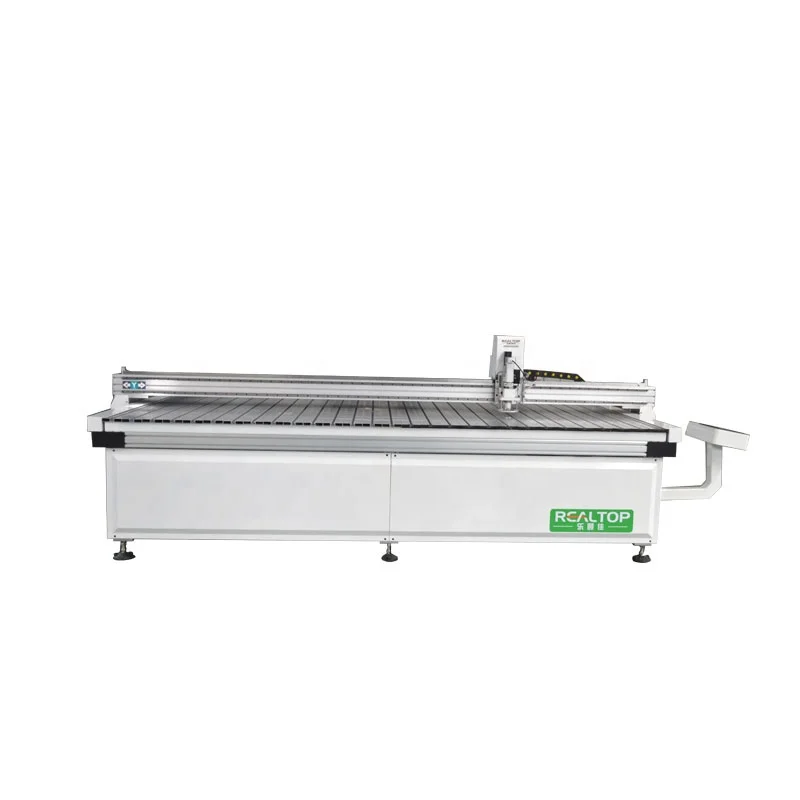
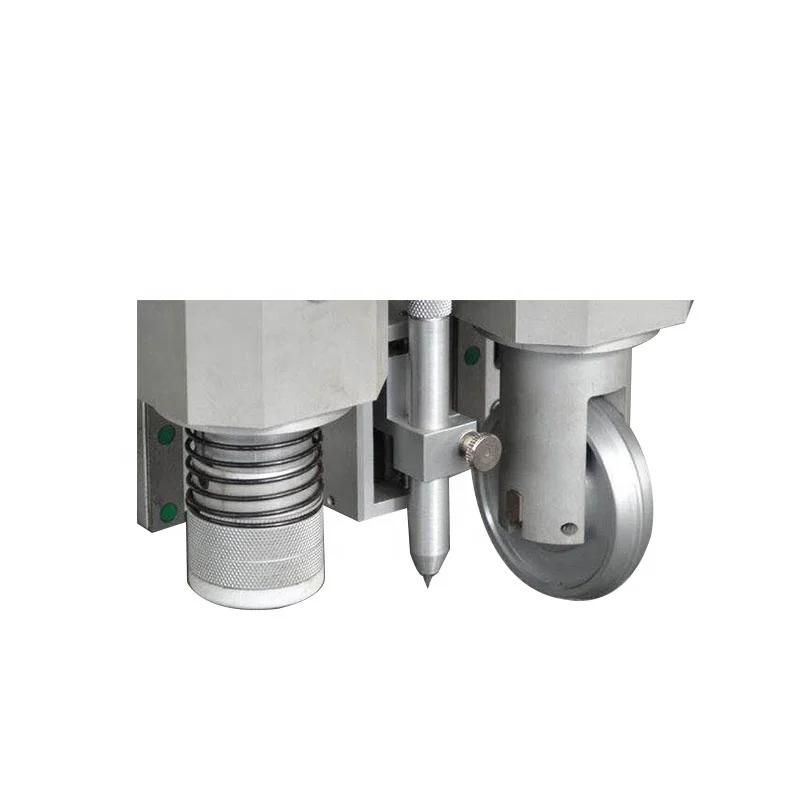
Tool Head Matched to Material — Our design team specifies oscillating knife, drag knife, or half-cut configurations based on the exact fabric, leather, or composite you send us, not a one-size-fits-all default.
Technical Specifications
| Parameter | Value |
|---|---|
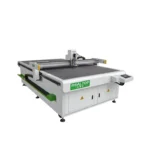
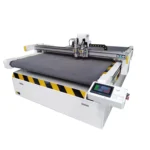
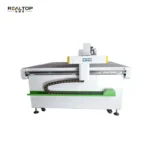
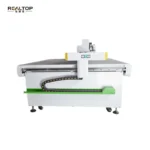
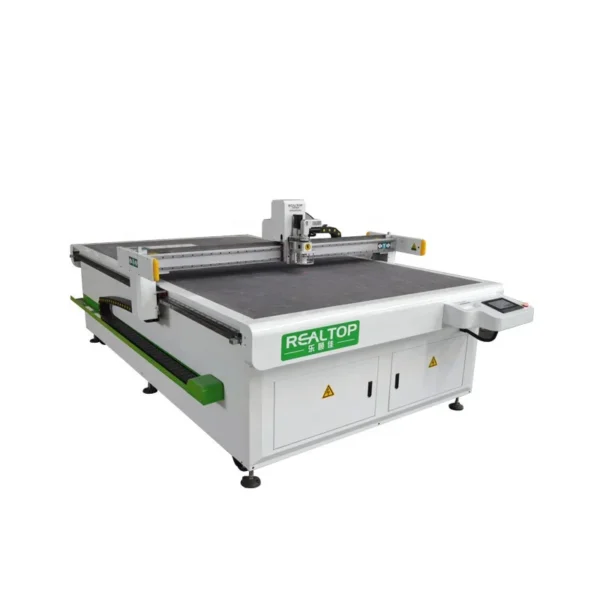
| Model | RT-D2516 / RT-S2516 |
| Working Area | 1600 × 2500 mm |
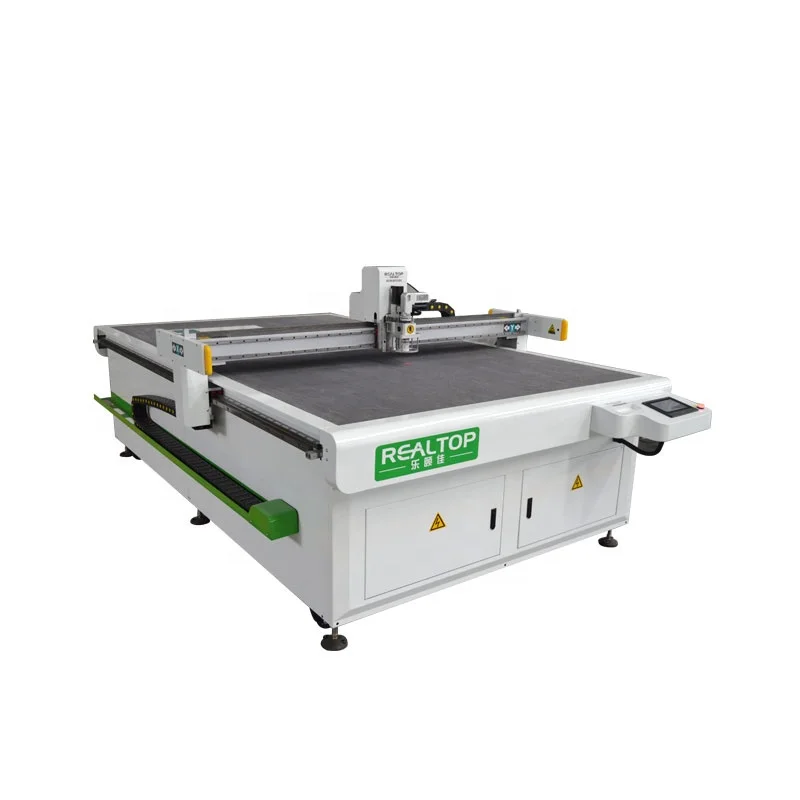
| Machine Dimensions (L × W × H) | 3450 × 2300 × 1250 mm |
| Rated Power | 9 kW |
| Voltage | 380V ±10% (50/60 Hz to be confirmed before shipment) |
| Table Type | Flat vacuum table with auto-feeding conveyor |
| Tool Head | Swiss imported knife with vibration full-cut, half-cut, and cursor location |
| Servo Motor | Japanese Yaskawa |
| Linear Rail | Taiwan Hiwin |
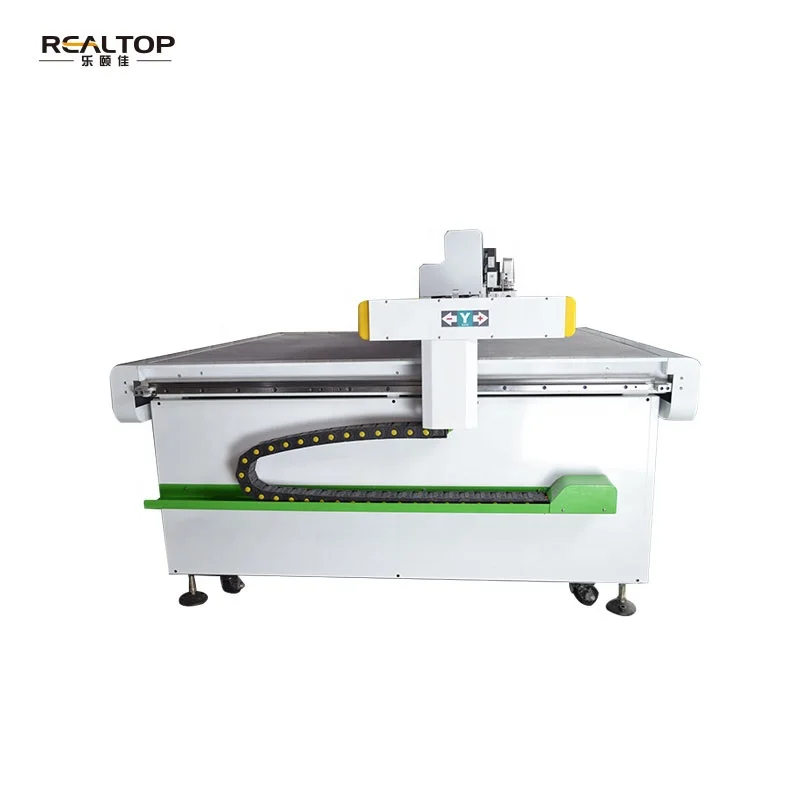
| Transmission System | Digital servo motor, linear guide, synchronous belt, ball screw |
| Vacuum Pump | 7.5 kW |
| Conveyor Belt | Germany imported |
| Repeated Accuracy | ≤ 0.1 mm |
| Translational Velocity | 800–1200 mm/s |
| Cutting Speed | 200–800 mm/s (according to different cutting materials) |
| Instruction System | HP-GL compatible format |
| Safety Device | Infrared sensors |
| Standards | CE (certificate details verified upon order) |
Application Suitability
| Application | Material or Output |
|---|---|
| Bridal gown and wedding dress production | Multi-layer delicate textiles, satin, tulle, lace composites |
| Garment and apparel manufacturing | Woven fabric, knitted textile, flexible synthetic sheets |
| Leather goods and footwear | Natural leather, PU leather, sponge composite leather |
| Automotive interior components | PVC soft sheet, rubber gasket, soft glass, silicon |
| Industrial composite processing | Sponge, foam, laminated flexible materials |
What "Cutting Speed up to 800 mm/s" Leaves Out on a CNC Oscillating Knife Cutting Machine
Real throughput depends on the material density, layer count, and contour complexity, not the published maximum speed.
When I started working on the assembly floor in Jinan, I watched a customer run a test sample on thin cotton and approve the machine instantly. A month later they were cutting multi-layer satin and lace composites for bridal wear, and the oscillating knife was stalling through the stack. The 800 mm/s rating applies to single-layer soft material with simple straight lines [NEED_CITE: manufacturer cutting speed testing standards]. Complex wedding dress patterns with tight curves require the tool to decelerate, and thick composites demand slower feed rates for clean edges. That is why we always run the buyer’s actual material on our floor before confirming the CNC oscillating knife cutting machine specifications.
Oscillating Knife Versus Drag Knife: Picking the Right Tool Head
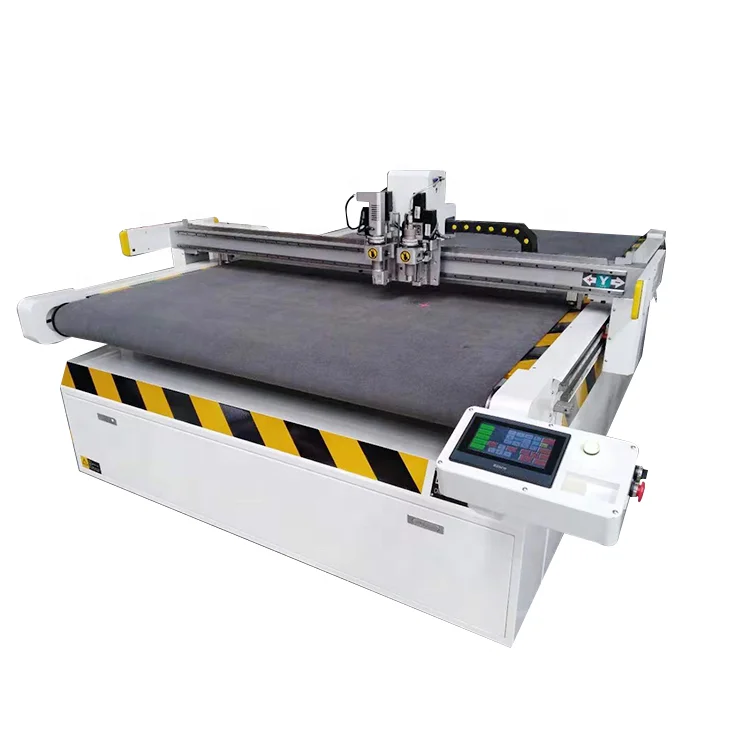
The RT-D2516 / RT-S2516 supports both oscillating and drag knife configurations, and the choice depends entirely on what you cut. Oscillating vibration excels at thick sponge composites and multi-layer fabric stacks because the rapid vertical strokes slice through without dragging the material. Drag knives work better on single-layer vinyl, thin leather, and gasket sheets where a clean pull-cut produces a smooth edge. For a bridal workshop cutting both satin and lace overlays, we often configure a dual-head setup so operators switch between materials without changing tooling mid-shift.
How Vacuum Zoning Affects Small Pattern Hold-Down
A 7.5 kW vacuum pump delivers strong suction, but the table zoning layout determines whether small garment pieces stay flat during cutting. When cutting bridal bodice patterns with intricate curves, undersized pieces can lift if the vacuum zone extends beyond the material footprint. We configure the vacuum zones on the flat working table to match the typical pattern layout of your production. This prevents edge lift on delicate tulle layers and keeps registration accurate to the ≤ 0.1 mm repeatability specification [NEED_CITE: vacuum table zoning requirements for digital cutting].
Reading the Specs That Actually Matter on the Shop Floor
The Yaskawa servo motors paired with Hiwin linear rails and ball screw transmission give this CNC oscillating knife cutting machine its ≤ 0.1 mm repeatability. In practical terms, when a wedding dress pattern has twenty identical bodice panels, the last piece matches the first. The Swiss imported knife assembly handles both full-cut and half-cut modes, so a leather goods producer can kiss-cut a logo into PU without penetrating the backing layer. The 7.5 kW vacuum pump paired with the auto-feeding conveyor allows continuous sheet loading, reducing idle time between cuts. HP-GL compatible instruction format integrates with common nesting software, though buyers should confirm DXF, PLT, and AI file compatibility before placing the order [NEED_CITE: CNC cutting software file format standards].
The Hidden Cost of Skipping the Sample Cutting Test
A buyer who specifies a CNC knife cutting machine based only on working area size often discovers the tool head cannot handle their material thickness. Ragged edges on multi-layer satin force manual trimming downstream, and crushed foam from the wrong oscillation frequency ruins the top layer of every stack. Infrared safety sensors protect operators during high-speed cuts, but no sensor compensates for a misconfigured blade depth. We have seen customers lose entire production days re-cutting pieces because the vacuum zoning was not adjusted for their small pattern sizes [NEED_CITE: common causes of material waste in digital cutting operations].
Why Production Managers Source This Configuration Here
Our in-house design team builds both oscillating knife and laser cutting systems under one roof, so a fabric buyer gets the cutting method matched to their material rather than being pushed toward whichever machine we want to move. We run sample cuts on the buyer’s own material and provide a written report before any order is confirmed. Voltage, plug type, and control panel language are locked in during the specification phase, not discovered at uncrating. The factory test record documents cutting performance on the exact material stack the buyer sent us. Spare parts lists include consumable blades and belt segments sized to the buyer’s projected monthly volume.
Documentation & Verification
- Machine specification sheet listing confirmed tool head and vacuum zoning configuration
- Electrical schematic with voltage and frequency matched to destination grid
- Sample cutting report run on the buyer’s own fabric or composite material
- Factory test record documenting accuracy and edge quality before dispatch
- Software licence with confirmed file format compatibility note
- Spare parts list covering blades, belts, and vacuum seals
Installation, Commissioning & Support
- Foundation must support 3450 × 2300 mm footprint plus conveyor infeed clearance
- Dedicated 380V circuit required for combined 9 kW machine and 7.5 kW vacuum pump load
- Machine ships partially assembled; table frame and gantry aligned on-site
- First-run parameter tuning performed on buyer’s material to set oscillation frequency
- Operator training covers HP-GL file import, nesting workflow, and blade depth adjustment
- Preventive maintenance schedule includes Hiwin rail lubrication and belt tension checks
Before You Send an Inquiry
To recommend the correct tool head and table configuration, we need the material type, maximum thickness, and the thickest composite stack you plan to cut. Tell us your daily sheet volume and whether your patterns require CCD camera contour recognition for printed marks. Confirming your local voltage and frequency at the inquiry stage prevents rewiring costs after delivery.
Frequently Asked Questions
Q: How do I choose between an oscillating knife and a drag knife for my fabric?
A: Oscillating knives work best for thick multi-layer fabric stacks and sponge composites because the vibrating blade slices without dragging. Drag knives suit single-layer thin leather, vinyl, and gasket material where a smooth pull-cut edge is needed. We run both tool heads on your sample material to confirm edge quality before you commit.
Q: Can the vacuum table hold down small bridal pattern pieces without lifting?
A: The 7.5 kW vacuum pump provides strong suction, but small pieces require properly zoned table sections so the vacuum area matches the material footprint. We configure the zone layout based on your typical pattern size to prevent edge lift on delicate tulle and lace during high-speed oscillating cuts.
Q: Will the machine accept my existing DXF and PLT design files?
A: The instruction system supports HP-GL compatible format as standard. Additional format support such as DXF, PLT, and AI must be confirmed before order placement. We verify software compatibility with your nesting workflow and provide a written file format compatibility note with the documentation package.
Q: Is the voltage and control language confirmed before the machine ships?
A: Yes. The RT-D2516 / RT-S2516 is rated at 380V ±10%, but 50 Hz or 60 Hz frequency and plug type must match your local grid. Control panel language options are confirmed during the specification phase. We provide an electrical schematic and voltage confirmation document before production begins.
Q: What does the sample cutting test actually include?
A: You send us your thickest material stack and most complex pattern file. We run the cut on the configured machine and document edge quality, cutting depth, and cycle time in a written sample cutting report. This lets you evaluate real performance on your production material before placing the order.


商品评价
Clear filtersThere are no reviews yet.