




Fast Shipping
Carrier information

20k products
Payment methods

24/7 Support
Unlimited help desk

2-day Delivery
Track or off orders
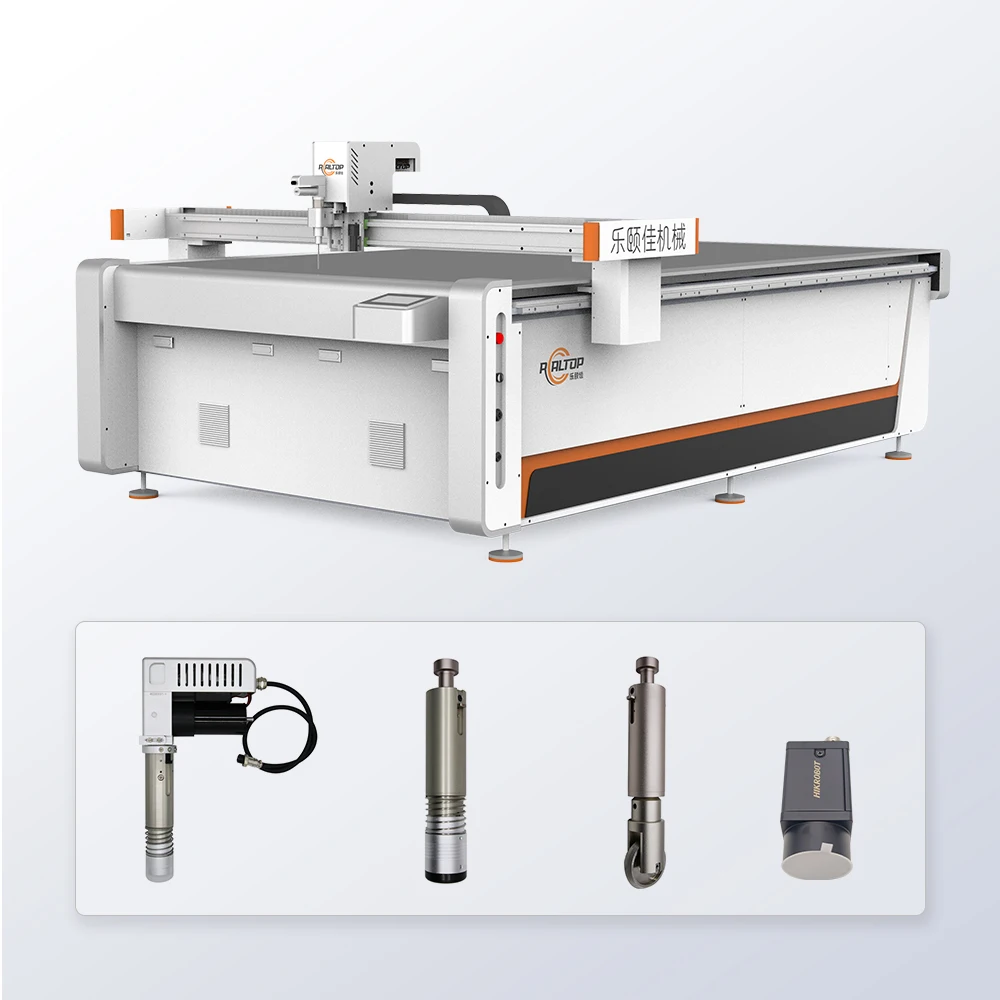
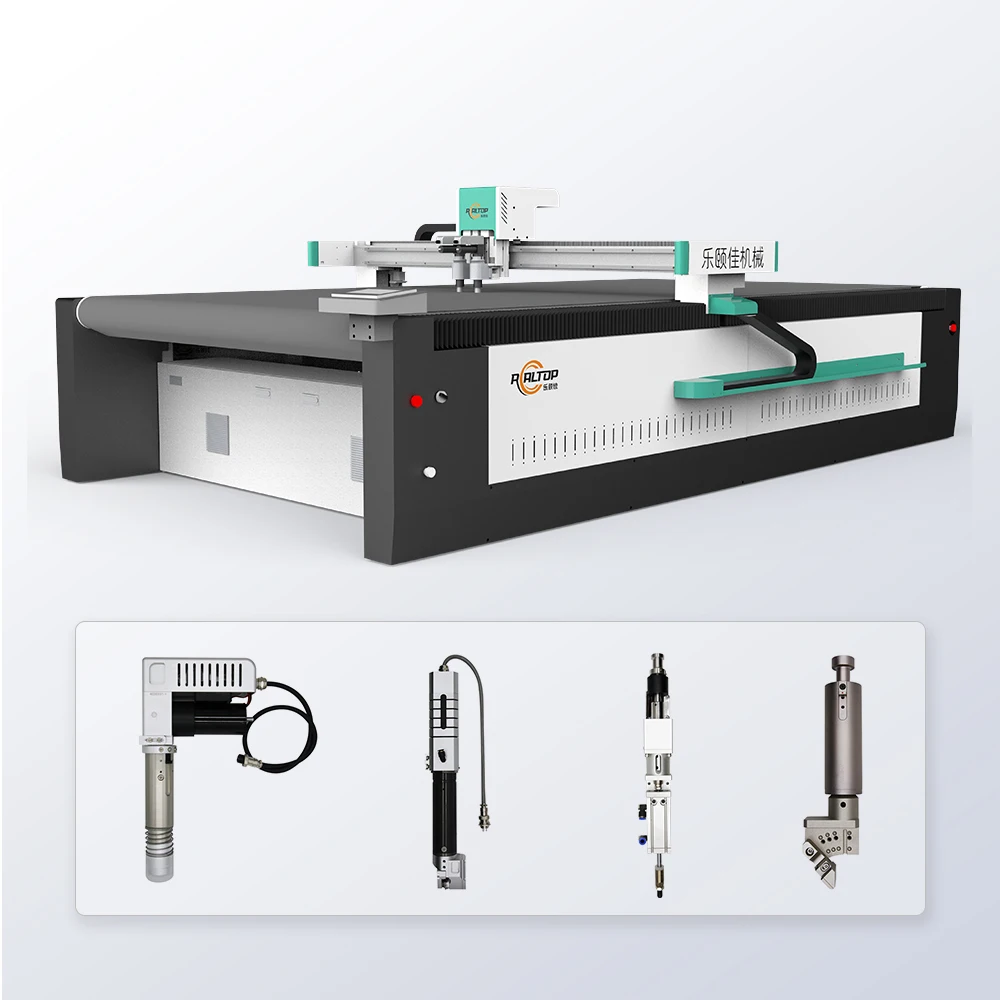
Tool head configuration matched to material profile — The RT-D2516/RT-S2516 CNC Oscillating Knife Cutting Machine supports Swiss imported knife tooling with vibration full and half cutting modes, ensuring clean edges on corrugated board, foam, and composite sheets without crushing or ragged tear.
Technical Specifications
| Parameter | Value |
|---|---|
| Model | RT-D2516/RT-S2516 |
| Product Type | CNC Oscillating Knife Cutting Machine |
| Working Area | 1600 × 2500 mm |
| Overall Dimensions (L×W×H) | 3450 × 2300 × 1250 mm |
| Rated Power | 9 kW |
| Working Table | Flat vacuum table with auto feeding system |
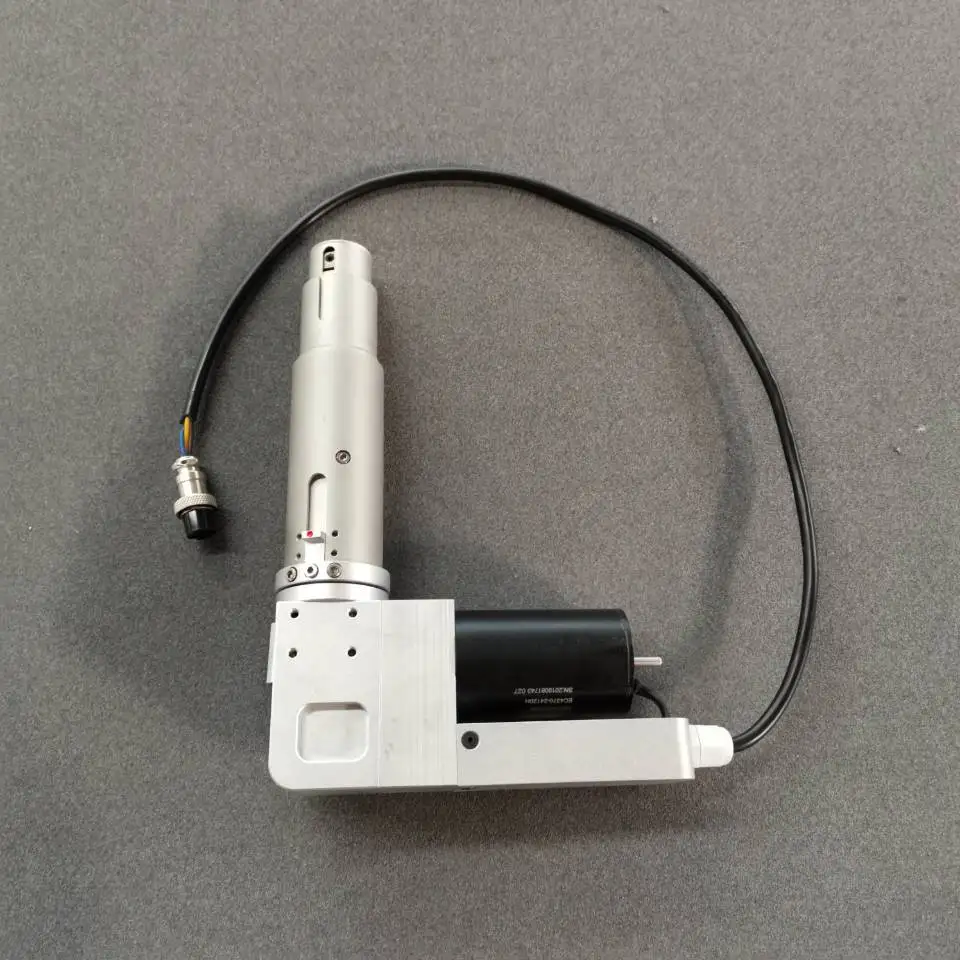
| Multifunctional Head | Swiss imported knife: vibration full cutting, vibration half cutting, cursor location |
| Translational Velocity | 800–1200 mm/s |
| Cutting Thickness | 200–800 mm/s (basis not stated in source — confirm block format / material / thickness) |
| Repeated Accuracy | ≤0.1 mm |
| Transmission System | Digital servo motor, linear guide, synchronous belt, ball screw |
| Servo Motor | Delta brand with IP67 protection |
| Linear Guide | Taiwan Hiwin rail |
| Vacuum Pump | 7.5 kW |
| Conveyor Belt | Germany imported belt |
| Instruction System | HP-GL compatible format |
| Voltage | 380V ±10% |
| Safety Device | Infrared sensors |
| Standards | CE |
Application Suitability
| Application | Material or Output |
|---|---|
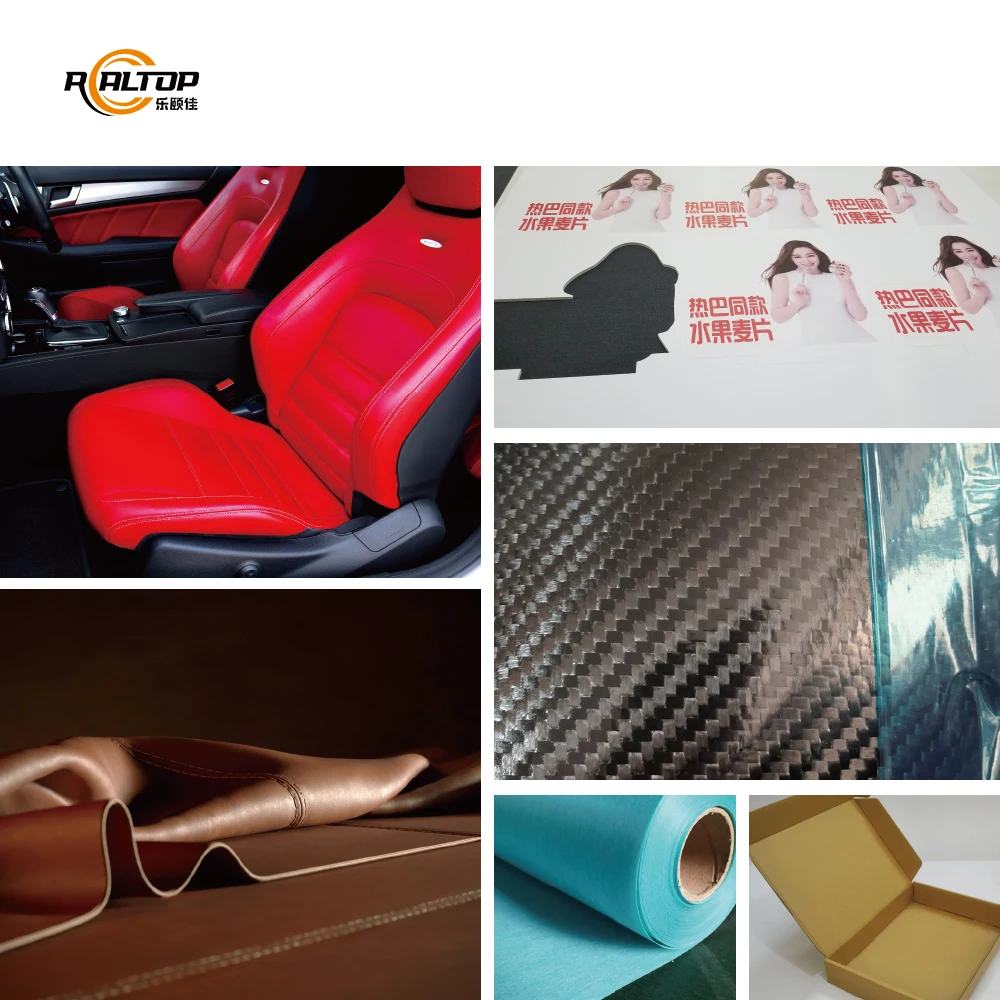
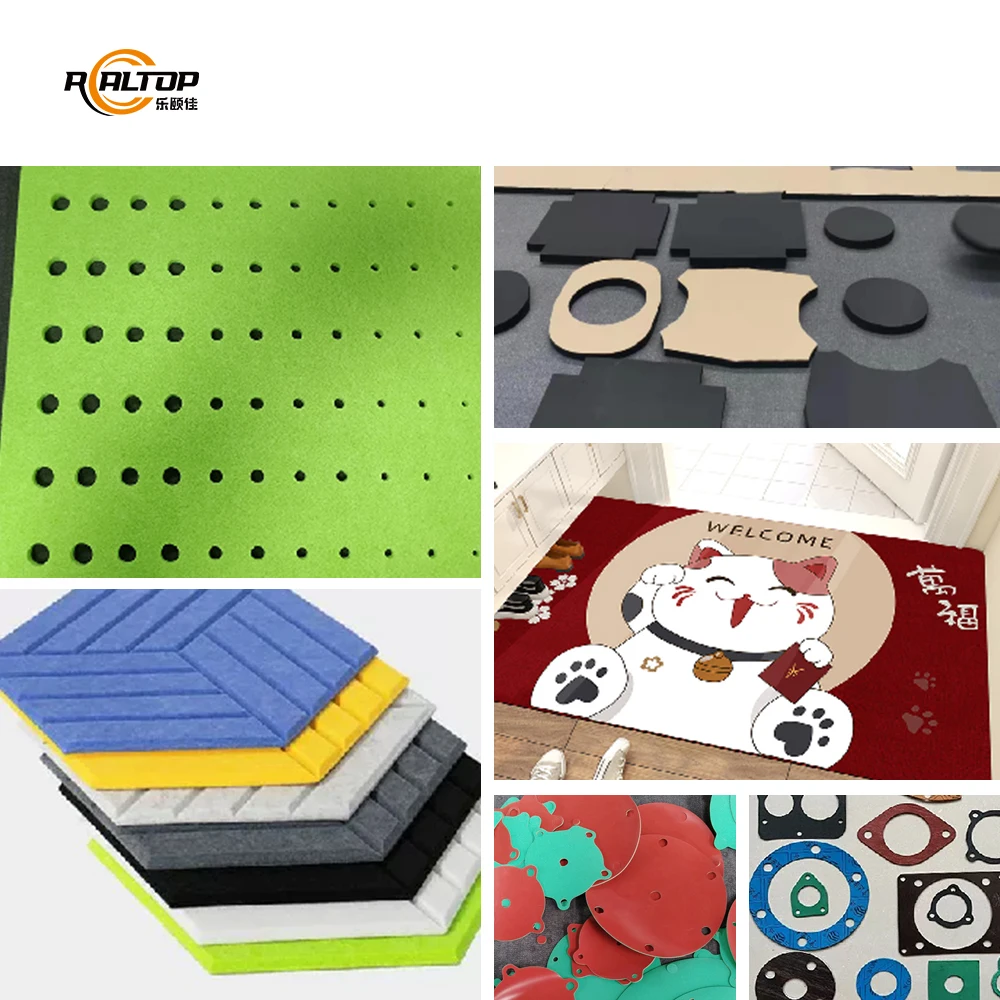
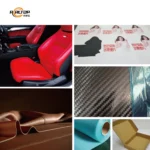
| Packaging sample making | Corrugated cardboard, folding carton stock, greyboard |
| Automotive interior trimming | Leather, synthetic leather, sponge composite panels |
| Footwear and leather goods | Genuine leather, PU, EVA foam, shoe lining |
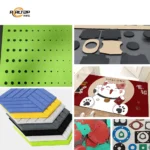
| Sealing and gasket fabrication | Rubber, silicone, soft glass, composite gasket sheet |
| Signage and advertising | PVC foam board, vinyl, flexible banner material |
| Soft furnishings | Fabric, carpet, floor mat textiles |
Why the Tool Head Question Must Come Before the Price
A machine quoted on working area alone often fails when the material thickness exceeds what the selected knife assembly can handle.
I once visited a carton sample workshop where the operator showed me a set of worn-out oscillating blades — three months old and already chipped. The buyer had chosen the lowest-spec tool head to save on the initial order, but the corrugated board they ran daily exceeded the knife’s rated cutting depth. The motor strained, edge quality dropped, and blade replacement costs wiped out the savings within the first quarter. That pattern repeats across packaging and foam fabricators who treat the tool head as an afterthought. [NEED_CITE: tool wear correlation with material density in oscillating knife systems]
Swiss Knife Assembly and Cutting Mode Selection
The RT-D2516/RT-S2516 ships with a Swiss imported multifunctional knife head capable of vibration full cutting, half cutting, and cursor location. Full cutting drives the blade through the entire material thickness in one pass, suitable for single-layer corrugated board and gasket rubber. Half cutting scores the surface without penetrating the backing, which is critical for kiss-cut applications in sticker production or partial-depth creasing on folding carton prototypes. The cursor location function registers against printed marks or fiducial points on pre-printed sheets before the cutting cycle begins, reducing alignment waste on short-run packaging samples.
Vacuum Table Zoning for Small Part Stability
The 7.5 kW vacuum pump feeds a flat table with auto feeding capability, pulling the material flat against the Germany imported conveyor belt. When cutting small packaging inserts or narrow gasket strips, full-table suction often leaves outer zones under-pressurized, allowing thin stock to lift at the edges during high-speed passes. Confirming vacuum zone layout before the build ensures that small parts remain held without manual weighting or secondary fixturing, which otherwise interrupts the nesting workflow and slows throughput. [NEED_CITE: vacuum adsorption requirements for small-format cutting on flatbed systems]
Reading the Specs That Matter for Your Material
The Delta servo motor with IP67 rating handles the rapid directional changes that oscillating knife cutting demands — the blade vibrates vertically thousands of times per minute while the gantry moves at up to 1200 mm/s laterally. If the servo cannot suppress vibration at the drive end, that resonance transfers into the cut edge as micro-serration, visible on coated carton stock and glossy PVC. The Taiwan Hiwin linear rail provides the rigidity to maintain ≤0.1 mm repeated accuracy across the full 1600 × 2500 mm working area, meaning a crease line laid down at one corner will register identically when the same file runs on the opposite side of the table. The HP-GL compatible instruction system accepts standard vector file formats from packaging CAD software, so your existing die-line library imports without conversion middleware. Voltage at 380V ±10% requires a dedicated three-phase circuit; confirming plug type and frequency against your workshop supply avoids rewiring on arrival.
What Happens When Configuration Is Skipped
Buyers who specify only the table size and skip the tool head conversation frequently encounter ragged edges on foam, crushed corrugated flutes on double-wall board, or incomplete penetration on dense rubber gasket stock. The machine runs, but the output fails quality inspection and operators compensate by slowing the feed rate, which then bottlenecks the daily sample quota. In leather cutting, a drag knife specified where an oscillating knife is needed produces pull marks on the grain surface — defects that are only visible after the hide is stretched over the last. [NEED_CITE: material-specific tooling failures in digital flatbed cutting]
Why Source This CNC Oscillating Knife Cutting Machine From Here
In-house design covers the oscillating knife cutting path end to end, meaning the tool head, vacuum table, and servo specification are matched as a system rather than assembled from off-shelf sub-assemblies. Every RT-D2516/RT-S2516 is configured after the buyer’s material type, thickness range, and daily volume are confirmed, so a packaging sample maker and a gasket fabricator receive fundamentally different machine builds on the same frame. Sample cutting on your own material runs before the order is committed, with a cutting report documenting edge quality, cycle time, and tool wear rate. The CCD camera positioning option is tested at production speed against your actual printed marks, not a static calibration chart. Voltage, control language, and plug configuration are locked in the specification sheet before production begins, eliminating the arrival-day surprises that delay commissioning.
Documentation & Verification
- Factory test record run on your corrugated grade and flute profile before dispatch
- Tool head and vacuum zone configuration list matched to your material thickness range
- Electrical schematic with 380V circuit diagram and confirmed plug type
- Sample cutting report on your own material showing edge quality and cycle data
- Software licence and HP-GL file format compatibility confirmation note
- Spare parts list with Swiss knife blade and vacuum belt part numbers
Installation, Commissioning & Support
- Floor space of 3450 × 2300 mm with level concrete slab and anchor points for the 9 kW frame
- Dedicated 380V three-phase circuit with breaker rating matching the combined servo and vacuum pump load
- Table and gantry arrive partially assembled; rail alignment verified on-site during commissioning
- First-run parameter setup includes vacuum zone mapping and servo tuning for your material profile
- Operator training covers tool head changeover between oscillating and drag knife modes
- Consumable blade stock and Hiwin rail lubrication schedule documented in maintenance manual
Before You Request a Quote
Send us the specific material types you cut daily — corrugated flute grade, leather thickness in millimeters, foam density — along with your typical maximum sheet size and the nesting workflow your design team currently uses. Confirm your workshop voltage, frequency, and the control language your operators need on the interface. If you have printed contour work, share a sample file so we can test CCD tracking at your target run speed before finalizing the configuration.
Frequently Asked Questions
Q: How do I choose between oscillating knife, drag knife, and creasing wheel for my material?
A: Oscillating knife handles thick foam, corrugated board, and dense gasket stock by vibrating the blade vertically to cut without dragging. Drag knife suits thin vinyl and sticker film where a pulled blade produces a clean finish. Creasing wheel scores fold lines on carton without cutting through. We match the tool head to your specific material stack after reviewing sample sheets.
Q: Can the CCD camera track printed registration marks at full production speed?
A: The camera reads contrast-based fiducial marks on pre-printed sheets and adjusts the cut path in real time. Tracking reliability depends on mark size, contrast ratio, and print consistency. We run your actual printed sheets on the RT-D2516/RT-S2516 during pre-shipment testing to confirm the system holds registration through a full production batch.
Q: My parts are small — will the vacuum table hold them without lifting?
A: Small parts are the most common cause of lift-related cutting errors on flatbed systems. The 7.5 kW vacuum pump and zone layout must be configured so suction concentrates under your typical nest arrangement. We specify zone segmentation based on your smallest part dimensions before the table is built.
Q: What voltage and language options are available before shipment?
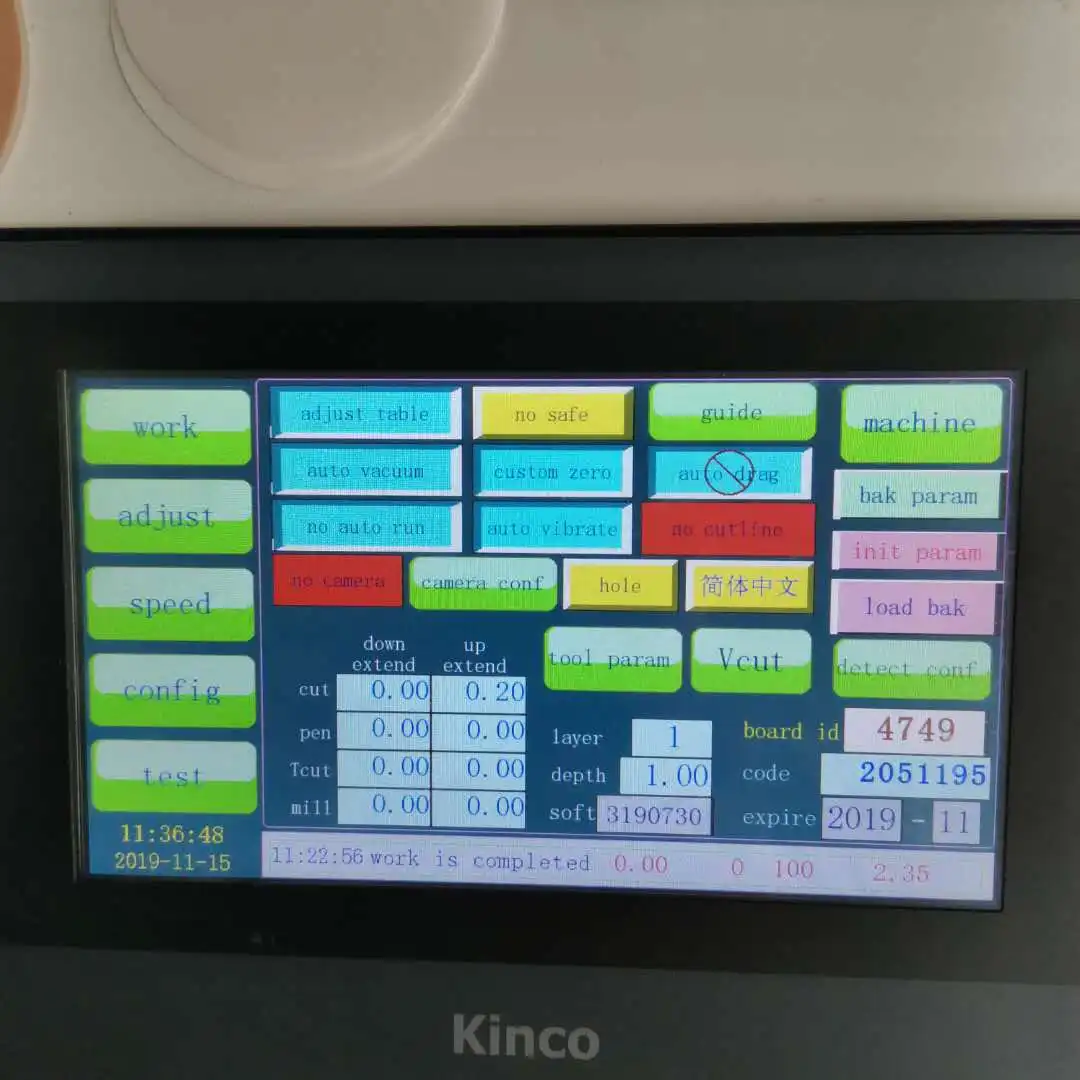
A: The standard configuration is 380V ±10% three-phase, but voltage, plug type, and control panel language are confirmed against your local supply and operator requirements before the machine enters production. This confirmation is documented in the specification sheet you sign off on.
Q: Should I send my own material for sample cutting before ordering?
A: Yes. Ship representative sheets of your daily production material — including the thickest and most abrasive grades — and we run them on the configured RT-D2516/RT-S2516. You receive a cutting report with edge quality photos, cycle time data, and recommended tool change intervals based on that specific material.


商品评价
Clear filtersThere are no reviews yet.