






Fast Shipping
Carrier information

20k products
Payment methods

24/7 Support
Unlimited help desk

2-day Delivery
Track or off orders
Tool Head & Table Configuration Matched to Material — We test your corrugated flute or foam insert on our cutting bed before recommending a tool head, so edge quality is verified on your actual substrate rather than assumed from a generic sample.
Technical Specifications
| Parameter | Value |
|---|---|
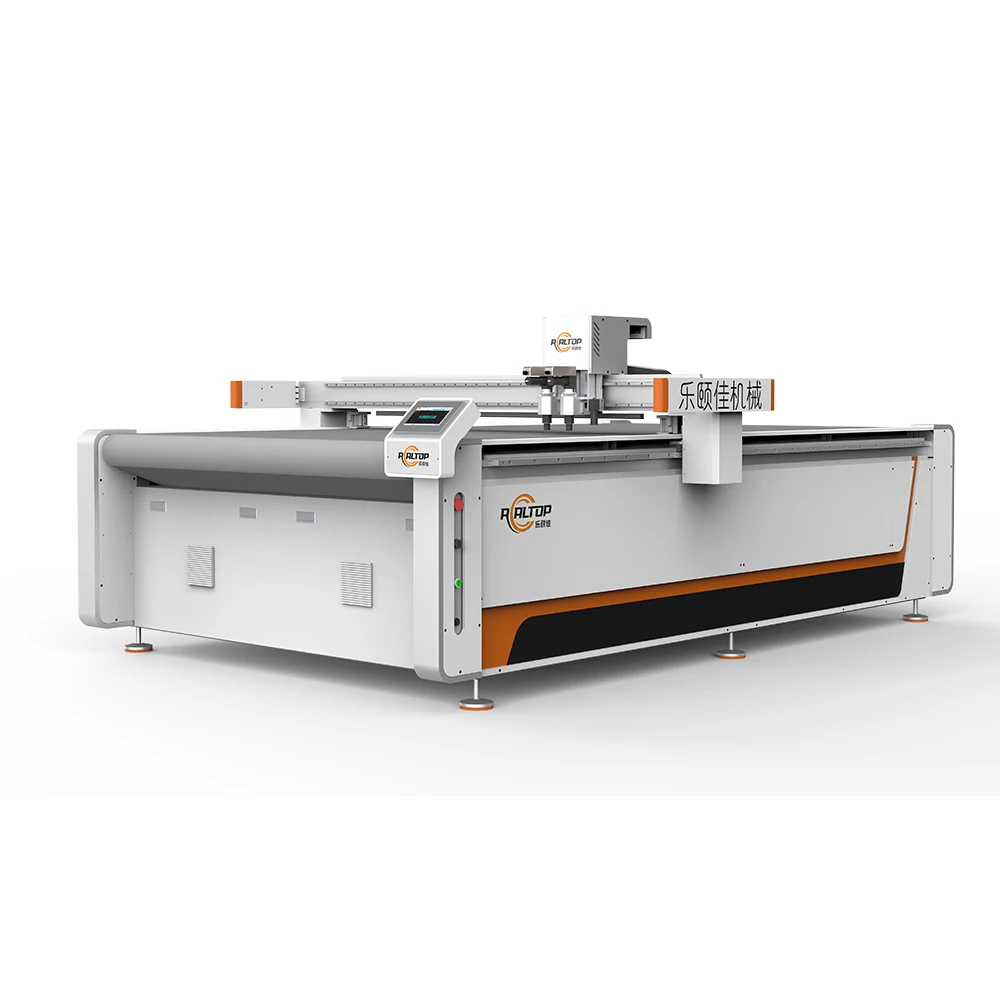
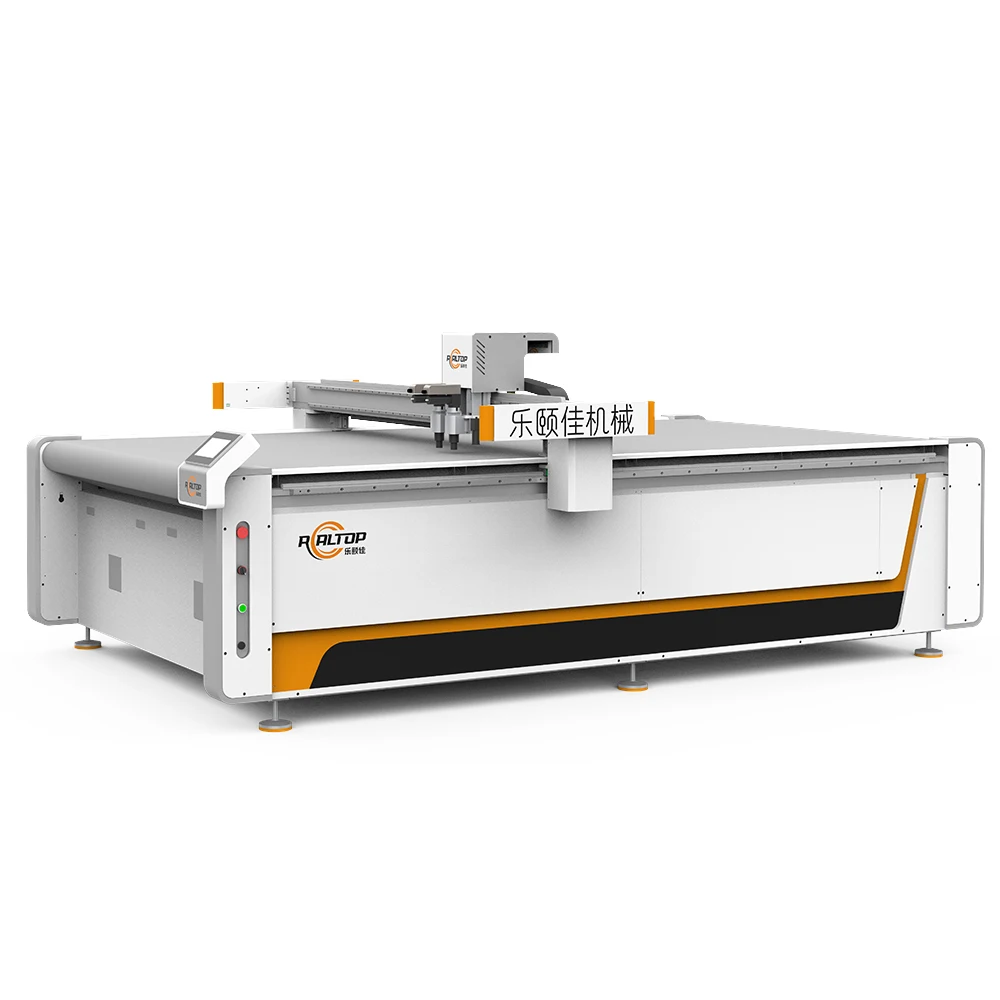
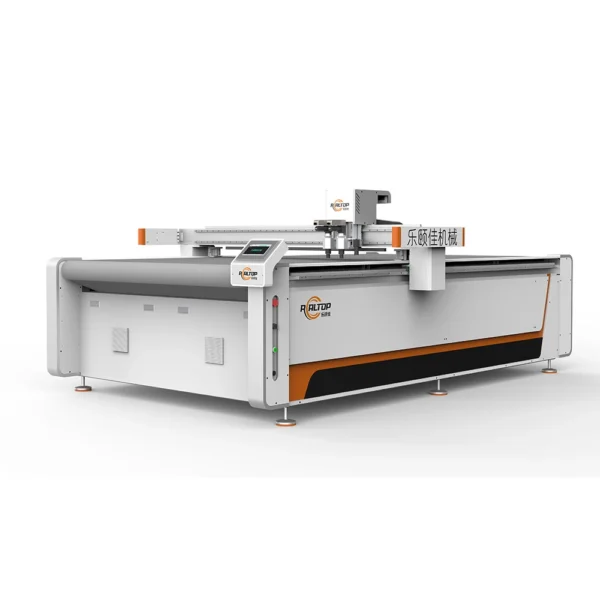
| Product Type | CNC Oscillating Knife Cutting Machine |
| Working Area | 1600 × 2500 mm |
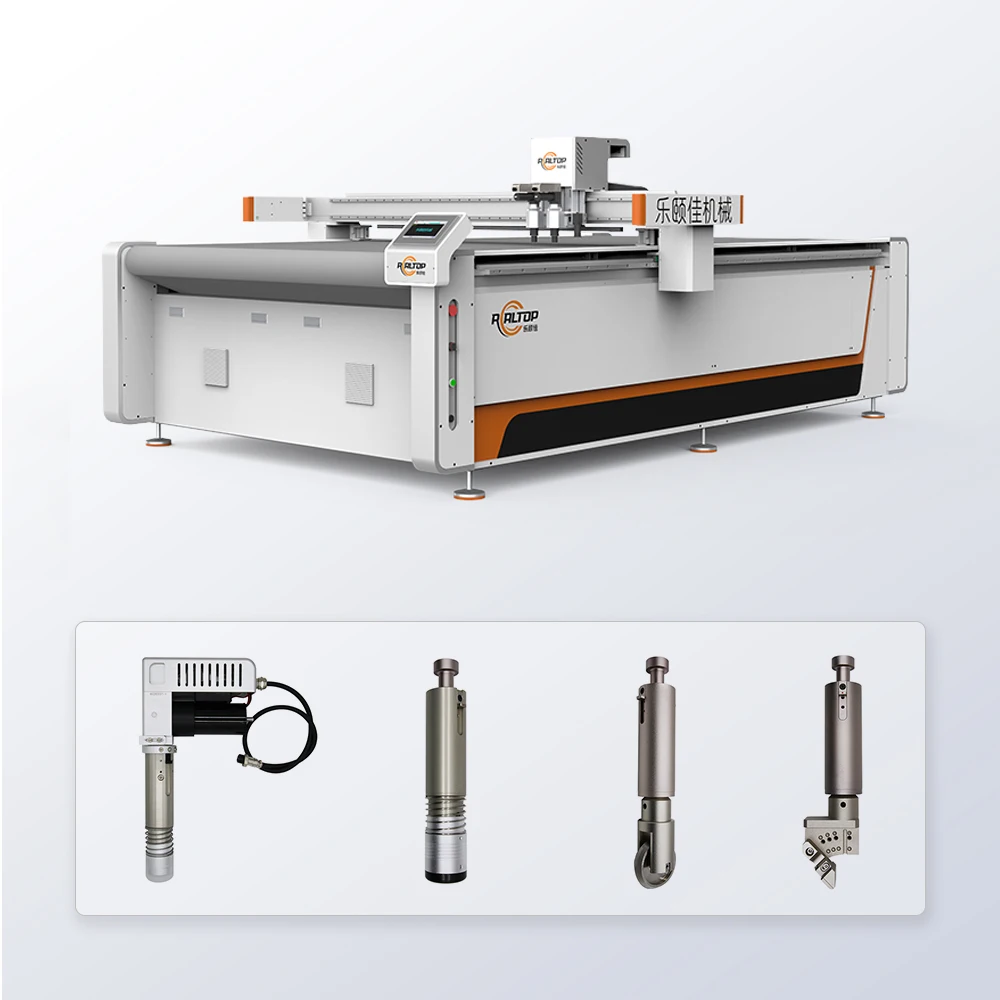
| Tool Head Options | Oscillating knife, Driven rotary knife, Creasing wheel, Kiss cutting tool, Pneumatic knife, Milling tool, V groove knife |
| Cutting Speed | 0–1500 mm/s |
| Cutting Thickness | ≤ 40 mm (basis to be confirmed by material type and density) |
| Cutting Accuracy | ±0.1 mm |
| Vacuum Table | Aluminum bellows vacuum table |
| Vacuum Pump Power | 9 kW |
| Control System | PLC control panel |
| Servo Motor Options | Panasonic, Delta, Dorna |
| Voltage Options | 110V, 220V, 380V |
| Supported File Formats | PLT, DXF, AI, PDF |
| Software Language Options | English, Russian, Italian, Chinese (customization available) |
| Safety Devices | Infrared sensor device, emergency stop device |
| Machine Size | 3300 × 2100 × 1350 mm |
| Standards | CE |
Application Suitability
| Application | Material or Output |
|---|---|
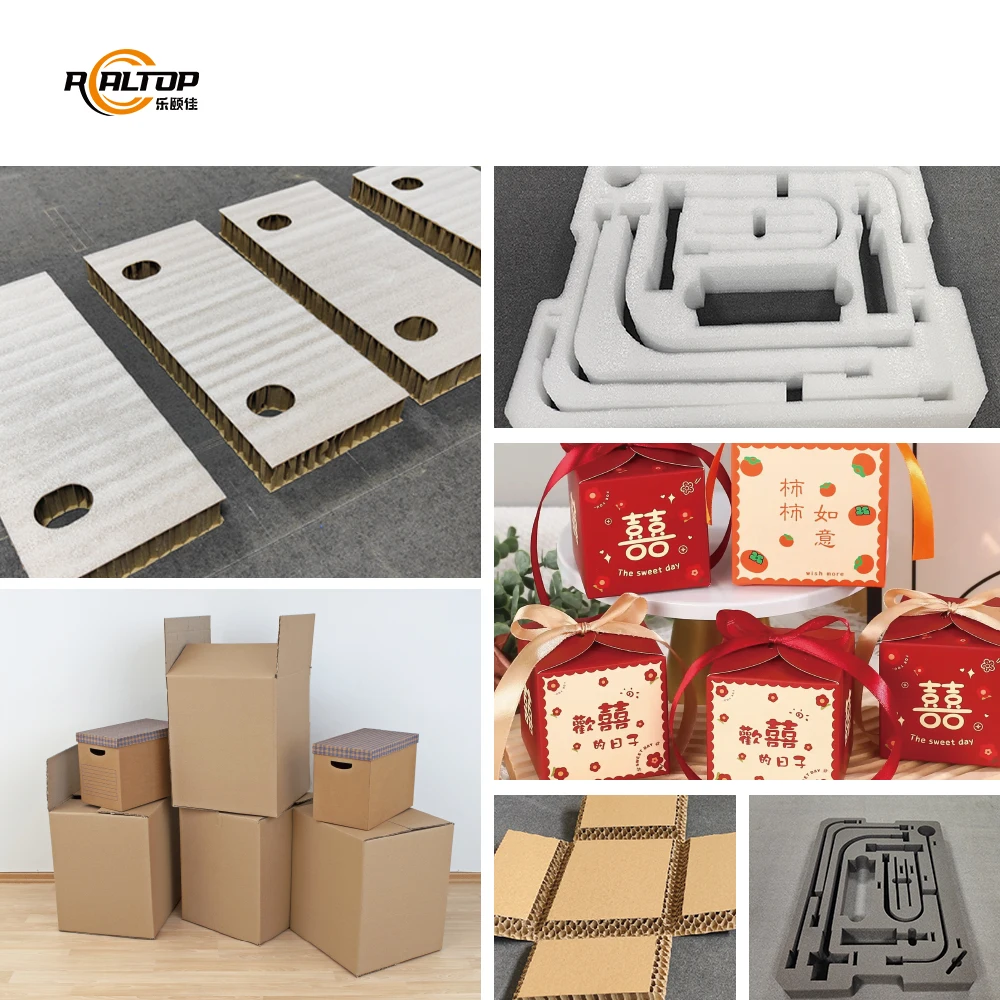
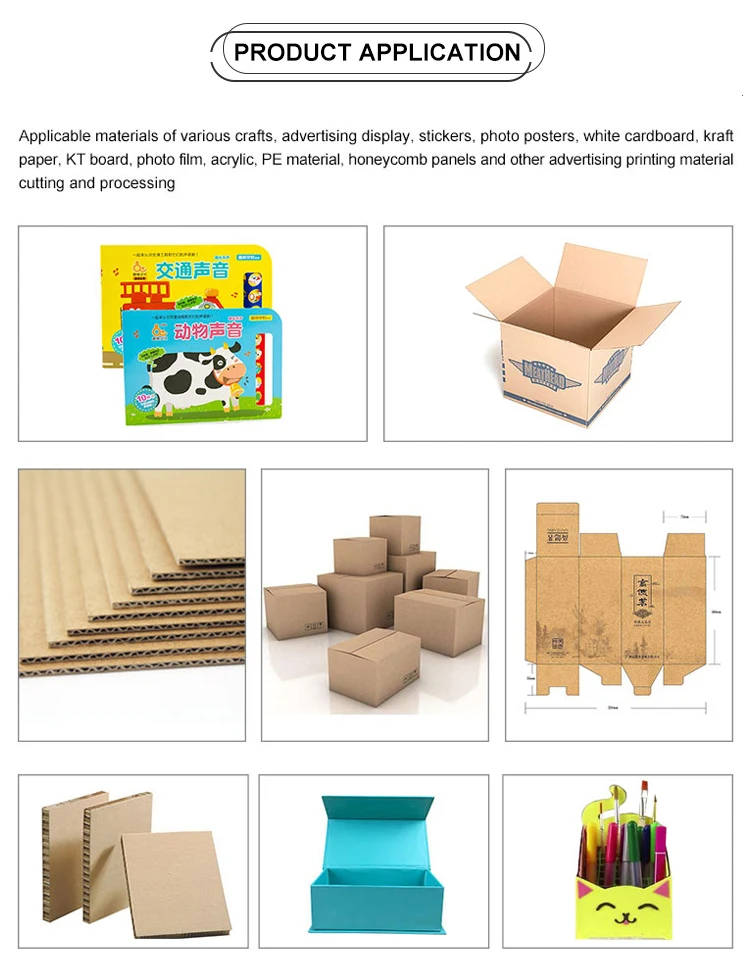
| Packaging sample making | Corrugated cardboard (E-flute, B-flute, BC-flute), greyboard, art paper, specialty papers |
| Protective packaging inserts | EVA, EPE, PU foam cut to custom cavity profiles |
| Folding carton and box prototypes | Cardstock, PVC, PET sheets, adhesive-backed laminates |
| Gasket and seal prototyping | Rubber, PTFE, composite sheets for industrial packaging |
| Leather and synthetic goods | Leather, synthetic leather for luxury packaging wraps |
Why Cutting Thickness Alone Fails as a Specification
Matching CNC oscillating knife cutting machine specifications to the substrate prevents crushed flutes and ragged foam edges that no amount of post-processing can fix.
Early in my career fitting out packaging workshops across the Pearl River Delta, I watched a perfectly tuned drag knife shred a batch of laminated gold-foil cardstock because the configuration was chosen for plain white board. The crease lines wouldn’t hold, the kiss cuts tore through the face stock, and the entire sample run went to waste. That kind of mismatch happens when a buyer selects a machine by working area alone and treats material as an afterthought. Corrugated flute structure, foam density, and surface lamination all change how a blade engages the substrate [NEED_CITE: cutting force variation across corrugated flute types]. A 3 mm EVA foam insert requires a completely different oscillation frequency and blade geometry than a 2 mm B-flute corrugated sheet, even though both fall within the same nominal thickness range.
Tool Head Selection Across Packaging Substrates
A packaging operation rarely runs a single material. The tool head array on this CNC oscillating knife cutting machine covers the range a sample room or short-run production floor actually encounters. The oscillating knife handles corrugated flutes and dense foam without crushing the cell structure, while the creasing wheel scores greyboard and cardstock along fold lines without cutting through the face. For kiss cutting adhesive-backed labels or window patches, the dedicated kiss cutting tool controls depth to the liner. The V groove knife produces clean mitre folds on thick board constructions where a standard blade would leave a rounded crease.
Vacuum Table Zoning for Small Parts and Thin Stocks
Holding a full sheet is straightforward; holding a small nesting of carton blanks or thin foam inserts is where most tables fail. The aluminum bellows vacuum table provides full-surface suction across the 1600 × 2500 mm bed, but zoning matters when parts are smaller than the vacuum zones themselves. Thin cardstock and light-gauge PET can lift at the trailing edge mid-cut if suction is spread too thin [NEED_CITE: vacuum hold-down requirements for thin sheet materials]. Configuring zone isolation ensures that suction concentrates under the actual cutting path, keeping small carton blanks and foam pieces flat throughout the cycle.
Reading the Numbers That Actually Matter
The ±0.1 mm cutting accuracy figure determines whether a folding carton sample closes square or leaves visible gaps at the glue flap. In packaging sample making, die-line fidelity means the difference between a prototype that convinces a brand client and one that gets sent back for rework. The 9 kW vacuum pump is sized for sustained suction across a full bed of corrugated board, which demands more airflow than thin vinyl or paper. Servo motor selection between Panasonic, Delta, and Dorna affects acceleration behaviour on intricate die-lines with tight radii — a detail that surfaces only when cutting speed pushes past moderate settings on complex carton geometries. File format support for PLT, DXF, AI, and PDF means your existing packaging structure design workflow carries over without an intermediate conversion step that could distort dimensions.
What Happens When Configuration Is Guesswork
The cost of a wrong tool head extends well beyond a scrapped sheet. Ragged edges on corrugated samples mean the client questions the production capability of the entire operation. Crushed foam inserts arrive at the assembly line deformed, requiring manual trimming that delays packaging workflow downstream. A vacuum table that cannot zone for small parts causes lift mid-cut, producing dimensional errors that compound through a nesting of dozens of carton blanks [NEED_CITE: material lift effects on dimensional accuracy in flatbed cutting]. These are not machine faults — they are specification gaps that surface only after the equipment is installed and running on real orders.
Why Production Teams Source This Equipment Here
In-house design covers both knife and laser cutting paths, so the recommendation is based on what the material demands rather than what one technology can force. Every tool head and table configuration is specified against the buyer’s actual substrate list and daily volume, not quoted from a generic catalogue. CCD camera positioning is available for printed contour work on packaging prototypes that require alignment to pre-printed graphics. Software compatibility is confirmed against the buyer’s existing file formats before an order is placed, eliminating post-delivery integration surprises. Sample cutting on the buyer’s own corrugated board, foam, or cardstock is completed before any commitment, so edge quality and crease definition are verified on the actual production material.
Documentation & Verification
- Machine specification sheet detailing selected tool head array and vacuum table zoning layout
- Electrical schematic with confirmed voltage, plug type, and circuit requirements for destination market
- Sample cutting report produced on buyer’s own corrugated or foam material before order
- Factory test record showing cutting accuracy measurement across the specified substrate range
- Software licence and file format compatibility note matching buyer’s existing design workflow
- Spare parts list covering blades, creasing wheels, and vacuum table consumables
Installation, Commissioning & Support
- Floor space of at least 4000 × 3000 mm clear for the 3300 × 2100 mm footprint plus material staging
- Dedicated 380V three-phase circuit with confirmed amperage for 9 kW vacuum pump and servo drives
- Machine ships in single-bed assembly with vacuum table pre-mounted; belt and cable routing verified on site
- First-run parameter setting on buyer’s corrugated flute and foam thickness range during commissioning
- PLC interface configured to selected language before operator training begins
- Oscillating knife blades and creasing wheels stocked as initial spare set for immediate replacement cycle
Before You Request a Quote
Send your thickest corrugated flute sample, your densest foam insert spec, and the smallest carton blank you run daily. Tell us your workshop voltage and frequency, the language your operators need on the control panel, and which packaging design software generates your die-lines. If your production includes printed contour alignment, share a sample sheet with registration marks so we can confirm tracking accuracy before configuration is locked.
Frequently Asked Questions
Q: How do I choose between the oscillating knife, creasing wheel, and V groove knife for my packaging materials?
A: The oscillating knife suits corrugated flutes and foam where a clean through-cut is needed without crushing the material structure. The creasing wheel scores fold lines on greyboard and cardstock without penetrating the face stock. The V groove knife removes a channel in thick board to produce sharp mitre folds. Selection depends on material type, thickness, and the fold geometry your packaging design requires.
Q: What vacuum table zoning do I need to prevent small packaging parts from lifting during cutting?
A: Small carton blanks and thin foam pieces require concentrated suction zones rather than full-bed vacuum spread. The aluminum bellows table supports zone isolation so that airflow focuses under the active cutting area. The correct zoning layout depends on your typical nesting pattern and smallest part dimensions, which we verify during sample cutting before finalising the table configuration.
Q: How can I verify cutting accuracy and edge quality on corrugated flutes before accepting the machine?
A: We cut your actual corrugated material — E-flute, B-flute, or BC-flute — and record dimensional measurements against your die-line file. The sample cutting report documents edge condition, crease depth consistency, and ±0.1 mm accuracy across the sheet. You review this report before the machine enters production, so there are no surprises when your own material runs on the finished equipment.
Q: Which packaging design file formats does the CNC control system accept without conversion?
A: The system imports PLT, DXF, AI, and PDF directly, covering the standard outputs from most packaging structure design platforms. We confirm file compatibility against your specific software before the order is placed, including nesting workflows and any layer conventions your design team uses for cut, crease, and kiss-cut line separation.
Q: What voltage, plug, and control language options are confirmed before shipment?
A: Voltage is configurable across 110V, 220V, and 380V to match your local supply. The plug type and control panel language — available in English, Russian, Italian, Chinese, or by customisation — are locked during the specification confirmation stage. These details appear on the electrical schematic and factory test record provided before dispatch.


商品评价
Clear filtersThere are no reviews yet.