








Fast Shipping
Carrier information

20k products
Payment methods

24/7 Support
Unlimited help desk

2-day Delivery
Track or off orders
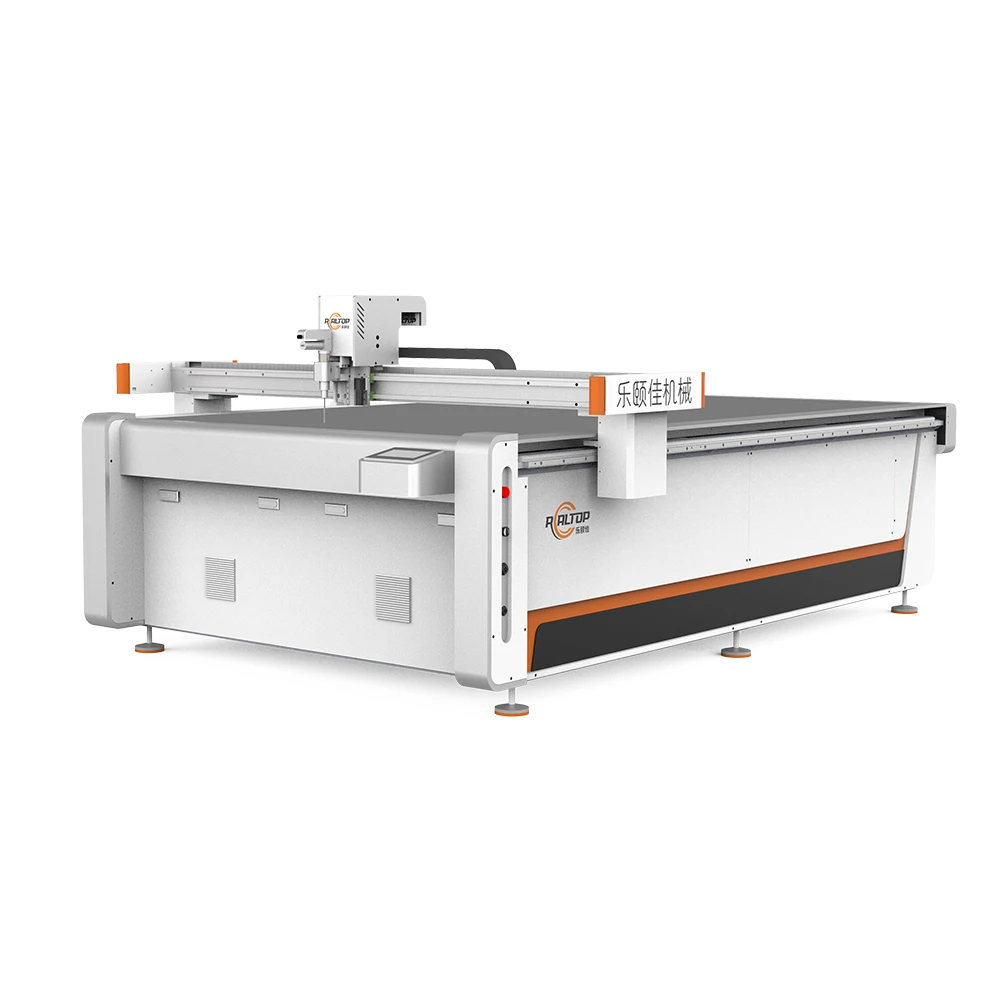
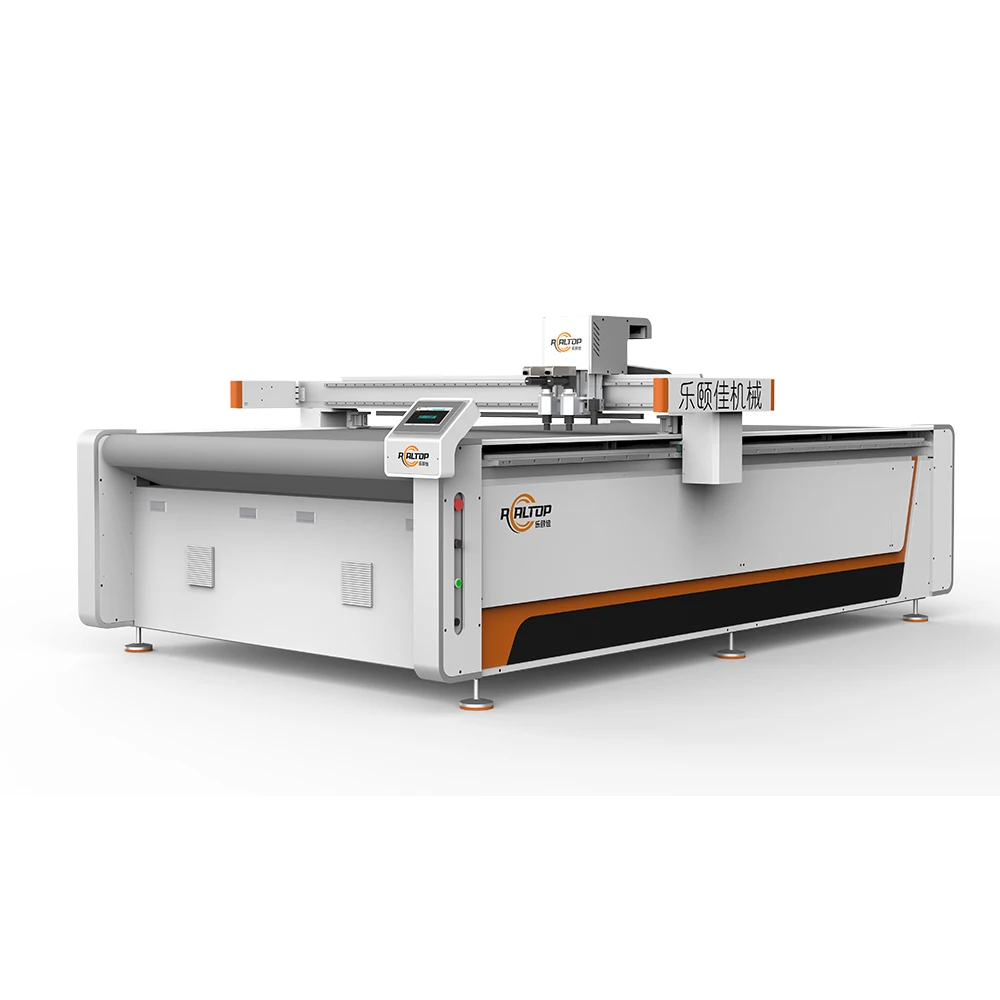
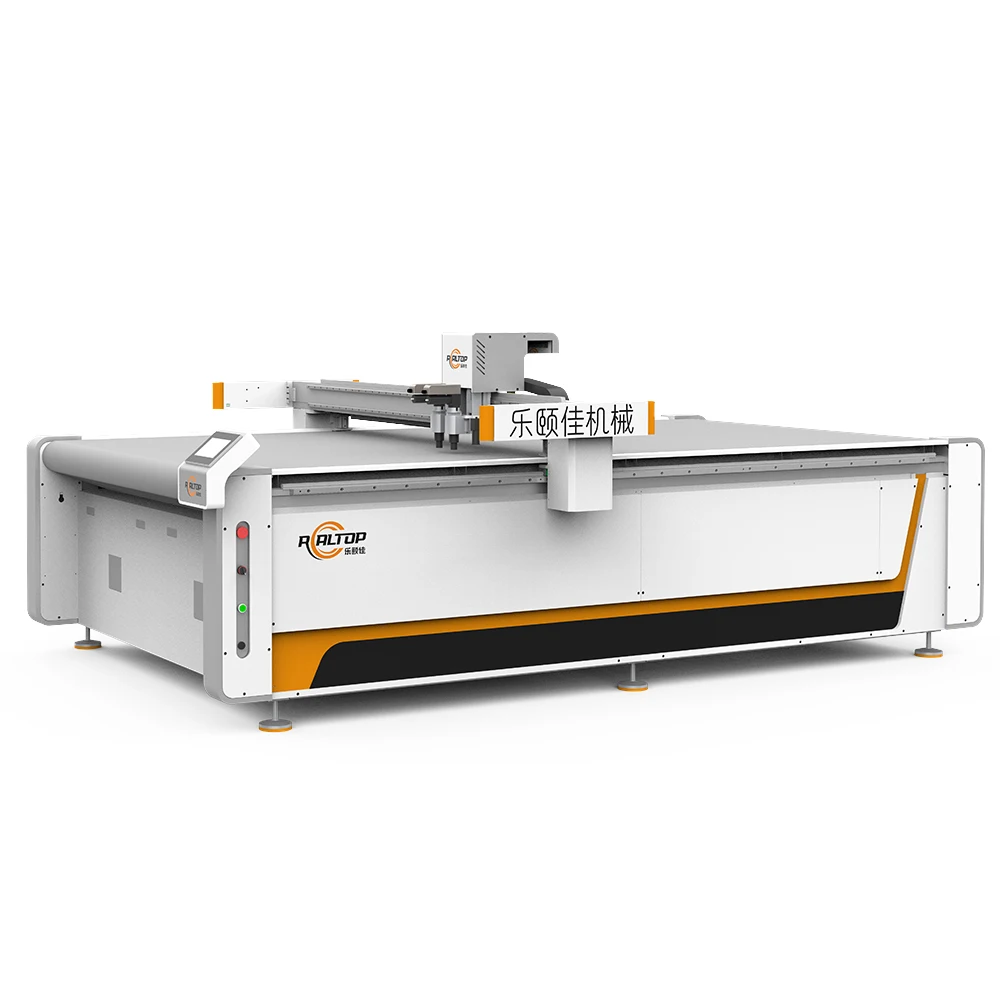
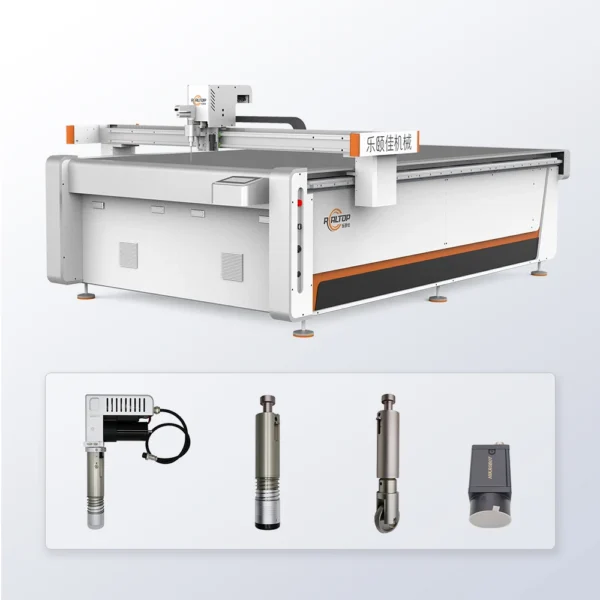
In-house tool head engineering — the 1625 oscillating knife platform pairs seven interchangeable cutting tools with aluminum bellows vacuum zoning, letting packaging converters match knife geometry to flute profile rather than compromise on edge finish.
Technical Specifications
| Parameter | Value |
|---|---|
| Product Type | CNC Oscillating Knife Cutting Machine |
| Model | 1625 |
| Working Area | 1600×2500 mm |
| Cutting Thickness | Up to 40 mm depending on material density and flute count |
| Cutting Speed | 0–1500 mm/s (basis to be confirmed per material) |
| Cutting Accuracy | ±0.1 mm |
| Tool Head Options | Oscillating knife, Driven rotary knife, Creasing wheel, Kiss cutting tool, Pneumatic knife, Milling tool, V groove knife |
| Positioning System | CCD camera contour recognition |
| Control System | PLC control panel |
| Vacuum Pump | 9 kW |
| Vacuum Table | Aluminum bellows vacuum table |
| Software Compatibility | PLT, DXF, AI, PDF; dedicated packaging box structure design software |
| Voltage Options | 110V / 220V / 380V configurable |
| Language Options | English, Russian, Italian, Chinese; special languages customizable |
| Safety Devices | Infrared sensor device and emergency stop device |
| Machine Size | 3300×2100×1350 mm |
| Servo Drive Options | Panasonic, Delta, Dorna (basis not stated in source) |
| Certification | CE (source value — verify against manufacturer catalog) |
Application Suitability
| Application | Material or Output |
|---|---|
| Packaging sample making | Corrugated cardboard (E-flute, B-flute, BC-flute), greyboard, cardstock |
| Carton prototyping without die molds | Art paper, specialty paper, adhesive-backed materials |
| Foam insert fabrication | EVA foam, EPE foam, PU foam, Coroplast |
| Small-batch customized packaging | Thin plastic sheets (PVC, PET), synthetic leather |
| Protective packaging components | Rubber mats, velvet/fleece fabric, non-woven fabric |
| Composite packaging runs | Composite materials, leather |
Why a Single "Max Thickness" Number Misleads Packaging Buyers
Cutting depth must always be read alongside material density, flute structure, and the specific tool head engaged.
I once watched a packaging line stall because the machine spec sheet promised 40 mm cutting capacity, but nobody had asked what happened when that number met triple-wall BC-flute corrugated at production speed. The oscillating knife handled single-wall E-flute cleanly, yet the same blade struggled through denser board, leaving crushed edges and delaminated layers. The buyer had specified the working area correctly but treated thickness as a single universal figure [NEED_CITE: material density and flute geometry effects on digital knife cutting performance]. When sourcing a CNC oscillating knife cutting machine, specifications around thickness must be validated against your actual board grade and daily volume, not a generic ceiling value.
Matching Tool Head Geometry to Board Grade and Foam Density
The 1625 platform carries seven tool heads, and selecting the wrong one is the fastest route to ragged edges or crushed core material. The oscillating knife slices through corrugated flutes with a high-frequency vertical stroke that separates fibers rather than tearing them, which matters on B-flute and BC-flute where wall integrity defines stacking strength. For greyboard and cardstock scoring, the creasing wheel produces a clean fold line without cutting through, while the V groove knife cuts partial-depth channels for rigid box construction. Driven rotary knives suit continuous contour work on thinner art papers, and the kiss cutting tool scores adhesive-backed labels without penetrating the liner. Each CNC oscillating knife cutting machine specification set should be locked to the buyer’s material stack before the order is placed.
Vacuum Zoning and CCD Positioning for Printed Packaging Prototypes
Holding small packaging components flat during cutting is where many vacuum tables fail, particularly when the part footprint covers only a fraction of the bed surface. The aluminum bellows vacuum table on this unit provides full-surface adsorption with high flatness, reducing lift on lightweight cardstock and thin Coroplast sheets that tend to curl under knife drag. For printed packaging prototypes where cut paths must align with pre-printed graphics, the CCD camera reads registration marks and adjusts the cutting trajectory in real time [NEED_CITE: CCD contour recognition accuracy in digital packaging sample making]. This matters when a carton prototype carries brand artwork and the cut line drifting by even a millimeter renders the sample unusable for client presentation.
Reading the Specs That Actually Determine Cut Quality
The 9 kW vacuum pump is not just a holding number — it defines how quickly the table recovers suction after each knife penetration, which directly affects edge consistency on porous materials like corrugated board where air bleeds through the flutes. The PLC control panel manages tool head switching and speed adjustments mid-job, so a single file can command the oscillating knife for outer contours and the creasing wheel for fold lines without manual tool changes. Cutting accuracy at ±0.1 mm ensures that interlocking tab-and-slot structures on carton prototypes assemble without gaps or forced fitting. The dedicated packaging box structure design software accepts PLT, DXF, AI, and PDF imports, meaning buyers working in Adobe Illustrator or standard CAD environments can feed existing artwork directly without redrawing geometry in a proprietary format.
The Hidden Cost of Skipping Material-Specific Configuration
Every packaging converter has a different material stack, and treating the machine as a universal cutter invites production delays that compound across every shift. A creasing wheel set to the wrong pressure crushes micro-flute rather than scoring it, turning what should be a crisp fold into a cracked hinge. Insufficient vacuum zoning lets small die-cut shapes lift mid-cut, producing oversize waste and forcing re-runs that consume both material and delivery time [NEED_CITE: vacuum hold-down requirements for small-format digital cutting]. Software incompatibility surfaces later, when the buyer discovers their nesting workflow exports in a format the machine controller cannot read, stalling sample approval cycles.
Why Sourcing This Platform Directly Matters
The design and production of both the knife cutting head and the vacuum table happen under one roof, so configuration changes requested during the sample cutting phase can be incorporated before the machine ships rather than requiring field modifications. Tool head selection is confirmed against the buyer’s actual corrugated grade, foam density, and specialty paper weight — not assumed from a general catalog entry. The CCD camera and software pipeline are tested with the buyer’s own design files before the order is finalized, catching format conflicts early. Voltage, plug type, and control panel language are documented and confirmed to match the buyer’s facility electrical supply, avoiding the situation where a 380V machine arrives at a 220V workshop. Sample cutting on the buyer’s material produces a physical report showing edge quality and achievable thickness before any commitment is made.
Documentation & Verification
- Factory test record cutting your specific corrugated flute and foam density before dispatch
- Tool head and vacuum zoning configuration list mapped to your material stack
- Software licence with confirmed PLT, DXF, AI, PDF file format compatibility note
- Electrical schematic and voltage confirmation matching your facility supply specification
- Sample cutting report on your board grade showing edge quality and achieved thickness
Installation, Commissioning & Support
- 3300×2100 mm footprint requires level concrete floor with clearance for material loading on both long sides
- 9 kW vacuum pump and servo drives need dedicated circuit matching confirmed 110V/220V/380V supply
- Machine ships partially assembled; table frame and gantry require on-site alignment and calibration
- First-run parameter tuning covers oscillating knife frequency, creasing wheel pressure, and vacuum zone mapping
- Operator training covers PLC panel navigation, tool head changeover, and CCD camera calibration workflow
- Spare parts list includes replacement oscillating knife blades, creasing wheels, and vacuum table seals
What to Prepare Before Requesting a Quotation
Send samples of every board grade and foam type you plan to cut, including the thickest and densest material in your production range. Specify your daily sample or short-run volume, the design software your team currently uses, and the file formats your artwork exits in. Confirm your workshop voltage, frequency, and preferred control panel language so the electrical and interface configuration is locked before production begins.
Frequently Asked Questions
Q: How do I verify actual cutting thickness for my specific corrugated board grade?
A: Maximum cutting thickness varies by flute count and material density, not just a single published number. The reliable method is sending your actual board samples for test cutting, which produces a physical report showing edge quality, achievable depth, and the specific tool head that performed best on your material.
Q: Which tool head handles my packaging material — oscillating knife, creasing wheel, or kiss cutting?
A: Oscillating knives suit corrugated and foam cutting, creasing wheels score fold lines on greyboard and cardstock, and kiss cutting tools handle adhesive-backed labels. The correct choice depends on your material stack and is confirmed during the sample cutting phase before the machine configuration is finalized.
Q: Will my existing packaging design files import without redrawing?
A: The dedicated packaging software accepts PLT, DXF, AI, and PDF formats. Before the order is placed, your actual design files are tested through the import pipeline to confirm compatibility with your current nesting and artwork workflow, preventing format conflicts after delivery.
Q: Can small packaging parts stay flat on the vacuum table during cutting?
A: The aluminum bellows vacuum table provides full-surface adsorption designed to hold lightweight and small-footprint materials. Vacuum zoning and pump capacity are specified based on your smallest part dimensions to ensure adequate hold-down without lift during knife passes.
Q: Are voltage, plug type, and control language confirmed before the machine ships?
A: Yes. The 110V/220V/380V configuration, plug type, and PLC panel language are documented in the electrical schematic and confirmed against your facility specifications before production starts, so the machine arrives ready to connect without local electrical modifications.


商品评价
Clear filtersThere are no reviews yet.