

Fast Shipping
Carrier information

20k products
Payment methods

24/7 Support
Unlimited help desk

2-day Delivery
Track or off orders
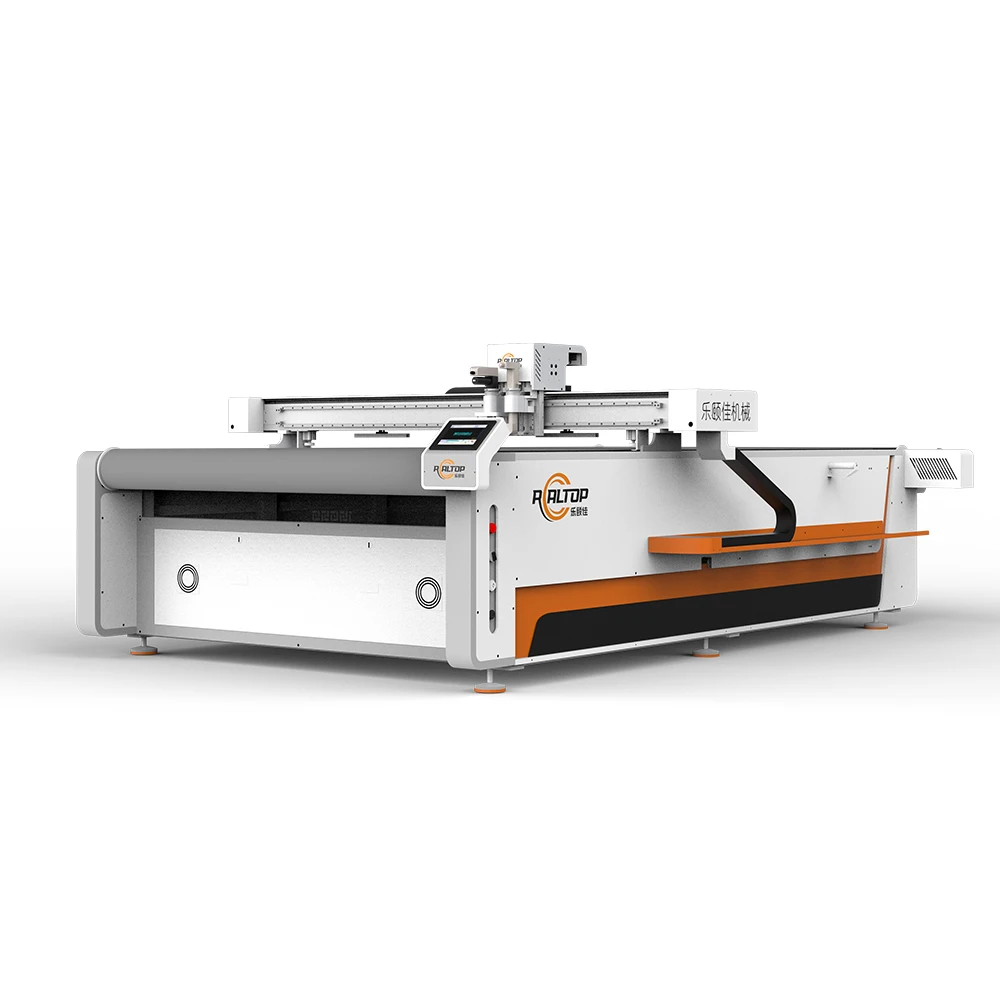
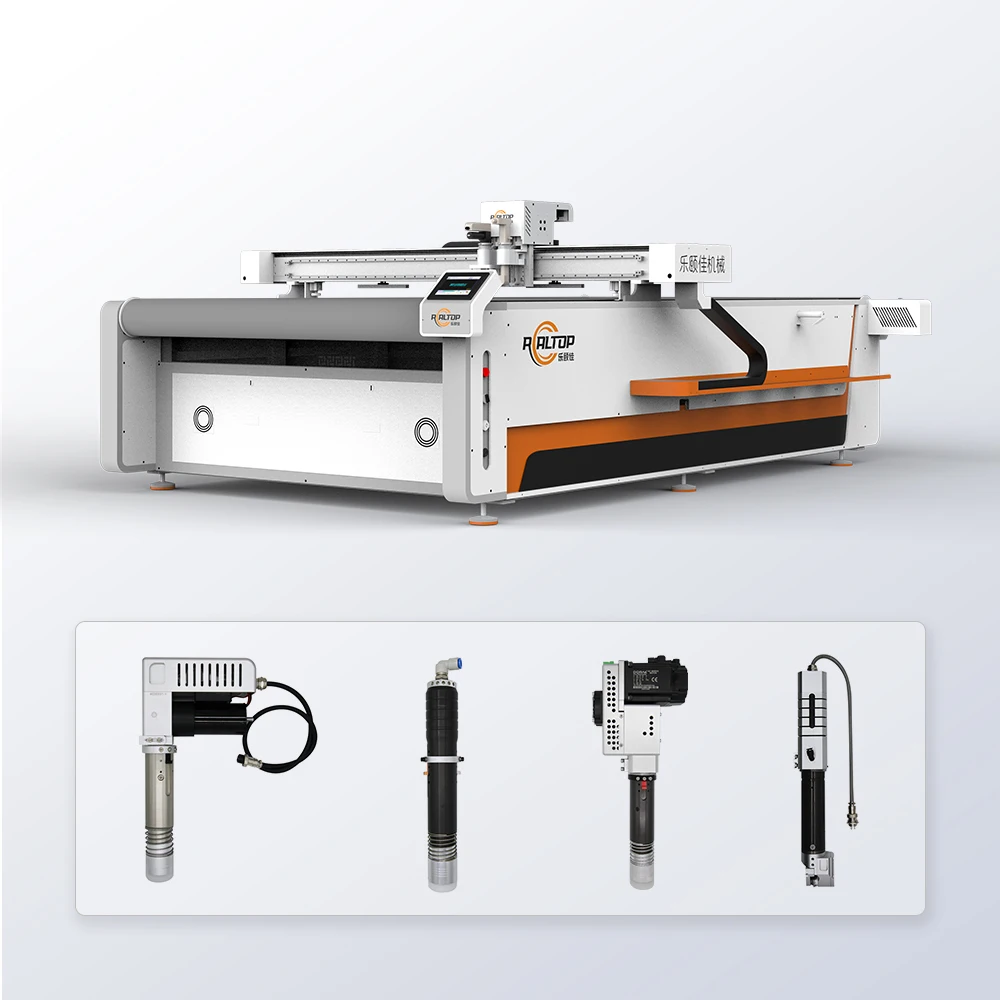
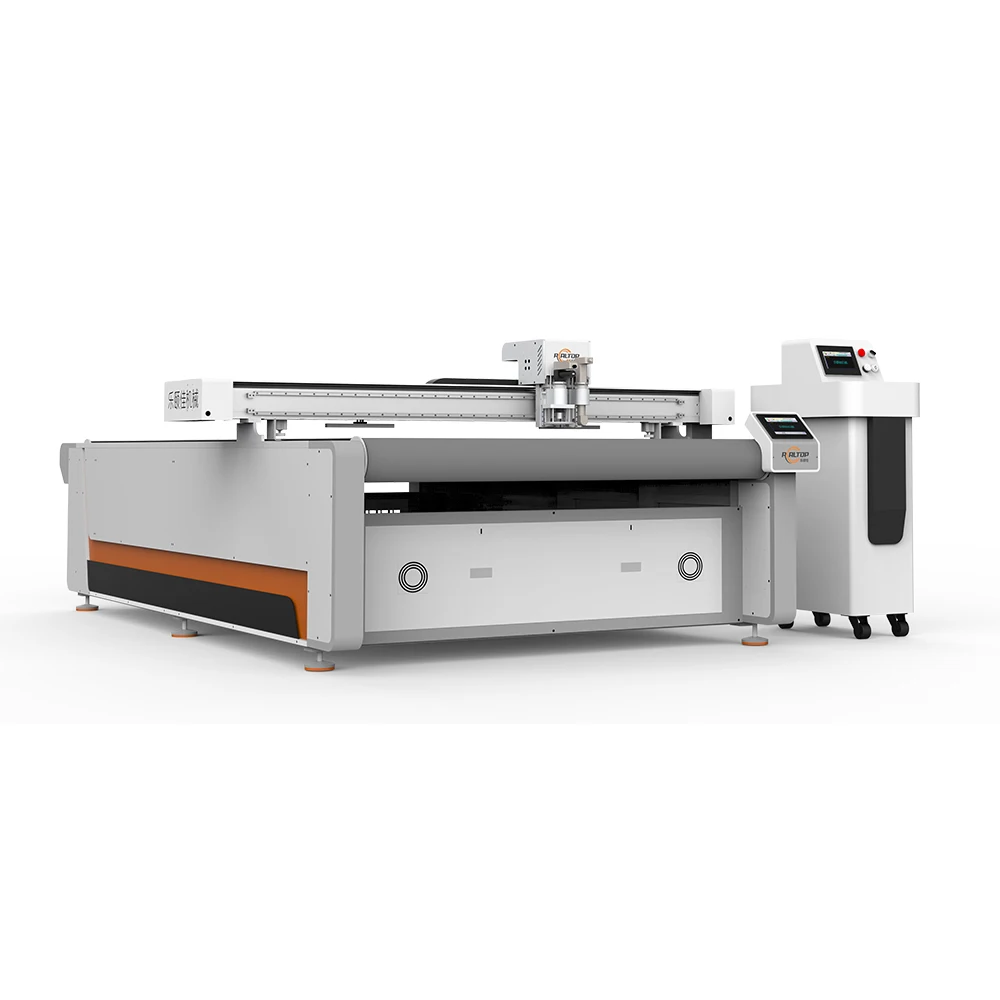
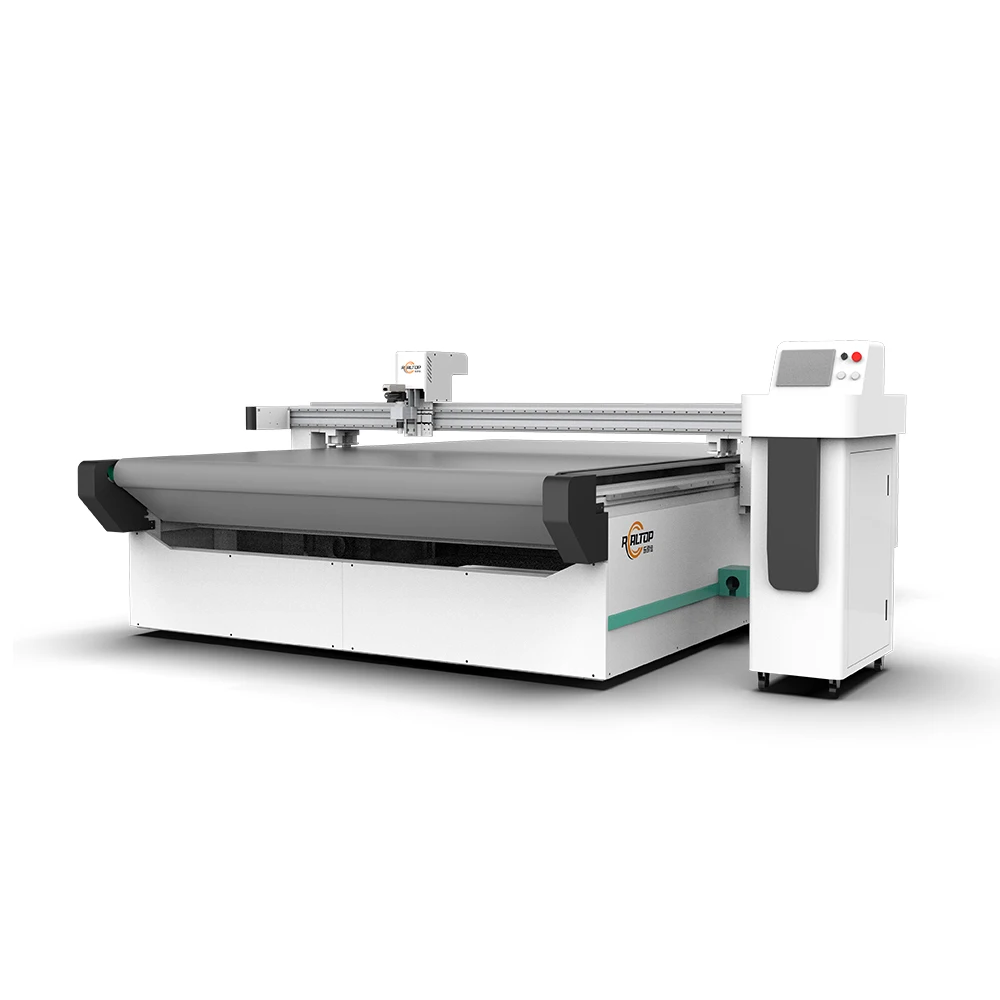
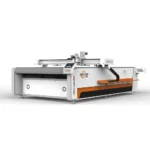
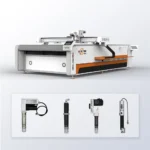
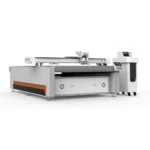
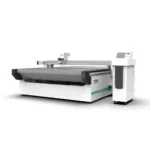
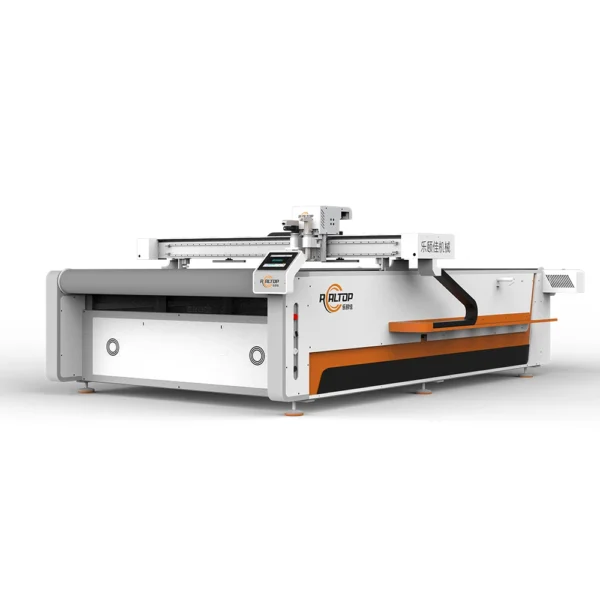
Configurable Knife Head and Vacuum Zoning — the RT-D2516/RT-S2516 is built with a swappable multifunctional tool head and PVDF-coated magnesium-aluminum vacuum table so the cutting action matches your fabric density, foam thickness or composite layup instead of forcing one setup across every job.
Technical Specifications
| Parameter | Value |
|---|---|
| Model | RT-D2516 / RT-S2516 |
| Product Type | CNC Oscillating Knife Cutting Machine |
| Working Area | 1600 × 2500 mm |
| Machine Size | 3450 × 2300 × 1250 mm |
| Rated Power | 9 kW |
| Voltage | 380V ±10% (50Hz/60Hz to confirm per market) |
| Translational Velocity | 800 – 2000 mm/s |
| Cutting Speed | 200 – 800 mm/s (varies by material type and thickness) |
| Cutting Thickness | Up to 100 mm (depends on material density — confirm with sample) |
| Repeated Accuracy | ≤ 0.1 mm |
| Transmission System | Digital servo motor, linear guide, synchronous belt, imported ball screw |
| Servo Motor Options | Delta (China) or Panasonic (Japan) |
| Guide Rail | Taiwan Hiwin linear rail |
| Vacuum Table | Magnesium-aluminum alloy, PVDF powder spraying, anodic oxidation; 7.5 kW pump |
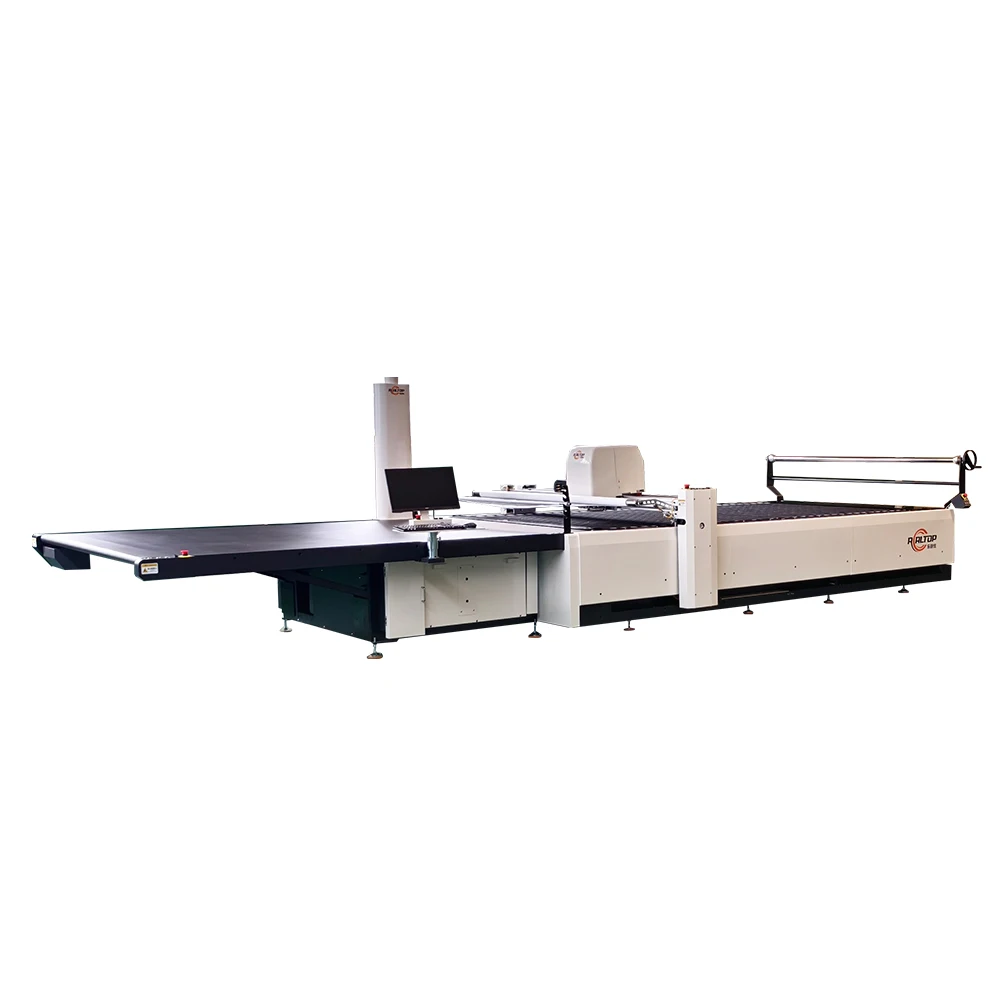
| Fixed Model Options | Flat working table or auto feeding table with Germany-imported conveyor belt |
| Multifunctional Tool Head | Swiss imported knife (vibration full/half cutting, cursor location); oscillating, pneumatic, high-power vibrating, circular, V-cutting, drag, creasing wheel, dotted line, punching, brush |
| CCD / Visual Positioning | Small CCD mark point positioning, panoramic camera recognition, projection positioning |
| Safety Device | Infrared induction blocking, anti-collision, emergency stop |
| Control Panel | Touch screen with English, Russian, Italian, Chinese (additional languages customizable) |
| Instruction System | HP-GL compatible format |
| Software | Auto typesetting; supports PLT, DXF, AI and other vector formats |
| Assembly State | Fully assembled (split box supported for transport) |
| Standards | CE (verify certificate scope before shipment) |
Application Suitability
| Application | Material or Output |
|---|---|
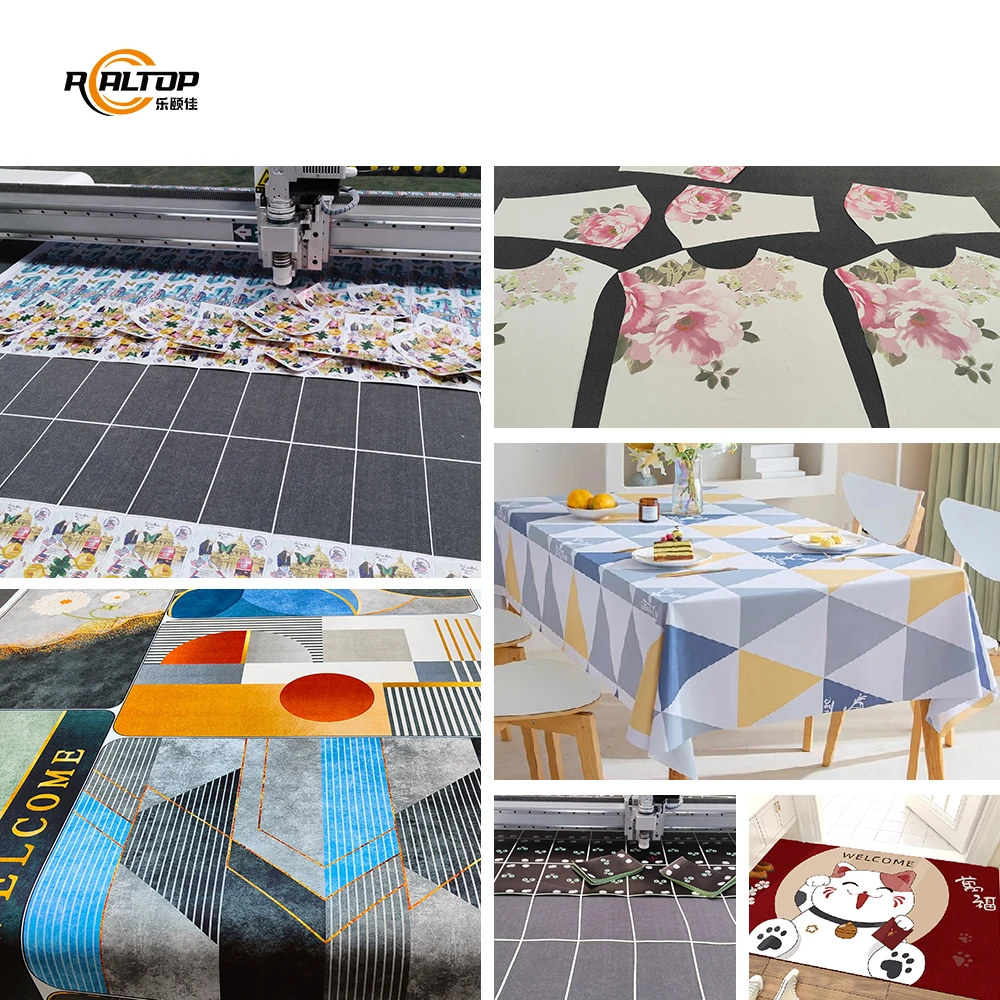
| Multi-layer garment and footwear cutting | Woven fabric, knit cloth, non-woven, shoe material, luggage textile |
| Automotive interior and gasket production | Sponge, composite leather, foam board, PU, EVA, XPE, sealing pad material |
| Packaging sample and carton prototyping | Corrugated cardboard, cardboard, sticker, film, plastic box |
| Signage and soft furnishing fabrication | PVC, PP, PE, carpet, soft glass, silicone sheet |
| Composite and technical textile processing | Carbon fiber prepreg, fiberglass, PTFE, ETFE, rubber, gasket stock |
Why "Cutting Speed Up to 800 mm/s" Misleads Most Fabric Buyers
The number only matters once your material, ply count and tool head are locked in.
I have walked into cutting rooms in Dhaka and Nairobi where the machine plate said 800 mm/s but the operator was running 180 mm/s on a 40-layer lycra lay because anything faster left fused edges and pulled threads. The headline CNC oscillating knife cutting machine specifications on a brochure never tell you that the achievable speed on a 6 mm neoprene sheet with a high-power vibrating knife is a fraction of what you get on single-layer polyester with a round knife [NEED_CITE: oscillating knife cutting speed variance by material density and ply count]. Without a sample cutting report on your exact material stack, the speed figure is a ceiling, not a working parameter.
Tool Head Swapping as a Production Decision, Not a Catalog Feature
The multifunctional head on this platform accepts a Swiss imported blade for vibration full and half cutting, along with oscillating, pneumatic, circular, drag, creasing, V-cutting and punching tools. For a garment factory running woven cotton one shift and EVA foam the next, the ability to change tool heads means one machine covers both jobs without edge compromise. A drag knife on corrugated board produces a clean score; an oscillating knife on the same board crushes the flute. Selecting the correct head before the order prevents weeks of trial-and-error after installation.
Vacuum Table Zoning for Flexible and Porous Substrates
Holding fabric flat across a 1600 × 2500 mm bed is not the same as holding a rigid sheet. The magnesium-aluminum alloy table with PVDF coating and a 7.5 kW vacuum pump is designed to pull air evenly through porous textiles without surface marking. When you cut small gasket pieces or narrow shoe components, full-bed vacuum wastes suction on empty zones. Proper zoning concentrates the hold-down force under the actual part footprint, which keeps thin PTFE or silicone strips from lifting at the trailing edge as the knife exits the cut [NEED_CITE: vacuum zoning requirements for small-part CNC knife cutting].
Reading the Specs That Actually Govern Edge Quality
Repeated accuracy of ≤ 0.1 mm is achieved through imported ball screws, Taiwan Hiwin linear guides and a digital servo system available with either Delta or Panasonic motors. In practice, this tolerance stack matters most on nested garment patterns where a 0.3 mm drift across a 2.5-meter table accumulates into a misaligned collar piece by the far end of the lay. The HP-GL compatible instruction system and auto typesetting software accepting PLT, DXF and AI files mean your existing nesting workflow transfers without re-drawing, reducing the file-preparation bottleneck that often sits upstream of the cutter itself.
The Cost of Specifying Working Area Alone
A buyer once ordered a flatbed cutter based solely on table size, then discovered the standard oscillating head could not penetrate their 30 mm closed-cell foam at acceptable speed. The machine sat idle while a high-power vibrating knife head was air-freighted from Jinan. Selecting the tool head, vacuum pump capacity and cutting parameters against your real material stack — not just the bed dimensions — avoids the downtime and freight cost of retrofitting after delivery [NEED_CITE: CNC knife cutting machine tool head retrofit lead time and cost impact].
Why Buyers Source This Platform from Jinan
The manufacturer runs in-house design and production across both knife and laser cutting technologies, so a buyer processing fabric today and acrylic tomorrow can match each material to the correct method under one supplier relationship. Every RT-D2516/RT-S2516 leaves the factory with tool head and table configuration matched to the buyer’s declared material, not a generic default build. CCD and panoramic camera positioning is specified for printed contour work when the job demands it, and omitted when it does not, keeping the control system uncluttered. Voltage, plug type and control panel language are confirmed against the destination market’s electrical standard before production begins [NEED_CITE: industrial machinery voltage and plug standards by import country]. Sample cutting on the buyer’s own material is completed and documented before the purchase order is finalized.
Documentation & Verification
- Machine specification sheet listing confirmed tool head and vacuum table zoning for your material
- Electrical schematic and voltage confirmation aligned to your facility’s 380V ±10% supply
- Sample cutting report on your fabric, foam or composite with edge photos and measured throughput
- Software licence and file format compatibility note for PLT, DXF, AI and HP-GL workflows
- Factory test record documenting repeated accuracy and servo tuning before crate closure
- Spare parts list covering blades, conveyor belt sections and vacuum seals with part numbers
Installation, Commissioning & Support
- Floor loading check for the 3450 × 2300 mm footprint and 9 kW total power draw
- Dedicated 380V ±10% circuit with confirmed 50Hz or 60Hz frequency before energizing
- Split-box transport option for container loading, with full reassembly on site
- First-run parameter tuning on your material for cutting speed, vacuum pressure and servo gain
- Touch screen language set to your operator preference during commissioning
- Consumables schedule locked before shipment: Swiss blades, drag knife tips, creasing wheels
What to Include in Your Inquiry
Send the material type, ply count or single-sheet thickness, maximum sheet dimensions and your daily cutting volume so the tool head and vacuum zoning can be specified correctly. Confirm your facility voltage and frequency, the control language your operators need, and whether your existing nesting software exports PLT, DXF or AI. If your material is a composite or coated textile, request a sample cutting run before finalizing the configuration.
Frequently Asked Questions
Q: How do I choose the right tool head for my material?
A: Share your material type, thickness and whether you need full cutting, half cutting or creasing. The oscillating knife suits most fabrics and foams, while a high-power vibrating knife handles dense composites and a drag knife scores cardboard. A sample cut on your actual material confirms the selection before the machine ships.
Q: What cutting speed is realistic on my specific fabric or foam?
A: Speed depends on material density, ply count and the selected tool head. A single layer of woven polyester cuts faster than a 20-layer lay of neoprene. We run your material on the RT-D2516/RT-S2516 during the sample phase and document the achievable speed with edge quality photos so there are no surprises at commissioning.
Q: Will the CCD system track printed marks reliably at production speed?
A: The small CCD camera handles mark-point positioning for registered contour cutting, while the panoramic camera option covers full-sheet recognition. Tracking reliability depends on mark contrast, substrate reflectivity and print registration tolerance. We test with your printed material and document hit rates in the sample report before you commit.
Q: What voltage and language will the machine arrive with?
A: The control panel supports English, Russian, Italian and Chinese, with additional languages configurable. Voltage is set to 380V ±10%, and frequency must be confirmed as 50Hz or 60Hz for your market. We supply the electrical schematic and plug specification for your approval before production begins.
Q: Can the vacuum table hold small parts without lifting?
A: The magnesium-aluminum table with 7.5 kW pump supports zone-based vacuum activation. For small gasket or shoe-component cuts, only the active zone under the part is energized, concentrating suction and preventing trailing-edge lift. We map the zone layout to your typical nesting pattern during the configuration stage.


商品评价
Clear filtersThere are no reviews yet.