







Fast Shipping
Carrier information

20k products
Payment methods

24/7 Support
Unlimited help desk

2-day Delivery
Track or off orders
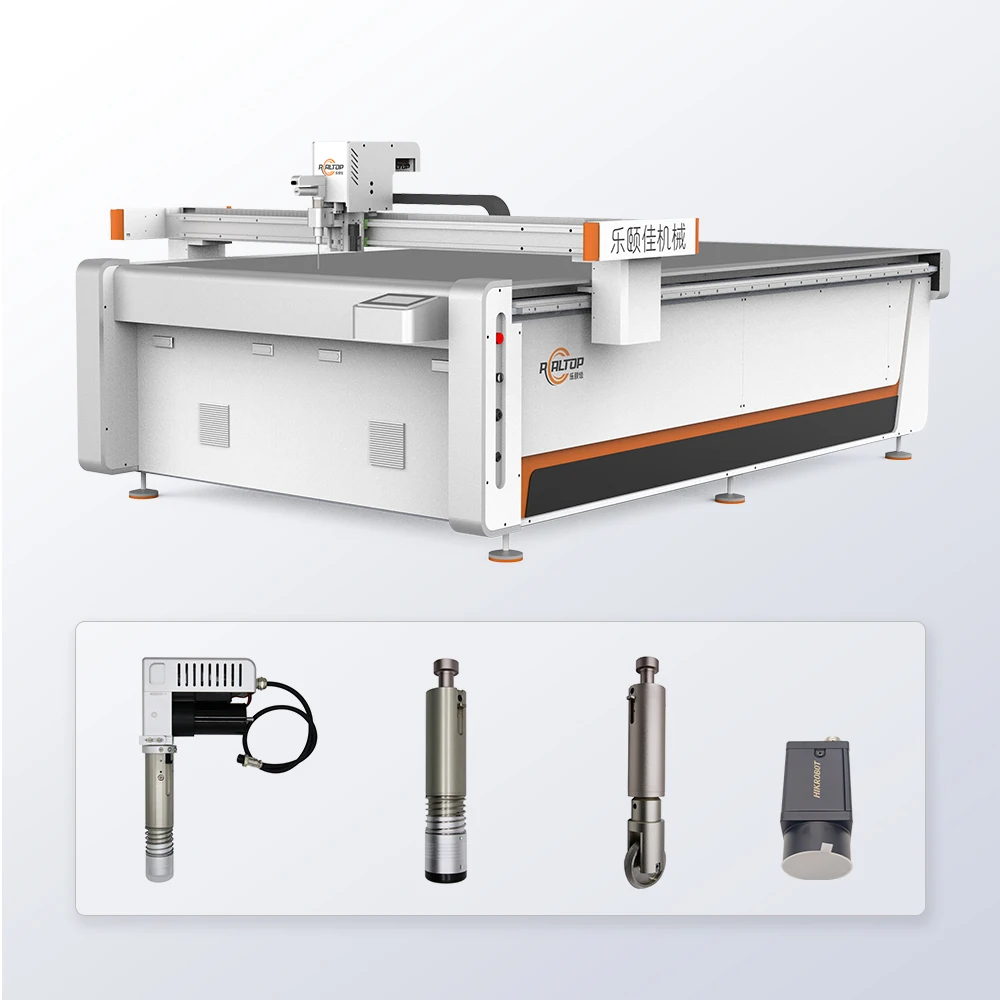
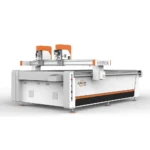
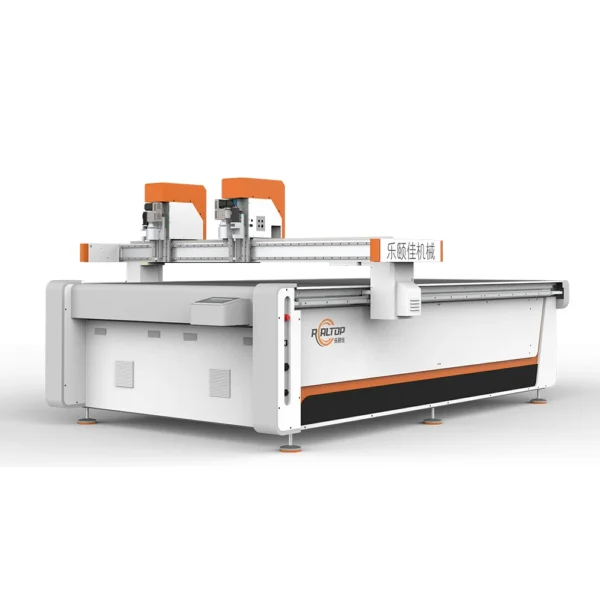
Tool head matched to material density — Every oscillating, pneumatic or drag knife option on the RT-D2516/RT-S2516 is validated against the buyer’s actual composite sample before the configuration is locked.
Technical Specifications
| Parameter | Value |
|---|---|
| Model | RT-D2516/RT-S2516 |
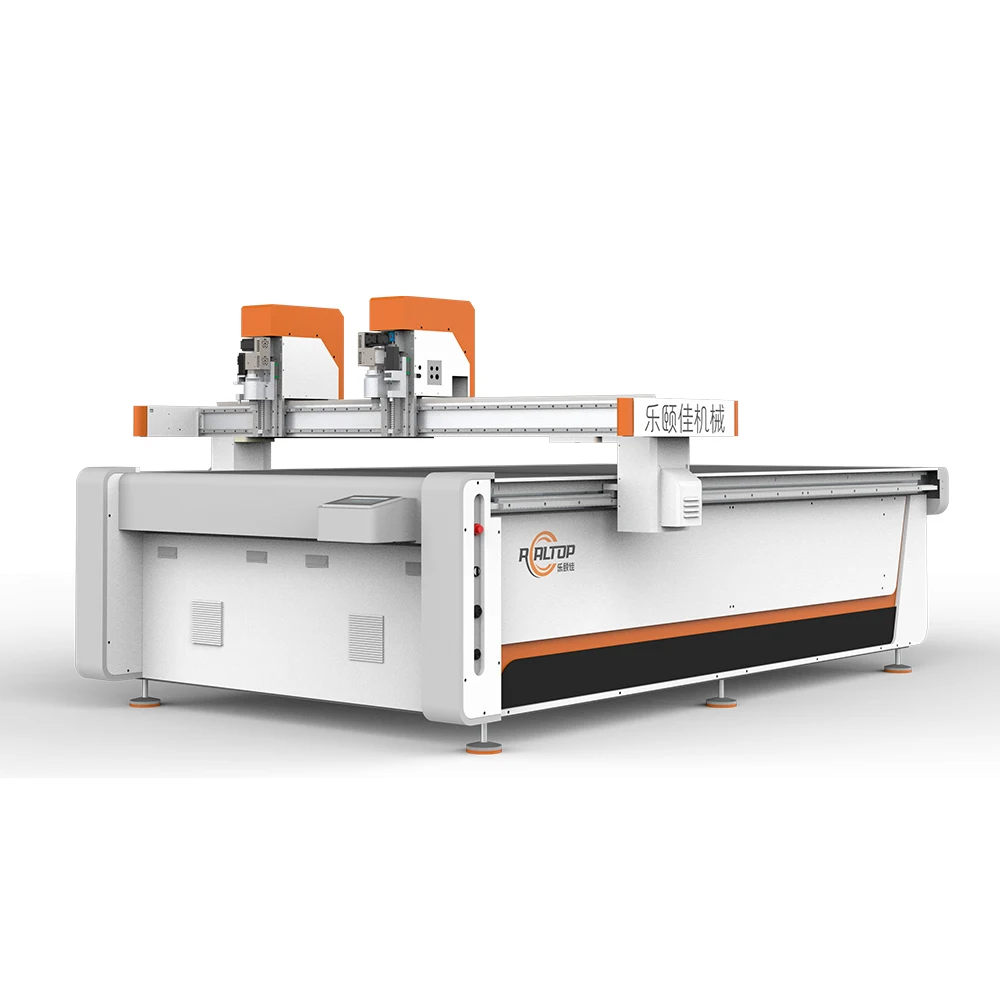
| Product Type | CNC Oscillating Knife Cutting Machine |
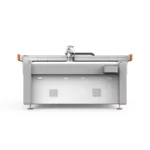
| Working Area | 1600 × 2500 mm |
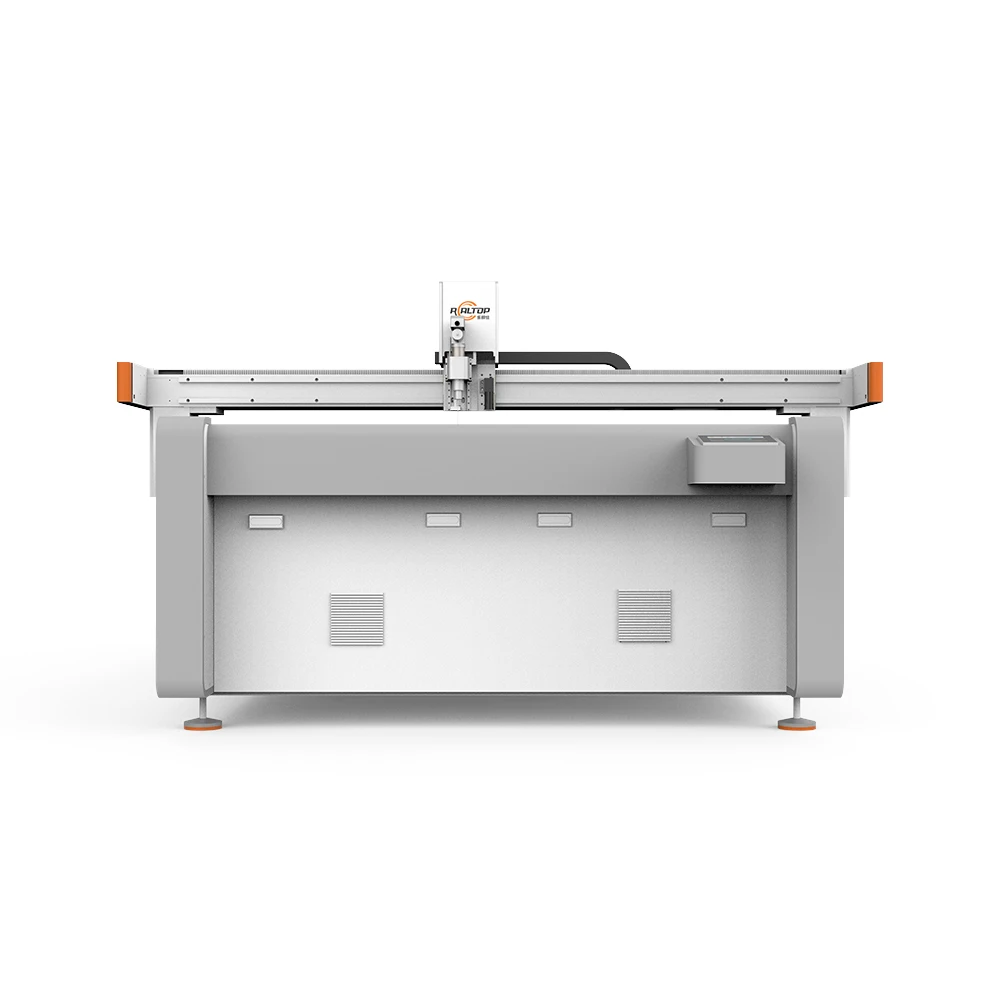
| Machine Size (L × W × H) | 3450 × 2300 × 1250 mm |
| Rated Power | 9 kW |
| Voltage | 380V ±10% (frequency to confirm: 50 or 60 Hz) |
| Servo Motor | Delta (Panasonic optional), IP67 rated |
| Transmission | Digital servo, linear guide, synchronous belt, ball screw |
| Linear Guide | Taiwan Hiwin rail |
| Translational Velocity | 800 – 2000 mm/s |
| Cutting Speed | 200 – 800 mm/s (varies by material) |
| Maximum Cutting Thickness | Up to 100 mm (material dependent) |
| Repeatability | ≤ 0.1 mm |
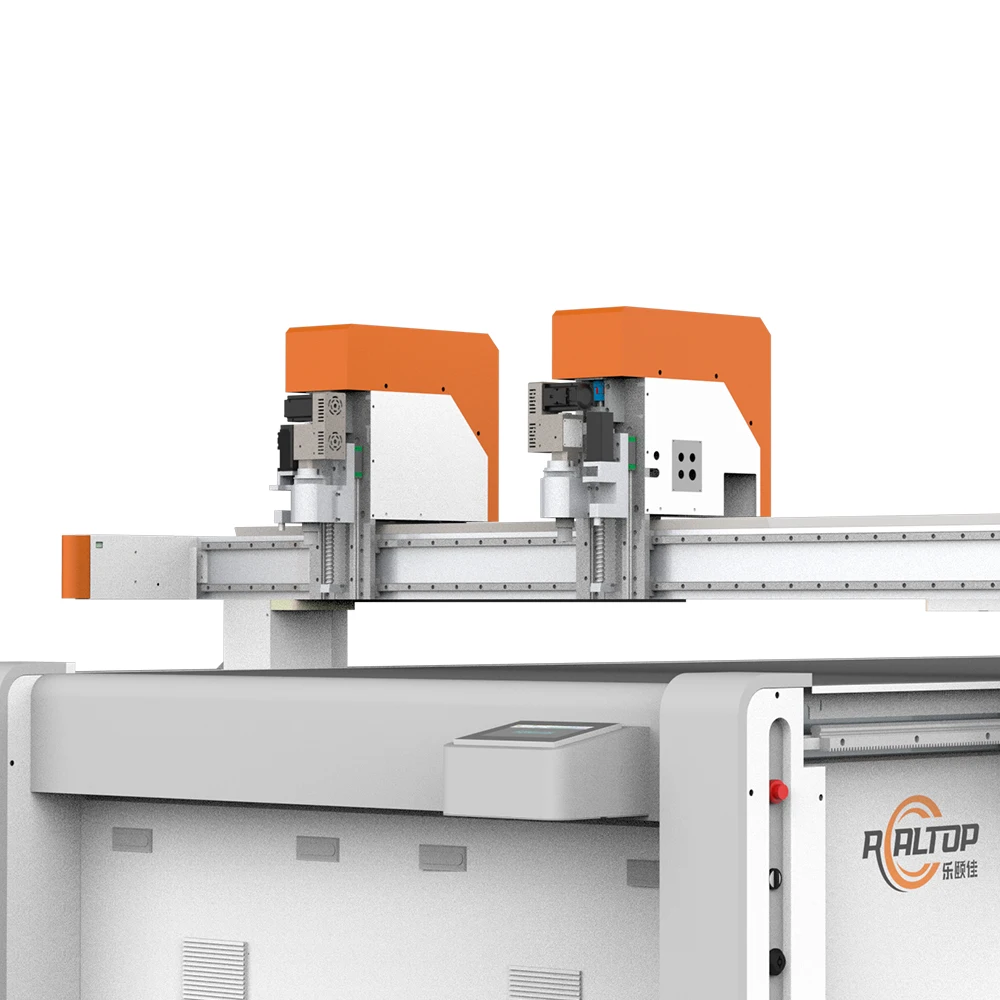
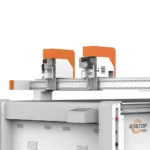
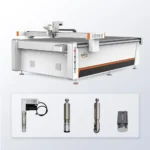
| Tool Head Options | Oscillating knife, pneumatic knife, high-power vibrating knife, circular knife, V-cutting knife, drag knife, creasing wheel, dotted line knife, punching, brush |
| Multifunctional Knife | Swiss imported blade — vibration full cut, half cut, cursor location |
| Visual Positioning | Small CCD mark point, panoramic camera recognition, projection positioning (options) |
| Vacuum Table | Magnesium-aluminum alloy with fluorocarbon PVDF spray, anodic and hard oxidation |
| Vacuum Pump | 7.5 kW, aviation aluminum shell with built-in silencer sponge |
| Auto Feeding | Yes, with conveyor belt (Germany imported material) |
| Safety Devices | Infrared sensor stop, beam anti-collision sensors, emergency stop |
| Instruction Format | HP-GL compatible |
| Control Language | To be confirmed before order |
| CE Declaration | Verify against current certification scope |
Application Suitability
| Application | Material or Output |
|---|---|
| Gasket and seal fabrication | Rubber, silicone, compressed fiber sheets up to 100 mm |
| Foam packaging inserts | EPE, EVA, cross-linked polyethylene, acoustic foam |
| Automotive interior trim | Headliner fabric, door panel composites, seat cushion foam |
| Leather and synthetic cutting | Sponge composite leather, PU, PVC for footwear and upholstery |
| Packaging sample making | Corrugated board, greyboard, carton prototyping runs |
| Insulation panel shaping | Closed-cell foam, thermal barrier composites |
Why "Cutting Thickness ≤ 100 mm" Can Mislead Buyers
Actual depth depends on material density and the tool head selected, not just the stroke specification.
When buyers see a flat number on a spec sheet, they assume any material up to that thickness will cut cleanly. In practice, a high-density EPE block at 80 mm behaves nothing like a soft acoustic foam at the same depth. I have watched production floors lose entire shifts because the CNC oscillating knife cutting machine specifications listed a maximum that held true only for the lightest material in the test batch [NEED_CITE: material density versus oscillating knife stroke effectiveness]. The edge on a dense composite will compress, tear or leave burrs if the knife type and vibration frequency are not matched to what is actually on the table. That mismatch rarely shows up during factory acceptance testing with sample stock — it appears weeks later, when your real production material arrives.
Selecting the Right Knife for Composite Density
The tool head range on this platform covers the full spectrum of composite behavior. An oscillating knife handles mid-density foams and flexible gaskets where a clean sheared edge matters. For tougher, denser laminates — compressed rubber or reinforced PVC — a high-power vibrating knife delivers the reciprocating force needed to push through without crushing the top layer. A pneumatic knife suits thick, soft materials like sponge composite leather where downward pressure must be adjustable. Choosing wrong does not just affect edge quality; it forces the operator to slow the feed rate dramatically, which changes the throughput equation entirely.
Vacuum Zoning and Small-Part Stability
Composites often yield small, intricate gaskets or inserts that sit on a fraction of the table area. A single-zone vacuum pulls evenly across the full bed, but when the part footprint is small the hold-down force drops. The magnesium-aluminum alloy table on this model is paired with a 7.5 kW pump that can be sectioned into zones. Closing off unused zones concentrates suction under the workpiece, preventing the material from lifting during high-speed traverses [NEED_CITE: vacuum hold-down principles for CNC flatbed cutting]. Without zoning, operators resort to mechanical clamps that interfere with the tool path and create dead areas.
Reading the Specs That Actually Matter on the Floor
Translational velocity of 800 – 2000 mm/s governs non-cutting travel; cutting speed of 200 – 800 mm/s is what determines cycle time. The gap between those two bands is where nesting software and tool path optimization earn their keep — a well-nested sheet minimizes repositioning moves and keeps the head in the cutting zone longer. Repeatability of ≤ 0.1 mm, driven by the Hiwin linear guide and Delta servo package, is what allows multi-pass cutting on thick composites without the second pass wandering off the first. The IP67 servo rating matters in workshops where coolant mist or adhesive overspray is present; a non-sealed motor accumulates residue and loses positional accuracy over time. The 9 kW total rated power tells the electrical team what dedicated circuit to run — undersizing the breaker causes nuisance trips during vacuum pump startup [NEED_CITE: industrial circuit sizing for CNC equipment with vacuum pumps].
The Hidden Cost of Skipping the Sample Cut
A buyer who orders on working area and price alone inherits every untested assumption. The knife chosen by default may produce a clean edge on the supplier’s demo foam but rag the surface of the buyer’s actual cross-linked polyethylene. Vacuum zones left unconfigured will let small gasket pieces drift mid-cut, creating scrap that is not noticed until the assembly line rejects the batch. Software that cannot import the buyer’s existing DXF or PLT nesting files forces a manual re-draw of every pattern, adding hours to the first production week. These are not warranty issues — they are specification gaps that the purchase contract never addressed [NEED_CITE: common disputes in CNC cutting equipment procurement].
Why Source This Configuration from the Factory
The design team covers both knife and laser cutting, so a composite that is better served by CO2 laser edge-sealing can be routed to the correct process instead of forcing a knife solution. Tool head and table zone configurations are written into the order against the buyer’s named material, not left as a generic build. CCD camera positioning — small mark-point or panoramic — is specified based on the actual printed registration marks the buyer uses, confirmed at production speed. Voltage, plug type and control panel language are locked before the build starts, eliminating rewiring on arrival. Every order is preceded by a sample cutting run on the buyer’s own stock, and the resulting report ships with the documentation package.
Documentation & Verification
- Machine specification sheet listing the confirmed tool head and vacuum zone layout for your material
- Electrical schematic with voltage and frequency matched to your facility supply
- Sample cutting report produced on your composite stock before contract signing
- Software licence and file format note confirming compatibility with your nesting workflow
- Factory test record documenting repeatability and edge quality on your specified thickness range
- Operation and maintenance manual in the confirmed control language
Installation, Commissioning & Support
- Dedicated 380V circuit with breaker sized above the 9 kW rated draw to handle vacuum pump inrush
- Level concrete floor capable of supporting the 3450 × 2300 mm footprint plus operator clearance
- Machine ships fully assembled — confirm forklift capacity and door clearance at receiving bay
- First-run parameter tuning performed on your material to set knife oscillation frequency and vacuum zone balance
- Operator training covers tool head changeover, CCD camera calibration and nesting file import procedures
- Spare parts list includes Swiss knife blades, vacuum pump silencer sponge and Hiwin rail wipers
Before You Request a Quote
Send us the exact composite or foam material you run — type, density, sheet thickness and whether it is laminated. Tell us your target daily volume and the largest single part dimension so we can confirm the 1600 × 2500 mm bed is sufficient. Confirm your local voltage and frequency, preferred control language, and whether your current workflow uses DXF, PLT or HP-GL files so we verify software compatibility before the build.
Frequently Asked Questions
Q: How do I match the oscillating knife type and stroke to my composite thickness and density?
A: High-density foams and reinforced composites need a high-power vibrating knife with* Softer materials work with a standard oscillating knife at shorter stroke. The choice is validated during sample cutting on your actual stock before the tool head configuration is finalized.
Q: Can the vacuum table hold small gasket pieces securely at full cutting speed?
A: The magnesium-aluminum table is divided into selectable zones driven by the 7.5 kW pump. Closing off unused zones concentrates suction under small parts, preventing lift during high-speed knife passes. Zone layout is configured based on your typical part footprint during commissioning.
Q: Which CCD camera option tracks my printed registration marks accurately?
A: Small CCD mark-point positioning suits jobs where a single fiducial mark is printed on each sheet. Panoramic camera recognition handles multi-mark contour work across the full bed. Both options are tested at your production speed during sample cutting to confirm tracking reliability before order confirmation.
Q: Will this machine import my existing DXF and nesting files without re-drawing?
A: The control system supports HP-GL compatible formats and handles DXF and PLT imports. Software compatibility is confirmed with your actual files during the pre-order stage, and a file format compatibility note is included in the documentation package shipped with the machine.
Q: What electrical and language details need confirming before the machine ships?
A: Voltage and frequency must match your facility supply — 380V ±10% is standard, but 50 Hz versus 60 Hz affects servo tuning. Plug type and control panel language are locked in the specification sheet before production begins, so no rewiring or re-labeling is needed on arrival.


商品评价
Clear filtersThere are no reviews yet.