

Fast Shipping
Carrier information

20k products
Payment methods

24/7 Support
Unlimited help desk

2-day Delivery
Track or off orders
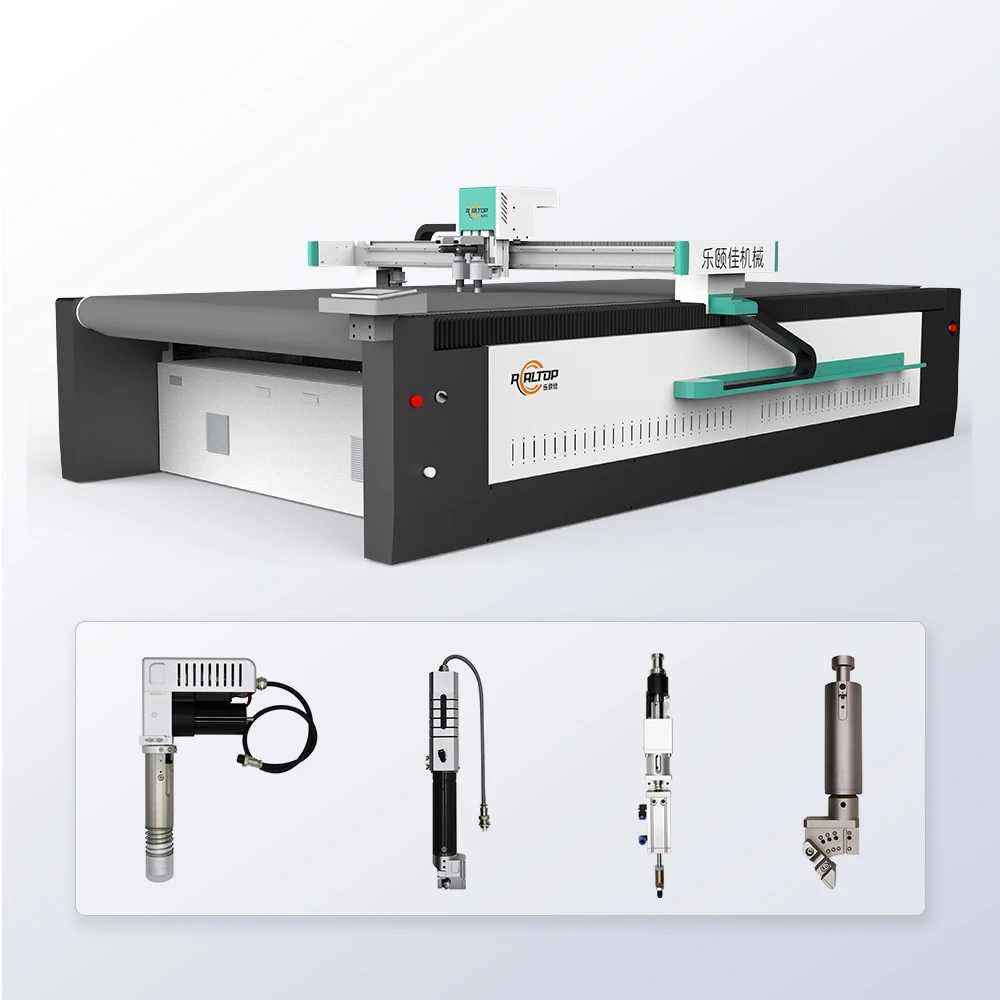
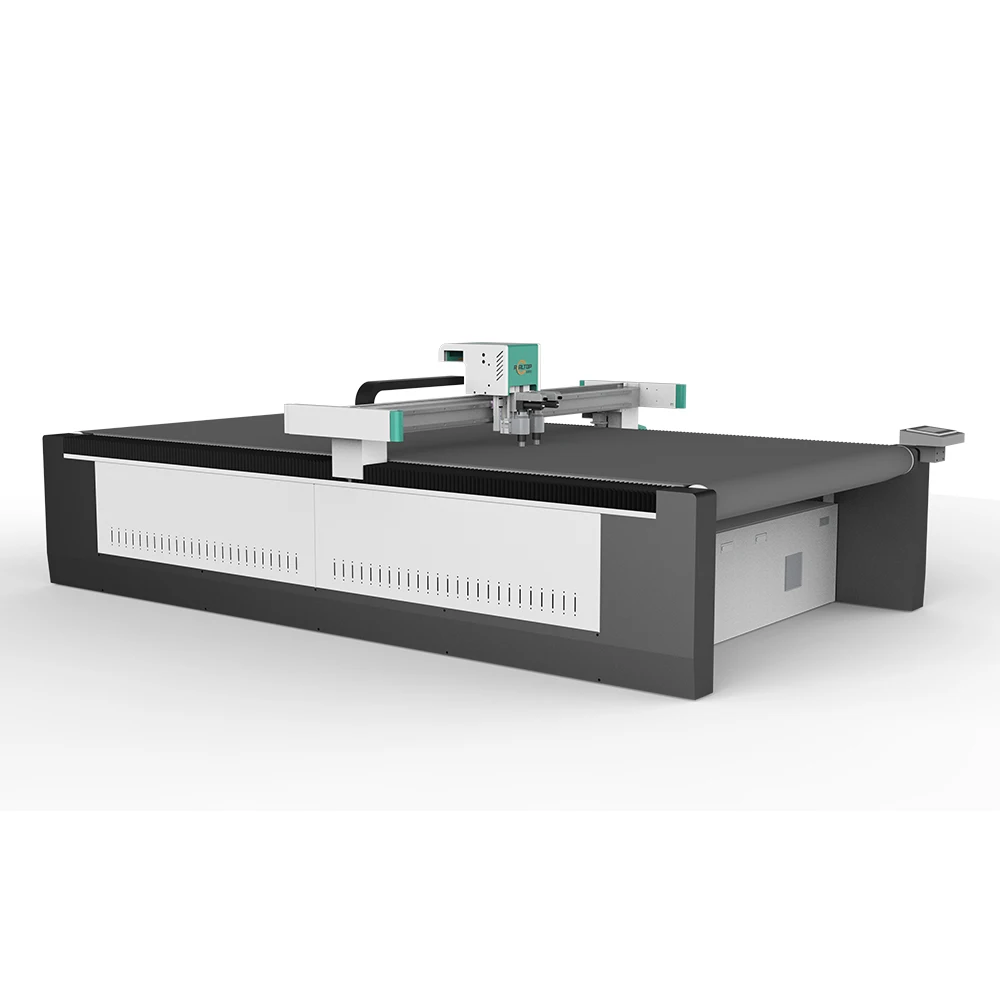
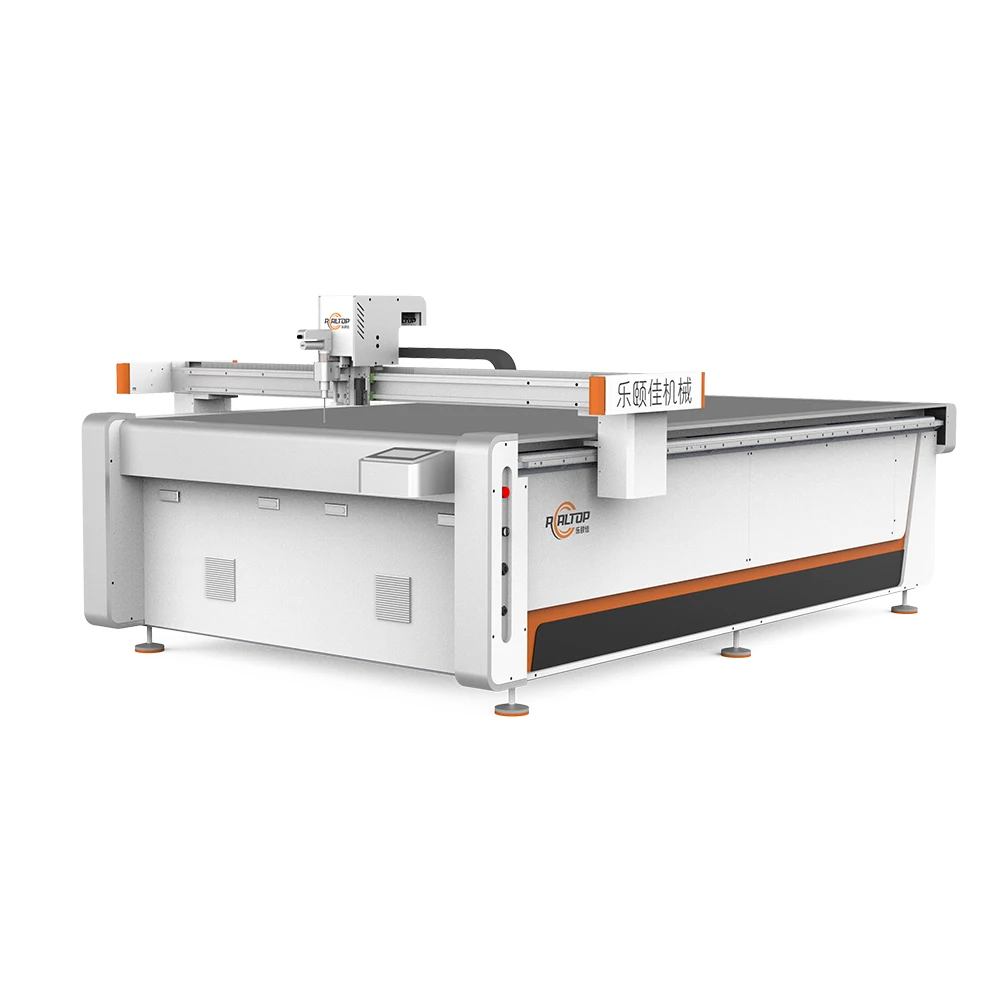
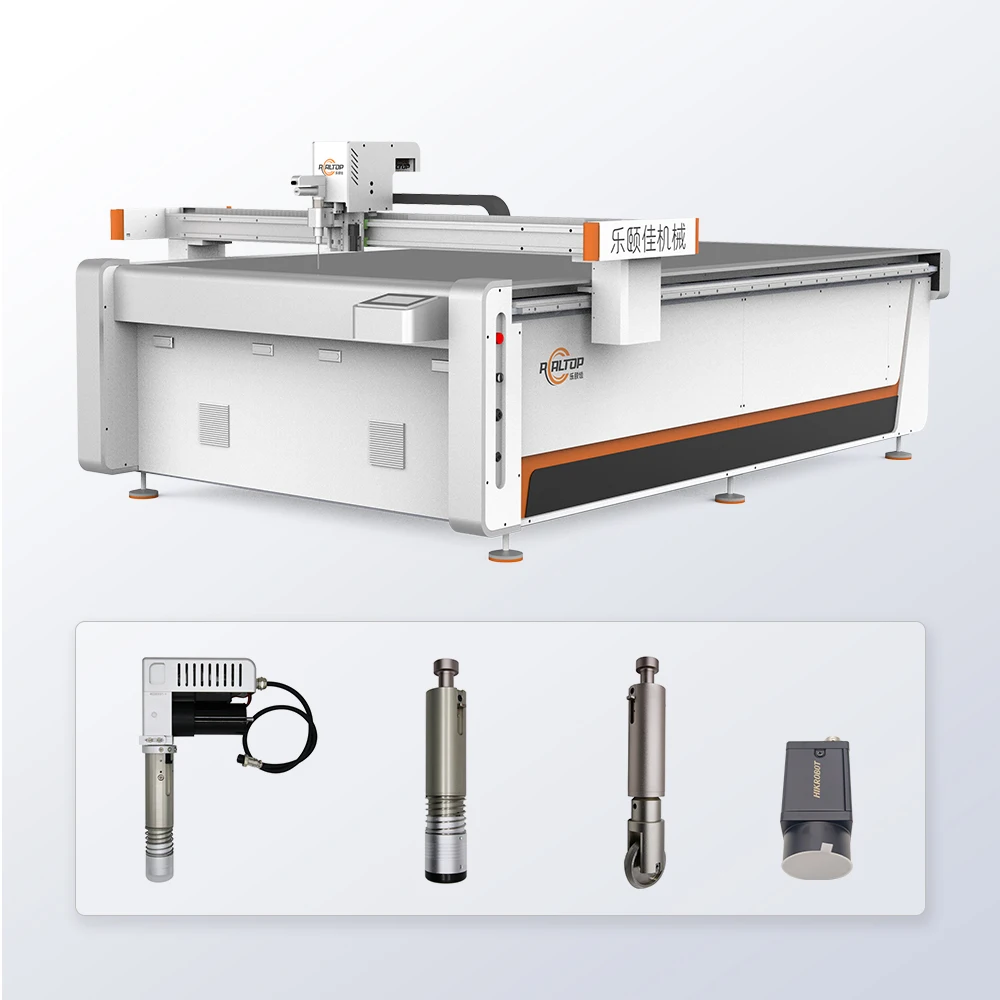
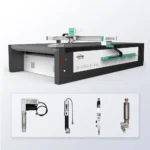
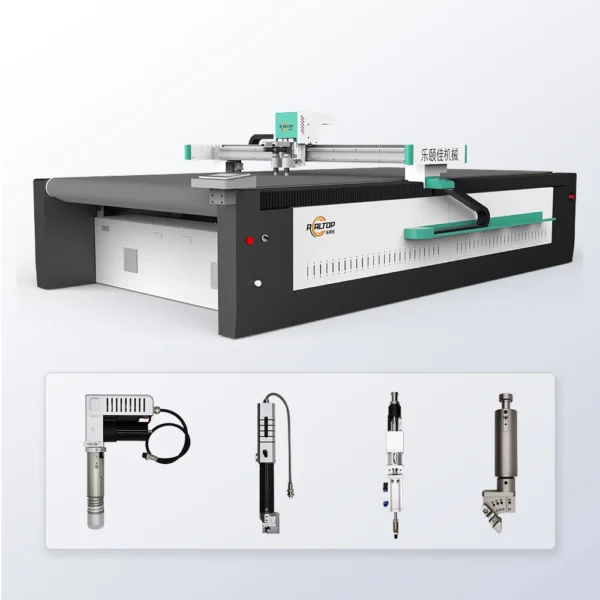
Material-Matched Tooling — The 1625 platform supports oscillating, driven rotary, pneumatic and V-groove knives so gasket and composite producers cut with the blade geometry their material actually requires, not a default option.
Technical Specifications
| Parameter | Value |
|---|---|
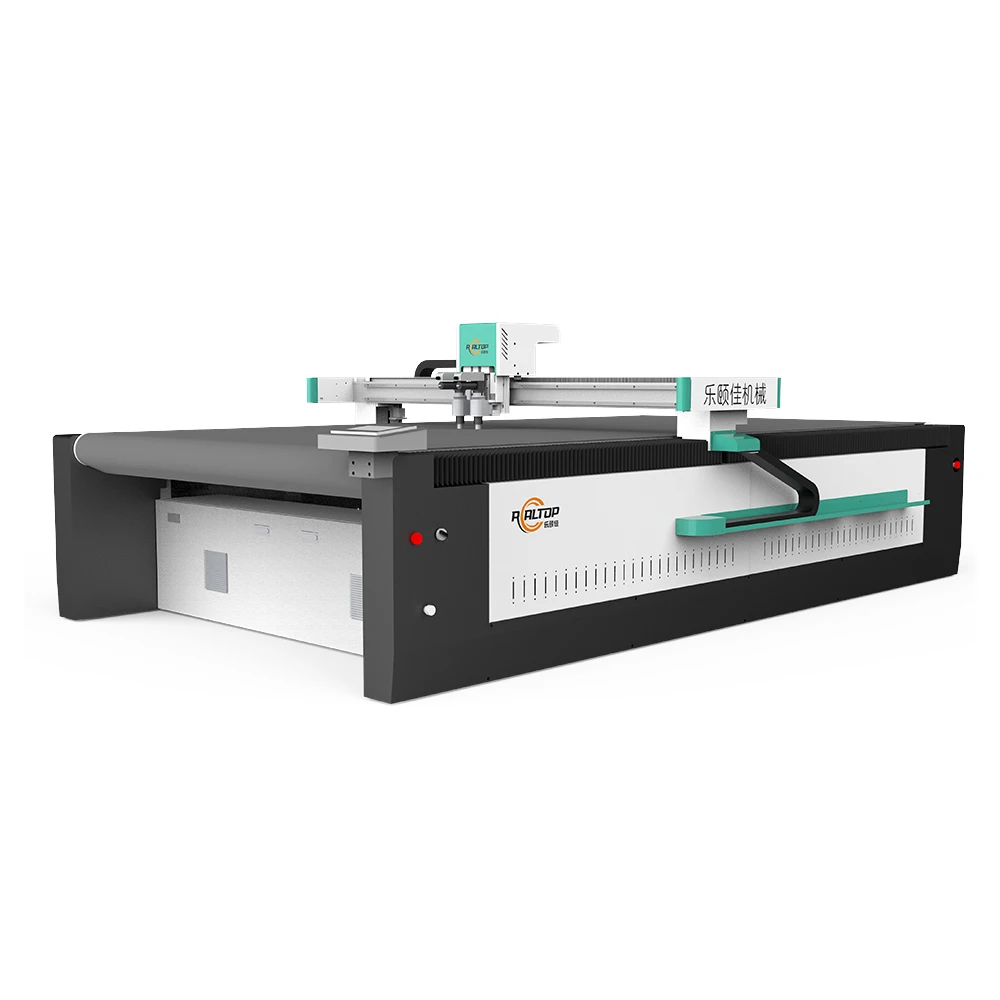
| Product Type | CNC Oscillating Knife Cutting Machine |
| Model | 1625 |
| Working Area | 1600 × 2500 mm |
| Tool Head Options | Oscillating knife, Driven rotary knife, Creasing wheel, Kiss cutting tool, Pneumatic knife, Milling tool, V-groove knife |
| Cutting Thickness Capacity | Up to 30 mm (material and density dependent) |
| Cutting Speed Range | 0–2000 mm/s |
| Positioning Accuracy | ±0.1 mm |
| Vacuum Pump Output | 9 kW |
| Control Interface | PLC control panel |
| Servo Drive Options | Panasonic, Delta, Dorna |
| Voltage Configuration | 110V, 220V, 380V |
| Compatible File Formats | PLT, DXF, AI, PDF |
| Safety Features | Infrared sensor device, emergency stop |
| Machine Dimensions | 3300 × 2100 × 1350 mm |
| Compliance | CE |
Application Suitability
| Application | Material or Output |
|---|---|
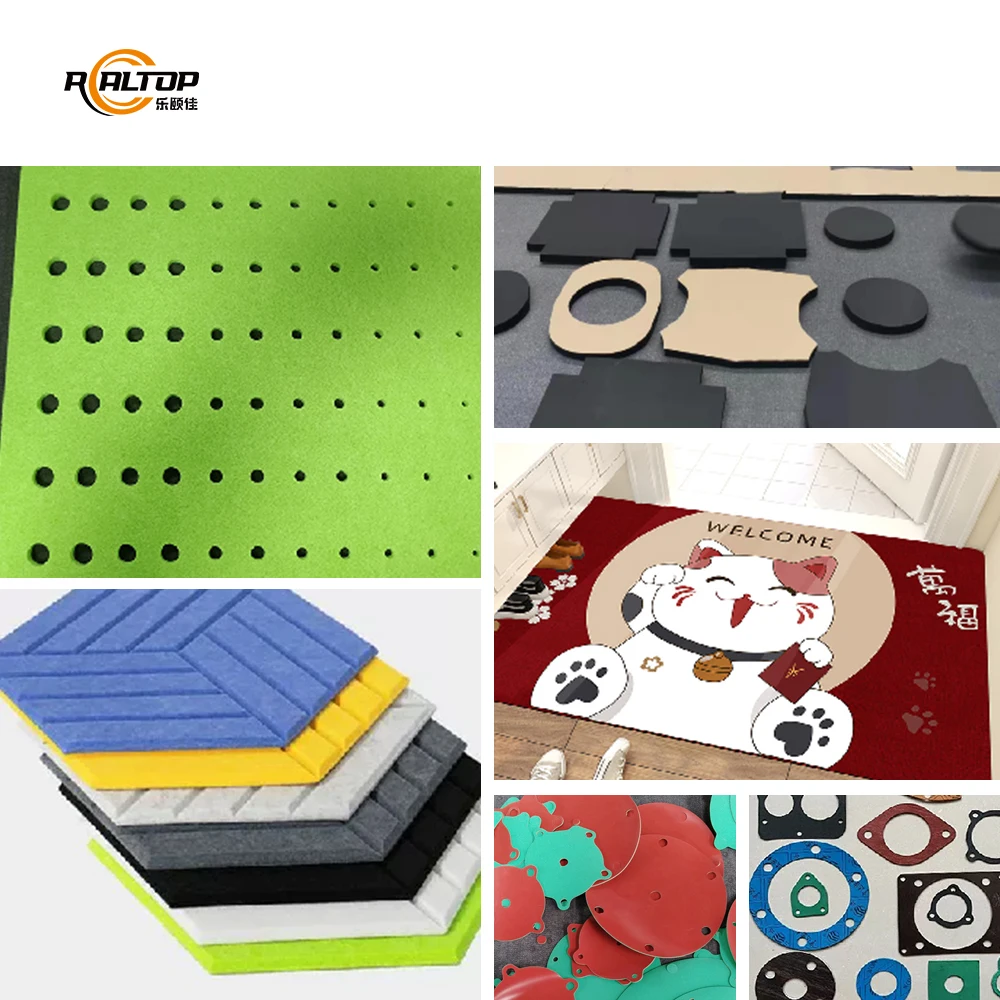
| Industrial gasket fabrication | Graphite, non-asbestos, PTFE, fiberglass sheets cut into flange and custom seal profiles |
| Aerospace composite layup | Carbon fiber prepreg, aramid honeycomb, ceramic fiber blankets, thermal insulation foam |
| Automotive interior and sealing | Acoustic felt, damping pads, carpet, FRP panels, sealing strips |
| Wind energy blade and nacelle | Fiberglass cloth, carbon fiber cloth, vacuum infusion mesh, foam core materials |
| Sporting goods manufacturing | Kevlar, high-performance foam, composite fabrics for protective equipment |
What the "30 mm Cutting Thickness" Specification Actually Means
The published cutting thickness reflects a specific combination of material density, blade type and feed rate — not a universal limit across every gasket or composite stock.
Most oscillating knife platforms publish a single thickness number, yet a 10 mm soft rubber sheet and a 10 mm reinforced graphite gasket demand entirely different tooling and cutting strategies. When a gasket producer switches from plain compressed fiber to a metal-reinforced graphite laminate without changing the knife or adjusting the downstroke, the blade chatters, edges delaminate and the machine stalls mid-sheet. That mismatch is the most common reason I see CNC oscillating knife cutting machine specifications misinterpreted on the shop floor. [NEED_CITE:]
Blade Geometry Dictates Edge Quality on Gasket Stock
The 1625 accommodates seven interchangeable tool heads because no single blade profile handles graphite, PTFE and fiberglass cleanly. Oscillating knives suit brittle composites like ceramic fiber blankets, while driven rotary knives track curves on woven fabrics without fraying. Selecting the correct tool head per material is the primary decision in any CNC oscillating knife cutting machine specifications review for gasket production.
Vacuum Adsorption and Small-Part Stability
The 9 kW vacuum pump feeds an aluminum bellows table designed to hold flexible gasket sheets flat across the full 1600 × 2500 mm bed. When nesting small flange gaskets, however, the effective adsorption area shrinks per part, and insufficient hold-down causes material lift during high-speed passes. Zoning the vacuum table to isolate active cutting zones keeps small profiles pinned without requiring a larger pump. [NEED_CITE:]
Reading the Accuracy Claim in Production Terms
The ±0.1 mm positioning accuracy is achieved through multi-axis PLC-controlled servo drives, available in Panasonic, Delta or Dorna configurations. For gasket work, this tolerance matters most on bolt-hole patterns and tongue-and-groove seal profiles where a 0.2 mm drift across a flange face causes leakage under pressure. The servo brand selected should match the buyer’s existing maintenance capability and local spare parts supply.
The Cost of Skipping the Tool Head Conversation
A buyer who specifies only the working area and accepts whatever default blade ships with the machine often discovers the limitation weeks after commissioning. Ragged PTFE edges require secondary trimming, crushed foam cores fail compression tests, and delaminated graphite sheets become scrap. Each of these outcomes traces back to a tooling choice that was never discussed before the order was placed. [NEED_CITE:]
Why This Platform Fits Gasket and Composite Shops
Realtop maintains in-house design and production for both the knife tooling and the table configuration, so tool head selection is matched to the buyer’s material list rather than treated as an afterthought. The CCD camera positioning option is verified at production speed on printed registration marks before the machine leaves the factory. Software file format compatibility — PLT, DXF, AI, PDF — is confirmed against the buyer’s existing nesting workflow before the order is finalized. Sample cutting on the buyer’s own gasket stock is completed and documented before shipment commitment. Voltage, plug type and control language are locked in during the specification stage, eliminating field rewiring or interface translation after delivery.
Documentation & Verification
- Machine specification sheet listing each configured tool head and its material assignment
- Electrical schematic with confirmed voltage and frequency for the destination market
- Sample cutting report produced on buyer-supplied gasket or composite material
- Factory test record documenting servo tuning and vacuum hold-down performance
- Software license and file format compatibility note aligned with buyer nesting workflow
- Spare parts list identifying wear items specific to the chosen tool head set
Installation, Commissioning & Support
- 3300 × 2100 × 1350 mm footprint requires level concrete floor with clearance for sheet loading on all sides
- Dedicated electrical circuit matching the confirmed 110V, 220V or 380V configuration with appropriate breaker rating
- 9 kW vacuum pump exhaust routed to exterior or filtration unit per local ventilation code
- First-run calibration of each configured tool head against the buyer’s actual gasket material
- Operator training on tool change procedure and PLC panel interface in the confirmed language
- Wear-part replacement schedule for oscillating knife blades and vacuum table seals based on material abrasiveness
Before You Request a Quote
Send the specific gasket or composite materials you run daily, including sheet dimensions, thickness range and any reinforcement layers. Note your local voltage and frequency standard, the preferred control interface language, and whether your nesting workflow uses DXF, AI, PLT or PDF files. If your production involves printed registration marks, share a sample so contour recognition can be tested at your target speed.
Frequently Asked Questions
Q: How do I confirm the machine can actually cut my gasket material at the stated thickness?
A: The ≤30 mm capacity depends on material density, reinforcement layers and the selected blade type. Before any order commitment, we run a sample cutting test on your actual gasket stock — graphite, PTFE, non-asbestos or fiberglass — and deliver a report documenting edge quality, achievable thickness and cycle time.
Q: Which tool head should I use for reinforced graphite versus plain PTFE sheets?
A: Reinforced graphite typically requires a pneumatic knife with higher downforce, while plain PTFE suits an oscillating knife with a specific edge angle. The correct pairing is determined during the sample cutting phase, and the configuration list documents each tool head matched to your material.
Q: Is the 9 kW vacuum pump sufficient for nesting small flange gaskets?
A: Small parts reduce the effective adsorption area per piece, which can cause material lift. The solution is vacuum table zoning, which isolates active cutting zones to concentrate hold-down force. We confirm the zoning layout based on your typical nest pattern before production.
Q: Will the control software read my existing DXF and AI nesting files?
A: The system supports PLT, DXF, AI and PDF formats, but file structure and layer naming conventions vary across nesting platforms. We verify compatibility against your specific software output and confirm the file format note before the machine ships.


商品评价
Clear filtersThere are no reviews yet.