

Fast Shipping
Carrier information

20k products
Payment methods

24/7 Support
Unlimited help desk

2-day Delivery
Track or off orders
Tool Head & Table Configured per Material — Every oscillating knife, vacuum zone and CCD setup is matched to your gasket stock type and thickness before the order is locked in.
Technical Specifications
| Parameter | Value |
|---|---|
| Model | RT-D2516/RT-S2516 |
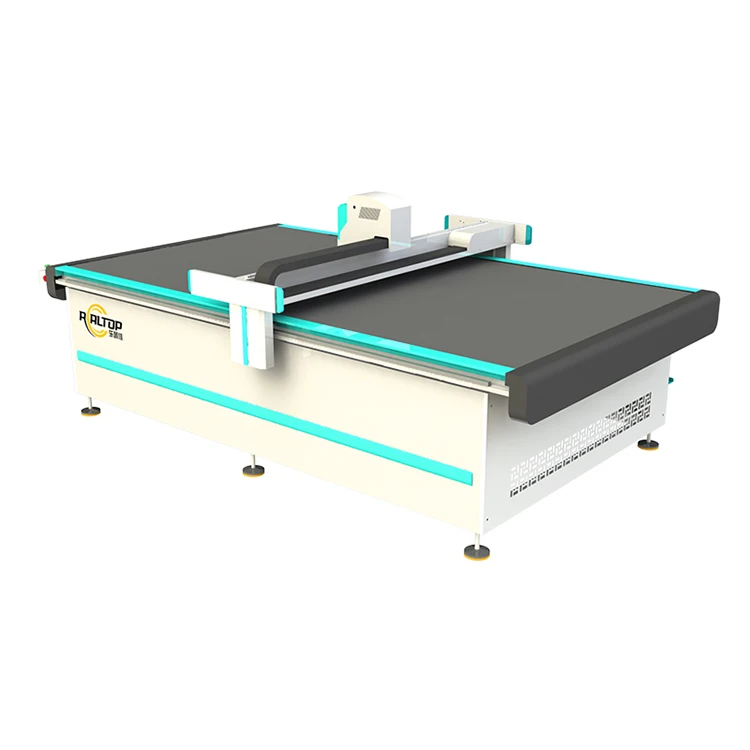
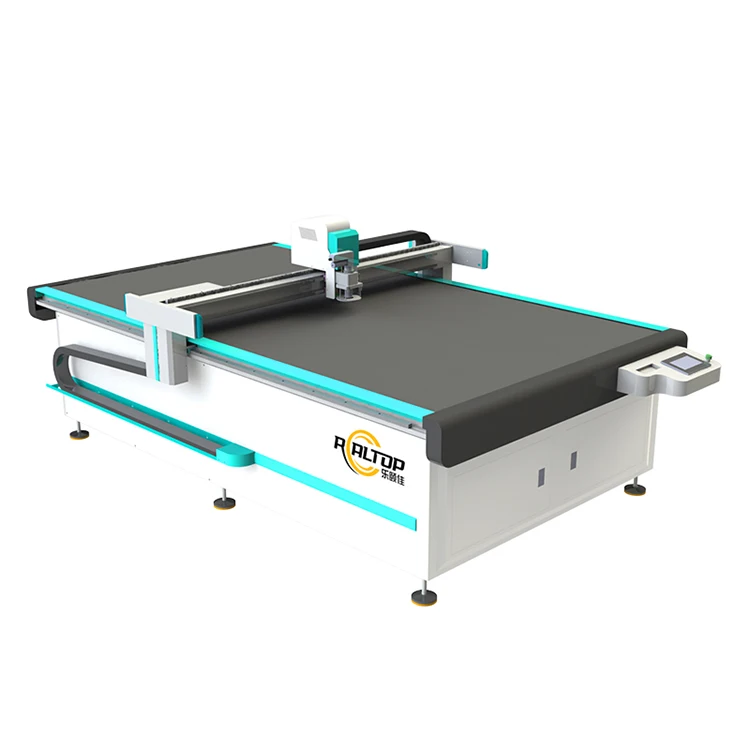
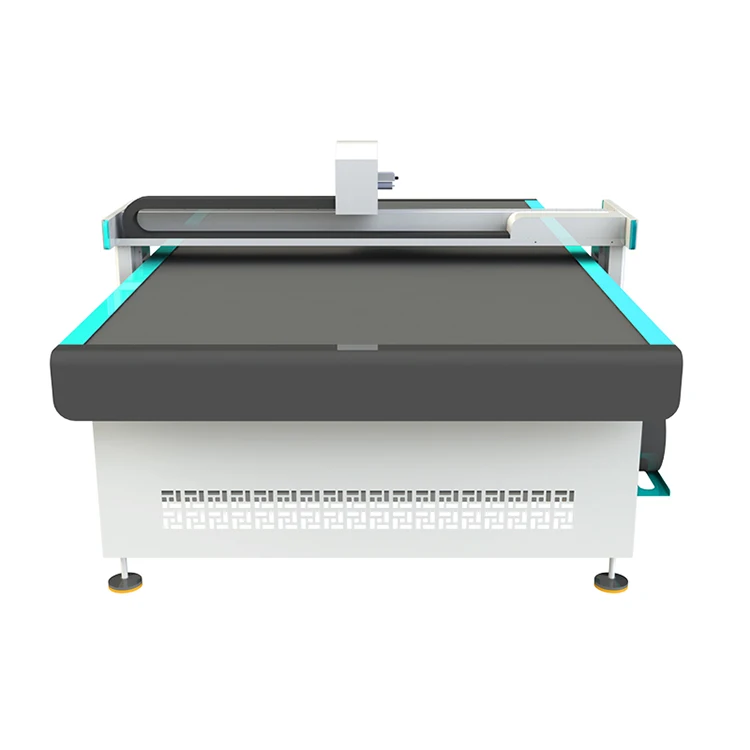
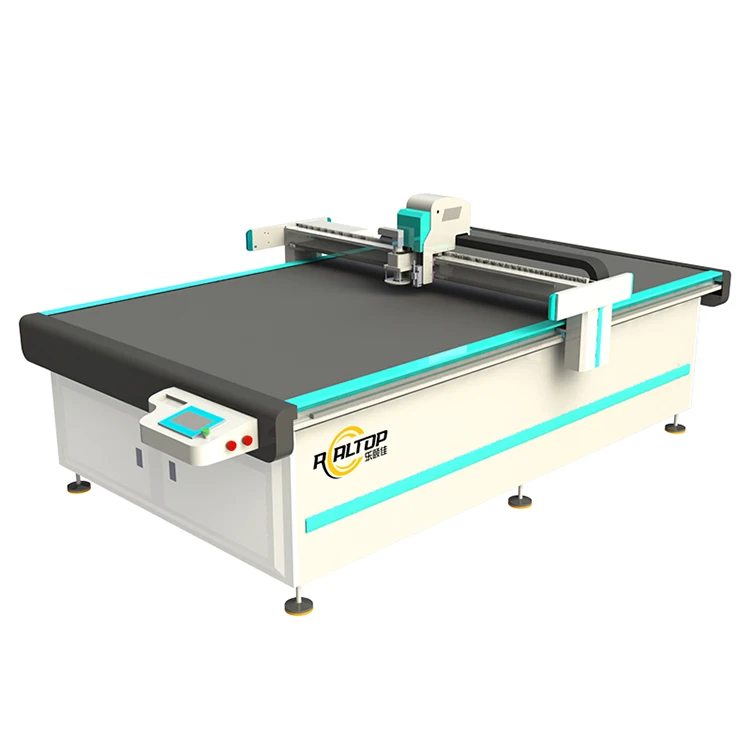
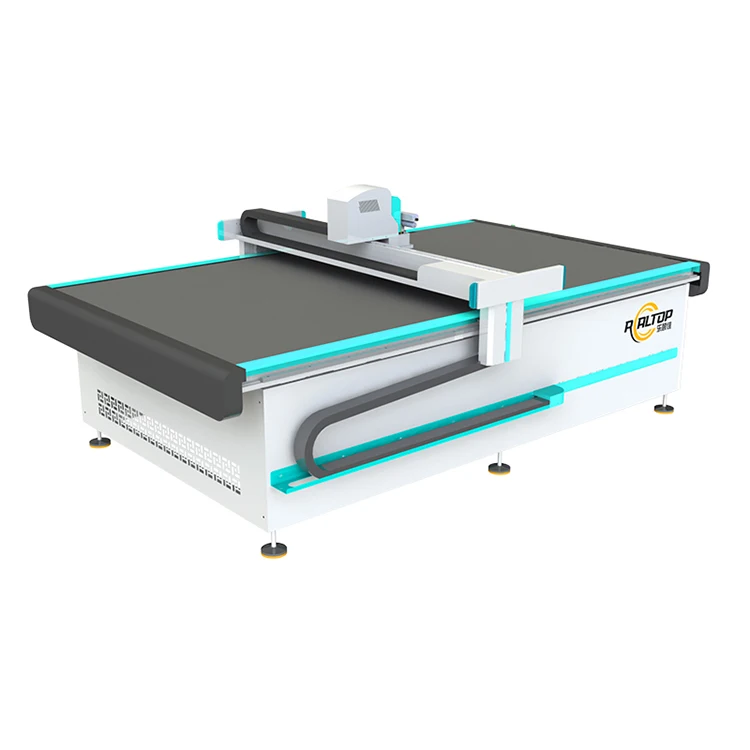
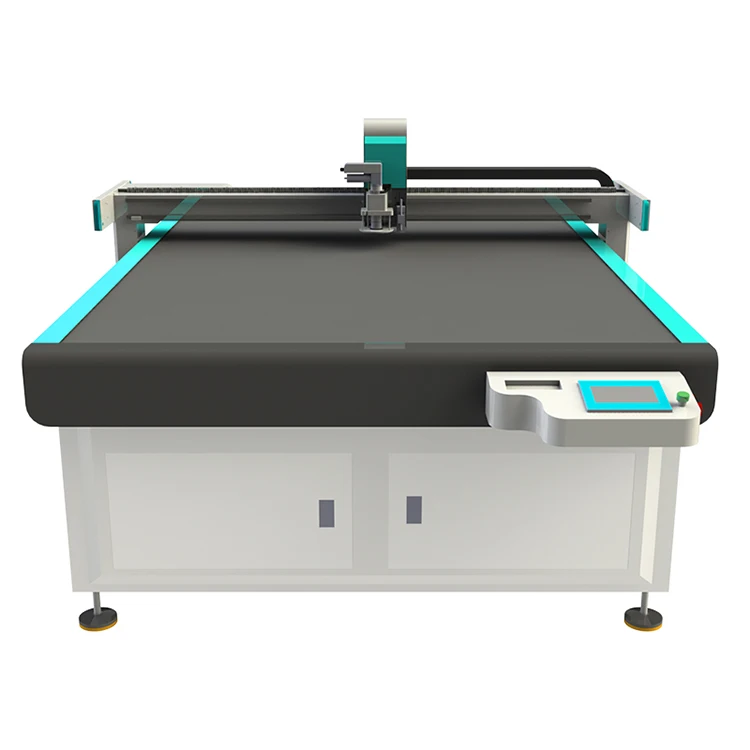
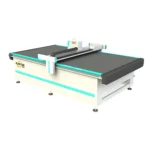
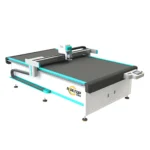
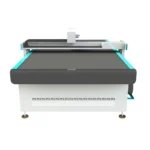
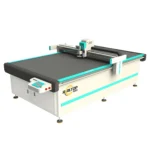
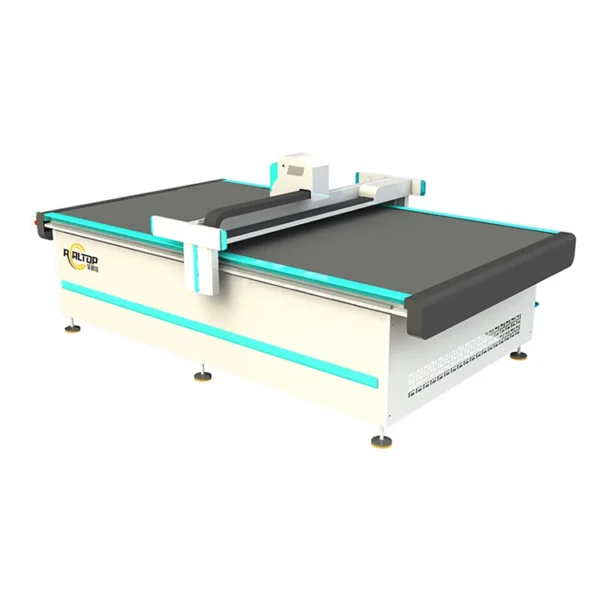
| Product Type | CNC Oscillating Knife Cutting Machine |
| Working Area | 1600 × 2500 mm |
| Overall Dimensions | 3450 × 2300 × 1250 mm |
| Rated Power | 9 kW |
| Voltage | 380V ±10% (50/60 Hz to be confirmed per market) |
| Table Type | Magnesium-aluminum alloy vacuum adsorption table with PVDF powder spraying, anodic and hard oxidation |
| Vacuum Pump | 7.5 kW integrated aviation aluminum shell with built-in silencer sponge |
| Multifunctional Tool Head | Swiss imported oscillating knife; options: pneumatic knife, high-power vibrating knife, circular knife, V-cutting knife, drag knife, creasing wheel, dotted line knife, punching, brush |
| Visual Positioning | Small CCD mark point positioning, panoramic camera recognition, projection positioning |
| Transmission System | Digital servo motor (Delta or Panasonic optional, IP67), Taiwan Hiwin linear guide, synchronous belt, ball screw |
| Translational Velocity | 800–1200 mm/s |
| Cutting Speed | 200–800 mm/s (varies with material type and thickness — basis to be confirmed) |
| Cutting Thickness | ≤100 mm (varies with gasket material density — basis to be confirmed) |
| Repeated Accuracy | ≤0.1 mm |
| Safety Devices | Infrared induction blocking, anti-collision, emergency stop |
| Instruction System | HP-GL compatible format |
| Conveyor Belt | Germany imported auto-feeding belt |
| Language Options | English, Russian, Italian, Chinese; special languages customizable |
| Assembly State | Fully assembled before shipment |
| Certification | CE |
Application Suitability
| Application | Material or Output |
|---|---|
| Industrial rubber gasket production | Natural rubber, neoprene, nitrile, EPDM sheets up to confirmed thickness |
| PTFE and silicone sealing pads | PTFE, silicone, ETFE, fluoropolymer composites |
| Automotive gasket and sealing components | Fiber-reinforced composite, cork-rubber, graphite-enhanced sheet |
| Foam and sponge gasket cutting | EVA, XPE, PU foam, closed-cell sponge |
| Non-metallic flat gasket fabrication | PVC, PU, fiberglass, corrugated cardboard, film, sticker laminates |
Why the Wrong Tool Head Ruins Gasket Edge Quality on Day One
A CNC oscillating knife cutting machine for gasket work is only as capable as the tool head matched to your material. Specifying a machine on working area alone, then discovering it cannot hold a clean edge on reinforced composite stock, is a failure that surfaces only after production starts.
In the field, I have seen gasket lines go down because the oscillating knife specified for standard rubber could not handle reinforced graphite composite. The blade chipped within hours, edges delaminated, and the operator had no alternative tool head on site. Spare blades ran out in three days, local supply did not exist, and the line sat idle waiting for air freight. The root cause was not the machine frame or the servo system — it was a tool head choice made without cutting the buyer’s actual material first [NEED_CITE: oscillating knife tool head selection for composite gasket materials].
Matching Oscillating Knife Frequency to Gasket Density
The RT-D2516/RT-S2516 offers a Swiss imported oscillating knife as the default cutting tool, with options including a high-power vibrating knife for denser composite stock and a pneumatic knife for softer elastomers. Oscillation frequency and blade geometry determine whether a reinforced graphite gasket cuts cleanly or delaminates at the edge. A gasket producer switching between 2 mm silicone sponge and 8 mm fiber-reinforced composite needs at least two tool heads documented in the configuration list before the purchase order is signed.
Vacuum Table Zoning for Small Gasket Parts
The magnesium-aluminum alloy vacuum table on this CNC digital cutter specifications package uses multi-process surface treatment — PVDF powder spraying, anodic oxidation, and hard oxidation — to maintain flatness across the 1600 × 2500 mm working area. Flatness alone is not enough for small gasket parts. Without sufficient zoning, vacuum distribution leaves small sealing pads prone to lift during high-speed oscillating cuts. The 7.5 kW vacuum pump with integrated silencer provides the suction volume, but zoning configuration must be confirmed against the smallest part in your gasket production range [NEED_CITE: vacuum hold-down requirements for small gasket cutting on CNC flatbed tables].
What the Drive Train Means for Repeated Cut Accuracy
Repeated accuracy of ≤0.1 mm on the RT-D2516/RT-S2516 comes from Delta or Panasonic IP67 servo motors paired with Taiwan Hiwin linear guides and ball screws. For gasket work, this matters most on multi-cavity nested layouts where bolt-hole patterns must register across hundreds of identical parts. Translational velocity reaches 800–1200 mm/s, but actual cutting speed drops to 200–800 mm/s depending on material density. The servo system must hold position under oscillating knife load without drift, and IP67 sealing on the motors protects against the particulate generated when cutting fiber-reinforced and graphite composite sheets in continuous shifts.
The Cost of Skipping a Sample Cut on Your Own Gasket Stock
When a buyer commits to a CNC oscillating knife cutting machine for gasket production without sending actual material for a sample cut, the configuration is a guess. The wrong tool head produces ragged edges on PTFE, crushed foam cores on sponge gaskets, and delamination on multi-layer composite sealing pads. These defects appear at production speed, not during a slow demonstration on generic stock. By the time the problem surfaces, the machine is on the water, re-configuring tool heads and vacuum zones means a service call, and the production schedule is already behind [NEED_CITE: sample cutting validation for CNC gasket production equipment].
Why Sourcing This Machine Here Reduces Configuration Risk
In-house design covers both oscillating knife and vacuum table engineering, so tool head selection and table zoning are specified together against your gasket material rather than sold as a standard package. CCD camera positioning — mark point and panoramic — is integrated for printed contour gasket work where registration accuracy matters. Every configuration is documented per material type and thickness before the order proceeds. Electrical schematics confirm voltage and frequency for your facility, and software compatibility with your existing HP-GL nesting workflow is verified. Sample cutting on your actual gasket stock produces a report showing edge quality and achievable cutting depth before any commitment is made.
Documentation & Verification
- Machine specification sheet listing confirmed tool head and vacuum zone configuration per your gasket material
- Electrical schematic with voltage and frequency verified for your local supply before dispatch
- Sample cutting report on your gasket stock showing edge quality and depth results
- Tool head and table configuration list documenting every selected option against your material type
- Software licence and HP-GL file format compatibility note confirming nesting workflow integration
- Factory test record covering a production-speed run on your confirmed material before shipment
Installation, Commissioning & Support
- Fully assembled RT-D2516/RT-S2516 ships complete; confirm floor loading for 3450 × 2300 mm footprint and 9 kW supply
- Dedicated 380V ±10% circuit with confirmed frequency required; verify breaker rating against 7.5 kW vacuum pump inrush
- First-run parameter setting covers oscillation frequency, vacuum zone mapping and cutting speed for your gasket stock
- Operator training includes tool head changeover procedure for switching between rubber, PTFE and composite materials
- Spare oscillating knife blades and wear parts list provided based on your confirmed daily cutting volume
- Scheduled maintenance covers Hiwin linear guide lubrication intervals and vacuum pump silencer sponge inspection
What We Need to Configure Your Machine Correctly
Send your actual gasket material — type, thickness and sheet size — along with your daily production volume and the smallest part dimension in your nesting layout. Confirm your facility voltage, frequency and the control language your operators require. If you run an existing CAD or nesting system, share a sample file so HP-GL import compatibility is verified before build.
Frequently Asked Questions
Q: How is cutting thickness verified for my gasket material before I commit?
A: You send a sample of your actual gasket stock — rubber, PTFE, composite or foam — at the thickness you run in production. We perform a sample cut using the proposed tool head and vacuum configuration, then issue a report documenting edge quality, achievable depth and any material-specific limitations observed.
Q: Which tool head is correct for my rubber or composite gasket stock?
A: Tool head selection depends on material density, reinforcement type and thickness. A Swiss oscillating knife suits many elastomers, while reinforced graphite or fiber composite may require a high-power vibrating knife or pneumatic option. The chosen tool head is documented in your configuration list before order confirmation.
Q: Is the vacuum table zoned for small gasket parts, and how is hold-down confirmed?
A: The 1600 × 2500 mm magnesium-aluminum table supports zoning configured to your smallest part size. Hold-down adequacy is verified during the sample cut on your material at production cutting speed, and the zone map is included in your factory test record.
Q: How do I confirm my voltage, plug type and file format will work on arrival?
A: Voltage, frequency and plug type are confirmed via electrical schematic before shipment. Your existing CAD or nesting files are tested for HP-GL compatibility during the pre-order stage, and the software licence and file format note ships with the machine documentation.
Q: What does the factory test record cover before shipment?
A: The factory test record documents a production-speed run on your confirmed gasket material, covering cutting accuracy, edge quality, vacuum hold-down performance and CCD positioning if applicable. You may witness the test or review the recorded results before dispatch approval.


商品评价
Clear filtersThere are no reviews yet.