

Fast Shipping
Carrier information

20k products
Payment methods

24/7 Support
Unlimited help desk

2-day Delivery
Track or off orders
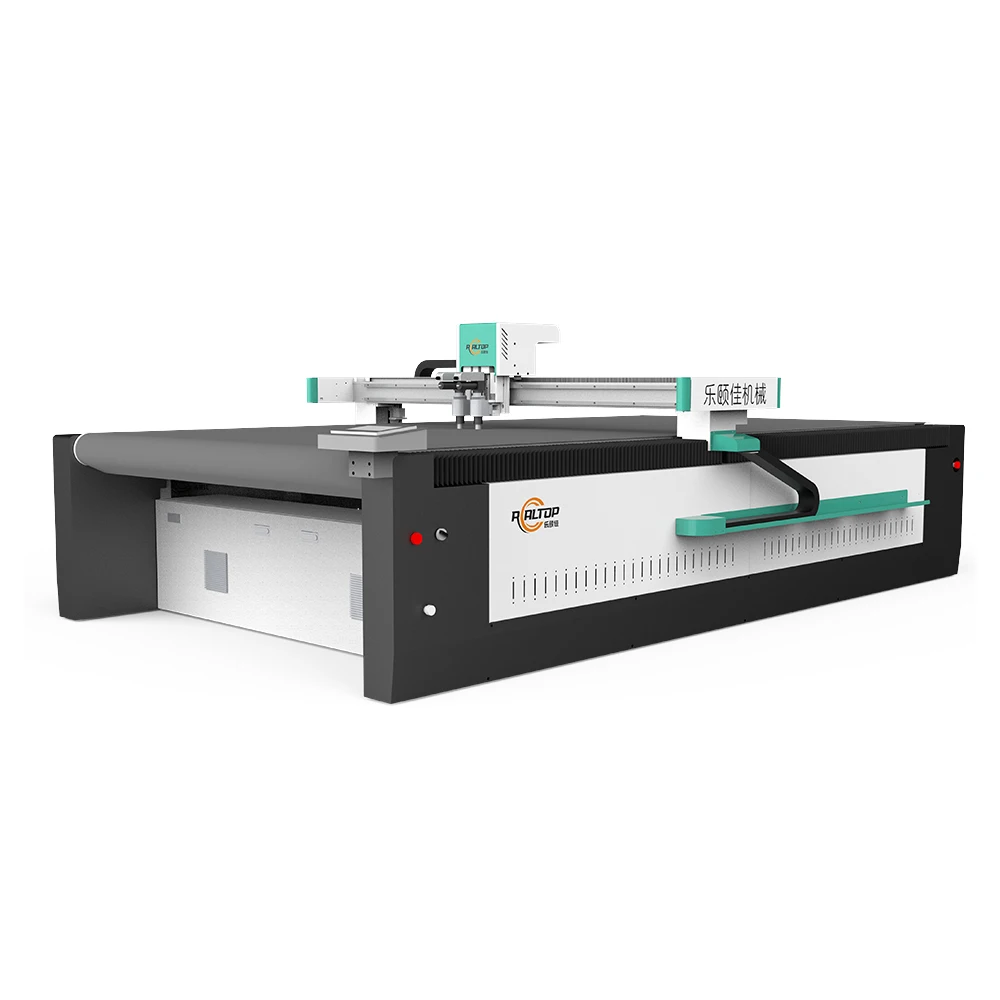
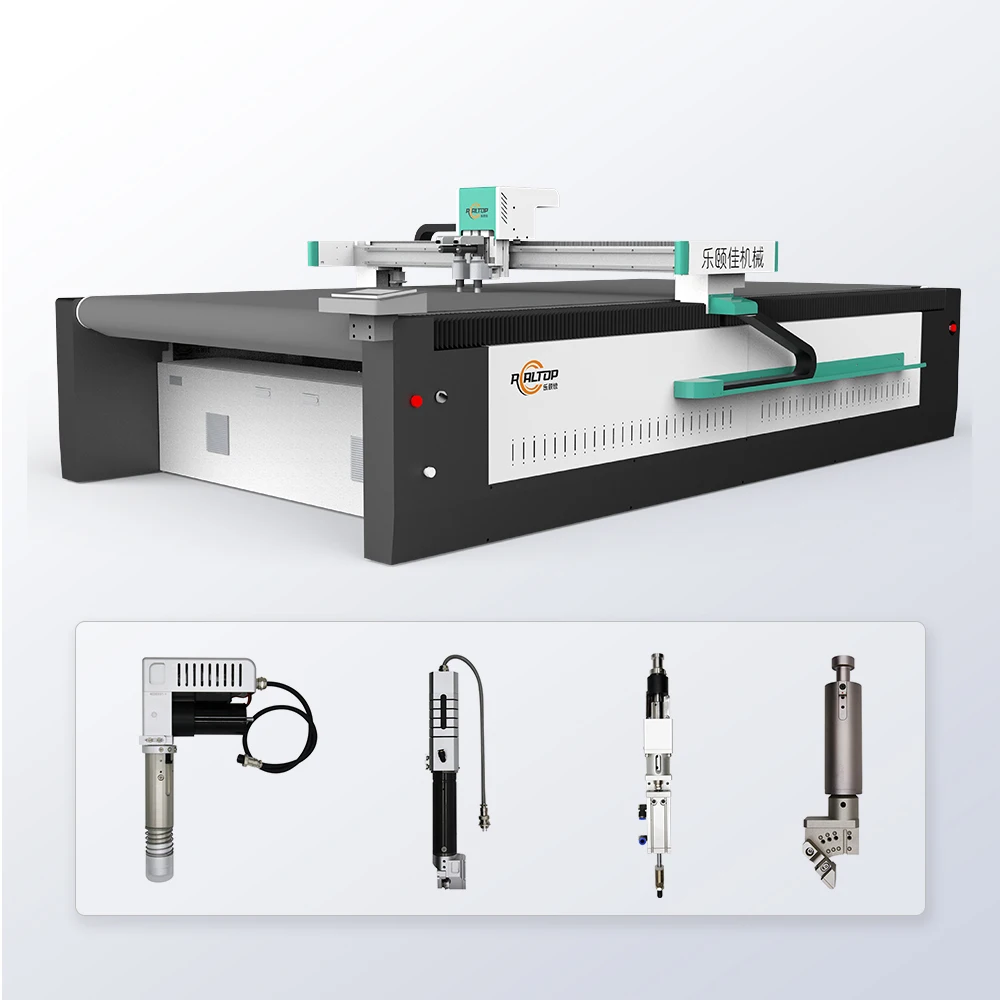
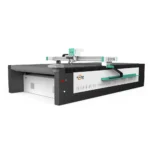
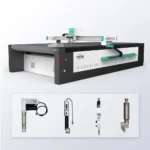
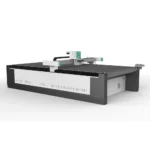
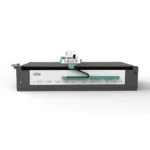
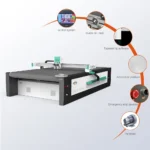
Tool head and table configuration specified per material and production volume — the 1625 platform supports oscillating, drag, pneumatic, milling and V-groove tooling so carbon fiber prepreg, aramid honeycomb and EVA foam each run on the method they actually need.
Technical Specifications
| Parameter | Value |
|---|---|
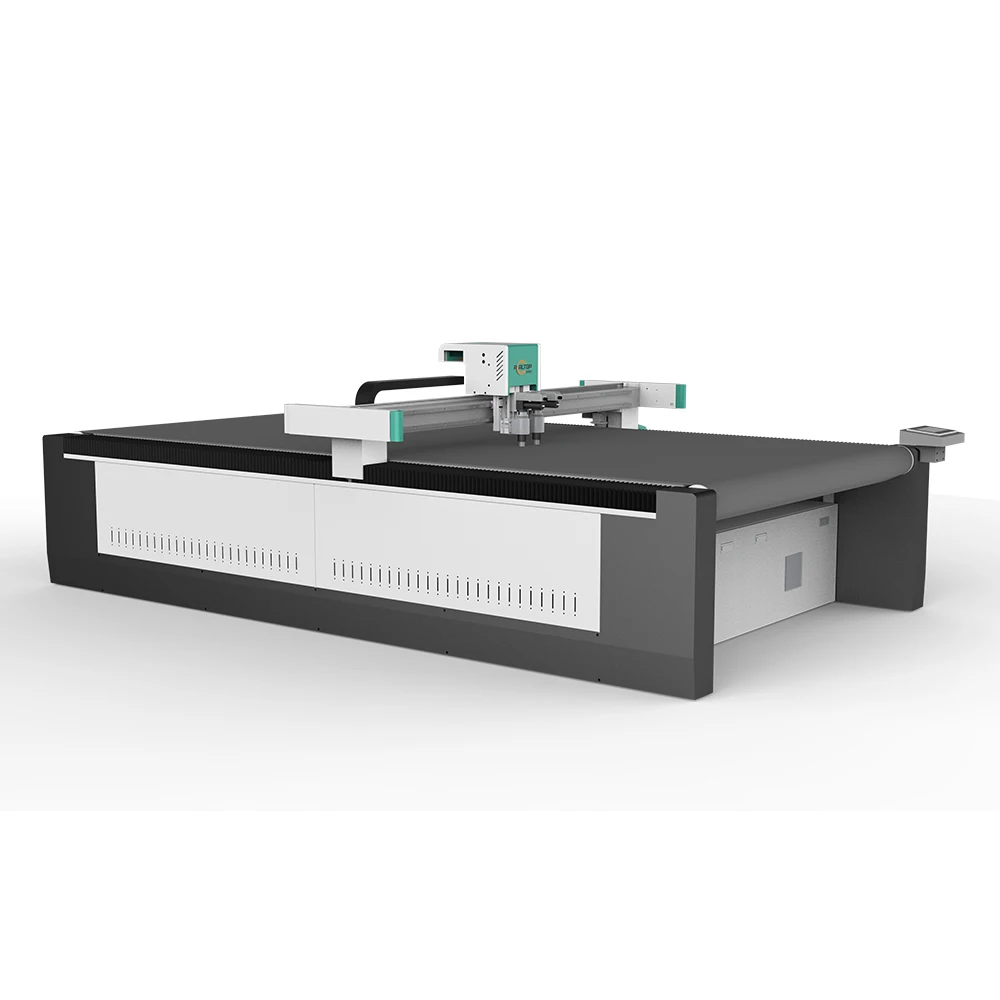
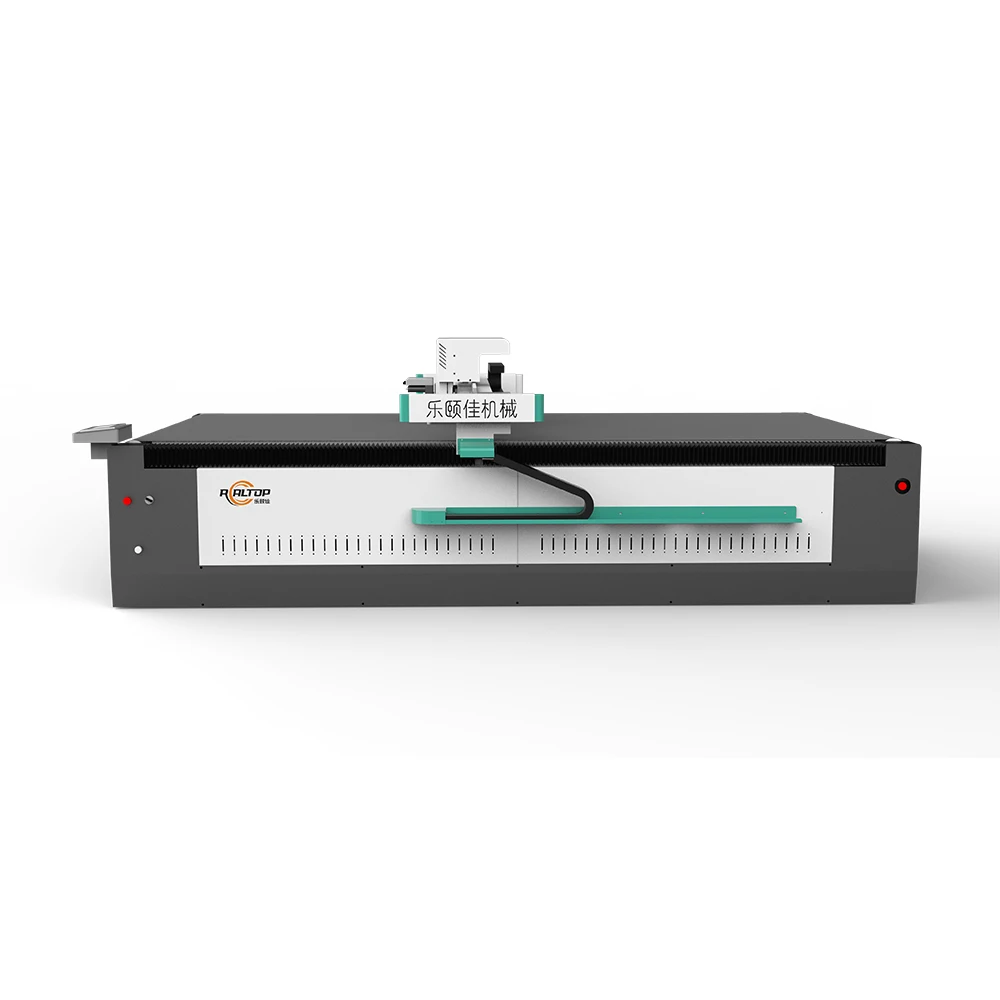
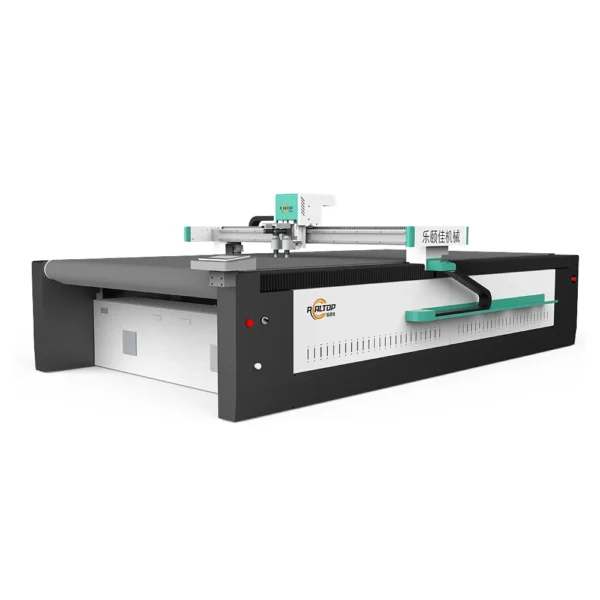
| Product Type | CNC Oscillating Knife Cutting Machine |
| Model | 1625 |
| Working Area | 1600 × 2500 mm |
| Cutting Speed | 0–2000 mm/s |
| Cutting Thickness | ≤ 30 mm (basis not stated in source — confirm material type and density) |
| Cutting Accuracy | ±0.1 mm |
| Tools Available | Oscillating knife, Driven rotary knife, Creasing wheel, Kiss cutting tool, Pneumatic knife, Milling tool, V-groove knife |
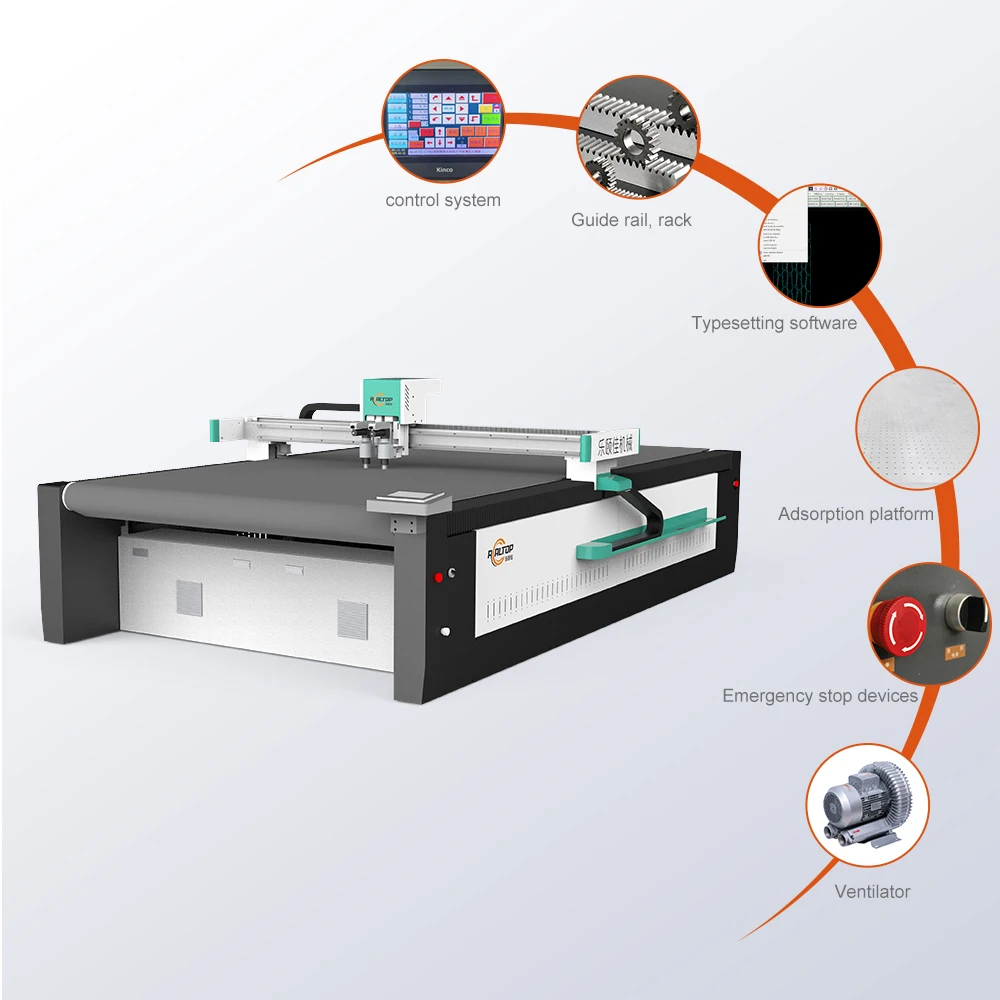
| Vacuum Table | Aluminum bellows vacuum table |
| Vacuum Pump | 9 kW |
| Servo Motors | Multiple options including Panasonic, Delta, Dorna |
| Control System | PLC control panel with intuitive interface |
| Software Language Options | English, Russian, Italian, Chinese (special languages customizable) |
| Profile Formats | PLT, DXF, AI, PDF |
| Voltage Options | 110V, 220V, 380V (frequency not specified in source) |
| Machine Size | 3300 × 2100 × 1350 mm |
| Safety Devices | Infrared sensor device and emergency stop device |
| Assembly State | Fully assembled |
| Standards | CE (declaration where applicable) |
Application Suitability
| Application | Material or Output |
|---|---|
| Aerospace composite cutting | Carbon fiber prepreg, aramid honeycomb, fiberglass cloth |
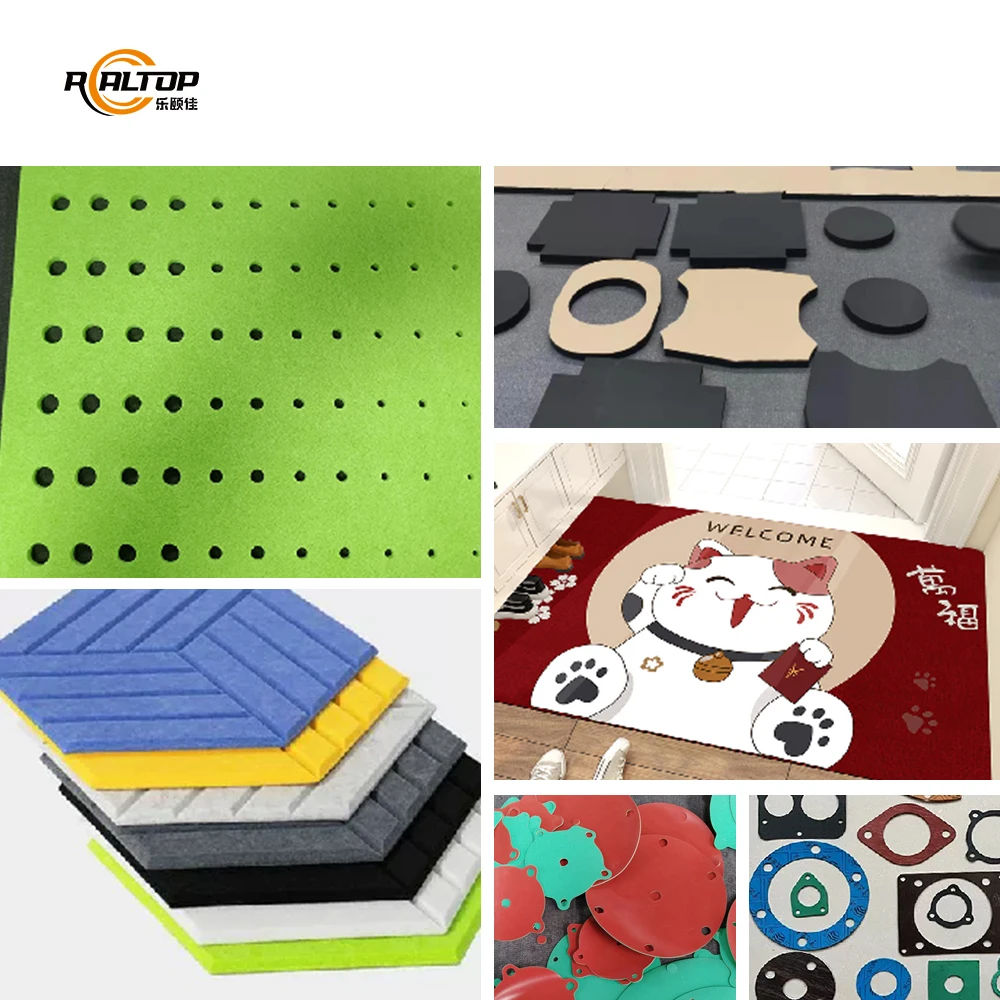
| Automotive interior and lightweight panels | Acoustic felt, damping pads, sealing strips, insulation materials |
| Wind power blade preforms | Fiberglass cloth, carbon fiber, foam core, vacuum infusion mesh |
| Sporting goods manufacturing | Carbon fiber sheets, Kevlar, high-performance foam |
| Gasket and seal production | PTFE, rubber, G10 epoxy boards |
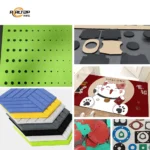
| EVA foam fabrication | EVA foam sheets of varying density for packaging and cushioning |
Why the Cutting Thickness Number on the Spec Sheet Is Not the Whole Story
A rated cutting thickness means very little until you pair it with the exact composite material, its density, and the tool head running the job.
I remember a composite fabricator who ordered a machine based on a 30 mm thickness rating, assuming their high-density EVA foam would cut cleanly at full depth. The reality was that the material’s density exceeded what the standard oscillating knife could push through at production speed, and the edge finish showed compression marks on every piece. We reconfigured the vacuum zoning and switched to a pneumatic knife to restore edge quality, but it cost them two weeks of lost production [NEED_CITE: cutting thickness ratings versus material density for composite stock]. When evaluating CNC oscillating knife cutting machine specifications, always verify the thickness number against your actual material sample.
Matching the Tool Head to the Composite Stock
An oscillating knife handles cold-cutting tasks across prepreg and honeycomb without thermal damage, keeping resin systems intact at the cut edge. For thicker EVA foam or dense rubber gaskets, a pneumatic knife delivers the downward force needed to shear through without crushing the core. A driven rotary knife suits continuous fiberglass cloth cutting where long straight runs dominate the nesting layout. The 1625 platform accepts all of these tool heads, so you select based on material behavior rather than forcing a single blade through every job.
Vacuum Table Zoning and Small Part Stability
Composite nests often mix large body panels with small gasket pieces on the same sheet, and small parts are the ones most likely to shift mid-cut. The aluminum bellows vacuum table on this machine provides full-surface adsorption with high flatness, and the zoning configuration determines whether a 50 mm sealing strip stays pinned while the knife exits the cut. Insufficient zoning means the vacuum bleeds across open areas of the table, leaving small parts with inadequate hold-down force [NEED_CITE: vacuum table zoning requirements for small composite part cutting]. This is why we confirm your nesting layout before finalizing the table zone map.
Reading the Specs That Actually Matter on the Floor
The ±0.1 mm cutting accuracy is what keeps aerospace gasket profiles within tolerance when the nesting software packs dozens of shapes onto a single prepreg sheet. The 9 kW vacuum pump must sustain adsorption across the full 1600 × 2500 mm working area, and its real performance depends on how many zones are active and how much table surface the current nest covers. Servo motor selection — Panasonic, Delta, or Dorna — affects acceleration behavior during direction changes, which directly influences edge quality on tight-radius contours in carbon fiber prepreg. The PLC control panel ties these variables together, and its multi-language interface means operators read alarms and set parameters in the language they actually work in.
What Happens When the Configuration Does Not Fit the Job
A machine specified on working area alone often shows up in a workshop where the daily material mix exceeds what the standard tool head can process. Ragged edges on aramid honeycomb, crushed foam cores on EVA, and delamination at the exit point of fiberglass cloth all trace back to the same root cause — the wrong tool pushing through a material it was never matched to. Software that cannot import the buyer’s existing DXF or PLT nesting files adds hours of manual rework per shift [NEED_CITE: software file format compatibility in composite cutting workflows]. Voltage mismatches discovered after the machine arrives mean rewiring the workshop or running the control system outside its rated range.
Why Composite Fabricators Source This Platform Here
In-house design covers both knife tooling and table engineering, so the cutting method is matched to the composite rather than forced into a single-blade compromise. Tool head and table configurations are specified per material type, thickness, and daily volume before the order is confirmed. CCD camera positioning is available for printed contour work on composite sheets that require optical registration. Software compatibility with your existing nesting workflow is verified with your actual files before production starts. Sample cutting on your own composite material runs before commitment, so edge quality and cutting depth are confirmed on your stock, not on a generic test piece.
Documentation & Verification
- Machine specification sheet listing the configured tool heads and vacuum zone layout for your composite material
- Electrical schematic and voltage confirmation matched to your facility’s supply before shipment
- Sample cutting report on your composite stock showing edge quality and achievable depth
- Software licence and file format compatibility note covering PLT, DXF, AI, and PDF workflows
- Factory test record documenting cutting accuracy and vacuum hold-down on your material type
- Operation and maintenance manual in your selected control language
Installation, Commissioning & Support
- Floor space planning around the 3300 × 2100 mm machine footprint with clearance for material loading on the 1600 × 2500 mm table
- Dedicated circuit matching the confirmed voltage option (110V, 220V, or 380V) and the 9 kW vacuum pump draw
- Machine ships fully assembled, reducing on-site setup to positioning, leveling, and power connection
- First-run parameter tuning for your composite material, including oscillation frequency and vacuum zone calibration
- Operator training on the PLC control panel in the confirmed software language
- Spare parts list covering knife blades, bellows seals, and vacuum cups for scheduled maintenance
What to Share When You Open an Inquiry
Send us your composite material type, its density or weight per square meter, and the thickness range you run most often. Include a sample nesting file or a description of your typical part mix so we can size the vacuum zones correctly. Let us know your facility voltage, frequency, and the control language your operators need, and whether you would like sample cutting on your own material before the order is finalized.
Frequently Asked Questions
Q: How do I confirm the cutting thickness capability for my specific composite material?
A: We run a sample cutting test on your actual material at your required thickness and density. The sample report documents edge quality, achievable depth, and the tool head used, so you see real results on your stock before placing the order. Thickness ratings on the spec sheet are starting points, not guarantees across every composite type.
Q: Which tool head should I use for my composite material?
A: Oscillating knives suit prepreg and honeycomb where cold-cutting prevents thermal damage. Pneumatic knives handle dense EVA foam and thick rubber. Driven rotary knives work best on continuous fiberglass cloth runs. We recommend the tool head based on your material test results, not on generic material categories.
Q: Will the software accept my existing nesting files?
A: The system accepts PLT, DXF, AI, and PDF formats. We verify compatibility with your actual files before the order is confirmed and document the result in a file format compatibility note, so there are no import surprises when the machine arrives on your floor.
Q: How is voltage and control language handled before shipment?
A: Voltage is confirmed to match your facility supply from the available 110V, 220V, or 380V options, and an electrical schematic is included in the documentation package. The control language is set to your choice — English, Russian, Italian, Chinese, or a custom language — before the PLC panel leaves the factory.


商品评价
Clear filtersThere are no reviews yet.