




Fast Shipping
Carrier information

20k products
Payment methods

24/7 Support
Unlimited help desk

2-day Delivery
Track or off orders
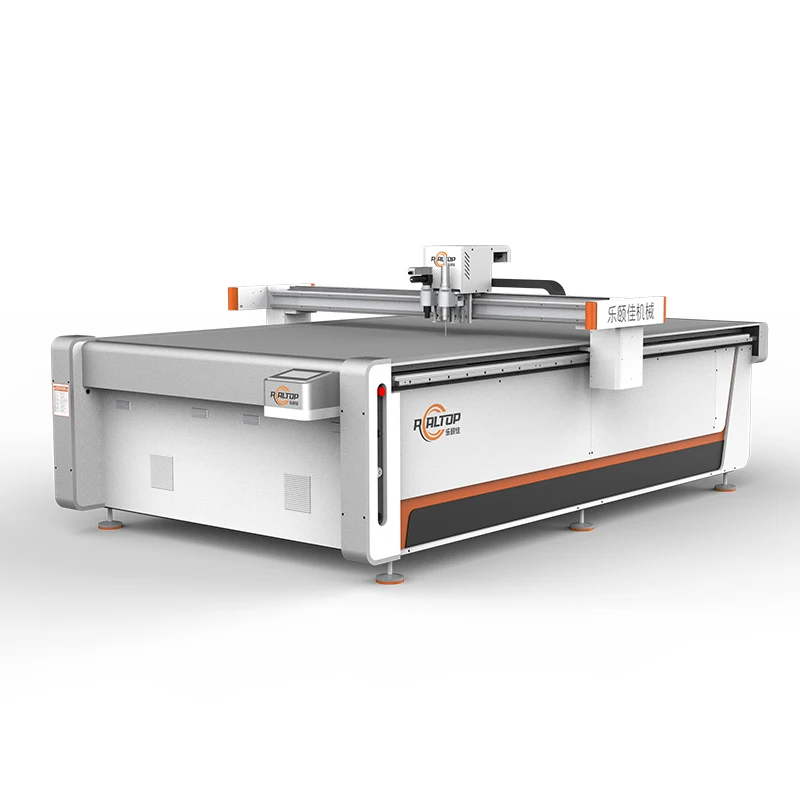
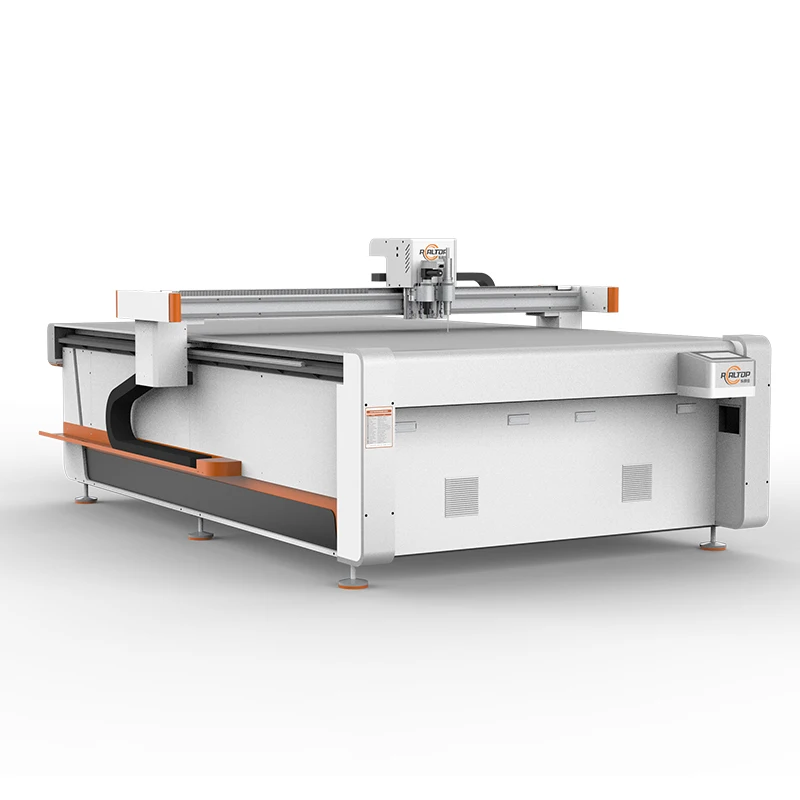
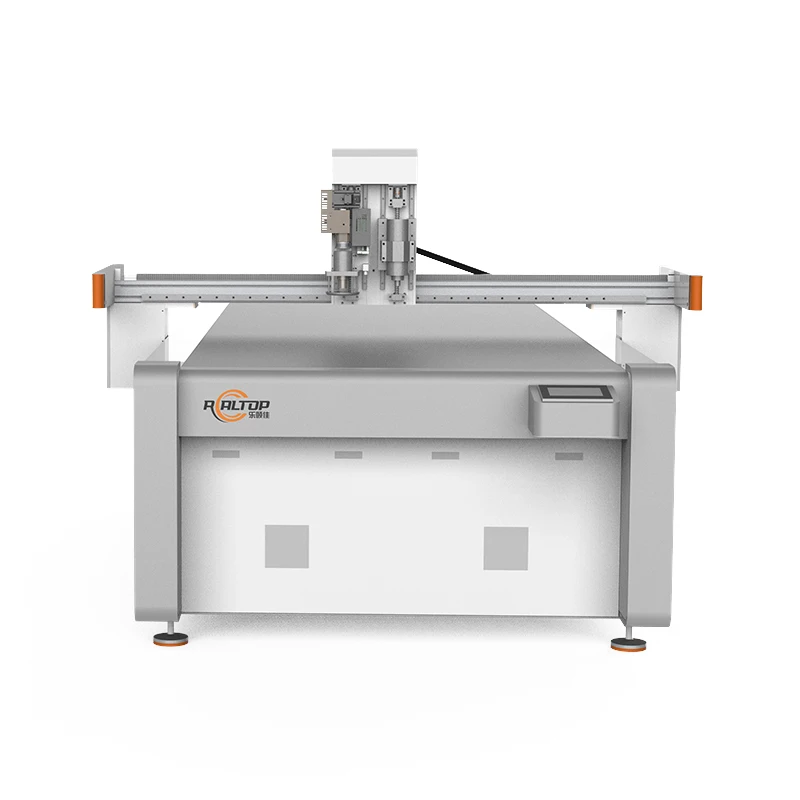
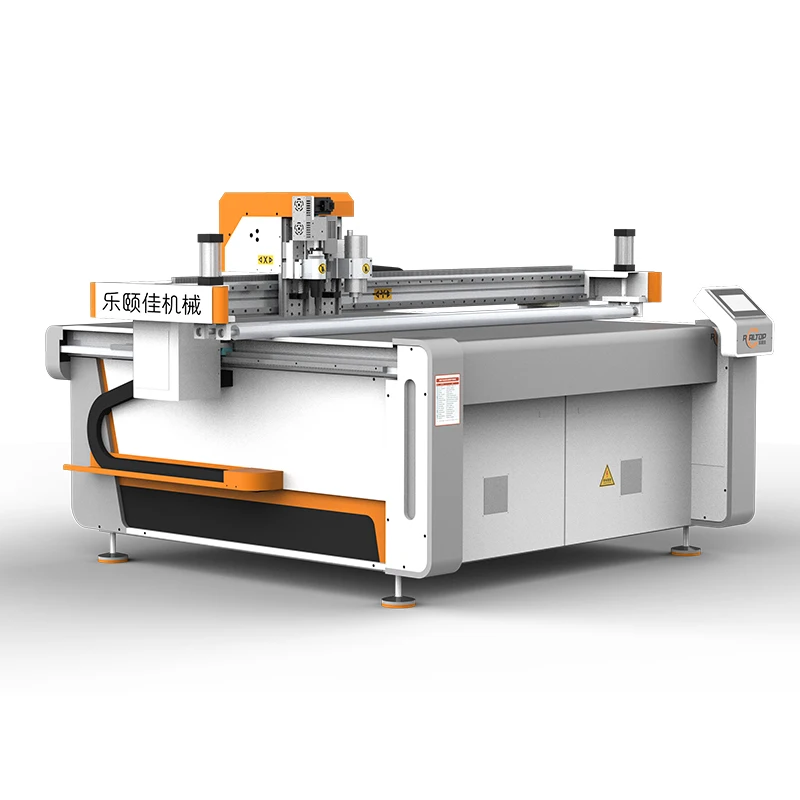
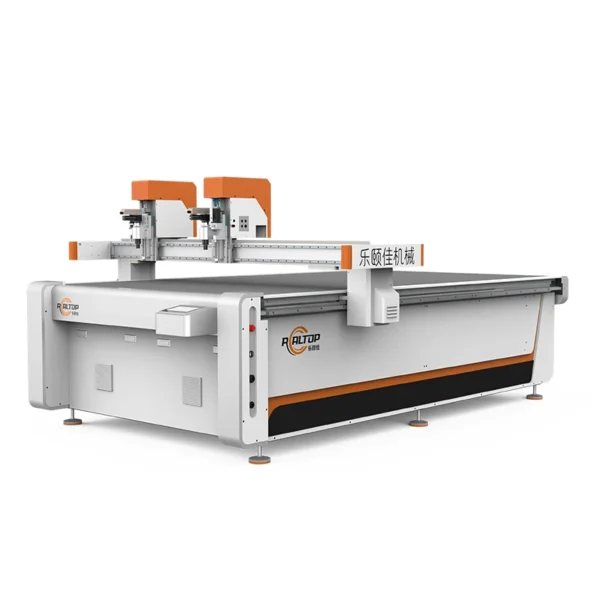
Tool Head Matched to Material — RT-D2516/RT-S2516 CNC oscillating knife cutting machine specifications are configured per foam density, thickness, and edge quality requirement before quotation, not offered as a generic flatbed package.
Technical Specifications
| Parameter | Value |
|---|---|
| Model | RT-D2516/RT-S2516 |
| Product Type | CNC Oscillating Knife Cutting Machine |
| Working Area | 1600×2500mm |
| Machine Size | 3450×2300×1250mm |
| Rated Power | 9kW |
| Voltage | 380V±10% (frequency and plug type confirmed per destination market) |
| Table Construction | Magnesium-aluminum alloy vacuum adsorption table, fluorocarbon PVDF powder sprayed, anodic and hard oxidation treated |
| Vacuum Pump | 7.5kW, integrated aviation aluminum shell with built-in silencer sponge |
| Standard Tool Head | Swiss imported oscillating knife (vibration full cutting, vibration half cutting, cursor location) |
| Optional Tool Heads | Pneumatic knife, high-power vibrating knife, circular knife, V-cutting knife, drag knife, creasing wheel, dotted line knife, punching, brush |
| Translational Velocity | 800–1200mm/s |
| Cutting Thickness | 20–80mm (basis not stated in source — confirm material density, block format and tool head combination before order) |
| Repeated Accuracy | ≤0.1mm |
| Transmission System | Digital servo motor (Delta or Panasonic optional, IP67), Taiwan Hiwin linear guide, synchronous belt, ball screw |
| Visual Positioning Options | Small CCD camera mark point positioning, panoramic camera recognition positioning, projection positioning |
| Conveyor Belt | Germany imported (available in configuration) |
| Safety Devices | Infrared sensor stop function, anti-collision sensors on both sides of beam, emergency stop button with in-situ resume |
| Instruction System | HP-GL compatible format |
| Language Options | English, Russian, Italian, Chinese; special languages customizable |
| Assembly State | Fully assembled |
| Certification | CE declaration where applicable (verify against actual certificate) |
Application Suitability
| Application | Material or Output |
|---|---|
| Packaging insert and protective foam fabrication | EPE, EVA, XPE foam blocks cut to contour for electronics, appliance and industrial packaging |
| Automotive interior and sealing gasket production | PU foam, composite foam, leather and rubber gasket materials requiring clean blade-cut edges |
| Footwear and luggage component cutting | Sponge, non-woven fabric, synthetic leather and shoe sole foam in nested layouts |
| Soft furnishing and carpet processing | Carpet, textile, fabric and multi-layer composite materials for upholstery and floor coverings |
| Industrial composite and insulation cutting | Fiberglass, PTFE, ETFE and rubber-based composite sheets for sealing and thermal insulation |
Why Foam Density Matters More Than Working Area When Reviewing CNC Oscillating Knife Cutting Machine Specifications
A 1600×2500mm bed only matters if the knife can actually shear through your foam at full depth without crushing the cell structure or leaving a ragged trailing edge.
I spent a full day beside an RT-class flatbed in a Jinan insulation panel workshop because the EPE foam kept fraying at the cut line. The oscillation frequency had been set for standard-density cushion foam, not the higher-density board stock they were actually running. We went through four knife types and over a dozen frequency-and-depth combinations before the edge came out clean. That is the gap between a spec sheet and a working production line [NEED_CITE: CNC knife cutting parameter matching for variable density foam materials]. When buyers evaluate CNC oscillating knife cutting machine specifications, the cutting thickness figure alone tells you nothing about whether the machine will handle your specific material at production speed.
Oscillating Knife Selection Across Foam Grades and Composite Layers
The Swiss imported oscillating knife head on the RT-D2516/RT-S2516 supports both full cutting and half cutting with cursor location, which covers most single-layer foam and gasket applications. But EPE at higher density, multi-layer laminated foam, or foam bonded to a fabric skin often demands a different tool entirely. The high-power vibrating knife handles thicker, denser stock where standard oscillation stalls mid-cut, while the pneumatic knife suits materials that compress too easily under a vibrating blade. CNC oscillating knife cutting machine specifications should list which head is recommended for your exact material stack — not just which heads are available in the catalogue.
Vacuum Zoning and Small-Part Hold-Down on a 1600×2500mm Bed
The magnesium-aluminum alloy table with PVDF coating and anodic hard oxidation treatment provides a flat, corrosion-resistant surface, and the 7.5kW vacuum pump with integrated silencer sponge delivers consistent suction across the bed. However, vacuum adequacy depends on zone layout, not just pump power [NEED_CITE: vacuum table zoning standards for CNC flatbed cutting machines]. When you nest small gasket or foam insert profiles — pieces under 100mm across — a single large vacuum zone will not hold them against knife drag at 800–1200mm/s translational velocity. Confirming the zone configuration and whether independent zone switching is available should be part of the specification review before the order is placed.
Reading the Specs That Actually Affect Your Foam Cutting Output
The ≤0.1mm repeated accuracy figure depends on the Delta or Panasonic IP67 servo motors paired with Taiwan Hiwin linear guides and ball screw transmission. In practice, this tolerance matters most when you are cutting interlocking foam packaging inserts or gasket profiles that must mate with a machined surface — accumulated drift across a 2500mm stroke will show up as misaligned edges on the last piece in a nested sheet. The 20–80mm cutting thickness range stated in the CNC oscillating knife cutting machine specifications requires confirmation against your actual foam density and the chosen tool head, because an 80mm cut in low-density EPE behaves very differently from an 80mm cut in high-density EVA or cross-linked polyethylene.
What Happens When the Wrong Tool Head Meets Your Material
A buyer who selects the machine on working area and price, then discovers the standard oscillating knife crushes their 60mm EVA rather than shearing it, faces weeks of delay. The wrong knife angle or oscillation frequency on soft sponge produces a pulled, fluffy edge that fails quality inspection on automotive interior components. On printed foam boards where CCD contour recognition is expected, a camera system that cannot track registration marks at full translational speed means every cut drifts from the print [NEED_CITE: CCD camera contour tracking speed limitations on reflective foam surfaces]. These are not specification failures — they are configuration failures, and they happen because the tool head and cutting parameters were not matched to the buyer’s actual material before the machine left the factory.
What Distinguishes This Configuration Approach
The RT-D2516/RT-S2516 is offered with tool head, vacuum zone and positioning system specified per material, not sold as a fixed configuration — meaning the oscillating knife, pneumatic knife or high-power vibrating knife is chosen after sample cutting on your stock. The in-house design team covers both knife and potential laser cutting processes, so the cutting method is matched to the material rather than forced into one technology. Voltage, plug type and control language are confirmed for the destination market before production begins, not assumed. Software compatibility with your existing HP-GL nesting workflow is verified at the quotation stage. Sample cutting reports on the buyer’s own foam or composite at stated thickness are provided before any order commitment is required.
Documentation & Verification
- Machine specification sheet listing exact tool head, vacuum zone layout and knife type included in your build
- Electrical schematic with voltage, frequency and plug type confirmed for your destination market
- Sample cutting report on your foam or composite material at your stated thickness and density
- Tool head and table configuration list documenting every selected option against the quotation
- Software licence and HP-GL file format compatibility note matched to your existing nesting workflow
- Factory test record with repeated accuracy measurement taken before dispatch
Installation, Commissioning & Support
- Fully assembled 3450×2300×1250mm unit requires level floor with adequate clearance for conveyor feed if configured
- 9kW rated power at 380V±10% requires dedicated circuit; voltage and frequency verified before shipment
- 7.5kW vacuum pump with aviation aluminum shell and silencer sponge installed and leak-tested at factory
- Delta or Panasonic IP67 servo drives calibrated to your material’s cutting parameters during commissioning
- CCD camera or panoramic positioning system tuned on your printed material on site during training
- Spare knife blades, vacuum seals and consumable wear parts list provided with the operation manual
Before You Request a Quotation
Send a sample of the foam, gasket or composite material you intend to cut, along with the sheet thickness, density and the daily volume you need to run. Specify your local voltage, frequency and the control language your operators require. If your workflow relies on a particular CAD or nesting software, share a sample HP-GL output file so compatibility can be confirmed before the CNC oscillating knife cutting machine specifications are finalized for your build.
Frequently Asked Questions
Q: How is cutting thickness verified for my specific foam density before I commit to an order?
A: We ask you to send a sheet of your actual material at production thickness. It is cut on the RT-D2516/RT-S2516 using the tool head we believe suits the density and structure. You receive a sample cutting report documenting which knife type, oscillation frequency and depth setting produced the edge quality shown, so the configuration is locked before production starts.
Q: Which tool head is recommended for my foam — oscillating, pneumatic or high-power vibrating?
A: It depends on density and cell structure. Open-cell sponge at lower density often suits the standard Swiss oscillating knife. Denser EVA or cross-linked polyethylene typically requires the high-power vibrating knife to shear cleanly at full depth. The pneumatic knife works well on compressible foams that buckle under vibration. We confirm the choice through sample cutting on your material.
Q: Is the vacuum table zoning adequate for small nested parts, or will foam lift during high-speed cutting?
A: The 7.5kW pump and magnesium-aluminum alloy table provide strong overall suction, but small parts under 100mm need localized vacuum zones to resist knife drag at 800–1200mm/s. We confirm the zone layout and independent switching capability against your nesting pattern during the configuration stage, so hold-down adequacy is verified before the table is built.
Q: Can the CCD camera track printed marks on my foam board at full production speed?
A: Tracking depends on mark contrast, surface reflectivity and translational speed. The small CCD and panoramic camera options both support contour recognition, but reflective or low-contrast foam surfaces may require speed adjustment. We test the positioning system on your printed material and document achievable tracking speed in the sample report.
Q: What voltage, plug type and control language are confirmed before my machine ships?
A: The standard 380V±10% supply is adapted to your local frequency, plug standard and operator language during the specification confirmation stage. Electrical schematics are reviewed with you before production, and the control interface — available in English, Russian, Italian, Chinese or a custom language — is set and tested before dispatch.


商品评价
Clear filtersThere are no reviews yet.