





Fast Shipping
Carrier information

20k products
Payment methods

24/7 Support
Unlimited help desk

2-day Delivery
Track or off orders
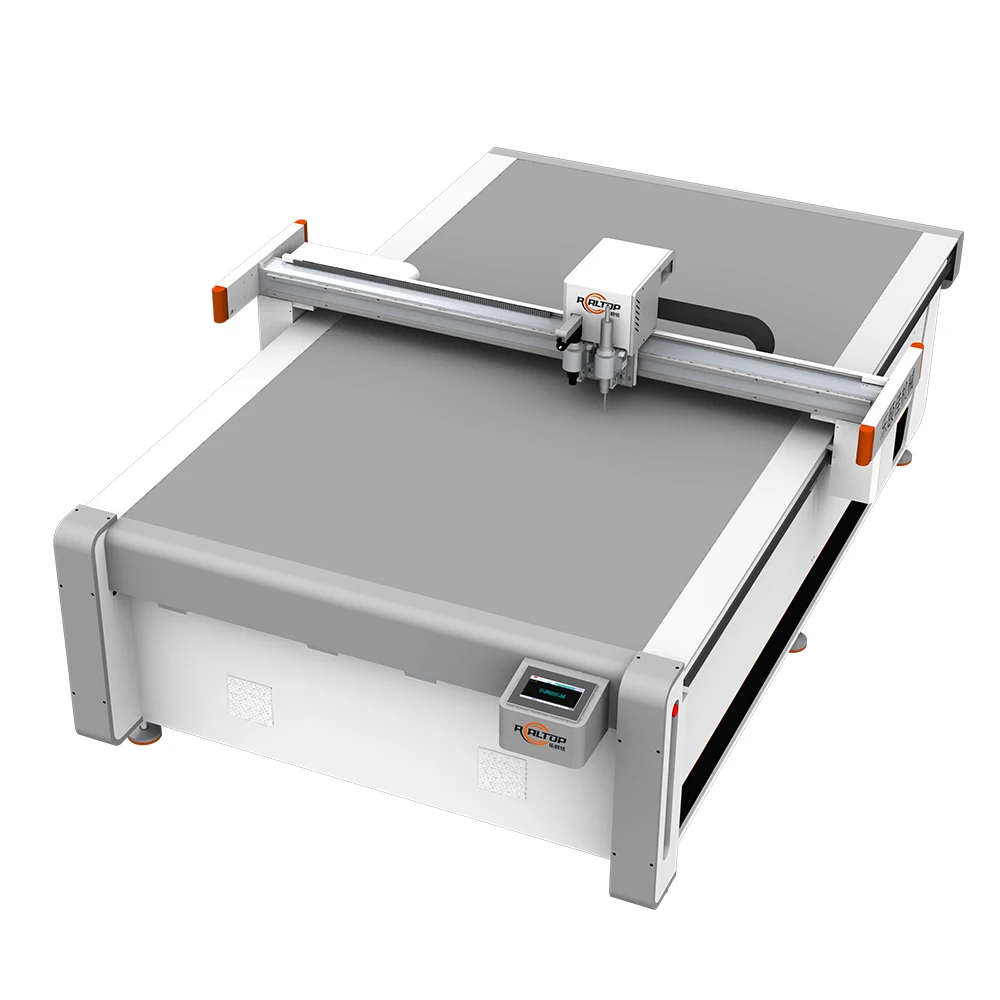
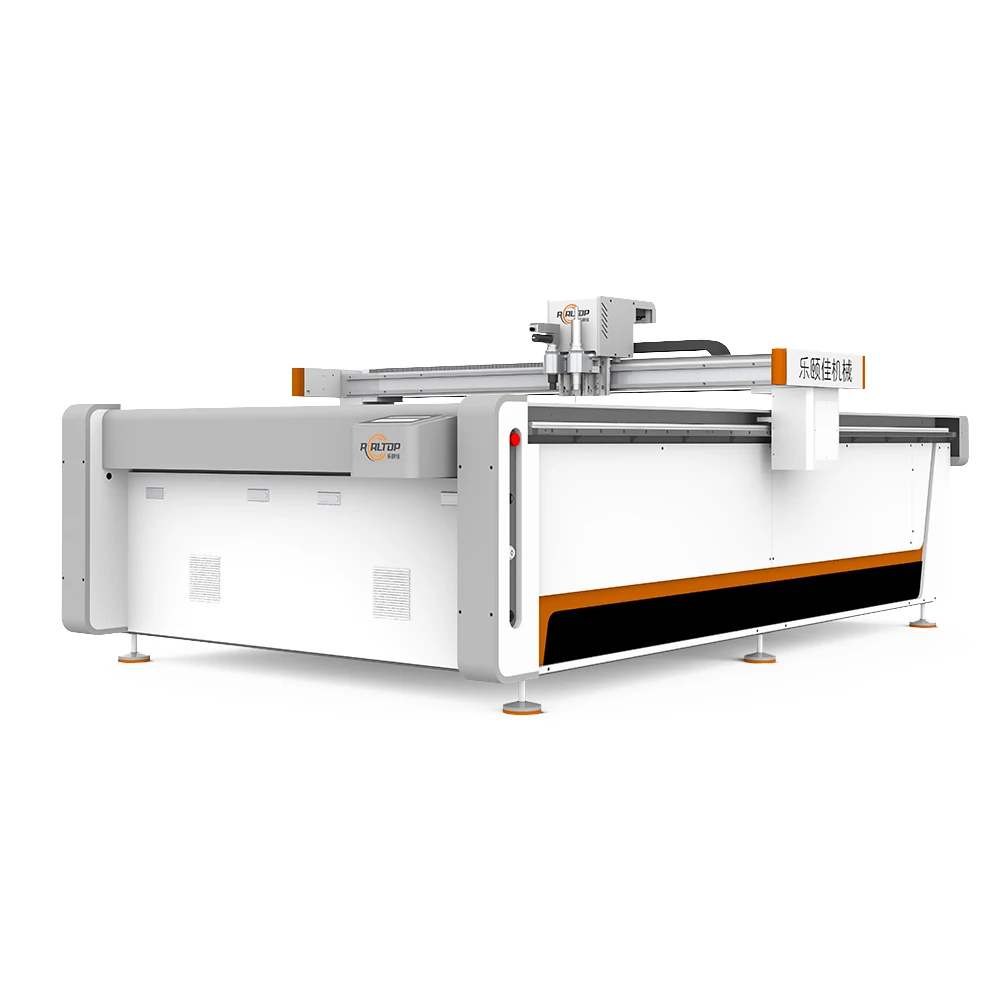
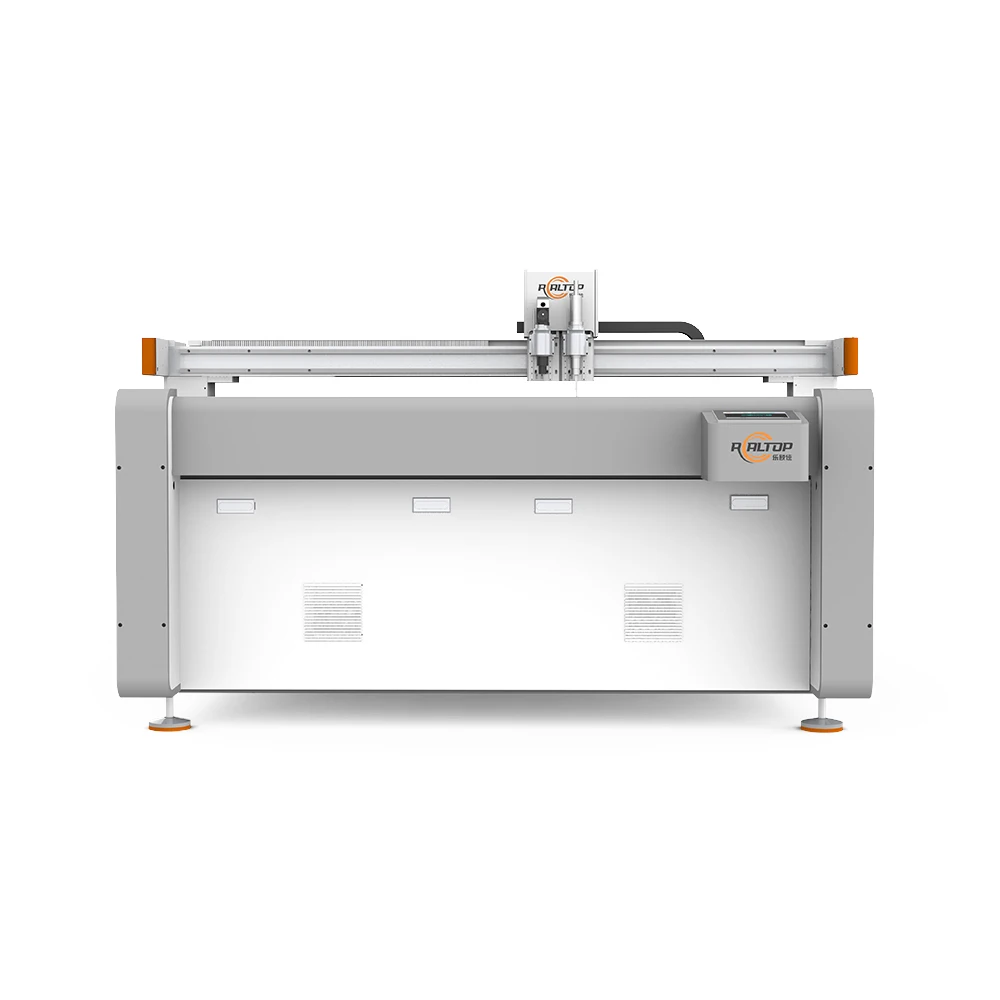
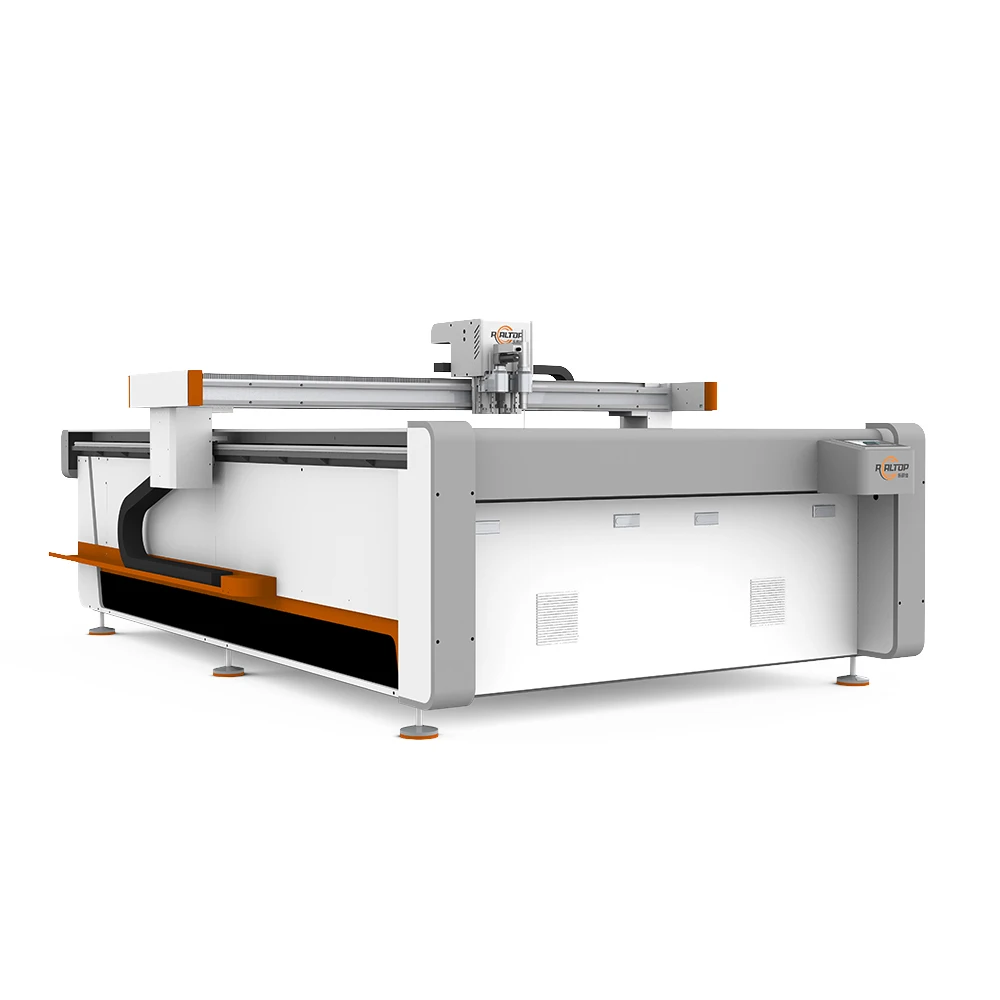
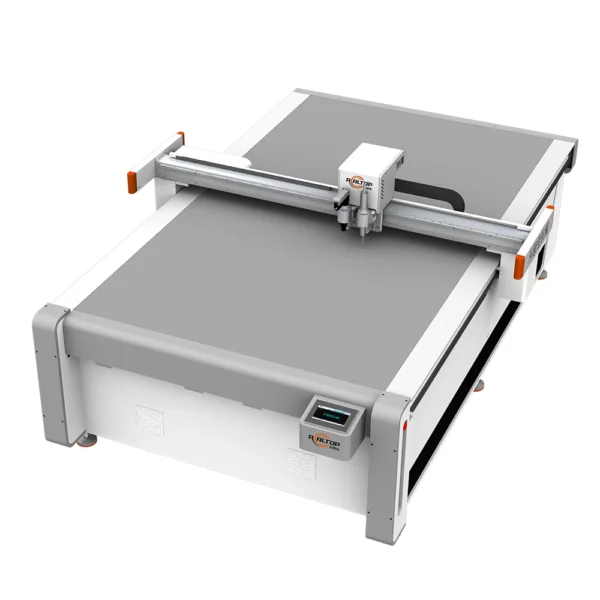
Seven Tool Heads, One Machine — this 1625 cutting table specifies oscillating knife, driven rotary, creasing wheel, kiss cutting, pneumatic knife, milling, and V-groove knife options so packaging converters match the tool to each corrugated flute and foam density rather than forcing a single blade through every substrate.
Technical Specifications
| Parameter | Value |
|---|---|
| Product Type | CNC Oscillating Knife Cutting Machine for Packaging |
| Working Area | 1600×2500 mm |
| Tools Available | Oscillating knife, Driven rotary knife, Creasing wheel, Kiss cutting tool, Pneumatic knife, Milling tool, V groove knife |
| Applicable Materials | Fabric, Cardboard, Carton, Mats, PVC, EVA, Leather, Acrylic, Foam, PTFE, Rubber |
| Cutting Speed | 0-1500 mm/s |
| Cutting Thickness | ≤ 40mm |
| Cutting Accuracy | ±0.1 mm |
| Vacuum Pump | 9KW |
| Voltage Options | 110V, 220V, 380V |
| Control System | PLC control panel with intuitive interface, dedicated packaging box structure design software |
| Servo Motors | Panasonic, Delta, Dorna (options) |
| Vacuum Table | Aluminum bellows vacuum table |
| Profile Format | PLT, DXF, AI, PDF |
| Safety Device | Infrared sensor device and emergency stop device |
| Machine Size | 3300×2100×1350 mm |
| Language Options | English, Russian, Italian, Chinese (special languages customizable) |
| Machine Frame | Heavy-duty frame with precision-ground surface |
| Standards | CE |
Application Suitability
| Application | Material or Output |
|---|---|
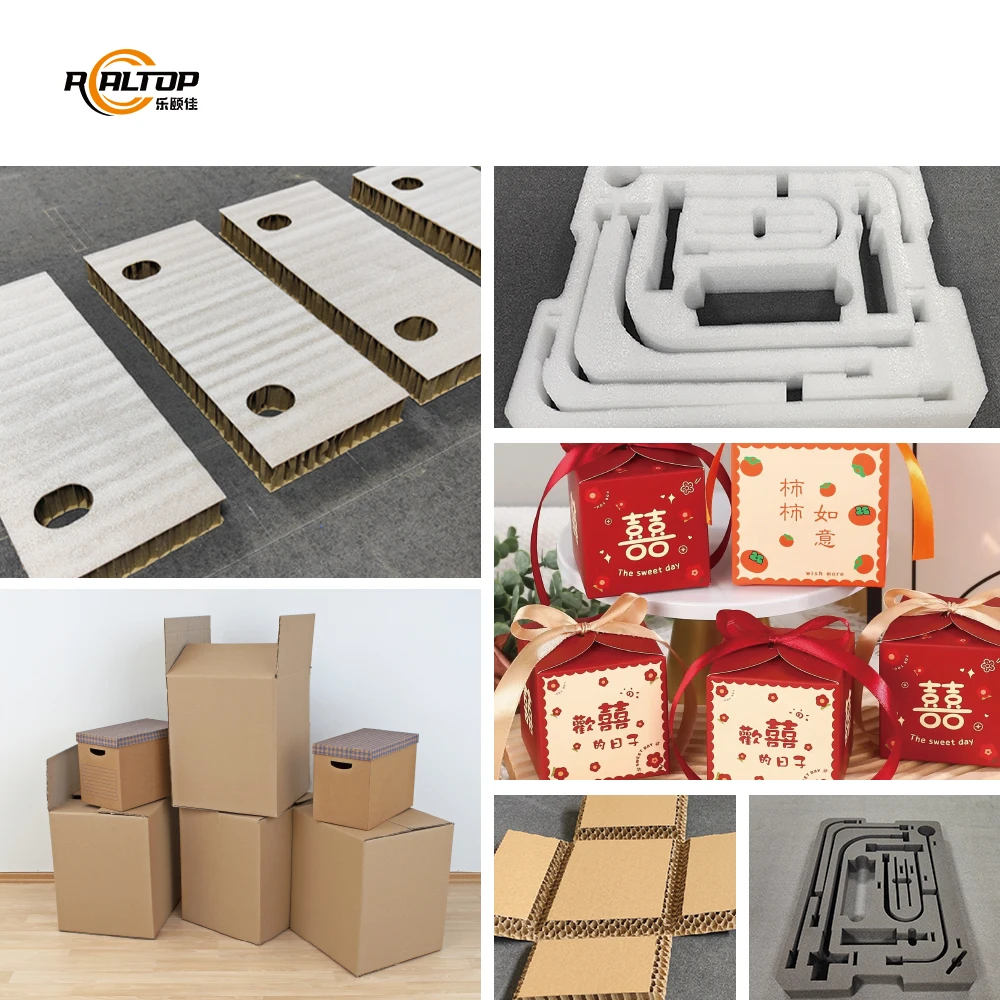
| Packaging and carton sample making | Corrugated cardboard (E-flute, B-flute, BC-flute), greyboard, cardstock, art paper, specialty paper |
| Small-batch and customized packaging production | Adhesive-backed materials, thin plastic sheets (PVC, PET), synthetic leather, composite materials |
| Protective packaging insert fabrication | EVA foam, EPE foam, PU foam, rubber mats up to 40 mm thickness |
| Textile and non-woven packaging components | Velvet/fleece fabric, non-woven fabric, leather |
Why the Voltage Question Should Come Before the Price on a CNC Oscillating Knife Cutting Machine
Electrical mismatch is the single most preventable cause of commissioning delay for exported cutting equipment.
A cutting table specified only by working area often fails when it arrives at a workshop with a different voltage standard. I once shipped a unit to a carton plant in Vietnam where the local supply was three-phase 380V but the machine was wired for 220V; the facility waited three weeks for a transformer while the entire packaging line sat idle [NEED_CITE: voltage and frequency standards by export market]. That gap between quotation and installation is where most CNC oscillating knife cutting machine specifications fall short — voltage, plug type, and control language are treated as afterthoughts instead of locked parameters before production begins.
Matching the Tool Head to the Packaging Substrate
Selecting the right tool head on a CNC oscillating knife cutting machine determines edge quality and throughput on each material. A standard oscillating knife handles E-flute and B-flute corrugated board cleanly, but BC-flute requires a pneumatic knife to push through the thicker wall structure without crushing the flute profile. EVA and PU foam inserts demand a driven rotary knife for smooth contours, while creasing wheels score fold lines without cutting through the liner. Seven interchangeable tool options mean the machine adapts to each job rather than forcing one blade geometry across incompatible substrates.
Vacuum Zoning and Small-Part Retention
The aluminum bellows vacuum table paired with a 9 kW pump provides full-surface adsorption across the 1600×2500 mm working area. This matters when cutting small carton components — die-line corners, narrow flaps, and insert partitions — that lift under high-speed oscillating knife passes if vacuum zones are poorly distributed. The bellows design maintains flatness over time, preventing the uneven suction that causes material shift mid-cut and ruins a nested sheet [NEED_CITE: vacuum hold-down requirements for small-part digital cutting].
Reading the Specification Sheet Beyond Working Area
Cutting speed rated at 0-1500 mm/s governs throughput on straight cuts, but intricate carton die-lines with tight radii depend more on servo drive response and ±0.1 mm cutting accuracy. Servo motor options include Panasonic, Delta, and Dorna, each offering different torque characteristics that affect acceleration on dense corrugated stock. The dedicated packaging box structure design software imports PLT, DXF, AI, and PDF files, eliminating the need to redraw die-lines in a proprietary format — a detail that matters when a sample maker receives client artwork at short notice.
The Cost of Skipping the Material Test
When a buyer commits without a sample cutting report on their own stock, the machine may arrive unable to handle the actual corrugated flute or foam density in daily production. Crushed BC-flute edges, ragged foam contours, and insufficient vacuum hold on thin cardstock are all failures that surface only after installation [NEED_CITE: material testing protocols for digital cutting equipment]. These issues are not warranty claims — they are configuration oversights that delay launch and erode trust with the buyer’s own packaging clients.
Why Production Managers Source This Configuration
The 1625 frame is heavy-duty with a precision-ground surface, built to maintain flatness under continuous vacuum loading and high-speed knife oscillation. In-house design covers both knife and laser cutting technologies, so the cutting method is matched to the material rather than forced. Tool head and table configuration are specified per material and production volume before the order is locked. Software compatibility with the buyer’s existing nesting workflow is confirmed before shipment. Voltage, control language, and plug type are verified on the electrical confirmation sheet — the same checklist I now run before every export crate closes.
Documentation & Verification
- Machine specification sheet listing all seven tool heads and applicable material ranges
- Electrical schematic with voltage, plug type, and frequency confirmed for target market
- Tool head and vacuum zone configuration list matched to buyer sheet size and part geometry
- Sample cutting report on buyer corrugated or foam stock before dispatch
- Software licence and file format compatibility note for PLT, DXF, AI, PDF import
- Factory test record with cutting accuracy measured on packaging die-line profile
Installation, Commissioning & Support
- Foundation must support 3300×2100×1350 mm footprint on level concrete with anchor points
- Dedicated circuit required for 9 kW vacuum pump plus servo drive load at confirmed voltage
- Machine ships partially assembled; gantry and tool head carriage bolt to frame on site
- First-run calibration sets vacuum zone mapping and servo tuning for buyer material thickness
- Operator training covers tool head changeover, creasing wheel depth, and nesting software workflow
- Spare parts list includes oscillating knife blades, rotary knife belts, and vacuum table seals
Preparing Your Inquiry
To match the 1625 configuration to your packaging operation, provide the corrugated flute types and foam densities you run, the maximum sheet size and daily volume, your workshop voltage and frequency, and whether your existing die-line files are in PLT, DXF, AI, or PDF format. If you require a sample cut on your own material before commitment, send a representative sheet and the specific die-line profile so the tool head selection and vacuum zoning can be validated against actual production conditions.
Frequently Asked Questions
Q: How is cutting thickness verified per material before the machine ships?
A: A sample cutting test runs on the buyer’s actual corrugated flute or foam stock. The report documents real cutting depth, edge quality, and vacuum hold at production speed, confirming the tool head and pump configuration handles the specific material rather than relying on generic thickness ratings.
Q: Which tool head works for BC-flute corrugated versus EVA foam?
A: BC-flute corrugated board typically requires a pneumatic knife to push through the thick wall without crushing the flute. EVA foam is better served by a driven rotary knife for smooth contour cuts. A single blade cannot cover both without compromising edge quality on one material.
Q: How does vacuum zoning prevent small carton parts from lifting?
A: The aluminum bellows vacuum table with a 9 kW pump delivers full-surface adsorption. Zones are mapped to match the buyer’s typical part geometry, maintaining suction on narrow flaps and small insert components that would otherwise shift during high-speed oscillating knife passes.
Q: What file formats does the packaging software accept?
A: The control system imports PLT, DXF, AI, and PDF profiles. File format compatibility with the buyer’s existing nesting workflow is confirmed before order to ensure die-lines transfer correctly without manual redrawing in proprietary software.
Q: Which voltage and language options are available for export markets?
A: Voltage is configurable at 110V, 220V, or 380V. Control panel language options include English, Russian, Italian, and Chinese, with special languages available on request. Voltage, plug type, and language are locked on the electrical confirmation sheet before shipment.


商品评价
Clear filtersThere are no reviews yet.