




Fast Shipping
Carrier information

20k products
Payment methods

24/7 Support
Unlimited help desk

2-day Delivery
Track or off orders
Material-First Configuration — Tool head selection and vacuum zoning matched to your corrugated flute profile and sheet size before the order is confirmed, not after delivery.
Technical Specifications
| Parameter | Value |
|---|---|
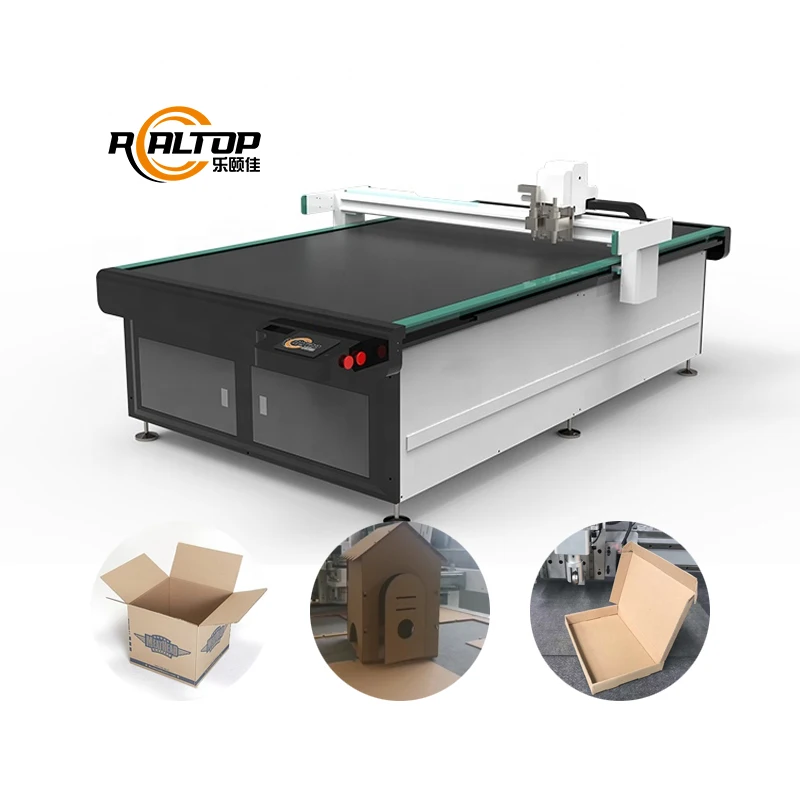
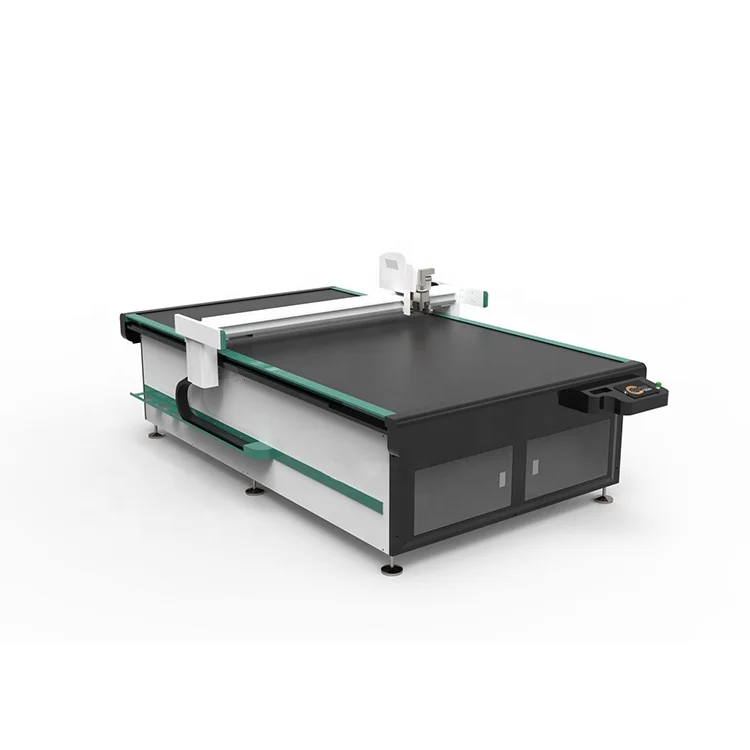
| Product Type | CNC Oscillating Knife Carton Sample Cutting Machine |
| Model | RT-D2516/RT-S2516 |
| Working Area | 1600×2500 mm |
| Overall Dimensions (L×W×H) | 3450×2300×1250 mm |
| Rated Power | 9 kW |
| Voltage | 380V ±10% (50/60 Hz to be confirmed) |
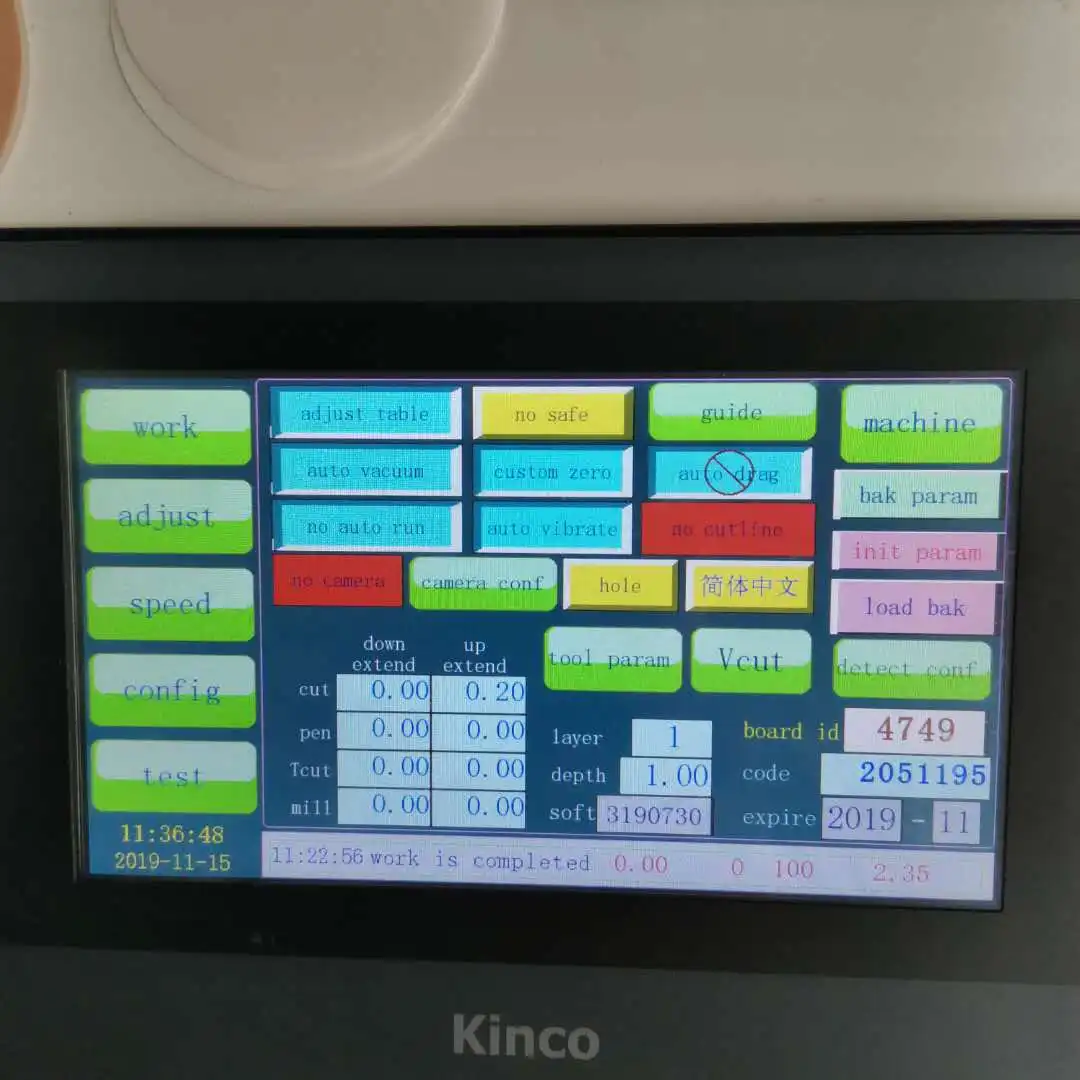
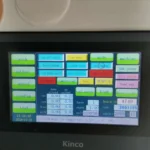
| Control System | CNC with HP-GL compatible format |
| Table Type | Flatbed aluminum alloy honeycomb vacuum adsorption platform |
| Vacuum Pump | 7.5 kW |
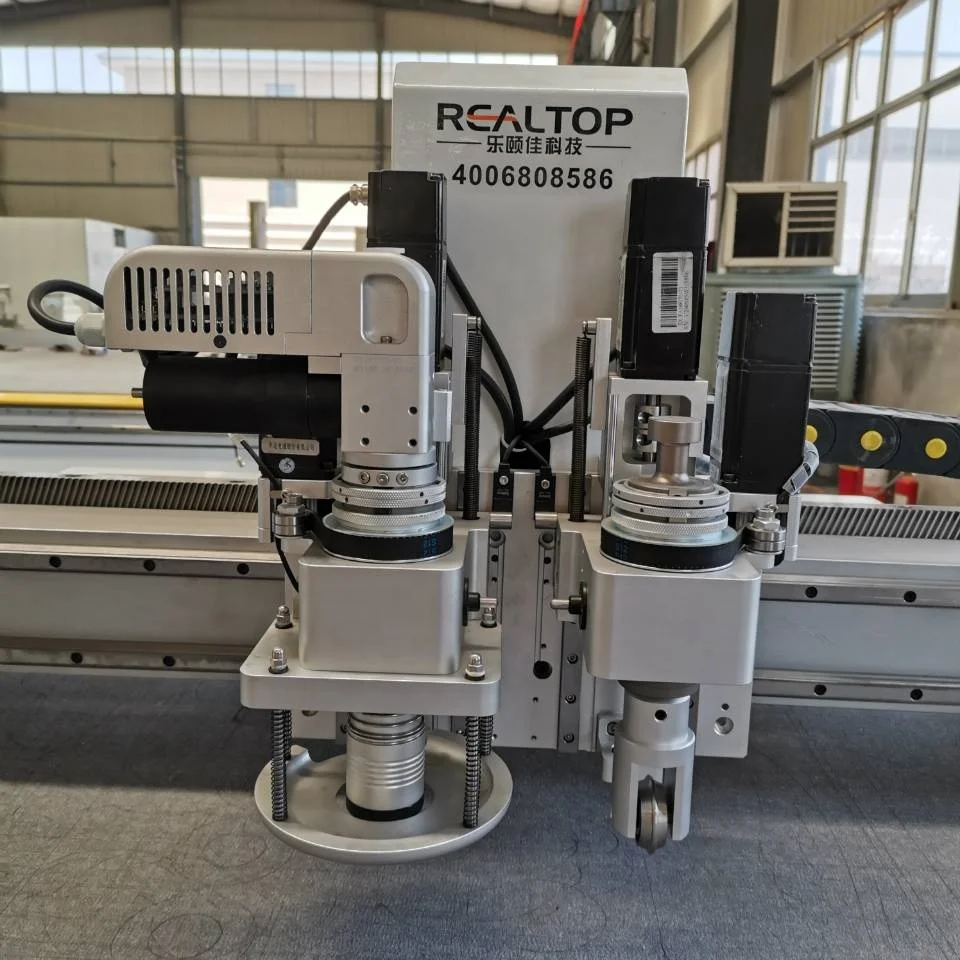
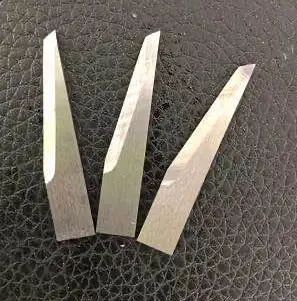
| Tool Head | Swiss imported oscillating knife (full cut, half cut, cursor location) |
| Transmission System | Digital servo motor, linear guide, synchronous belt, ball screw, rack transmission |
| Servo Motor | Taiwan Delta |
| Linear Guide | Taiwan Hiwin rail |
| Translational Velocity | 800–1200 mm/s |
| Cutting Speed | 200–800 mm/s (varies with material) |
| Cutting Thickness | ≤100 mm (varies with material density and flute profile) |
| Repeated Accuracy | ≤0.1 mm |
| Safety Device | Infrared sensors and emergency stop |
| Software | Professional carton nesting, multi-format import, auto positioning, creasing, marking |
| Frame | Welded thick square seamless steel structure with high-temperature treatment |
| Felt Belt | Wear-resistant anti-pull composite fiber |
| Language Options | English, Russian, Italian, Chinese; others customizable |
Application Suitability
| Application | Material or Output |
|---|---|
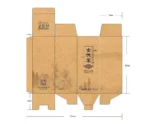
| Carton sample making and short-run corrugated box production | Single, double, and triple-wall corrugated board, E-flute, B-flute, C-flute |
| Packaging box design prototyping | Greyboard, folding carton stock, honeycomb paperboard |
| Sticker and label contour cutting | Adhesive vinyl, coated paper, synthetic label stock |
| Billboard and signage cutting | Foam board, corrugated plastic, lightweight display board |
| Business card and tag production | Card stock, laminated paper, thin plastic sheet |
| Flexible non-metal cutting | Leather, PVC, soft glass, silicone, rubber, composite sponge |
When Board Thickness Claims Fail on the Shop Floor
A machine quoted on working area alone often meets a wall when the buyer’s actual E-flute or triple-wall stock hits the table. The cutting depth limit only matters if the tool head and vacuum hold-down are configured for the specific flute profile and grammage you run every day.
I have watched packaging shops receive a flatbed that handled standard B-flute during the factory test but crushed the creases on their daily E-flute runs because the oscillation frequency and knife angle were never adjusted for thinner, denser material. The vacuum zoning was set for large sheets, leaving small carton blanks lifting off the table mid-cut. [NEED_CITE: corrugated flute profile thickness and crush resistance standards] These are not defects in the machine — they are gaps in the specification conversation that should happen before production begins.
Matching the Oscillating Knife to Corrugated Flute Profiles
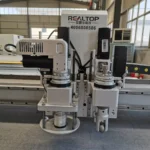
The Swiss imported oscillating knife head on this CNC oscillating knife cutting table for packaging executes full cuts, half cuts for creasing, and cursor positioning within a single work cycle. The oscillation frequency and blade geometry must correspond to the flute structure — a C-flute sheet requires a different stroke behavior than a micro-flute E or F profile to achieve a clean edge without crushing the internal arch. This is where the initial sample cutting on the buyer’s own stock becomes the real specification document.
Vacuum Zoning That Holds Small Blanks Without Shifting
The aluminum alloy honeycomb vacuum platform paired with a 7.5 kW vacuum pump provides zoned adsorption across the 1600×2500 mm bed. Zoning is critical when cutting small carton inserts or partition strips where the surface area is too small to generate sufficient hold on an undivided table. [NEED_CITE: vacuum adsorption principles for flatbed digital cutting tables] Each zone can be activated independently so that vacuum force concentrates under the actual sheet footprint rather than bleeding across empty table space.
Reading the Specs Beyond the Brochure Numbers
The Taiwan Delta servo motors driving Taiwan Hiwin linear guides through rack transmission deliver ≤0.1 mm repeated accuracy, which directly affects crease placement on multi-panel carton designs where fold lines must align across scored panels. Translational velocity of 800–1200 mm/s determines how fast the head repositions between cuts, while actual cutting speed of 200–800 mm/s depends on board density — a triple-wall sheet at 8 mm thickness demands slower traversal than a single-face liner. The 9 kW rated power covers the servo drives and oscillation motor, while the vacuum pump draws its 7.5 kW separately, meaning your electrical supply must accommodate both circuits simultaneously. [NEED_CITE: electrical load calculation for CNC cutting equipment with separate vacuum systems] The HP-GL compatible control format and professional carton nesting software accept common packaging CAD file types, reducing the gap between your design department and the cutting table.
The Cost of Skipping the Material Test Before Shipment
Choosing a tool head based on a general material category rather than the actual board sample leads to ragged edges on coated liners or crushed flutes that compromise box compression strength. An improperly zoned vacuum table causes small carton parts to drift during the final cuts, producing scrap instead of finished samples. [NEED_CITE: edge quality requirements for corrugated packaging prototypes] When the software cannot import the buyer’s existing nesting files, operators fall back to manual layout, losing material yield on every sheet. These issues surface on day one of production, not during the warranty negotiation.
Why Packaging Producers Source This Table Here
The design team configures each CNC oscillating knife cutting table for packaging around the buyer’s stated material range, selecting the knife angle and oscillation stroke rather than shipping a default setup. Sample cutting runs on the buyer’s own corrugated stock generate a test report showing edge quality, crease definition, and cutting depth before the order is finalized. The in-house production covering both knife and laser technologies means a packaging buyer can evaluate which method suits their specific substrate rather than being locked into one approach. Voltage, plug type, and control language are confirmed against the destination market’s electrical standards before the machine enters assembly. Software compatibility is verified with the buyer’s CAD file formats to ensure the nesting workflow transfers without conversion errors.
Documentation & Verification
- Machine specification sheet listing tool head configuration matched to your board thickness range
- Electrical schematic confirming voltage, frequency, and plug type for your facility
- Sample cutting report on your corrugated stock showing edge and crease results
- Software licence and file format compatibility note for your CAD workflow
- Factory test record documenting repeatability and cutting accuracy before dispatch
- Packing photographs showing bed protection and crate condition before loading
Installation, Commissioning & Support
- 3450×2300 mm footprint requires a level concrete floor with clearance for sheet loading on both long sides
- 380V ±10% three-phase supply with dedicated circuits for the 9 kW machine and 7.5 kW vacuum pump
- Flatbed arrives fully assembled; vacuum pump and conveyor belt require on-site connection and tensioning
- First-run commissioning includes oscillation frequency tuning on your actual board stock and vacuum zone calibration
- Operator training covers nesting software import, crease depth adjustment, and tool head blade replacement
- Spare parts list identifies wear items including oscillating blades, felt belt segments, and vacuum seals
What We Need to Quote the Right Configuration
Send us the corrugated flute profiles you run most often, the maximum sheet size, and your daily sample volume so we can match the tool head and vacuum zoning to your actual workload. Confirm your local voltage and frequency, the plug standard, and the control language your operators need. If you have an existing CAD or nesting software workflow, share a sample file so we verify import compatibility before the machine is built.
Frequently Asked Questions
Q: How is cutting thickness verified for different corrugated board flute profiles?
A: We run sample cuts on your actual board stock — E-flute, B-flute, C-flute, or triple-wall — and document the cutting depth, edge quality, and crease definition in a test report. The oscillation frequency and knife angle are adjusted to match your specific flute structure before the configuration is locked in.
Q: How is vacuum table zoning configured for small carton parts?
A: The honeycomb platform divides into independent zones so vacuum concentrates under your sheet footprint. During the sample test, we cut your smallest carton blanks and partition strips to confirm that no part lifts or shifts during the final passes, adjusting zone activation as needed.
Q: Can the CCD camera track printed marks at full production speed?
A: The CCD contour recognition system is configured to read registration marks on coated and printed board. We test tracking accuracy using your printed sample sheets at the cutting speed your material requires, confirming that contour cuts align with the printed graphic throughout the run.
Q: What voltage, plug type, and control language are confirmed before shipment?
A: Your facility’s voltage, frequency, and plug standard are recorded before the electrical schematic is finalized. The control system language — English, Russian, Italian, Chinese, or another specified language — is set during software configuration so operators see their preferred interface on day one.
Q: What does the sample cutting test on my material demonstrate?
A: The test report shows cutting depth, edge condition, crease clarity, and dimensional accuracy achieved on your own corrugated stock. It confirms that the selected tool head, vacuum zoning, and cutting speed produce the quality your packaging prototypes require before you commit to the order.


商品评价
Clear filtersThere are no reviews yet.