

Fast Shipping
Carrier information

20k products
Payment methods

24/7 Support
Unlimited help desk

2-day Delivery
Track or off orders
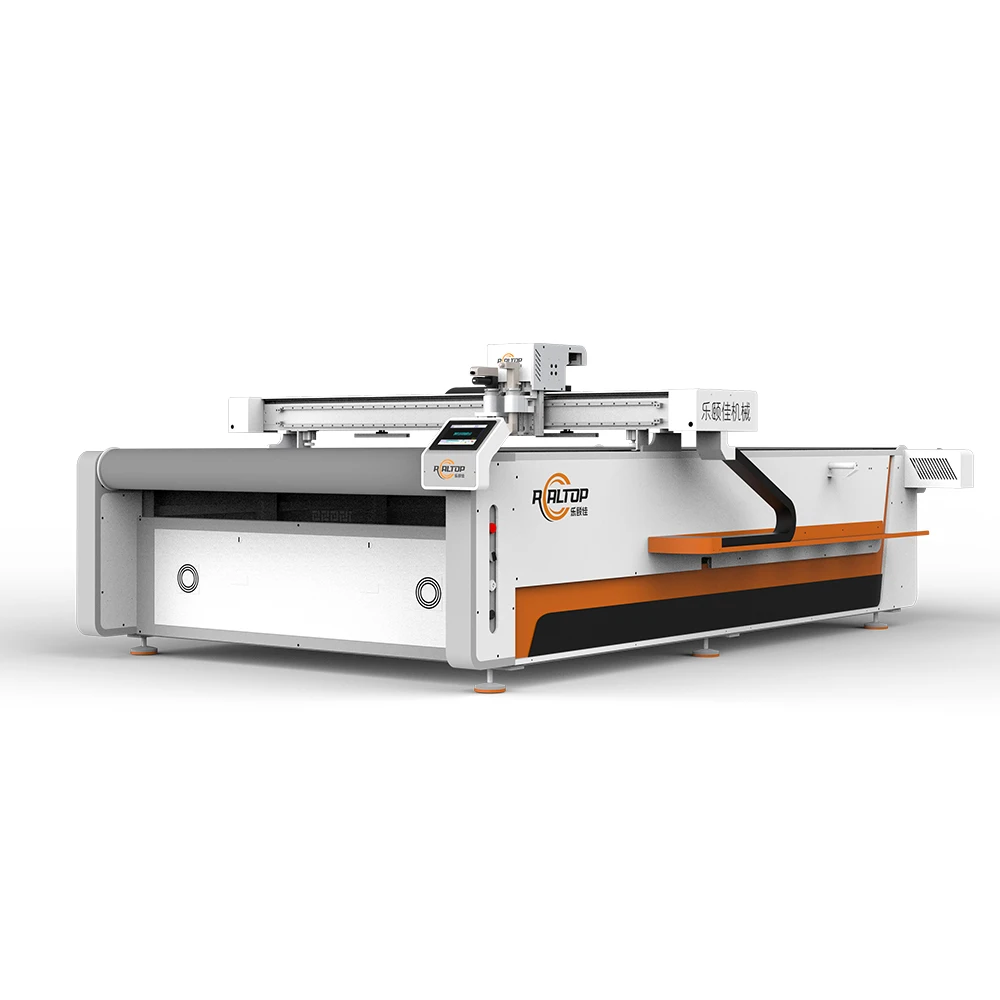
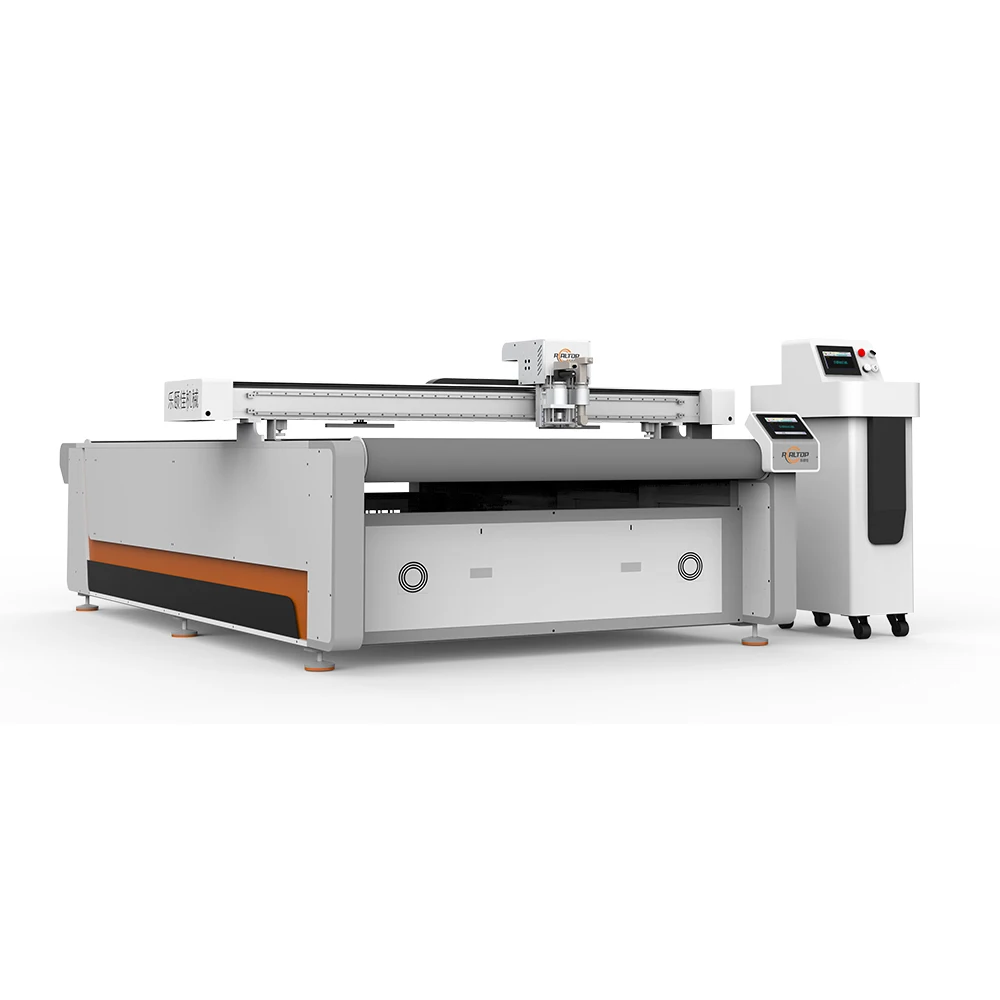
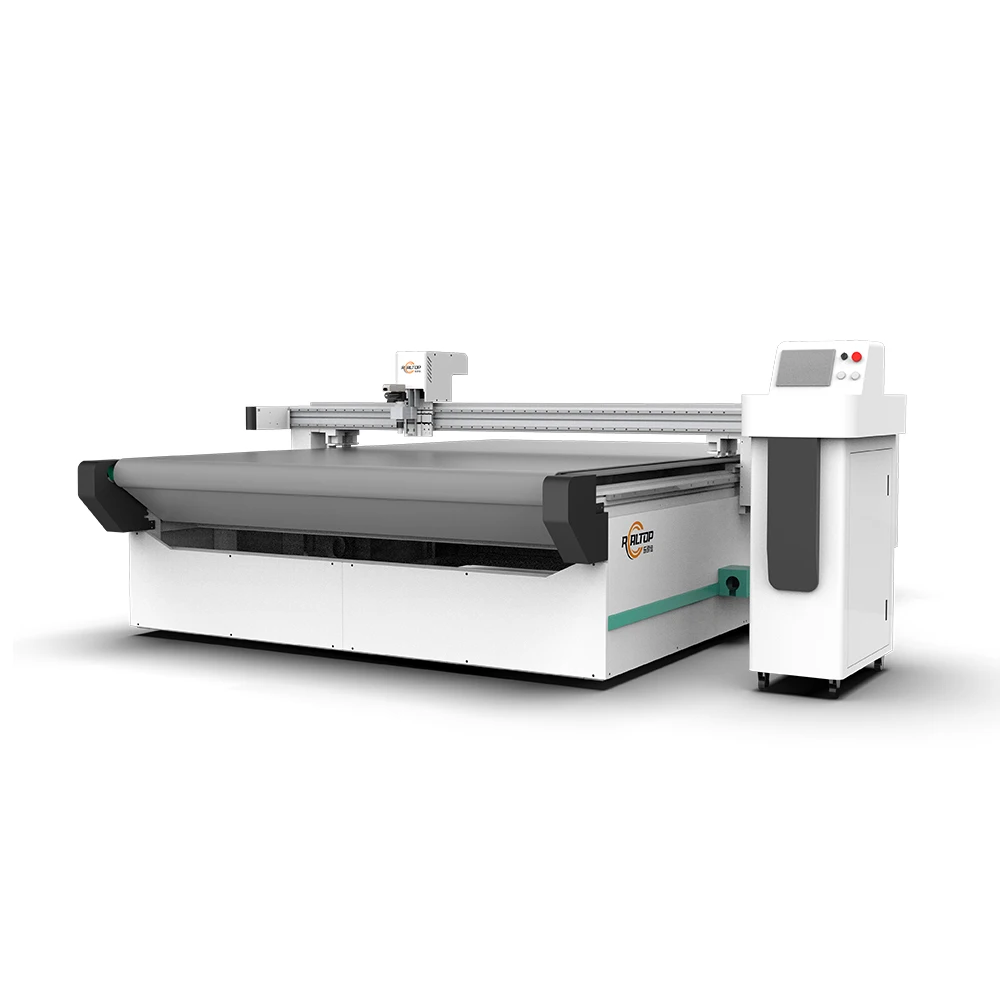
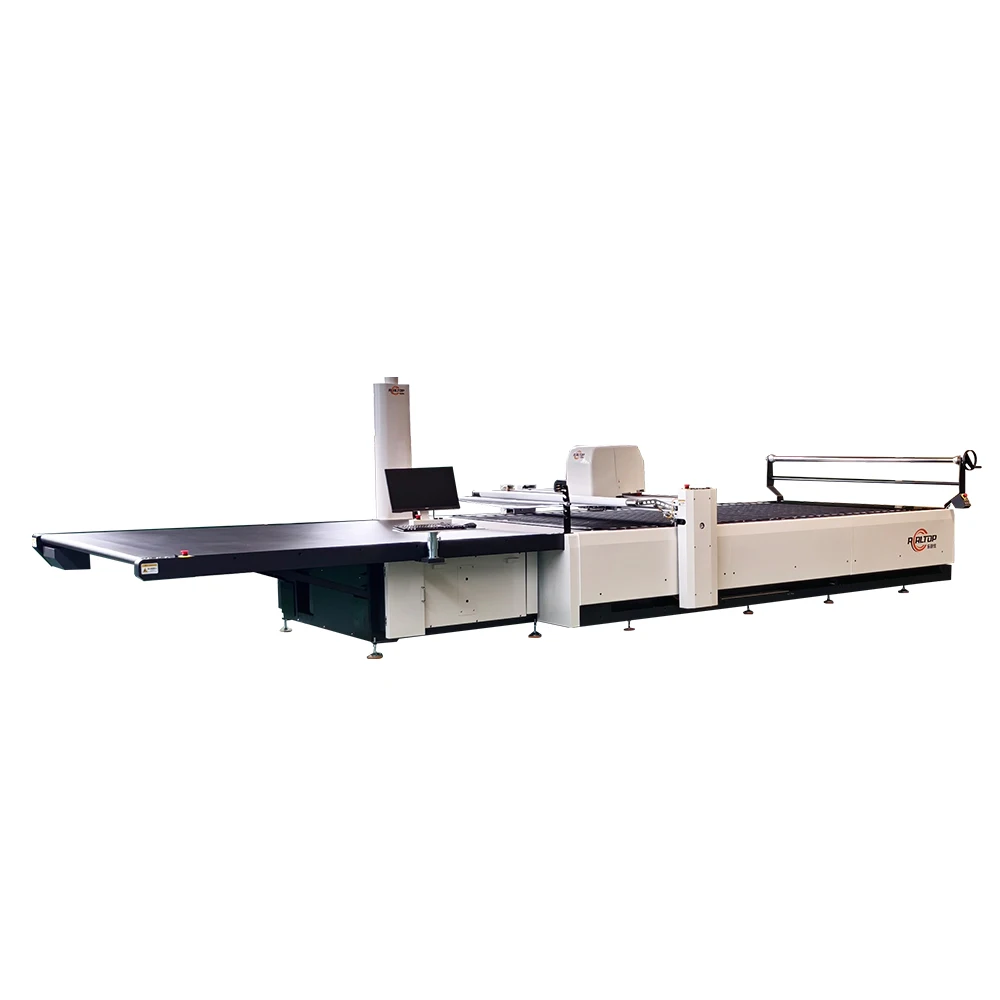
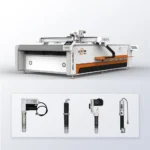
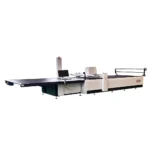
Material-Matched Tooling — A vertical roll feeding system configured to handle woven, knitted, and composite textiles with interchangeable cutting heads that respond to each material’s specific behavior rather than forcing a single method.
Technical Specifications
| Parameter | Value |
|---|---|
| Product Type | CNC Oscillating Knife Cutting Machine |
| Working Area | 1600×2500 mm |
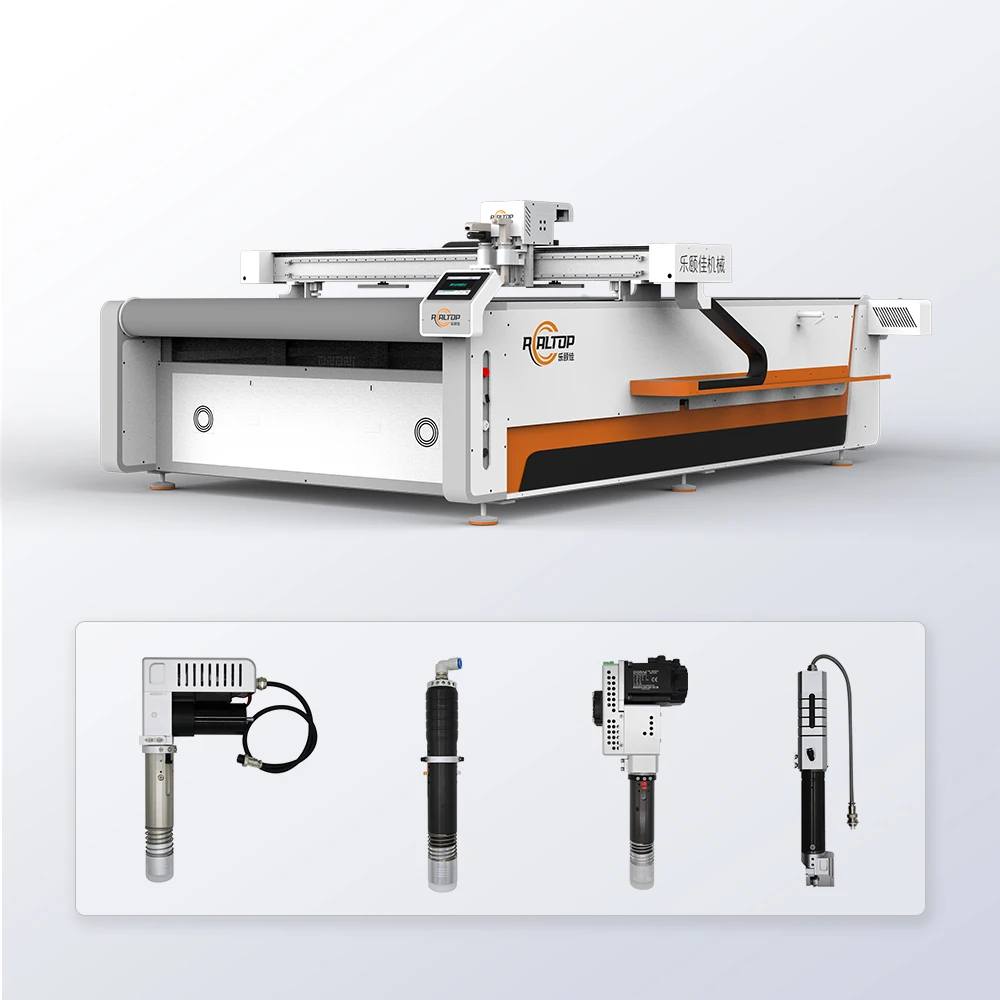
| Tool Head Options | Oscillating knife, Driven rotary knife, Creasing wheel, Kiss cutting tool, Pneumatic knife, Milling tool, V-groove knife |
| Cutting Speed | 0–2000 mm/s |
| Cutting Thickness | ≤ 30 mm (basis not stated in source — confirm material type and layer count) |
| Positioning Accuracy | ±0.1 mm |
| Vacuum Pump Power | 9 kW |
| Vacuum Table | Aluminum bellows construction with full-surface adsorption |
| Voltage Options | 110V / 220V / 380V (frequency not specified in source) |
| Control System | PLC control panel with optional display languages |
| Software File Formats | PLT, DXF, AI, PDF |
| Nesting Software | Intelligent nesting system with defect avoidance |
| Servo Motor Options | Panasonic, Delta, Dorna (source value — verify against manufacturer catalog) |
| Safety Devices | Infrared sensor device, emergency stop device |
| Machine Dimensions (L×W×H) | 3300×2100×1350 mm |
| Standards | CE |
Application Suitability
| Application | Material or Output |
|---|---|
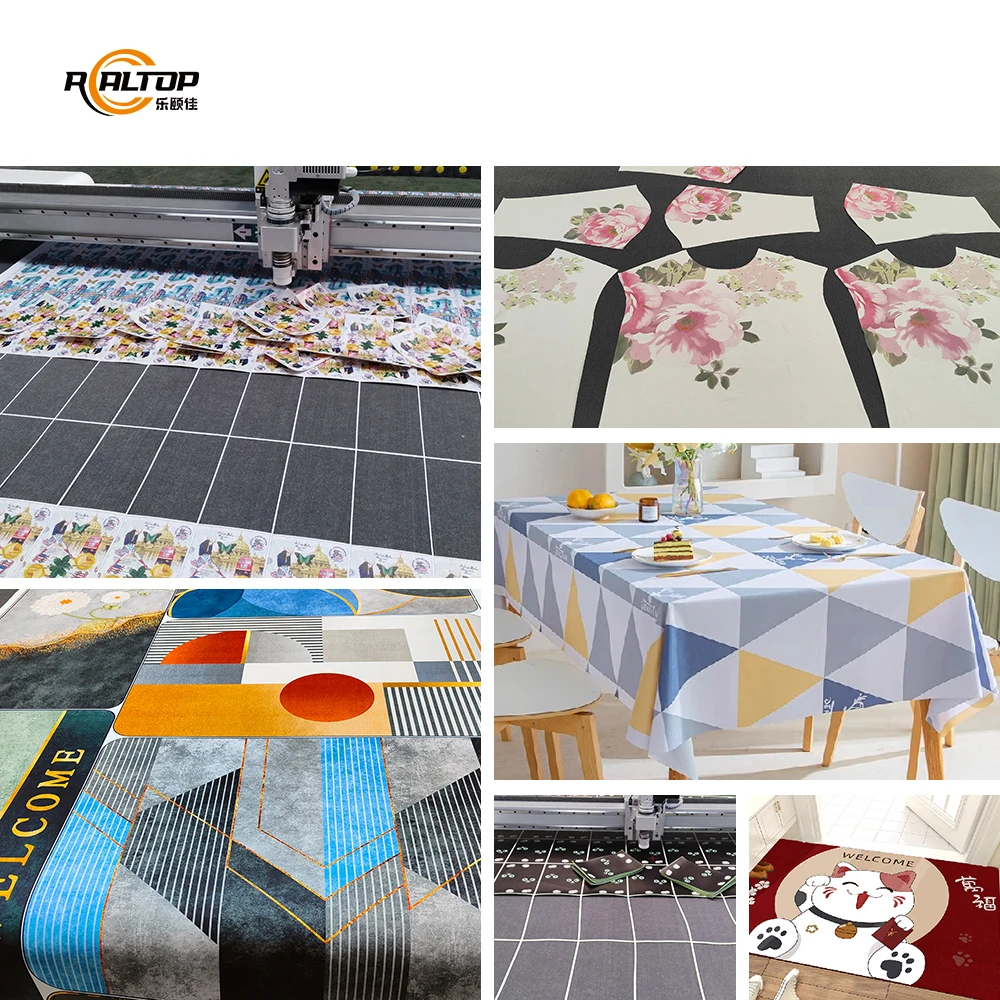
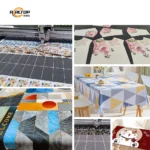
| Apparel manufacturing | Suits, knitwear, lace, complex pattern-matching fabrics cut in multi-layer stacks |
| Automotive interiors | Seat fabrics, carpets, PVC mats requiring burr-free edges and contour accuracy |
| Home textiles | Sofa upholstery, curtain panels, rugs processed in volume with full-surface vacuum hold |
| Composite material processing | Carbon fiber prepreg, aramid sheets, specialty layered materials cut without delamination |
Why "Working Area" Is the Wrong Starting Point for CNC Oscillating Knife Cutting Machine Specifications
The cutting head and vacuum table configuration determine whether your material stays flat at production speed — not the bed dimensions.
Too many fabric buyers start with a 1600×2500 mm working area, assume the machine will handle their textile, and discover during commissioning that the vacuum zoning was never matched to their small pattern pieces. I watched a Chilean automotive interior plant lose an entire batch of seat fabric because the table adsorption could not hold narrow strips during high-speed traverse. The blade followed the programmed path perfectly, but the material had already shifted.
Those losses compound quickly — wasted raw textile, missed shipment deadlines, and a machine that operators lose confidence in within the first week. [NEED_CITE: vacuum table zoning requirements for small textile parts at high traverse speed]
Tool Head Selection That Follows the Fabric, Not the Machine
This cutting platform offers seven interchangeable tool positions — oscillating knife, driven rotary knife, creasing wheel, kiss cutting tool, pneumatic knife, milling tool, and V-groove knife. Each addresses a different material behavior. Knitted textiles with stretch require a driven rotary knife to prevent pulling and distortion during the cut, while woven technical fabrics respond better to a high-frequency oscillating blade that produces a clean edge without fraying.
The CNC oscillating knife cutting machine specifications here include a pneumatic knife option for thicker padded materials where downward force and blade oscillation must be balanced against compressibility. Specifying the tool head after the material is confirmed — not before — eliminates the most common source of ragged edges in fabric cutting operations.
Vacuum Table Flatness and Adsorption Zoning for Textile Holding
The aluminum bellows vacuum table on this platform provides consistent flatness across the full 1600×2500 mm working area, which matters when multi-layer fabric stacks develop uneven tension from roll feeding. The 9 kW vacuum pump generates sufficient suction to hold lightweight knits and heavier upholstery textiles alike, but the real test is whether small cut pieces remain fixed while adjacent cuts are in progress. [NEED_CITE: vacuum hold-down requirements for multi-layer textile cutting at production speeds]
When I set up vertical roll feeding systems, I insist on running the buyer’s actual material across the table at full traverse speed before signing off on zoning. This step catches lift issues on narrow pattern pieces that no specification sheet can predict.
Reading the Numbers That Actually Matter in Production
The ±0.1 mm positioning accuracy is driven by the servo motor system — with options from Panasonic, Delta, or Dorna — and this tolerance level eliminates the need for secondary trimming on most garment and automotive interior panels. At 0–2000 mm/s cutting speed, the system must decelerate precisely at contour changes, and servo response directly affects whether inside corners and tight radii stay within pattern tolerance.
The 30 mm cutting thickness capacity should be confirmed against your specific material and layer count, because a dense wool stack at 30 mm behaves very differently from 30 mm of loose-knit fleece. Voltage configuration at 110V, 220V, or 380V must be locked in before production begins, as frequency mismatch between the source and destination market can cause servo motor overheating within the first operating shift.
The Cost of Guessing Configuration Instead of Confirming It
Choosing a tool head based on material category alone — "fabric" — without testing actual behavior under the blade produces edge compression on foam-backed textiles or filament pulling on technical weaves. The result is parts that measure correctly when laid flat but distort once released from the vacuum, forcing operators to add manual trimming steps that the machine was supposed to eliminate.
Voltage and frequency confirmed after the machine is already in production is the second expensive mistake. Servo motors running on incorrect frequency develop thermal stress that shows up as positioning drift weeks into operation, not during the factory acceptance test. [NEED_CITE: servo motor thermal behavior under voltage and frequency mismatch conditions]
Why Sourcing This Platform Through the Manufacturer
In-house design and production covering both knife cutting and vacuum table engineering means the cutting method is matched to the material, not forced into whatever the standard configuration offers. The tool head and table configuration is specified per material type and confirmed through sample cutting on the buyer’s own textile before the order is finalized.
Software compatibility is checked at the order stage, with PLT, DXF, AI, and PDF formats verified against the buyer’s existing nesting workflow. Voltage, plug type, and control panel language are confirmed before shipment, and the intelligent nesting system with automatic defect avoidance is configured for the buyer’s fabric width and defect frequency. Sample cutting on the buyer’s own material is standard practice, not an optional add-on.
Documentation & Verification
- Machine specification sheet listing tool head and vacuum table configuration matched to your textile
- Electrical schematic with voltage, frequency, and plug type confirmed for your facility
- Sample cutting report on your fabric showing edge quality, dimensional accuracy, and cycle time
- Software licence and file format compatibility note covering PLT, DXF, AI, and PDF workflows
- Factory test record documenting servo motor calibration and vacuum adsorption performance at rated speed
Installation, Commissioning & Support
- Foundation requirements based on 3300×2100 mm footprint with level tolerance for aluminum bellows vacuum table
- Dedicated electrical circuit for 9 kW vacuum pump plus PLC control system on confirmed voltage
- Vertical roll feeding system alignment with the 1600×2500 mm working area during on-site assembly
- Servo motor parameter tuning and cutting speed calibration using your textile samples at commissioning
- Operator training on tool head changeover across all seven tool positions with safety interlock review
- Spare parts list covering oscillating knife blades, vacuum seals, and servo-compatible limit sensors
Before You Send the Inquiry
Provide your material type, maximum layer count, and typical pattern piece dimensions so the tool head and vacuum zoning can be specified from day one. Confirm your facility voltage and frequency, along with your preferred control panel language, to avoid retrofit costs after delivery. If you have existing nesting software or file formats in your workflow, share a sample file so compatibility is verified before the machine enters production.
Frequently Asked Questions
Q: How is the correct tool head selected for a specific fabric type and thickness?
A: The buyer’s material is tested across the available tool options — oscillating knife, driven rotary, pneumatic knife, and others — to determine which produces the cleanest edge without compression or filament pulling. The selection is confirmed through a sample cutting report before the order is finalized, not assumed from a material category label.
Q: Can the vacuum table zoning hold small pattern pieces without material lift at cutting speed?
A: The aluminum bellows vacuum table with the 9 kW pump is tested using the buyer’s actual pattern layout at full traverse speed. Zoning adjustments are made during commissioning to ensure small pieces remain fixed while adjacent cuts are in progress, which is where most adsorption failures occur.
Q: Which software file formats and nesting workflows are supported out of the box?
A: The system accepts PLT, DXF, AI, and PDF files directly. The intelligent nesting software includes automatic defect avoidance and is configured for the buyer’s fabric width and defect frequency. File format compatibility with the buyer’s existing design workflow is confirmed at the order stage.
Q: How is voltage, frequency, and control panel language confirmed for the destination market?
A: Voltage options of 110V, 220V, or 380V are specified at inquiry, and frequency is confirmed based on the destination electrical grid. Control panel language — available in English, Russian, Italian, Chinese, or custom options — is locked in before production begins to avoid post-delivery reconfiguration.
Q: What does the sample cutting process involve before machine commitment?
A: The buyer sends representative material samples, which are cut using the proposed tool head configuration at production-relevant speeds. A report documents edge quality, dimensional accuracy against the pattern file, and any vacuum hold issues observed, forming the basis for final tool and table specification.


商品评价
Clear filtersThere are no reviews yet.