




Fast Shipping
Carrier information

20k products
Payment methods

24/7 Support
Unlimited help desk

2-day Delivery
Track or off orders
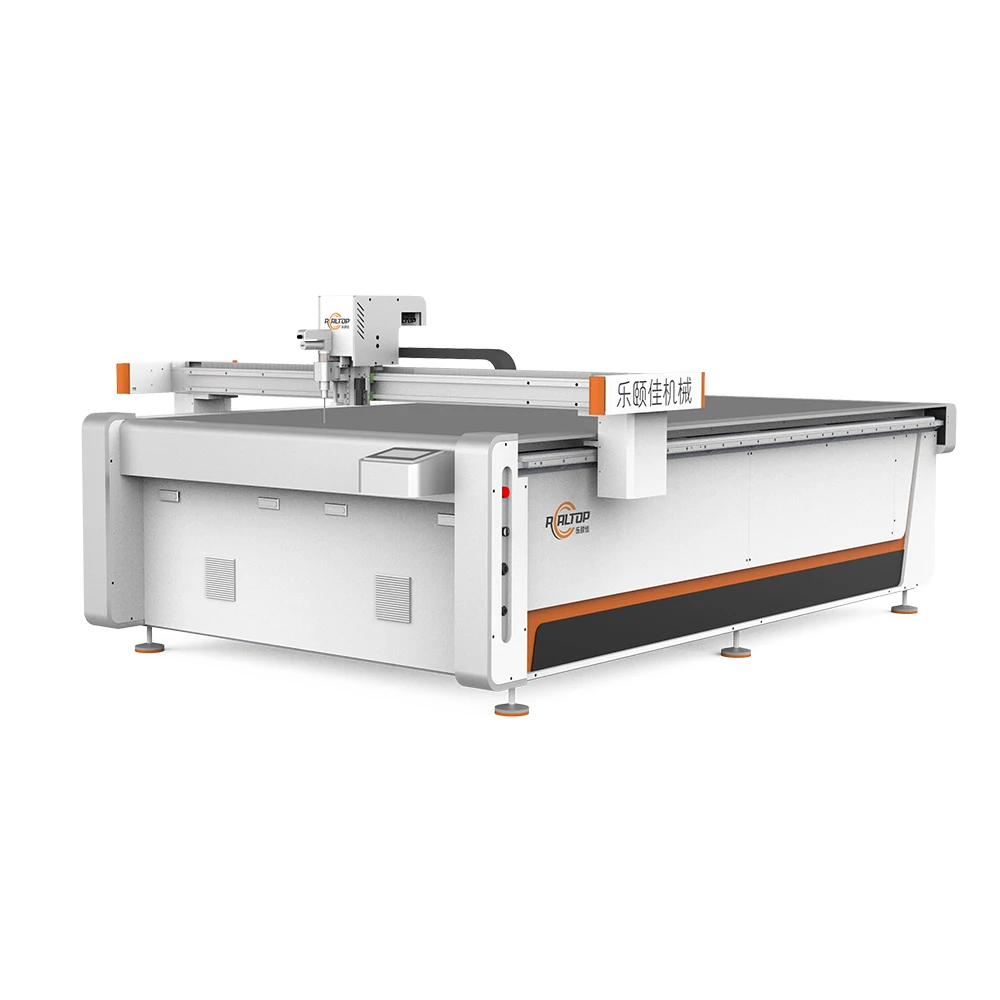
Tool Head Matching by Material Density — Specifying oscillating versus rotary knife options based on actual leather thickness and type prevents edge crushing and material waste on the production floor.
Technical Specifications
| Parameter | Value |
|---|---|
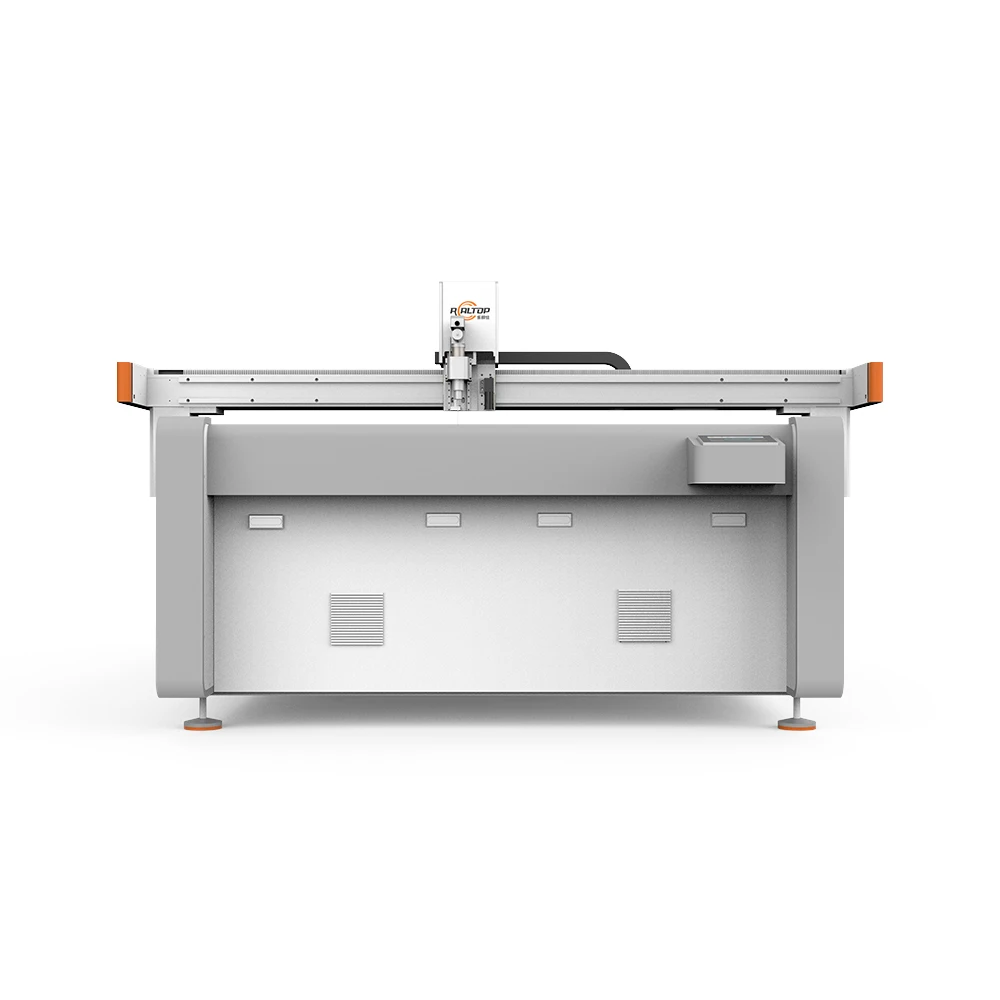
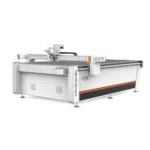
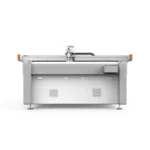
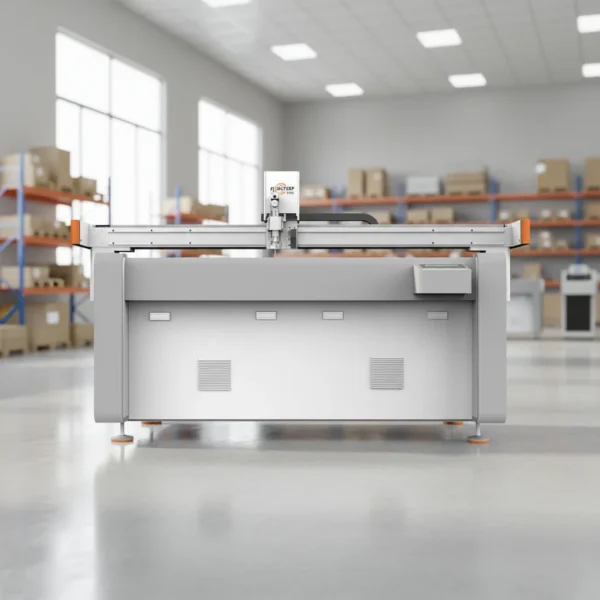
| Product Type | CNC Oscillating Knife Cutting Machine |
| Working Area | 1600 × 2500 mm |
| Tool Head Options | Oscillating knife, Driven rotary knife, Creasing wheel, Kiss cutting tool, Pneumatic knife, Milling tool, V groove knife |
| Cutting Thickness | ≤ 30 mm (basis to be confirmed on specific leather type) |
| Cutting Speed | 0–2000 mm/s (basis to be confirmed on material and thickness) |
| Cutting Accuracy | ±0.1 mm |
| Vacuum Pump | 9 kW |
| Vacuum Table | Aluminum bellows vacuum table |
| Control System | PLC control panel |
| Servo Motors | Panasonic, Delta, or Dorna options available |
| Voltage Options | 110V, 220V, 380V (configurable per destination market) |
| Software Compatibility | PLT, DXF, AI, PDF |
| Safety Features | Infrared sensor device and emergency stop |
| Machine Dimensions | 3300 × 2100 × 1350 mm |
| Software Language | English, Russian, Italian, Chinese (custom languages available) |
| Certification | CE referenced |
Application Suitability
| Application | Material or Output |
|---|---|
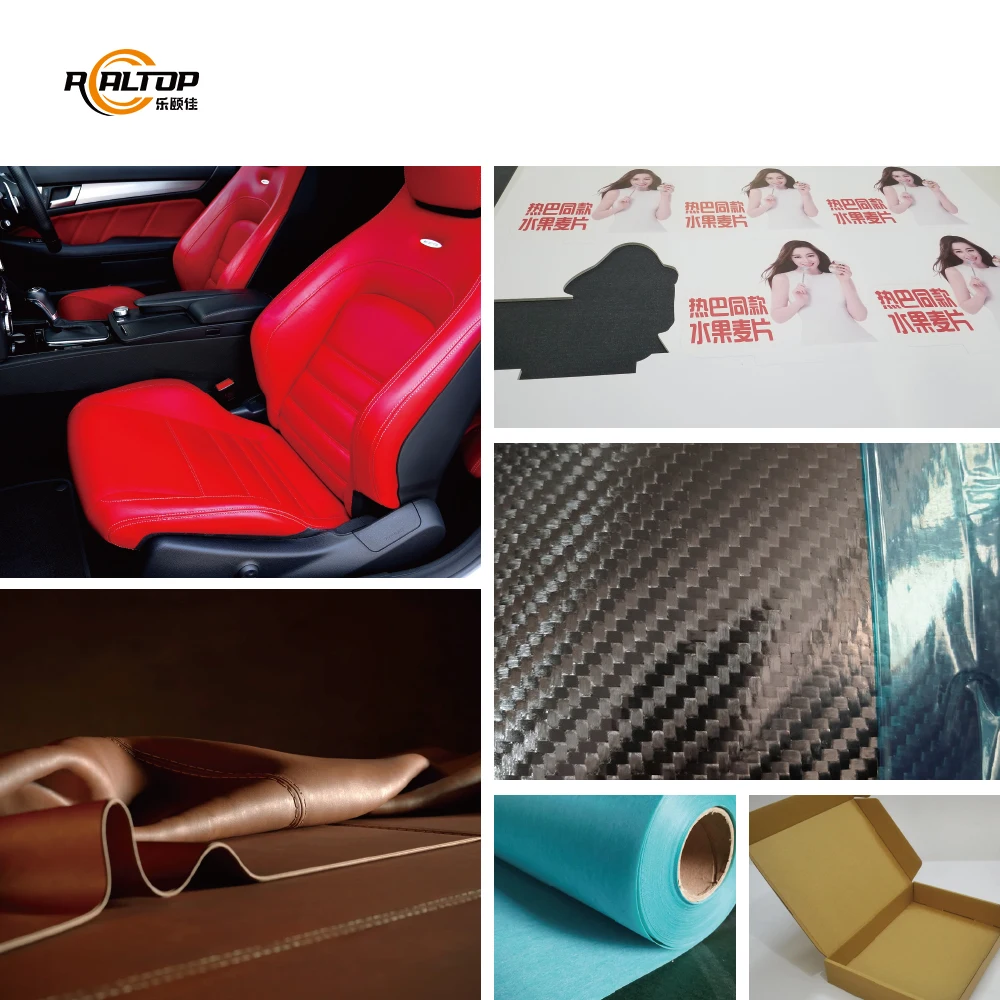
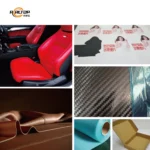
| Shoe upper production | Genuine and synthetic leather, with CCD contour tracking for irregular hide shapes |
| Automotive seat cover manufacturing | Leather and composite fabrics requiring pattern matching across multiple hides |
| Bag and leather goods fabrication | Nested cutting on full-grain and split leather for material yield |
| Sofa and upholstery cutting | Thick leather and multi-layer fabric composites |
| Apparel and fashion accessories | Soft to medium-density leather, PU, and PVC with kiss cutting or creasing |
| Gasket and industrial leather parts | PTFE, rubber, and reinforced leather requiring precision tool paths |
What Happens When the Knife Head Is Wrong for Your Leather
The tool head must be selected after a test cut on your actual material, not assumed from a working area size.
I remember a customer ordering a full CNC oscillating knife cutting table for leather based on table dimensions alone. When the machine arrived, the oscillating knife could not cleanly penetrate the 4mm genuine leather he used for automotive floor mats. The blade deflected, leaving ragged edges and forcing manual trimming on every piece. A driven rotary knife would have sliced through that thickness cleanly, but the configuration was locked in at order [NEED_CITE: tool head selection criteria for CNC leather cutting]. A machine quoted on footprint without matching the knife type to material density becomes a liability the moment it is powered on.
Matching the Knife to Leather Density and Finish
Genuine full-grain leather behaves differently under a blade than bonded or synthetic leather. The oscillating knife head vibrates at high frequency to slice through fibrous material without dragging, making it suitable for medium-thickness hides where edge quality matters. For thicker, denser leather stock, the driven rotary knife provides a continuous shearing action that avoids the compression marks an oscillating blade can leave. The pneumatic knife option handles the softest, most pliable leathers where downward blade pressure would distort the material before the cut completes.
Vacuum Table Zoning for Irregular Hide Shapes
Leather hides are not rectangular sheets. They arrive with uneven edges, natural contours, and sometimes holes or scar tissue that must be avoided during nesting. The aluminum bellows vacuum table on this CNC oscillating knife cutting table for leather delivers consistent adsorption across the full 1600 × 2500 mm surface [NEED_CITE: vacuum table flatness standards for CNC cutting]. However, when cutting small parts such as wallet panels or belt loops from the tail end of a hide, insufficient zoning can allow the leather to lift mid-cut. Confirming vacuum zone configuration against your typical part size prevents this lift and the resulting dimensional drift.
Understanding the Specs That Matter on the Shop Floor
Cutting accuracy of ±0.1 mm is achievable with the servo drive system, but maintaining that tolerance depends on the vacuum holding the material flat and the knife staying sharp through the run. The 9 kW vacuum pump provides sufficient suction for full-hide adsorption, yet on small nested parts, operators should verify zoning before committing to a full production batch. The PLC control panel accepts PLT, DXF, AI, and PDF profiles, which covers most nesting software outputs used in leather goods workshops. Voltage configurable from 110V to 380V means the same CNC oscillating knife cutting table for leather can ship to markets with different grid standards without a transformer workaround on arrival.
The Cost of Skipping the Sample Cut
A buyer who specifies a machine on working area and price alone may discover after delivery that the standard oscillating knife leaves micro-tears on their specific chrome-tanned leather. Replacing the tool head after shipment means downtime, additional shipping costs for the new head, and a batch of material wasted during re-calibration. Some leather types also require a specific blade angle or oscillation frequency that is only confirmed under actual cutting conditions [NEED_CITE: material testing protocols for CNC cutting equipment]. The sample cut is not a formality; it is the only way to verify that the configured tool head, vacuum setting, and blade type produce an acceptable edge on your production material.
Why Sourcing from the Factory Floor Matters
In-house design and production covering knife cutting technology means the tool head selection is not a guess taken from a catalog. The configuration is built around the buyer’s material, with the oscillating, rotary, or pneumatic knife specified per leather type and thickness. CCD camera positioning is available for contour recognition of printed grain patterns and genuine leather edge detection, tested at production speed before the machine leaves the factory. Software compatibility is confirmed with the buyer’s existing nesting files before order, not after the machine arrives and the DXF import fails. Voltage, plug type, and control panel language are documented and verified against the destination country’s standards before shipment. Sample cutting on the buyer’s own leather generates a report that both parties sign off on, establishing the baseline for acceptance.
Documentation & Verification
- Machine specification sheet listing confirmed tool head and knife type for your leather
- Electrical schematic with voltage, frequency, and plug type matched to your facility
- Sample cutting report on your specific leather thickness and type before dispatch
- Tool head and vacuum table configuration list showing zoning layout
- CCD camera test record demonstrating contour tracking speed on printed leather
- Software license and file format compatibility note for your nesting workflow
Installation, Commissioning & Support
- Foundation must support 3300 × 2100 mm footprint with level tolerance for vacuum seal integrity
- Dedicated electrical circuit required matching confirmed 110V, 220V, or 380V supply
- Machine ships partially assembled with vacuum table and gantry requiring on-site alignment
- First-run calibration includes vacuum pressure tuning and tool head offset verification
- Operator training covers PLC panel navigation in confirmed language and file import workflow
- Spare blade and consumable kit included based on confirmed leather type and daily volume
What to Prepare Before Requesting a Quote
Send a sample of the leather you actually cut, including thickness measurement and whether it is genuine, bonded, or synthetic. Specify your typical part sizes so vacuum zoning can be configured, and confirm whether you need CCD contour recognition for printed or irregular hide shapes. Provide your facility voltage and frequency, along with the nesting software and file format you currently use.
Frequently Asked Questions
Q: Which tool head cuts genuine leather versus synthetic leather without edge damage?
A: Genuine full-grain leather typically requires an oscillating knife for clean slicing through dense fibers, while synthetic and PU leather often cut cleanly with a standard oscillating or drag knife. For thick genuine leather above 3mm, a driven rotary knife may be necessary. The correct tool head is confirmed only after a test cut on your actual material sample.
Q: How does CCD camera positioning track leather grain patterns and printed contours?
A: The CCD camera scans printed registration marks or detects natural leather edges and grain boundaries before the cut begins. The software aligns the cutting path to these detected contours, compensating for hide shape variation. This is essential when cutting shoe uppers or automotive panels where pattern placement on the hide affects the finished product appearance.
Q: What vacuum table zoning is needed for small leather parts to prevent lift during cutting?
A: Small parts such as wallet panels or strap components require segmented vacuum zones so suction concentrates under the part rather than dissipating across the full table. The aluminum bellows table can be configured with multiple zones. Your typical smallest part dimension determines how many zones are activated and their layout.
Q: Can the software import my existing DXF nesting files and optimize for leather hide shapes?
A: The control system accepts PLT, DXF, AI, and PDF formats. Compatibility with your specific nesting software output should be confirmed before order by exchanging test files. For genuine leather, the nesting software must account for irregular hide outlines and defect areas, which requires confirming the workflow matches your production method.
Q: What cutting thickness is achievable for different leather types at production speed?
A: The system handles leather up to 30mm in thickness, but the practical limit depends on leather density, tool head selection, and required edge quality. Chrome-tanned leather cuts differently from vegetable-tanned at the same thickness. A sample cut on your specific material establishes the achievable speed while maintaining acceptable edge finish.


商品评价
Clear filtersThere are no reviews yet.