






Fast Shipping
Carrier information

20k products
Payment methods

24/7 Support
Unlimited help desk

2-day Delivery
Track or off orders
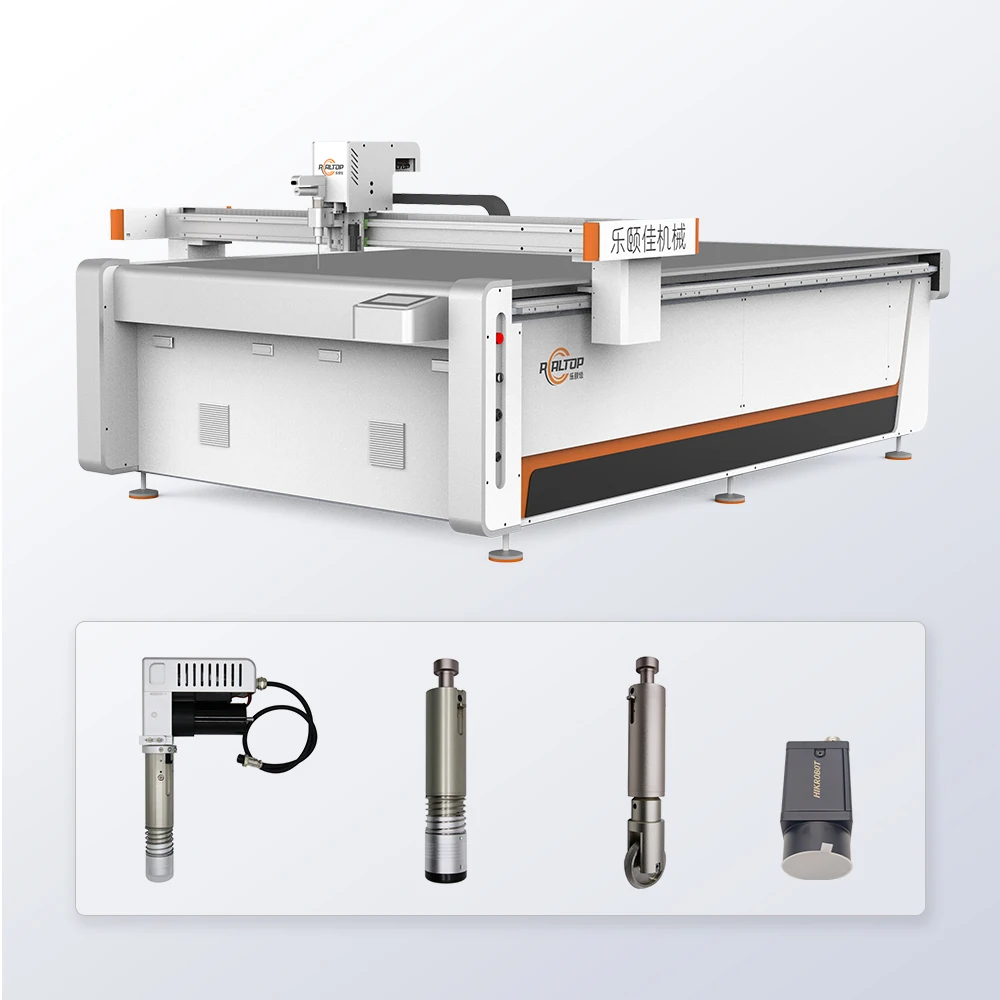
Tooling configured per material — Oscillating knife, driven rotary and V groove heads matched to composite layup density before the machine leaves our Jinan assembly floor.
Technical Specifications
| Parameter | Value |
|---|---|
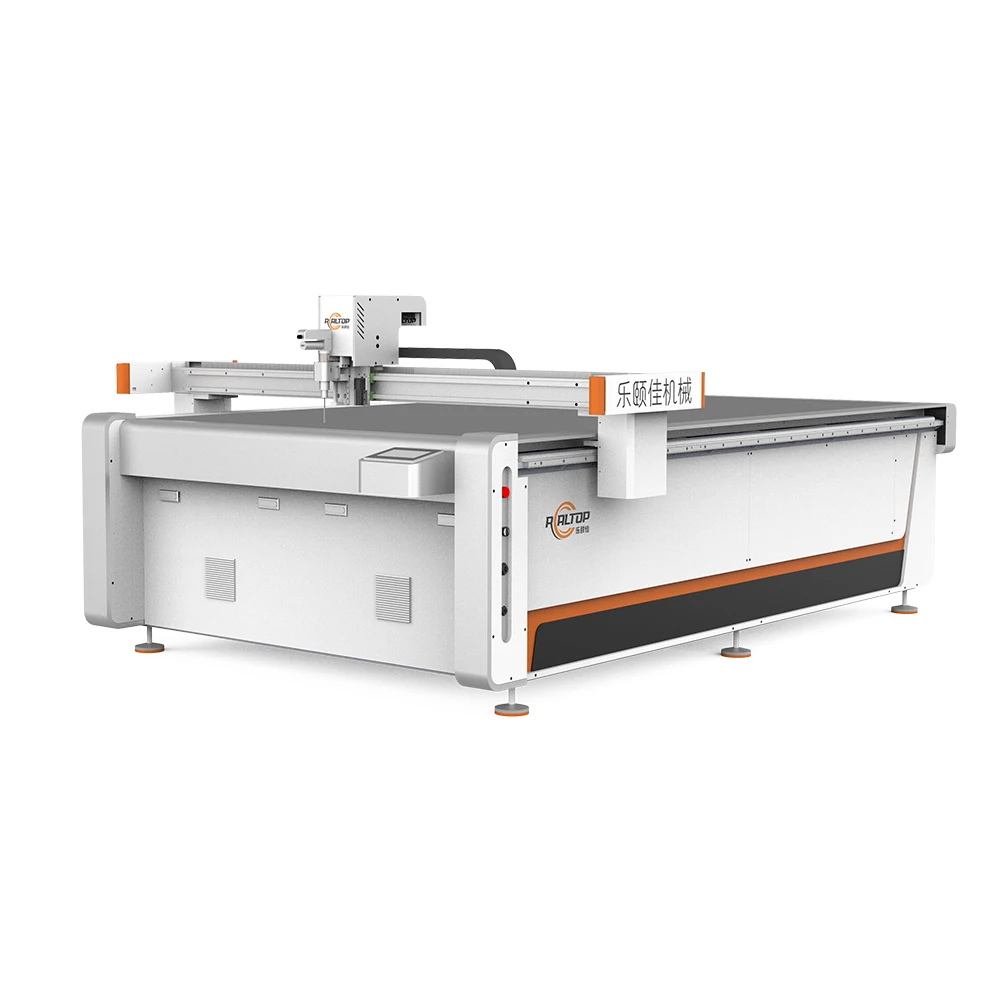
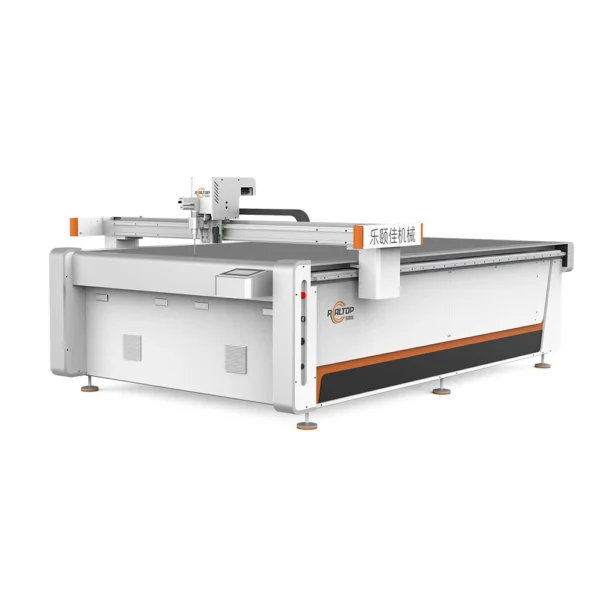
| Product Type | CNC Oscillating Knife Cutting Machine for Composites |
| Working Area | 1600 × 2500 mm |
| Cutting Thickness | Up to 30 mm |
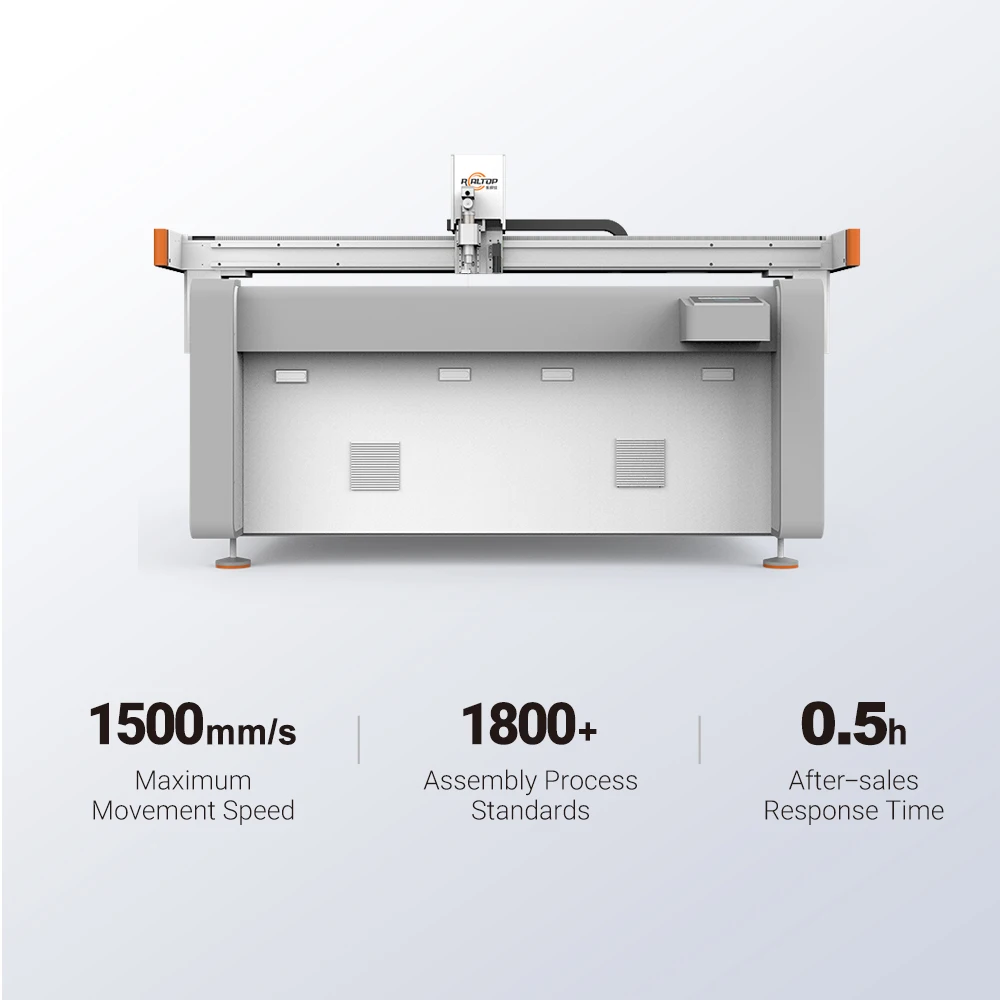
| Cutting Speed | 0–2000 mm/s |
| Cutting Accuracy | ±0.1 mm |
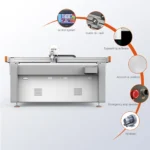
| Tool Head Options | Oscillating knife, driven rotary knife, creasing wheel, kiss cutting tool, pneumatic knife, milling tool, V groove knife |
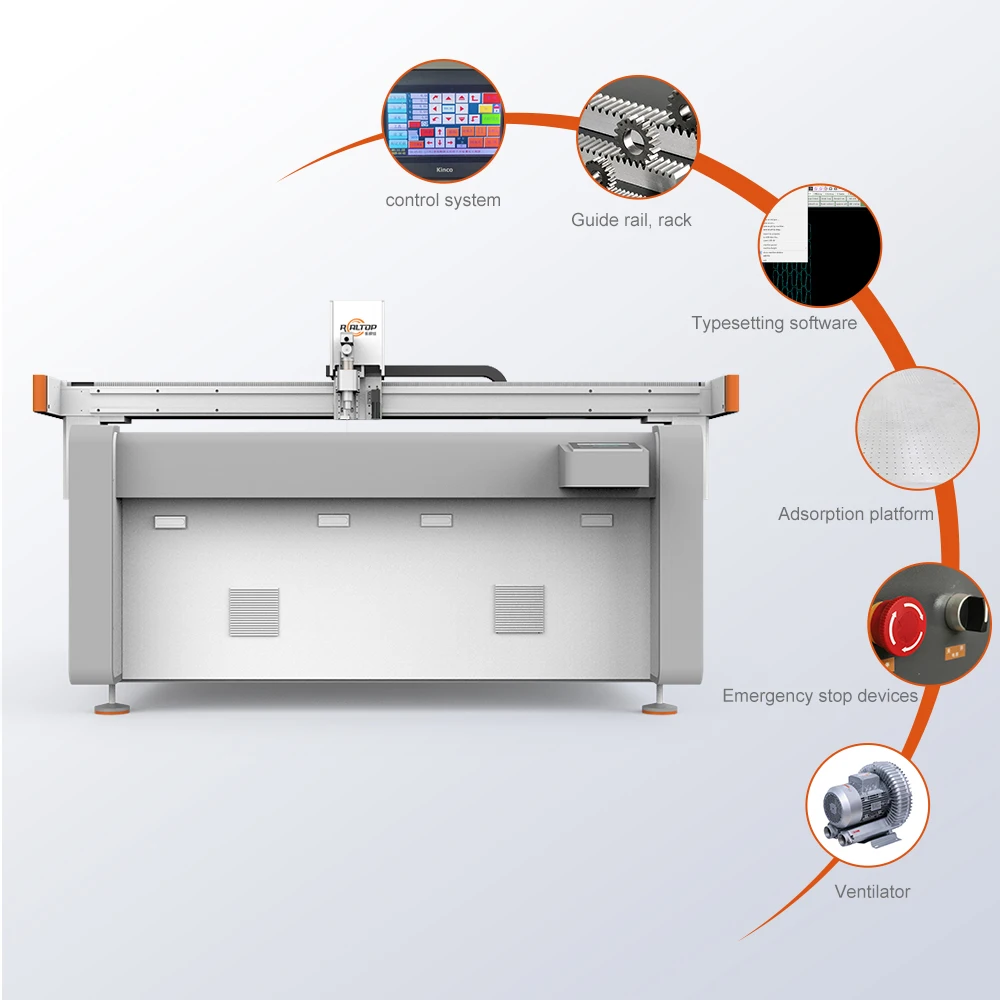
| Vacuum Pump | 9 kW |
| Control System | PLC control panel |
| Voltage Options | 110V / 220V / 380V (configurable) |
| Profile Formats | PLT, DXF, AI, PDF |
| Safety Devices | Infrared sensor, emergency stop |
| Language Options | English, Russian, Italian, Chinese (customizable) |
| Machine Dimensions | 3300 × 2100 × 1350 mm |
| Certification | CE |
Application Suitability
| Application | Material or Output |
|---|---|
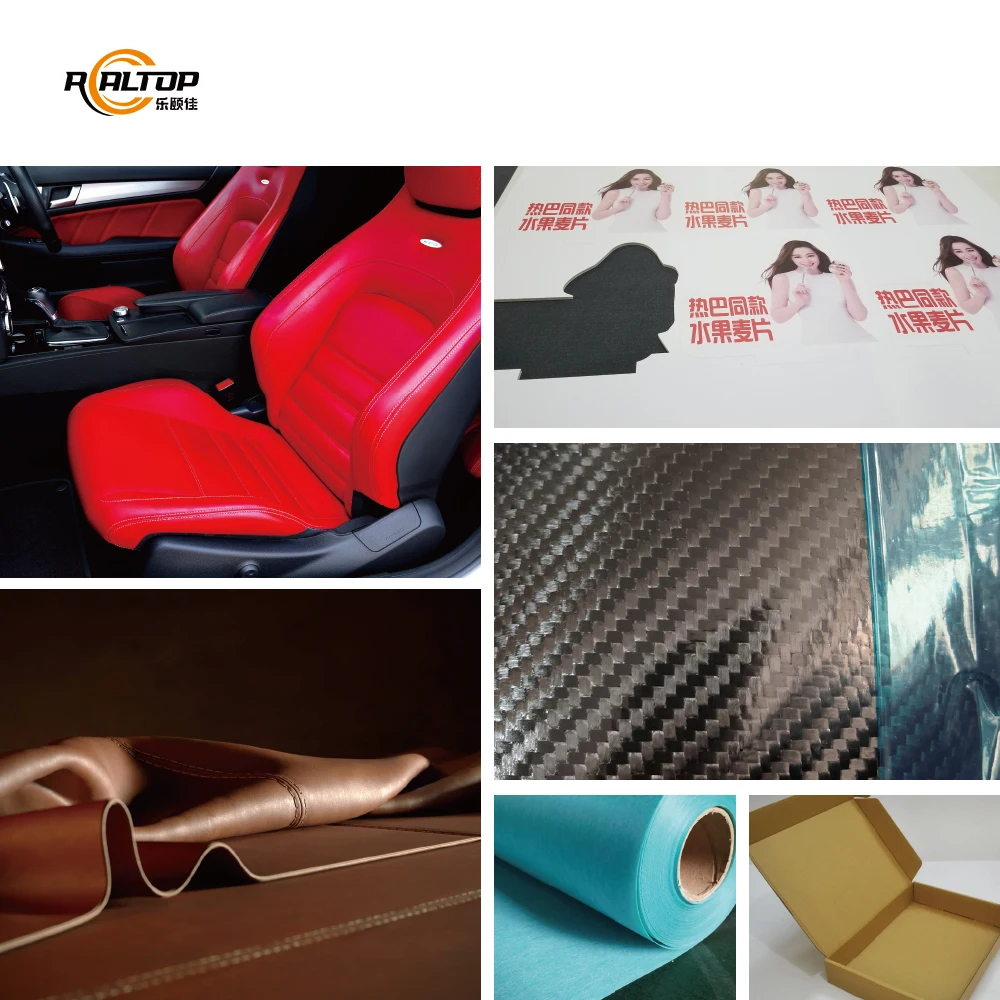
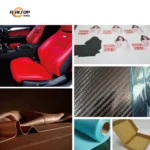
| Aerospace interior and structural layup | Carbon fiber prepreg, aramid honeycomb cores, thermal and acoustic insulation foam |
| Automotive and rail vehicle interiors | FRP panels, acoustic felt, damping pads, carpet and composite trim |
| Wind blade and nacelle manufacturing | Fiberglass cloth, vacuum infusion mesh, PET and PVC foam core preforms |
| Sporting goods and performance equipment | Carbon fiber sheets and fabric, Kevlar layers, high-performance structural foam |
Why Material Density Matters More Than Working Area When Selecting a CNC Oscillating Knife Cutting Machine for Composites
A machine sized for sheet dimensions alone will struggle the moment the material changes from soft foam to rigid epoxy board.
Composite fabricators often start conversations about bed size and finish with cutting speed, but the real constraint sits in the tool head meeting the workpiece. A 1600 × 2500 mm table handles carbon fiber prepreg and G10 epoxy board equally well only when the oscillation frequency, blade geometry and downforce are tuned separately for each [NEED_CITE: cutting force requirements for fiber-reinforced polymer sheets]. I have watched customers specify a large-format bed, install it, then discover the standard oscillating blade chews through aramid honeycomb instead of slicing it — because honeycomb demands a driven rotary tool, not a vertical oscillator.
Cold-Cutting Without Thermal Damage to Resin Systems
Thermal processes like laser and hot wire melt the resin matrix in prepreg laminates, leaving charred edges and releasing volatile organic compounds into the shop. The CNC oscillating knife cutting machine for composites removes that risk entirely — the blade vibrates at high frequency and slices through fiber and resin without generating heat. This matters when cutting aerospace thermal insulation blankets or automotive acoustic felt, where a scorched edge compromises the bonding surface for the next assembly step.
Tool Head Selection Across Soft and Rigid Composite Layups
A single composite shop may process soft vacuum infusion mesh in the morning and rigid G10 epoxy board in the afternoon. Each material demands a different cutting action. The oscillating knife handles flexible prepreg and foam cores with clean shearing. The V groove knife scores and folds rigid foam for sandwich panel construction. The milling tool routs profiles in hardened laminates where a blade cannot penetrate. Swapping heads takes minutes on the tool carriage, and the PLC panel stores the speed and depth profile for each material so operators pull up settings rather than recalculating them.
Reading the Spec Sheet Against Your Actual Composite Stack
Cutting thickness is rated up to 30 mm, but that figure assumes a uniform, non-abrasive material. Carbon fiber prepreg at 2 mm per ply stacks differently from a 25 mm PET foam core — the blade encounters continuous fiber reinforcement in one case and closed-cell foam in the other [NEED_CITE: abrasion rate of cutting blades on carbon fiber versus foam substrates]. The 9 kW vacuum pump holds flexible fiberglass cloth flat across the aluminum bellows table, preventing lift at the cutting line. For small gasket parts, vacuum zoning keeps suction concentrated under the workpiece rather than bleeding across empty table area.
The Cost of Skipping a Sample Cut on Your Own Material
I remember a wind blade manufacturer who ordered based on working area and assumed any oscillating knife would handle their fiberglass cloth. When the machine arrived, the standard blade frayed the woven edges and left loose filaments that contaminated the resin infusion step. We sent a driven rotary knife head and adjusted the oscillation parameters, but the delay cost them two weeks of layup schedule. A sample cutting report on the buyer’s actual composite material — tested before the order is confirmed — prevents this kind of mismatch.
Why Composite Fabricators Source From This Production Floor
Our Jinan facility builds both knife and laser cutting systems, which means the engineering team evaluates whether cold knife cutting is genuinely correct for a given composite rather than defaulting to one process. Tool head and vacuum table configurations are specified per material type and production volume, not pulled from a standard catalog line. Voltage, plug type and control language are confirmed against the destination workshop before the machine enters final assembly. Every unit runs a factory test on the buyer’s material samples, and the cutting results ship with the machine so the production team has a baseline reference from day one. [NEED_CITE: CE machinery directive compliance for oscillating knife equipment exported to European markets]
Documentation & Verification
- Machine specification sheet listing every tool head and vacuum zone included in your build
- Electrical schematic confirming voltage, frequency and plug type for your facility
- Sample cutting report on your composite material with edge quality photographs
- Tool head and table configuration list matched to your material stack and thickness range
- Software licence with confirmed file format compatibility for PLT, DXF, AI and PDF imports
- Packing photographs documenting machine condition before crate closure
Installation, Commissioning & Support
- Floor space allocation based on 3300 × 2100 mm machine footprint plus operator clearance on three sides
- Dedicated electrical circuit matching confirmed voltage (110V / 220V / 380V) with correct breaker rating for 9 kW vacuum pump load
- Table leveling and vacuum zone calibration performed on-site after uncrating
- PLC control panel set to confirmed language and first material profile loaded during commissioning
- Operator training covering tool head changeover, blade replacement and emergency stop procedures
- Spare blade inventory and wear part list provided based on your specific composite material abrasion characteristics
What to Include in Your Inquiry
Send us the composite materials you cut most often, including type, ply thickness and maximum sheet size. Note your workshop voltage and frequency, preferred control language and any existing nesting software you need to integrate. If your production involves tight-tolerance aerospace gaskets or structural honeycomb cores, tell us the accuracy requirement so we can confirm the tool head and hold-down configuration before quoting.
Frequently Asked Questions
Q: How is cutting accuracy verified on my specific composite material and thickness?
A: We run sample cuts on your actual material before the order is finalized. The sample cutting report documents edge quality, dimensional accuracy against the ±0.1 mm specification and any blade wear observed. If the standard oscillating knife produces fraying on your particular weave or layup, we test alternative tool heads and include those results in the same report.
Q: Which tool head is correct for carbon fiber prepreg versus rigid G10 epoxy board?
A: Carbon fiber prepreg typically cuts cleanly with the oscillating knife, which shears through fiber and resin without delamination. Rigid G10 epoxy board often requires the milling tool because its hardness exceeds what a blade can penetrate at production speed. We confirm the correct head during sample testing on your material.
Q: Is the vacuum table zoned for small composite parts to prevent lift during cutting?
A: Yes. The aluminum bellows table supports vacuum zoning so suction concentrates beneath the workpiece area rather than distributing across the full 1600 × 2500 mm surface. This keeps small gaskets and honeycomb inserts held flat even when surrounding table area is empty.
Q: Can the software import my existing nesting files and composite ply templates?
A: The control system accepts PLT, DXF, AI and PDF formats. We confirm file compatibility during the inquiry stage by importing a sample file from your current workflow and verifying that all paths, layers and cut parameters translate correctly before the machine ships.
Q: What voltage, language and safety certifications are confirmed before shipment?
A: Voltage and plug type are matched to your facility supply — options include 110V, 220V and 380V. The PLC control panel language is set to your preference from English, Russian, Italian or Chinese. The machine carries CE certification, and all safety devices including infrared sensors and emergency stops are tested during the factory run.


商品评价
Clear filtersThere are no reviews yet.