






Fast Shipping
Carrier information

20k products
Payment methods

24/7 Support
Unlimited help desk

2-day Delivery
Track or off orders
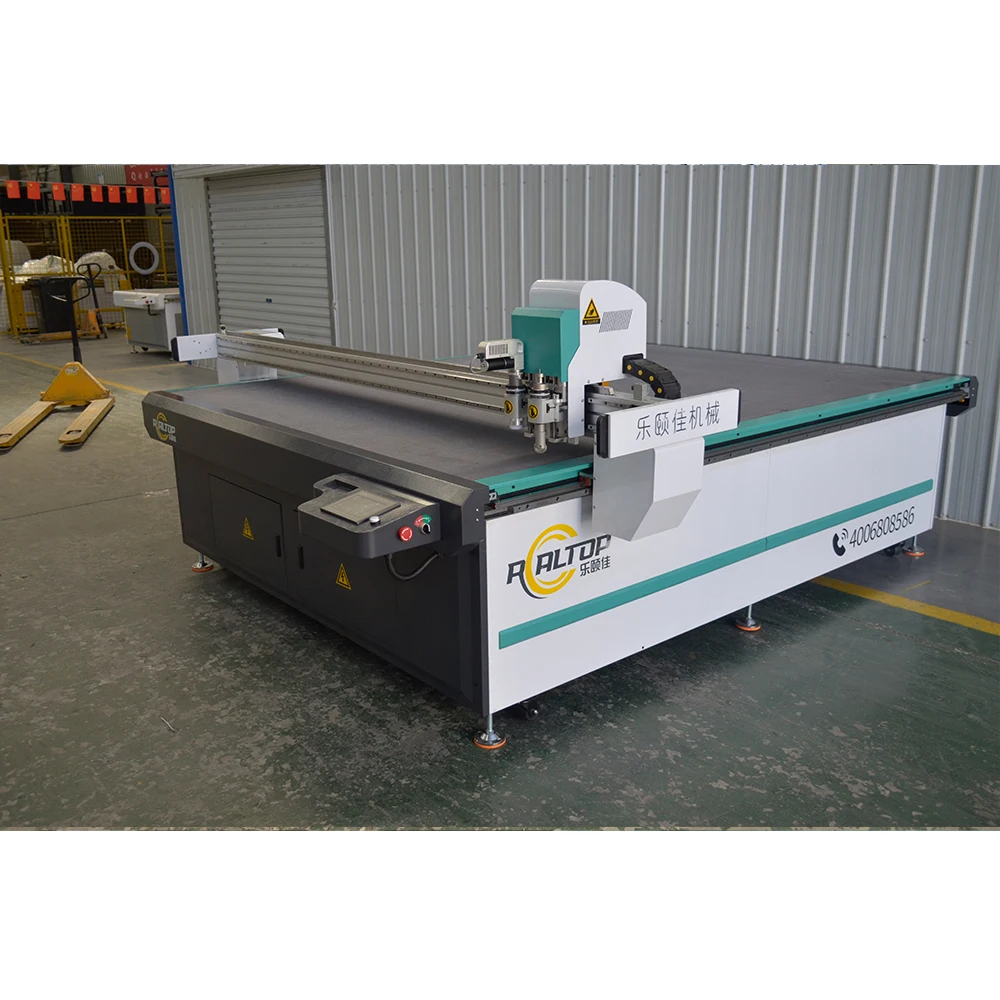
Multi-tool head configuration — A single work cycle combines oscillating knife, creasing wheel, kiss-cut and round punch so a carton sample maker cuts, folds and punches without changing dies.
Technical Specifications
| Parameter | Value |
|---|---|
| Model | RT–R2513 / RT-D2516 / RT-S2516 |
| Product Type | CNC Oscillating Knife Cutting Machine |
| Working Area | 2500×1300 mm (RT–R2513) / 1600×2500 mm (RT-D2516 / RT-S2516) |
| Machine Size | 3550×1910×1400 mm (RT–R2513) / 3450×2300×1250 mm (RT-D2516 / RT-S2516) |
| Cutting Tools | Oscillating knife, creasing tool, kiss-cut knife tool, round punch |
| Cutting Thickness | ≤18 mm (material-dependent — verify on buyer stock) |
| Repeated Accuracy | <0.05 mm |
| Fixing Method | Vacuum adsorption on aluminum alloy honeycomb table |
| Guide Rail | Imported straight-line square guide |
| Transmission | Rack transmission |
| Servo Motor | Dongling servo (Delta servo optional) |
| Rated Power | 9 kW |
| Voltage | 380 V (frequency and plug type to be confirmed per target market) |
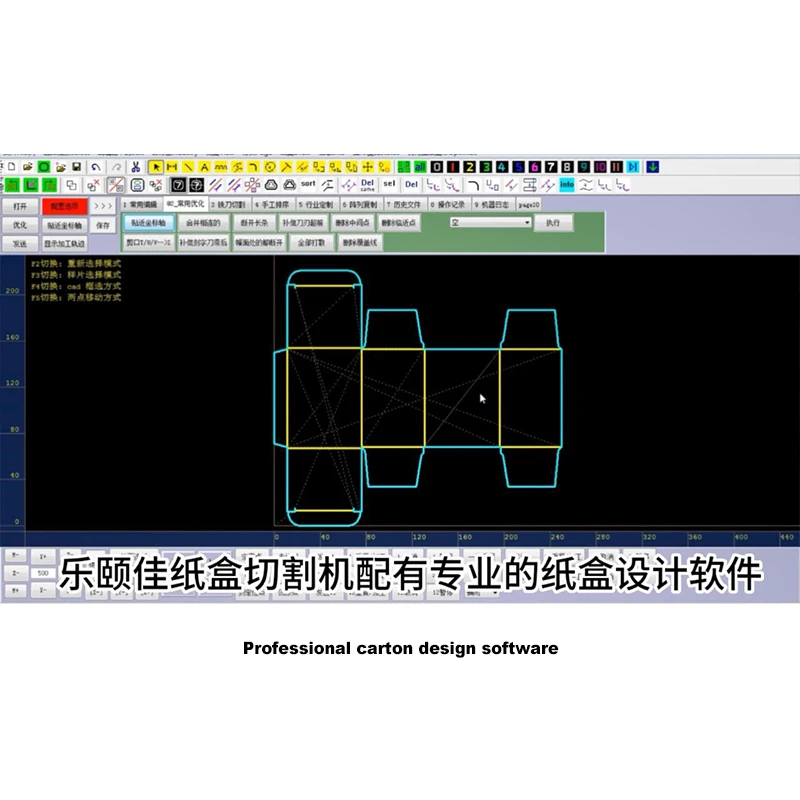
| Profile Format | DXF, OLT, PDF, AI |
| Data Transfer | Ethernet port |
| Safety Devices | Infrared sensors, emergency stop |
| Software | Professional carton nesting software with customized language support |
| Frame | Welded thick square seamless steel structure, high-temperature treated |
| Blade Supply | 10 pieces of oscillating blades included |
| Warranty | 1 year (excludes felt and knife blades) |
| Delivery Time | <30 working days |
Application Suitability
| Application | Material or Output |
|---|---|
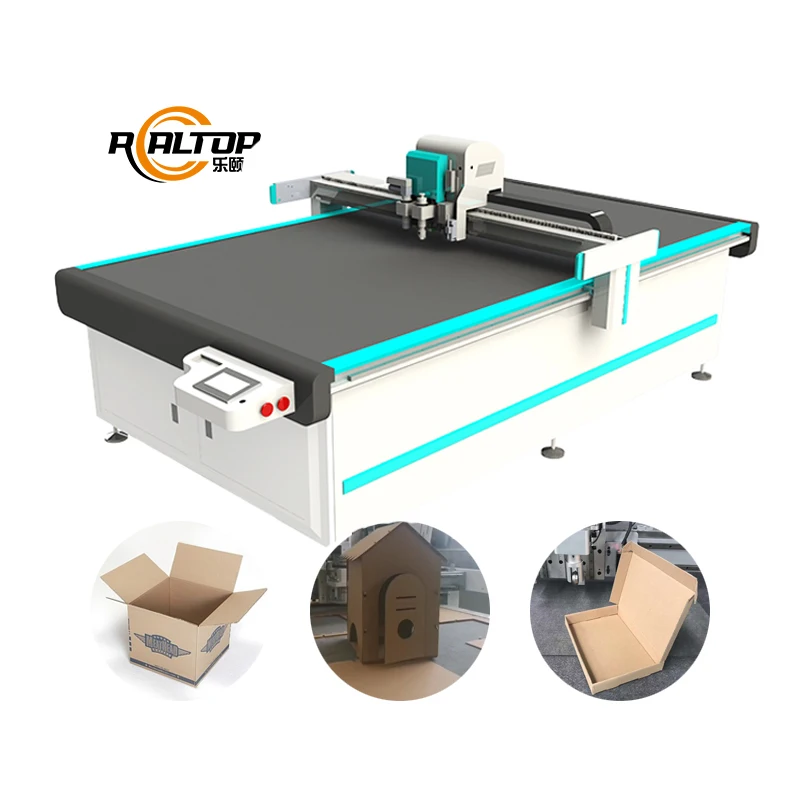
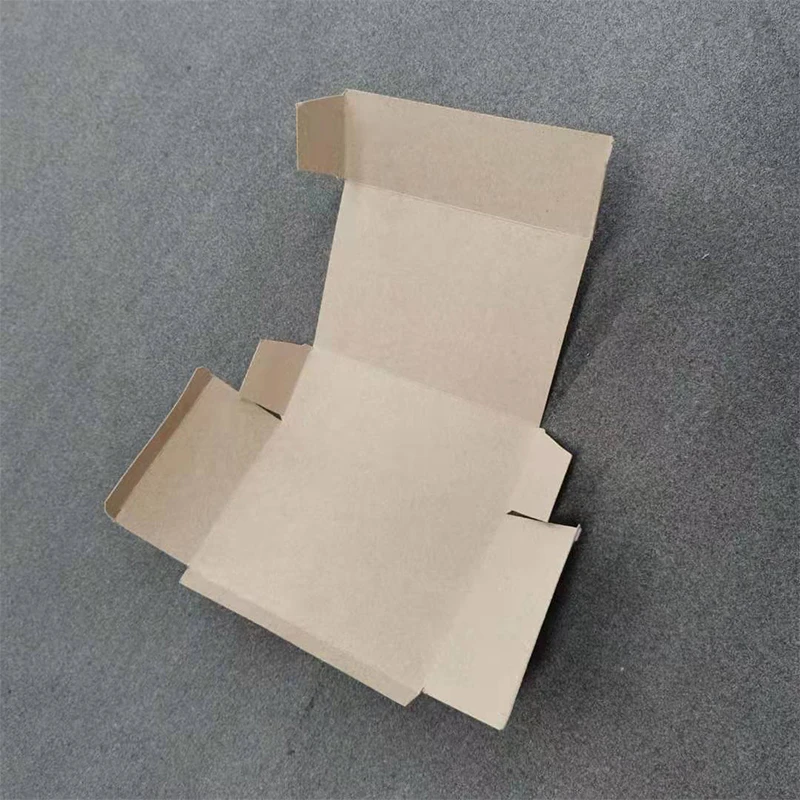
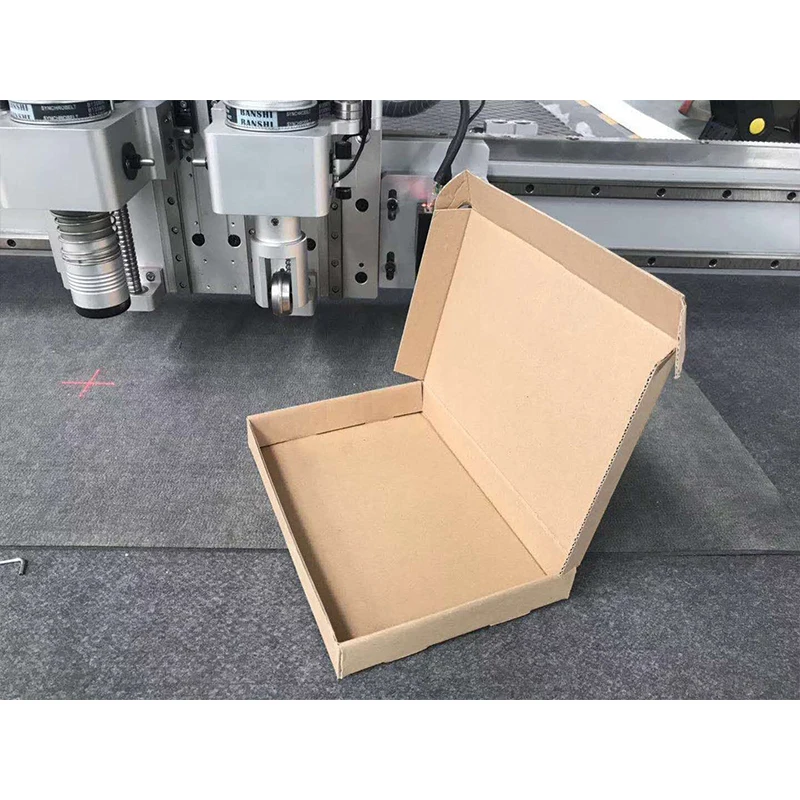
| Packaging carton and box sample making | Corrugated board, cardstock and gray board up to 18 mm without physical dies |
| Sticker and label contour cutting | Self-adhesive vinyl, PP paper and printed label stock with kiss-cut control |
| Electrical appliance packaging | Multi-layer cardboard inserts and protective corner pads |
| Express paper box packaging | Lightweight corrugated and kraft formats with crease-and-cut in one pass |
| Snack food and gift box packaging | Coated cardstock, laminated paperboard and decorative board |
| Billboard and business card cutting | PVC sheet, PP board and heavy cardstock in short-run formats |
Why the Wrong Tool Head Wastes More Material Than You Think
Specifying a CNC oscillating knife cutting machine by working area alone is the most common mistake I see when visiting packaging converters. A buyer in Lagos once ordered a flatbed unit to cut laminated cardstock for gift boxes, only to find the drag knife crushed the flutes and the crease line split on every third sample.
The tool head must be matched to the material grade and thickness before the table size is decided.
When the creasing wheel diameter does not match the flute profile, the fold cracks. When the oscillating knife stroke is too aggressive for thin sticker stock, the kiss-cut goes through the liner and ruins the roll. These problems show up after the machine is on the shop floor, not in the quotation [NEED_CITE: common tooling mismatch issues in digital finishing]. I now send a material sample request before any configuration is locked.
Tool Head Selection by Packaging Substrate
The RT–R2513, RT-D2516 and RT-S2516 share a modular tool head carriage that accepts the oscillating knife, creasing tool, kiss-cut knife and round punch in one cycle. For corrugated E-flute and B-flute board, the oscillating knife delivers a clean vertical edge while the creasing wheel scores the fold line at a depth calibrated to the flute pitch. For self-adhesive label stock, the kiss-cut tool replaces the oscillating blade so the cut stops at the liner without perforating it.
This means a carton sample maker running short-run prototypes can cut the outer profile, score every fold, and punch a finger hole or ventilation slot in a single pass, eliminating the die-making step entirely and reducing setup time per new box format.
Vacuum Zoning for Small Carton Parts
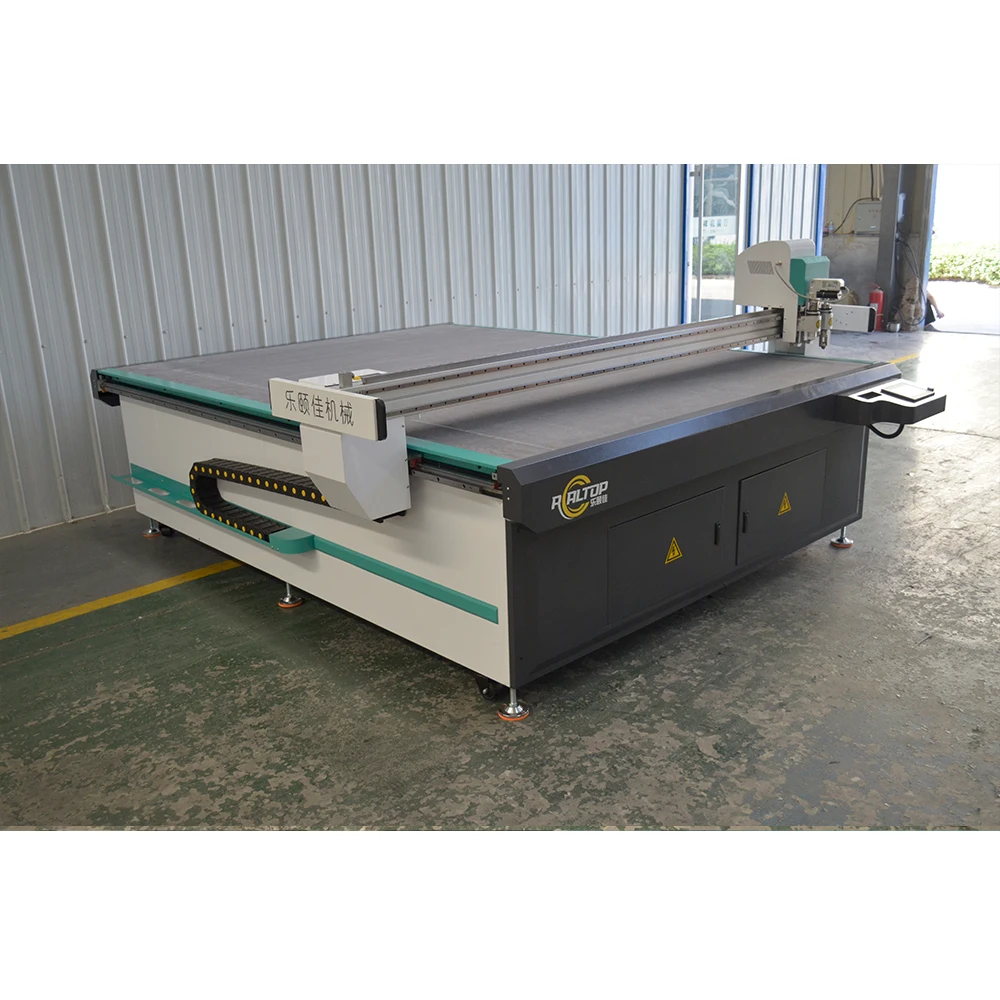
The aluminum alloy honeycomb table is divided into independently controlled vacuum zones. When cutting small items like business cards or narrow carton dividers, only the zone beneath the cutting path is activated, concentrating suction where the material would otherwise lift under knife drag.
I have watched operators in Nairobi struggle with thin PP paper curling at the edges on non-zoned tables, forcing them to tape down stock and lose cutting area. Zoned adsorption solves that problem at the machine level rather than the operator level [NEED_CITE: vacuum table zoning impact on small part holding in flatbed cutting]. The honeycomb structure also keeps the surface flat under repeated vacuum cycles, which matters when repeated accuracy is specified at <0.05 mm.
Reading the Specs That Actually Matter
The ≤18 mm cutting thickness figure applies to soft, non-abrasive substrates such as foam board and unlaminated cardstock. Dense corrugated with coated liners cuts cleanly up to a lower practical limit, so a sample test on the buyer’s exact board grade is the only reliable confirmation. The <0.05 mm repeatability comes from the imported straight-line square guide paired with rack transmission; this pairing holds crease-to-cut registration across the full 2500 mm length, which is where cheaper belt-driven setups drift over long die-lines.
The 9 kW rated power covers the spindle, vacuum pump draw and conveyor drive simultaneously, so the electrical supply must be sized for continuous combined load, not just the cutting head alone. Ethernet data transfer avoids the driver and cable-length limitations of USB, a practical detail when the machine sits away from the design office. Profile import in DXF, OLT, PDF and AI means the nesting software reads artwork directly from the buyer’s existing design workflow without intermediate conversion.
The Cost of Skipping Voltage and Software Checks
In Ghana, I once stood next to a newly delivered carton sample cutter that sat idle for three weeks because the local supply was 415 V at 50 Hz while the control cabinet was wired for 380 V at 60 Hz. The servo driver tripped on overvoltage within seconds of power-up, and a transformer retrofit had to be air-freighted. That delay cost the buyer an entire production window [NEED_CITE: voltage and frequency standards by export market].
Software incompatibility is quieter but equally expensive. A packaging converter in Karachi sent AI files from their structural design package, only to discover the nesting software required DXF with closed polylines, adding a manual cleanup step to every new die-line. Both problems are solvable at the quotation stage if the electrical schematic and file format test are treated as mandatory checkpoints rather than optional paperwork.
Why Buyers Source This Equipment Here
The oscillating knife and creasing tool configuration is designed in-house, so a packaging buyer can switch from corrugated to sticker stock by changing the tool cartridge rather than ordering a second machine. Tool head and table configurations are specified per material and daily volume, not quoted as a generic working-area package.
CCD camera positioning is available for printed contour work on sticker and label stock, with tracking performance verified on the buyer’s own printed sheet before order. Software compatibility with the buyer’s existing DXF, AI or PDF workflow is confirmed through a file import test during the sampling stage. Voltage, plug type and control panel language are locked on the electrical schematic before production begins, not discovered at the container door.
Documentation & Verification
- Machine specification sheet listing the exact tool head and table combination for your carton grade
- Electrical schematic with voltage, frequency and plug type confirmed for your facility supply
- Sample cutting report on your own cardboard or sticker stock with edge and crease photographs
- Software licence and file format compatibility note showing DXF, AI and PDF import results
- Factory test record documenting repeatability measurement across the full working area before dispatch
- CE declaration documentation applicable to the destination market requirements
Installation, Commissioning & Support
- Allocate a level concrete pad for the 3550×1910 mm (RT–R2513) footprint with clearance on three sides for material loading
- Provide a dedicated 380 V circuit rated above 9 kW continuous load with earth leakage protection matched to the servo drive
- The vacuum pump and main spindle share the control cabinet; verify incoming phase sequence before first power-up
- Initial commissioning includes crease depth calibration on your corrugated grade and kiss-cut depth adjustment on your label stock
- Operator training covers tool head cartridge changeover, vacuum zone mapping and nesting software import from your existing design files
- Ten oscillating blades ship with the machine; felt belt and blade replacement schedule is set by material abrasiveness, not calendar time
Before You Send the Inquiry
To configure the correct tool head and table layout, share the exact material types you run — corrugated flute grade, cardstock GSM, sticker liner thickness — along with typical sheet size and daily output target. State your facility voltage, frequency and plug standard so the electrical schematic is correct from the first draft. If you already use a specific structural design or nesting software, send a sample file so format compatibility is verified before the quotation is issued.
Frequently Asked Questions
Q: How is cutting thickness verified for my specific corrugated or cardstock grade?
A: The ≤18 mm figure is a general ceiling for soft substrates. We cut sample pieces from your actual board at your stated flute profile and coating, then measure edge quality, delamination and crease integrity. The verified practical limit for your grade is recorded in the sample report before any purchase commitment is made.
Q: Which tool head should I use — oscillating knife, drag knife or creasing wheel?
A: The oscillating knife handles corrugated and thick cardstock with a vertical stroke that avoids crushing flutes. The kiss-cut tool is used for sticker and label stock where the cut must stop at the liner. The creasing wheel scores fold lines at a depth matched to your flute pitch. All four tools mount on the same carriage.
Q: Can the CCD camera track printed registration marks on my label stock at production speed?
A: CCD contour recognition is available as a configuration option for printed sticker and label work. We test tracking on your own printed sheet, including your mark size, ink density and contrast ratio, and document the results at running speed before the machine is approved for build.
Q: What vacuum zoning is available for small carton parts?
A: The aluminum alloy honeycomb table is divided into multiple zones that can be activated independently. For small parts like business cards or narrow dividers, only the zone under the cutting path pulls vacuum, preventing edge lift without wasting suction on empty table area.
Q: Is the carton nesting software included, and does it read my existing file formats?
A: The professional carton nesting software is included with a licence tied to the machine. It imports DXF, OLT, PDF and AI files directly. Before shipment we run your sample die-line through the software and send you the import result so you can confirm there is no conversion loss in your workflow.


商品评价
Clear filtersThere are no reviews yet.