





Fast Shipping
Carrier information

20k products
Payment methods

24/7 Support
Unlimited help desk

2-day Delivery
Track or off orders
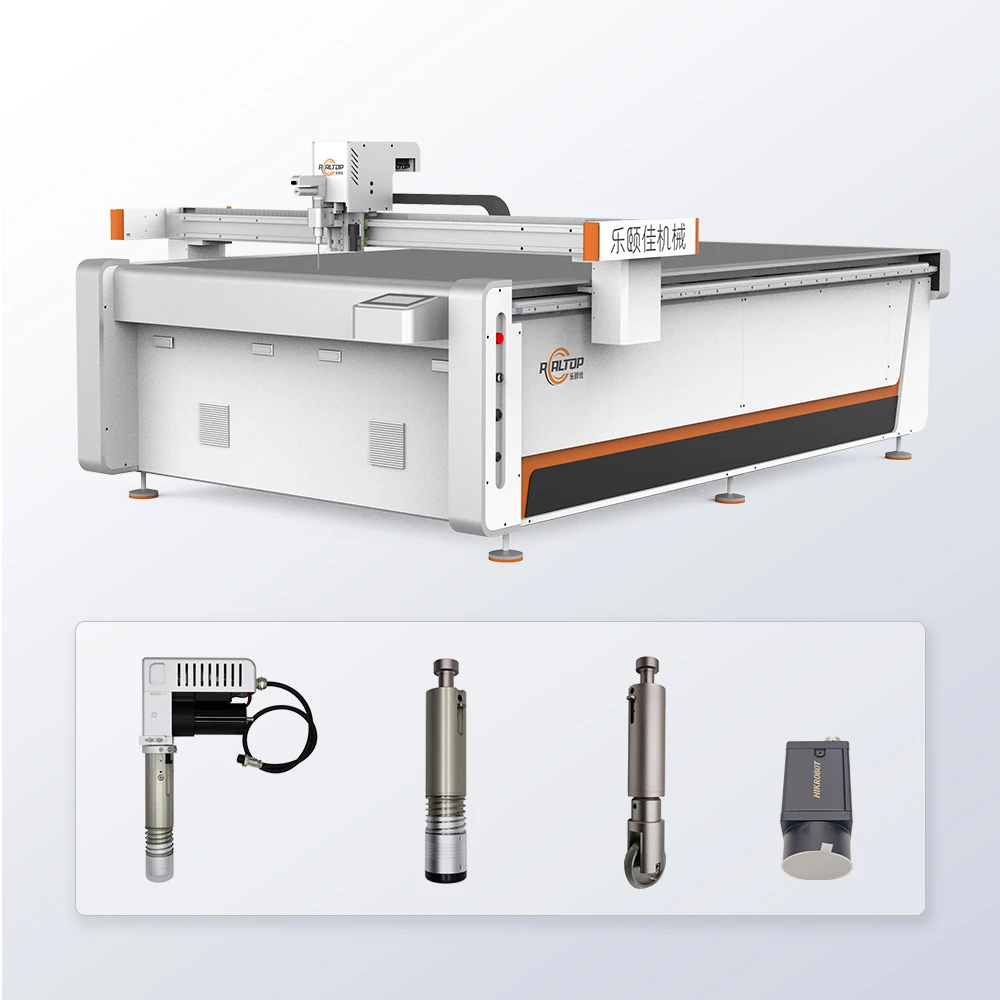
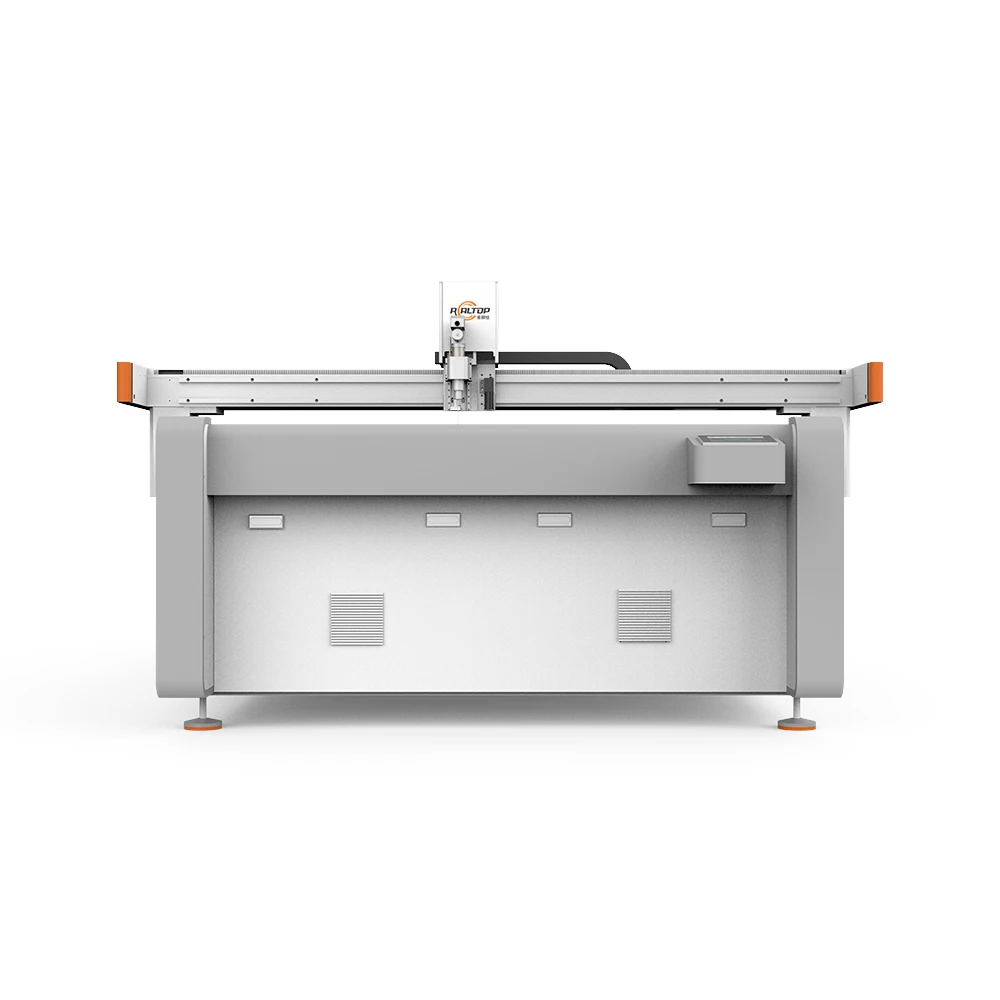
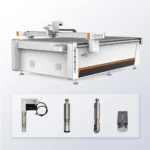
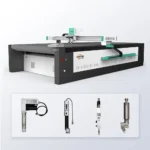
Material-matched tool head configuration — oscillating knife, drag knife, creasing wheel and milling options selected per substrate rather than forcing one blade across every job.
Technical Specifications
| Parameter | Value |
|---|---|
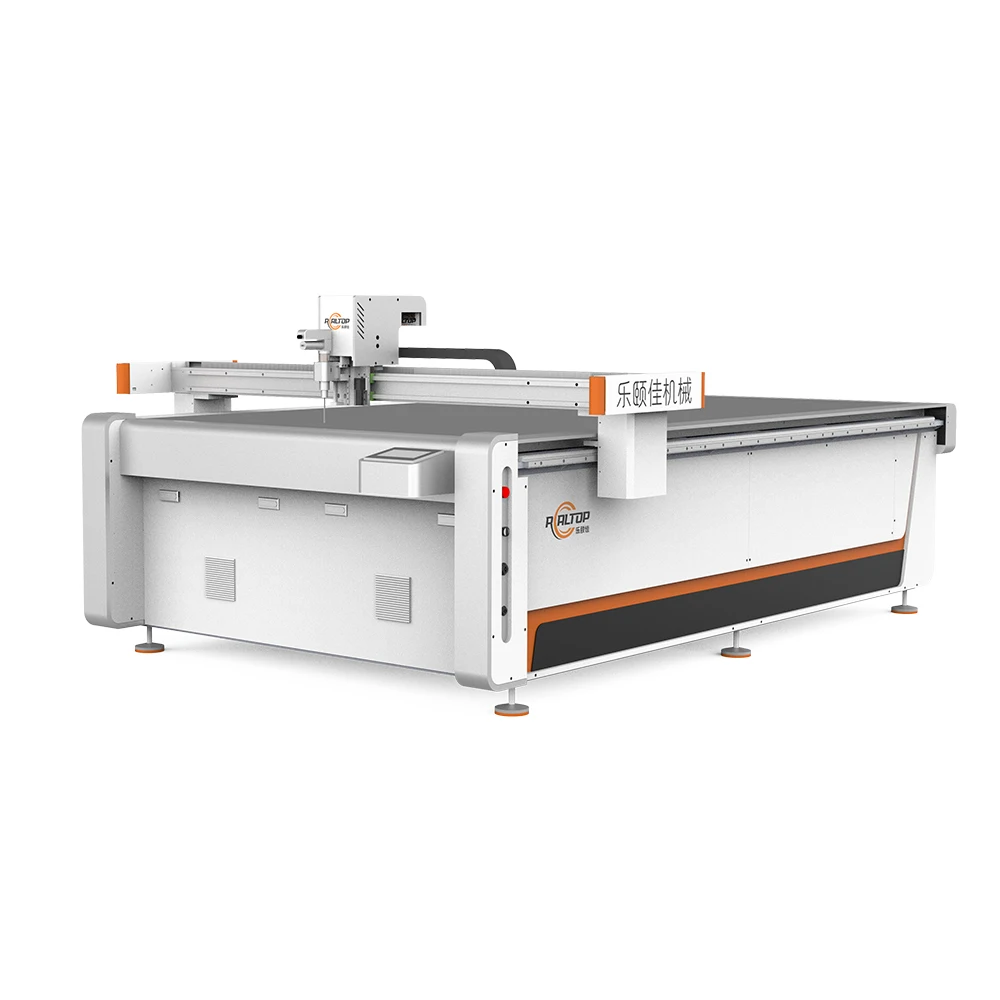
| Product Type | CNC Oscillating Knife Cutting Machine |
| Working Area | 1600 × 2500 mm |
| Tool Head Options | Oscillating knife, Driven rotary knife, Creasing wheel, Kiss cutting tool, Pneumatic knife, Milling tool, V groove knife |
| Cutting Speed Range | 0–2000 mm/s |
| Maximum Cutting Thickness | ≤ 30 mm |
| Cutting Accuracy | ±0.1 mm |
| Vacuum Table | Aluminum bellows with full-surface adsorption |
| Vacuum Pump | 9 kW |
| Control System | PLC with dedicated packaging box structure design module |
| Servo Motor Options | Panasonic, Delta, Dorna |
| Compatible File Formats | PLT, DXF, AI, PDF |
| Voltage Options | 110V, 220V, 380V |
| Safety Devices | Infrared sensor and emergency stop |
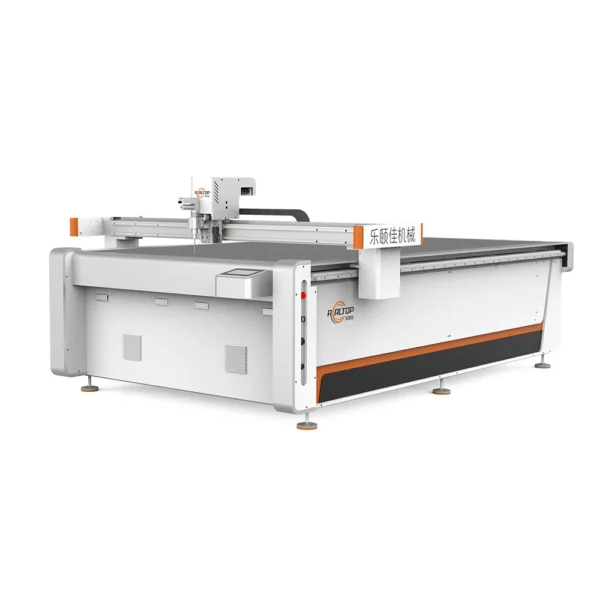
| Machine Dimensions | 3300 × 2100 × 1350 mm |
| Language Options | English, Russian, Italian, Chinese (custom languages available) |
| Machine Frame | Heavy-duty with precision-ground surface |
Application Suitability
| Application | Material or Output |
|---|---|
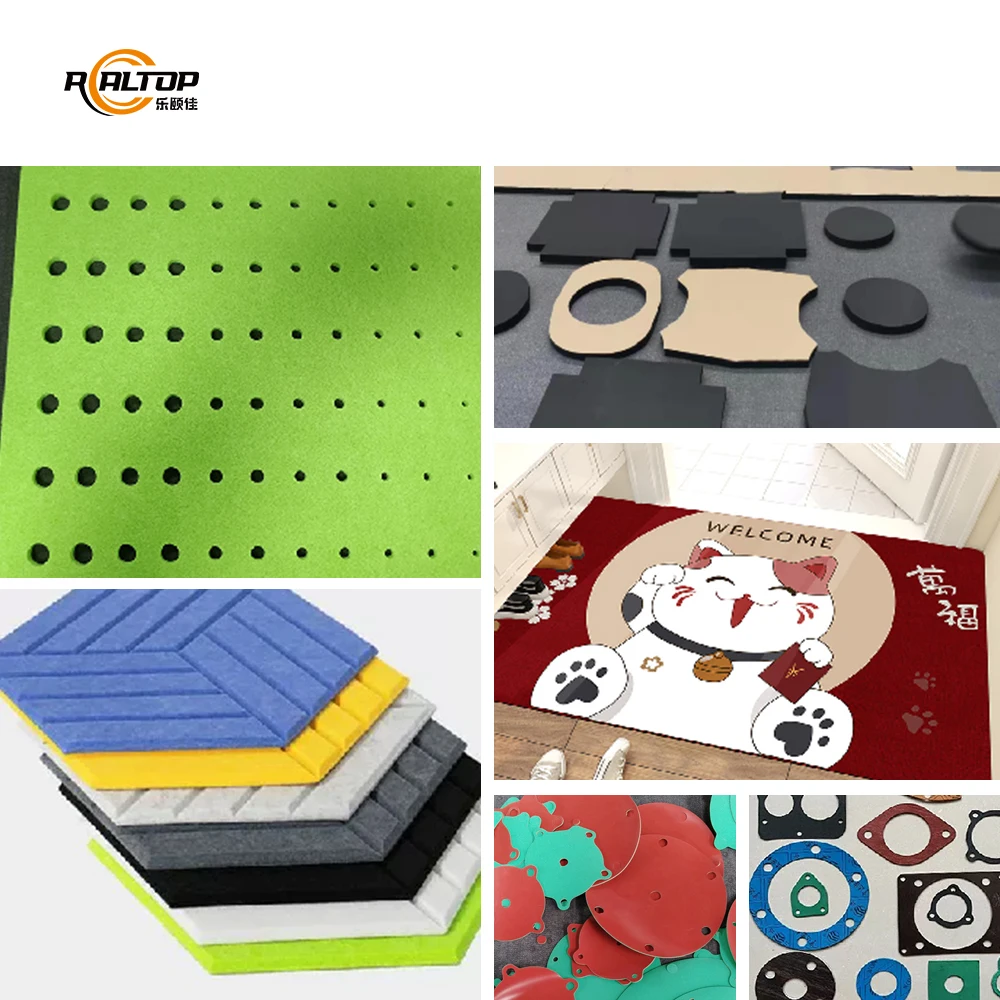
| Packaging and carton sample making | Corrugated board, grey board, folding carton stock with creasing and kiss-cutting |
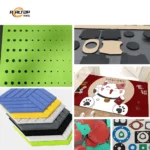
| Automotive interior and gasket production | Acoustic felt, damping pads, carpeting, sealing strips |
| Aerospace composite layup | Carbon fiber prepreg, aramid honeycomb, fiberglass cloth, insulation foam |
| Wind energy and new materials | Fiberglass cloth, carbon fiber fabric, vacuum infusion mesh, foam core |
| Sporting goods manufacturing | Carbon fiber sheets, Kevlar, high-performance foam, composite fabrics |
| Advertising and signage fabrication | PVC foam board, EVA sheets, acoustic panels, display board |
What the Cutting Thickness Rating Actually Depends On
A 30 mm rating tells you nothing until you pair it with the right tool head, blade profile and vacuum zone for the specific material on your table.
Buyers often quote cutting depth as a single number, then discover that the same machine struggles when they switch from soft EVA foam to dense rubber gasket stock. The difference is not the machine frame — it is whether the tool head was chosen for that particular substrate, and whether the vacuum zoning can hold smaller nesting parts flat against the aluminum bellows table during high-speed oscillation. Specifying a CNC oscillating knife cutting machine specifications sheet without locking down the material stack is the fastest route to a machine that works in the factory demo but fails on your shop floor [NEED_CITE:tool head selection criteria by substrate density and abrasiveness].
How Tool Head Selection Maps to Substrate Type
The seven available tool heads exist because no single blade geometry handles both corrugated carton creasing and carbon fiber prepreg cutting. Oscillating knives work well on foams, textiles and softer composites because the rapid vertical stroke slices through without dragging the material. Driven rotary knives handle continuous cuts on fabrics and thin films where a clean shear edge matters more than depth. Creasing wheels score fold lines into board stock without breaking the surface fibers, which is essential for packaging sample makers who need the carton to fold cleanly on the second and third crease alike.
Vacuum Zoning and Small-Part Stability During Production Runs
When nesting multiple gaskets or packaging samples across the 1600 × 2500 mm bed, smaller parts tend to lift at the edges once the knife exits the cut. The aluminum bellows vacuum table provides full-surface adsorption, but the real question is whether the zoning matches your typical nesting layout. If most of your parts cluster in one quadrant, you need the vacuum system to maintain suction in that zone without bleeding pressure across the entire table [NEED_CITE:vacuum table zoning standards for CNC flatbed cutting]. A 9 kW pump is substantial, yet the effectiveness still depends on how the zones are plumbed and whether the table surface seals properly around the part perimeter.
Reading the Numbers Behind the Specification Sheet
The ±0.1 mm cutting accuracy figure is achievable under PLC control with servo motors from the available options — Panasonic, Delta or Dorna — because closed-loop feedback corrects positioning drift during long production runs. Cutting speed listed at 0–2000 mm/s is the travel speed range; actual productive cutting speed depends on material hardness and the number of passes required to penetrate the full thickness. For 30 mm EVA foam, the oscillating knife may handle it in a single pass at moderate speed, while 30 mm rubber gasket material requires slower travel and possibly a pneumatic knife with greater downward force. The software accepts PLT, DXF, AI and PDF formats, which covers most design workflows, but the dedicated packaging box structure design module is the feature that packaging sample makers should verify against their existing nesting and structural design files [NEED_CITE:software file format compatibility in CNC cutting workflows].
The Cost of Specifying by Working Area Alone
Choosing a machine based only on bed size and then discovering the tool head cannot handle your material is a recurring pattern in equipment procurement. A buyer cutting fiberglass-reinforced acoustic board will wear through standard oscillating blades rapidly and produce frayed edges, while a buyer working with thin adhesive-backed vinyl needs kiss-cutting precision that a heavy pneumatic knife cannot deliver. The mismatch does not show up during a quick demonstration on sample material — it appears two weeks into production when blade consumption spikes and rejected parts accumulate [NEED_CITE:blade wear patterns across abrasive composite materials].
Why Sourcing From a Knife-Cutting Specialist Matters
The design and production capability covers both knife and laser technologies, which means the cutting method gets matched to the material instead of forcing every job through one process. Tool head and table configurations are specified per material type and production volume, not left as a generic default. The sample cutting process uses the buyer’s own material before any order commitment, so blade type, cutting depth and edge quality are confirmed on the actual substrate. Voltage, control panel language and file format compatibility are documented and locked in before shipment rather than assumed. The in-house design team handles both standard and custom configurations, which matters when a buyer needs a non-standard working area or a specialized tool head arrangement.
Documentation & Verification
- Tool head and table configuration list matching each tool to your material and volume
- Sample cutting report on your own substrate confirming edge quality and blade life
- Electrical schematic with voltage confirmation for your local supply standard
- Software licence and file format compatibility note for PLT, DXF, AI and PDF import
- Factory test record showing positional accuracy across the full working area
Installation, Commissioning & Support
- Foundation must support the 3300 × 2100 × 1350 mm frame footprint with level access for the heavy-duty base
- Dedicated electrical circuit matching confirmed voltage (110V, 220V or 380V) before the machine arrives on site
- PLC control panel configured in your chosen language with packaging software module loaded and verified at factory
- Vacuum pump requiring separate power connection and initial seal check across all aluminum bellows zones
- First-run calibration with your material to set cutting depth, oscillation frequency and servo tuning parameters
- Spare blade and wear-part list provided with recommended reorder intervals based on your substrate
What to Include With Your Inquiry
Send the specific material type, thickness and sheet dimensions you will be cutting most frequently, along with your typical daily volume. Include a sample of your nesting file or structural design in whichever format your team currently uses, so software compatibility can be confirmed before quotation. Specify your local voltage, frequency and preferred control panel language so the electrical configuration is locked in early.
Frequently Asked Questions
Q: How do I know which tool head fits my material and thickness?
A: The seven available heads serve different substrate categories. Oscillating knives suit foams, textiles and softer composites; driven rotary knives handle continuous fabric cuts; creasing wheels score board for folding; pneumatic knives apply higher downward force for dense rubber. We run your actual material on our table and document blade type, cutting parameters and edge quality before recommending a configuration.
Q: Will the vacuum table hold small nesting parts flat during cutting?
A: The aluminum bellows table provides full-surface adsorption powered by a 9 kW pump. The key factor is whether vacuum zoning matches your typical nesting layout — if parts cluster in one area, the system must maintain suction there without pressure bleed. We review your nesting files and confirm zoning adequacy during the sample cutting stage.
Q: How is voltage and language confirmed before the machine ships?
A: We document the required voltage (110V, 220V or 380V), plug type and control panel language in the order specification. An electrical schematic is provided for your review, and the PLC panel is configured and tested in the chosen language before the factory test record is signed off.
Q: Can the software handle my existing file formats and nesting workflow?
A: The system accepts PLT, DXF, AI and PDF files, and includes a dedicated packaging box structure design module for carton sample work. We verify import compatibility with your specific files during the pre-order stage and provide a written compatibility note confirming which formats and nesting workflows have been tested.
Q: Do you cut my actual material before I commit to the order?
A: Yes. We run a sample cutting test on the material you send us, documenting tool head selection, blade type, cutting speed, pass count and edge quality. The sample cutting report becomes part of the order documentation, so the configuration is proven on your substrate before production begins.


商品评价
Clear filtersThere are no reviews yet.