



Fast Shipping
Carrier information

20k products
Payment methods

24/7 Support
Unlimited help desk

2-day Delivery
Track or off orders
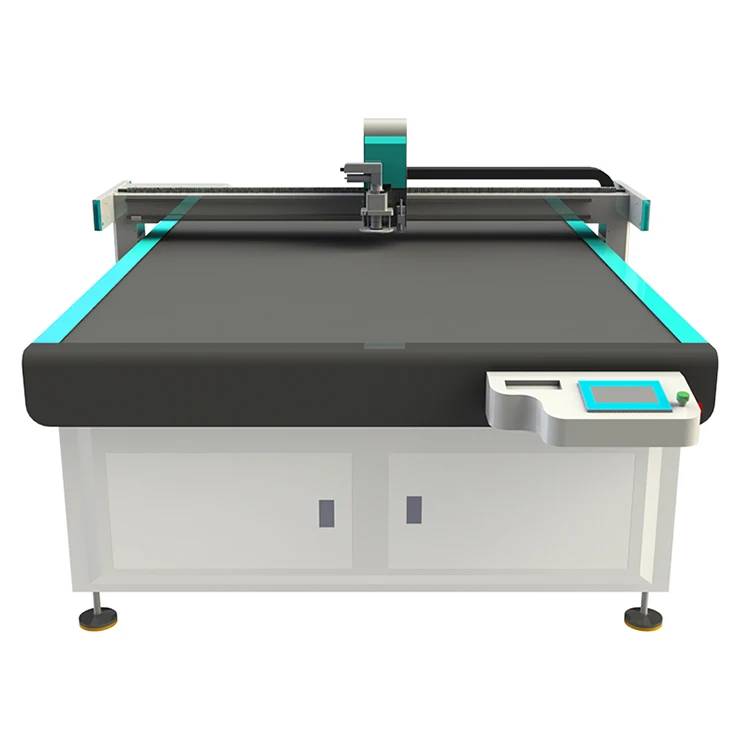
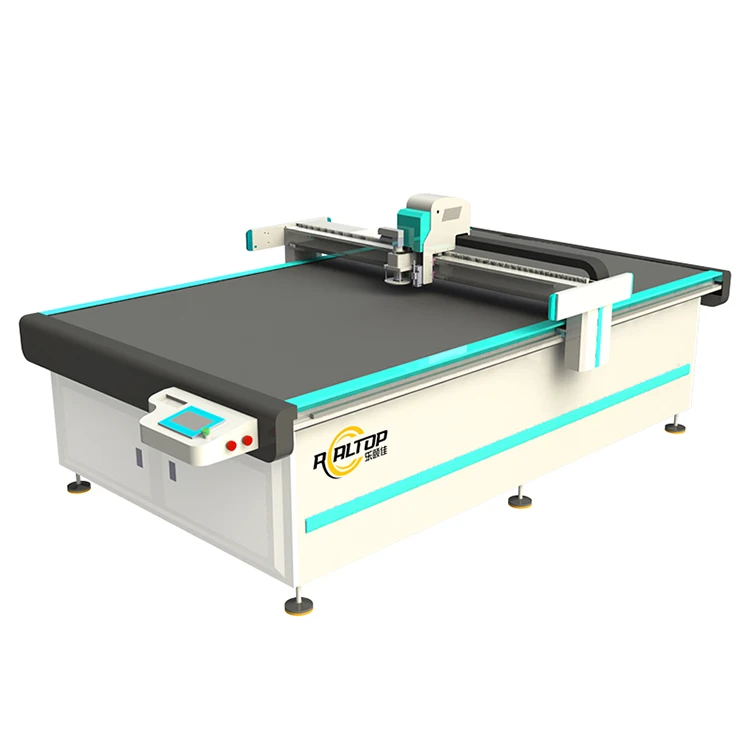
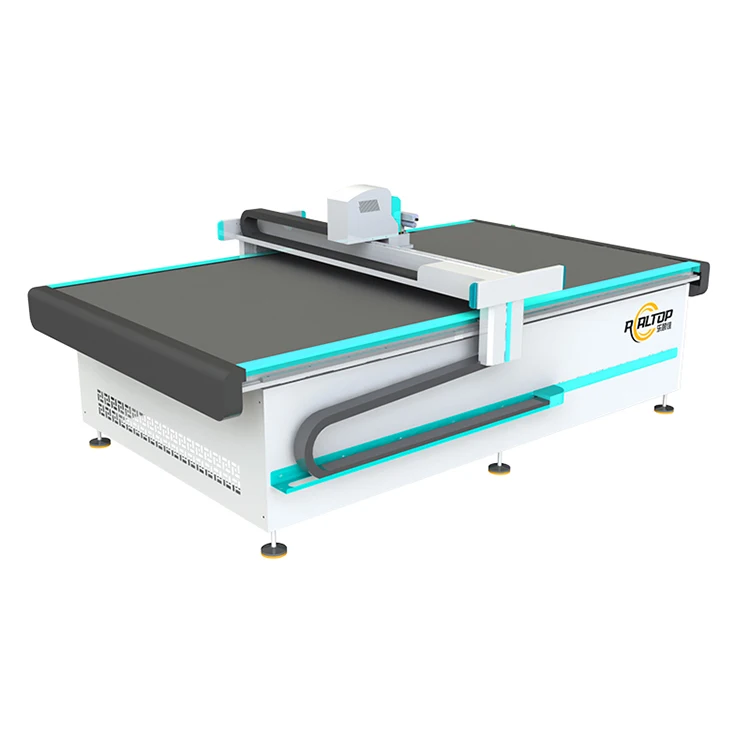
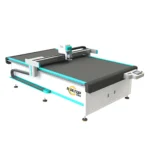
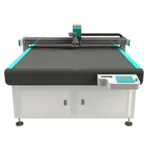
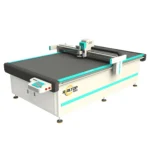
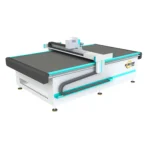
Swiss Knife Configured per Material — The oscillating head on the RT-D2516 / RT-S2516 is matched to EPE/EVA foam density and carton grade after sample testing, not assumed from a catalog chart.
Technical Specifications
| Parameter | Value |
|---|---|
| Model | RT-D2516 / RT-S2516 |
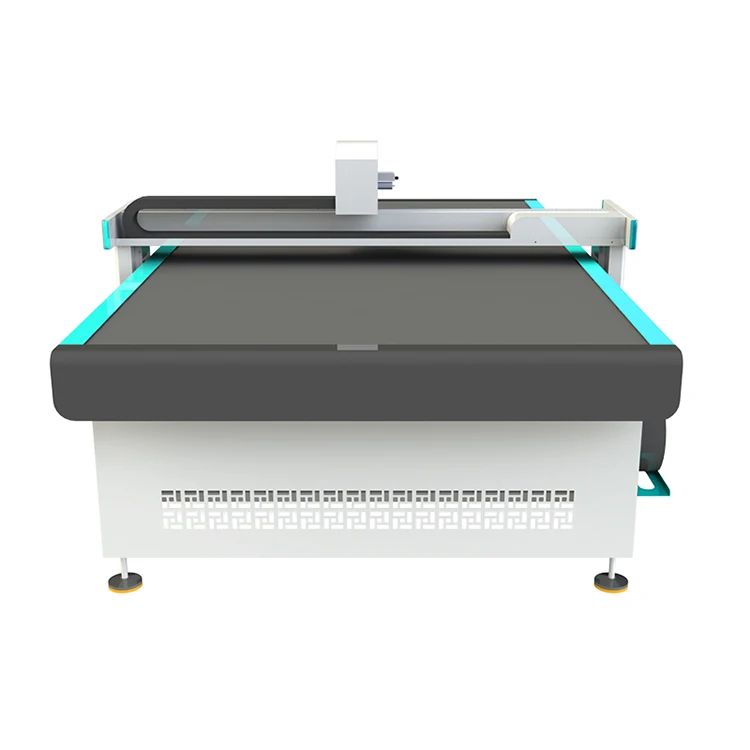
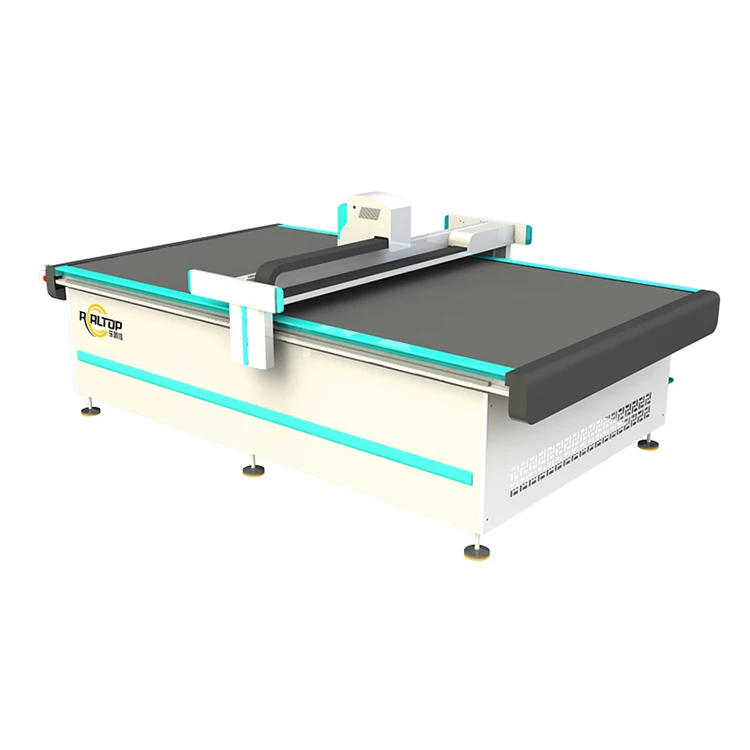
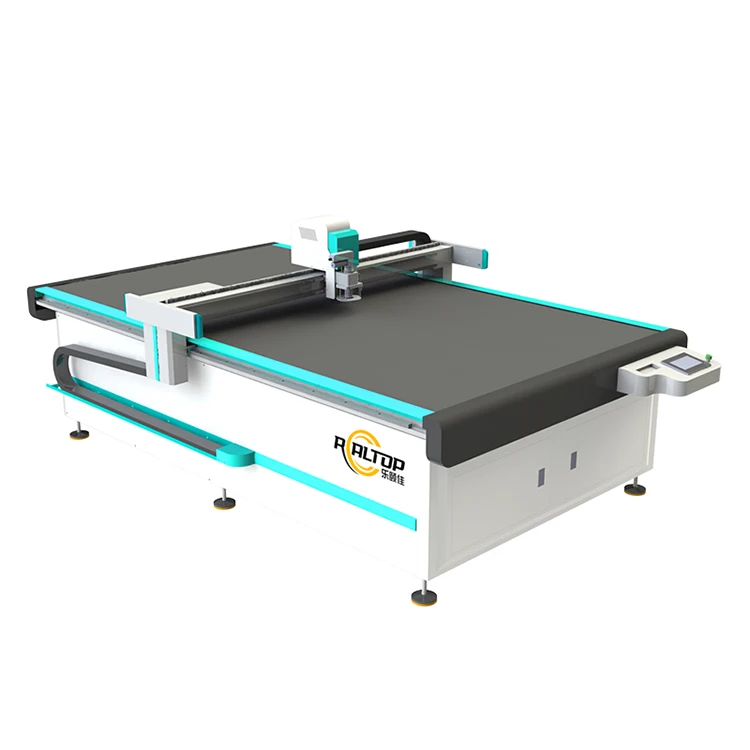
| Product Type | CNC Oscillating Knife Cutting Machine |
| Working Area | 1600 × 2500 mm |
| Overall Dimensions (L×W×H) | 3450 × 2300 × 1250 mm |
| Rated Power | 9 kW (basis to be confirmed against 11 kW title claim) |
| Voltage | 380V ±10% (frequency basis to be confirmed) |
| Tool Head | Swiss imported oscillating knife with full cut, half cut and cursor location |
| Translational Speed | 800–1200 mm/s |
| Cutting Speed (material) | 200–800 mm/s (basis not stated in source — confirm material type / thickness) |
| Repeatability | ≤0.1 mm |
| Transmission | Japanese Yaskawa digital servo, Taiwan Hiwin linear guide, synchronous belt, ball screw |
| Control System | HP-GL compatible format |
| Work Table | Flat vacuum table with 7.5 kW vacuum pump, Germany imported conveyor belt, auto feeding |
| Safety Device | Infrared sensors |
| Certification | CE |
Application Suitability
| Application | Material or Output |
|---|---|
| Packaging sample making | Corrugated board, card stock, grey board |
| Protective cushioning fabrication | EPE foam, EVA foam, sponge composite leather |
| Leather goods and footwear panels | Natural leather, PU, synthetic flexible materials |
| Gasket and seal cutting | PVC, soft glass, silicon, rubber sheets |
| Garment and textile panels | Clothing flexible materials, composite fabric |
Why the "Cutting Speed" Number Rarely Tells You What You Need
Clean edge quality on EPE and EVA foam depends on matching the oscillating knife frequency and stroke to the foam density, not on chasing the highest translational speed number.
I have seen packaging fabricators quote a machine based on the 1200 mm/s figure, then wonder why their high-density EVA inserts come out with crushed edges and ragged corners. The translational speed is the head moving through air. The material cutting speed — 200 to 800 mm/s as listed — is where the actual work happens, and even that range shifts depending on whether you are running 18 kg/m³ EPE or a 60 kg/m³ EVA sheet [NEED_CITE: cutting speed variation by foam density and thickness]. Without a sample cut on your specific stock, the speed number on a spec sheet is a starting point, not a guarantee.
Knife Stroke and Frequency Tuned to Foam Cell Structure
An oscillating knife cuts by vibrating the blade at high frequency while the gantry moves across the sheet. For low-density EPE, a wider stroke clears the soft cells without dragging. For denser EVA, a shorter, faster stroke prevents the blade from deflecting and crushing the edge. The CNC oscillating knife cutting machine specifications on this page list the Swiss imported head with full cut, half cut and cursor location — but the real work is setting the stroke parameters to your material before production starts.
Vacuum Zoning for Small Packaging Inserts
The 7.5 kW vacuum pump pulls through a flat table with zone control. Small packaging inserts — think camera case foam or electronics cushioning — have limited surface area, so a single large vacuum zone will not hold them flat at cutting speed [NEED_CITE: vacuum hold-down requirements for small-part CNC cutting]. Zoning the table lets the operator activate only the section under the workpiece, concentrating suction where it matters and preventing parts from lifting mid-cut.
Transmission Components and Edge Repeatability
The combination of Yaskawa digital servos and Hiwin linear guides holds repeatability at ≤0.1 mm across the 1600 × 2500 mm bed. For packaging sample making, this means a die-line cut today will overlay the same file cut next month, which matters when sample approval leads to a production run. Ball screw and synchronous belt transmission work together to eliminate the backlash that shows up as stepped edges on curved cuts.
Control System and File Workflow Compatibility
The HP-GL compatible control system accepts standard plotter files that most packaging design software can export. Before the order is confirmed, the file format and nesting workflow need to be verified against the buyer’s existing CAD output, so there are no surprises at commissioning.
The Cost of Guessing Instead of Testing
A fabricator in Jinan once ordered a machine based on a working area requirement alone, confident the standard knife configuration would handle his EVA foam inserts. When the material density ran higher than the sample he had initially provided, every edge came out compressed and unusable — an entire batch was reworked. That experience is why actual material testing on the target machine must come before the purchase order, not after [NEED_CITE: material density variation in packaging foam supply chains].
Why Source the Machine from This Build
The oscillating knife head is specified per material and production volume, not selected from a default list. Tool head and table configuration — including vacuum zone layout and conveyor belt specification — are confirmed in writing before production. Sample cutting on the buyer’s own material generates a report covering edge quality, cutting depth and cycle time, so the configuration is validated before the machine ships. Electrical schematics with voltage and frequency confirmation match the buyer’s facility, and software licence documentation confirms HP-GL import compatibility. CE declaration is provided where applicable to the destination market.
Documentation & Verification
- Sample cutting report on your EPE or EVA foam stock before order confirmation
- Tool head and vacuum zone configuration list matched to your sheet size and part geometry
- Electrical schematic with voltage and frequency confirmation for your facility
- Software licence and HP-GL file format compatibility note issued at shipment
- Factory test record covering the full working area travel before dispatch
Installation, Commissioning & Support
- Flat floor required; the 3450 × 2300 × 1250 mm footprint needs clearance for conveyor infeed and offcut removal
- Dedicated 380V circuit with ±10% tolerance and confirmed frequency for the 9 kW rated load plus 7.5 kW vacuum pump
- Machine ships fully assembled on the flat vacuum table frame; conveyor belt and auto-feeding unit fitted at site
- First-run parameter setting includes vacuum zone mapping and oscillating knife stroke calibration for your material
- Operator training covers HP-GL file import, nesting workflow and tool head changeover between full cut and half cut
- Consumable blade replacement schedule provided; infrared sensor system check included in preventive maintenance cycle
What to Include in Your Inquiry
Send the material type, density and sheet thickness you run most often, along with a daily volume target and the maximum part dimensions. Confirm your workshop voltage and frequency, the control language preference, and whether your existing CAD software outputs HP-GL directly or through an intermediate nesting program. If possible, courier a sample of your actual stock so we can run a cutting test before the configuration is finalized.
Frequently Asked Questions
Q: How is cutting thickness verified across different foam densities and board grades?
A: Each material is sample-cut on the target machine before the order is confirmed. The test covers the thickness range you specify, and a report documents edge quality, depth achieved and any knife stroke adjustments needed. This eliminates assumptions based on generic charts and ensures the configuration fits your actual stock.
Q: Which tool head fits my material and edge requirement?
A: The Swiss imported oscillating knife handles full cut, half cut and cursor location for most EPE, EVA, leather and flexible materials. For carton creasing or drag-cutting vinyl, alternative heads are available. The selection is confirmed after reviewing your material samples and edge finish requirements, not assumed from a catalog grid.
Q: How does vacuum table zoning handle small parts that tend to lift?
A: The flat vacuum table is divided into zones activated independently. For small packaging inserts, only the active zone is engaged, concentrating the 7.5 kW pump suction on the workpiece area. This prevents lightweight or narrow parts from lifting during high-speed oscillating knife passes.
Q: What voltage, frequency and control language options are confirmed before shipment?
A: The machine is configured to 380V ±10% as standard, with frequency and control language confirmed in writing before production begins. The electrical schematic included with shipment documents the exact wiring and breaker specification to match your facility supply.
Q: Can the machine integrate with my existing nesting software and HP-GL file workflow?
A: The control system accepts HP-GL compatible format. Before order confirmation, your existing CAD output is tested against the machine controller to verify file import, nesting compatibility and registration mark recognition. Any required adjustments are documented in the software licence and compatibility note shipped with the machine.


商品评价
Clear filtersThere are no reviews yet.