


Fast Shipping
Carrier information

20k products
Payment methods

24/7 Support
Unlimited help desk

2-day Delivery
Track or off orders
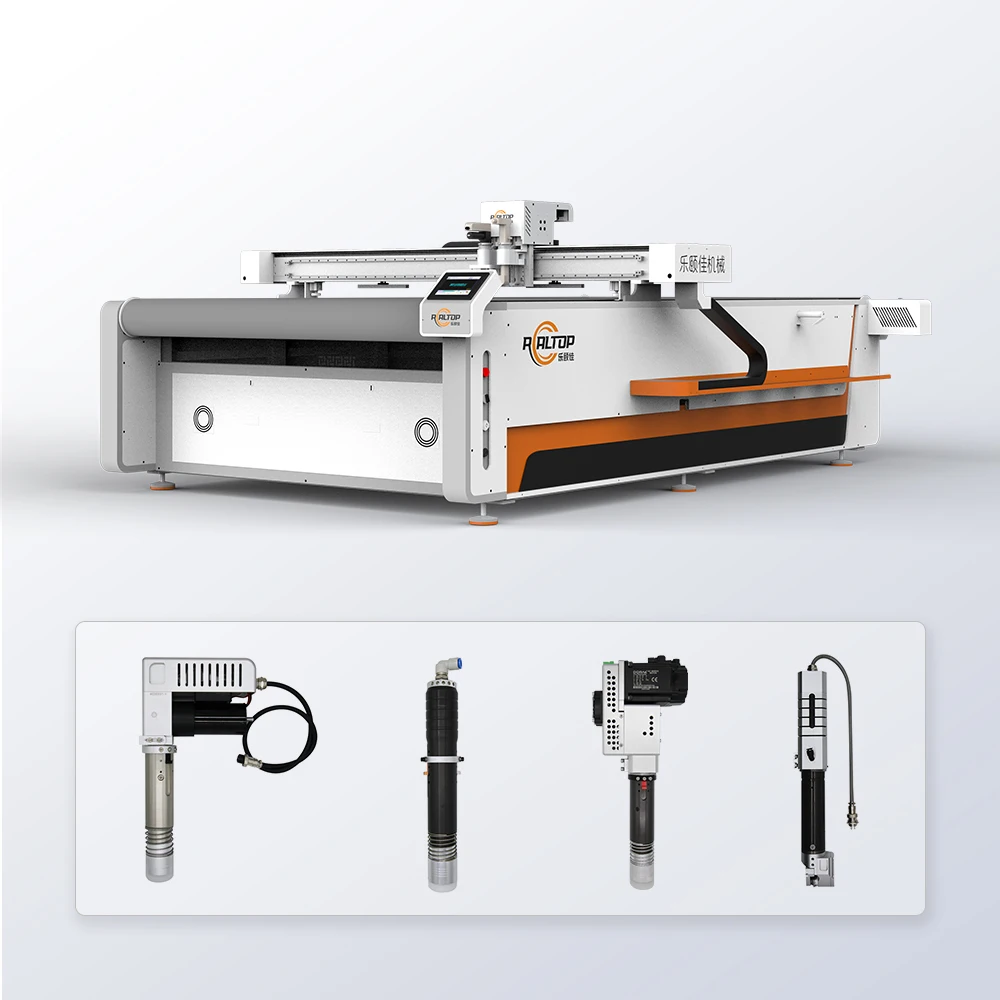
Tool Head Configurability — Seven interchangeable tool options on the 1625 platform allow buyers to match the cutting method to fabric density, layer count, and edge requirement rather than compromise on a single fixed head.
Technical Specifications
| Parameter | Value |
|---|---|
| Model | 1625 |
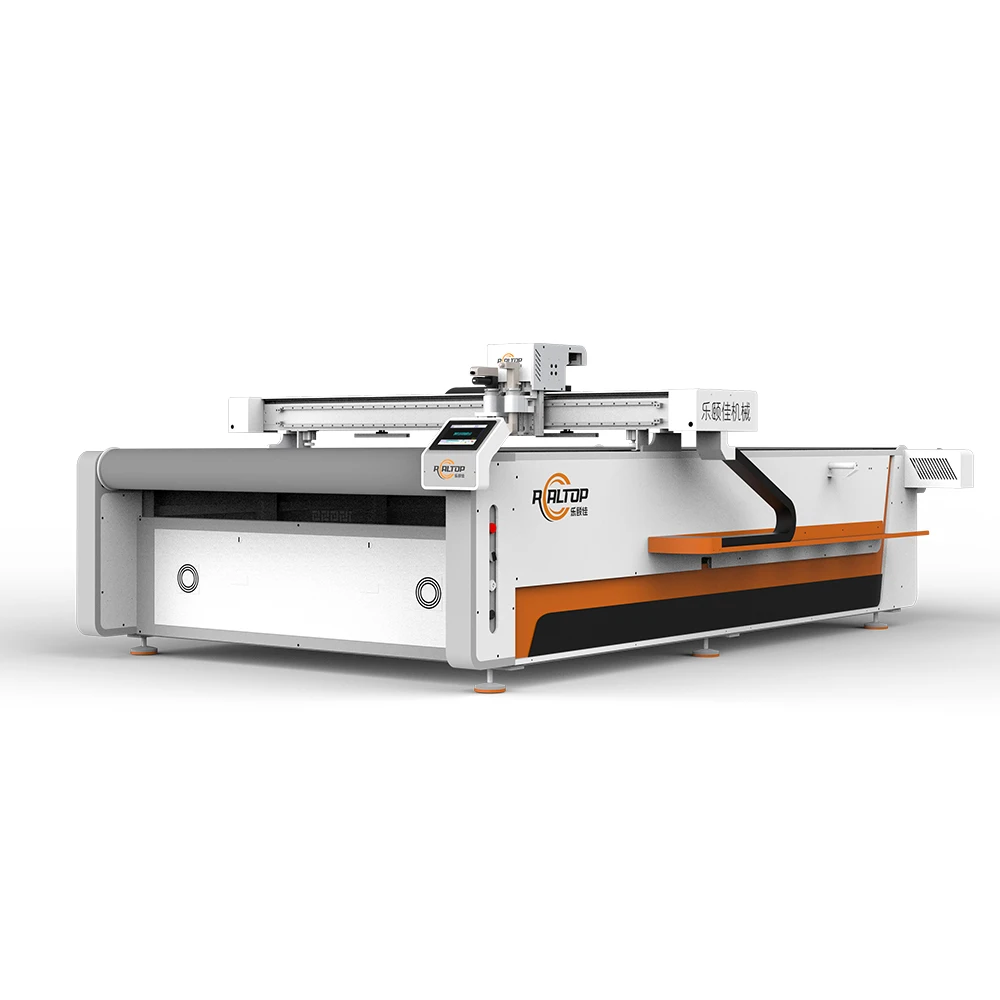
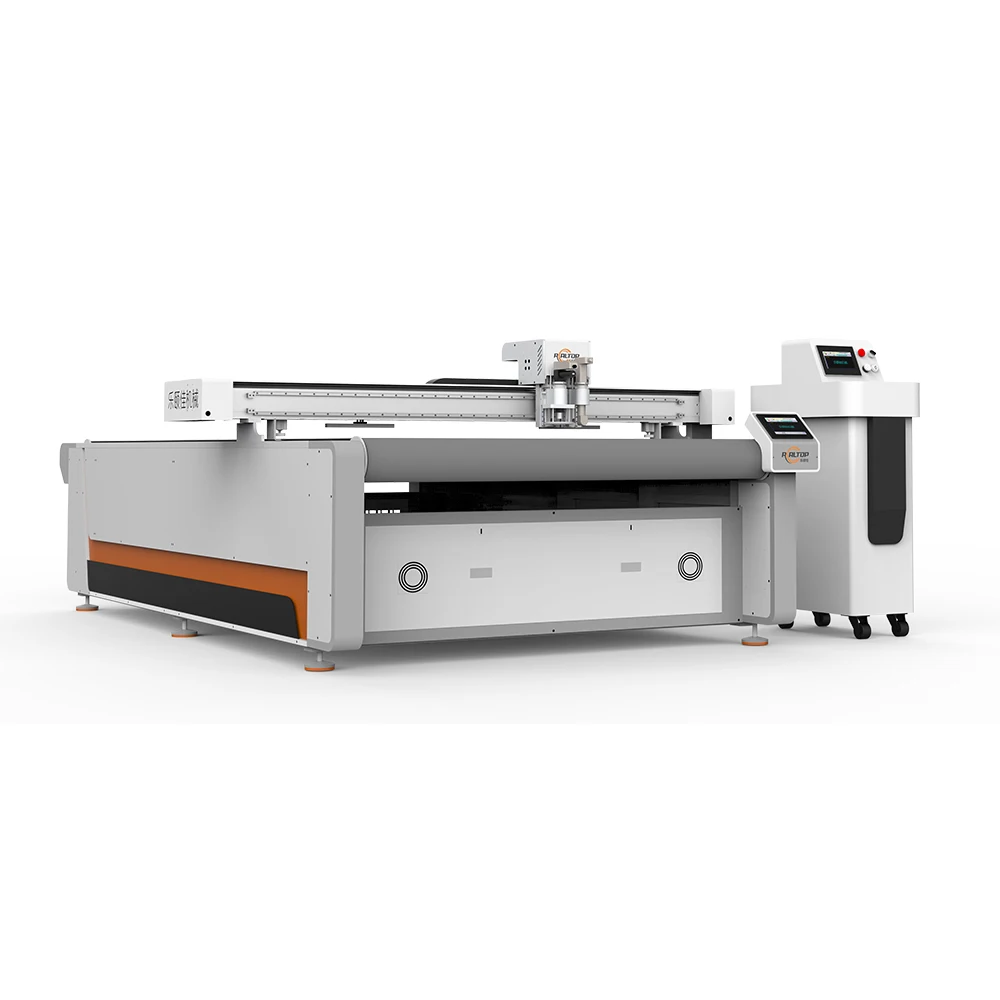
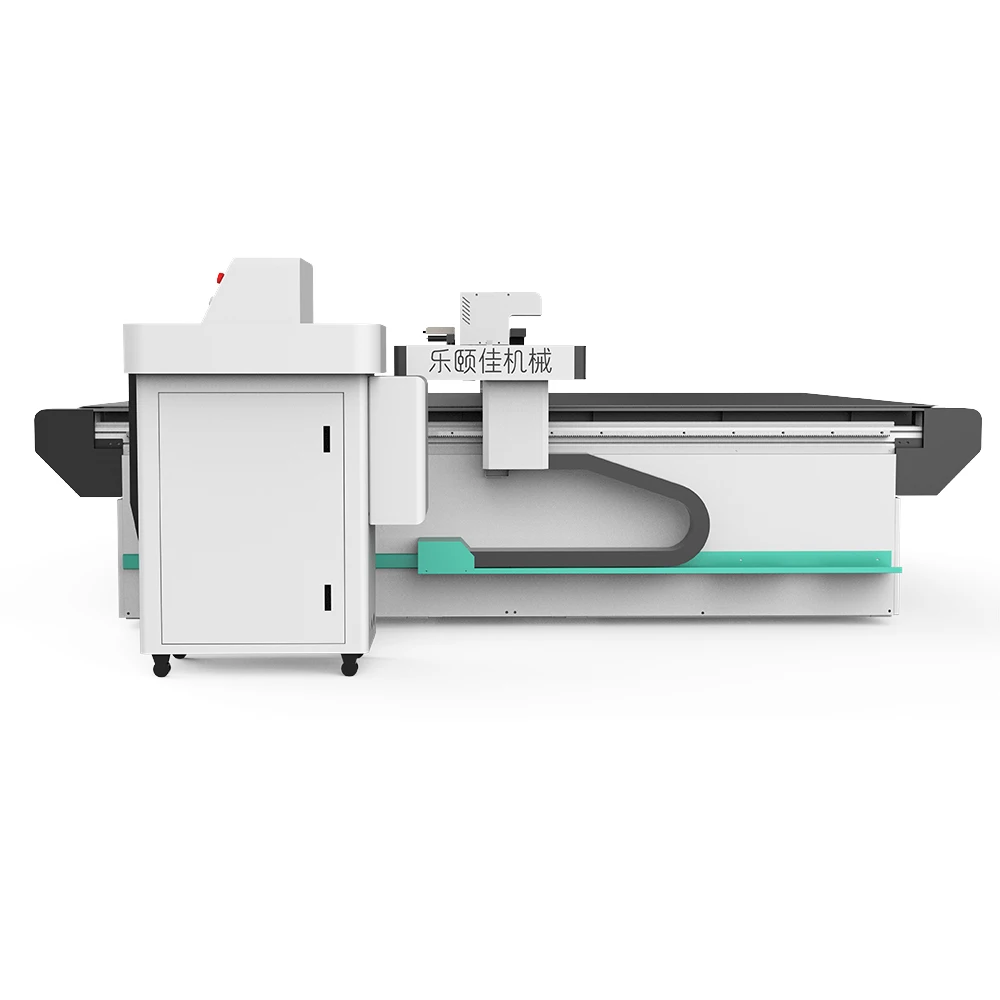
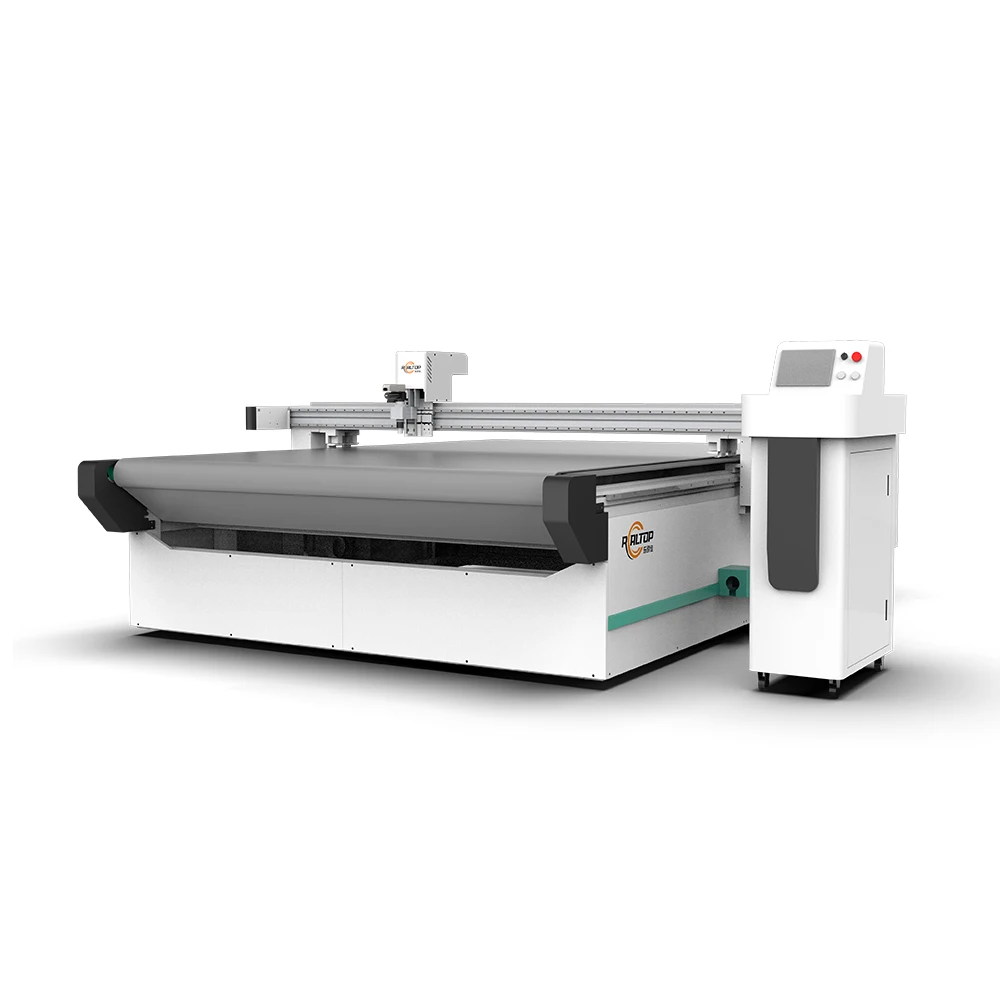
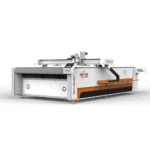
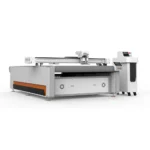
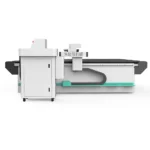
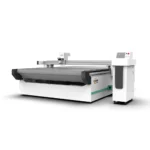
| Product Type | CNC Flatbed Oscillating Knife Cutting Machine |
| Working Area | 1600 × 2500 mm |
| Tool Head Options | Oscillating knife, Driven rotary knife, Creasing wheel, Kiss cutting tool, Pneumatic knife, Milling tool, V-groove knife |
| Cutting Speed | 0–2000 mm/s |
| Cutting Thickness | ≤ 30 mm (basis not stated in source — confirm material type and density) |
| Positioning Accuracy | ±0.1 mm |
| Vacuum Table Type | Aluminum bellows vacuum table |
| Vacuum Pump Power | 9 kW |
| Control System | PLC control panel |
| Servo Motor Options | Panasonic, Delta, Dorna (source value — verify against manufacturer catalog) |
| Software File Formats | PLT, DXF, AI, PDF |
| Nesting Software | Intelligent nesting system with defect avoidance |
| Packaging Software | Dedicated packaging box structure design software included |
| Voltage Options | 110V / 220V / 380V (frequency not stated in source) |
| Language Options | English, Russian, Italian, Chinese; custom languages available |
| Safety Devices | Infrared sensor device, Emergency stop device |
| Machine Dimensions (L×W×H) | 3300 × 2100 × 1350 mm |
| Certification | CE |
Application Suitability
| Application | Material or Output |
|---|---|
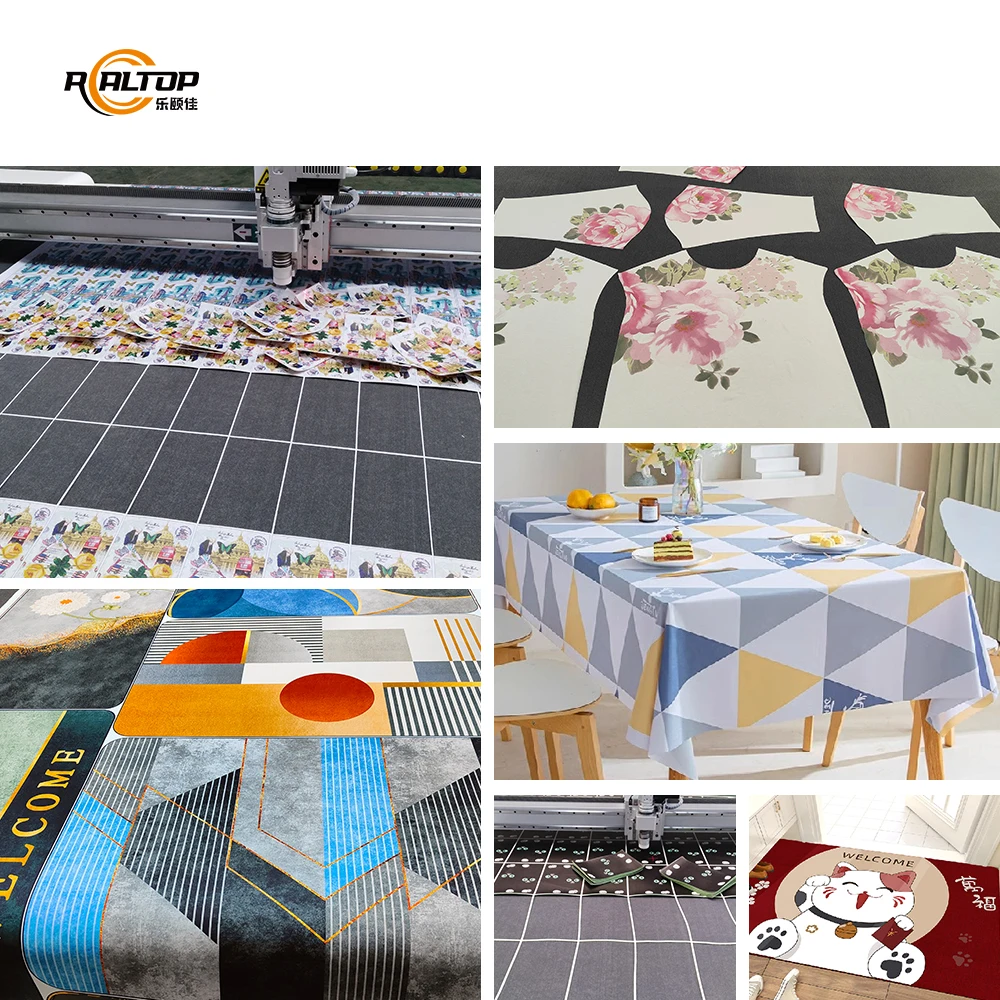
| Apparel manufacturing | Suits, knitwear, lace, complex fabrics, pattern-matching multi-layer layouts |
| Automotive interiors | Seat fabrics, carpets, PVC mats requiring burr-free edges |
| Home textiles | Sofa fabrics, curtains, rugs, multi-layer fabric stacks |
| Composite material processing | Carbon fiber prepreg, aramid, specialty technical textiles |
| Non-textile flexible materials | Cardboard, carton, EVA, leather, acrylic, foam, PTFE, rubber, mats |
How to Choose CNC Oscillating Knife Cutting Machine Specifications Without Guessing
The right CNC oscillating knife cutting machine specifications depend entirely on the material stack you run daily, not on the largest working area advertised.
I have watched buyers focus on table size first, only to discover after delivery that the standard oscillating head could not penetrate their three-layer automotive carpet with PVC backing. The machine sat idle while a pneumatic knife head was sourced and shipped, adding weeks to their production schedule. The specification sheet told them cutting thickness reached a certain value, but that figure meant nothing without the corresponding material density and tool head combination written beside it [NEED_CITE: relationship between tool head type and achievable cutting thickness on composite textiles]. Matching the CNC oscillating knife cutting machine specifications to your actual fabric, layer count, and edge quality requirement eliminates this class of error before the purchase order is signed.
Tool Head Selection Drives Edge Quality
The 1625 platform offers seven tool heads because no single blade geometry suits every flexible material. An oscillating knife handles woven fabric and foam cleanly, while a driven rotary knife excels on knits and stretch textiles where dragging would distort the weave. Pneumatic knife heads push through denser stacks such as automotive carpets, and kiss cutting tools score adhesive-backed vinyl without penetrating the liner. Choosing the correct head determines whether the cut edge is sealed, frayed, or crushed.
Vacuum Hold-Down Decides Small-Part Yield
The aluminum bellows vacuum table on this CNC oscillating knife cutting machine specifications sheet exists for a practical reason: flexible materials shift and lift when the blade exits a contour, especially on small pattern pieces nested tightly together. A flat aluminum plenum with full-surface perforation holds lace, thin knitwear, and irregular offcuts more reliably than segmented zones alone [NEED_CITE: vacuum table flatness standards for CNC cutting of flexible materials]. The 9 kW vacuum pump generates sufficient suction across the entire 1600 × 2500 mm working area to keep multi-layer fabric stacks flat throughout the cutting cycle.
Reading the Numbers Behind the Cut
The ±0.1 mm positioning accuracy matters most when pattern pieces must align with printed registration marks or woven stripes, a common requirement in apparel and automotive seat covers. Cutting speed listed at 0–2000 mm/s represents the travel range of the servo-driven gantry; actual production speed depends on material thickness and contour complexity, since the head must slow through tight radii to prevent blade deflection. The intelligent nesting software accepts DXF, PLT, AI, and PDF files and includes automatic defect avoidance, which positions pattern pieces around fabric flaws identified during material spreading — a function that directly influences fabric yield on expensive technical textiles. Voltage configurability across 110V, 220V, and 380V means the electrical specification must be confirmed against the buyer’s workshop supply before the machine enters assembly, since rewiring after shipment is costly and risks voiding the CE documentation trail.
What Happens When Configuration Is Skipped
A buyer who specifies working area and skips the tool head discussion often receives a standard oscillating knife that performs well on single-layer cotton but tears through multi-layer carbon fiber prepreg, leaving delaminated edges that fail downstream quality inspection. Insufficient vacuum zoning on small gasket or lace pieces causes the material to lift mid-cut, producing scrap and forcing manual re-cuts that negate any throughput advantage the machine was purchased to deliver [NEED_CITE: material lift incidents on insufficiently zoned vacuum tables]. Software incompatibility surfaces later still, when the buyer’s existing nesting files refuse to import and an unplanned software migration delays the first production run.
Why Source This Platform From REALTOP
In-house design and production cover both the knife cutting platform and the laser cutting range, so buyers can evaluate which cutting method truly suits their material rather than being steered toward whichever machine is in stock. Every 1625 leaving the Jinan factory carries a tool head and table configuration list documenting the exact combination matched to the buyer’s material sample. Sample cutting on the buyer’s own fabric, leather, or composite is completed and documented before the order is finalized, eliminating guesswork on cutting thickness and edge quality. Software file format compatibility is verified against the buyer’s CAD output during the pre-order stage. Voltage, plug type, control language, and frequency are confirmed line by line on the electrical schematic before the machine enters the build queue, which is particularly relevant given the multi-language PLC interface supporting English, Russian, Italian, and Chinese with custom language options.
Documentation & Verification
- Machine specification sheet listing the confirmed tool head, vacuum table type, and servo motor brand
- Electrical schematic and voltage confirmation matching target market frequency and plug type
- Sample cutting report produced on the buyer’s own material before order commitment
- Software licence and file format compatibility note covering DXF, PLT, AI, and PDF workflows
- Factory test record documenting positioning accuracy and cutting results before dispatch
- Operation and maintenance manual with spare parts list in the confirmed control language
Installation, Commissioning & Support
- Floor space must accommodate 3300 × 2100 mm footprint with clearance on all sides for material loading
- Dedicated electrical circuit matching confirmed voltage option, with the 9 kW vacuum pump on its own breaker
- Machine arrives partially assembled; gantry, vacuum table, and tool head carriage require on-site alignment
- First-run commissioning includes PLC parameter setup, servo calibration, and vacuum flatness verification
- Operator training covers tool head changeover, nesting software import, and emergency stop procedures
- Wear parts list identifies oscillating knife blades, rotary knife discs, and vacuum table seals with reorder intervals
What to Share Before Requesting a Quotation
Send the material type, typical layer count, sheet dimensions, and daily cutting volume so the correct tool head and vacuum configuration can be specified. Confirm your workshop voltage, frequency, plug standard, and preferred control interface language to avoid electrical rework after delivery. If your nesting workflow depends on a specific CAD file format or third-party nesting engine, share a sample file so software compatibility is validated before the machine enters production.
Frequently Asked Questions
Q: How do I choose between oscillating knife, rotary knife, and pneumatic knife for my material?
A: Oscillating knives suit woven fabrics and foams where a straight reciprocating blade produces a clean edge. Driven rotary knives handle knits and stretch textiles without dragging the weave. Pneumatic knives deliver the downward force needed for dense multi-layer stacks like automotive carpets. We cut your actual material sample with each candidate head before recommending a configuration.
Q: The specification says cutting thickness up to 30 mm — what conditions apply?
A: That figure depends on material density, layer count, and the tool head installed. A 30 mm foam block cuts differently from a 30 mm stack of compressed carbon fiber prepreg. We run your specific material on the 1625 and record achievable thickness, edge quality, and cutting speed in the sample report before you commit.
Q: Will the vacuum table hold small pattern pieces without lifting?
A: The aluminum bellows vacuum table provides full-surface adsorption across the 1600 × 2500 mm working area, supported by a 9 kW pump. Small pieces such as lace motifs or gasket profiles stay flat because suction reaches every zone, not just large segments. We test hold-down on your smallest nested part during the sample cutting stage.
Q: Can the nesting software import my existing DXF and PLT files?
A: The intelligent nesting system accepts DXF, PLT, AI, and PDF formats and includes automatic defect avoidance for fabric flaw skipping. We validate import and nesting output using your actual production files before the order is finalized, so workflow integration is confirmed rather than assumed.
Q: What electrical and language details must I confirm before shipment?
A: Voltage (110V, 220V, or 380V), frequency, plug type, and control language must all be specified before the machine enters assembly. The PLC panel supports English, Russian, Italian, and Chinese, with custom language options available. We provide an electrical schematic for your sign-off so the build matches your workshop supply exactly.


商品评价
Clear filtersThere are no reviews yet.