



Fast Shipping
Carrier information

20k products
Payment methods

24/7 Support
Unlimited help desk

2-day Delivery
Track or off orders
In-house knife and laser technology coverage — tool heads and table zones specified per material rather than forcing one method onto every job, reducing trial-and-error during commissioning.
Technical Specifications
| Parameter | Value |
|---|---|
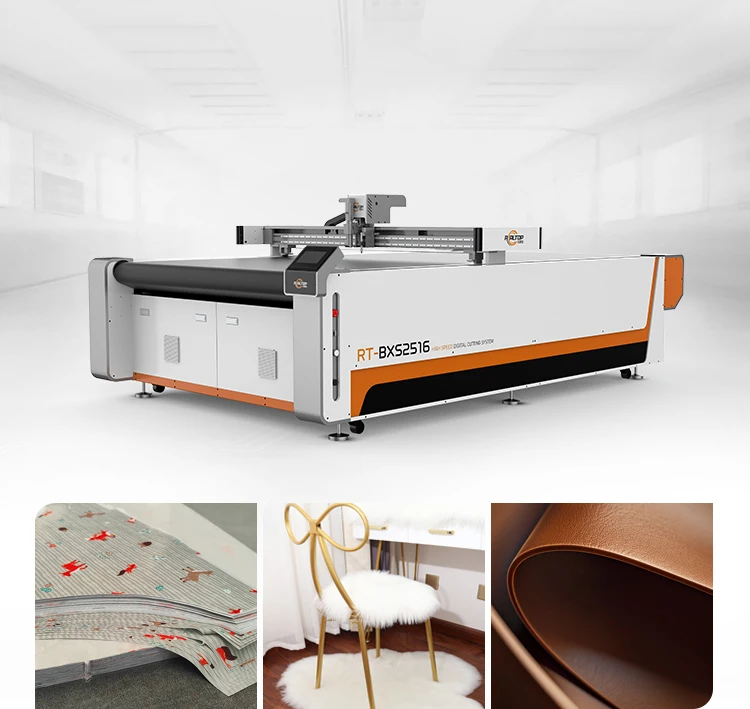
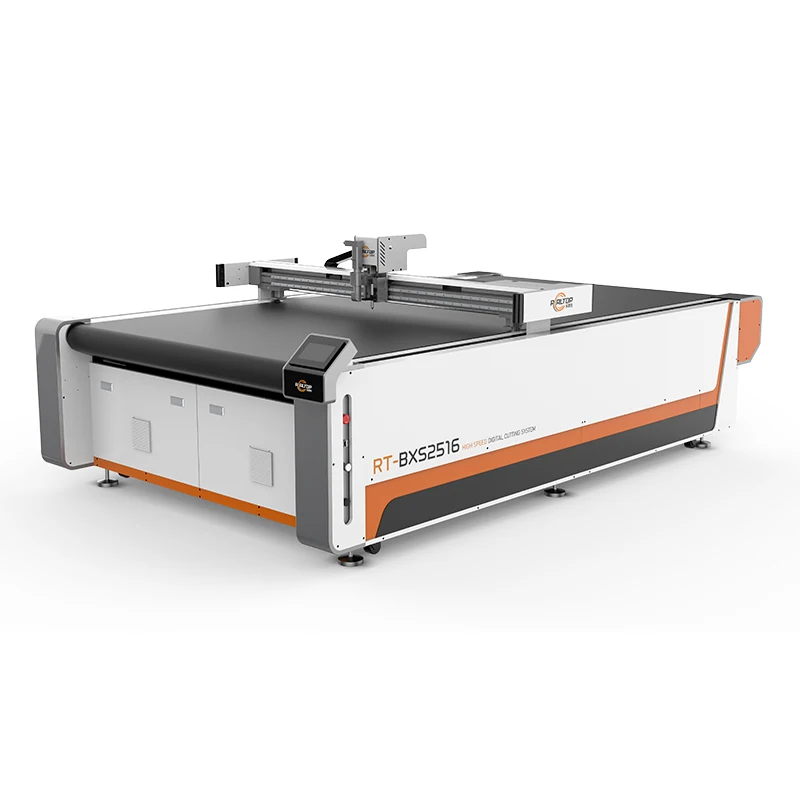
| Model | RT-D2516/RT-S2516 |
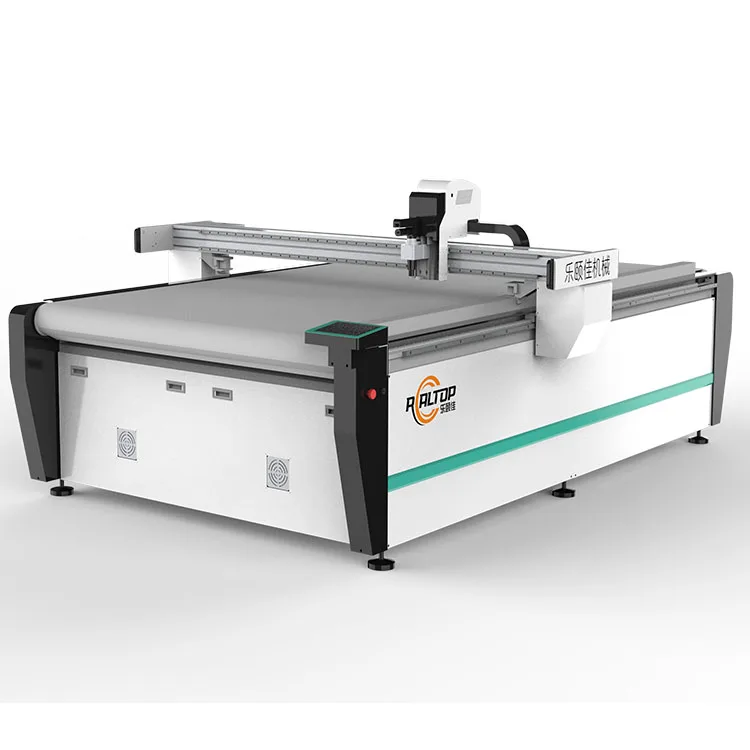
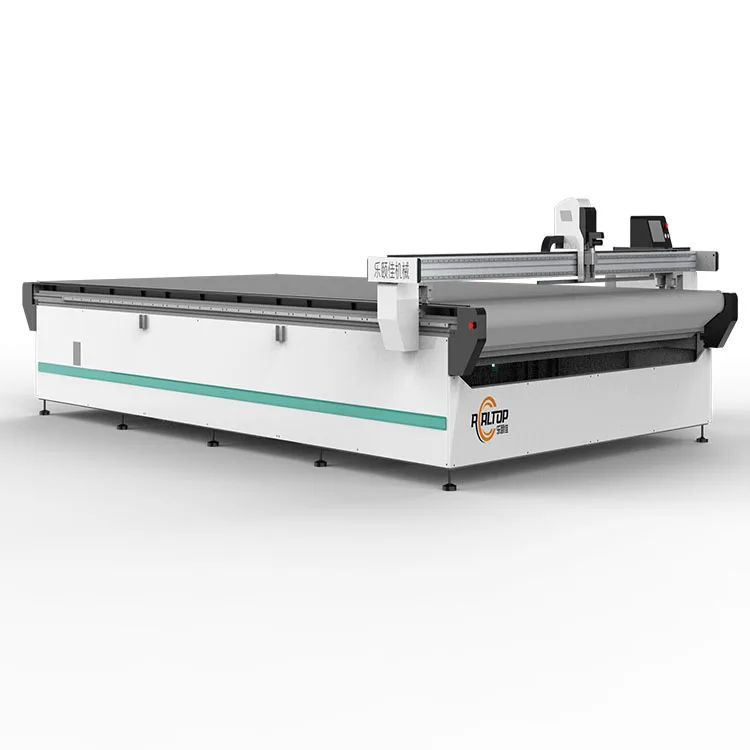
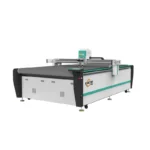
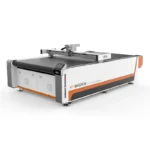
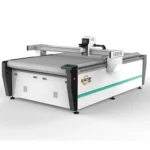
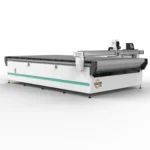
| Product Type | CNC Oscillating Knife Cutting Machine |
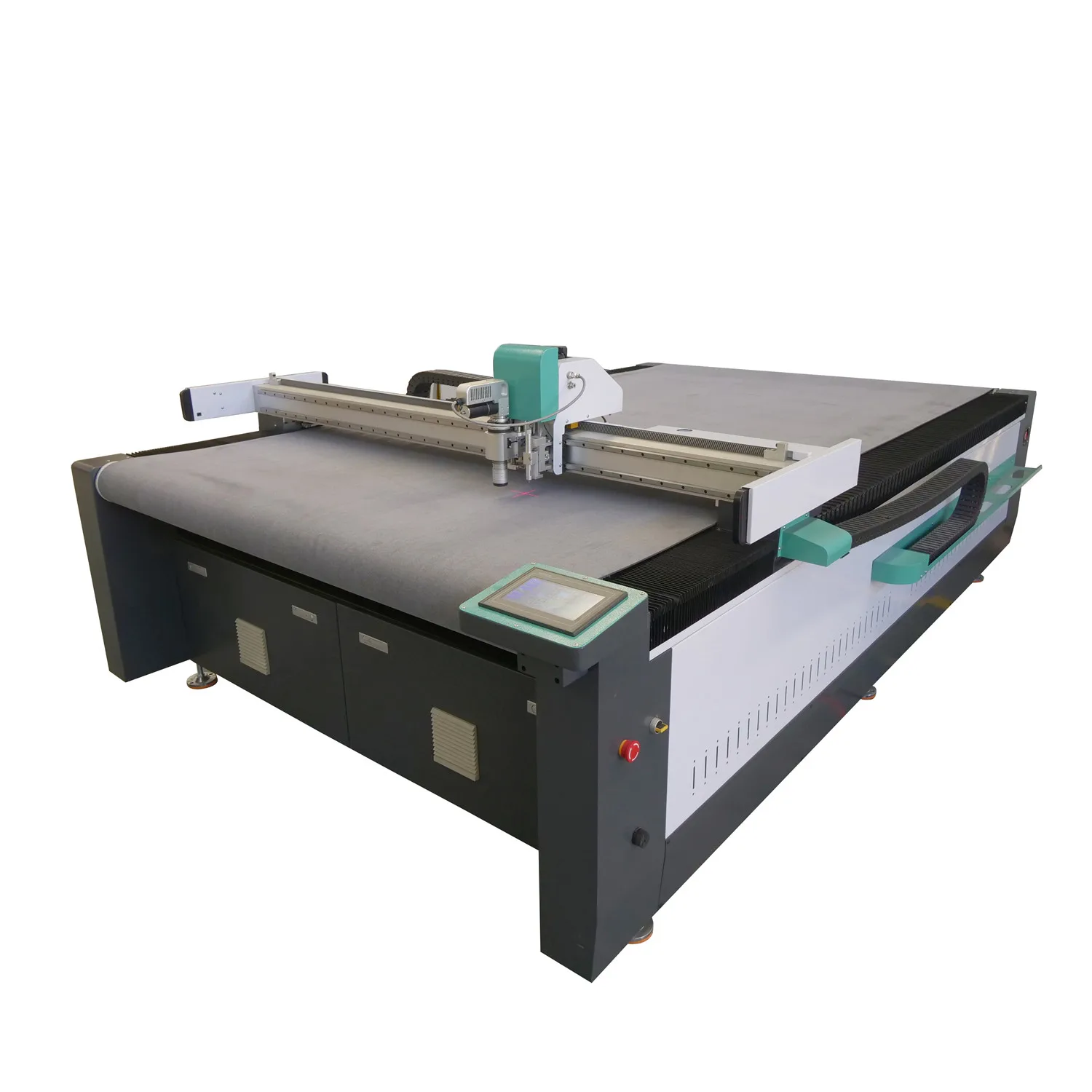
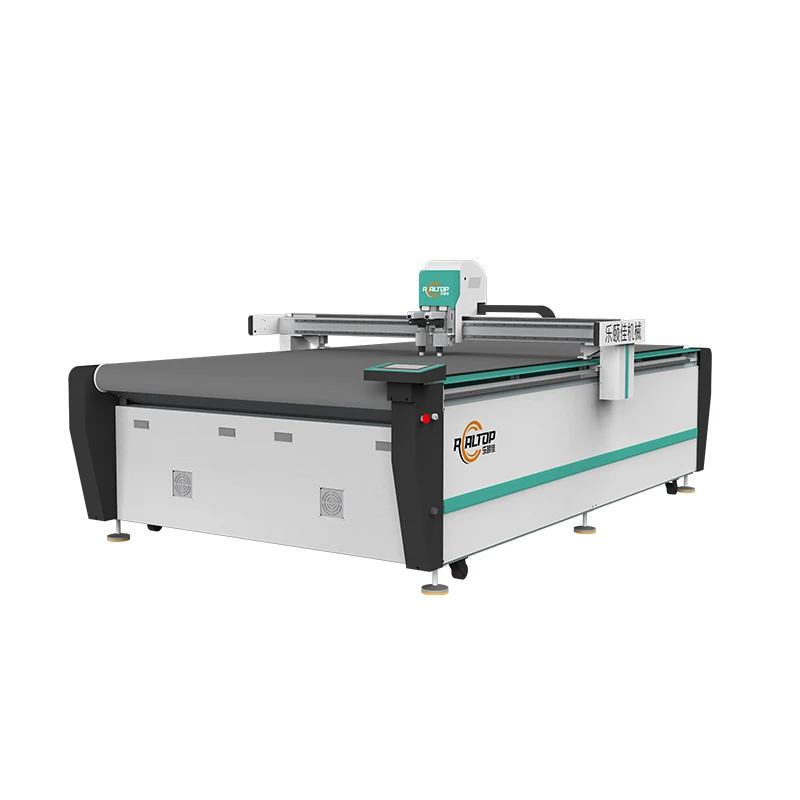
| Working Area | 1600×2500 mm |
| Machine Size | 3450×2300×1250 mm |
| Rated Power | 9 kW |
| Voltage | 380V±10% |
| Translational Velocity | 800-2000 mm/s |
| Cutting Speed | 200-800 mm/s (varies by material density and thickness) |
| Cutting Thickness | ≤100 mm (depends on material type and tool head) |
| Repeated Accuracy | ≤0.1 mm |
| Transmission System | Digital servo motor, linear guide, synchronous belt, ball screw |
| Servo Motor Options | Delta or Panasonic (IP67 waterproof) |
| Control Language Options | English, Russian, Italian, Chinese (customizable) |
| Instruction System | HP-GL compatible format |
| Supported File Formats | PLT, DXF, AI |
| Tool Head Options | Oscillating knife, pneumatic knife, high-power vibrating knife, circular knife, V-cutting knife, drag knife, creasing wheel, dotted line knife, punching, brush |
| Multifunctional Head | Swiss imported knife with vibration full/half cutting and cursor location |
| Visual Positioning Options | Small CCD camera mark point, panoramic camera recognition, projection positioning |
| Vacuum Table | Magnesium-aluminum alloy with PVDF powder spraying, integrated or split box design |
| Vacuum Pump | 7.5 kW, aviation aluminum shell with built-in silencer sponge |
| Work Table Options | Flat working table, auto feeding table |
| Conveyor Belt | Germany imported |
| Guide Rail | Taiwan Hiwin rail |
| Safety Devices | Infrared induction blocking, anti-collision sensors, emergency stop |
| Assembly State | Fully assembled |
Application Suitability
| Application | Material or Output |
|---|---|
| Soft home furnishings | Sofa fabric, upholstery textile, multi-layer cloth |
| Garment and footwear | Apparel fabric, shoe material, synthetic leather |
| Automotive interior | Car carpet, floor mat, PU leather, headliner fabric |
| Sealing and gasket | PTFE, ETFE, rubber gasket, composite sealing pad |
| Packaging sample making | Corrugated cardboard, folding carton board |
| Composite processing | Foam, sponge, PU, EVA, XPE, PVC, PP, PE |
| Graphic advertising | Sticker vinyl, printed film, signage substrate |
Why "Working Area Alone" Leads to Ragged Edges and Lifted Parts
A 1600×2500 mm cutting table only solves the sheet size question — the real variables are tool head geometry, vacuum zoning and oscillation frequency matched to your specific fabric or foam stack. Specifying a CNC oscillating knife cutting machine without confirming material thickness, density and edge requirement guarantees a mismatch before the first shift runs. I have stood in workshops where a machine sized correctly for the room produced crushed foam cores because the oscillation amplitude was set for vinyl, not multi-layer sponge [NEED_CITE: tool head selection criteria by material density]. The operator blamed the software, the maintenance lead blamed the blades, and nobody checked whether the tool head itself was the right type for a 60 mm stack.
Tool Head Selection Beyond the Default Oscillating Blade
The RT-D2516/RT-S2516 ships with ten tool head options because no single blade geometry cuts every material cleanly. A circular knife handles single-layer woven textile at high speed, while a pneumatic knife with vertical stroke manages thicker leather stacks that resist oscillation. V-cutting knives produce the mitred folds needed for packaging sample corners, and a creasing wheel scores carton board without penetrating the surface. Selecting the head before the order — not after delivery — prevents the ragged edge complaints that arrive three weeks into production.
Vacuum Zoning and the Small-Part Problem
A flat vacuum table holds a full sheet well, but once nesting software fills the bed with dozens of garment panels, the remaining skeleton area drops and suction spreads thin. The split box vacuum design on this machine divides the table into independent zones, so the active cutting area maintains holding force even as surrounding regions lose material [NEED_CITE: vacuum adsorption principles for CNC flatbed cutting tables]. The magnesium-aluminum alloy surface with PVDF coating resists the adhesive residue that accumulates when cutting sticker vinyl and printed film, keeping the suction channels clear over extended runs.
Reading the Numbers That Matter on the Shop Floor
Repeated accuracy of ≤0.1 mm across the 1600×2500 mm working area depends on the Taiwan Hiwin linear guide and ball screw combination working with an IP67-rated servo motor — dust and fabric lint cannot enter the drive housing. The 7.5 kW vacuum pump with built-in silencer sponge cuts noise noticeably, which matters when operators run the machine alongside sewing lines without acoustic separation. Cutting speed ranges from 200 to 800 mm/s because a dense 80 mm EVA block requires a slower pass than a single layer of polyester lining fabric. The CCD camera and panoramic camera positioning options track printed registration marks for contour cutting on pre-printed textile, catching graphic panels that would otherwise be wasted on manual alignment.
The Cost of Skipping the Voltage and Language Check
I once delivered a cutting table to a sofa factory in West Africa and watched the main breaker trip the moment we powered up — the servo drives were configured for 415V while the plant ran 380V, and waiting for a transformer replacement stalled production by weeks. Voltage, plug type and control panel language must be confirmed on the electrical schematic before the machine leaves the factory, not negotiated after it sits bolted to the floor [NEED_CITE: voltage and frequency standards by export market]. The RT-D2516/RT-S2516 supports 380V±10% with English, Russian, Italian and Chinese interface options, and other languages are configurable during assembly — but only if the request reaches the production floor in time.
What Distinguishes the Build on This CNC Oscillating Knife Cutting Machine
Tool head and table configuration is specified per material and daily volume rather than quoted as a single package, so a garment producer cutting single-layer silk never pays for a high-power vibrating head meant for 100 mm foam. CCD camera positioning is tested on the buyer’s printed fabric before dispatch, confirming that contour recognition tracks marks at production speed rather than only during slow calibration passes. Software compatibility with PLT, DXF and AI files is verified against the buyer’s existing nesting workflow before the order is placed, eliminating the discovery that the control system rejects the format the design office uses daily. Sample cutting on the buyer’s own material demonstrates edge quality and achievable cutting thickness before commitment, replacing promises with physical evidence [NEED_CITE: CE machinery directive requirements for industrial cutting equipment]. Voltage and language customization is documented on the electrical schematic and confirmed with photographs, so the machine arriving at the port matches the specification sheet signed weeks earlier.
Documentation & Verification
- Machine specification sheet listing confirmed tool head and table configuration for your material
- Electrical schematic showing voltage, plug type and control language before shipment
- Sample cutting report produced on your fabric or foam with measured edge quality
- Factory test record documenting repeated accuracy and vacuum holding force
- Software licence and file format compatibility note for PLT, DXF and AI workflows
- Spare parts list covering blades, vibration dampers and vacuum pump consumables
Installation, Commissioning & Support
- Fully assembled delivery at 3450×2300×1250 mm — confirm workshop door clearance before arrival
- Dedicated 380V circuit required for 9 kW rated power plus 7.5 kW vacuum pump
- Vacuum table levelling and zone balancing performed on-site for your material thickness
- Control panel language and file import tested with your production nesting files
- Blade change procedure and oscillation frequency setting covered during operator training
- IP67 servo motors reduce dust ingress — schedule guide rail lubrication per maintenance manual
Before You Request a Quote
Send the material type, maximum thickness and daily cutting volume so the tool head and vacuum configuration can be matched before pricing. Confirm your plant voltage, frequency and preferred control language to avoid transformer delays after delivery. If your design office works in a specific nesting software, share a sample file so format compatibility is verified before the order is placed.
Frequently Asked Questions
Q: How does cutting thickness relate to material type and tool head choice?
A: The ≤100 mm maximum applies to softer materials like sponge and EVA, while denser composites and leather require thinner stacks and a different tool head such as a pneumatic knife. Oscillation amplitude and blade geometry are selected together — a high-power vibrating knife handles thick foam but would damage single-layer woven textile. Sample cutting on your specific material confirms the combination before order.
Q: Can the CCD camera track printed marks at full production speed?
A: The panoramic camera and small CCD mark point options both locate registration contours, but tracking speed depends on print contrast and mark size. We test recognition on your printed fabric during the sample phase, running at the cutting speed your volume requires rather than a slow calibration pass. If contrast is marginal, we adjust mark specifications before production begins.
Q: How is the vacuum table configured to hold small nested parts?
A: The split box design divides the magnesium-aluminum surface into independent suction zones, so only the active cutting region draws full vacuum while surrounding areas remain covered. This prevents small garment panels or gasket pieces from lifting as adjacent material is removed. Zone boundaries are set during commissioning based on your nesting layout and typical part dimensions.
Q: Which software file formats does the control system accept?
A: The system imports PLT, DXF and AI files and interprets HP-GL compatible instructions. Before the order is placed, we verify that your existing nesting software exports a format the machine reads without manual re-drawing. If your workflow uses a different format, compatibility is confirmed or an alternative export path is identified before shipment.
Q: What electrical and language details are confirmed before dispatch?
A: Voltage at 380V±10%, plug type for your market and control panel language are documented on the electrical schematic and approved by you before production. Available languages include English, Russian, Italian and Chinese, with other options configurable during assembly. Factory photographs show the confirmed settings before the machine is crated.


商品评价
Clear filtersThere are no reviews yet.