


Fast Shipping
Carrier information

20k products
Payment methods

24/7 Support
Unlimited help desk

2-day Delivery
Track or off orders
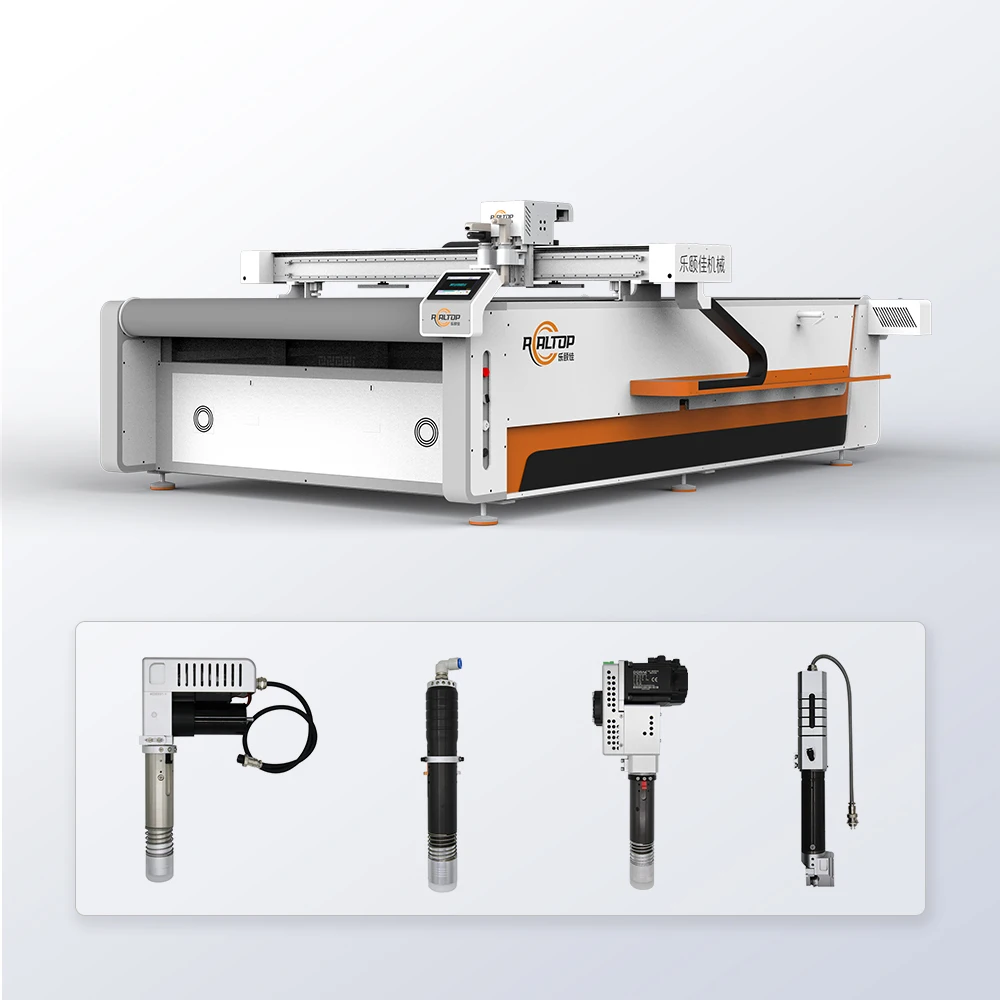
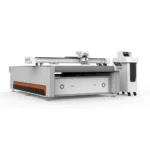
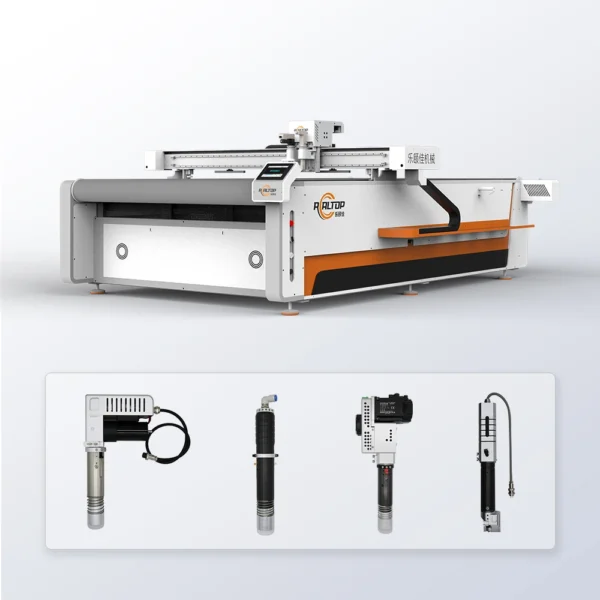
Configured Tool Head Selection — Each oscillating, rotary or V-groove knife option is matched to the buyer’s fabric weight and layer count before the build starts, preventing edge fraying on delicate textiles.
Technical Specifications
| Parameter | Value |
|---|---|
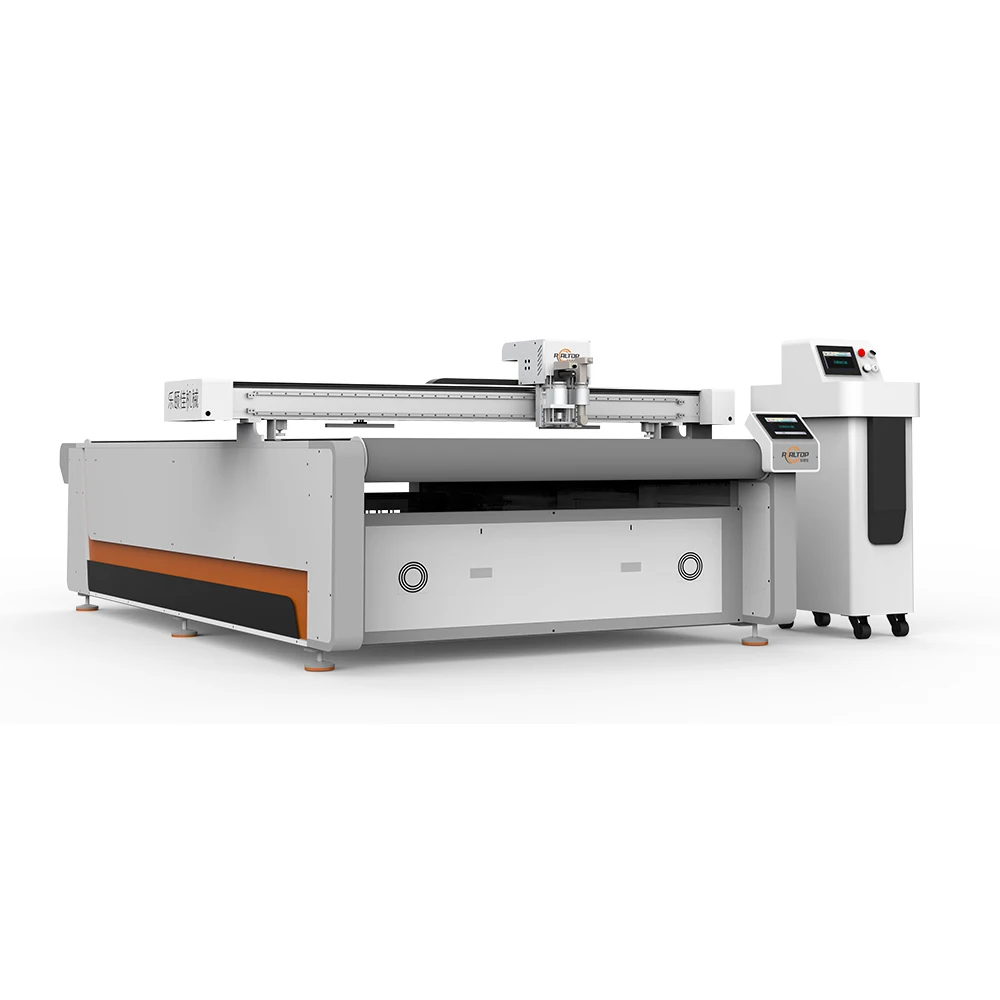
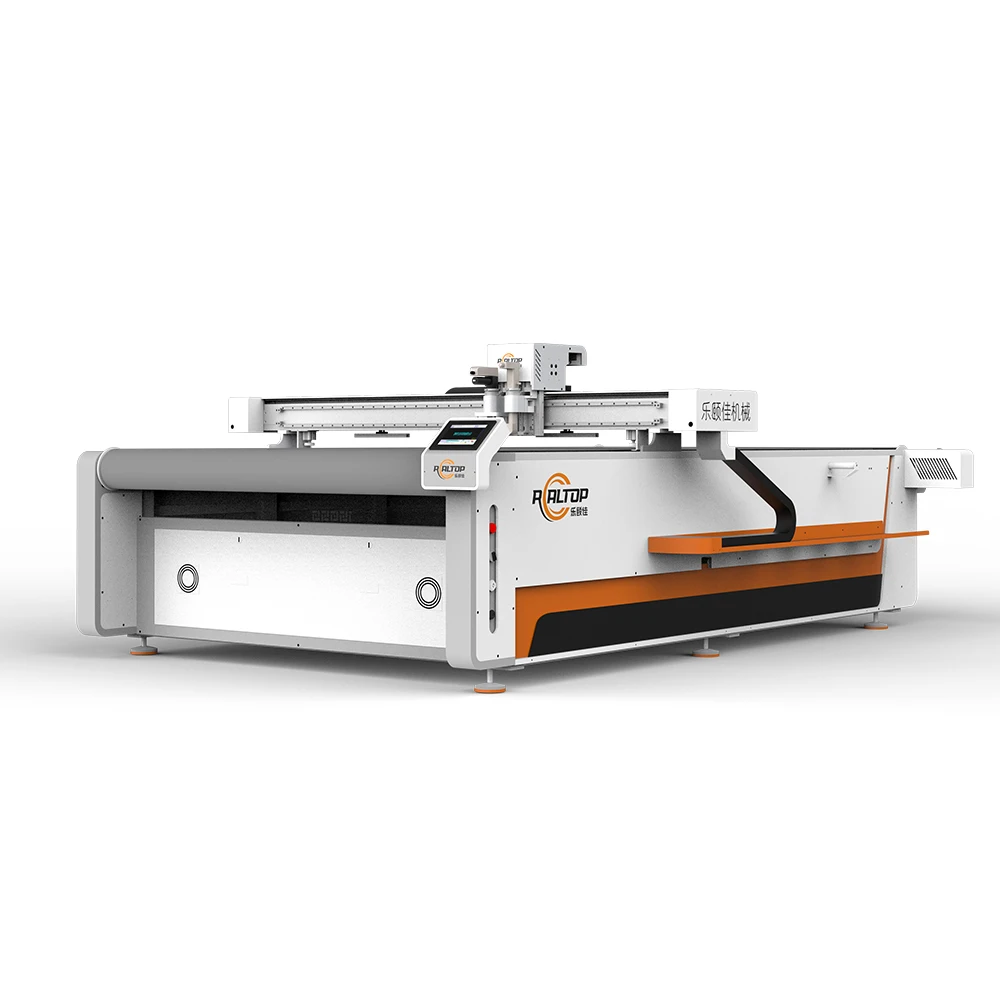
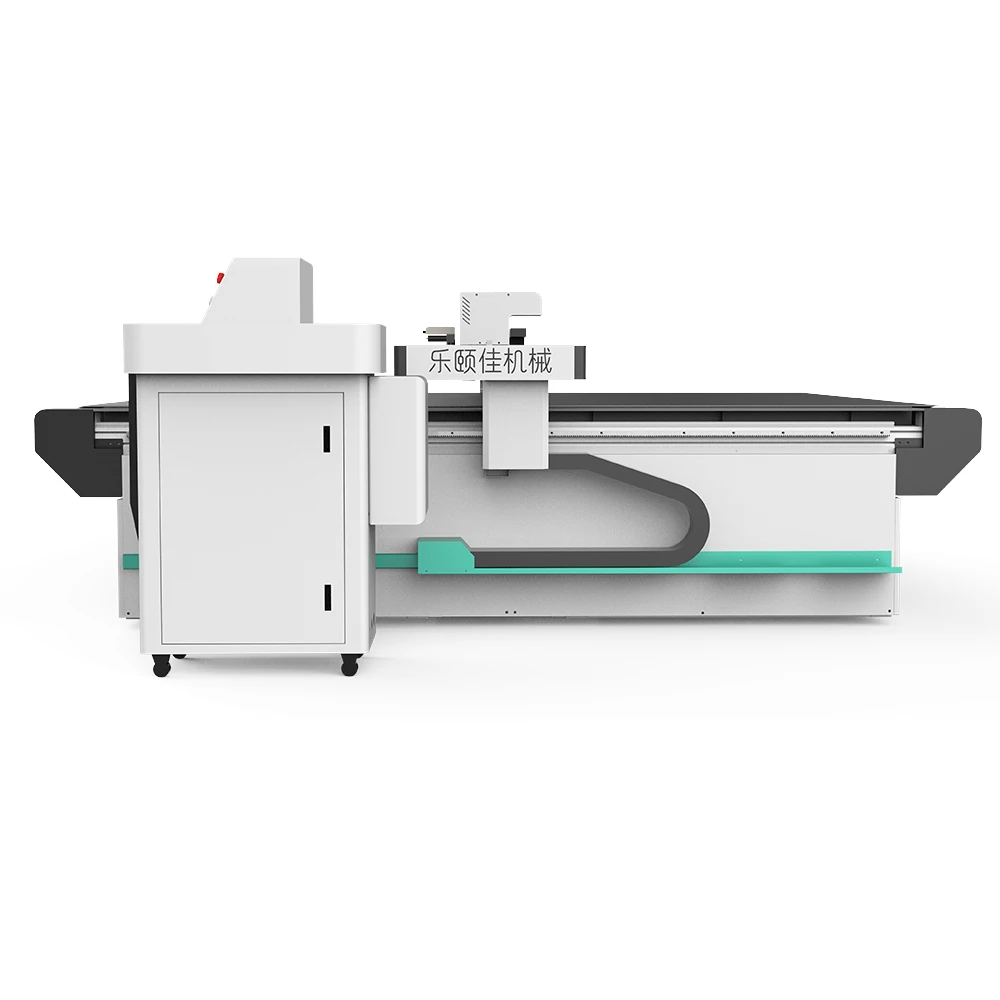
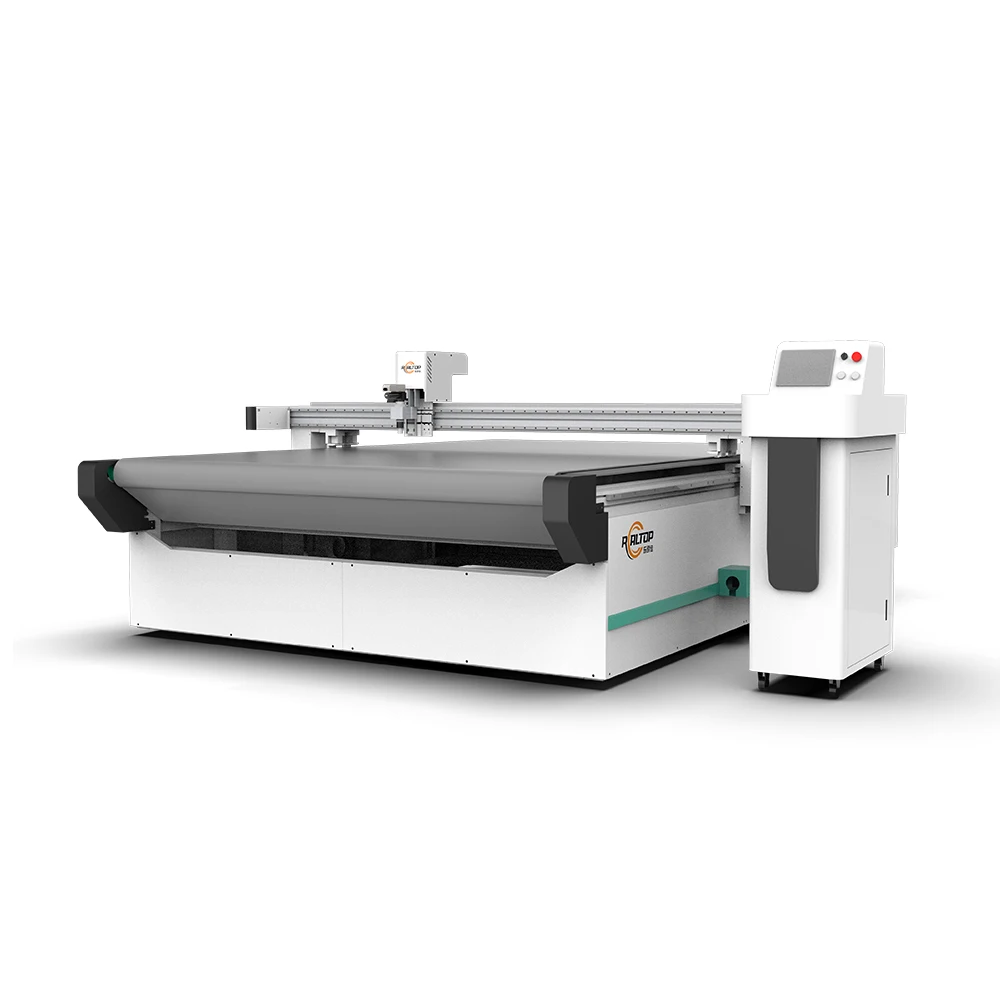
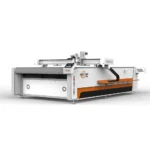
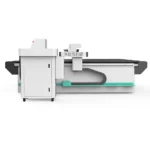
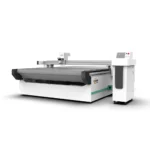
| Product Type | CNC Oscillating Knife Cutting Machine |
| Working Area | 2500×2200 mm |
| Tool Head Options | Oscillating knife, Driven rotary knife, Creasing wheel, Kiss cutting tool, Pneumatic knife, Milling tool, V groove knife |
| Applicable Materials | Fabric, Cardboard, Carton, Mats, PVC, EVA, Leather, Acrylic, Foam, PTFE, Rubber |
| Cutting Speed Range | 0–1500 mm/s |
| Maximum Cutting Thickness | ≤ 30 mm |
| Cutting Accuracy | ±0.1 mm |
| Vacuum Pump Power | 9 kW |
| Voltage Options | 110V, 220V, 380V |
| Control Interface | PLC control panel with optional display languages |
| Supported File Formats | PLT, DXF, AI, PDF |
| Vacuum Table Construction | Aluminum bellows vacuum table |
| Servo Drive Options | Panasonic, Delta, Dorna |
| Safety Devices | Infrared sensor, emergency stop |
| Machine Dimensions (L×W×H) | 3300×2700×1350 mm |
| Assembly State | Fully assembled |
Application Suitability
| Application | Material or Output |
|---|---|
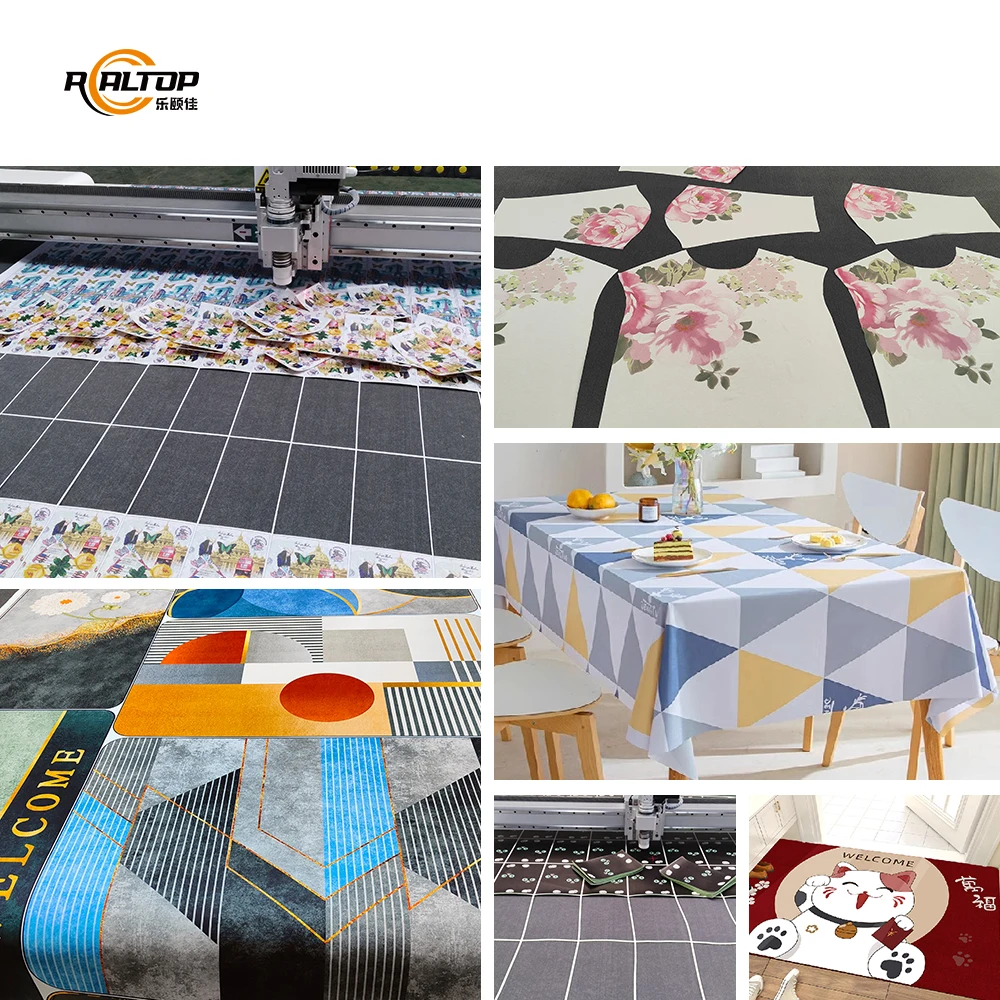
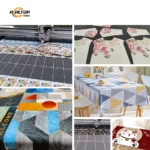
| Dress and curtain fabric production | Woven, knitted and sheer textiles in single or multi-layer lay-ups |
| Automotive floor mat cutting | Full-coverage car mats, loop mats and rubber backing sheets |
| Home floor mat manufacturing | Coral fleece carpets, PVC mats with geometric and petal patterns |
| Yoga mat processing | EVA and foam sheets with custom wave edges and cut-out designs |
| General soft material fabrication | Leather hides, PTFE gaskets, composite panels and non-slip pads |
Why Fabric Thickness Changes the Machine You Actually Need
A cutting machine rated for a 2500×2200 mm work area can still fail on your floor if the tool head and vacuum zoning do not match your thinnest or most slippery textile.
Many buyers source a CNC oscillating knife cutting machine based on table size alone, then discover during commissioning that lightweight chiffon or sheer curtain fabric slides under the feed rollers, producing miscut panels and forcing operators to reduce speed well below the 1500 mm/s maximum. The real constraint is rarely the gantry travel; it is the combination of hold-down pressure, vacuum zone segmentation and knife oscillation frequency needed to keep plies aligned at the cutting point [NEED_CITE: textile cutting slippage causes in multi-ply production].
Matching Knife Type to Textile Density
Choosing the correct tool head determines edge quality across different fabric constructions. The oscillating knife handles dense woven materials and multi-layer stacks where clean vertical cuts are essential, while the driven rotary knife suits continuous curved profiles on lighter knits. For kiss-cutting printed vinyl overlays onto curtain headers, the dedicated kiss cutting tool prevents blade penetration into the backing paper. Selecting the wrong knife on a CNC oscillating knife cutting machine produces frayed selvedges on dress fabrics or compressed edges on foam interlinings that require secondary trimming.
Vacuum Zoning for Panel Stability
The aluminum bellows vacuum table divides the 2500×2200 mm surface into independently controlled zones so that small pattern pieces such as collar stays or cuff facings remain flat even after surrounding material is removed. A 9 kW vacuum pump generates sufficient suction for heavy carpet layers, but the real advantage appears when cutting lightweight lining fabrics where localized zoning prevents air bleed-through. Proper zone configuration on a CNC oscillating knife cutting machine reduces material lift at the cutting head, maintaining the stated ±0.1 mm accuracy across the full bed.
Reading the Spec Sheet for Production Reality
The 0–1500 mm/s cutting speed range is achievable on medium-weight cotton and polyester blends; however, tightly woven upholstery textiles and multi-layer technical fabrics require slower traverse to prevent knife deflection. The ±0.1 mm accuracy figure depends on consistent vacuum hold-down, which in turn relies on the aluminum bellows table maintaining flatness under thermal expansion during long shifts. File format support for PLT, DXF, AI and PDF allows nesting software to import marker layouts directly from garment CAD systems, but the PLC control must process path data fast enough to avoid deceleration marks at direction changes [NEED_CITE: CNC motion control interpolation accuracy on textile cutting tables]. Servo drive selection — Panasonic, Delta or Dorna — influences acceleration response, and buyers processing high-mix, low-volume curtain orders benefit from drives that minimize start-stop lag between nested pieces.
The Cost of Skipping a Material Trial
When the vacuum zoning and tool head are specified from a brochure rather than a sample cut on your actual fabric, the consequences surface during the first production week. Operators compensate for edge fraying by adding seam allowance, consuming more yardage per marker. Thin linings that lift during cutting produce mismatched pattern pieces that fail quality inspection downstream. Small parts that shift on poorly zoned vacuum beds force re-cuts, extending lay-up time and pushing delivery schedules [NEED_CITE: material waste factors in garment cutting operations]. These issues rarely appear on the seller’s standard test material.
Why Source This Configuration Here
The in-house design team covers both knife cutting and vacuum table engineering, so the tool head and bed zoning are specified together rather than sourced from separate vendors. Every CNC oscillating knife cutting machine leaves the Jinan factory with a sample cutting report run on the buyer’s own fabric at the target thickness and speed. Voltage and control language are confirmed against the destination factory’s electrical supply before the build begins, avoiding on-site transformer costs. Servo drive and PLC component choices are documented in the electrical schematic, so local maintenance teams can source replacements without waiting for international shipping.
Documentation & Verification
- Machine specification sheet listing every tool head and vacuum zone configured for your fabric range
- Electrical schematic with voltage confirmation matching your factory supply frequency and phase
- Sample cutting report on your actual dress or curtain textile at target ply height and speed
- Software licence and file format compatibility note confirming DXF, PLT, AI and PDF nesting import
- Operation and maintenance manual with language option matching your production floor requirement
Installation, Commissioning & Support
- Fully assembled 3300×2700×1350 mm frame requires level concrete floor and overhead clearance for gantry travel
- Dedicated circuit matching confirmed 110V, 220V or 380V supply with correct phase and breaker rating
- On-site PLC parameter setup including vacuum zone mapping and tool head offset calibration
- Operator training covering file import, nesting workflow and knife replacement procedures
- Spare parts list identifying oscillating knife blades, vacuum seals and servo drive consumables
What to Share Before Requesting a Quotation
Provide the specific fabric types — woven, knit, coated or sheer — along with single-ply weight and maximum lay-up thickness you plan to cut. Specify your local voltage and frequency, the control interface language your operators require, and whether your existing nesting software outputs DXF, PLT, AI or PDF. Sending a representative fabric sample allows a trial cut before the machine enters production.
Frequently Asked Questions
Q: How do I choose between oscillating knife and driven rotary knife for my fabric?
A: Oscillating knives suit dense wovens and multi-layer stacks where a straight vertical cut is required, while driven rotary knives follow curved profiles more smoothly on lighter knits. Send a fabric sample so the correct tool head can be confirmed with a test cut before your order is finalized.
Q: Does vacuum table zoning matter for small pattern pieces like collar facings?
A: Yes. Independent zone control on the aluminum bellows table maintains suction only under the area being cut, preventing small pieces from lifting after surrounding material is removed. This hold-down directly supports the ±0.1 mm cutting accuracy across the full 2500×2200 mm working area.
Q: Can my existing nesting software files run on this machine without conversion?
A: The PLC control accepts PLT, DXF, AI and PDF formats directly. Before order confirmation, a software compatibility note is issued verifying that your nesting output imports correctly and that marker layouts generate accurate cutting paths on your specific material types.
Q: How is cutting accuracy verified before the machine ships?
A: A factory test is conducted using your supplied fabric at the target thickness and speed. The sample cutting report documents dimensional deviation, edge condition and any speed adjustments required, giving you evidence of real performance rather than brochure figures.
Q: What voltage and language options are available for export markets?
A: The machine is configurable for 110V, 220V or 380V supplies, and the PLC control panel supports English, Russian, Italian and Chinese with additional languages available on request. Voltage and language are confirmed in writing before production begins.


商品评价
Clear filtersThere are no reviews yet.