

Fast Shipping
Carrier information

20k products
Payment methods

24/7 Support
Unlimited help desk

2-day Delivery
Track or off orders
Precision Knife Configuration — Tool head, vacuum zoning and software format confirmed against your fabric type and nesting workflow before build sign-off, not assumed from a generic working area.
Technical Specifications
| Parameter | Value |
|---|---|
| Model | 1625 |
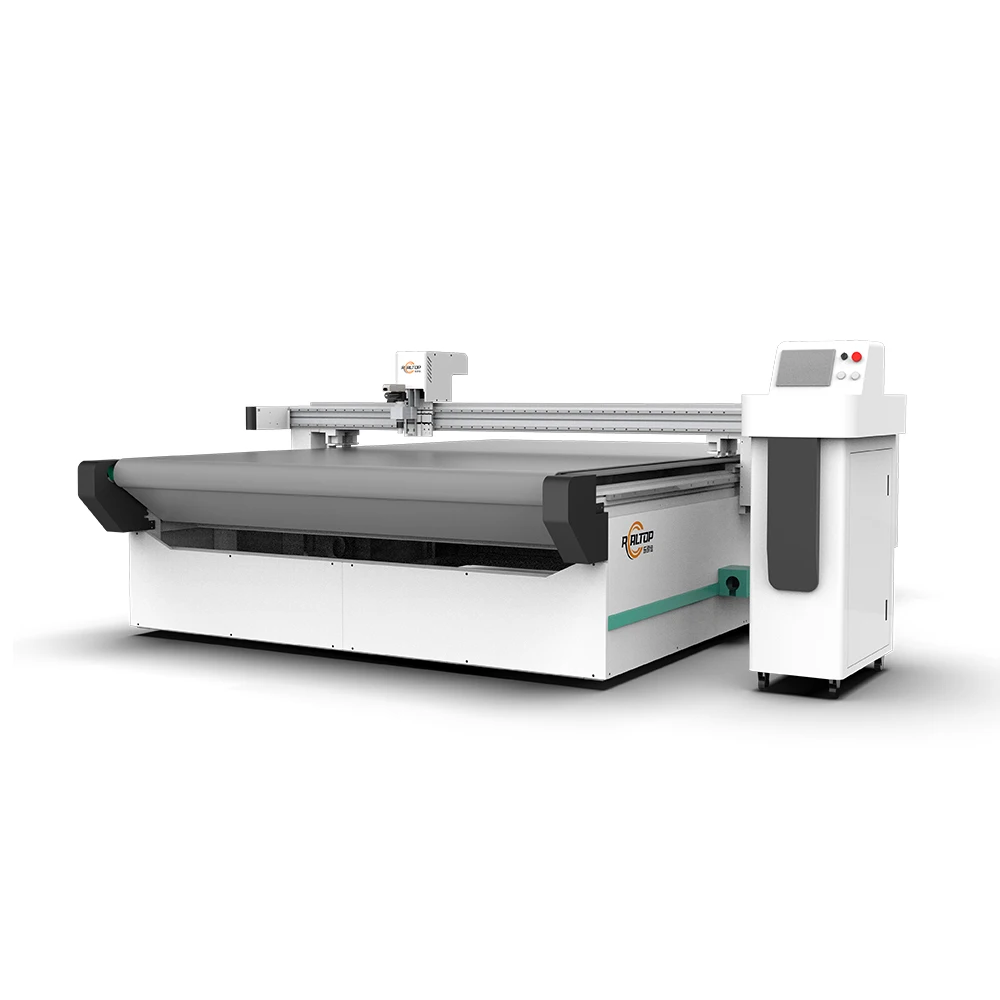
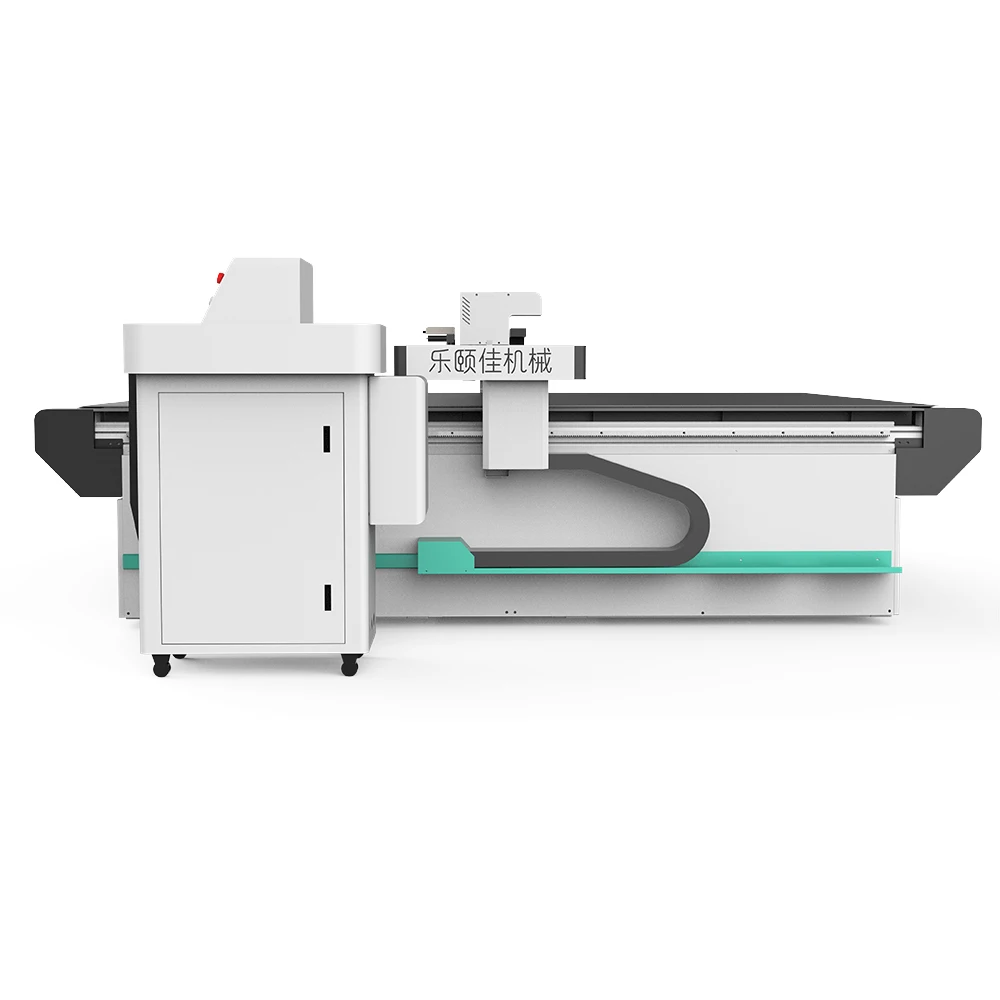
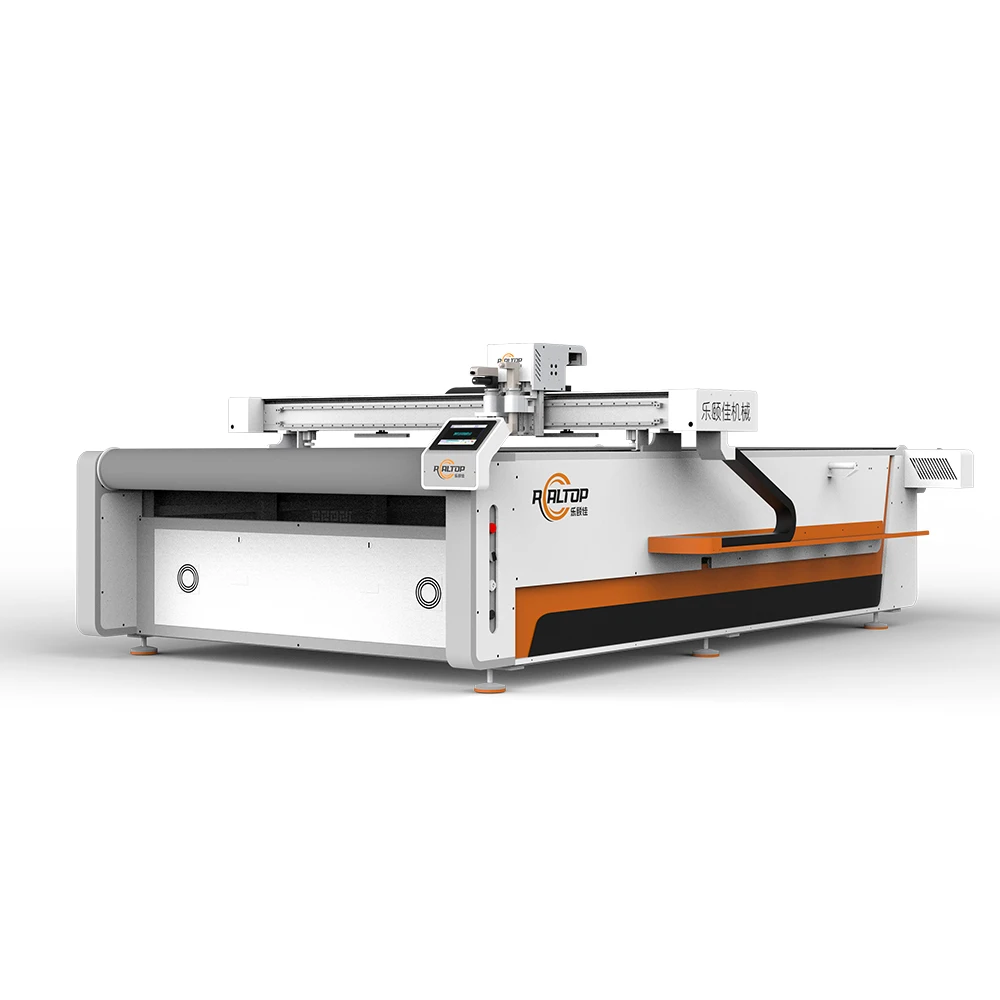
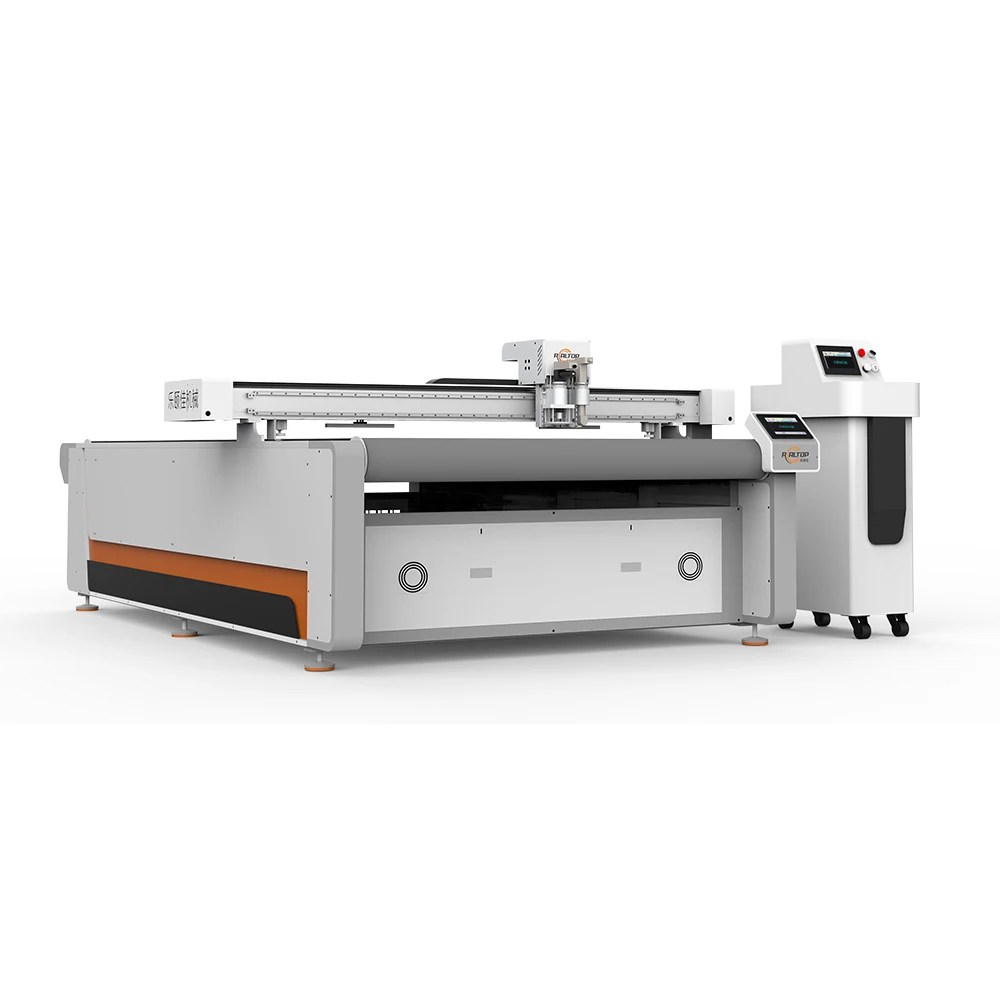
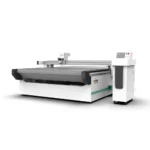
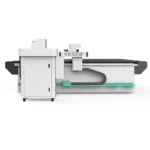
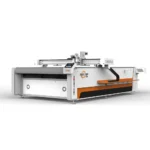
| Product Type | CNC Oscillating Knife Cutting Machine |
| Working Area | 1600×2500 mm |
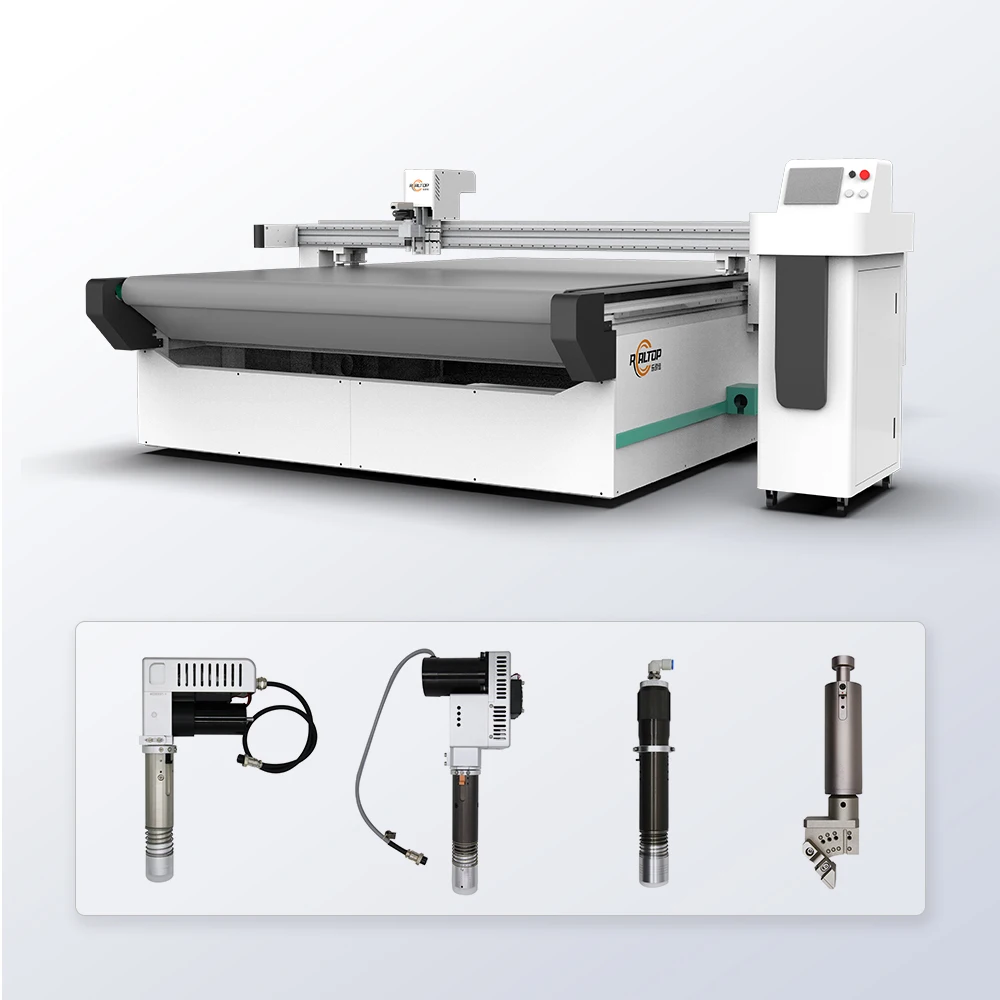
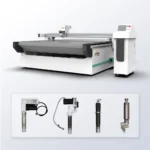
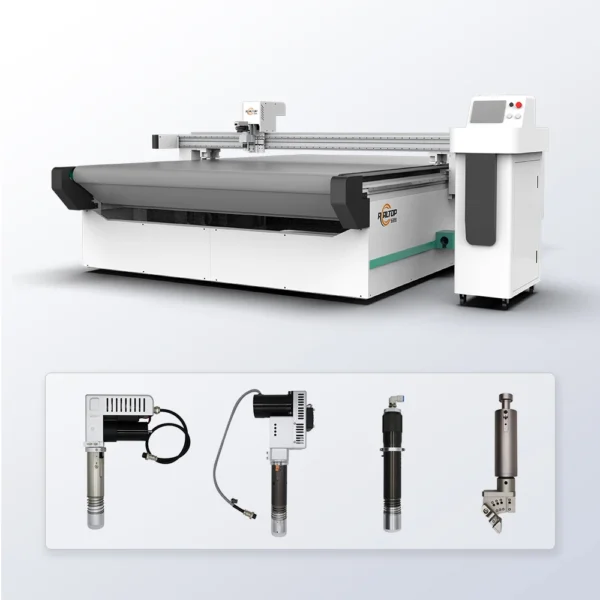
| Tool Head Options | Oscillating knife, Driven rotary knife, Creasing wheel, Kiss cutting tool, Pneumatic knife, Milling tool, V groove knife |
| Cutting Speed | 0–2000 mm/s |
| Cutting Thickness | ≤ 30 mm (basis not stated in source — confirm material type and layer count) |
| Positioning Accuracy | ±0.1 mm |
| Vacuum Pump Power | 9 kW |
| Vacuum Table | Aluminum bellows vacuum table with high flatness and sealing |
| Control System | PLC control panel with optional display languages |
| Servo Drive Options | Panasonic, Delta, Dorna (source value — verify against manufacturer catalog) |
| File Formats Supported | PLT, DXF, AI, PDF |
| Safety Device | Infrared sensor device and emergency stop device |
| Voltage Options | 110V, 220V, 380V (frequency not stated in source — confirm 50/60 Hz) |
| Machine Frame | Heavy-duty frame with precision-ground surface |
| Overall Dimensions (L×W×H) | 3300×2100×1350 mm |
| Certification | CE |
Application Suitability
| Application | Material or Output |
|---|---|
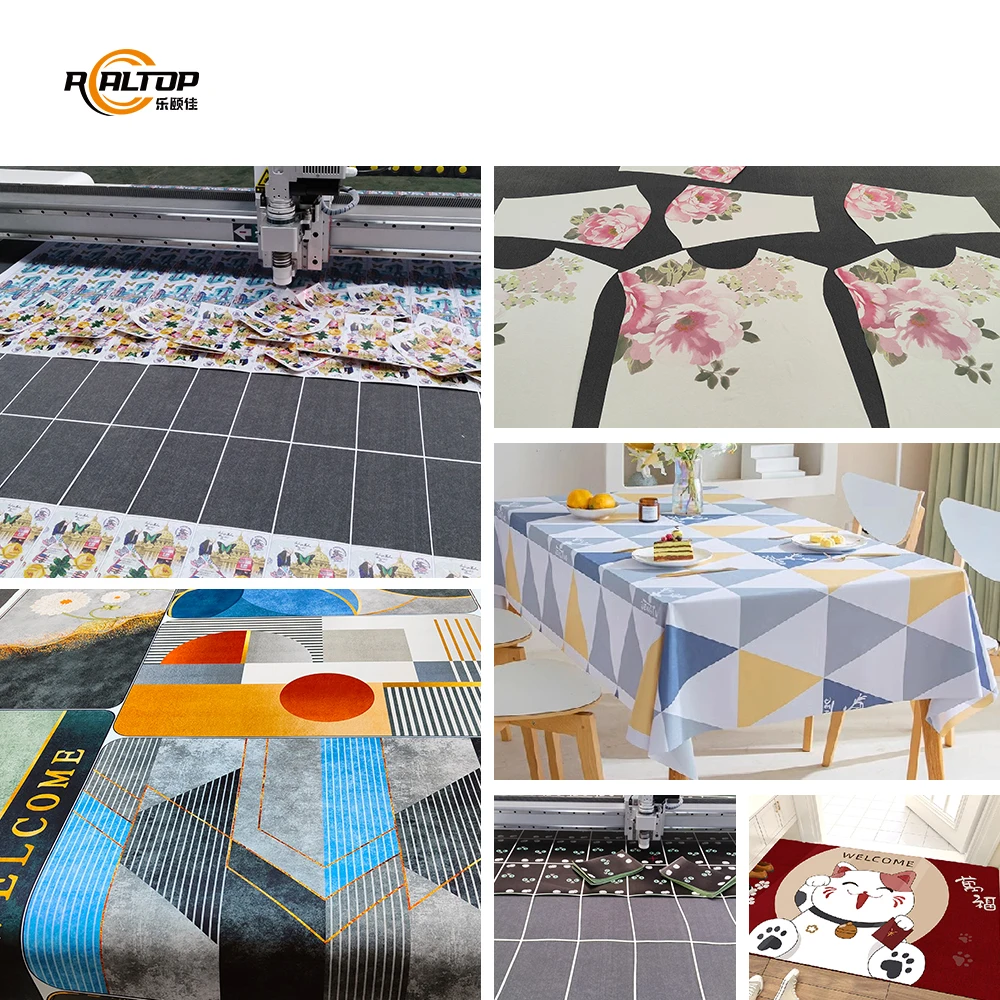
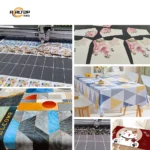
| Apparel manufacturing | Suits, knitwear, lace, complex patterned fabrics with pattern-matching nesting |
| Automotive interiors | Seat fabrics, carpets, PVC mats |
| Home textiles | Sofa fabrics, curtains, rugs with multi-layer cutting |
| Composite material processing | Carbon fiber prepreg, aramid, specialty materials without delamination |
Why a 1600×2500 mm Bed Size Tells You Nothing About Edge Quality
The cutting edge you get depends on tool head selection and vacuum zoning for your exact fabric, not the working area stamped on the nameplate.
I once watched a fabric shop in Jinan struggle through an entire roll of bonded fleece on a machine bought purely on bed size. The vacuum zones were too large for the small pattern pieces, edges frayed on the knit side, and two days vanished into re-nesting and re-cutting. A CNC oscillating knife cutting machine specifications sheet will list the table dimensions and positioning accuracy, but it rarely tells you whether the vacuum zones will hold a 150 mm sleeve panel flat at 2000 mm/s cutting speed [NEED_CITE: vacuum zoning impact on small pattern hold-down during high-speed cutting].
Matching the Tool Head to the Fabric Construction
The 1625 supports seven tool head types, and each answers a different fabric behavior. An oscillating knife handles woven and mid-weight knits cleanly by vibrating through the stack rather than dragging. A driven rotary knife suits continuous long cuts on heavier textiles like carpet and automotive seat fabric where a dragging blade would pull the weave apart. Kiss cutting tools serve laminated materials where you need to score one layer without penetrating the backing — common in adhesive-backed automotive interior panels. Selecting the wrong head does not just produce a poor edge; it generates downstream trimming work that was never in the production plan.
Vacuum Zoning and What Small Pattern Pieces Demand
The aluminum bellows vacuum table on this CNC oscillating knife cutting machine specifications list delivers consistent suction across the 1600×2500 mm surface, but the real question is how the zones are configured. Garment cutting often produces dozens of small pieces — collar stays, pocket flaps, cuff panels — that lift the moment the knife exits the cut path. If the vacuum zone under a small piece is shared with an adjacent large panel that has already been cut, suction bleeds through the kerf and holding force drops. Zone layout must be planned around the actual nesting pattern, not left to a default grid [NEED_CITE: vacuum bleed-through effect on kerf-adjacent small parts in digital cutting].
Reading the Specs That Actually Affect Your Output
Cutting speed is listed as 0–2000 mm/s, but that figure only matters when paired with material behavior. A tightly woven polyester holds an edge at high speed; a loose knit or plush will distort above a fraction of that range. Positioning accuracy of ±0.1 mm keeps registration tight across multi-layer stacks, which is essential when you are nesting patterned fabric and every panel must align to a repeat. The 9 kW vacuum pump rating tells you the suction capacity available, but whether that capacity reaches a small corner piece depends on the table zone valve layout and the condition of the bellows seal. File format support for PLT, DXF, AI and PDF means the machine should accept output from common nesting software, but confirming that your specific nesting application exports clean paths in one of these formats before shipment avoids a costly software mismatch on day one.
The Hidden Cost of a Mismatched Configuration
Ordering a cutter on working area alone is the most common mistake I see in fabric workshops. The machine arrives, the bed is the right size, and nothing cuts cleanly because the tool head was selected for a material you do not actually run. Ragged edges on knit fabric mean operators slow the feed rate down, which cuts daily output. Crushed foam layers from excessive knife pressure create rejected pieces that the nesting software never accounted for [NEED_CITE: fabric edge quality loss from incorrect oscillation frequency on knit materials]. Small pattern pieces drifting on an under-zoned vacuum table force re-cuts that consume extra yardage. These are not machine faults — they are specification failures that happen before the machine is built.
Why Buyers Source This Build
In-house design covers both knife and laser cutting technology, so the cutting method is matched to the material rather than forced into one approach. Tool head and vacuum table configuration are specified per fabric type and layer count after reviewing sample cutting results. CCD camera positioning is available for printed contour alignment on patterned fabrics, confirmed in the build rather than assumed. Software file compatibility is verified with your nesting workflow before the order enters production. Voltage, plug type and control panel language are locked down to match your facility, so the machine powers on correctly the day it is installed.
Documentation & Verification
- Sample cutting report on your specific fabric stack showing edge quality and achievable layer count
- Tool head and table zone configuration list matched to your material type
- Electrical schematic with voltage and frequency confirmed against your facility supply
- Software licence and file format compatibility note for your nesting application
- Factory test record on your material before dispatch
- Spare parts list with tool head wear items identified
Installation, Commissioning & Support
- Requires level concrete floor with minimum clearance around the 3300×2100 mm footprint for material loading
- Dedicated electrical circuit matching confirmed voltage option with correct breaker rating for 9 kW vacuum pump plus servo loads
- Machine ships partially assembled; gantry and tool head carriage require on-site alignment and belt tensioning
- First-run parameter setting includes vacuum zone mapping and knife oscillation frequency calibration for your fabric
- Operator training covers PLC panel navigation in your confirmed control language and tool change procedure
- Wear parts stock covers oscillating knife blades, rotary knife discs and bellows seals for initial operating period
What to Include With Your Inquiry
Share the exact fabric type, construction and weight per square meter, along with the maximum layer count you plan to cut. Include your facility voltage and frequency, preferred control panel language, and a sample file in your nesting software’s native export format so we can verify path compatibility before quoting.
Frequently Asked Questions
Q: How is cutting thickness verified for my specific fabric type and layer count?
A: We run a sample cutting test on your actual material before the order is finalized. The test covers your target layer count, and the report documents edge quality, cutting speed achieved and tool head pressure settings. This removes guesswork and ensures the configuration matches what you will run in production.
Q: Which tool head is recommended for my material?
A: The choice depends on your fabric construction and cutting pattern. Oscillating knives suit most wovens and mid-weight knits, driven rotary knives handle heavier textiles and carpets, and kiss cutting tools work on laminated layers. We specify the head after reviewing your sample material and production pattern.
Q: How is vacuum table zoning configured for small pattern pieces?
A: Zone layout is planned around your nesting pattern, not left to a default grid. Small pieces like collar panels and pocket flaps require dedicated zones so suction does not bleed through adjacent cut kerfs. We configure the aluminum bellows table valves to match your typical nesting output before build sign-off.
Q: Will the control software import my existing DXF or AI files?
A: The PLC system supports PLT, DXF, AI and PDF file formats. Before the order enters production, we verify that your nesting software exports clean cutting paths in a compatible format and confirm any post-processing requirements so the workflow functions correctly on arrival.
Q: What voltage and control language will be confirmed before shipment?
A: Voltage options include 110V, 220V and 380V, and frequency must be confirmed as 50 or 60 Hz to match your facility. Control panel language options cover English, Russian, Italian and Chinese, with custom languages available. Both are locked in writing before production begins.


商品评价
Clear filtersThere are no reviews yet.