



Fast Shipping
Carrier information

20k products
Payment methods

24/7 Support
Unlimited help desk

2-day Delivery
Track or off orders
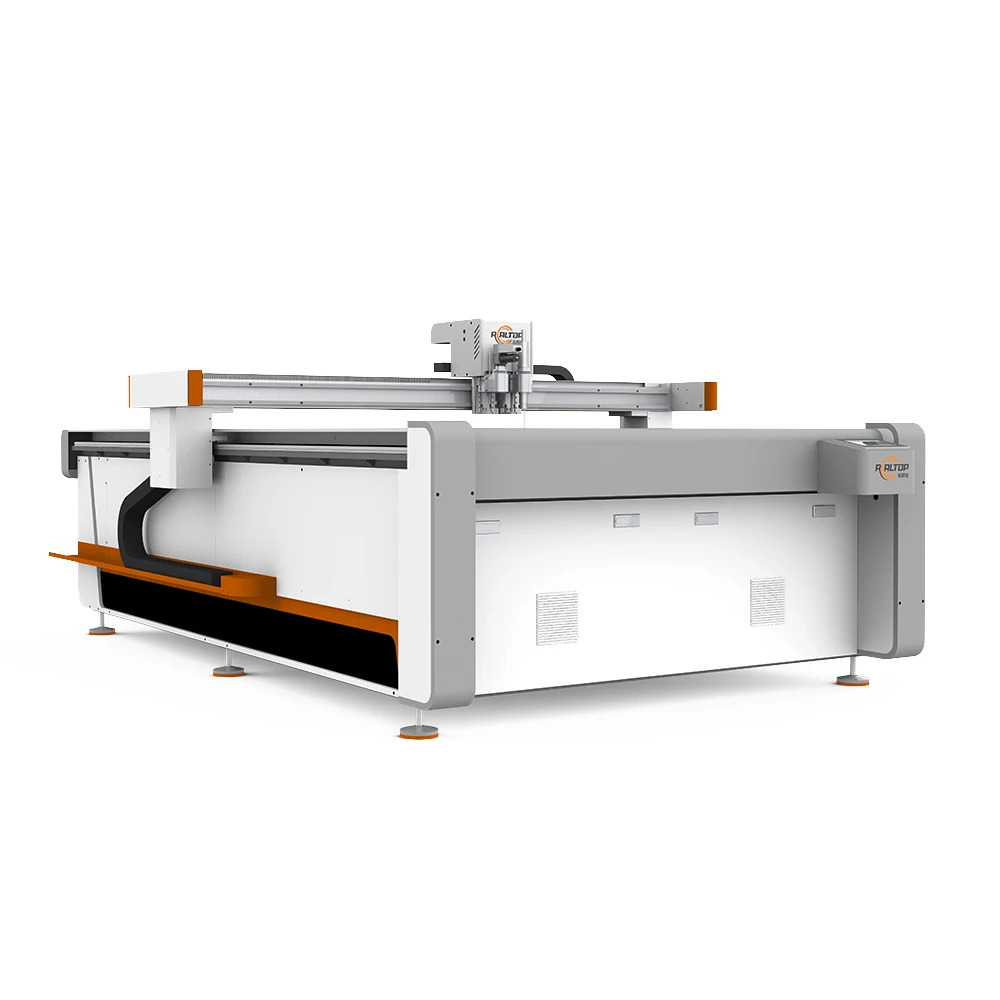
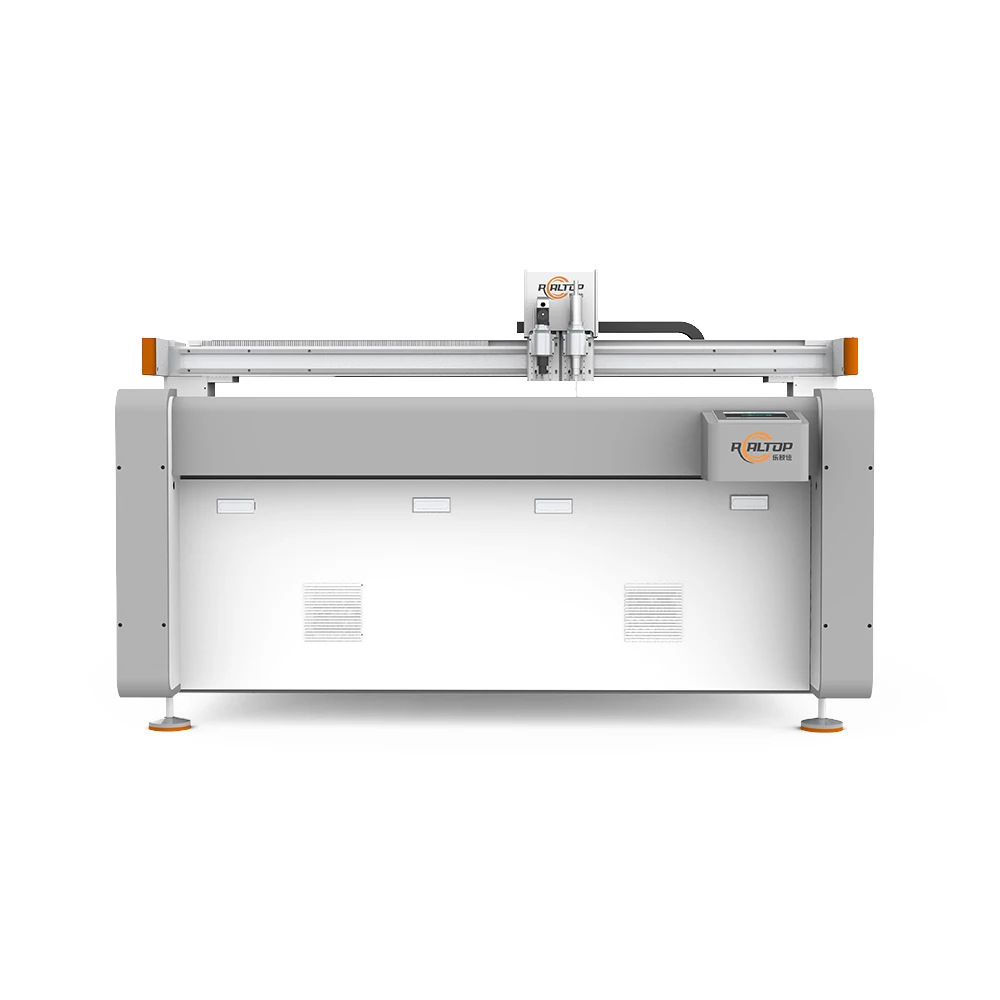
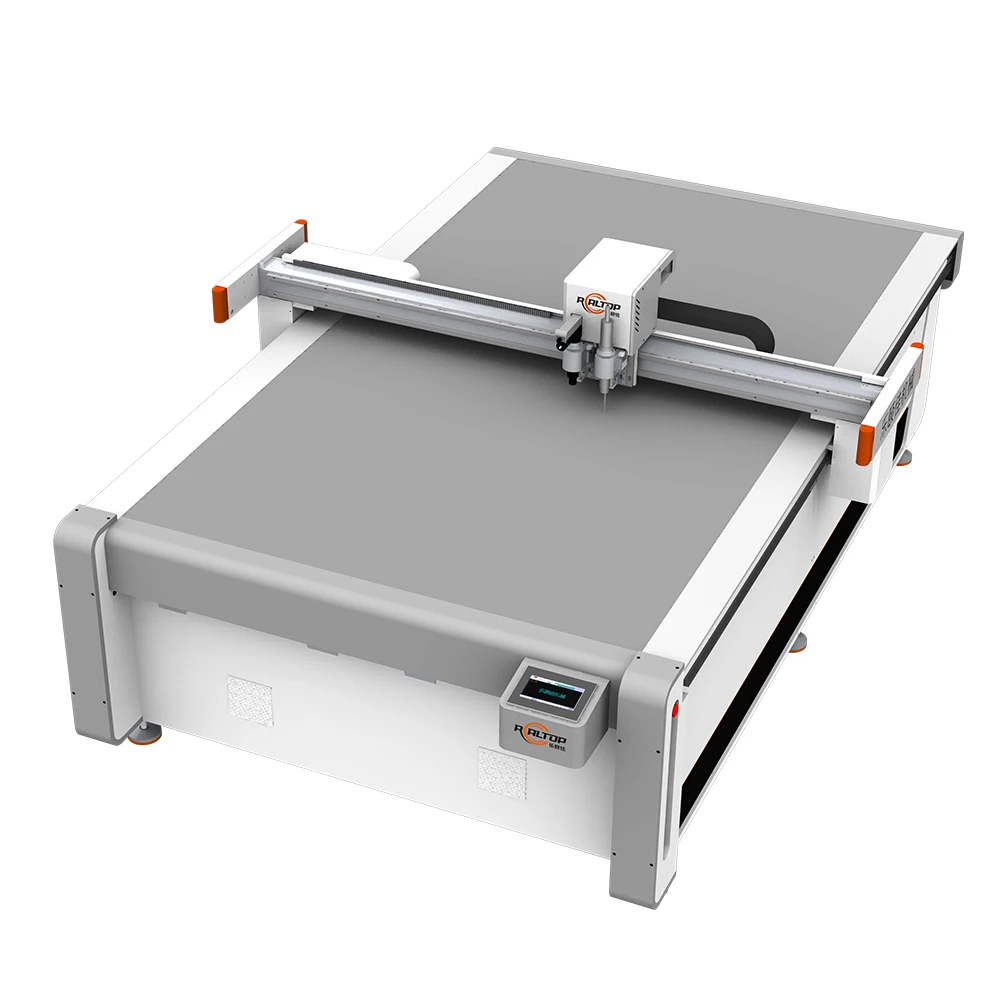
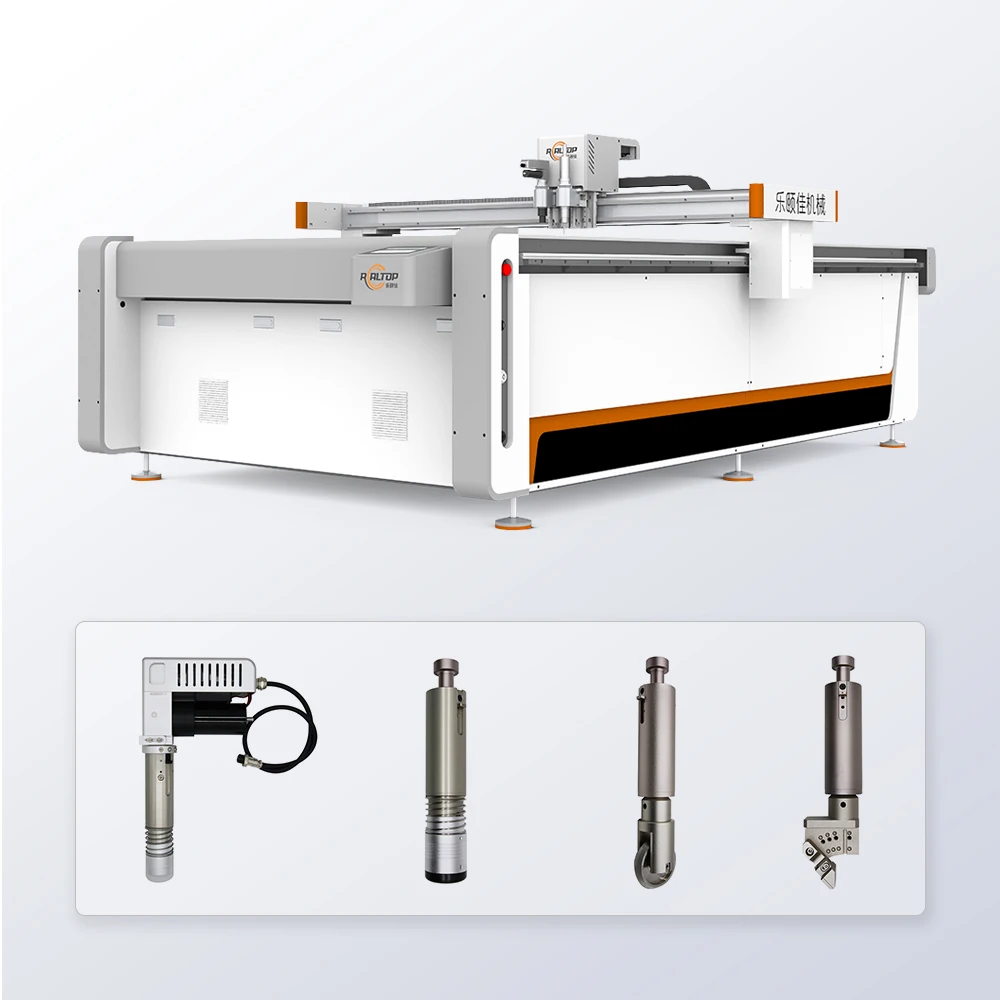
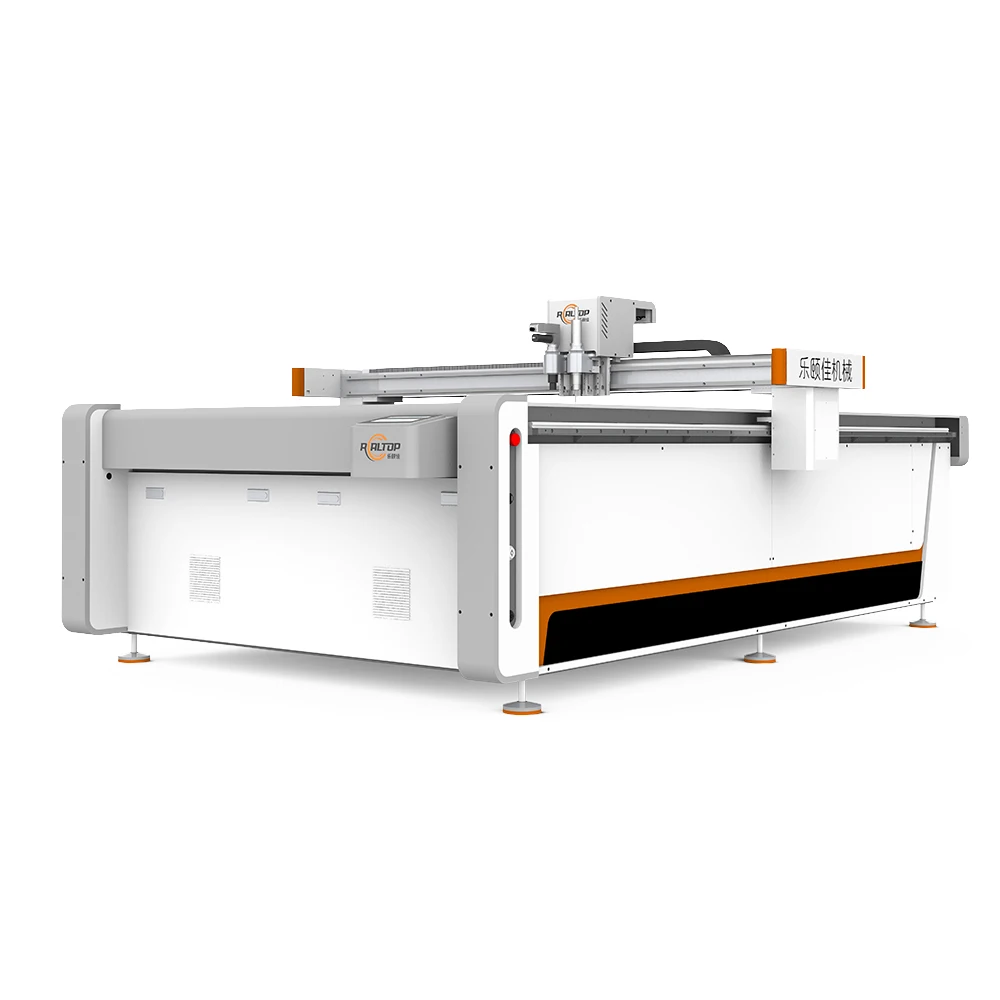
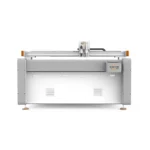
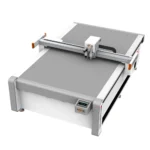
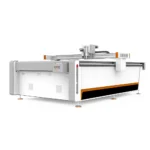
Configurable Tool Head and Vacuum Zoning — every 1625(std.) cutting table is configured with the exact oscillating knife, creasing wheel, and vacuum zone layout required for your specific flute type and board weight before shipment.
Technical Specifications
| Parameter | Value |
|---|---|
| Model | 1625(std.) |
| Product Type | CNC Oscillating Knife Cutting Machine |
| Working Area | 1600×2500 mm |
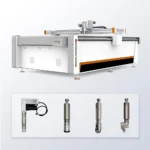
| Tool Head Options | Oscillating knife, Driven rotary knife, Creasing wheel, Kiss cutting tool, Pneumatic knife, Milling tool, V groove knife |
| Cutting Speed | 0-1500 mm/s |
| Cutting Thickness | ≤ 40 mm |
| Cutting Accuracy | ±0.1 mm |
| Vacuum Pump | 9 kW |
| Vacuum Table | Aluminum bellows vacuum table |
| Voltage Options | 110V, 220V, 380V |
| Servo Motors | Panasonic, Delta, Dorna options available |
| Control Panel | PLC with intuitive interface and optional display languages |
| Software | Dedicated packaging box structure design software |
| Profile Format | PLT, DXF, AI, PDF |
| Safety Device | Infrared sensor device and emergency stop device |
| Machine Size | 3300×2100×1350 mm |
| Standards | CE (source value — verify against manufacturer catalog) |
Application Suitability
| Application | Material or Output |
|---|---|
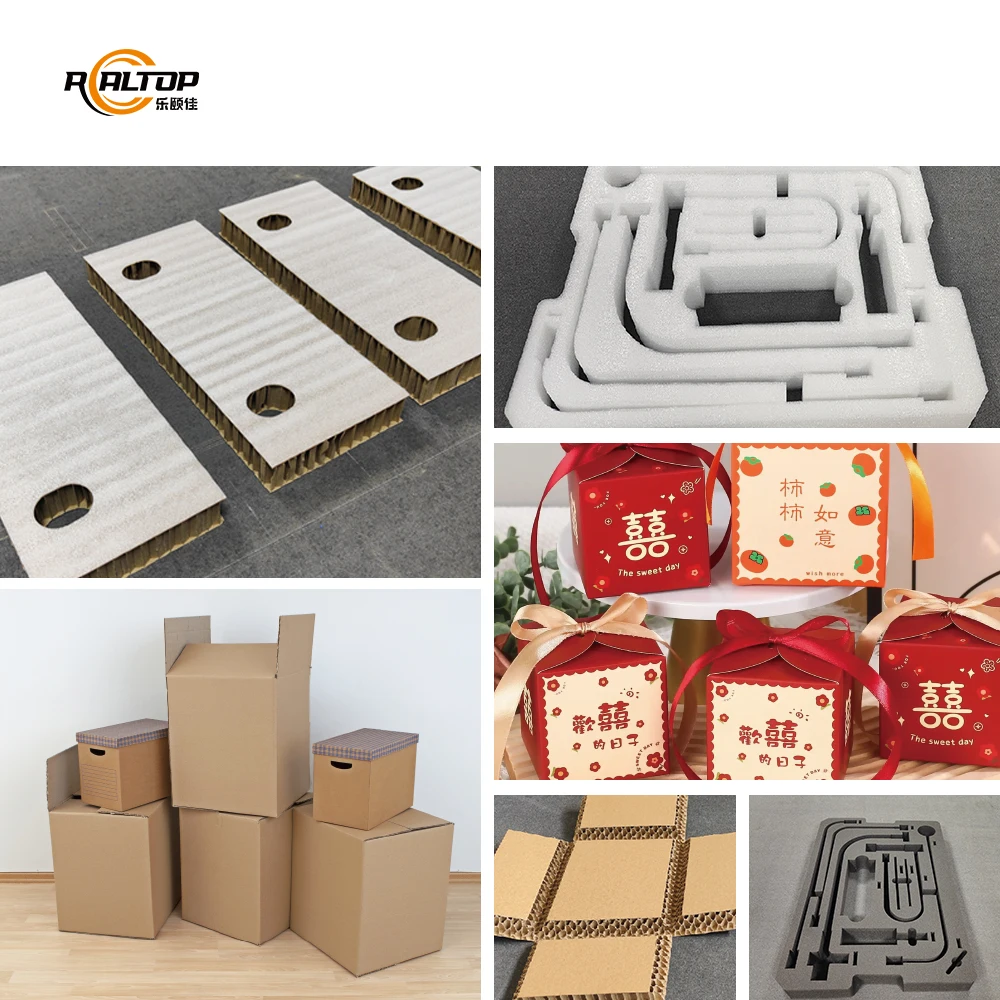
| Corrugated carton sample making | E-flute, B-flute, BC-flute corrugated cardboard |
| Greyboard and cardstock prototyping | Greyboard, art paper, specialty paper |
| Foam packaging insert cutting | EVA foam, EPE foam, PU foam |
| Short-run packaging production | Corrugated board, cardstock, adhesive-backed materials |
| Signage and display component cutting | PVC sheets, foam board, composite panels |
| Non-metal gasket and liner cutting | Rubber mats, PTFE, thin plastic sheets (PVC, PET) |
Why "Working Area" Is Not Enough When Choosing a CNC Oscillating Knife Cutting Table
The real failure point in packaging sample cutting is not the table size — it is the mismatch between tool head configuration, vacuum zoning, and the actual board grade on your production floor.
Buyers often specify a CNC oscillating knife cutting table based purely on sheet dimensions, only to discover that the machine cannot hold small carton blanks flat during cutting or that the creasing wheel crushes the flute structure on heavier BC-flute stock [NEED_CITE: material hold-down failures in digital carton sample cutting]. I have seen sample rooms run perfectly on three-layer E-flute during factory acceptance, then struggle with five-layer double-wall corrugated where the adhesive layers are denser and the knife frequency needs adjustment. The cutting speed drops, edge quality degrades, and two days vanish into parameter tuning that should have been addressed before the machine left the factory.
Matching Tool Heads to Flute Type and Board Weight
The 1625(std.) supports interchangeable tool heads — oscillating knife, driven rotary knife, creasing wheel, V groove knife, kiss cutting tool, pneumatic knife, and milling tool — each selected for a specific material behavior. An oscillating knife running at high frequency works well on single-face E-flute, but switching to BC-flute or greyboard requires lower frequency and higher downward force to push through the adhesive layers without ragged edges. The creasing wheel pressure must also be matched to board caliper so that fold lines score cleanly without cracking the liner.
Vacuum Zoning That Actually Holds Small Carton Blanks
A full-surface vacuum table sounds adequate until you cut small partition inserts or narrow sleeve panels where the suction area exceeds the part footprint and air leaks around the edges. The aluminum bellows vacuum table on this unit provides flat adsorption across the 1600×2500 mm working area, but the zoning configuration determines whether a 50×100 mm gusset piece stays pinned or lifts into the knife path [NEED_CITE: vacuum table zoning requirements for small-format digital cutting]. Proper zone mapping during configuration ensures that each cutting region activates only the vacuum cells beneath the material.
Reading the Specs That Matter for Packaging Production
The ±0.1 mm cutting accuracy across the full working area depends on the servo drive system — Panasonic, Delta, or Dorna motors are available, and the choice affects long-term positional repeatability during extended sample runs. The 9 kW vacuum pump generates sufficient suction for dense corrugated stock, but actual hold-down performance depends on table sealing and zone valve response time. File format compatibility (PLT, DXF, AI, PDF) with the dedicated packaging box structure design software determines whether your existing dieline library imports without manual re-drawing, which is often where sample turnaround time is won or lost. The PLC control panel with optional display languages means the operator interface can match your production floor’s working language before the machine ships.
The Hidden Cost of Skipping Material-Specific Configuration
When a machine arrives configured for generic cardboard but your daily work involves laminated greyboard or adhesive-backed foam, the knife dulls prematurely, the vacuum fails to grip coated surfaces, and the creasing wheel leaves visible marks on printed stock [NEED_CITE: tooling wear patterns on coated and laminated packaging substrates]. Correcting these issues after installation means sourcing alternative tool heads, re-mapping vacuum zones, and re-running sample approvals — all on your production clock rather than during factory testing.
Why Buyers Source This Machine Through Our Production Line
In-house design covers both the mechanical frame and the software integration, so the packaging box structure design software communicates directly with the PLC without third-party driver conflicts. Tool head and vacuum configurations are specified per buyer material before production begins, not selected from a default list. Every machine runs a sample cutting test on the buyer’s own corrugated or greyboard stock, and the test report documents edge quality, crease definition, and cutting speed achieved. Voltage, plug type, and control language are confirmed against the destination market’s electrical standards before the unit enters final assembly [NEED_CITE: voltage and plug configuration standards for industrial machinery exports].
Documentation & Verification
- Machine specification sheet listing configured tool heads and vacuum zone map for your board grades
- Electrical schematic with confirmed voltage and plug type for your facility supply
- Sample cutting report on your corrugated or greyboard material showing edge and crease quality
- Software licence and file format compatibility note for your existing PLT, DXF, AI, or PDF dieline library
- Factory test record documenting cutting accuracy and vacuum performance before crating
Installation, Commissioning & Support
- Floor space requirement based on 3300×2100 mm machine footprint plus material feed and offload clearance
- Dedicated electrical circuit matching confirmed voltage (110V, 220V, or 380V) and the 9 kW vacuum pump load
- Machine arrives assembled with vacuum table and gantry; utility connections and leveling completed on-site
- First-run parameter tuning for your specific flute types and board weights during commissioning
- Operator training on tool head changeover, vacuum zone activation, and packaging software nesting workflow
- Spare oscillating knife blades, creasing wheels, and vacuum seals included with initial spare parts list
Before You Request a Quote
Send your actual corrugated flute types, board weights, and maximum sheet dimensions along with daily sample volume so we can specify the correct tool head and vacuum layout. Confirm your facility voltage, frequency, and preferred control panel language to avoid rework after delivery. If your design team works in a specific CAD format or nesting workflow, share a sample file so software compatibility is verified before the order is finalized.
Frequently Asked Questions
Q: How do I match oscillating knife frequency and creasing wheel pressure to my corrugated flute type?
A: E-flute and B-flute generally need higher knife frequency with lighter creasing pressure, while BC-flute and double-wall require lower frequency with greater downward force. We configure the tool head parameters based on sample cutting on your actual board stock before the machine ships, so the settings match your production materials from day one.
Q: What vacuum table zoning do I need for small packaging inserts and partition pieces?
A: Small parts require activated vacuum cells only beneath the material footprint to prevent air bleed and lift. The aluminum bellows table on the 1625(std.) supports zone mapping during configuration, and we define the active zones based on the smallest part dimensions in your sample cutting submission.
Q: Will the packaging software import my existing dieline files without re-drawing?
A: The dedicated software supports PLT, DXF, AI, and PDF import. We ask buyers to submit representative dieline files before order confirmation so we verify layer recognition, dimension accuracy, and nesting compatibility with your current design workflow.
Q: How are voltage and control language confirmed before the machine ships?
A: We collect your facility voltage, frequency, and plug type along with preferred operator interface language during the specification stage. The electrical schematic and control panel configuration are documented and confirmed before the machine enters final assembly.
Q: What does the sample cutting test on my material actually cover?
A: You send representative board samples including your heaviest and most difficult flute grades. We run cutting and creasing tests, document edge quality, crease definition, and achievable speed, then provide a full report so you can evaluate performance before committing to the order.


商品评价
Clear filtersThere are no reviews yet.