



Fast Shipping
Carrier information

20k products
Payment methods

24/7 Support
Unlimited help desk

2-day Delivery
Track or off orders
Knife-to-Material Matching Protocol — Every 1625 oscillating knife configuration is validated against the buyer’s actual corrugated flute profile and board stock before the tool head leaves the assembly bench.
Technical Specifications
| Parameter | Value |
|---|---|
| Model | 1625 |
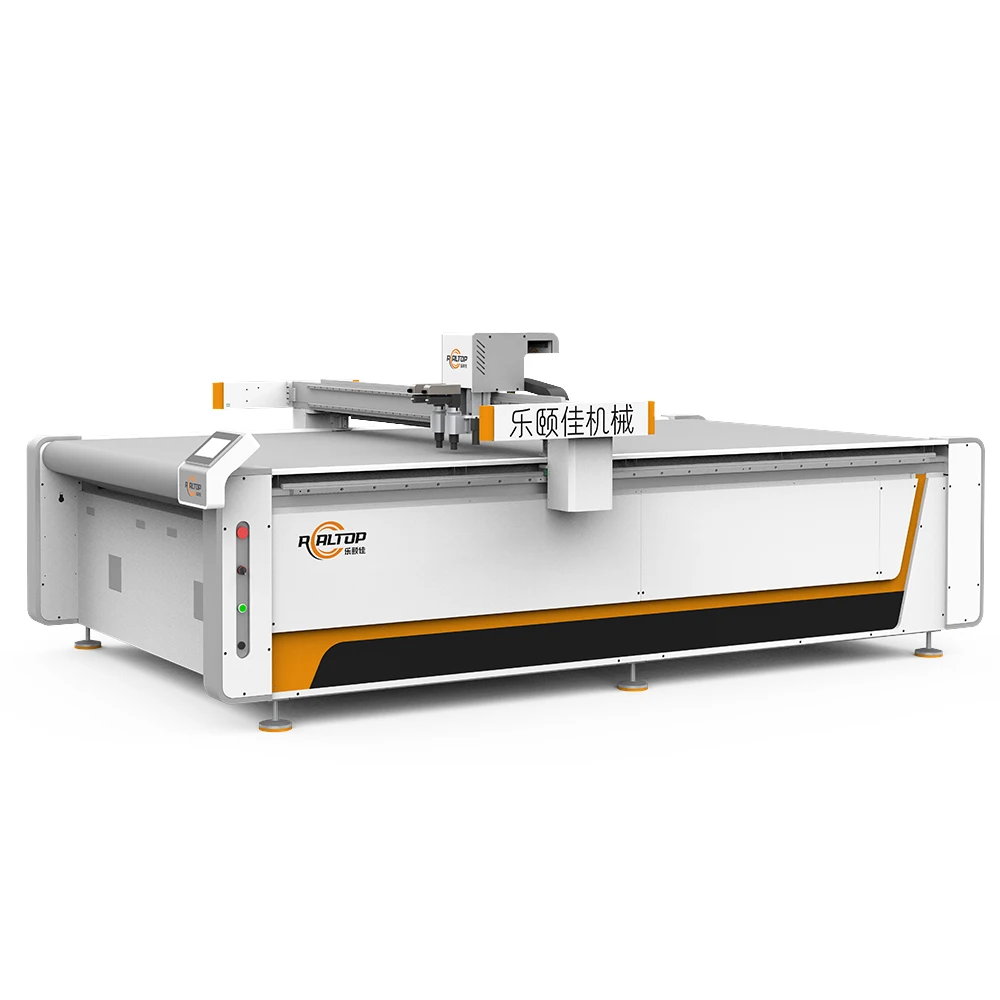
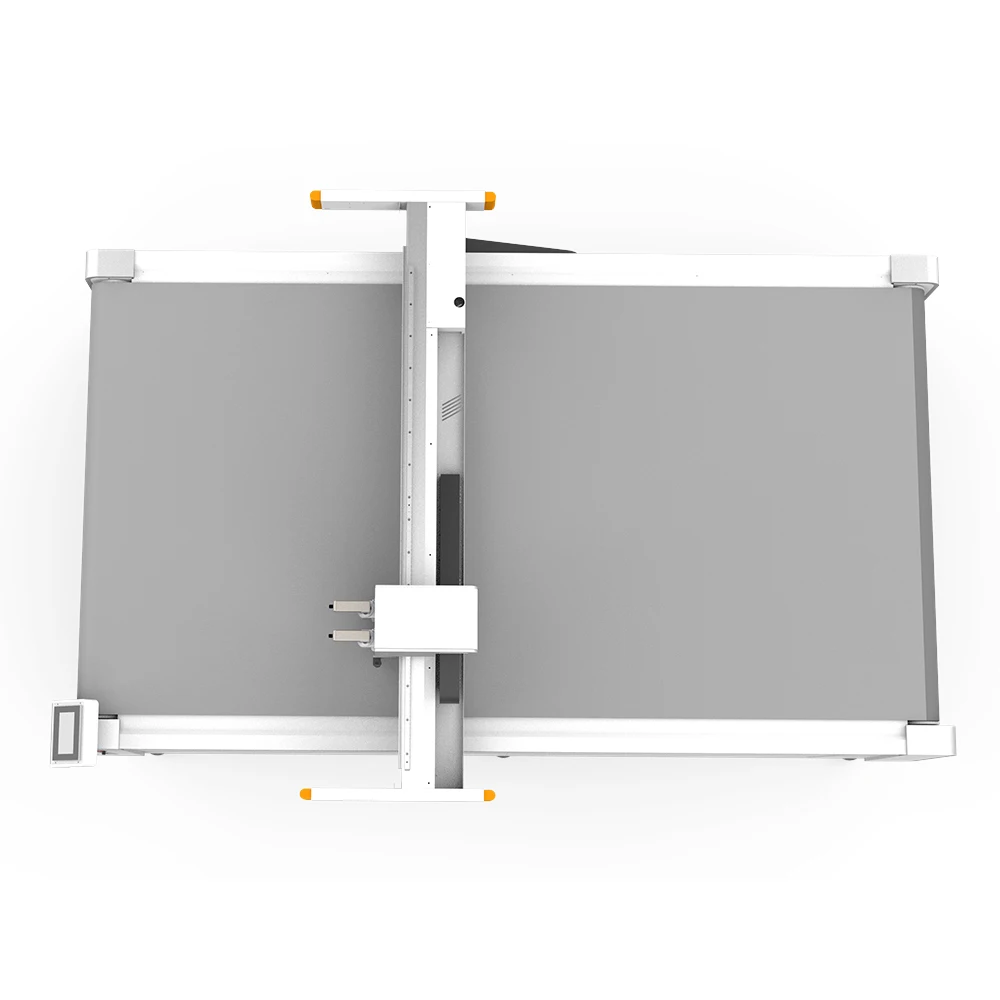
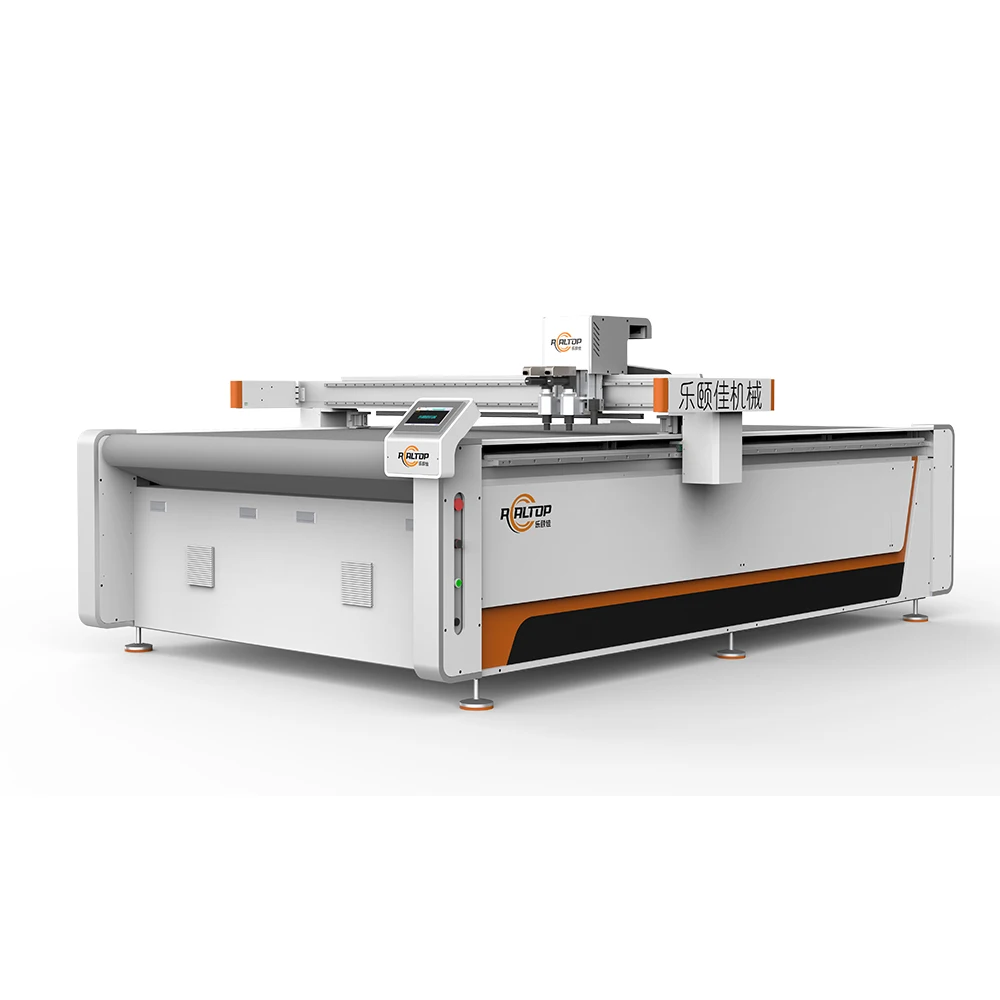
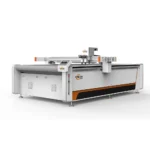
| Product Type | CNC Oscillating Knife Carton Cutting Machine |
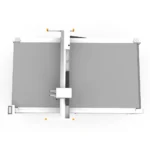
| Working Area | 1600 × 2500 mm |
| Cutting Thickness | ≤ 40 mm (basis not stated in source — confirm block format / material / thickness) |
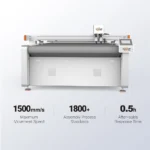
| Cutting Accuracy | ±0.1 mm |
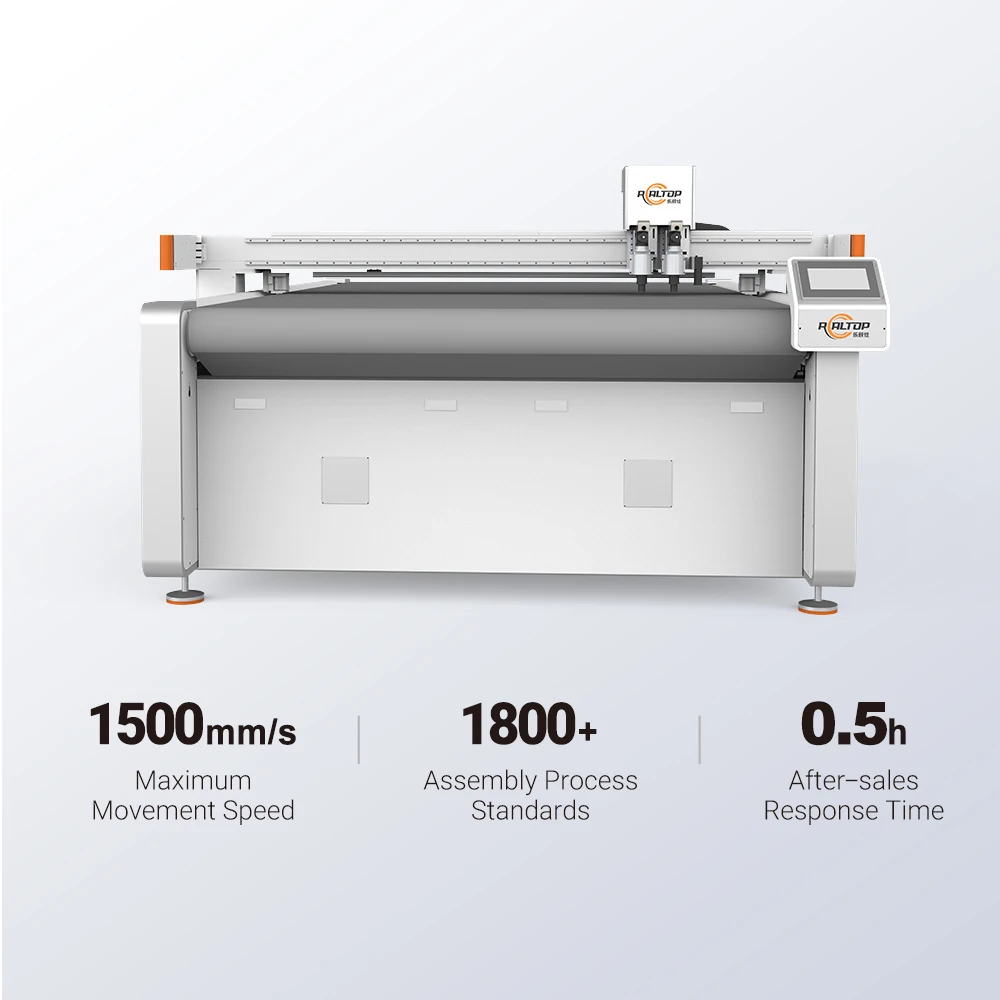
| Cutting Speed | 0–1500 mm/s |
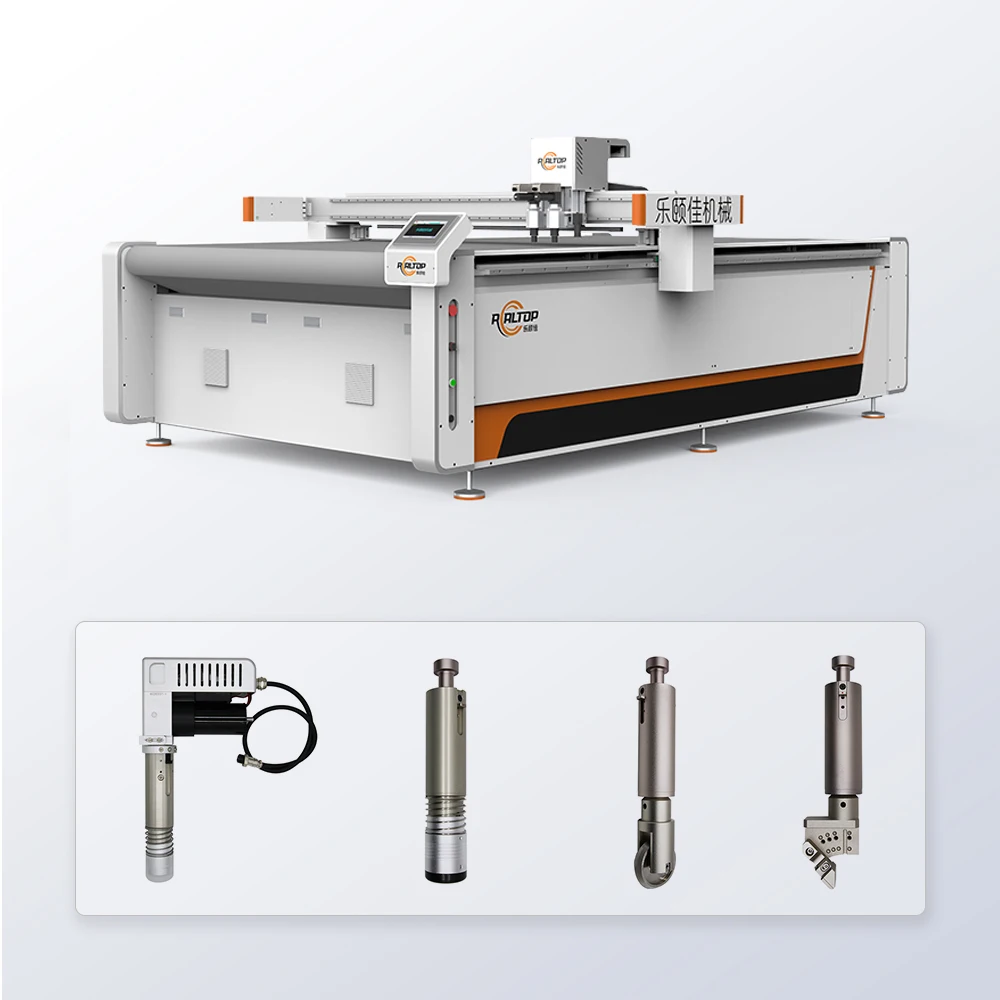
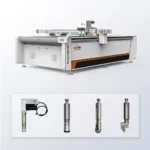
| Tool Heads Available | Oscillating knife, Driven rotary knife, Creasing wheel, Kiss cutting tool, Pneumatic knife, Milling tool, V groove knife |
| Vacuum Table | Aluminum bellows vacuum table |
| Vacuum Pump | 9 kW |
| Control System | PLC control panel |
| Software | Dedicated packaging box structure design software |
| Profile Formats | PLT, DXF, AI, PDF |
| Servo Motor Options | Panasonic, Delta, Dorna |
| Voltage Options | 110V, 220V, 380V |
| Language Options | English, Russian, Italian, Chinese (customizable) |
| Safety Devices | Infrared sensor device, emergency stop device |
| Machine Size | 3300 × 2100 × 1350 mm |
| Certification | CE |
Application Suitability
| Application | Material or Output |
|---|---|
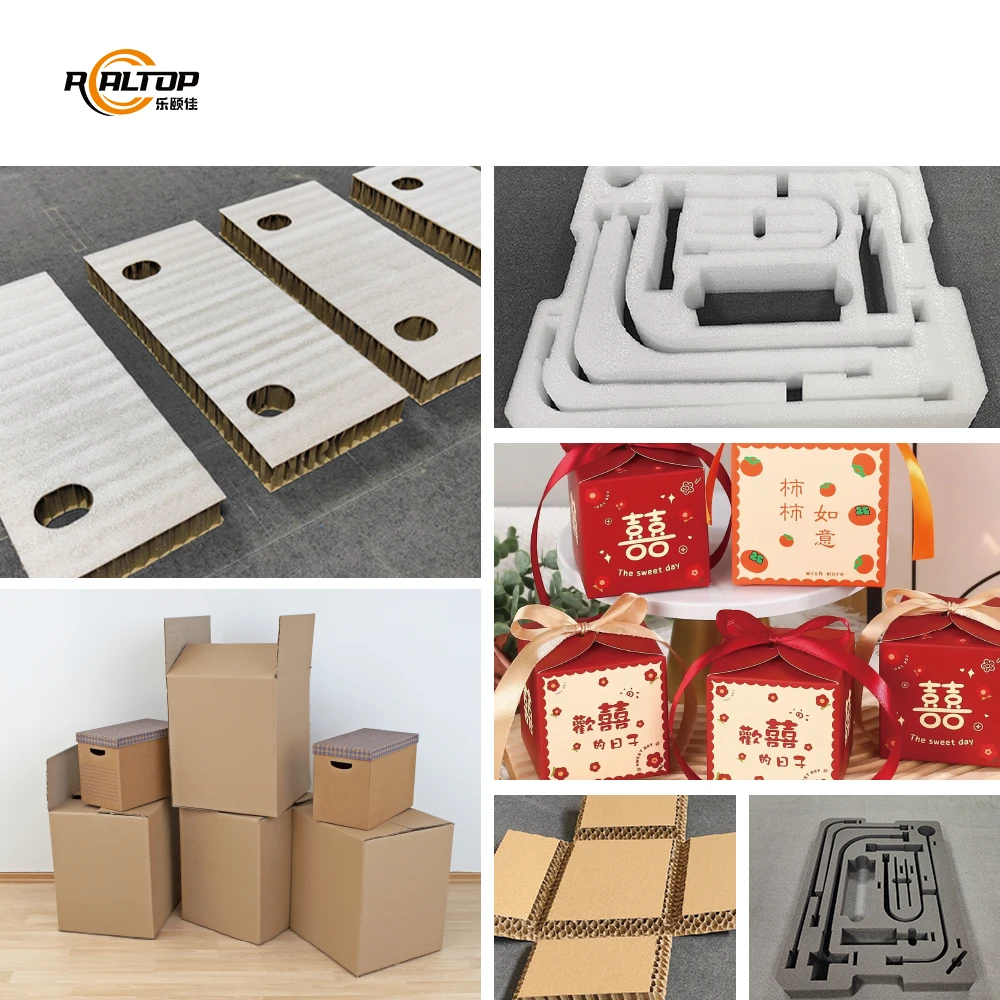
| Corrugated carton sample making | E-flute, B-flute, BC-flute corrugated board up to 40 mm |
| Greyboard and cardstock prototyping | Greyboard, art paper, specialty paper, cardstock |
| Foam and EVA insert production | EVA, EPE, PU foam sheets for protective packaging |
| Composite packaging assembly | Rubber mats, velvet/fleece fabric, non-woven fabric |
| Thin plastic sheet cutting | PVC, PET, thin plastic sheets |
| Leather and synthetic die-free sampling | Leather, synthetic leather, adhesive-backed composites |
Why Tool Head Selection Matters More Than Working Area
Buyers often specify a CNC oscillating knife cutting table based on bed size alone, only to discover the default oscillating knife cannot cleanly shear through double-wall BC-flute at full depth. The cutting edge geometry and stroke frequency must match the flute profile and board density, not just the sheet dimension. I have watched machines arrive at packaging sample shops where the operator spent two full weeks adjusting knife pressure and oscillation frequency because the board fiber direction on the actual production stock differed entirely from the test samples. Ragged edges on carton prototypes mean re-cutting, and re-cutting kills the time advantage that digital cutting is supposed to deliver [NEED_CITE: oscillating knife stroke frequency and material density interaction].
Oscillating Knife Versus Driven Rotary for Corrugated Flute Profiles
The 1625 supports both oscillating knife and driven rotary knife heads, and choosing between them depends on the flute structure. Oscillating knives cut through single-face and double-wall corrugated board by vibrating the blade at high frequency, producing a shearing action that keeps the flute columns intact rather than crushing them. Driven rotary knives suit thinner cardstock and art paper where a continuous rolling cut produces a cleaner edge on coated surfaces. Switching between the two on the same aluminum bellows vacuum table allows a single machine to handle the full range of packaging sample materials a prototype shop encounters.
Vacuum Table Zoning and Small-Part Hold-Down During Carton Cutting
Carton sample geometry often produces narrow flaps and small glue tabs that lift off the table surface the moment the knife exits the cut path. The aluminum bellows vacuum table on the 1625 provides full-surface adsorption with sufficient flatness to keep these small features pinned during cutting. The 9 kW vacuum pump generates the negative pressure needed across the 1600 × 2500 mm bed, and the zoning capability means operators can isolate suction to the active cutting zone rather than bleeding vacuum across unused table area [NEED_CITE: vacuum hold-down requirements for thin corrugated inserts].
How Servo Motion and ±0.1 mm Accuracy Translate to Packaging Fit
Crease lines on a carton sample must align with cut edges within a tight tolerance or the folded box will not close square. The PLC-controlled servo motion system — available with Panasonic, Delta, or Dorna motors — holds ±0.1 mm cutting accuracy across the full working area. For packaging sample makers, this means a creasing wheel pass and an oscillating knife pass on the same sheet stay in registration, and the resulting folded prototype matches the CAD dimensions the designer exported from the dedicated packaging box structure design software. When a buyer sends PLT, DXF, AI, or PDF files, the software imports the geometry directly without requiring manual re-draw of crease and cut lines.
Reading the Specification Sheet Beyond Working Area
Four parameters on the 1625 spec sheet deserve more attention than the bed dimensions. First, the cutting thickness ceiling of 40 mm applies differently to E-flute corrugated board than to solid EVA foam — the effective depth depends on material compressibility under the vacuum table, and this should be verified on the actual stock before ordering. Second, the 0–1500 mm/s cutting speed range is the motion system capability; actual production speed depends on contour complexity and the number of tool changes per sheet. Third, the available tool head list — oscillating knife, driven rotary, creasing wheel, kiss cutting, pneumatic knife, milling, and V groove — means the machine can execute cut, crease, and bevel operations in a single setup if configured correctly at the factory. Fourth, the voltage options of 110V, 220V, and 380V must be confirmed against the buyer’s facility supply before the electrical cabinet is wired.
The Cost of Wrong Configuration Choices
A creasing wheel specified for standard greyboard will tear through the top liner of coated art paper, leaving visible scoring damage on premium packaging prototypes. Kiss cutting tools set for thin PVC may not penetrate adhesive-backed composite layers, forcing the operator into a second pass that shifts registration. When voltage and plug type are not locked in before shipment, the machine sits idle on the shop floor waiting for a transformer or a replacement power cable — downtime that has nothing to do with the machine’s mechanical capability [NEED_CITE: voltage mismatch consequences in industrial cutting equipment].
Why Source This Configuration From the Assembly Floor
The 1625 is built on the same assembly line that produces the full Realtop knife cutting range, meaning the frame welding, motion rail alignment, and vacuum table sealing follow the same quality control checkpoints. The in-house design team matches the tool head and table configuration to the buyer’s material list rather than shipping a default package. Sample cutting on the buyer’s own board stock and flute type is performed before the machine leaves the factory, so the oscillation frequency, knife pressure, and vacuum zoning are already dialed in. Software file format compatibility is confirmed during this stage — if the buyer’s existing nesting and box design workflow exports PLT or DXF, the import is tested on the actual control panel. Language customization on the PLC interface and operation manual is set to the buyer’s preference before crating.
Documentation & Verification
- Machine specification sheet listing every tool head and configuration option shipped
- Electrical schematic and voltage confirmation matched to facility supply before wiring
- Sample cutting report on buyer’s own corrugated board stock and flute profile
- Tool head and table configuration list specifying which tools are included for the material mix
- Software licence and file format compatibility note confirming PLT, DXF, AI, PDF import
- Factory test record documenting cutting accuracy and vacuum pressure at dispatch
Installation, Commissioning & Support
- 3300 × 2100 × 1350 mm footprint requires level concrete floor with clearance for sheet loading on all sides
- 9 kW vacuum pump plus servo and PLC loads require a dedicated circuit matching the confirmed 110V, 220V, or 380V supply
- Machine ships partially assembled; aluminum bellows vacuum table and gantry require on-site alignment and belt tensioning
- First-run commissioning includes oscillation frequency and knife pressure calibration on buyer’s actual board stock
- Operator training covers tool head changeover between oscillating knife, creasing wheel, and kiss cutting tools
- Spare parts list specifies blades, creasing wheel inserts, and vacuum table seals with reorder intervals
What to Include in Your Inquiry
Send a list of the specific board types and flute profiles you cut most often, along with typical sheet sizes and whether you need crease-and-cut in a single pass. Confirm your facility voltage and frequency, the control language your operators require, and which file formats your current packaging design software exports. If you have registration-mark printing on the board surface, mention that so CCD contour positioning can be evaluated for your production speed [NEED_CITE: digital cutting file format compatibility standards].
Frequently Asked Questions
Q: How do I choose the right tool head for my corrugated flute type and board thickness?
A: The tool head selection depends on flute profile, board density, and whether you need cutting, creasing, or both. Oscillating knives handle single and double-wall corrugated board by shearing through the flute columns without crushing. Creasing wheels score fold lines. We run your actual board stock on the 1625 before shipping to confirm the correct combination.
Q: Can the system track printed registration marks on my board at production speed?
A: CCD contour positioning is available as a configuration option for printed carton work. Its tracking reliability depends on mark contrast, print quality, and cutting speed. We test on your printed board samples to confirm the camera reads the marks consistently before the machine configuration is finalized.
Q: Will small carton parts lift off the table during cutting?
A: The aluminum bellows vacuum table with its 9 kW pump provides full-surface adsorption across the 1600 × 2500 mm bed. Zoning isolates suction to the active cutting area, keeping narrow flaps and glue tabs pinned. Small-part behavior is verified during the sample cutting test on your specific board weight.
Q: How are voltage, plug type, and control language confirmed before shipment?
A: Voltage is selected from 110V, 220V, or 380V options based on your facility supply, and the electrical schematic is confirmed before the cabinet is wired. Plug type matches your local standard. The PLC control language is set from available options — English, Russian, Italian, Chinese — or customized to your requirement.
Q: Will my existing packaging design files import correctly into the machine software?
A: The dedicated packaging box structure design software accepts PLT, DXF, AI, and PDF formats. Before the order is finalized, we confirm your file import workflow by loading your actual design files on the control system and verifying that cut lines, crease lines, and layer assignments translate without manual re-draw.


商品评价
Clear filtersThere are no reviews yet.